Follow five much-loved Italian foods through every region, with the places and seasons worth building a trip around.
In December 2025, UNESCO added Italian cooking to its list of the world’s Intangible Cultural Heritage: not one dish or ritual, but the whole living practice, from market runs to long Sunday lunches. In this feature, follow five most-loved food categories – wine, olive oil, cheese and cured meats, truffles and bread – through every region, with the places and seasons worth building a trip around.
Wine: Poured From the Peaks to the Sea
Follow the vines and you will reach every corner of Italy, from Alpine terraces to the black slopes of a living volcano.
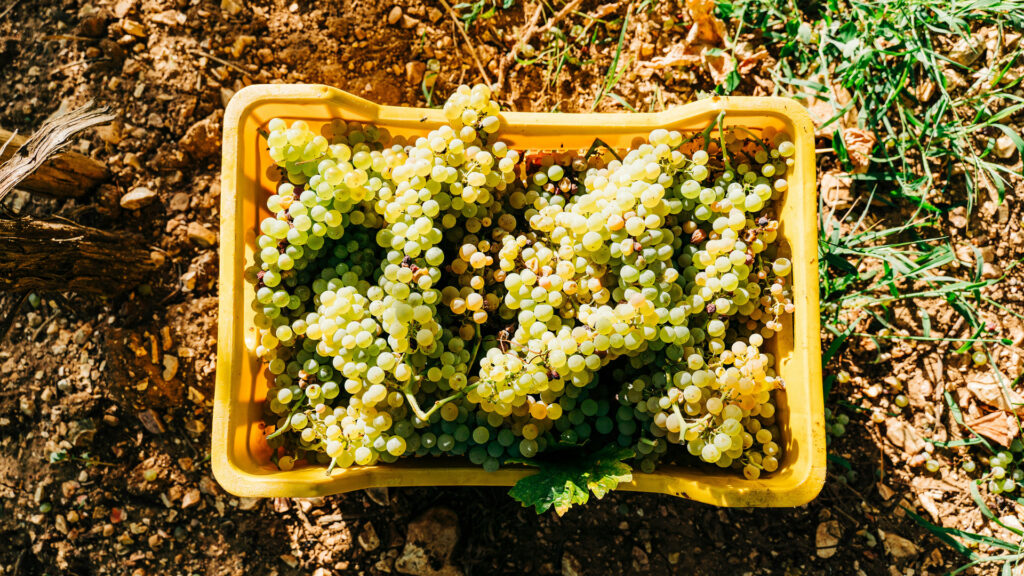
On the north face of Mount Etna, the harvest comes late. Long after most of Italy has finished picking, crews above Castiglione di Sicilia are still working through October, snipping clusters of Nerello Mascalese from gnarled bush vines on terraces walled with black lava stone.
Some of these vines are a century old or more and grow on their own roots. Etna became Sicily’s first DOC appellation in 1968, but its pale, perfumed reds and taut, salty Carricante whites have only become a global obsession in recent decades. Taste wines from neighbouring contrade, the volcano’s officially mapped vineyard districts, and you’ll notice how much a few hundred metres of altitude changes what’s in the glass.
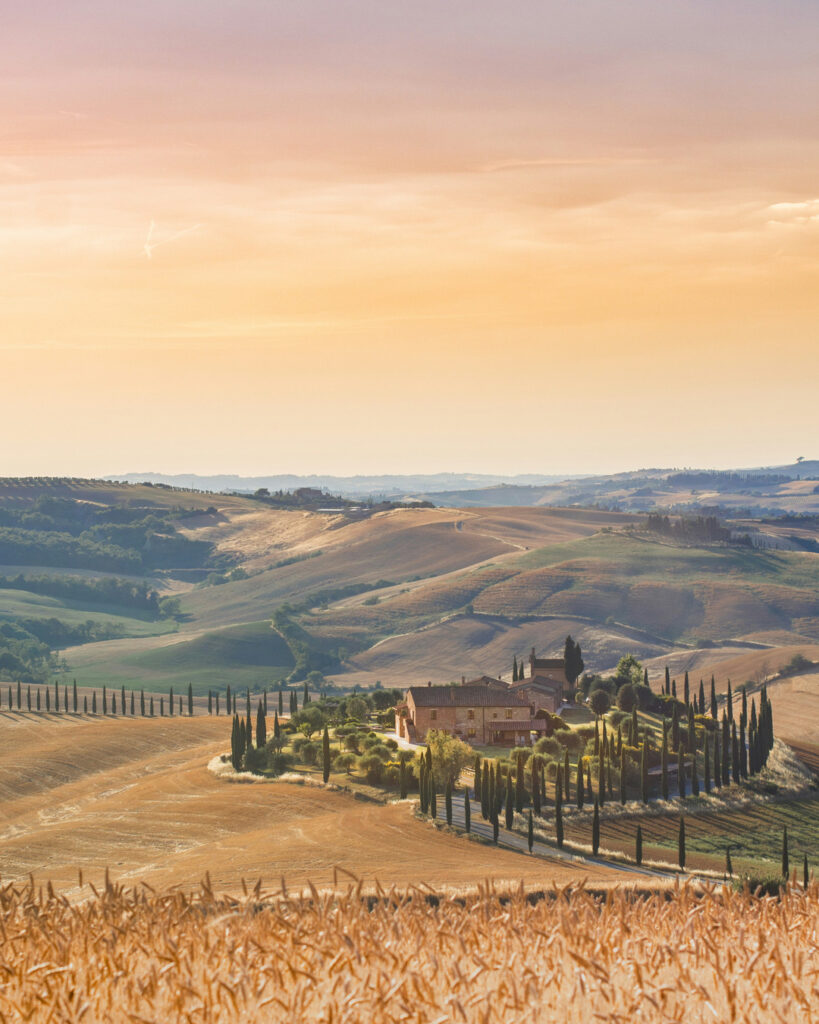
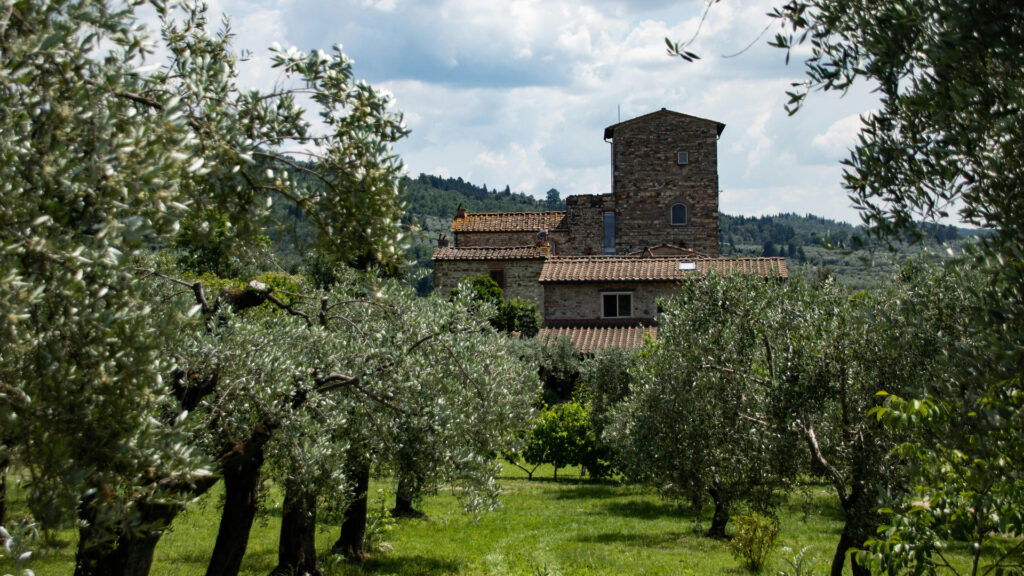
In Piedmont, autumn fog settles over the Langhe hills and the Nebbiolo grape, named for that nebbia, becomes Barolo and Barbaresco. Tuscany rewards specificity: Chianti Classico between Florence and Siena, Brunello in hilltop Montalcino. And in Veneto, the steep hills of Conegliano Valdobbiadene, a UNESCO World Heritage Site, yield top-tier Prosecco, while Valpolicella makes Amarone from grapes dried for months before pressing. Farther south, Calabria’s Cirò, a Gaglioppo-based red, comes from vineyards along the Ionian coast.
Where Else to Taste It
Aosta Valley: Blanc de Morgex et de La Salle, from Europe’s highest vineyards beneath Mont Blanc.
Lombardy: Franciacorta, traditional-method sparkling wine from the hills south of Lake Iseo.
Trentino: Trentodoc, the province’s mountain sparkling wine.
Alto Adige: Gewürztraminer, named for the village of Tramin.
Friuli Venezia Giulia: Amber, skin-contact whites along the Slovenian border.
Umbria: Inky Sagrantino from Montefalco.
Campania: Taurasi and Greco di Tufo from the hills of Irpinia.
Plan It
When: Harvest runs from late August into October, later on Etna’s high slopes.
Tip: Top cellars in Barolo, Montalcino and on Etna work by reservation. Hire a driver or tour and book weeks ahead.
Olive Oil: Liquid Gold, Pressed Fresh
From the shores of Lake Garda to the heel of the boot, Italy’s olive groves come alive each autumn.
Late in the year, on the coastal plain between Fasano and Ostuni, nets are spread beneath trees older than many of Italy’s cathedrals.
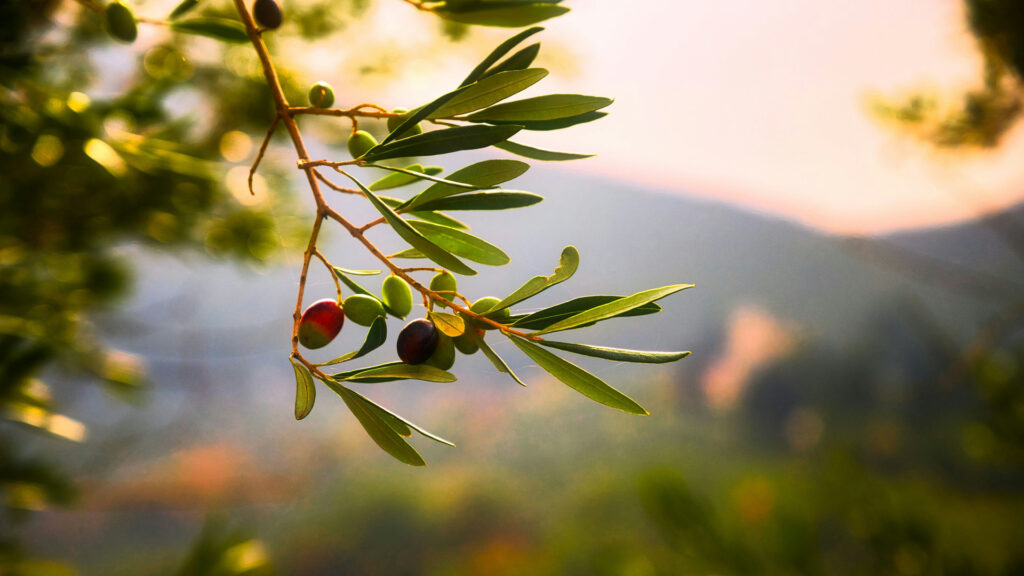
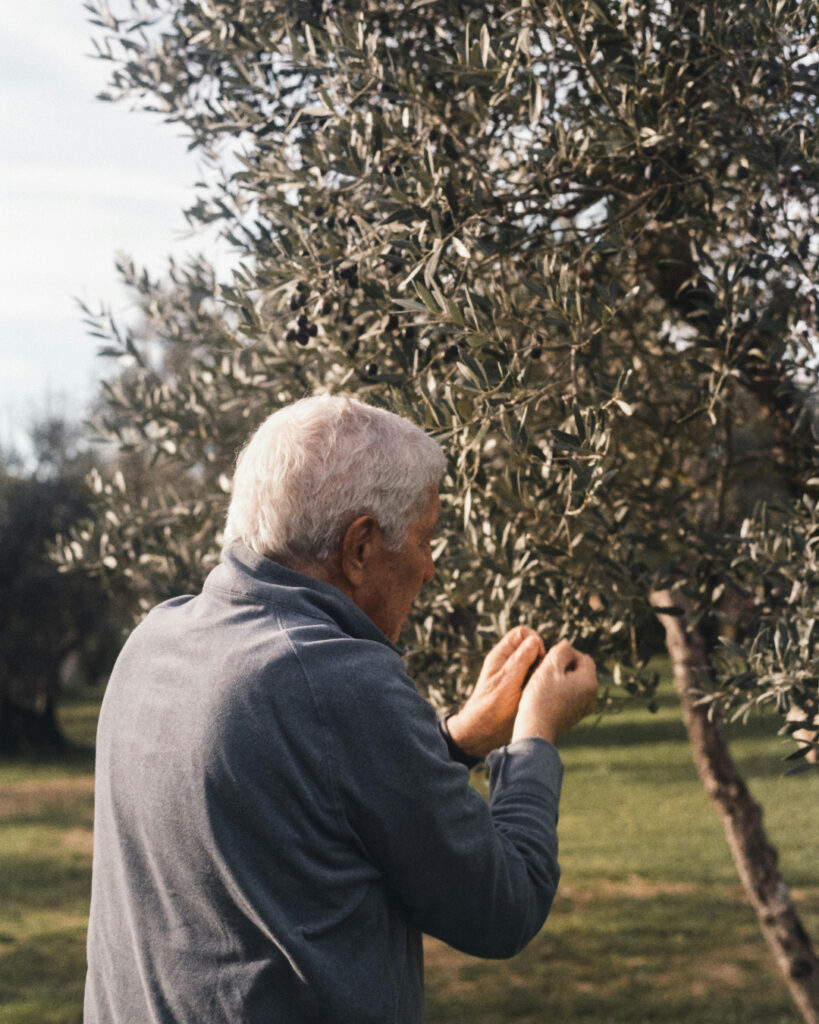
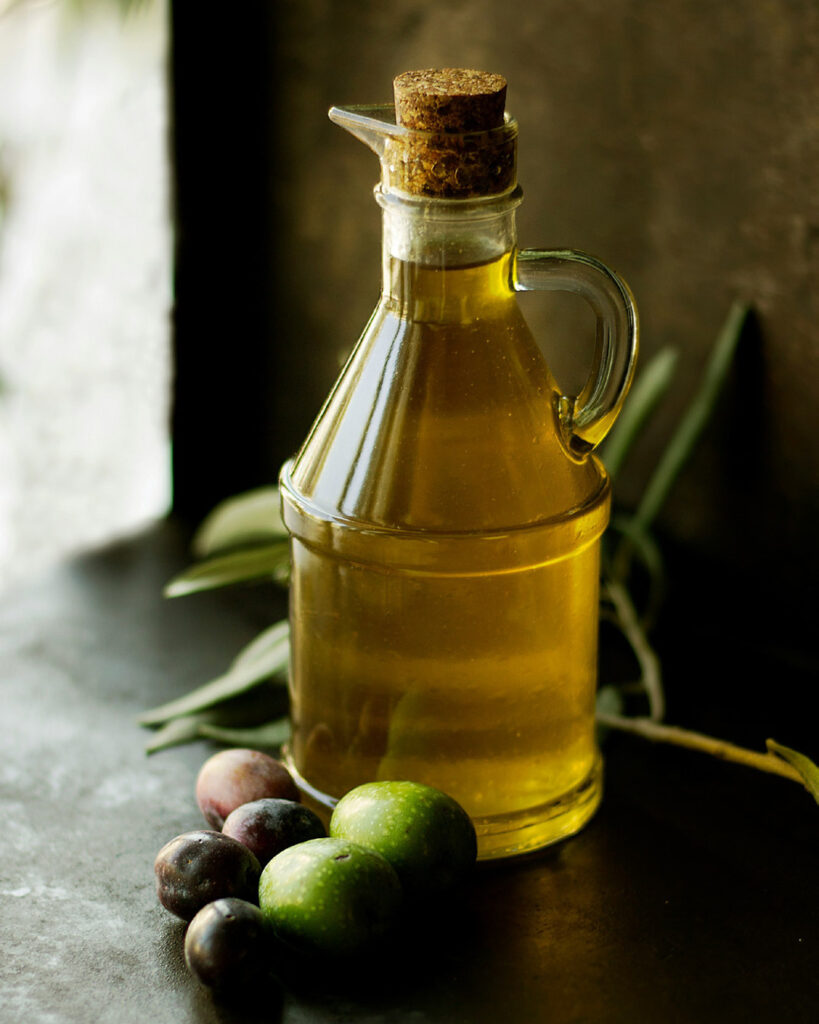
This stretch of Puglia, the Piana degli Ulivi, holds the region’s greatest concentration of thousand-year-old olive trees, their trunks twisted into knots and hollows by centuries of wind off the Adriatic. Pickers work the branches until the olives tumble onto the nets, and by evening the harvest is at the frantoio, the mill, where the air smells of cut grass and green almonds. The reward comes on a slice of bread: olio nuovo, the season’s first oil, bright green and peppery. Several of the area’s masserie – fortified farmhouses reborn as country hotels – invite guests to walk the groves, visit the press and stay for a long lunch. Fittingly, Puglia produces close to half of Italy’s olive oil in a typical year.
Elsewhere, the style shifts with the landscape. In Tuscany, new oil is poured over fettunta, bread toasted over the fire and rubbed with garlic. Umbria’s olive belt climbs the slopes between Assisi and Spoleto, past Trevi and other hill towns whose mills welcome visitors each autumn. In Liguria, small, dark Taggiasca olives grow on terraces above the sea and give a delicate oil made for pesto and grilled fish. And on Lake Garda, a pocket of Mediterranean climate lets Trentino claim the world’s northernmost traditional olive groves, around Arco and Riva del Garda.
Where Else to Taste It
Lombardy: Laghi Lombardi DOP, oil from olive groves around Lake Iseo and Lake Como.
Friuli Venezia Giulia: Tergeste DOP, a mild, fruity oil from the groves around Trieste.
Lazio: The Sabina hills, where a tree in Canneto Sabino is said to be some 2,000 years old.
Calabria: Italy’s other southern powerhouse, with groves running down to the Tyrrhenian and Ionian seas.
Molise: Oil from the native Gentile di Larino olive.
Basilicata: The Majatica olive of Ferrandina, pressed for oil or oven-dried and eaten whole.
Abruzzo: The hills around Loreto Aprutino, heart of Aprutino Pescarese DOP oil.
Marche: Cartoceto DOP, the region’s protected oil, from the hills of Pesaro and Urbino.
Plan It
When: Harvest and pressing run from about mid-October into December; olio nuovo is at its brightest in November.
Tip: Look for a harvest date and a DOP or IGP seal. Pack bottles in checked luggage, well wrapped.
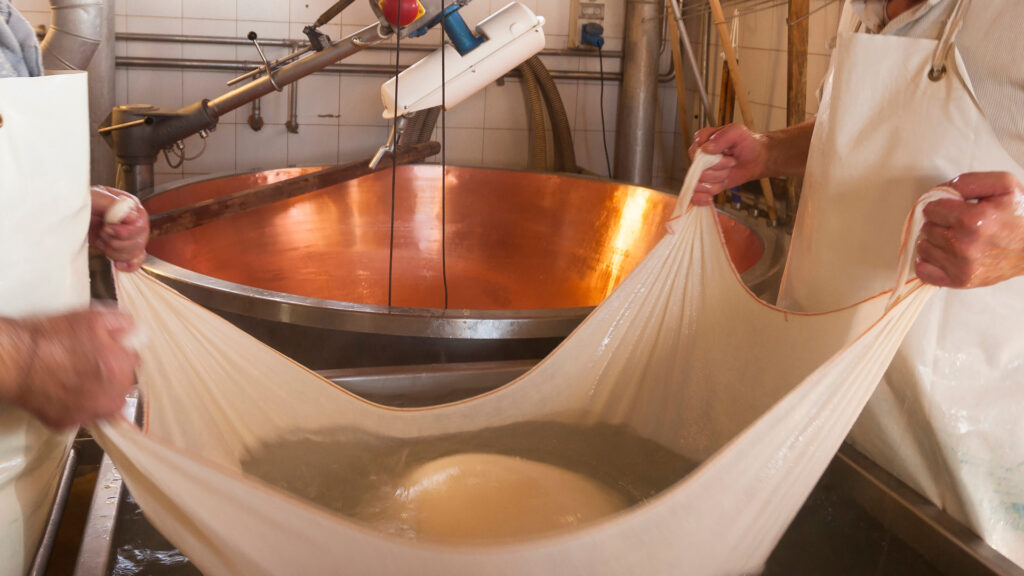
Lifting the curd from a copper vat during cheesemaking
Cheese & Charcuterie: The Art of Patience
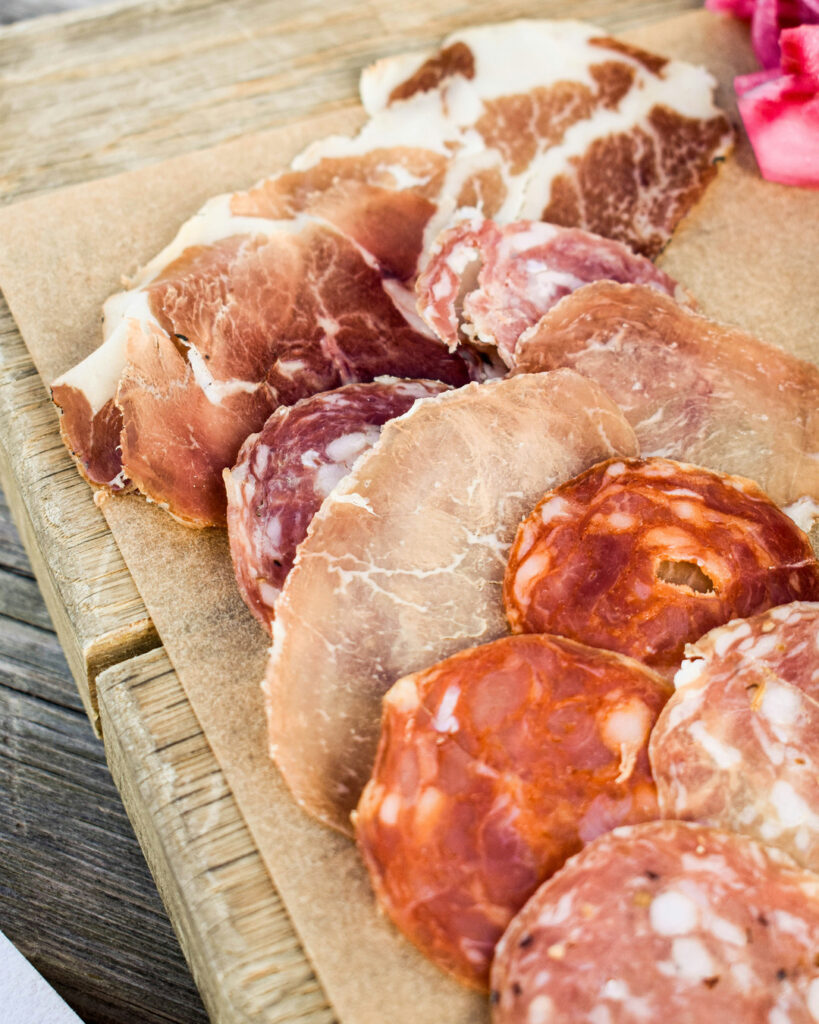
Formaggi e salumi are slow food in the truest sense, shaped by pasture, climate and months – sometimes years – of waiting. They’re worth it.
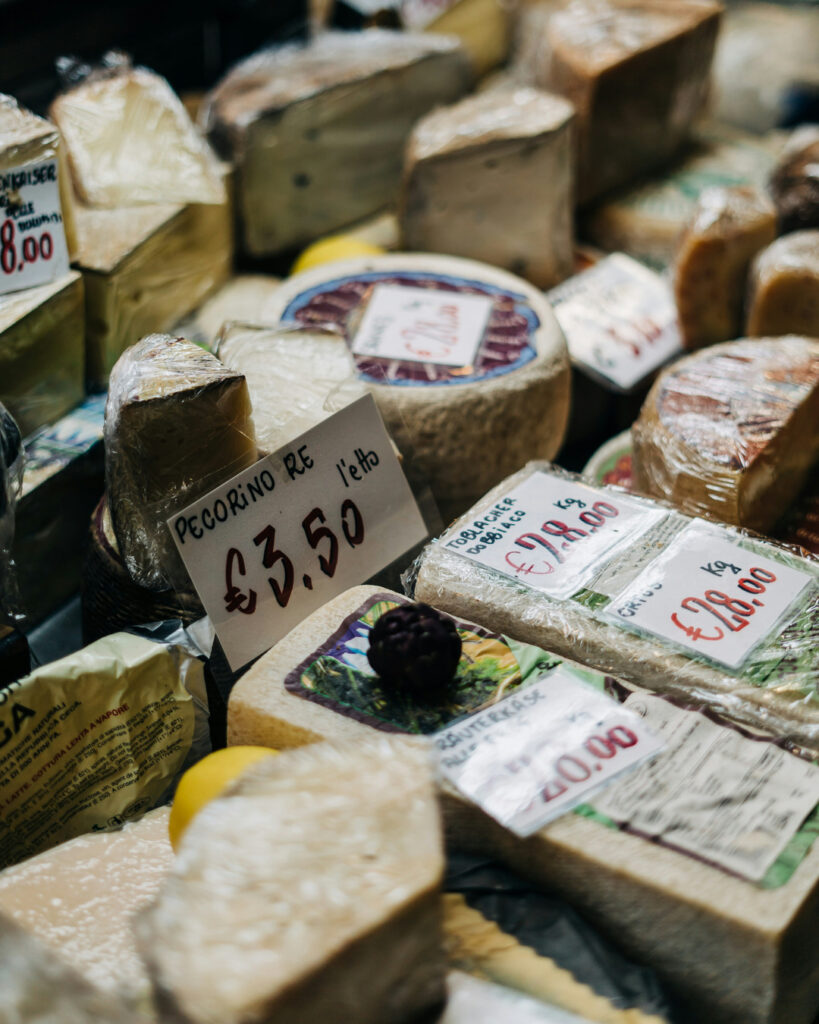
In a dairy outside Reggio Emilia, the work begins long before sunrise, in warm, steamy air. Milk from the evening and the morning milkings has been heated in deep copper vats, and the cheesemakers lean in with a linen cloth to lift out a dripping mass of curd, so heavy it takes two of them to raise it. Cut in half, it becomes twin wheels of Parmigiano Reggiano, pressed into moulds, marked with their origin and aged for at least a year, often two or three. In the aging rooms, thousands of wheels stand in towering rows while an expert taps each one with a small hammer, listening for flaws. This corner of Emilia-Romagna is a pilgrimage for anyone who loves to eat. South of Parma, Prosciutto di Parma cures in the hills around Langhirano, and in the misty lowlands along the Po, culatello ages in cellars. Finish in Bologna with mortadella and a glass of Lambrusco.
In the Alps, cheese takes on the flavour of high summer pastures. In the Aosta Valley, Fontina matures in cool mountain caves, and Lard d’Arnad cures with herbs in wooden tubs called doils. Lombardy gives the world Taleggio, Gorgonzola and air-dried Valtellina bresaola, and Alto Adige its lightly smoked speck. Down south, eat mozzarella di bufala in Campania the day it is made, still weeping milk, and in Puglia, burrata: a pouch of mozzarella filled with cream and shreds of curd.
Where Else to Taste It
Friuli Venezia Giulia: Famously sweet prosciutto from the hill town of San Daniele.
Trentino: Puzzone di Moena, pungent and washed-rind.
Lazio: Pecorino Romano and guanciale, backbone of carbonara and amatriciana.
Molise: Caciocavallo di Agnone, a pear-shaped, stretched-curd cheese from the mountains of Alto Molise.
Calabria: Fiery, spreadable ’nduja from Spilinga.
Sicily: Ragusano DOP, a stretched-curd cheese from the Iblei hills, cured hanging from ropes.
Sardinia: Smoky Fiore Sardo, the shepherds’ cheese.
Plan It
When: Year-round; spring and summer bring Alpine pasture cheeses to their best.
Few food experiences are as thrilling as following a truffle hunter and a quivering dog into the woods.
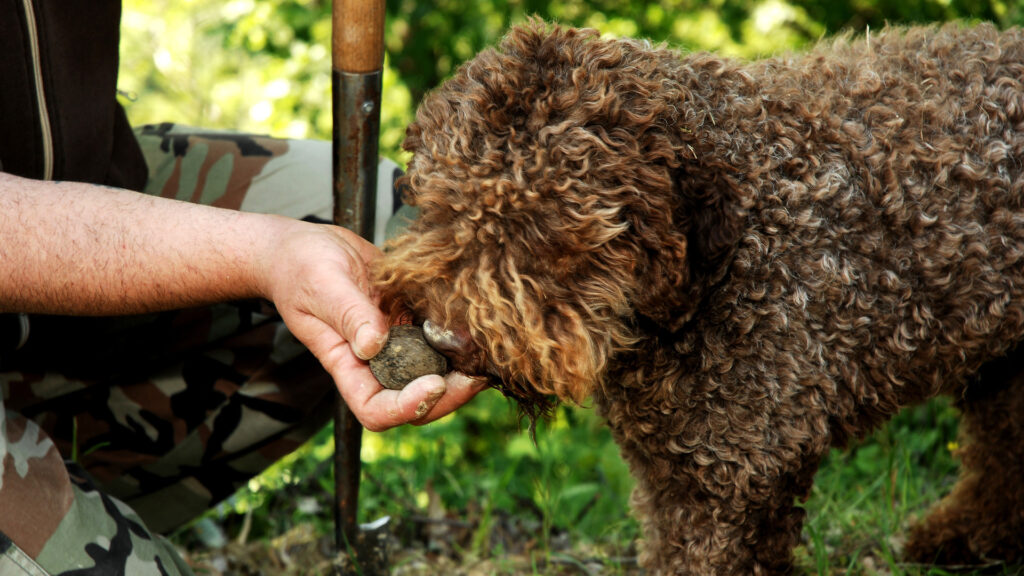
A truffle dog with its find
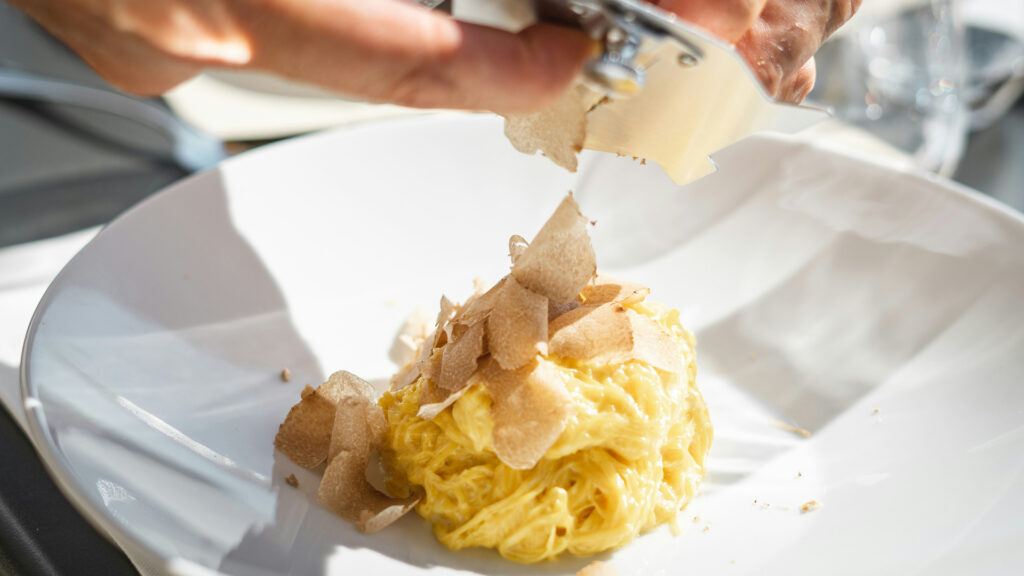
The best hunts in Piedmont have always started in the dark. A trifolau, as truffle hunters are called, heads into the oak and poplar woods of the Langhe and Roero with a lamp and a scent-tracking dog, a habit from the days of guarding secret spots. When the dog paws the ground, the hunter eases out a knobbly lump smelling of garlic, honey and forest floor: the white truffle, Tuber magnatum, which resists cultivation and appears only in autumn and early winter. The best finds go on display at Alba’s World Truffle Market, the heart of the International Alba White Truffle Fair, held weekends from early October to early December. Order it shaved, never cooked, over tajarin or a soft fried egg.
Shaving truffle over fresh pasta
Italy’s truffle hunting earned UNESCO heritage status in 2021, and Alba has company. Molise supplies an estimated 40 per cent of Italy’s white truffles, many from the woods around Agnone. In Marche, Acqualagna, near the Furlo Gorge, hosts a national white truffle fair from late October into November. Black truffles follow in winter: Umbria’s Norcia is known for Tuber melanosporum, which, unlike the white, takes gentle heat.
Where Else to Taste It
Liguria: Millesimo’s national truffle festival, held in early October in the Val Bormida hills.
Emilia-Romagna: Tartòfla, Savigno’s white truffle festival in the hills southwest of Bologna.
Abruzzo: Mountain woods that share the Apennine black truffle tradition.
Basilicata: Carbone, a village in the Pollino National Park, hosts a white truffle market fair at the turn of October and November.
Plan It
When: White truffles, roughly October to December; prized black truffles, winter; the milder summer black truffle, or scorzone, late spring through summer.
Tip: Book hunts through licensed guides or agritourism farms, and buy at official markets, where truffles are inspected and priced by the gram.
Breaking Bread, Region by Region
Every Italian table starts with bread, and every region bakes its own story. The best way to read it is with your hands.
Until the 1950s, mornings in the Sassi, the ancient cave districts of Matera in Basilicata, followed the rhythm of the communal oven. Families kneaded dough at home, then pressed it with a carved wooden stamp – a rooster, a cross, the initials of the head of the household – so their loaf could be found when it came out of the shared fire.
The communal ovens have gone quiet, but the bread hasn’t. Pane di Matera, a horn-shaped loaf of local durum wheat with a crackling brown crust and straw-coloured crumb, now carries a protected IGP designation, and some of the city’s bakeries still fire wood ovens. The finest old stamps are kept in the Domenico Ridola National Archaeological Museum. Artisans in the Sassi still carve new ones by hand, and some will make one with your own initials.
Next door in Puglia, Altamura’s durum-wheat loaf became, in 2003, the first bread in Europe to earn a protected designation of origin. In Liguria, Genoa starts the day with oil-slicked focaccia, and nearby Recco fills a thin, blistered version with soft cheese. Then there is pizza: in 2017, UNESCO honoured the art of the Neapolitan pizzaiuolo, and in Campania a wood-fired margherita, charred at the edges and soft at the centre, is a rite of passage.
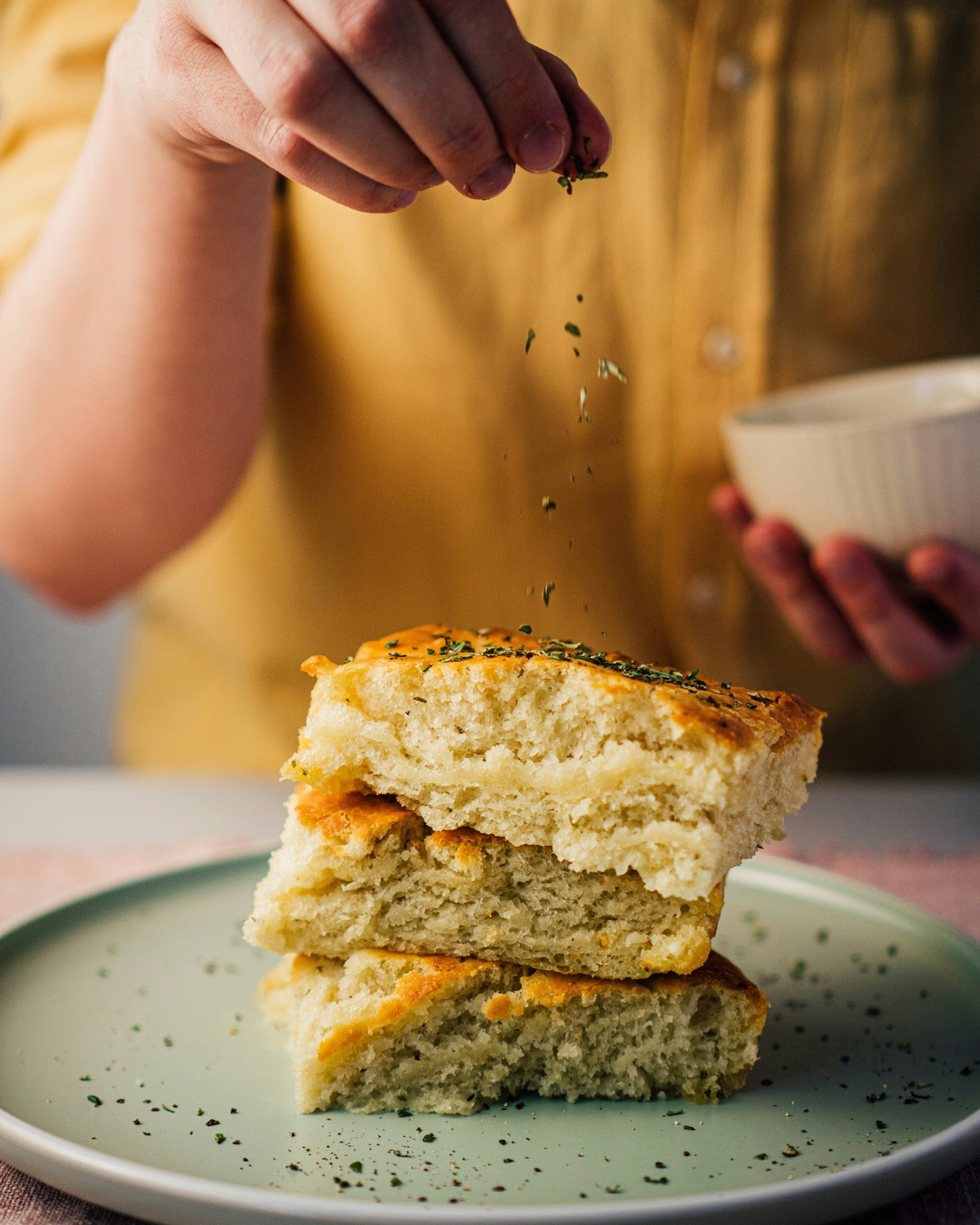
Focaccia with a sprinkling of herbs
Where Else to Taste It
Sardinia: Pane carasau, a shepherd’s flatbread so thin it is nicknamed sheet-music paper.
Tuscany: Bread baked without salt, made for the region’s salty cured meats.
Emilia-Romagna: Warm piadina, folded at kiosks along the Romagna coast.
Lazio: The dark-crusted country loaf of Genzano.
Sicily: The nutty pane nero of Castelvetrano, made from ancient grain.
Veneto: Ciabatta, created in 1982 in the town of Adria.
Alto Adige: Schüttelbrot, a crisp rye flatbread flavoured with fennel and caraway, shaken thin before baking.
Aosta Valley: Lo Pan Ner, when village ovens fire up each autumn to bake dark rye bread.
PLAN YOUR TASTE OF ITALY AND FIND MORE INSPIRATION AT ITALIA.IT.