Indigenous Tourism in Canada with Intrepid Tours

A New Chapter for Indigenous Tourism in Canada

A five-year partnership between Intrepid Travel and the Indigenous Tourism Association of Canada signals a shift toward more meaningful, Indigenous-led travel experiences nationwide.

Travel is changing. More travellers are looking beyond scenery and sightseeing, seeking experiences that offer cultural depth, context, and genuine connection. In Canada, that shift is helping Indigenous tourism move into a new phase — one defined by greater visibility, investment, and long-term opportunity for Indigenous communities.

This winter, Intrepid Travel committed CA$500,000 over five years to support Indigenous tourism development and promotion through a landmark partnership with the Indigenous Tourism Association of Canada (ITAC). The agreement aims to integrate Indigenous-led experiences more fully into Canadian travel itineraries — not as optional add-ons, but as essential ways of understanding the country.

At the heart of the partnership is a clear goal: by the end of 2026, 75 percent of Intrepid’s Canadian tours will include at least one Indigenous-led experience, with a longer-term ambition of reaching full inclusion across all itineraries. Rather than developing products in isolation, Intrepid will work through ITAC’s national network of accredited Indigenous tourism businesses, ensuring experiences are community-led, culturally grounded, and designed to benefit the people who host them.

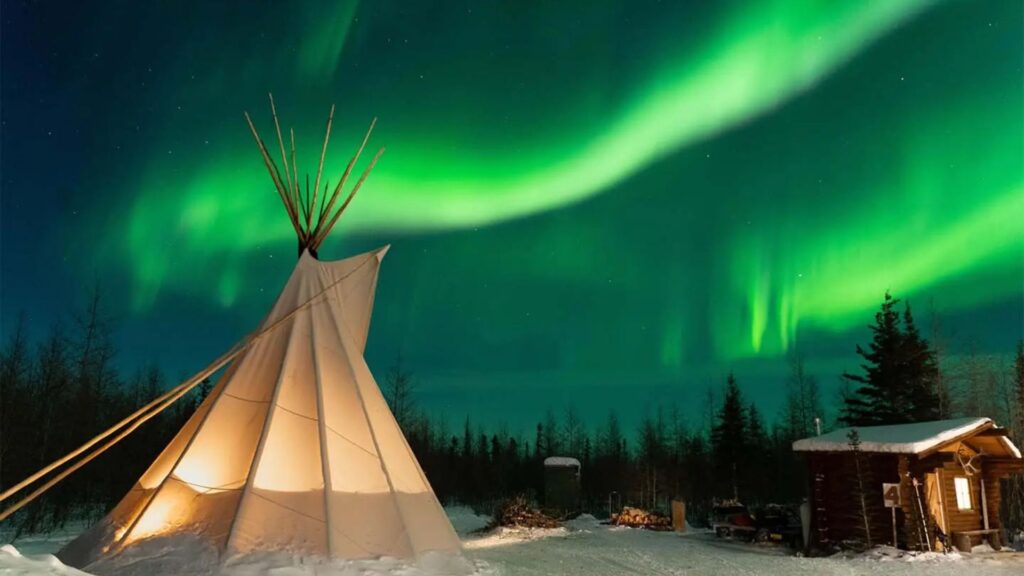
ITAC Indigenous Tours in Canada
Images courtesy of ITAC
ITAC Indigenous Tours in Canada

Interest in Indigenous tourism has been steadily rising, driven by travellers who want to engage more thoughtfully with the places they visit. Recent national tourism research shows that more than 60 percent of highly engaged travellers are actively seeking Indigenous-led experiences.

Despite that demand, many Indigenous tourism operators continue to face challenges related to funding, infrastructure, and visibility, particularly in rural and remote regions. ITAC has spent years working alongside First Nations, Inuit, and Métis businesses to help close those gaps and build sustainable, community-driven tourism economies.

This partnership connects that groundwork to global reach. Over the next five years, Intrepid will invest $50,000 annually into ITAC’s Destination Fund to support the development of Indigenous-led tourism businesses across Canada. An additional minimum of $50,000 per year will go toward promoting Indigenous tourism through media initiatives and marketing efforts, developed in consultation with ITAC to ensure respectful representation and long-term impact.

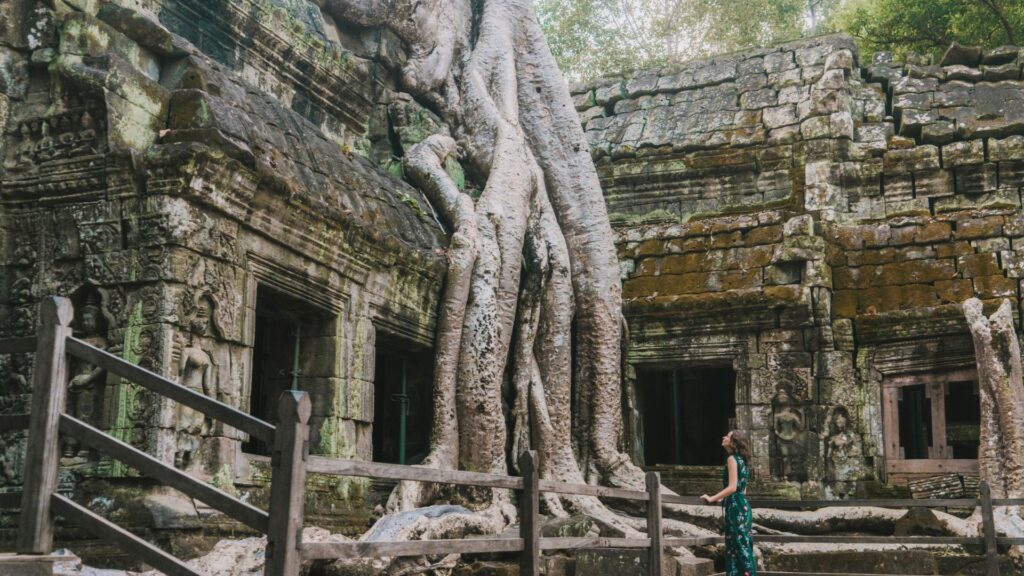
For travellers, the shift may feel subtle but significant. Indigenous experiences might include guided cultural encounters, storytelling, land-based activities, or community visits that provide insight into both tradition and contemporary Indigenous life. The emphasis is on authenticity and exchange, rather than performance.

Crucially, these experiences are designed to generate meaningful economic benefits for host communities while safeguarding cultural integrity. The aim is not simply to showcase Indigenous culture, but to support self-determined growth through tourism.

Shangi-La Toronto Suite

The Shangri-La Toronto has the Perfect Valentine’s Day Package

It's been a long winter. Here's your sign to treat yourself (and a loved one) to a candlelit Italian dinner and an indulgent overnight stay at Shangri-La Toronto.

This year, Shangri-La Toronto is offering a polished but unfussy way to celebrate Valentine’s Day right in the city. The hotel’s curated experiences are designed to feel intimate and unrushed — ideal for couples who want something memorable without overdoing it.

At the centre of the celebration is Valentine’s Rendezvous at bosk, the hotel’s Northern Italian restaurant. Offered on February 14 from 6 p.m. to 10 p.m., the four-course dinner is meant to unfold at an easy pace, with live violin music setting the tone, a Valentine’s cocktail to start the evening, and hand-dipped chocolate strawberries to finish.

The menu highlights seasonal Canadian ingredients with Italian flair. Courses include red wine–marinated venison carpaccio with Koziak’s Triple Crunch mustard, beet root spaghetti with goat’s milk fonduta and B.C. spot prawns, and dry-aged striploin served with celeriac purée. Desserts lean elegant rather than heavy, with options like dark chocolate merveilleux with hazelnut praline or a raspberry-and-rose creation finished with rosewater ganache.

Valentine’s Rendezvous dinner at bosk, Shangri-La

Make it a Staycation

For couples who want to turn dinner into a true escape, Shangri-La Toronto’s A Suite Valentine’s Day experience removes the need to head home at all. Guests are welcomed with a bottle of Veuve Clicquot Champagne and a decadent cake, followed by an overnight stay in one of the hotel’s suites.

A CAD $250 dining credit per night encourages lingering meals or room service, while breakfast for two the following morning keeps things feeling relaxed. Small details make a difference here: fresh florals on arrival, an evening turndown featuring the hotel’s signature tea set and Bathorium bath salts, and flexible check-in and check-out times (subject to availability).

Parking is included as well — a small but appreciated touch for anyone who’s ever hesitated over a downtown stay.

Whether you opt for the dinner, the overnight stay, or both, this is Valentine’s Day done with just enough luxury to make it feel like a real occasion.

Rio de Janeiro, Brazil

Brazil Just Launched a New Multi-City Air Pass for International Travellers

The new Azul Brazil Air Pass allows visitors to explore multiple regions of the country under a single fare, making complex itineraries far easier to plan.

Brazil’s size has always been part of its allure — and its challenge. With rainforests, beaches, wetlands, and megacities spread across a continent-sized country, travellers have often had to choose just one slice of the experience. A newly launched air pass is aiming to change that.

Introduced this January, the Azul Brazil Air Pass allows international travellers to combine multiple domestic flights within Brazil under a single, fixed price. The pass is designed for visitors arriving from abroad who want to explore more than one region without booking separate tickets for each leg of their journey.

Depending on the option selected, travellers can include up to eight destinations in a single itinerary, with stays ranging from 14 to 30 days. Prices start at USD $479 for trips covering up to four destinations, rising to USD $599 for longer itineraries flown entirely on Azul. Options that include segments operated by other airlines range from USD $599 to $799.

The pass is valid for travellers entering Brazil on Azul flights as well as those arriving on other international carriers, making it accessible regardless of how visitors reach the country. It is sold exclusively outside Brazil, primarily through international travel agencies and Azul’s international call centre.

The Historic city of Sao Luis, Maranhao State, Brazil
The historic city of Sao Luis, Maranhao State, Brazil
Iguaçu Falls
Iguaçu Falls in Paraná, Brazil

The launch comes as Brazil sees a surge in international interest. In 2025, the country welcomed approximately 9.3 million foreign visitors — a 37 percent increase over the previous year — underscoring growing demand for longer, more immersive travel experiences.

For travellers, the appeal is practical as much as aspirational: simpler booking, predictable pricing, and the freedom to move between Brazil’s vastly different regions in one continuous trip. Boa viagem!

The Best Places to See North America’s Spectacular Fall Foliage

Come mid-September, Canadians everywhere recognize the telltale signs of the autumn season. Cooler nights call for cosy knits, a dockside Caesar gets swapped for a glass of Cabernet Sauvignon, and in bustling cities and quiet towns alike, tree leaves begin to change colour, and eventually fall. 

An abundance of external influences like warmer or cooler temperatures make “peak” autumn colour viewing times nearly impossible to predict, but generally, shades of deep burgundy, fiery orange, golden yellow and scarlet red spread across North America’s foliage from mid-September to late October, though sometimes, the changing of the leaves can start as early as September, and end as late as November, depending on location. 

The thousands of trees that dot the slopes of Tennessee’s Great Smoky Mountains are responsible for the lingering, mysterious, foggy effect, and starting mid-September, brilliant shades of gold on the yellow birch are visible below the haze. Running along the Tennessee and North Carolina border, here, elevation greatly affects the speed of the foliage turnover, with the highest points of elevation changing first. By mid-October, bright red leaves take over the sugar maples, red maples, and scarlet oaks. Part of the Appalachian Mountain chain and spanning more than 187,000 acres, the Great Smoky Mountains are one of the United States’ most-visited national parks and one of the oldest mountain ranges. There are approximately 100 species of trees in the park, which attract mass crowds, especially during mid-October when the foliage nears its peak. As one of the most popular U.S. parks, it’s best to plan ahead for fall colours tourism, as many nearby accommodations quickly fill up! 

A road trip through Upstate New York in late September to early October presents one of the best opportunities to marvel at the fall leaves. The Adirondack Region spans a whopping 48,438 square kilometres and is famous for having one of the longest fall foliage seasons in the U.S. The Lake Placid area in particular presents plenty of fall foliage observation. Plan a hike to Whiteface Mountain, the fifth highest peak in all of New York, or Mount Haystack, one of the most challenging but rewarding hikes of the Adirondack High Peaks. From way up high, visitors can take in the breathtaking colours of fall foliage that stretches as far as the neighbouring state of Vermont. Scenic drives and even hot air balloon rides over the Lake George Region are just a handful of some of the other ways to take in the breathtaking colours of autumn. During the fall months, the local tourism board, Visit Adirondacks, creates a fall foliage metre that depicts the percentage of colourful leaves present in each of the ten regions of the Adirondacks. A bustling summer tourist destination, the autumn months in the Adirondacks are slightly quieter, but offer just as much opportunity for guests. Visitors can enjoy ciders and local wine tours, harvest festivals and more, while staying at cosy accommodations that range from log cabins to luxury lakefront resorts.

Composed of 7,635 square kilometres made up of rushing rivers, wetlands, lakes and deciduous and coniferous forests brimming with trails, Algonquin Provincial Park is one of Canada’s most famous viewpoints for fall foliage. Starting in September, Algonquin Park officials release their fall colour change reports, which provide a daily track record via live camera stream on the park’s 34 native tree species. Data from last year’s fall colours timeline shows that the sugar and red maple trees began turning red by the second week of September, and that the sugar maple canopy reached its “peak” by Oct. 2. However, rain, wind, cooling temperatures and moisture levels can all affect the timeline, pushing it earlier or later in the season. The park’s camera is a great way to plan a visit, as potential visitors can keep an eye on the trees daily. Ideally, the best time to visit Algonquin Provincial Park is between mid-September and mid-October, as unexpected snowfall or windstorms could spontaneously cause fragile leaves to be knocked off prematurely. Of course, the drive leading into the park is equally spectacular, with popular routes like Highway 60 and Highway 11 boasting endless kilometres of beautiful foliage.

A gorgeous destination year round, the Laurentian Mountains are one of the best places to watch Canada’s leaves change. Their proximity to Montreal (roughly 100 kilometres) make the Laurentians a popular option for daytrippers, or as a quick weekend getaway for visitors from Ontario who may be eager to explore beyond the Kawartha and Muskoka regions. Unlike Algonquin Provincial Park, which has just three lodges to provide accommodation to visitors, there are many different options available for visitors to the Laurentians. Those interested in overnight accommodation can opt for hotels, bed-and-breakfasts, cottages or campsites, which are a popular choice for outdoor enthusiasts. Every September, Croisières Alouette resumes its special fall colours sailing on Lac des Sables, where guests can enjoy a full-service bar and music as they take in the spectacular beauty of the Laurentians from the water’s edge.

While summer in the land of the Midnight Sun presents plenty of opportunities for active and adventure tourism, autumn in the north is truly an enchanting time to visit. Not only are the mountains and tundra decked out in autumn colours, but after months of endless daylight, darkness returns to the skies, and the Aurora Borealis once again paints the sky in shades of neon green, inky indigo, and deep plum. Autumn colours come to the Northwest Territories slightly earlier than the rest of Canada, with the tundra turning into brilliant shades of red as early as August. One of the best places to see this transformation take place is in the Barrenlands, a large territory residing in mainland Nunavut that extends into the Northwest Territories. Decorated with ancient sand and rock ridges and carpeted in soft moss and plants, by fall, blooms of yellow and green are replaced by deep burgundy and burnt orange. The fall months also present an excellent opportunity to camp in the Northwest Territories, as the summer crowds have all but left, and visitors have a wide selection of campsites to spend a few days or weeks watching the foliage change. During the autumn months, just as Canada geese begin their southern migration, herds of caribou begin their descent south, often sweeping through the Barrenlands, so visitors to the region can enjoy their share of wildlife watching, too.

Elk Island Retreat glamping pod

Canada’s top-rated glamping resorts

With micro-cations on the rise, these luxe campsites prove you don’t need to go far to get away.

More Canadians are booking short, rejuvenating getaways close to home. According to a 2025 trends report, over 60% of Canadians say they plan to take a domestic trip this year, with many prioritizing two- to four-night escapes over longer vacations.

One big summer winner of this shift? Glamping. These upscale outdoor stays combine the immersive magic of nature with the comforts of a boutique hotel—think plush beds, private hot tubs, and well-designed shelters that take the hassle out of traditional camping. Whether you’re after forest bathing, coastal views or starry-night solitude, these Canadian glamping resorts should be on your radar.

Siwash Lake Star Camp 

Lake Thompson–Nicola, British Columbia

Star Camp, perched on a ridge above Siwash Lake, is an ultra‑private dark‑sky sanctuary with only three to four tents available at a time. Each “Star Gazer” tent has a skylight over the bed, wood-burning stove, and either a private outdoor shower cabin or access to shared luxury washrooms. Evenings are for soaking in your cedar hot tub, while stargazing guides host guests by the fire. You may even glimpse the Aurora Borealis from your bed—nature’s five-star entertainment.

Fronterra Farm 

Prince Edward County, Ontario

On a sprawling botanical farm in Prince Edward County, Fronterra blends Scandinavian minimalism with rustic elegance. Their luxury canvas tents feature king-size beds, hardwood floors, fire pits, private bathrooms with hot showers, and a summer kitchen with cookware and al fresco seating. Overnight guests can rent a canoe, swim at nearby North Beach Provincial Park (just 900 metres away), and soak up the full farmstead experience. Not staying the night? Day visitors are welcome to book a self-guided wellness ritual infused with botanicals grown onsite, or pick a colourful bouquet straight from the flower fields.

Clayoquot Wilderness Resort

Clayoquot Wilderness Lodge 

Vancouver Island, BC

This high-end, fly-in-only retreat sits deep in the UNESCO-protected Clayoquot Sound. Its 25 upscale canvas tents line the shore of a tranquil inlet, each outfitted with heated floors, king beds, and cedar rain showers or soaking tubs. Days here include heli‑hiking, tidal‑zone wildlife tours, and evenings dining on wood‑grilled seafood paired with local vintages. The lodge’s design aesthetic blends handcrafted rustic furnishings with refined comfort for a true luxury wilderness escape.

Elk Island Retreat 

Fort Saskatchewan, AB

Just 45 minutes outside Edmonton, Elk Island Retreat is a peaceful, 60-acre woodland escape near Elk Island National Park. Its four geodesic domes are designed for two, each with a queen-size bed, plush linens, a gas fireplace, mini-fridge, and Nespresso setup. Outside, enjoy a private fire pit, picnic area, and access to the retreat’s newest addition: a stunning mirrored sauna imported straight from Estonia, which reflects the surrounding forest and offers a deeply tranquil experience. Add a deluxe charcuterie box and a bottle of wine (or sparkling juice) and you’ve got the perfect slow weekend in nature.

mes Charlevoix 

Petite-Rivière-Saint-François, QC

Modern design meets alpine views at this forest retreat near Le Massif. Sleek geodesic domes come with floor-to-ceiling windows, queen beds, kitchenettes, and private terraces with hot tubs overlooking the rolling Laurentians. From your perch above the St. Lawrence River, you’re minutes from ski trails, waterfalls, and one of Quebec’s most charming artistic towns: Baie-Saint-Paul. In the warmer months, hike through the surrounding forest trails or take the gondola up Le Massif for sweeping river views.

‘Ome 

Burlington, NL

On Newfoundland’s remote northwest coast, ’Ome blends wilderness and coastal charm with its handcrafted shoreline tents (plus a sleek wooden pod). Built from locally milled timber and dressed in home-sewn quilts, each tent is just steps from the sea. Spend your days paddleboarding in the bay, exploring nearby outport villages, or watching icebergs drift by (in season). Every stay at this eco resort supports the rural community.

This hotel in Shanghai is home to the world’s largest indoor snow centre

IHG Hotels & Resorts has introduced Shanghai Snow World Hotel to its fast-growing Vignette Collection, a family of one-of-a-kind hotels in destinations to remember.

The property is now open within the Guinness World Records-certified “World’s Largest Indoor Ski Facility” – Shanghai L+SNOW Indoor Skiing Theme Resort – and has 272 rooms and 17 suites with direct access to more than 90,000 square meters of authentic indoor year-round snow.

Shanghai Snow World Hotel is the first new build Vignette Collection property in China and alongside Crowne Plaza Shanghai Snow is one of two IHG brands to open within the Shanghai L+SNOW Indoor Skiing Theme Resort development. Both hotels serve the rising demand for ‘ice and snow’ hospitality in China which continues to rise 38% year-on-year according to the China Tourism Academy.

About the Shanghai Snow World Hotel

Shanghai Snow World Hotel, Vignette Collection is a destination for year-round ski getaway inspired by the tranquility and invigorating spirit of the Nordic lifestyle.

Just 30km from Shanghai Disney and Pudong Airport, the hotel caterers to both skiing enthusiasts and snow seekers alike with fast-track access to ski slopes, indoor and outdoor water parks, and a tournament-level ice rink all within reach of its rooms.

Shanghai Snow World Hotel has four unique restaurants and bars, each serving a diverse variety of local delicacies and international flavors. Teppanyaki, located on the 18th floor, and The Peak on the top floor both boast panoramic views of the indoor winter wonderland.


The third-floor houses eight versatile meeting rooms ideal for corporate events and personal gatherings, complemented by a dynamic pre-function area fitting for hosting themed events.

For relaxation and fitness, guests have access to a state-of-the-art fitness centre and an indoor heated swimming pool.   

For more information and to book visit www.ihg.com/vignettecollection.

Fantastic fjords: a journey through Greenland with National Geographic-Lindblad Expeditions

Waking up every morning onboard the National Geographic Resolution was always something pleasantly different. It might have been the sounds of the ice cracking against the ship, the midnight sun peeking through my window, or the captain announcing whale sightings. 

Once the blinds were open, I was presented with a view of Greenland that felt both natural and yet so unfamiliar to a first-timer in the Arctic.

With no inside rooms, every guest enjoys unrestricted views of the region. Suites, in a testament to Lindblad’s partnership with National Geographic, are adorned with National Geographic atlases, magazines, and maps. These spacious accommodations also feature large windows or balconies, and each suite is furnished with modern amenities, including a private bathroom, ample storage, and comfortable bedding. Guests can also enjoy exclusive services such as butler service, personalized concierge assistance, and access to private lounges, ensuring an exceptional and memorable expedition experience.

Discovering the Arctic

The 71-cabin National Geographic Resolution, which sails under luxury exploration cruise company Lindblad Expeditions, is like no other expedition ship in the water. You might find yourself in the Science Hub or in the Ice Lounge, listening to one of the many National Geographic experts on board giving a lecture or obliging questions about the daunting terrain.

I quickly settled into a routine: after a day exploring the natural beauty or visiting an Inuit settlement on the ship’s Zodiac boats, I would head to the Ice Lounge. There, I eagerly awaited National Geographic diver Pat Webster. One of the two divers accompanying us, Pat showed us videos of the diverse marine life encountered that day in the frigid Arctic waters. It was like watching our very own National Geographic documentary unfold before us in real time, and we were the stars of the plot.

After dinner, we typically found ourselves, cocktail in hand, enjoying the open Bridge, a section of the ship that offers a state-of-the-art command center with panoramic views, providing an unparalleled vantage point for navigating through some of the world’s most remote and breathtaking regions. There, we would see the captain, ice navigator, or first officers piloting the ship through the razor sharp ice fields and uncharted fjords in real-time. Initially, I felt like I was somewhere I shouldn’t be, but that feeling quickly faded as they engaged us, showed us the new equipment, and even let us sit in the captain’s chair.

Guests crammed the Bridge upon a whale sighting. Reaching for their iPhones or DSLR cameras, it wasn’t uncommon for one of the National Geographic photographers would graciously offer tips on getting the perfect shot with whatever equipment we had. Phil Schermeister, an award-winning photographer and published author of multiple photography books, spent many moments lining up a magazine-worthy shot on my own phone.

As photographers and conservationists in the field, the passion they have for their line of work is contagious, and sure enough, after years of wanting to try my hand at using a DSLR, I found myself photographing everything from sled dogs to icebergs with a newfound confidence. 

The expedition begins

Departing Kangerlussuaq we started our expedition. On either side of the ship, landscapes carved by glaciers adored the 190-kilometre fjord bearing the same name. We landed by Zodiac at an old whaling station, warmly met by our Greenlandic hosts. 

Our tour began in Dog Town, observing sled dogs and their handlers. A sled trainer explained the dogs’ role in Arctic living while playful puppies distracted us. Later, we tasted a  traditional muskox soup that rivaled my family’s own recipe of beef and barley version back home. In local shops, natural materials obtained through hunting had been carved by hands and heritage, their stories imparted by shopkeepers.

In the heart of Uummanaq, a prominent mountain stood overlooking the community. The ascent offered panoramic views of the town below, where houses painted bright shades of blue, yellow and red lined the coast – a nod to Greenland’s connection to Denmark. An afternoon excursion led us to Quilakitsoq’s archaeological site dating back to 1475 whose significance was shared by Lars, a local Greenlander Lindblad had hired for this particular voyage. He engaged us with Inuit storytelling and provided cultural insights into the artifacts we encountered.

The ship navigated the icy Davis Strait towards the UNESCO-sheltered Ilulissat Icefjord. Here, we found local fishermen on the other end of our sailors hold, a symbolic nod to the strong partnership Lindblad maintains with the communities its itineraries visit. The fishermen guided us amongst massive icebergs and tranquil waters. 

In Ilulissat, a hike took us into the icefjord where the view of green valleys filled with white flowers gave way to ice expanses—a juxtaposition of nature. A visit to the Ilulissat Icefjordscenter revealed historical scenes and arctic wildlife that were encased in clear sculptures resembling ice, a contemplative preservation of their way of life.

Upon my arrival back in Toronto, I switched my phone’s data back on for the first time since I had left and was immediately flooded with notifications, which made me miss the quietness of the Arctic. 

Yet unexpectedly, the polar expedition had left an imprint on me that I didn’t foresee—I noticed myself walking a little more lightly, paying closer attention to my surroundings, and feeling an increased responsibility towards environmental stewardship. It made me wonder if this was National Geographic’s purpose in partnering with Lindblad. 

Was it to reignite the curiosity we once felt as children watching their shows, and to instill a deeper sense of stewardship towards nature and each other?

—Story by Mitchell McClung


How to make the most of a 24-hour stopover in Lisbon

Lisbon, the vibrant capital of Portugal, is perfect for a 24-hour stopover with TAP Air Portugal

With its historic sites and delectable cuisine, there are so many possibilities to make the most of your short stay.

For those with only a short time to explore Portugal’s charming capital, here’s a guide to enjoying your day in Lisbon.

Start at Praça do Comércio, a grand square by the Tagus River. From here, walk to the Baixa district, a bustling area rebuilt after the 1755 earthquake. Stroll along Rua Augusta, a lively pedestrian street with shops and cafes, and soak in the atmosphere.

Next, visit Alfama, Lisbon’s oldest neighborhood. Its narrow, winding streets and colourful houses are full of charm and history. Explore the Lisbon Cathedral and climb to Miradouro de Santa Luzia for a stunning view of the city and river.

Foodie frenzy

Don’t miss the iconic Pastéis de Nata (custard tarts). Head to Pastéis de Belém, a legendary bakery known for these treats since 1837. Enjoy the crispy, flaky pastry filled with rich, creamy custard, paired with a strong Portuguese espresso, known as bica.

Lisbon is renowned for its culinary delights. A food tour with Devour Tours – Lisbon is a great way to taste local dishes. Start at Mercado da Ribeira (Time Out Market) for fresh seafood, petiscos (Portuguese tapas), and regional wines. These tours often include stops at small eateries to try specialties like bacalhau à brás (shredded cod with potatoes and eggs) and pastéis de bacalhau (codfish cakes).

History hides at every corner

For a touch of history and opulence, visit the Royal Treasure Museum at Palácio Nacional da Ajuda. It features a stunning collection of royal jewels, gold artifacts, and regal memorabilia. Learn about Portugal’s monarchy and admire the intricate craftsmanship of the items on display.

Continue your tour with visits to Lisbon’s iconic landmarks. The Belém Tower, a UNESCO World Heritage site, once protected the entrance to Lisbon’s harbor. Its distinctive Manueline architecture is a testament to Portugal’s Age of Discoveries. Nearby, the Jerónimos Monastery, another UNESCO site, showcases magnificent Manueline style and houses Vasco da Gama’s tomb. Another option for the non-heights conscious explorer is the Pillar 7 Bridge Experience located on Lisbon waterfront, is a unique attraction that allows visitors to explore the iconic 25 de Abril Bridge from an entirely new perspective.

If you have time, visit Bairro Alto, Lisbon’s lively nightlife district. It comes alive after dark with narrow streets lined with bars, clubs, and restaurants. Enjoy a traditional Fado performance, a soulful genre of music unique to Portugal, and try a ginjinha (cherry liqueur).

Before heading back to the airport, relax at one of Lisbon’s stunning viewpoints. The Miradouro da Senhora do Monte offers one of the best panoramic views of the city, especially at sunset. Alternatively, take a ride on the historic Tram 28 through charming neighborhoods like Graça, Alfama, and Estrela.

We stayed at the Dom Pedro Hotel. This property exudes old world charm and as a participant in the stopover program you can receive 20% by using code STOPOVER23 when booking on the hotel website.

Lisbon’s unique blend of historic charm, modern vibrancy, and culinary excellence makes it an ideal stopover destination. With just 24 hours, you can see and do many rewarding things. So, when flying with TAP, take advantage and book a stopover in Lisbon.

Why does this hotel look like it’s made of giant Jenga blocks?

While doing a lazy backstroke in the lagoon pool, my eyes gravitate to the constellation of lights reflected in the mirrored ceiling five storeys above.

All that’s on my mind is relaxation and the illuminated eye candy – not thoughts of hallmark sustainability, biophilic design, or carbon sequestering.


But, I will eventually wrap my head around all the eco coolness of this design hotel of all design hotels – the Pan Pacific Orchard in Singapore.

To be honest, my wife, Kerry, and I chose to stay at the Pan Pacific Orchard because it’s uniquely beautiful and luxurious, not because it has a bio-digester that transforms food waste into water that can be used for cleaning.

After all, the 23-storey, 347-room hotel, which opened in June 2023, is an architectural wonder resembling a tower constructed of giant Jenga blocks. Its most marvelous features are four, 22-metre-tall terraces scooped out of its vertical facade.

The second-floor Forest Terrace is for the open-air lobby and bar; the fifth-floor Beach Terrace for the lagoon pool; the 11th-floor Garden Terrace for the cabana lawn and patios of the Pacific Club Lounge and Florette Champagne & Oyster Bar; and the 18th-floor Cloud Terrace for the outdoor convention space.

Each guest room overlooks one of the terraces and the balcony of each room juts into the terrace’s air space.

“It creates four vertical, curated, themed and symmetrical ecosystems,” said Pan Pacific Orchard director of communications Teresa Koh as she showed my wife and I around.

“We’re very proud to be a luxury hotel that at its core is all about responsible sustainability.”

It doesn’t hurt that all this environmental consciousness is uber-chic and eye-catching.

The two exposed support columns either side of the hotel are covered in vines that are now creeping across the building and dripping from the terraces.

More than 100 other species of plants, shrubs and trees, including all those palms on the pool terrace, end up covering 300% of the hotel’s base land area in lush foliage. The greenery and the terrace’s designs result in self-shading, that aforementioned natural cross ventilation, carbon sequestering and air purification. Singapore-based WOHA Architects, a biophilic specialist, designed the hotel to be an iconic slice of nature in an otherwise largely concrete-and-glass megatropolis.

The Green Mark Platinum Certification was awarded for solar panels on the roof that power all common areas, collected rainwater keeping the terrace ecosystems lush, the previously mentioned bio digester and Swisspro water filtration systems in every room eliminating the need for single-use plastic bottles.

All in all, it makes Pan Pacific Orchard the new prototype for high rise tropical hospitality.

Guest rooms are compact and well-designed with comfy beds and high-end linens and that balcony that juts out into the terrace air space. We lounge at the lagoon pool; sip signature cocktails called Cloud and Forest (in a nod to the terrace themes) at Florette; eat crispy pork at Mosella restaurant; and take breakfast, afternoon tea and happy hour in Pacific Club Lounge on the garden terrace.

Pan Pacific has 50 hotels and resorts in 30 cities in Asia, Europe and North America under the Pan Pacific, Parkroyal and Parkroyal Collection banners, including Pan Pacifics in Vancouver, Whistler and Toronto

In April, Air Canada started flying four times a week between Vancouver and Singapore, the only non-stops connecting Canada with the multicultural, Asian city state of six million people. In fact, it’s the longest flight Air Canada operates at 16 hours and 10 minutes Vancouver-Singapore. One-way fares on the quick, quiet and comfortable Boeing Dreamliner 787 start at $734.

Hotel rates for Pan Orchard start at around SG$440.

For more information, visit www.aircanada.com and www.panpacific.com.

—STORY BY: STEVE MACNAULL

Croatia..beautiful surprises are waiting for you

In Croatia, almost anywhere the land meets the water, rough steps carved from pure white limestone jut into the teal waters of the Adriatic Sea. The country’s impressive coastline is among the largest in the Mediterranean and has quickly gained recognition as one of Europe’s most beautiful.

Here, white sand beaches and towering palms are scarce. Instead, in July and August, when the heat from the sun is at its strongest, locals young and old can be found sprawled out on the nearest rock ledge that hangs over the sea, the rays turning their skin to a deeper shade of burnt bronze, while fishermen set up their boats and inspect their nets in preparation for a day on the water.

In 2011, 8.5 million international tourists trickled into Croatia. That year was also the same year that the first episode of what would eventually be one of HBO’s most popular television shows, Game of Thrones, aired with scenes filmed throughout the old town of the medieval city of Dubrovnik.

Now, a decade later, Croatia’s tourism numbers have more than doubled. Dubrovnik, though enchanting with its symmetrical orange clay roofs and ancient stone walls should by no means be the only city on your itinerary. As one of the five main airports in the country (Zagreb, Pula, Split, and Zadar being the others), Dubrovnik serves as the perfect jumping point for an extended Croatian holiday.

With its colourful coastal towns, balmy weather, and reputable culinary scene, Croatia is a country that can easily be explored from top to bottom.

Story & photos by CHRISTINE HOGG

HVAR

With more than 1,000 combined islands, reefs, and islets, Croatia’s archipelago is the largest in the Adriatic Sea, and the country has the second largest number of islands in the Mediterranean, second only to Greece.

The majority are inhabited, though some are home to only dense pine forests, wild boar, wolves, and bears, and secret beaches, whose crystalline waters can still be reached by boat for an exciting day trip.

Perhaps one of Croatia’s best islands, Hvar, is to Croatia what Ibiza is to Spain. Easily reached by ferry from Dubrovnik two times per day during the high season, Hvar is a destination that’s steeped in rich nightlife, making it an ideal spot to escape the larger crowds of Croatia’s landlocked regions, while still enjoying the social comforts a city can bring.

Hvar island is also home to the town of Hvar (not to be confused with the island itself ), which dates back to the 13th century. It’s the biggest settlement on the island, and where the majority of restaurants, bars, and shops are located. Hvar acts as an open-air museum to the past, with many well-preserved sites, like the Stari Grad Plains, an agricultural landscape that were constructed in the fourth century by the ancient Greeks.

One of the best ways to take in the entire island, including Stari Grad (just 25 minutes outside of Hvar town) is by renting a gaspowered scooter or a quad for the day.

From mid-June to mid-July, the island of Hvar is bathed in a sea of blooming, violet-coloured lavender fields, with the majority of the fields being on the stretch of road that connects Stari Grad back to Hvar town. When lavender is in season, the fragrant floral also makes its way onto the gelato menus all over the island, where a popular flavour combo is one scoop of lemon, and one scoop of lavender.

SPLIT

Split, Croatia's coastline from the Adriatic Sea features the towering white Cathedral of Saint Dominus

Head back to mainland Croatia for a brief visit by taking the ferry from Hvar to Split.

Arriving by water, Split’s picturesque skyline which features the towering white Cathedral of Saint Dominus, constructed in 305 AD, is the first glimpse visitors will have into the city’s thrilling past.

Split is Croatia’s second largest city and one of the country’s most popular tourist destinations, thanks to its easy link to the surrounding Adriatic islands. It’s a city whose history is as beautiful as it is complex, and in the heart of it all lies a nearly 2,000-year-old compound built for a former emperor, known as Diocletian’s Palace. Its immaculately preserved grounds form a protective rectangle around the historic city of Split, with hundreds of shops, bakeries,
and restaurants found on the grounds.

Visitors to the palace are greeted by a 3,000 year-old Egyptian sphinx made from black African granite, which is said to have been dragged all the way from Egypt to Croatia under orders from the emperor himself.

Don’t miss the massive underground market inside of Diocletian’s Palace where tourists can purchase anything from genuine coral jewellery to stuffed lavender pillows and silk ties.

ZADAR

Continue heading north along Croatia’s Dalmatian coast to the city of Zadar, unmistakable for its dazzling white limestone streets and lively waterfront. In the evenings, listen along to the strums of soft guitar music and sing along to traditional Croatian songs that eventually lead to dancing in the streets.

The city of Zadar has a striking promenade with major fashion labels and an overwhelming restaurant scene that extends well beyond North America’s traditional palette.

A country that’s famous for its creative expression, whether through the visual arts, theatre, or, perhaps most importantly, music. Zadar is also home to several modern art installations, including the Sea Organ (2005), an experimental architectural instrument that uses the waves of the Adriatic Sea to produce randomized chords of music, which occur when the water flows into a series of pipes and a cavity constructed below a set of concrete steps, and the Greeting to the Sun (2008), a large circle made up of 300 glass solar panels. In the evening, the panels emit coloured lights, and the art installation transforms into a dance floor.

PULA

At one of Croatia’s northernmost points, and directly across The Adriatic Sea from Venice, Italy, lies one of Croatia’s best-kept gastronomical secrets —Pula.

Most easily reached by plane from Zadar aboard the regional carrier, Croatian Airlines, Pula is Croatia’s eighth largest city, located in the Istrian Peninsula. Much of its tourism stems from its impeccable food and wine offerings, which are much different than the cities further to the south.

The Istrian region gained even more recognition in 2012, when the late celebrity chef Anthony Bourdain traversed through Croatia to film an episode for his series, “No Reservations”. During the episode, Bourdain hunted for rare white and black truffles that nowadays can fetch upwards of 2,500 euro for even the smallest mushroom. 

While the restaurants found along the Dalmatian coast all serve the freshest catch of the day and a series of traditional pastas, including frutti di mare (grilled squid, clams, and shrimp done in white wine garlic or tomato sauce), in Pula, the diet becomes largely influenced by the proximity of Croatia’s next door neighbour, Italy.

Here, the wine flows as freely as the olive oil, which is poured on everything from woodfired pizza crusts to hearty traditional stews and soups. Homemade olives make their way onto charcuterie boards and meat dishes are featured more prominently on the menus.

Croatia is home to more than 300 geographically-designated wine regions, with a history of winemaking that dates back 2,500 years when the Ancient Greeks inhabited the area and planted the first grapes. Istria’s rich, red soils and sub-Mediterranean climate enables the wines made here to be flavourful and full-bodied. Food and wine tourism continues to dominate the Istrian Peninsula, and many culinary tours are available for booking.

Eat Istria, led by Istrian-born Goran Zgrablić, is one such company that offers both private cooking classes and organized wine tours. Guests can try their hand at rolling out traditional Croatian pasta (fuži), or chopping vegetables and preparing meat to make a traditional žgvacet or brodet goulash.

Not to be missed in the quiet city of Pula is the Pula Arena. Constructed between 27 BC and 68 AD, this Roman amphitheatre is one of the world’s largest six surviving arenas, and the only one of its kind to have all four walls preserved. Purchasing a ticket grants entry to the ancient seating area, where gladiators and beasts once faced off for royal entertainment, as well as a museum located beneath the arena where ancient artifacts can be viewed.

With their endless historic archaeological sites, modern attractions, breathtaking beaches, and culinary delights, these four regions are among Croatia’s most popular tourist destinations, and all provide yearround entertainment, whether visitors come in the high season or the low season.

Visit offshoretravelmagazine.com for more Croatia and updated information on travel arrangements.