Vermelho Hotel

Haute Couture Hotels
From Christian Louboutin’s red-soled retreat in Portugal to Missoni’s rooftop pool takeover in Texas, fashion’s biggest names are bringing their aesthetic to the world of hospitality.

By Erica Commisso

Fashion’s most recognizable houses are stepping beyond boutiques and ateliers, carving out a stylish new niche in hospitality. Whether through sun-splashed rooftop pop-ups, bespoke restaurants, or full-fledged hotels, these brands are crafting experiences as exclusive as their runway designs.

Armani may have been among the first to blur the line between haute couture and high hospitality—opening its namesake hotels in Dubai in 2010 and Milan a year later—but a new wave of labels is following suit, each putting its own spin on the idea of living the brand.

DG Taormina
DG Resort
Cavallino

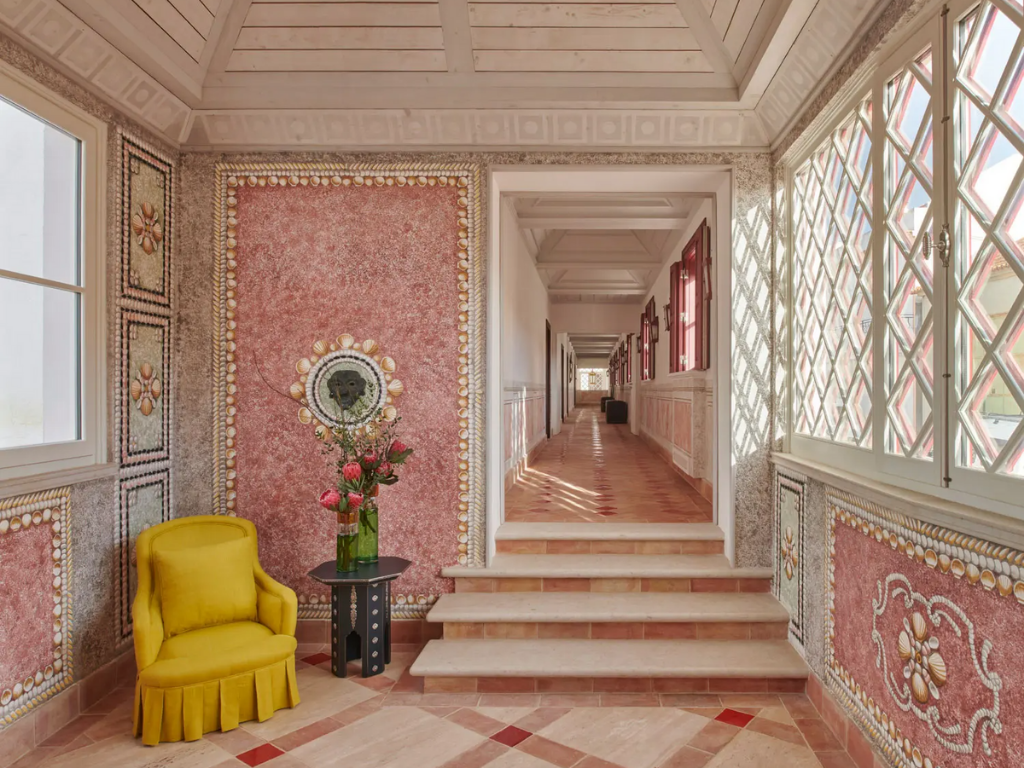
Take Christian Louboutin, whose first hotel, Vermelho (featured above), debuted in the quiet Portuguese village of Melides, just south of Lisbon. The 13-room property is an exuberant reflection of the designer’s signature flair: the iconic red heel reimagined through tiles, beams, and upholstery. Yet, for all its glamour, the space remains grounded in local culture, blending artisanal Portuguese craftsmanship with Louboutin’s playful sensibility—a European counterpart to Yves Saint Laurent’s legendary Marrakech oasis.

Meanwhile, Ferrari is channeling its racing-red prestige into fine dining. At Cavallino restaurant in Maranello, steps from the factory and Gestione Sportiva racing department, acclaimed chef Massimo Bottura’s Italian classics are served up with the precision of a Formula 1 pit crew. The tasting menu celebrates regional icons like Parmigiano Reggiano and Emilia Romagna wines, a far cry from the humble company canteen Enzo Ferrari opened in 1950. Since its 2021 redesign, Cavallino has become a destination in its own right for culinary-minded car enthusiasts.

This past year also brought a flurry of beach clubs and poolside collaborations. Longchamp landed in Forte dei Marmi, Italy, with a seaside outpost that captures the breezy elegance of the French Riviera. In Dallas, Missoni partnered with Hôtel Swexan to create a rooftop escape awash in the brand’s iconic zigzag prints. Guests sip Malfy Gin Spritzes poolside, enjoy curated in-suite gifts, and bask in the kind of effortless glamour usually reserved for the Mediterranean. “This partnership is the perfect fit since both Missoni and Hôtel Swexan are family-owned, devoted to craftsmanship and timeless sophistication,” says Hôtel Swexan general manager Julian Payne. 

Elsewhere, designers made their mark from the Hamptons to Ibiza. Michael Kors and Chanel hosted posh summer activations in New York’s chicest coastal enclave. Dolce & Gabbana’s DG Resort returned to Taormina and Saint-Tropez, Jacquemus took over Monte-Carlo Beach, and Louis Vuitton debuted a Saint-Tropez culinary pop-up with Michelin-starred chefs Arnaud Donckele and Maxime Frédéric. Lacoste also entered the scene, opening a café in Monte Carlo that brings its preppy-sporty heritage to life, right down to the crocodile-green details.

As the lines between fashion, travel, and lifestyle continue to blur, one thing is clear: luxury today is about more than what you wear. It’s about where you stay, what you taste, and how you can live inside the brand’s world—even just for a night.

A Slow-Travel Guide to Liguria, Italy

Italy’s Riviera reveals its beauty most to those willing to slow down. Here’s a designer's guide to Liguria’s architecture, cuisine and coastal rituals.

Between the French border and La Spezia, Liguria is a postcard of sun-washed villages clinging to the cliffs. Trains rattle along the edge of the Mediterranean, slipping through tunnels, while sea-salted air drifts through open windows.

“I usually over-plan trips, but Liguria calls for a loose itinerary,” says Montreal-based designer Alexandre Lafleur. “Take your time. Enjoy a late morning reading under an olive tree, have a leisurely lunch followed by multiple dips in the sea, and always catch the sunset with an aperitivo in hand.”

Below are his personal recommendations from his latest trip to the Italian Riviera.

Casa d'Artista

Alassio

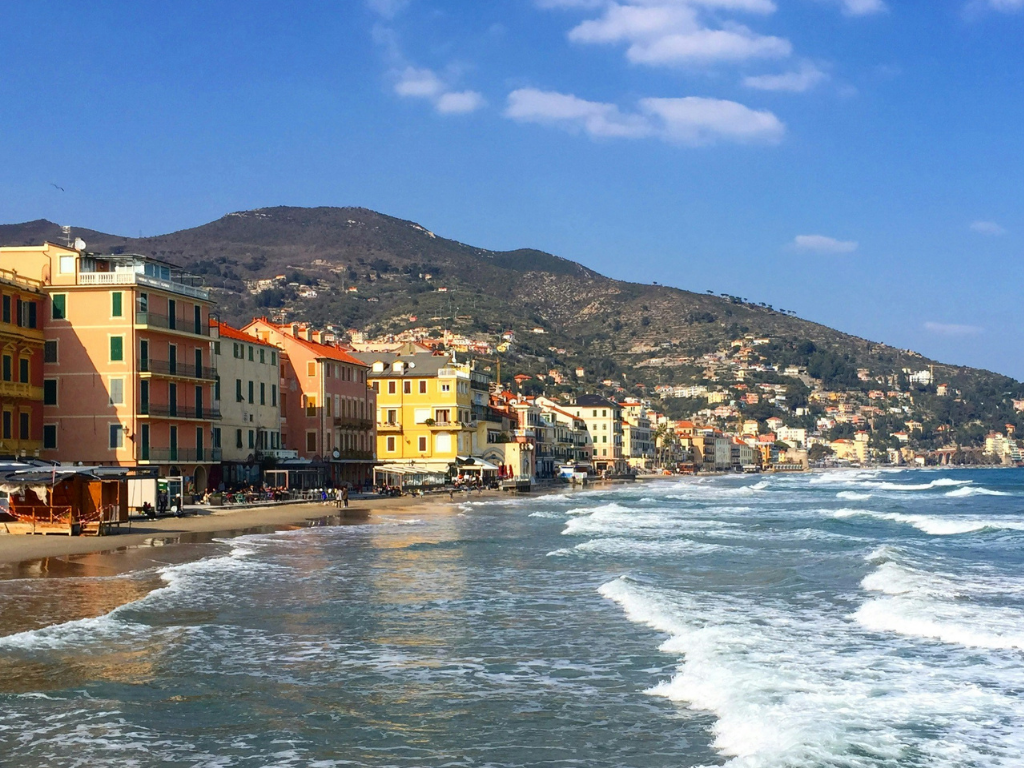
Tucked between the Ligurian hills and the water, Alassio feels timeless with its striped parasols, faded frescoes and honey-coloured villas. Stay a few steps from the promenade at Casa d’Artista, a three-room bed-and-breakfast in what was formerly a private seaside home. With frescoed walls, antique armchairs and balconies shaded by tasselled umbrellas, it captures the charm of a slower era.

“In the morning, each room gets breakfast in a picnic basket filled with pastries, fruit, and eggs to enjoy in the breakfast room or seafront balcony,” says Lafleur.

Spend the morning walking the Lungomare, then grab a pair of loungers at one of Alassio’s lidos—private beach clubs with striped cabanas, showers and lively seaside restaurants serving fried anchovies and spritzes. For a taste of old-world grandeur, visit the gardens of Villa della Pergola, where wisteria, citrus and jasmine fill the air.

End the day with a Michelin-starred dinner at Nove, the villa’s restaurant. Dishes like goat-cheese agnolotti and sourdough panzanella with green gazpacho are elegant without being fussy, and the best spot to enjoy them is from the terrace overlooking the sea.


Casa Pernice
Fresh pasta at Rezzano

Cavi & Sestri Levante

Just a short train ride east, make your home base at Casa Pernice, a lovingly restored farmhouse in Cavi di Lavagna, where owners Giorgia and Davide have created a laid-back, design-forward escape. The rooms feel effortlessly chic with linen-draped beds, vintage ceramics, and sunlight spilling across old terracotta floors. Mornings start with homemade pastries and eggs from their hens, followed by a stroll down to Bagni Mignon, their retro-chic beach club on the pebbled shore.

Cavi sits between the polished resort town of Sestri Levante and the wild beauty of Portofino National Park. Take a ferry to San Fruttuoso, a tiny monastery bay framed by forested cliffs, where the 13th-century abbey is reachable only by water or a long coastal hike. The reward is a swim in clear turquoise water and lunch at Da Laura—lasagnette verde with pesto, fritto misto and a chilled white wine under the olive trees.

Back in Sestri Levante, stop by Baia del Silenzio (Bay of Silence), and do as the locals do: Take an evening swim before heading to Rezzano or Balin for fresh seafood, pasta, and a glass of Vermentino. 

Genoa

Once a powerful maritime republic, Genoa is a city of contrasts, with Renaissance palaces beside narrow alleys and marble staircases leading to quiet courtyards.

Wander through the caruggi, Genoa’s medieval lanes where artisans still make focaccia and brass fixtures by hand. Visit the Palazzi dei Rolli, a UNESCO-listed set of 16th- and 17th-century noble homes, or stroll Via Garibaldi, lined with painted façades and ornate balconies. Pause for an espresso at an old-world café before catching the train back. 

Most of Liguria’s coastline is connected by rail, making car-free travel easy and scenic. Every town along the route, from Camogli to Laigueglia, offers its own version of seaside life—the morning markets, the scent of salt and citrus, the fresh seafood. It’s a rhythm you’ll fall into quickly, and one that’s hard to leave behind.

The List

Stay Casa d’Artista (Alassio); Casa Pernice (Cavi)

Eat Nove (Alassio); Terrazza Praié (Laigueglia); Da Laura (San Fruttuoso)

Do Ferry to San Fruttuoso; Swim at Baia del Silenzio; Explore Genoa’s Palazzi dei Rolli

Drink A Hugo Spritz at lunch; a glass of chilled Vermentino at sunset

Bring Back Ligurian olive oil, hand-painted ceramics, Genovese pesto, or a woven market bag

Stopover in Copenhagen: A Design-Lover’s Guide to Denmark’s Creative Capital
Where to eat, stay and explore in the UNESCO Architecture Capital of the World.

By Phil Birnbaum

From the moment you land, Copenhagen’s devotion to design is on full display. Even the airport is outfitted with iconic pieces like Hans J. Wegner’s Airport Chair and Thomas Kastholm’s Daybed. From there, a quick 20-minute train ride gets you to Kongens Nytorv, the city centre, where colourful townhouses, cafés and restaurants line the postcard-perfect Nyhavn harbour. Whether you visit during the city’s annual 3daysofdesign festival (June 10-12, 2026) or any other time of year, Copenhagen’s effortless blend of culture, cuisine and creativity makes it a destination worth lingering in.

Andersen & Maillard
Ruby Cocktail Bar

Where to Eat

Design influences every detail of Copenhagen’s dining scene, from the interiors to the plating. Start your morning at Andersen & Maillard, known for its flaky cheese buns (a staple) and expertly roasted coffee. For a stylish lunch, head to The Roe Bar at the Louise Roe Gallery, where the Danish designer’s furniture and tableware surround you as part of the experience.

For something casual but iconic, Gasoline Grill—which began in a former petrol station—serves one of the city’s best burgers across several sleek, design-forward locations. As night falls, Ruby is the place for cocktails, set inside a 19th-century townhouse on Nybrogade, blending old-world charm with new Nordic flair.

Louisiana Museum
Louisiana Museum Copenhagen
Louisiana Museum

What to Do

Just an hour north of the city, the Louisiana Museum of Modern Art is a must for art and architecture lovers, with modernist galleries and sculpture gardens overlooking the Øresund coast. Back in town, Designmuseum Danmark traces the evolution of Danish Modernism, with exhibits featuring nearly 100 classic chairs by legends like Hans J. Wegner, Nanna Ditzel, Finn Juhl and Cecilie Manz. Refuel with coffee and a pastry on the café’s garden patio

For a dose of urban innovation, rent a bike and ride to CopenHill, a waste-to-energy plant turned year-round ski slope designed by Bjarke Ingels Group. It’s a perfect expression of Copenhagen’s sustainable spirit.

Where to Shop

Begin at Louis Poulsen’s flagship store in Kuglegården to see the brand’s renowned lighting designs—the PH, Artichoke and Panthella among them—and pick up a portable Rumee Lamp by Gabriel Tan to take home. Then browse Illums Bolighus, a multi-level department store filled with Scandinavian furniture, fashion and décor, housed in a landmark 1941 building.

Before you leave, pick up a Hoptimist, Hans Gustav Ehrenreich’s cheerful spring-figure toy, available in a rainbow of colours—a playful emblem of Danish joy.

Audo House
Audo House

Where to Stay

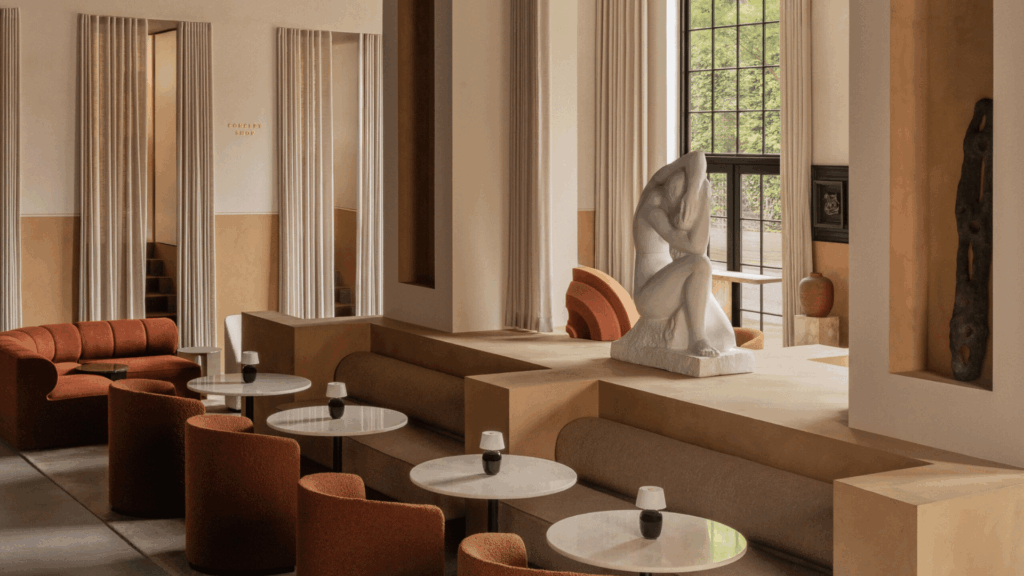
In Nordhavn, Audo House brings together design, hospitality and community under one roof. The 10-room boutique hotel, housed in a restored heritage building, is also home to a concept shop and café by the Danish furniture brand Audo, making it a hub for design enthusiasts.

For a central stay, Hotel Petra, which opened in partnership with &Tradition, features 40 rooms furnished entirely with the brand’s contemporary pieces. The inviting Petra Bar & Restaurant off the lobby serves as both neighbourhood café and stylish gathering place for coffee, lunch or a nightcap.