
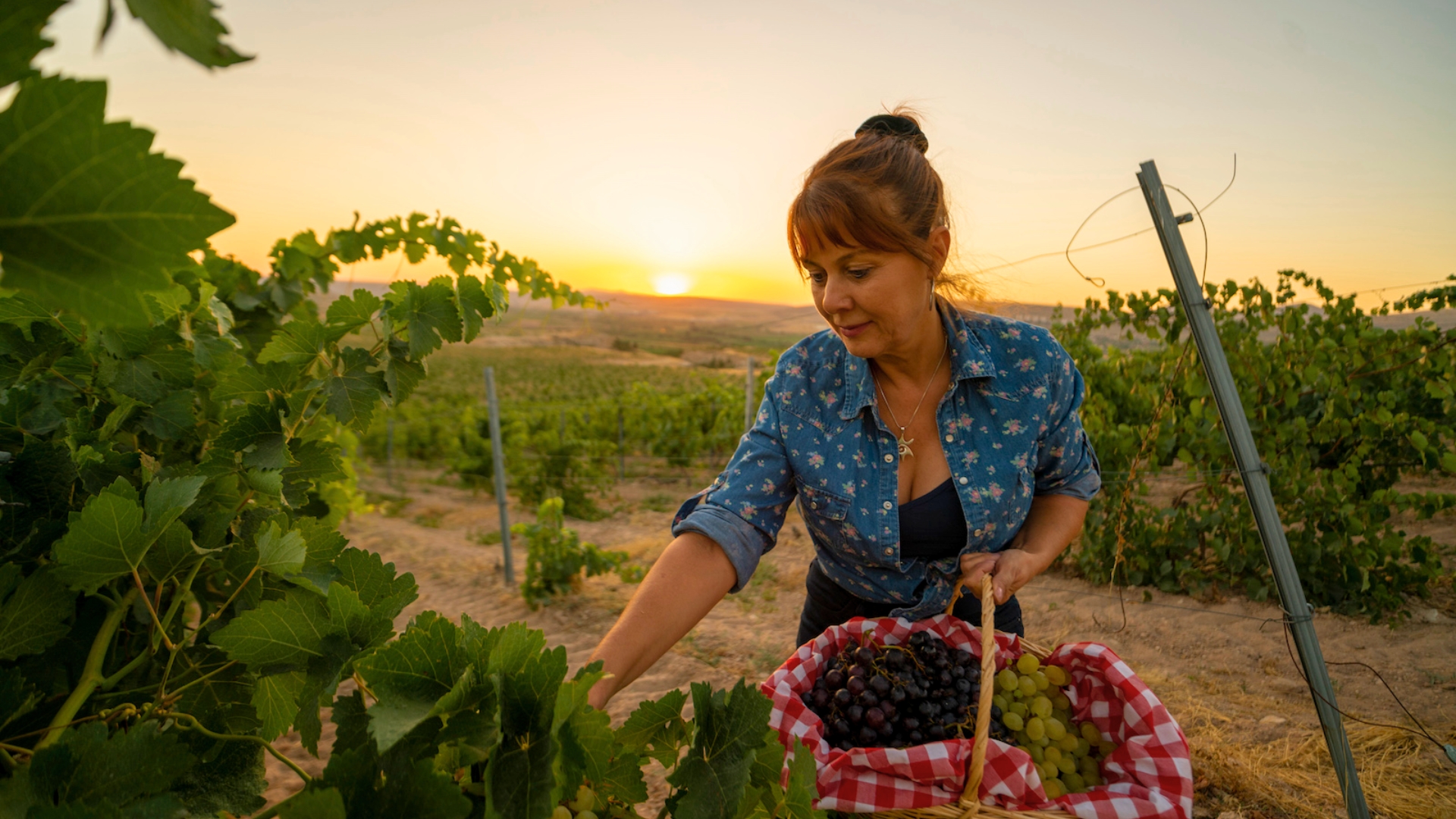
From a Michelin-listed cooperative to a boutique winery, here are just a few of the talented women behind Türkiye's tables.
Cappadocia is a landscape that feels more like it was dreamed than built: valleys of fairy chimneys, castles carved into the rock, entire cities hollowed out underground. This is the heart of Anatolia, “the land where the sun rises” from Greek, ground that the Hittites farmed, the Byzantine Greeks settled, and the Ottomans folded into empire. It’s a cultural melting pot, and as a result, one of the region’s richest inheritances is what it brings to the dining table.
The cuisine here reflects east and west, Mediterranean and Anatolian, carrying fingerprints of everyone who has passed through. In families, recipes move grandmother to mother to daughter, told and prepared again and again rather than recorded. And across the region, maybe even the country itself, it is most often these women who carry those recipes forward.

TIK TIK Kadın Emeği
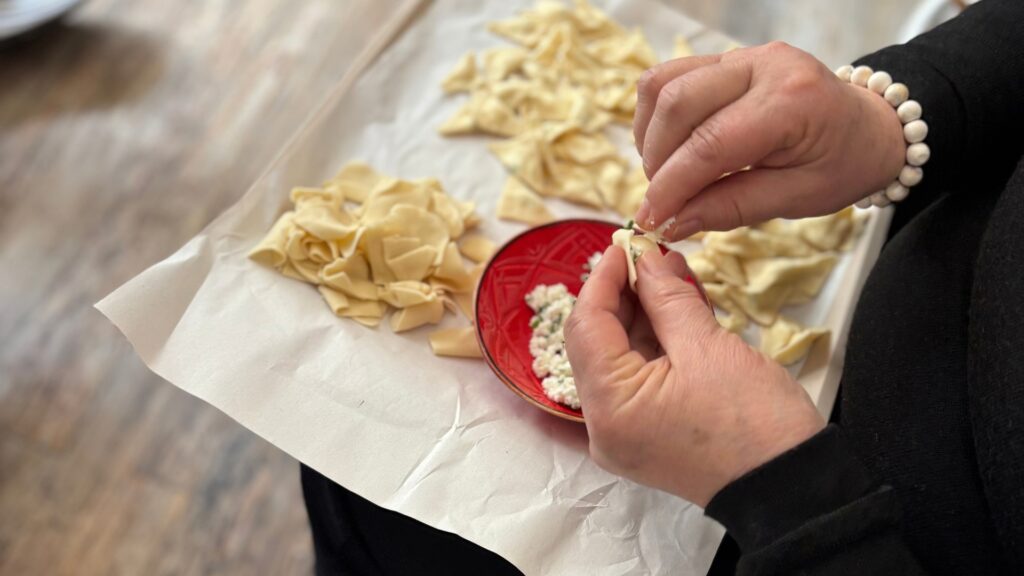
The first sound I hear in a Cappadocian kitchen isn’t sizzling oil or a bubbling pot. It’s a knock. Tık, tık. A rolling pin tapping stone, a blade meeting board. It’s the small percussion of women who have been feeding guests for far longer than they’ve had a sign on the door.
In 2015, an Ürgüp-born lawyer and activist named Oya Özarslan noticed something that had been true for centuries and invisible for just as long: the women who kept the region’s food alive, with recipes whispered from one generation to another, had never been offered a proper stage to serve on. So she did something bold. She gathered them, first in living rooms and then in neighbourhood halls, to cook together as a collective. With their own pooled savings they rented a modest stone building, and by 2018 the doors opened.
They call it TIK TIK Kadın Emeği, with kadın emeği meaning “women’s labour” and tık tık for the sounds in their kitchen, one where there are no industrial machines and no shortcuts. If a dish needs six hours to simmer, it simmers for six hours, and you can taste every one of them.
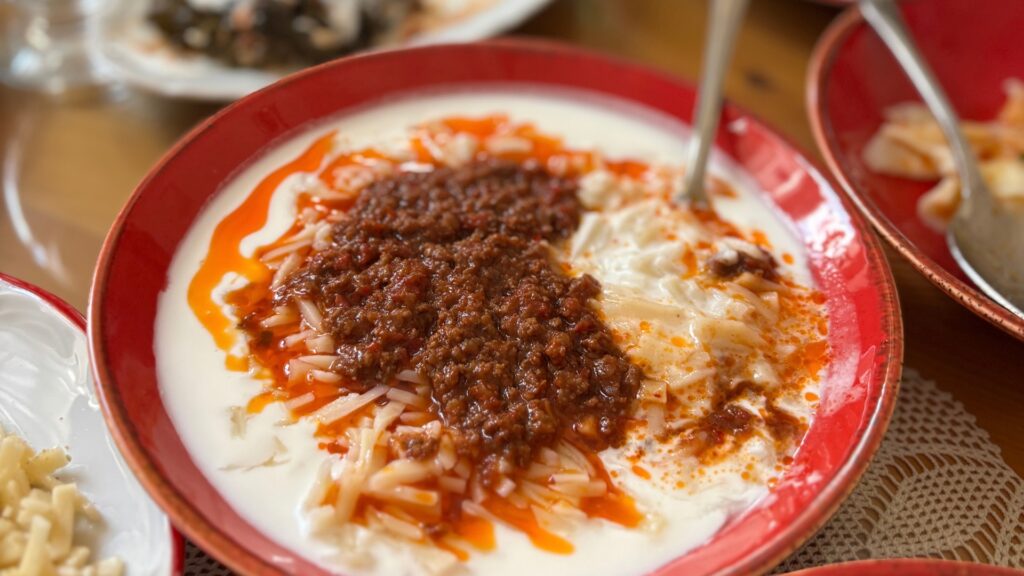
In the bright and cozy yet modest dining room, about as close to a grandmother’s kitchen as you can imagine, there’s no wrong order. Try the Ürgüp köftesi kabak çekirdekli erişte, a plate of spiced potato-and-meat köfte (said to be one of the region’s oldest dishes) alongside fresh, hand-cut pasta bound with ground pumpkin seeds.
TIK TIK is the first women’s cooperative in the world to earn a place in the Michelin Guide, listed as a recommended restaurant in 2026. Eighteen women from Ürgüp take turns at the stove, most of them volunteers drawing a small stipend and a share of the year-end profits. The rest goes where it matters most. Through their own registered association, the Cappadocia Women Entrepreneurs Association, the cooperative puts local girls through university, thirty-six of them at last count. What began as a way to keep Ürgüp’s cuisine from being forgotten has become a way to give its daughters better opportunities than many of its founders had. This must be the definition of cooking with love.
GORGOLI Lounge & Eatery
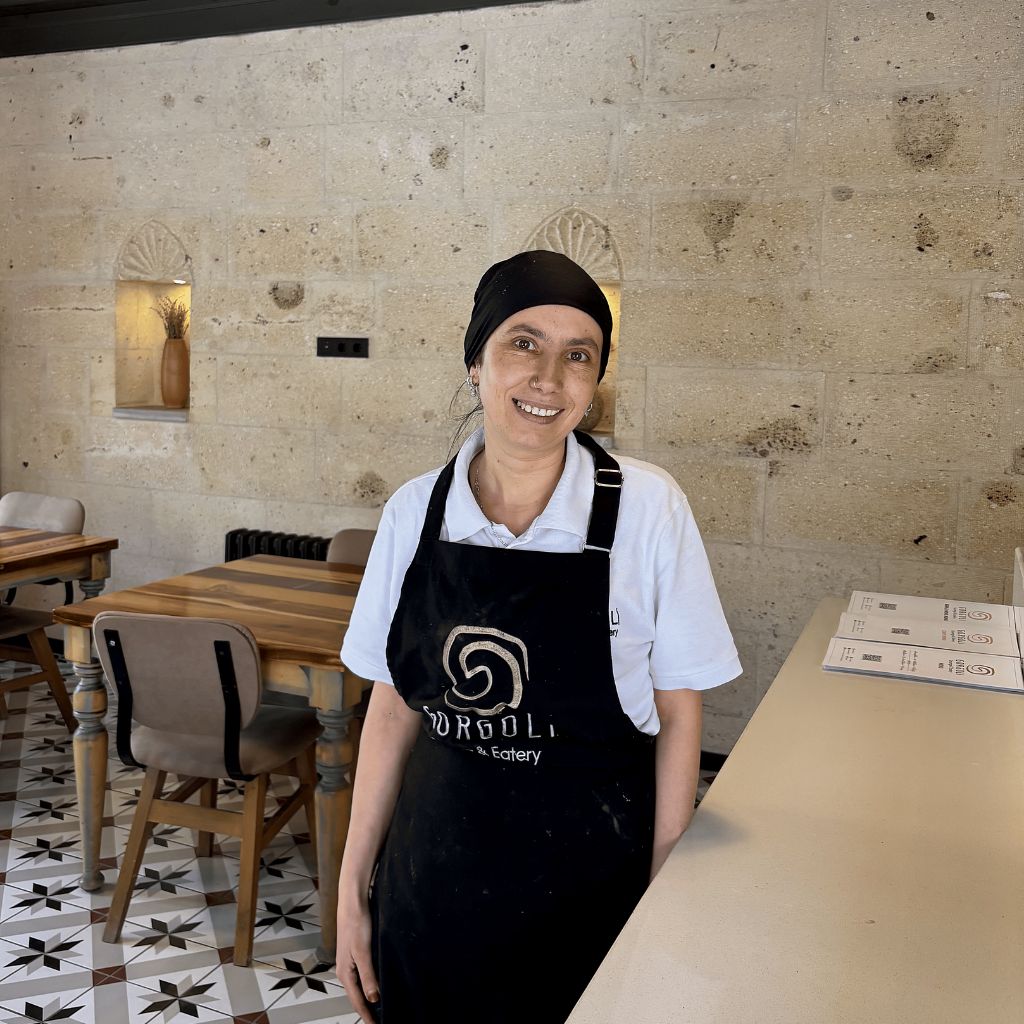
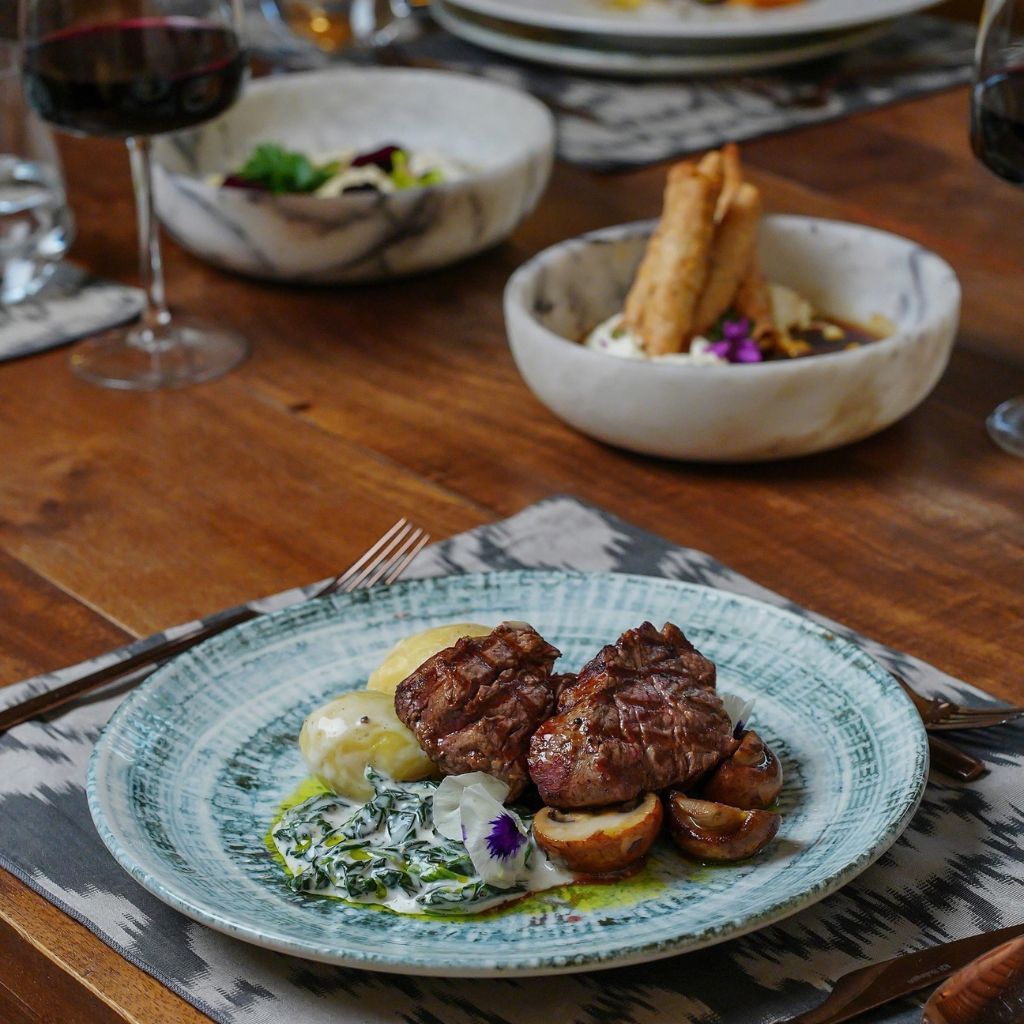
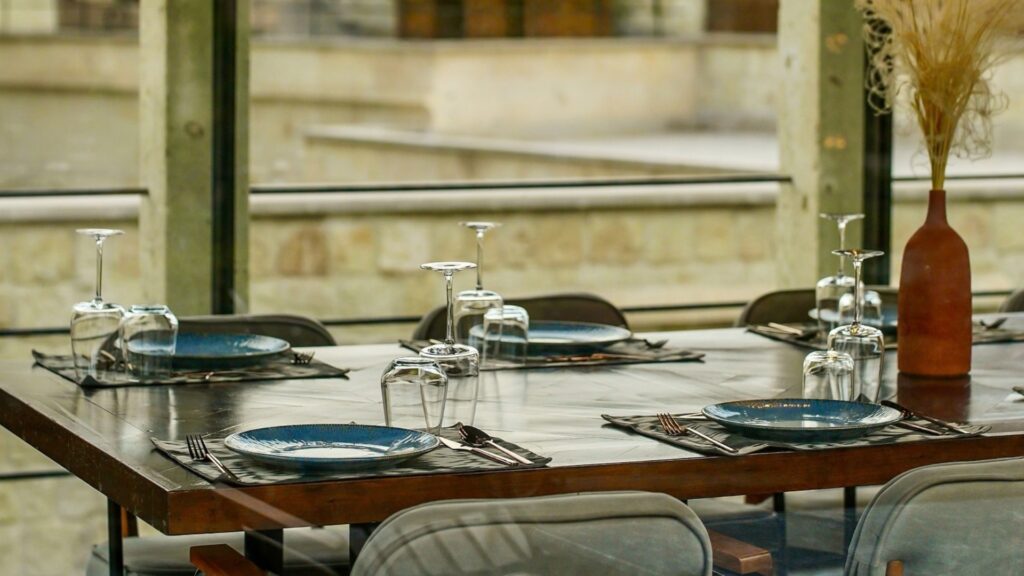
Twenty minutes south, in the village of Mustafapaşa, GORGOLI sits tucked into a restored cave house, named for the valley just beyond it. “In Turkish culture, our table is a sharing table,” I’m told by head Chef Cem Aydoğdu, over a spread that never stops arriving.
The menu leans heavily into vegetables, most of them pulled from the restaurant’s own gardens: asparagus, spinach folded into börek, wild garlic and onion, cucumbers destined for pickling, grapes crushed down into molasses. There’s tahini bread and sourdough and a signature flatbread served the traditional Cappadocian way, with yogurt and pekmez, a grape molasses.
Chef Aydoğdu is as talented, charismatic and camera-ready as you’d expect at a Michelin-recommended restaurant, and gracious with it. As he prepares a traditional Testi Kebabı for our small group, chopping onion, tomatoes, pepper and lamb before sealing them into a clay pot to slow-cook, he’s quick to share the credit with Chef Handan Nergiz, whose family has been perfecting the recipe in their own kitchens for decades. “She’s a third-generation Cappadocian, so she knows everything about cooking here,” Aydoğdu says. “The bread, the kaymak, the yogurt, even the rose-hibiscus drink we serve. She’s grown up with all of the traditional food here, and she makes most of it here.”
Minutes later, Chef Nergiz has already slipped back into the kitchen. A language barrier keeps me from the longer conversation I’d like, so I take down her name instead, resolving to shine a light on one of the women whose knowledge gives this kitchen its roots.
Vinolus
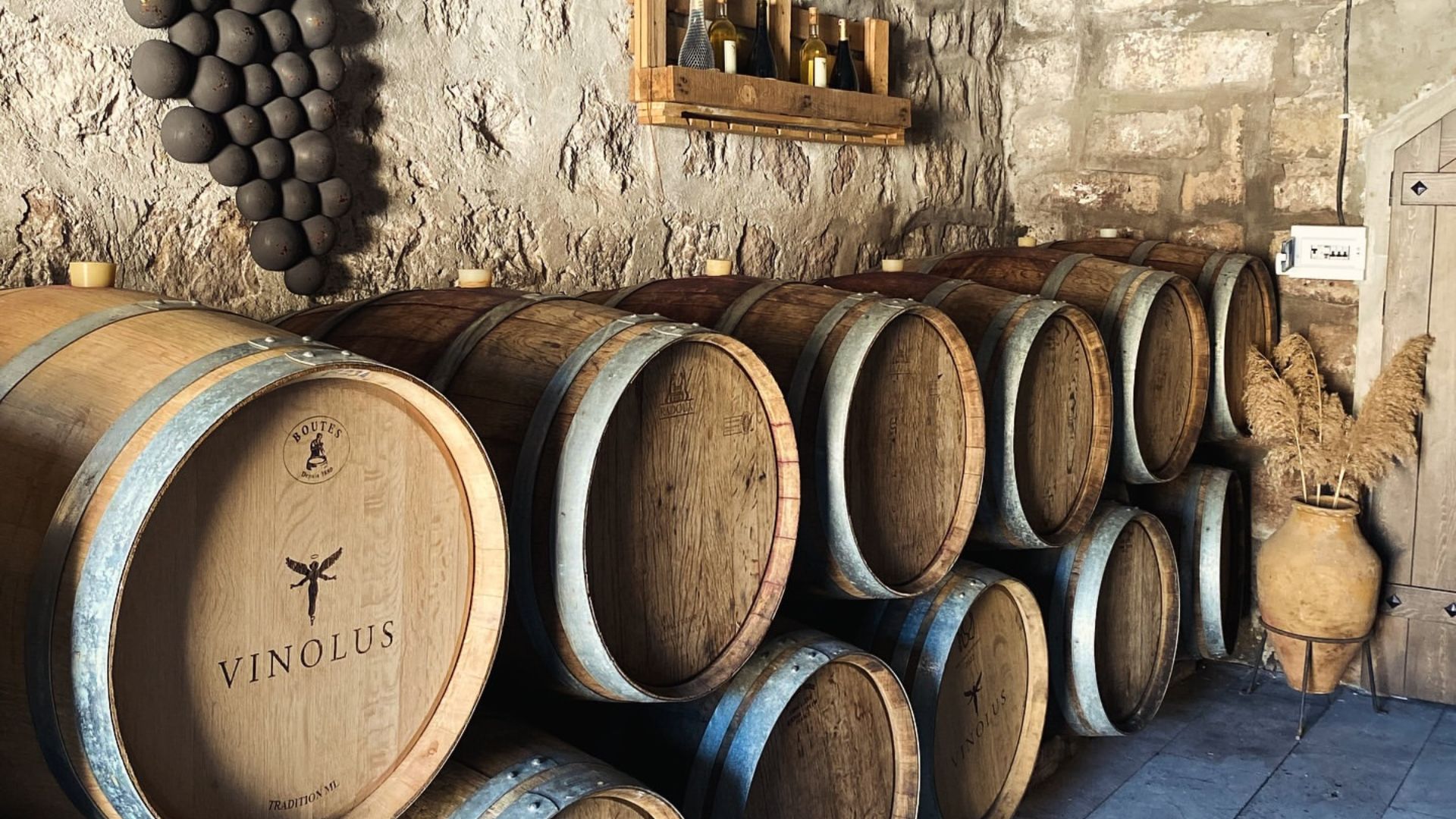
“I believe that roots, especially cultural ones, are the most important thing in life,” Oluş Molu tells me, pouring a Narince so bright it could pass for a dry Riesling. Coming from a winemaker, it sounds at first like a line about terroir. She means something larger.
A biology graduate of Hacettepe University, Molu spent years working in sustainable agriculture and environmental policy at the Ministry of Environment and Forestry before returning to her family’s farm in Kayseri to take up organic farming. She began organic viticulture in 2007 and, in 2009, established Vinolus.
The winery sits just beyond Cappadocia in neighbouring Kayseri, where the same high-altitude volcanic soil that shapes the region’s dreamlike landscape lends its wines a bright mineral thread. Molu’s wines have made a quiet case for the region, collecting awards along the way and helping establish her as one of the pioneers of female entrepreneurship in Turkish wine.
Her roots run literally deep, as well. Across her 200-hectare estate, some of the old vines are pushing forty years, their roots “one hundred percent domestic and local,” with everything grown on entirely organic and sustainable principles. “Our main objective is to work with domestically rooted grapes and heritage variations,” she explains, “and to make our end products out of these heritages.” This land was home to the Hittites, she reminds us, and some of the world’s earliest recorded winemaking took place in these very hills.
It hasn’t been simple. Türkiye’s secular republic reopened the door to winemaking in the 1930s, but steep costs keep even her best bottles off the world market. “Both the production and the export taxation are costly,” she says, with the shrug of someone who has made peace with going first anyway. Being a woman in the wine industry adds another degree of difficulty, one she names plainly.
That her wine exists at all feels like a small victory; that it is this good feels like a statement. So she keeps it small and deliberate, refined over more than a decade with a Spanish master winemaker, since skilled hands are hard to find at home. The result is the opposite of industrial: personal, patient, and unmistakably hers.
The List: Cappadocia & Istanbul
Stay
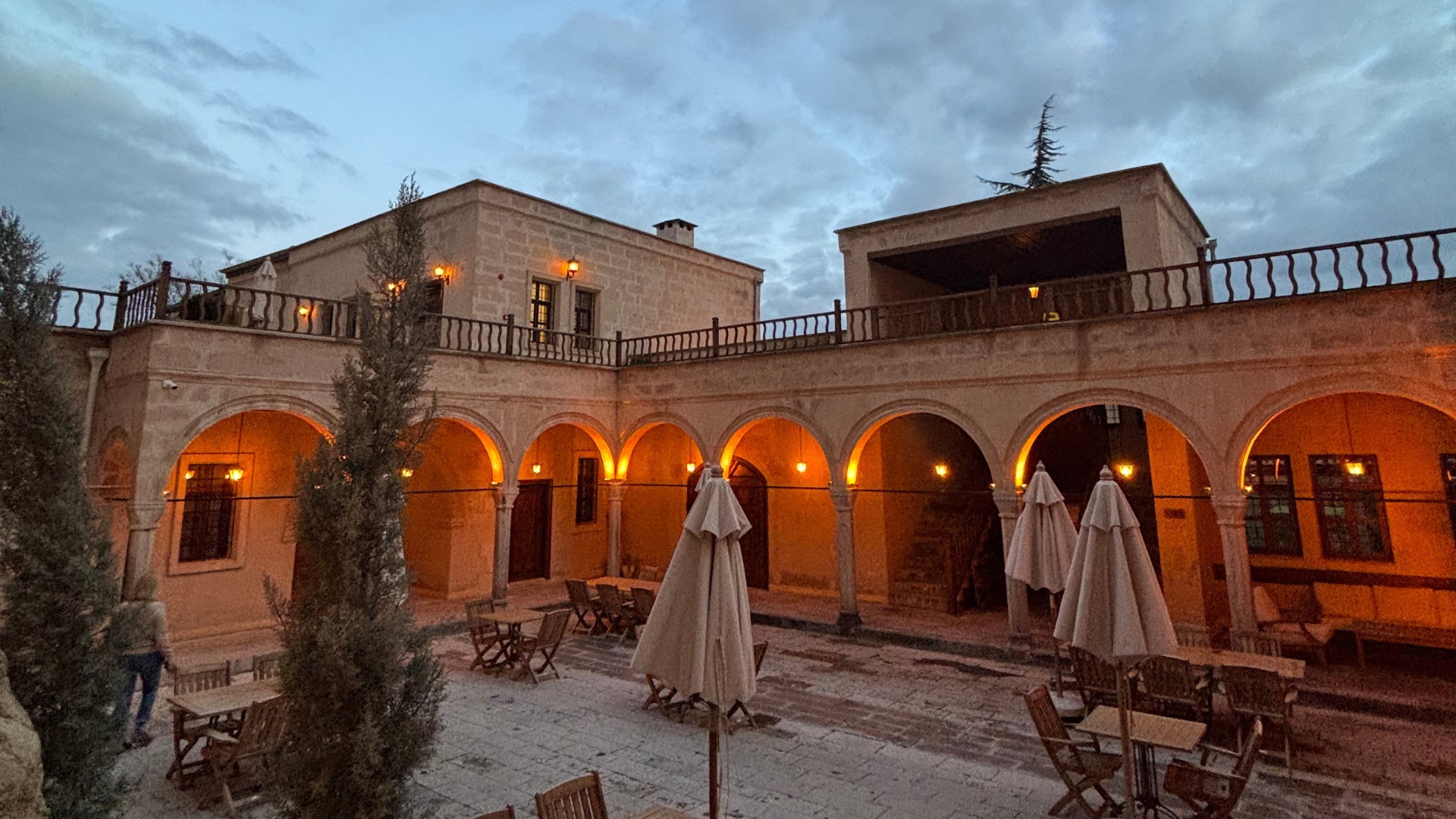
Asmalı Konak Cave Suites (Cappadocia), a 200-year-old stone mansion with cave suites carved into its adjacent hills; and MGallery The Galata Istanbul, a design-led stay in the heart of the city. Both have their own onsite hammams.
Do
Catch the sunset over Love Valley and the rock citadel at Uçhisar; wander the rock-cut chapels of the Göreme Open-Air Museum, a UNESCO World Heritage Site; drift over the fairy chimneys at dawn in a hot-air balloon. In Istanbul, tour the Hagia Sophia and Topkapı Palace, then head to the bustling Spice Bazaar, built in 1664.
Eat
Cağ kebabı at the casual Şehzade Cağ Kebap (Istanbul); the impeccable tasting menu at Revithia, Cappadocia’s first Michelin-starred restaurant; contemporary Turkish cuisine at OCTO Istanbul, served with prime views of the Bosphorus strait.
Drink
Boza, a tangy fermented drink made from grains; a dry and mineral Narince white wine; and Turkish coffee, often served at the end of lunch or dinner.
Bring Back
A bright assortment of Turkish delights from Ali Muhiddin Hacı Bekir, a local institution widely credited with the modern iteration of the sweet treat; pistachio baklava from Karaköy Güllüoğlu; the signature Istanbul fragrance from local perfume brand Atelier Rebul.
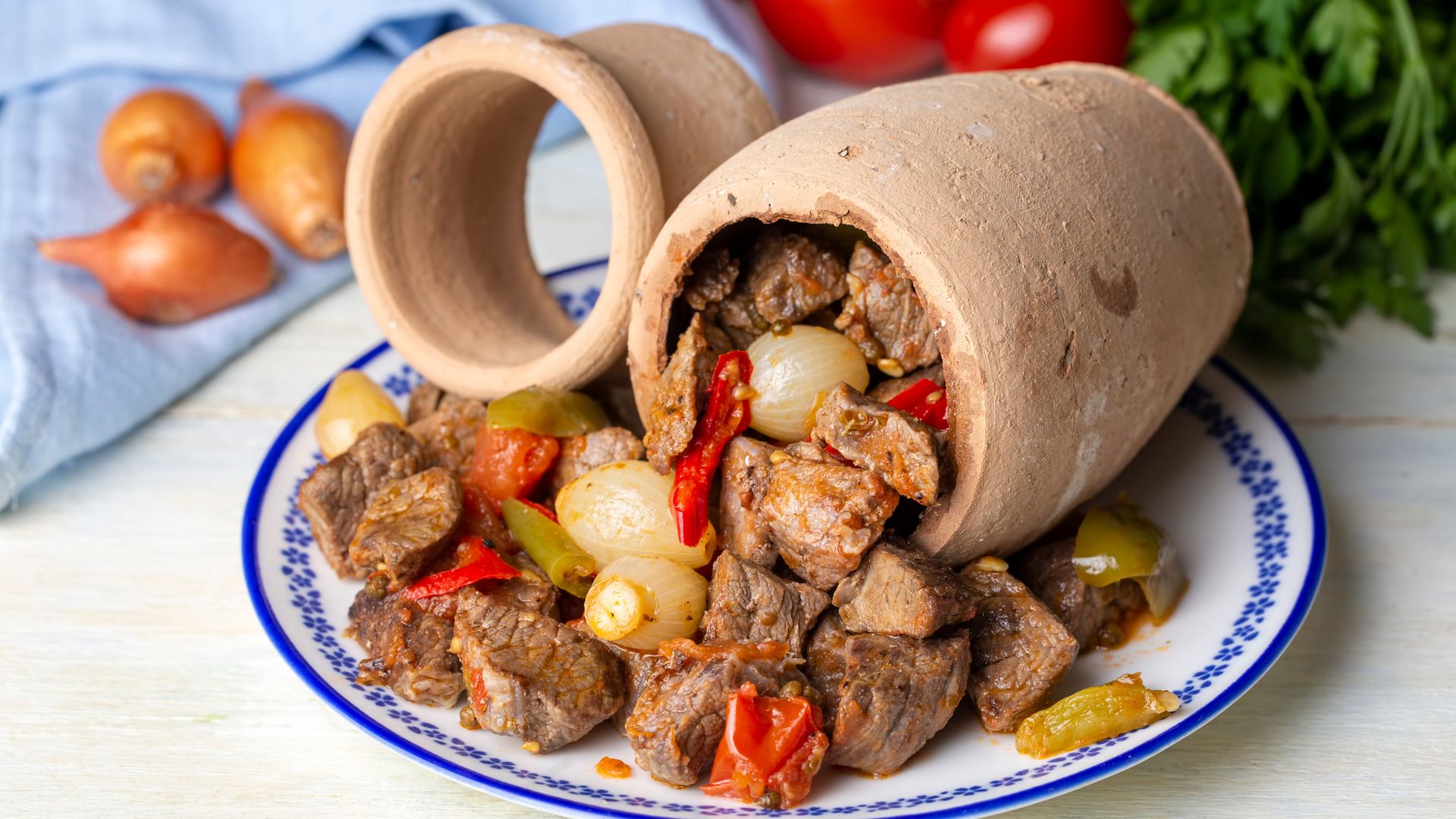
Recipe: Testi Kebabı (Pottery Kebab)
A theatrical Cappadocian classic: lamb, shallots and peppers sealed inside a clay pot with dough, slow-cooked over fire until spoon-tender, then cracked open at the table.
Serves 4
Ingredients
700 g grass-fed lamb (or beef), cut into large cubes
200 g pearl onions or shallots, peeled
8 garlic cloves, whole
300 g tomatoes, roughly chopped
150 g green peppers (such as Turkish sivri), sliced
30 g butter or lamb fat
1 tsp dried oregano or thyme
½ tsp salt
¼ tsp black pepper
150 g plain flour, plus water, to seal the pot
Rice or flatbread, to serve
Directions
- Layer the lamb, shallots, garlic, tomatoes and peppers inside a clay pot (or a heavy, ovenproof casserole), dotting the fat throughout and seasoning with the oregano, salt and pepper as you go. The pot should be full but not tightly packed, leaving room for the ingredients to steam.
- Mix the flour with just enough water to form a stiff, workable dough. Press the dough firmly over the mouth of the pot to seal it completely, like a lid – this traps the steam and juices inside, so the meat cooks in its own liquid rather than drying out.
- Set the sealed pot in a wood-fired or conventional oven at around 325°F and cook slowly for 2 to 4 hours, until the meat is meltingly tender and confited in its own juices.
- Bring the pot to the table still sizzling and break the seal with a sharp tap of a small hammer or the back of a knife. Spoon the kebab straight from the pot over rice or alongside warm flatbread.