hokkaido

Japan’s Coolest Island Escape

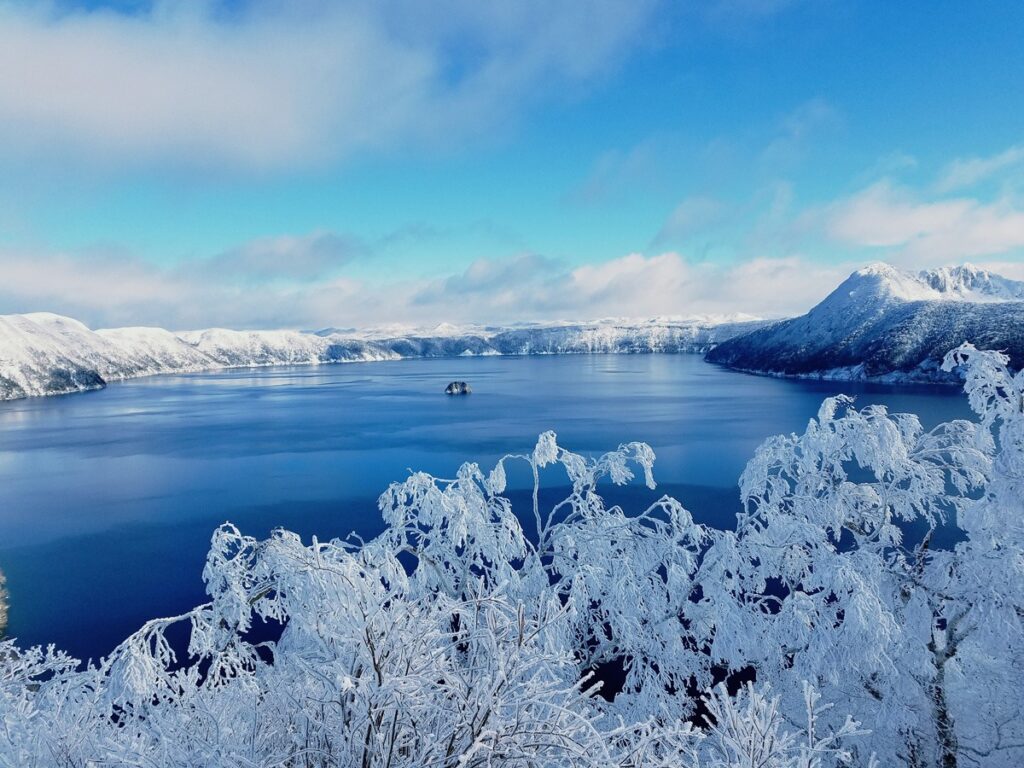
The island of Hokkaido is a wonderland of snow-dusted landscapes, crystal-clear lakes and rich traditions.

Hokkaido feels like a seasonal snow globe. In the warmer months, brightly coloured flowers blanket rolling hills, while autumn’s rich tones sweep across mountain towns. Come winter, snow glistens on the water, casting a magic that’s hard to replicate.

The country’s northernmost island is also its least developed — though far from barren. Sapporo, home to the beer of the same name, is Hokkaido’s most famous city, where visitors can explore the brewery’s free museum and learn about Japan’s beer-making history dating back to 1876. It’s also the ancestral home of the Indigenous Ainu people, whose culture centres on living in harmony with the land. The result is a natural retreat, highlighted by the deep-blue, crystalline waters of Lake Shikotsu, among the clearest in Japan. Enjoy it warmed or chilled — either way, it’s a perfect après-soak indulgence.

lake Shikotsu Ice Festival
Lake Shikotsu Ice Festival

In winter, the lake — tucked inside Shikotsu-Toya National Park — is ringed by towering ice sculptures, formed by spraying and freezing its own waters. The annual Lake Shikotsu Ice Festival, usually held in February, features an ice slide, skating (in boots or skates), horse rides for children, and dips in traditional Japanese onsen (hot springs). 

Outdoor enthusiasts will find plenty to explore. Hokkaido offers an impressive network of hiking trails, from mountain loops to snowshoe-friendly paths. Shiretoko National Park, Akan-Mashu National Park, and Daisetsuzan National Park reward visitors with sweeping wildlife and wilderness views. In Sapporo, the Olympic Museum — a legacy of the 1972 Winter Games — invites guests to trek up the ski hill for panoramic city vistas. Curated itineraries from companies like Remote Lands combine skiing in the Japanese Alps, onsen tours in Noboribetsu, historic streets in Hakodate (one of Hokkaido’s oldest cities), stargazing under clear night skies, and more experiences that evoke a profound sense of peace.

For a stay that mirrors the snow globe effect, Lake Shikotsu Tsuruga Besso Ao no Za hotel pairs traditional Japanese hospitality with sweeping lake views. The hotel offers a kaiseki dining experience — multiple chef-driven courses showcasing locally sourced, artistically plated dishes — and a teppanyaki restaurant serving rice, vegetables, meat and abundant seafood. Hokkaido’s scallops and salmon are highlights, alongside crab and prawns. Don’t miss the wagyu beef, paired perfectly with local sake.

Japan has no shortage of postcard-perfect views, but few match the stillness of Hokkaido under a winter sky. And with the island just 90 minutes by flight from Tokyo, its wild beauty is closer than you think.

Lake Shikotsu Tsuruga Besso Ao no Za hotel

3 WAYS TO WARM UP IN HOKKAIDO

Soak in an onsen
Slip into restorative hot springs in Noboribetsu — famous for its varied, mineral-rich waters born from volcanic hell-valley — or in scenic Jōzankei nestled in Shikotsu-Toya National Park.

Tuck into a bowl of Sapporo miso ramen
Hokkaido’s signature miso ramen delivers rich, savoury broth with hearty toppings like butter, corn, chashu pork, bean sprouts — and sometimes local seafood — for the ultimate winter comfort.

Sip local sake
Hokkaido’s sake breweries craft crisp and pure pours using mountain spring water, from the Daisetsuzan range to local rivers.

In Prince Edward Island, a waterfront spa redefines sustainable luxury
I’m not used to resting for an entire day. It doesn’t come naturally to me, and I often get anxious if I’m not being productive. 

A trip to Mysa Nordic Spa in Prince Edward Island, just under an hour’s drive east of Charlottetown, quickly changed that. 

My zen switch, which I thought was broken, finally switched on. As I dipped into the heated pool, I felt my troubles melt away. I closed my eyes and enjoyed the sounds of nature at work. 

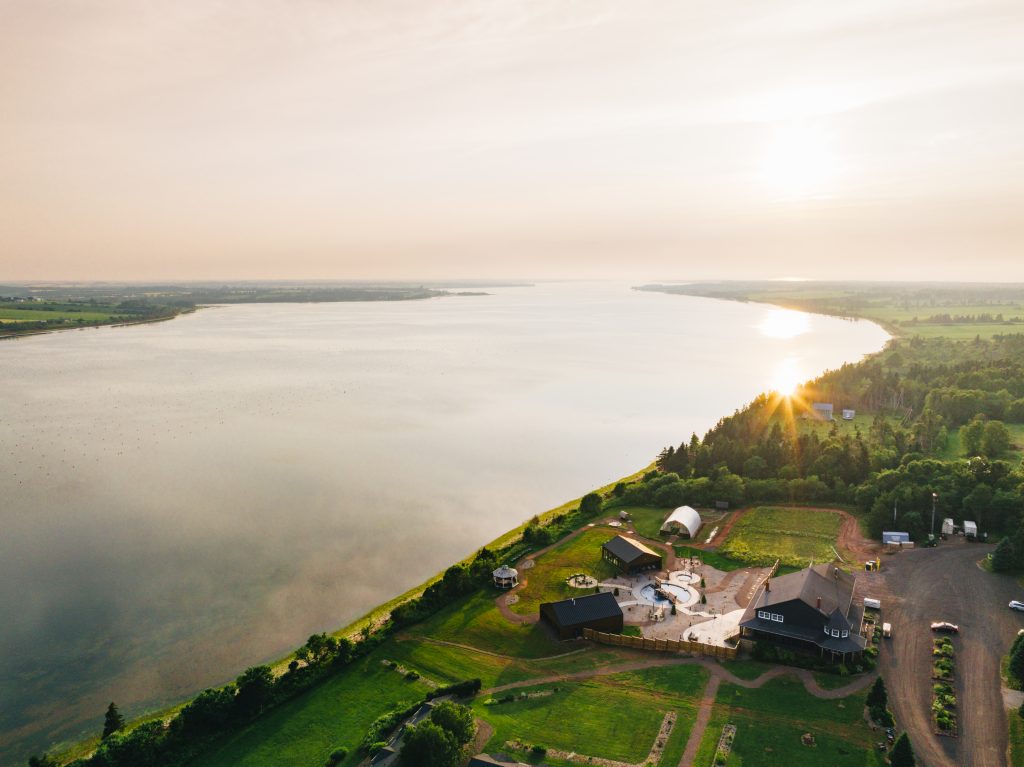
Mysa, which opened in 2022, is a family-owned spa operated by The Murphy Group. Focused on the traditional Nordic practice of thermal cycling, guests are encouraged to split their spa sessions between hot and cold circuits, which include a eucalyptus steam room and sauna, before settling into a relaxation space. Currently, guests can select from a handful of summer packages, including Mysa’s golf, spa and wellness package that includes two rounds of Golf at two of PEI’s 18 courses, a two-night stay at nearby The Great George Hotel, and two Mysa spa passes. Available until June 30, and priced at $749 per guest, it’s a great way to enjoy the wellness offerings of Mysa, while seeing more of PEI.

Following my spa session, I sat down in a bean bag chair to enjoy a novel for the first time in what felt like ages. But I soon set it aside, instead choosing to enjoy the view – the coast of St. Peter’s Bay and its plethora of greenery, the waves crashing into the land, and blue as far as I could see. Then I cheated—I was, after all, told to listen to my body above all else— and made my way to the gazebo, known as the socializing space, where friendly people repeatedly called the spa’s restaurant “the best on the island.”  

After pre-selecting a dinner time slot (lunch reservations are not required), I scanned the menu and selected several seasonal offerings, where ingredients are sourced from the property’s greenhouse. Sipping on a glass of Nova Scotia wine, when my food came, I understood what everyone was talking about. The freshness was apparent, the flavour profiles full, and Chef Seth Shaw’s skill was inherently obvious.

The best part of Mysa, Prince Edward Island’s only Nordic spa and one of the Spas of America Top 100 for two consecutive years (and one of just 15 Canadian destinations on the list), is that operator Isaac Murphy made it all sustainable. 

What started as a Covid-inspired project continues to attract locals and visitors alike in the three years it’s been open. The 18-acre property uses woodchip gasification to turn scraps of dead trees into fuel that powers the pools, the restaurant, the cottages, and everything in between. Wood chips are sourced using a practice called sustainable thinning, which means even the dead trees are carefully picked, intentionally removed from spaces where they were otherwise getting in the way.

My home base for the night, one of 17 personal cottages on the property, was just what I needed: a quaint, fair-sized space with a fireplace and couch, a queen-sized bed, a small sitting area, a four-piece bathroom and, most importantly, a water-facing balcony. Each cottage is outfitted with sustainably made amenities, and some have fireplaces.

I capped my stay with one of the spa’s newest treatments, an Indian head massage, which can be booked alongside traditional RMT massages and relaxation massages. I sat in the chair, the practitioner’s fingers rubbing the knots from my skull, and had trouble – for the first time in a long time – keeping my eyes open. It was different, I realized, than the Nordic spas I’d visited in the past. It’s about a holistic experience. 

The simplicity of the experience drew me in; the air felt cleaner, the view more captivating, the respect for nature and commitment to sustainability apparent. It was luxurious in its simplicity: no complicated scheduling needs, less people around, and more about honing in on what wellness means to us as individuals. The refreshing, calming aroma, the sweet sounds of the relaxing music, and the natural wood tones and peaceful energy that surrounded every inch of my awareness all made my mind quiet.

And I basked in the luxury of it.


This story first appeared in the Summer 2025 issue of OFFSHORE. Click here to subscribe to the digital magazine.