
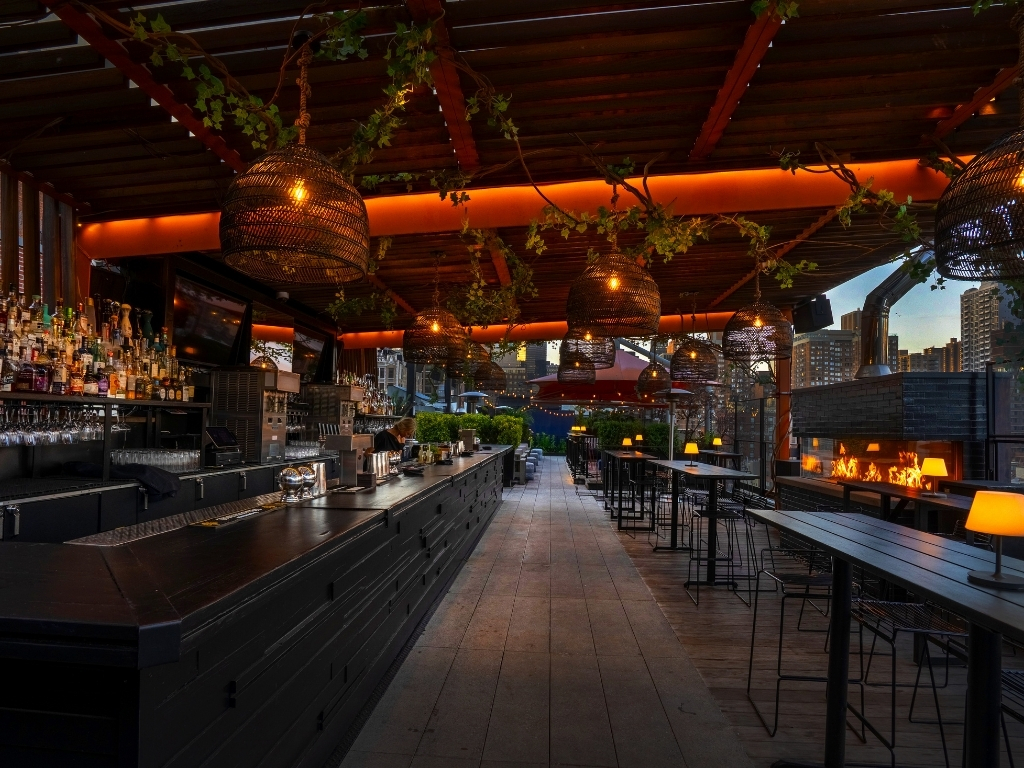
When you step into the lobby of the SonoLux Hotel in Montreal, Quebec, you’re also stepping into its farm-to-table restaurant, Lumi, set one level above the sultry Subterra audio lounge and cocktail bar. When you check into the newly renovated Park South Hotel in New York City, you’re just steps from its sprawling Greek restaurant, Skewr, and buzzy Rosehill Rooftop Bar (featured above). And at W Toronto, dining spans from upscale Japanese cuisine at TONO to casual brunch fare and cocktails at Living Room.
More and more, hotels are redefining hospitality to include a culinary experience that does more than just check the box, instead attracting locals and tourists alike with inventive menus and lively, design-forward spaces.
“Today’s traveller is really booking experiences, not just rooms. For us, it was important that Park South feel like a place people want to spend time in, not just a place they sleep,” says John Loizos, General Manager, Park South Hotel. “Concepts like Skëwr, Stone & Soil, and Rosehill Rooftop allow the hotel to become a true destination. We want to create energy, relevance and reasons for both guests and locals to engage with the property.”
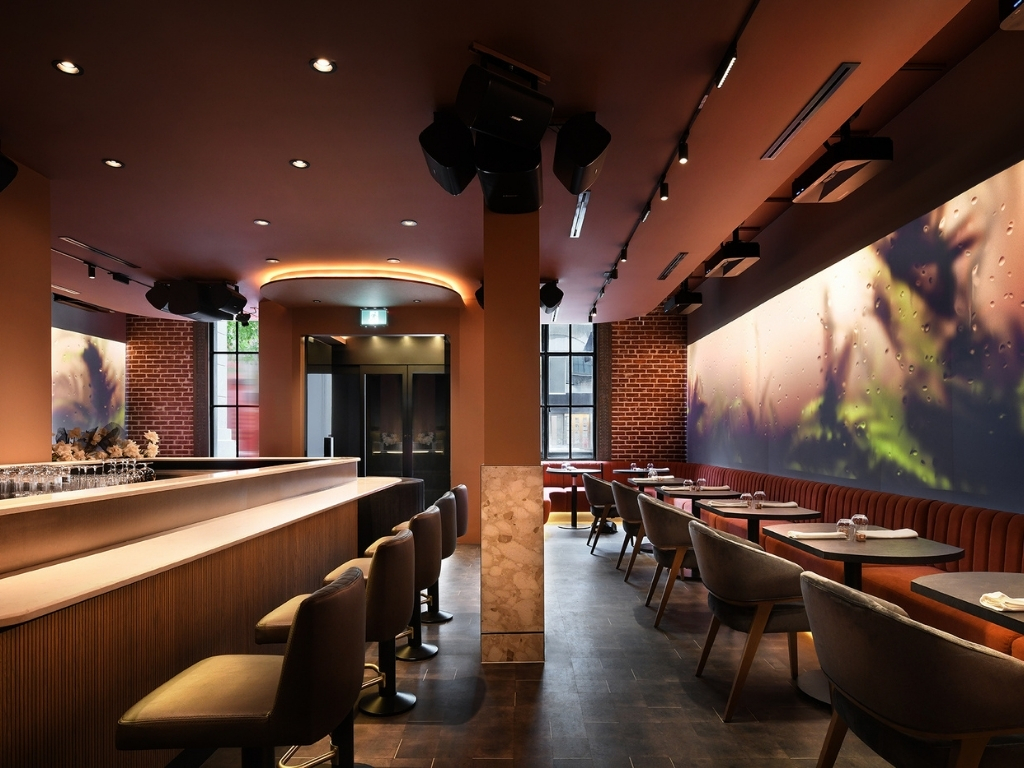
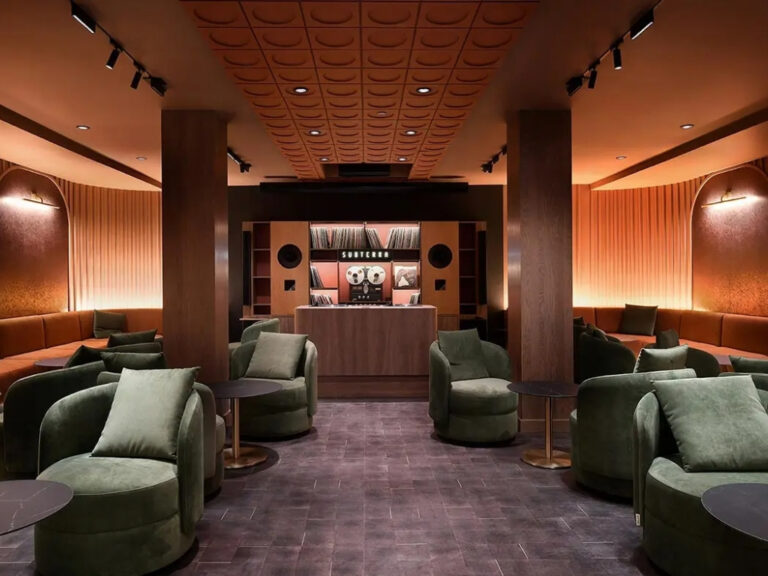
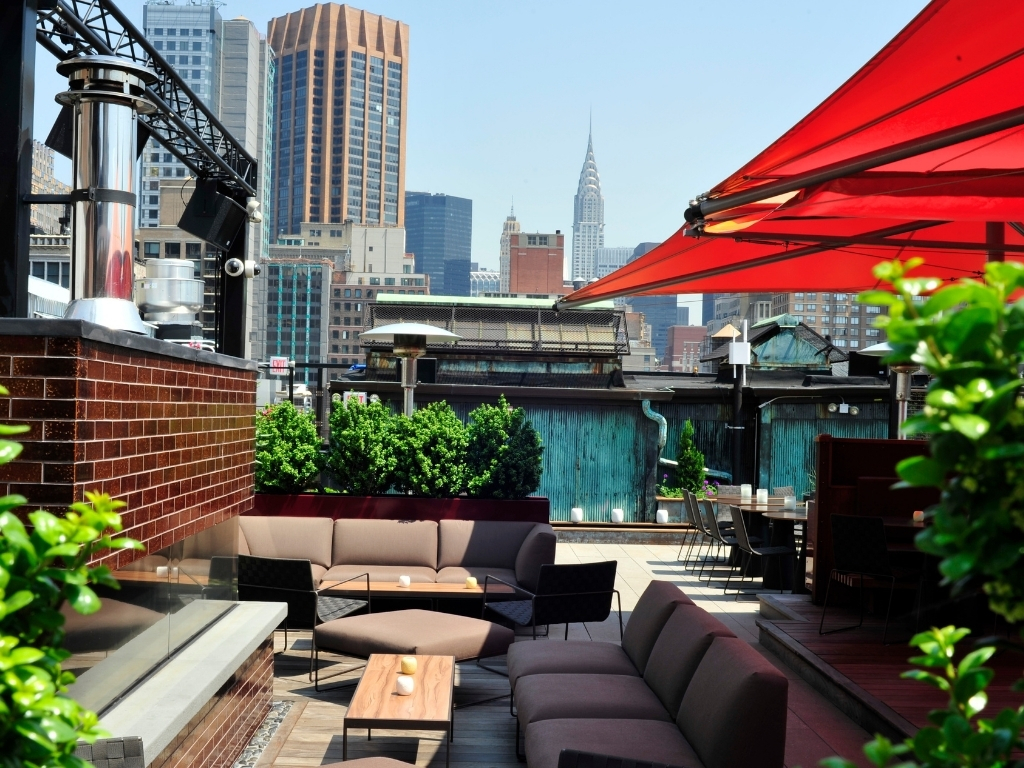
Daniel Gallant, the vice president of Epik Collection (which owns SonoLux), echoes those sentiments. “I think hotels are such an interesting place to have a dining experience. The natural combination of local people and visitors to the city, and the variety of cultures, makes for an interesting evening. It’s like planning a dinner party. It’s always more fun when your guests have varying viewpoints, different personalities and life experiences,” he says.
At the W Toronto, those rituals included bringing in Michelin-starred chef Akira Back to wow both guests at the hotel and locals with dishes like hot stone ishiyaki, Tajima Wagyu short rib and arroz con risotto. “It’s about providing options while offering an authentic look at what the city has to offer,” says Elie Sassine, the hotel’s general manager. It also offers a level of convenience for hotel guests, allowing them to experience that culture without leaving the property.
It’s especially important for people in the city for conferences or work events, or people with limited time who still want to get a feel for the city’s flavour. A respected restaurant gives visitors a sense of place while also building credibility among locals. “Guests want convenience, but they do not want to compromise,” Sassine says. “At the same time, they are looking for dining that feels intentional, design-driven, and reflective of the city they are in. Strong dining brings energy, personality, and relevance into the building, turning the hotel into a place people want to gather, not just stay.”
Essentially, it’s all about creating a third space, a place where both locals and visitors can go to unwind, connect, and enjoy, says Loizos. “When a guest can dine beautifully, connect socially, and unwind – all within one thoughtfully designed space – that’s when a hotel truly becomes a destination.”