
Here are eight second cities, quieter islands, and clever swaps for your summer getaway.
Some of Europe’s best summers this year are unfolding just off the main stage. These eight second cities, quieter islands, and inspired swaps deliver sun-warmed squares and postcard-worthy beaches with a little more room to breathe.
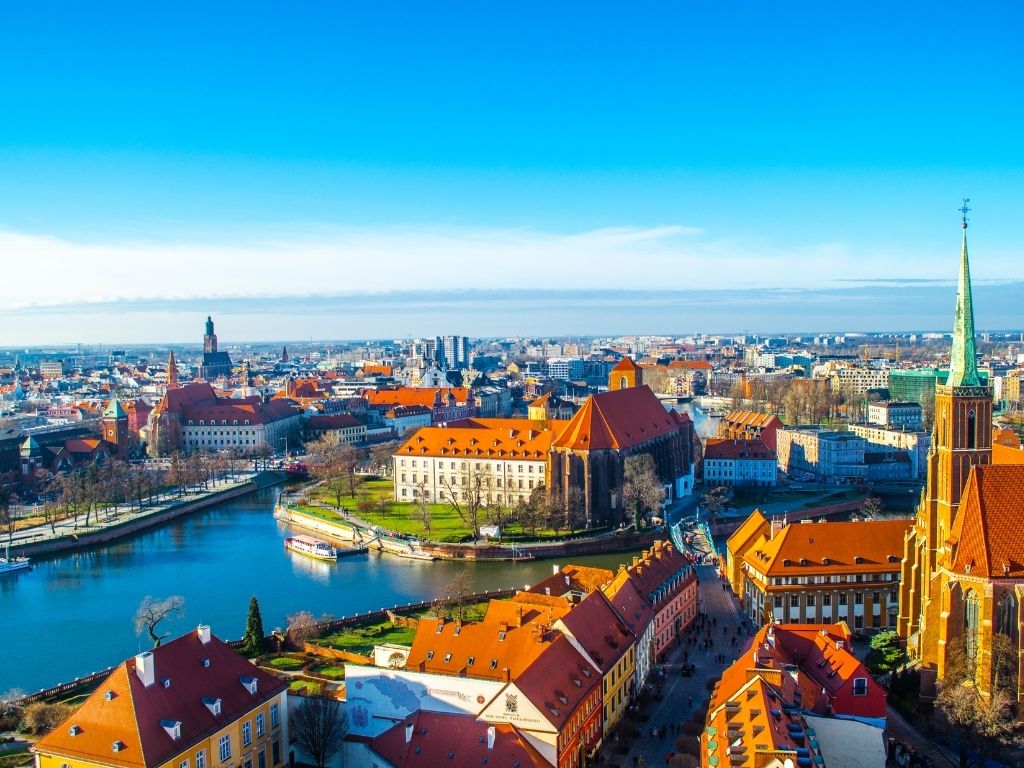
1. Wrocław, Poland
Wrocław is charmingly underrated. The Rynek is one of the largest medieval market squares in Europe, ringed by candy-coloured merchant houses and busy café terraces, yet it never feels under siege the way Prague’s Old Town does by mid-morning. The city sprawls across a dozen islands stitched together by more than a hundred bridges, and a slow wander over to Ostrów Tumski at dusk, when a lamplighter still lights the gas lamps by hand, is the kind of small ceremony you don’t forget.
Then there are the dwarfs. Over 600 knee-high bronze figures are scattered across the city, each with a name and a tiny story, a wink of a legacy from the Orange Alternative movement that used absurdist graffiti to needle the communist regime in the 1980s. Hunting them down turns an afternoon into a treasure hunt.
Plan it: Pick up a dwarf map from the tourist office on the Rynek. Budget carriers fly in from across Europe; June and early September dodge both the heat and the stag parties.
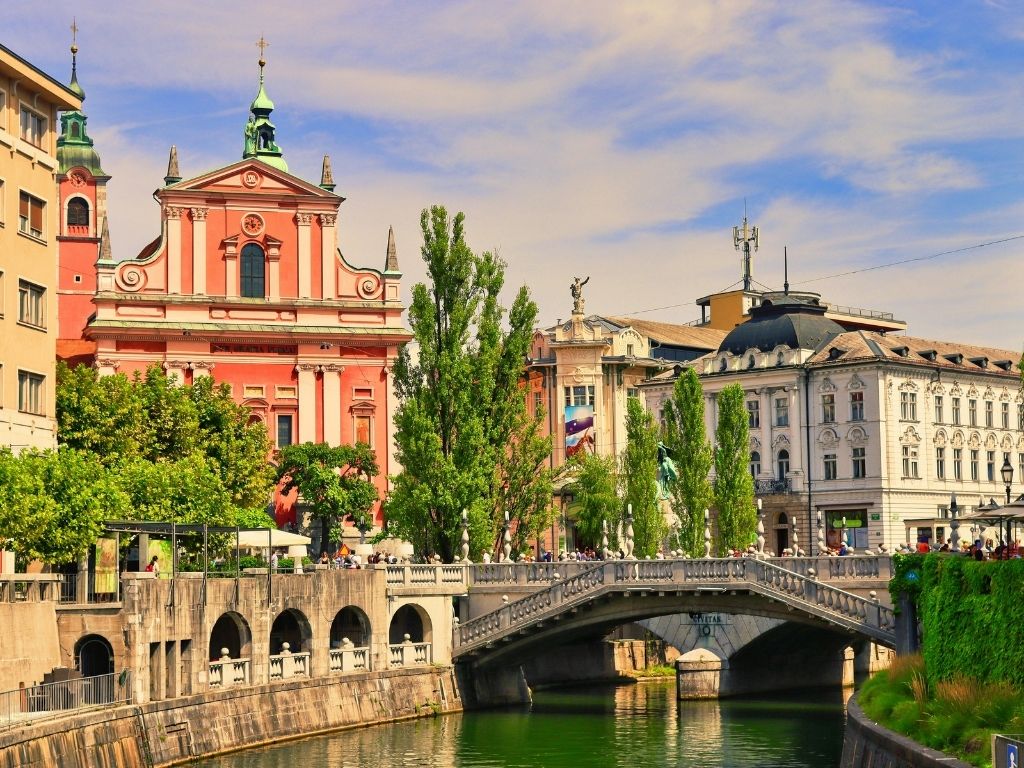
2. Ljubljana & Lake Bohinj, Slovenia
Slovenia’s capital is a masterclass in doing more with less. The centre is largely car-free, so mornings belong to cyclists and the clink of cups along the Ljubljanica River, where willow-shaded cafés spill down to the water. It’s green, walkable, and gloriously unhurried, all the appeal of a canal city without the anti-tourist graffiti now going up in Amsterdam.
Use it as a base and the Julian Alps are barely an hour away. Everyone piles onto Lake Bled for the island-church photo, so keep driving to Lake Bohinj instead: bigger, wilder, ringed by peaks, and cool enough for a swim that actually resets your nervous system. Triglav National Park unfurls right behind it.
Plan it: Base yourself in Ljubljana and take the bus or a rental car out to Bohinj for the day. The whole country runs on trains and buses, so you don’t strictly need to drive.
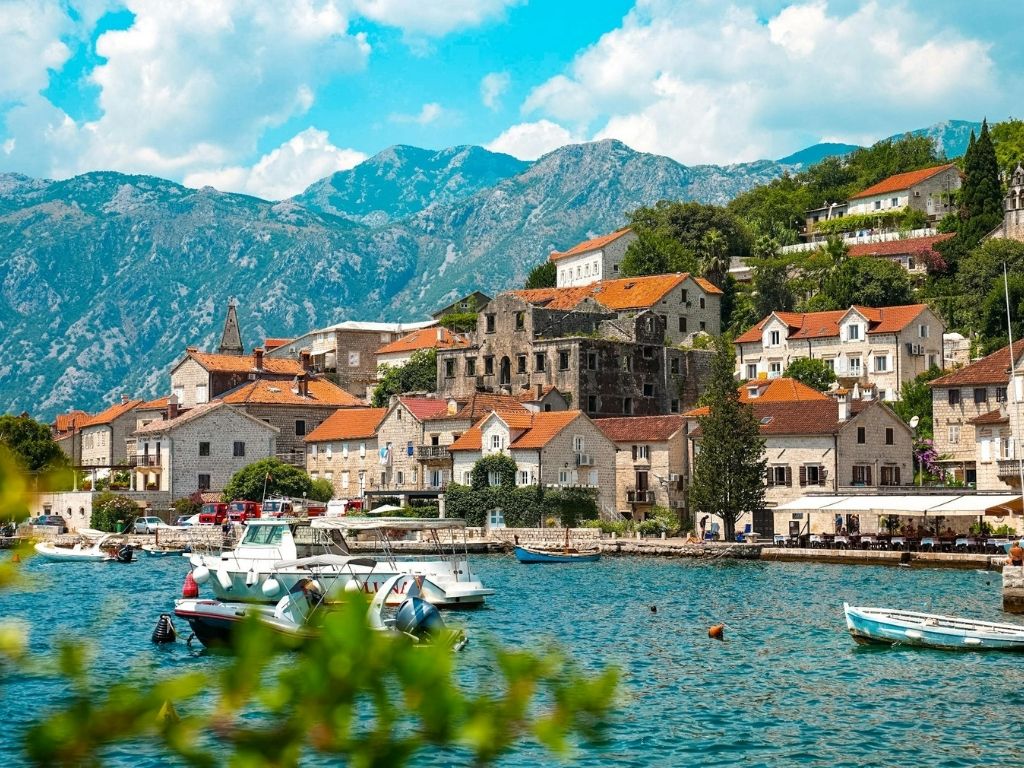
3. Kotor, Montenegro
Dubrovnik has become the poster child for a city loved too hard. Kotor, a two-hour drive down the coast, offers the same walled-old-town romance at a gentler pitch. It sits at the head of a bay so steep and enclosed it’s often mistaken for a fjord, and the marble lanes inside the walls are all shuttered windows, cats, and church bells echoing off the stone.
The signature move is the climb to the fortress of San Giovanni: roughly 1,350 steps switchbacking up the mountainside to a view that flattens the whole bay beneath you. Do it at first light, before the cruise passengers disembark and before the sun turns the stone into a griddle. By evening the day-trippers have sailed off and the town is yours again.
Plan it: Fly into Tivat or Podgorica. Tackle the fortress steps early and carry water. Prices sit well below the Croatian coast just across the border.
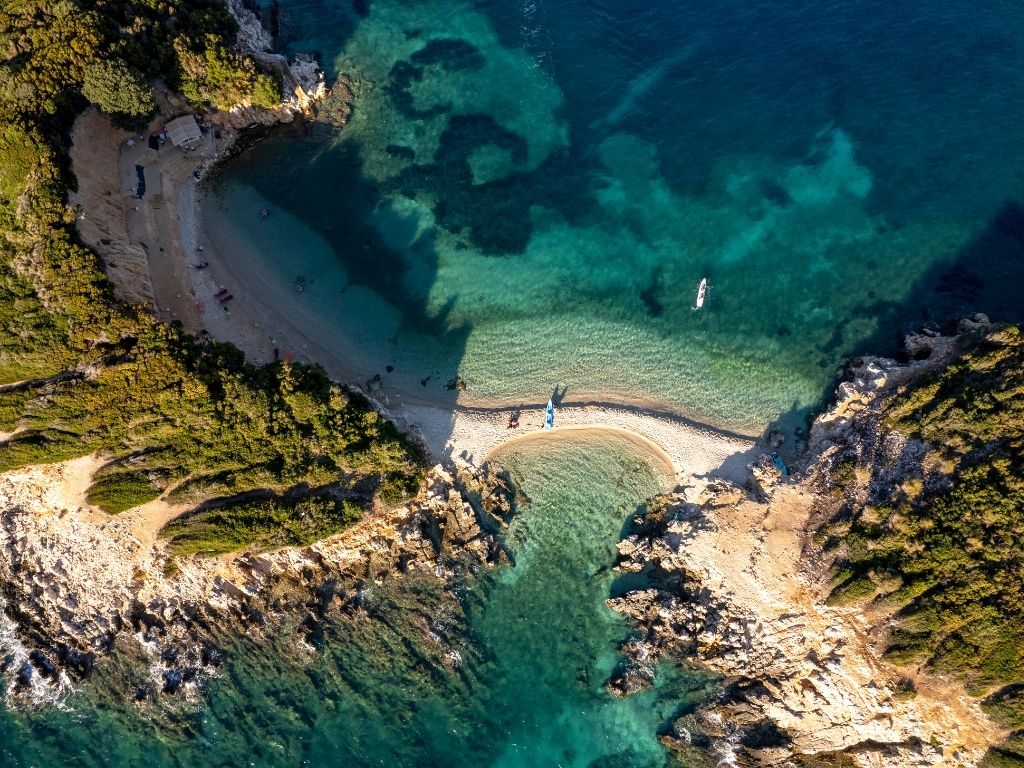
4. The Albanian Riviera
The Ionian coast of southern Albania is having its moment, and it earns it. Think light-blue water, pebbled coves, and old hillside villages like Himarë looking out to sea, with the whitewashed sprawl of Ksamil and its little swimmable islets further south. Someone put it perfectly: the Riviera in August is busy by Albanian standards and would feel positively calm by Croatian ones.
The drama starts before you even hit the beach. The Llogara Pass climbs into the mountains and then drops you toward the coast in a series of switchbacks that make you gasp, and the value at the bottom is almost disorienting: a long seafood lunch with wine for the price of a couple of cocktails elsewhere on the Med.
Plan it: Fly into Tirana and drive south, or connect through Corfu, which sits just offshore. June and September are the sweet spot before the domestic holiday peak.
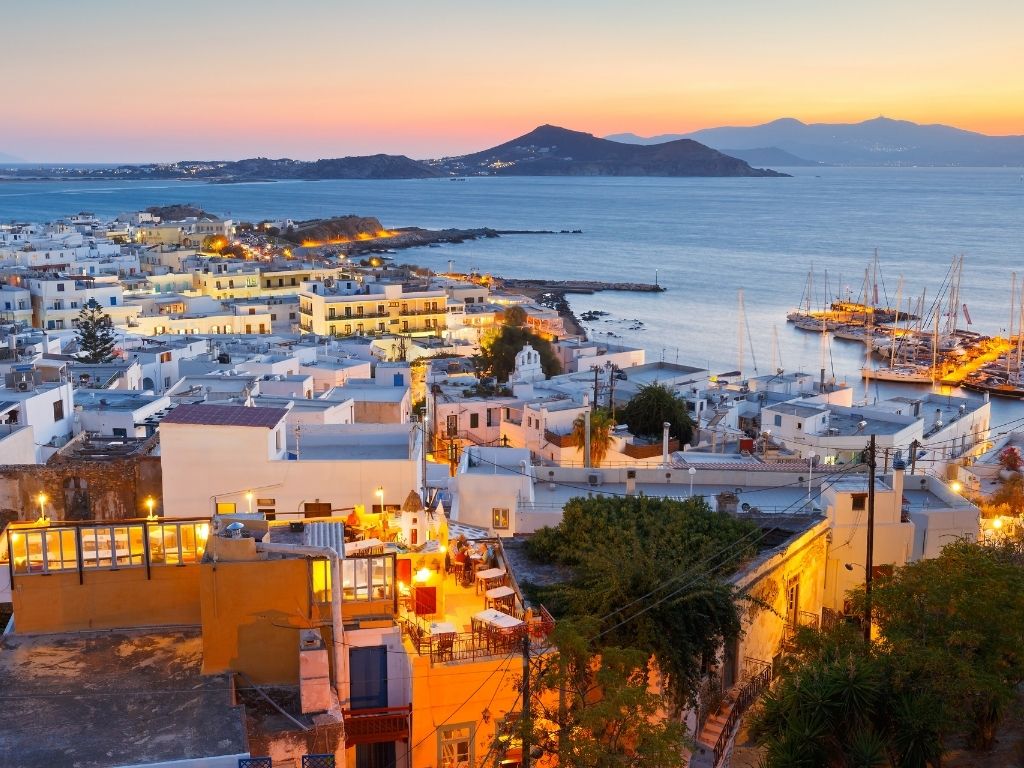
5. Naxos, Greece
If you only make one Cycladic swap this year, make it this one. Naxos was named the world’s top destination for 2026 at World Travel Market in London, and yet it still shrugs off crowds in a way Santorini simply can’t. It’s the largest island in the chain, roughly five and a half times the size of Santorini, so there’s room to breathe: undeveloped stretches like Plaka run for kilometres of soft white sand with barely a beach bar in sight.
Inland, the island turns green and mountainous, dotted with villages like Apeiranthos and Halki and topped by Mount Zas, the highest peak in the Cyclades and a very worthy sunset hike. And the food is a genuine reason to come: Naxos is famous for its cheeses, the nutty graviera and sharp arseniko, and for potatoes that Greeks will earnestly tell you are the best in the country.
Plan it: Ferries run from Athens’ port of Piraeus in three and a half to five hours. Aim for May, June, or September for warm seas without the August scrum.
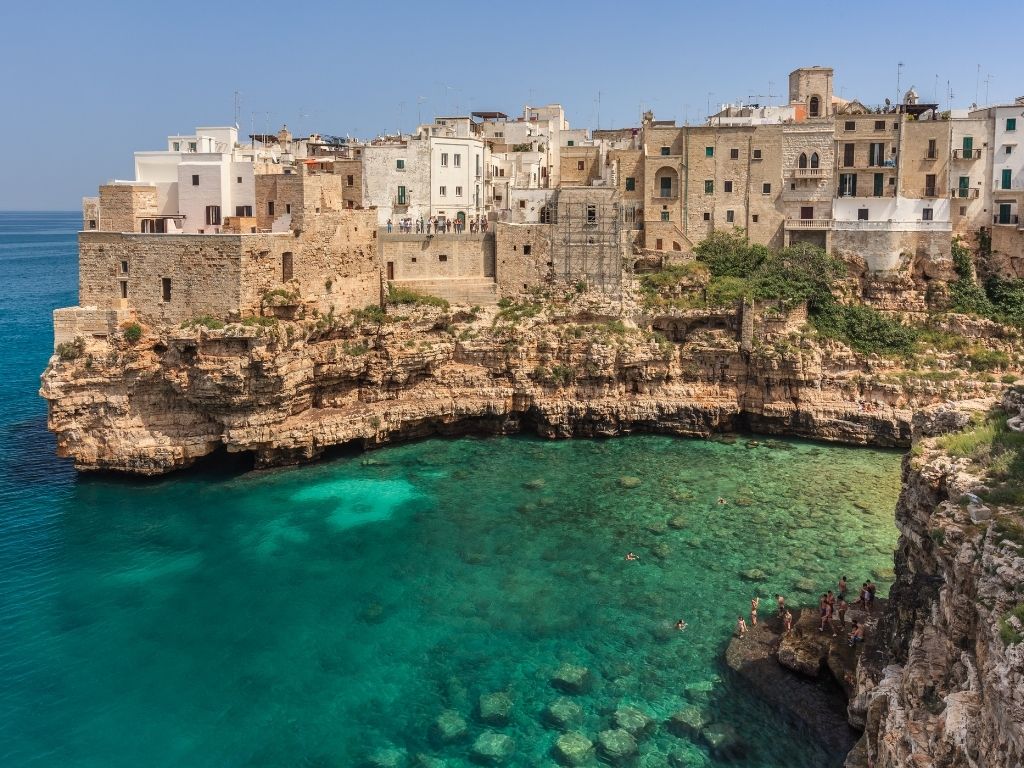
6. Puglia, Italy
Down in the heel of the boot, Puglia offers a slower, more lived-in Italy than the Amalfi Coast’s vertiginous, valet-parked glamour. This is a landscape of silver olive groves, whitewashed hill towns like Ostuni glowing on the horizon, and the conical stone trulli of Alberobello that look drawn by a child in the best possible way. Lecce, all honey-coloured baroque, more than earns its nickname as the Florence of the south.
Come hungry. This is the home of orecchiette, the little ear-shaped pasta you’ll still see nonnas shaping by hand on the streets of Bari’s old town, best eaten with turnip greens and a glass of primitivo. Stay on a masseria, a converted fortified farmhouse, and you get the countryside, the pool, and the long lunches all in one.
Plan it: Fly into Bari or Brindisi and rent a car; the region rewards meandering. Late spring and early autumn are ideal, though the Adriatic and Ionian coasts stay swimmable well into September.
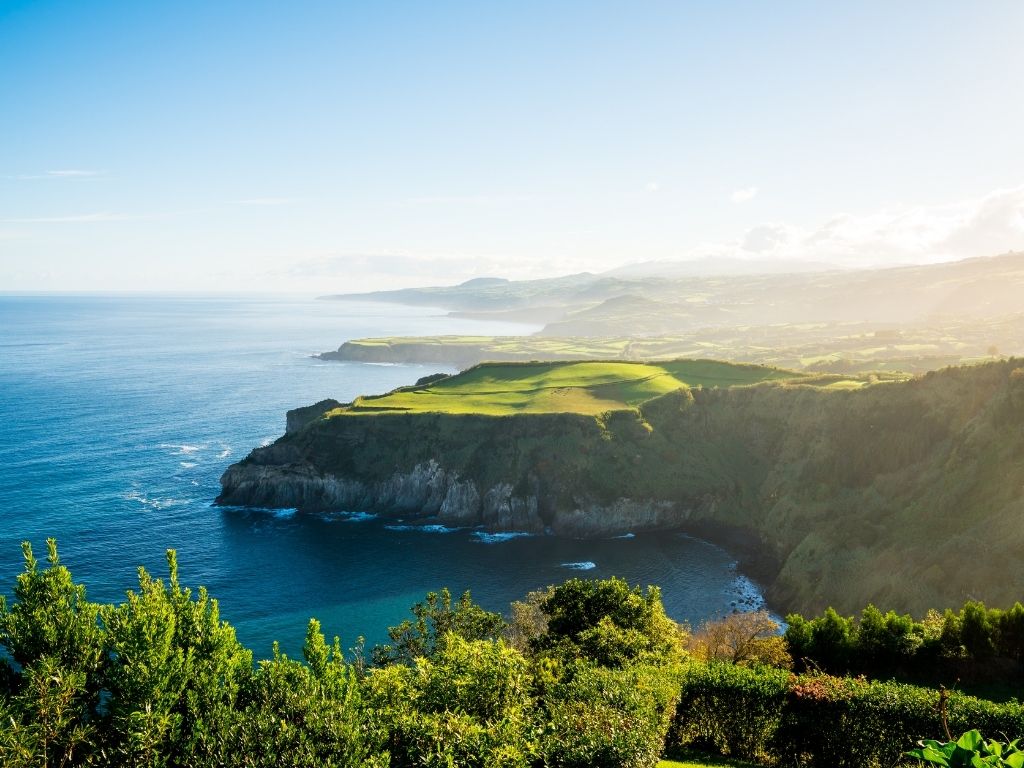
7. The Azores, Portugal
For the coolcation crowd, this is the one. Marooned in the mid-Atlantic, the Azores stay green, breezy, and mercifully mild while southern Europe bakes. On São Miguel, the largest island, the headline act is Sete Cidades, a pair of twin crater lakes, one blue and one green, that you look down on from a ridge trail as if someone spilled two different tins of paint.
The volcanic drama is delicious, literally. In the village of Furnas, cooks bury pots of cozido, a hearty meat-and-vegetable stew, in the ground and let the earth’s own steam cook it for hours. Add hot springs the colour of weak tea, black-sand beaches, and some of the best whale watching in the world, and you have a summer that never once leaves you gasping for shade.
Plan it: It’s about two and a half hours from Lisbon, with seasonal direct flights from Canada and the U.S. northeast. Pack layers: this is Atlantic weather, all four seasons in a day.
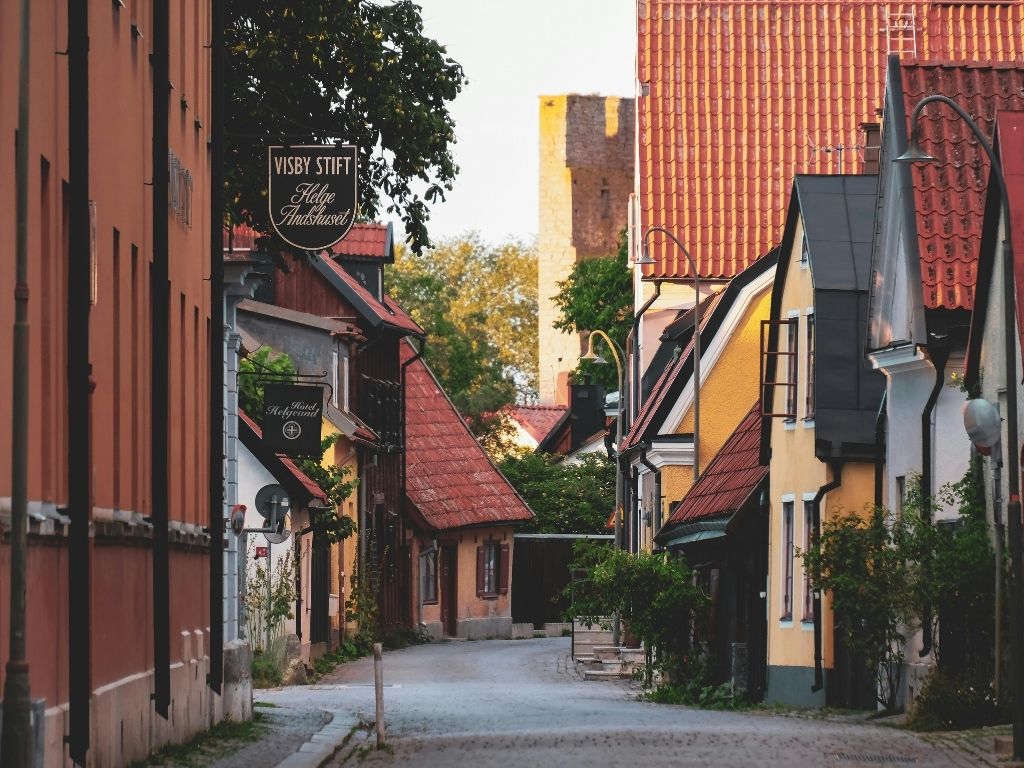
8. Gotland, Sweden
Sweden’s largest island is where Stockholmers decamp for summer, and it’s easy to see why. Visby, its main town, is one of the best-preserved medieval trading towns in northern Europe: a UNESCO-listed tangle of cobbled lanes wrapped in a 3.4-kilometre ring wall, with 27 of its original towers still standing guard. In summer it earns its other name, the city of roses, as blooms tumble over every wall and doorway.
The island runs cool and long on daylight, with sea stacks called raukar rising off the coast, farm shops selling saffron pancakes, and beaches you can actually spread out on. Time your visit for August’s Medieval Week and the whole place tips into gentle theatre: jousting tournaments, costumed processions, and period feasts, all under that soft Nordic light that lingers until nearly midnight.
Plan it: Ferries cross from Nynäshamn and Oskarshamn, or fly in from Stockholm in under an hour. If you want Medieval Week, book beds months ahead; the island fills up.