
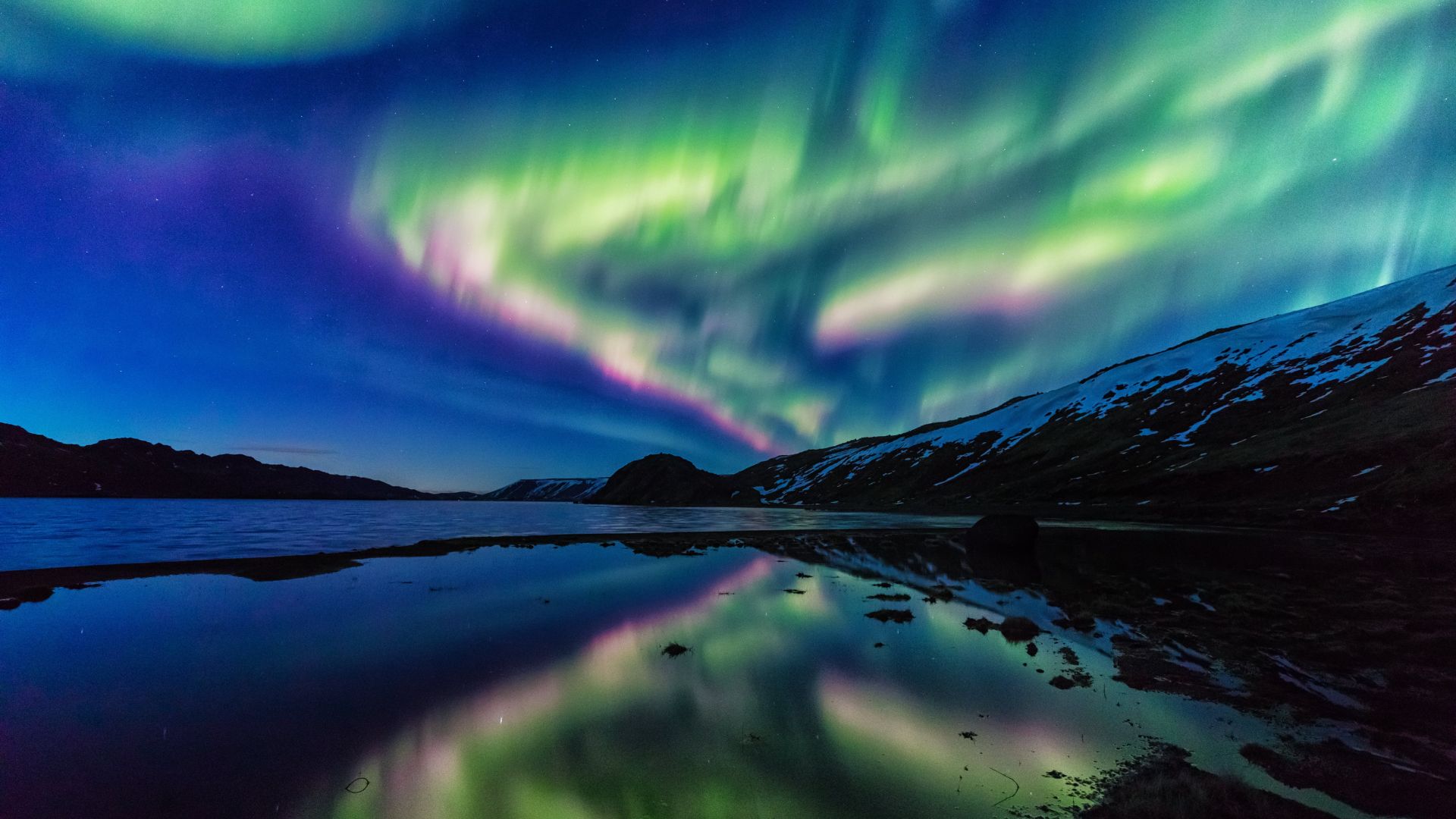
New research ranks Maligne Lake in Jasper as the world's best spot for pink northern lights this year, with Yellowknife in fourth and Alaska, Greenland and Iceland also on the list.
The best places to see the northern lights in 2026 include one of Canada’s most photographed lakes. New research from Icelandair has ranked 35 viewing locations in eight countries for the rarest aurora of all, the pink display, and Maligne Lake in Jasper National Park came first.
The sun has passed the peak of its current 11-year cycle, but activity remains heightened. That opens the door to auroras beyond the classic green, including red, purple and pink. Pink is the rarest, appearing when energetic particles penetrate deeper into the atmosphere and interact with nitrogen molecules.
The study scored each spot on the darkness of its sky (using the Bortle scale), accessibility, the vividness of pink auroras, the likelihood of seeing the lights and the surrounding scenery. Here are the top five, plus Iceland’s best.
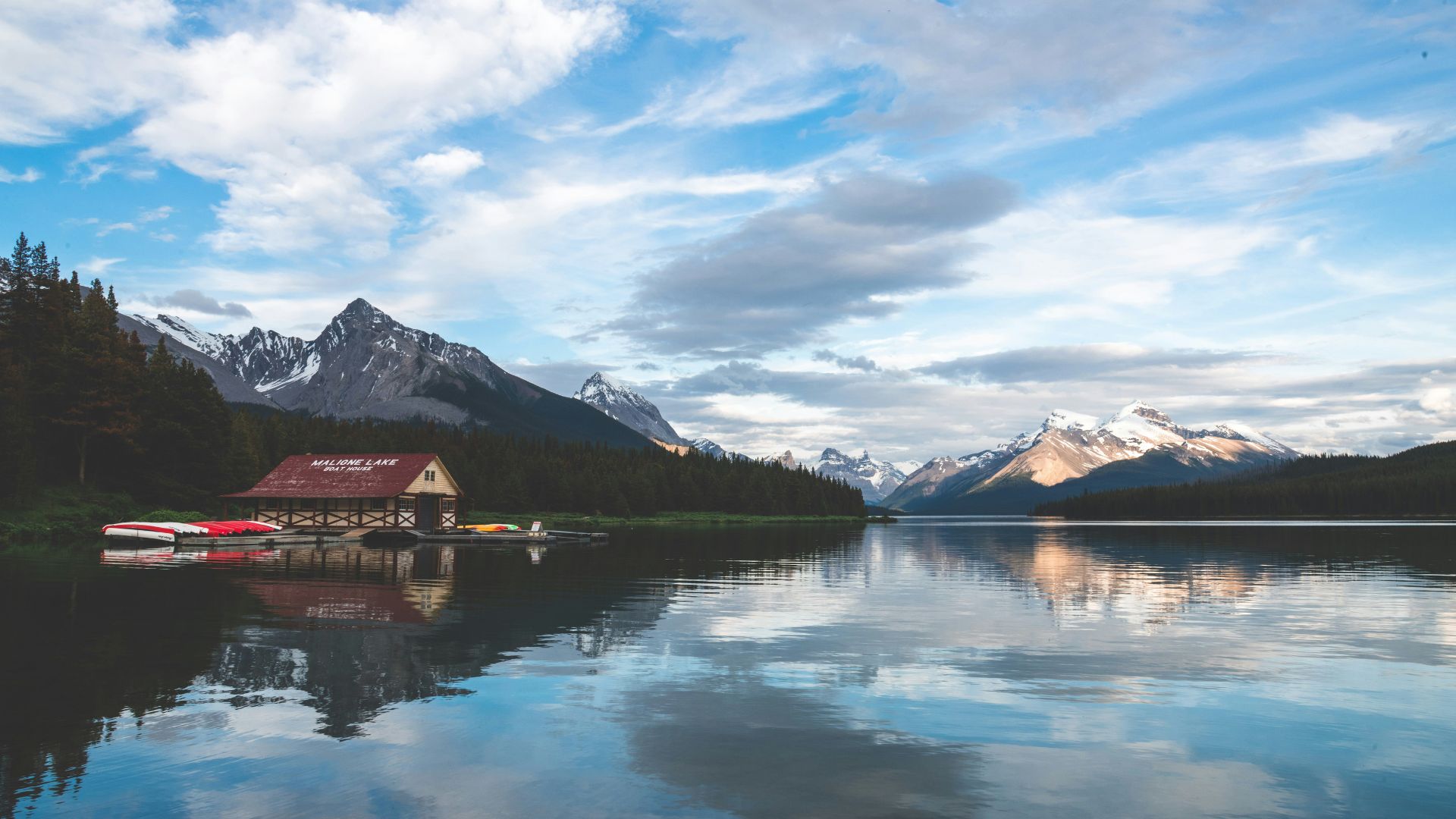
1. Maligne Lake, Jasper, Alberta
Dark skies, a vivid rose-pink hue and mountain scenery put Maligne Lake at the top of the ranking. Its Bortle rating is 3.2, and Spirit Island adds a dramatic foreground. It is drive-in and easy to reach from Jasper’s main resort area, within Jasper National Park, a Dark-Sky Preserve since 2011 and the second largest in the world.
Where to stay: Fairmont Jasper Park Lodge reopened in June after a property-wide transformation, with renewed rooms and Signature Cabins on the shores of Lac Beauvert and guided stargazing in its programming.
When to go: Travel Alberta says October to March is especially good for aurora spotting, when nights are longer. Jasper’s Dark Sky Festival runs every October.
2. Denali National Park, Alaska
Denali National Park takes second place with a Bortle score of 1, among the darkest skies in the study. The George Parks Highway offers a place to pull over and watch, and the park is reachable by road from Fairbanks.
Where to stay: Sheldon Chalet sits on a rock peak in the heart of the park, reached only by helicopter, with five bedrooms and meals from a private chef. It has offered aurora viewing among its seasonal experiences.
When to go: The study puts the season at August through April. The National Park Service notes the lights are visible in fall, winter and early spring, but not within six weeks of the summer solstice.
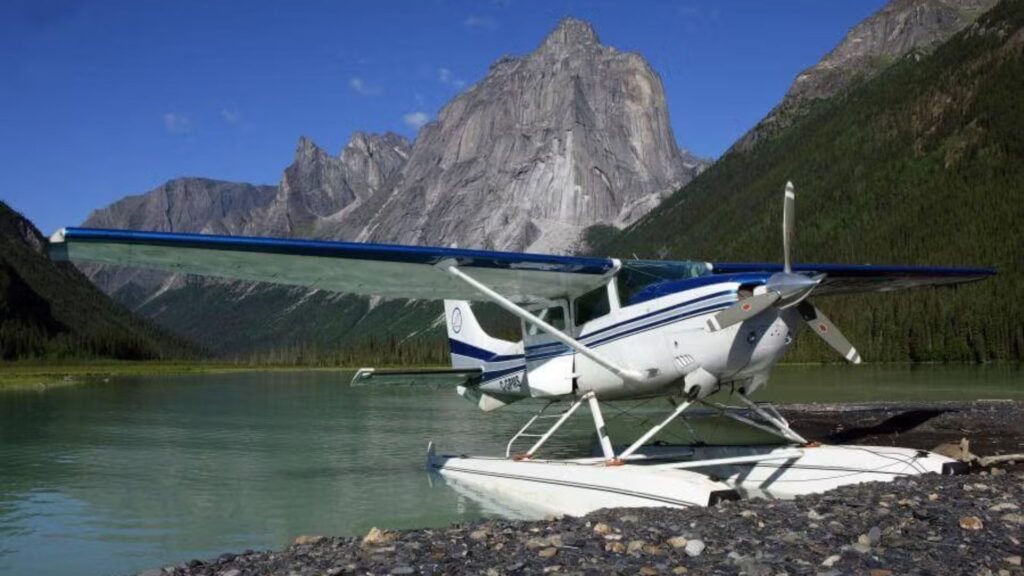
3. Chena Hot Springs, Fairbanks, Alaska
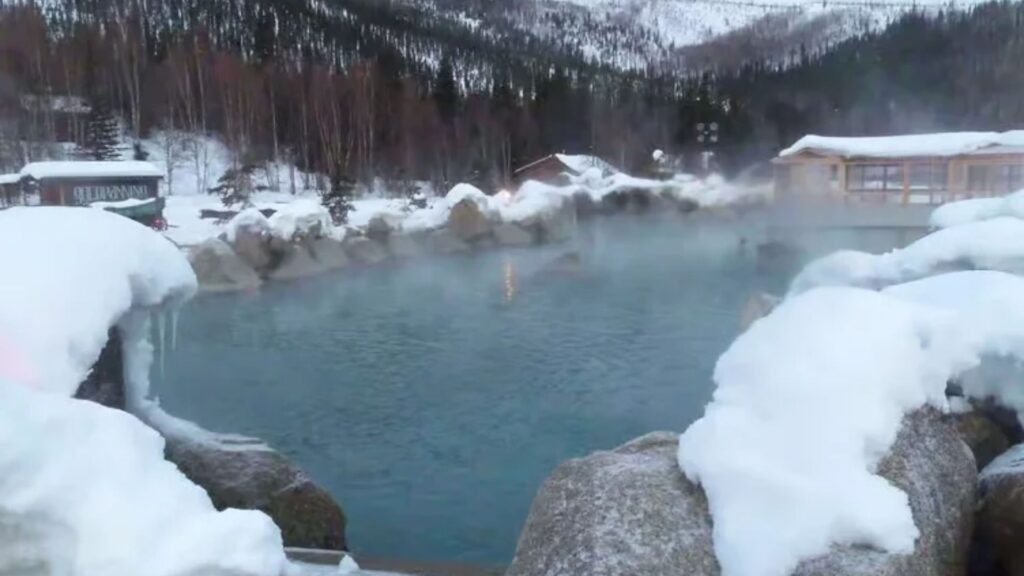
Also in Alaska, Chena Hot Springs near Fairbanks ranks third. Displays here produced a bright magenta-pink, one of the most vibrant shades in the top five. Its Bortle rating is 3.9, and the resort has heated viewing areas, with road access from Fairbanks.
Where to stay: Stay on site at Chena Hot Springs Resort, which has lodges, cabins and yurts, or book the dome-windowed igloos and glass-walled cubes at Borealis Basecamp, outside Fairbanks.
When to go: The study sets the season from August to April. Borealis Basecamp is open November 15 to April 10, with aurora wake-up calls in each igloo.
4. Prelude Lake, Yellowknife, Northwest Territories
Canada’s second top-five entry stands out for its very high likelihood of sightings. A Bortle rating of 3.0 gives it dark skies, and the aurora here showed a softer, dusky pink. Visitors can drive out from Yellowknife without going deep into the wilderness. Start with Spectacular Northwest Territories. Wood Buffalo National Park also stood out, with hot pink auroras and 97 per cent colour saturation.
Where to stay: Blachford Lodge, run by Arctic Kingdom, is a fly-in retreat about 20 minutes from Yellowknife by bush plane, with lakeshore cabins, a sauna and a hot tub. In town, the Explorer Hotel says guests can watch the aurora from their rooms.
When to go: The study’s season runs September to April. Spectacular NWT highlights fall aurora from mid-August to early October over open water, and Destination Canada recommends late February and March for first-timers.
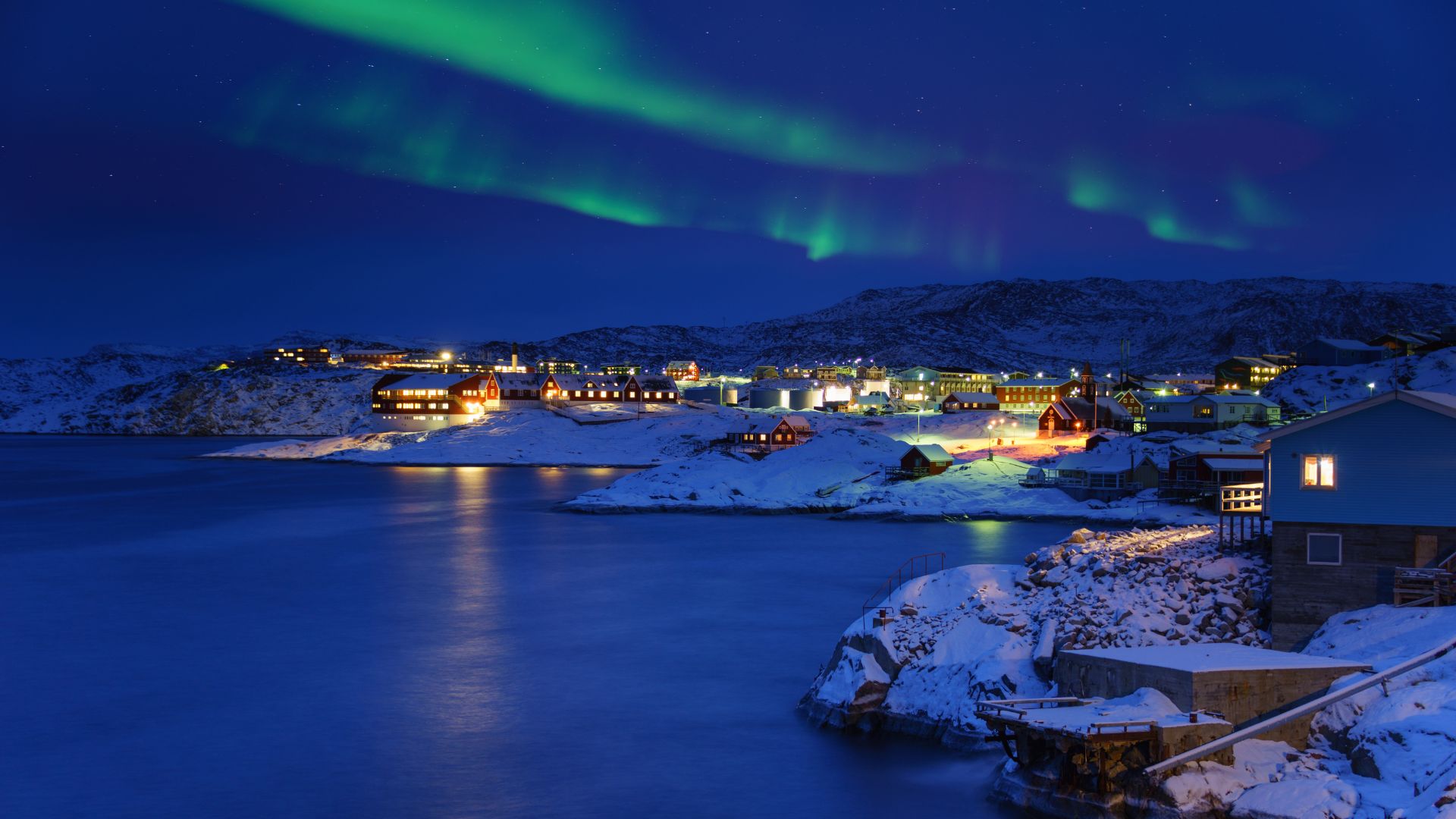
5. Ilulissat Icefjord, Greenland
Ilulissat Icefjord completes the top five with a Bortle rating of 1.0, very high aurora likelihood and one of the study’s most vivid pinks. Giant icebergs make the foreground. Plan the destination with Visit Greenland.
Where to stay: Hotel Arctic sits at the edge of the icefjord, calls itself the world’s northernmost four-star hotel, and has northern lights cabins and a fine-dining restaurant, Ulo, whose seasonal menus draw on local fishers and hunters.
When to go: The research puts the season from late August through April.
Iceland’s best: Diamond Beach, Jökulsárlón
Iceland’s highest-ranked spot placed seventh globally. Diamond Beach has a Bortle rating of 2.4, with pink auroras appearing over the black-sand beach and its scattered icebergs. See Visit Iceland for the wider country.
Where to stay: Hótel Jökulsárlón, in the Suðursveit district, has a restaurant plus outdoor hot tubs and a sauna free for guests.
When to go: The study finds strong conditions from October to March.