Ann Ruppenstein sets foot on a rocky journey through Germany’s most cavernous region, discovering the quaint towns, hiking trails and hidden wonders that await.
One thing to know about Franconian Switzerland is that, despite its somewhat misleading name, it’s not actually in Switzerland.
Located in Upper Franconia, Bavaria, Germany, the region filled with unusual rock formations and picturesque villages set in the foothills of mountains first garnered attention for its natural caves at a time when hiking was still on the cusp of becoming a widespread idea.
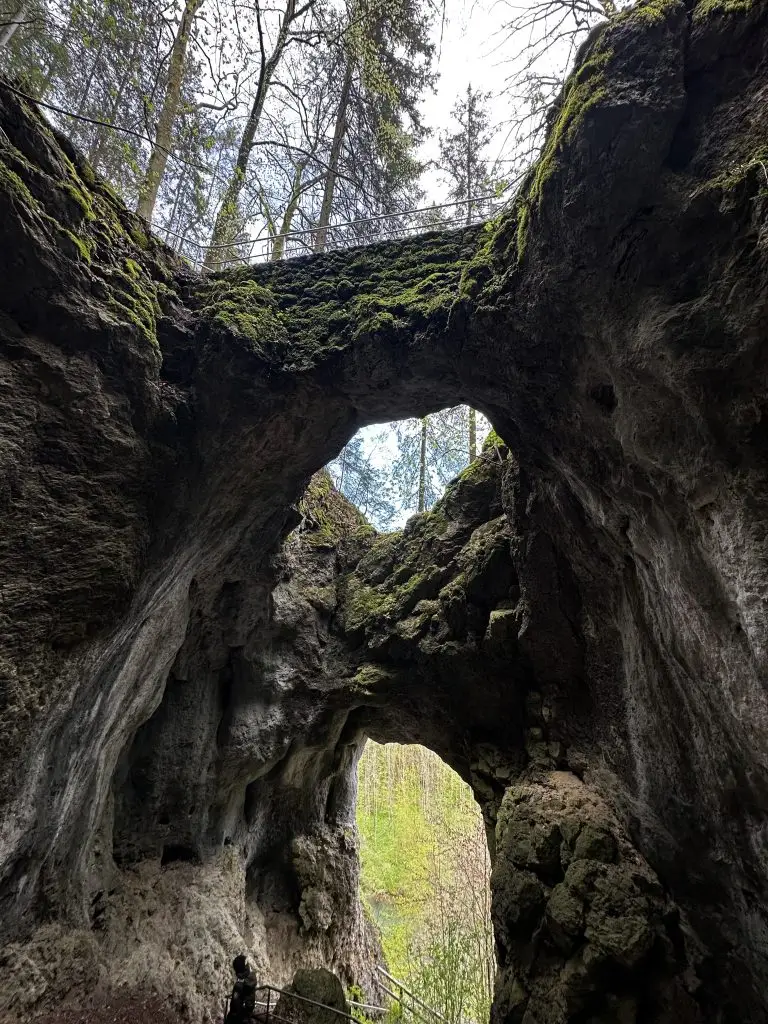
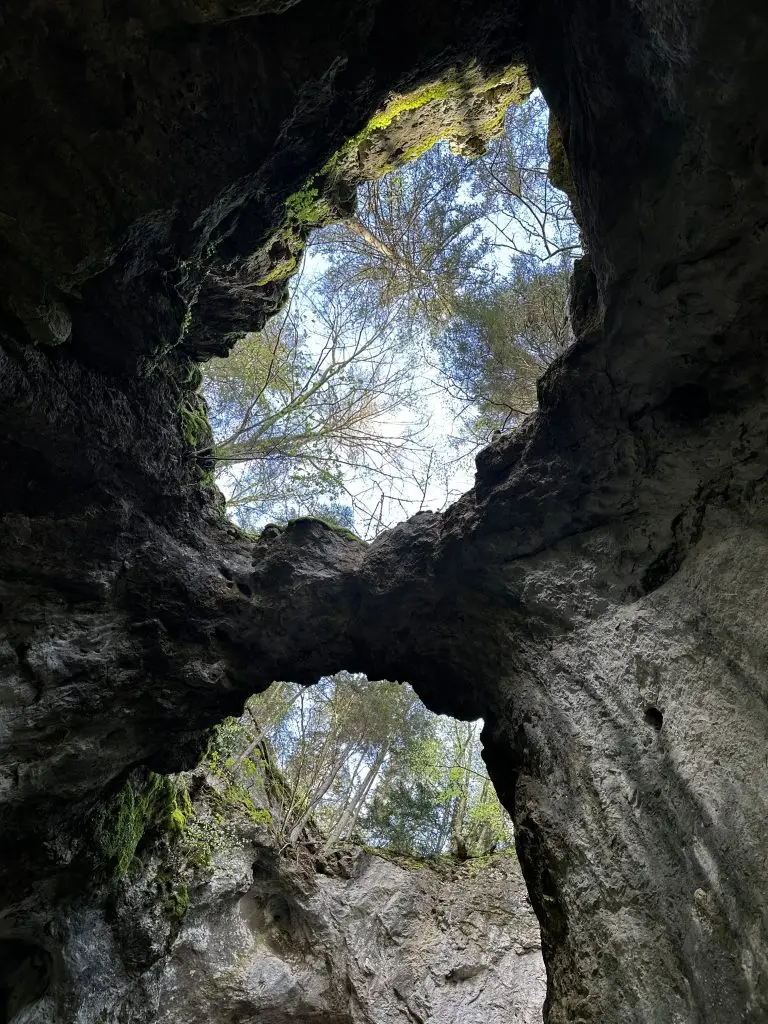
“At this time, in the beginning of the 19th century, hiking wasn’t a concept that existed. Why would you go for a walk somewhere without any purpose?” said Johannes Stemper, a nature park ranger at Riesenburg, a cave ruin with natural bridges and arches with rock formations that trace back to the Jurassic age 201.4 million years ago.
Receiving its name from the Romantics, who were poets, artists and literates of the 19th century, the region’s namesake was attributed to its comparisons of Switzerland. “At this time Switzerland was the stereotype for beauty and culture and landscapes,” Stemper said.
In the 18th century, during the Age of Enlightenment (an intellectual and philosophical movement in Europe from the 17th and 18th centuries), Franconian Switzerland was visited by students from the nearby University of Erlangen-Nuremberg, who set out to explore some of the caves in the area and unintentionally helped establish the destination as a hotspot for natural wonders.
“Before the Age of Enlightenment, no one would have ever dared to go into a cave because it was the place of the devil — the place of evil and darkness,” Stemper said.
AN UNUSUAL DISCOVERY
Upon exploration of the caves, the students found strange animal bones and skeletal remains.
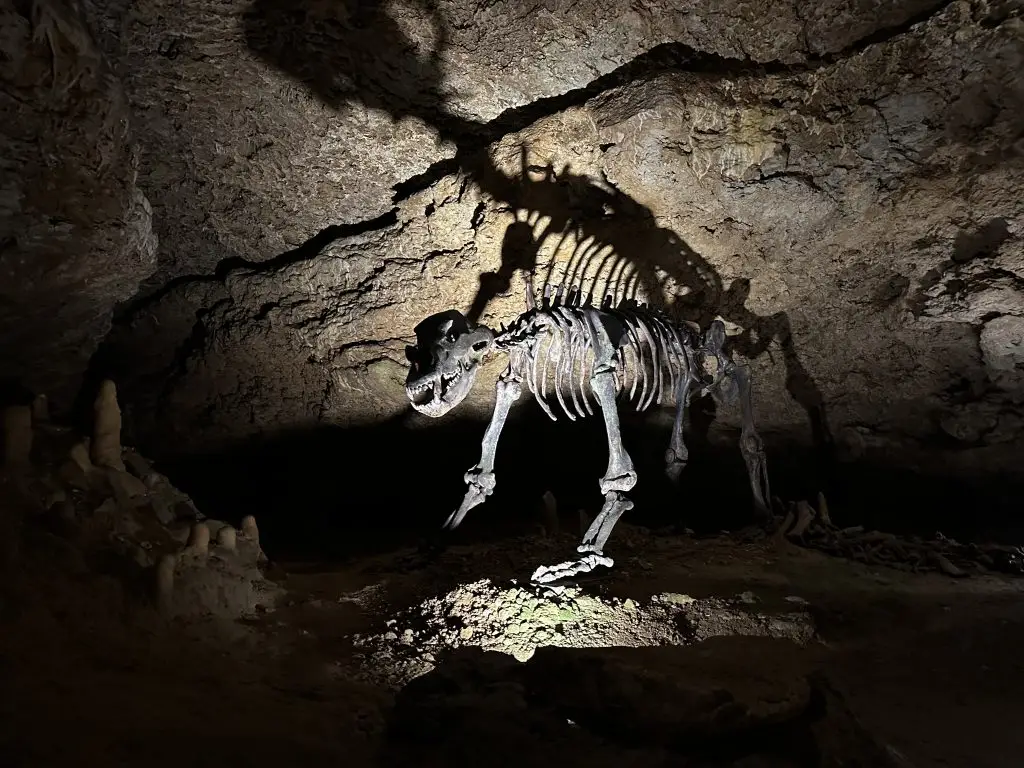
“They could not explain these animals because they were extinct,” Stemper said. “It turned out to be cave bears, cave hyenas, and even cave lions. They published their findings and in the society of educated people, it was a really big thing.”
In the weeks and months that followed, scholars and educated townsmen flocked to the area to set foot in the region’s caves for themselves, inevitably triggering the start of tourism in Franconian Switzerland.
To this day, Franconian Switzerland, located southwest of Bayreuth, is still known for its caves, including intricate limestone caves formed over millions of years.
“We still have more than 1,000 caves in different shapes, many with big rooms connected to tiny corridors where you have to crawl through,” Stemper said.
WHERE TO GO
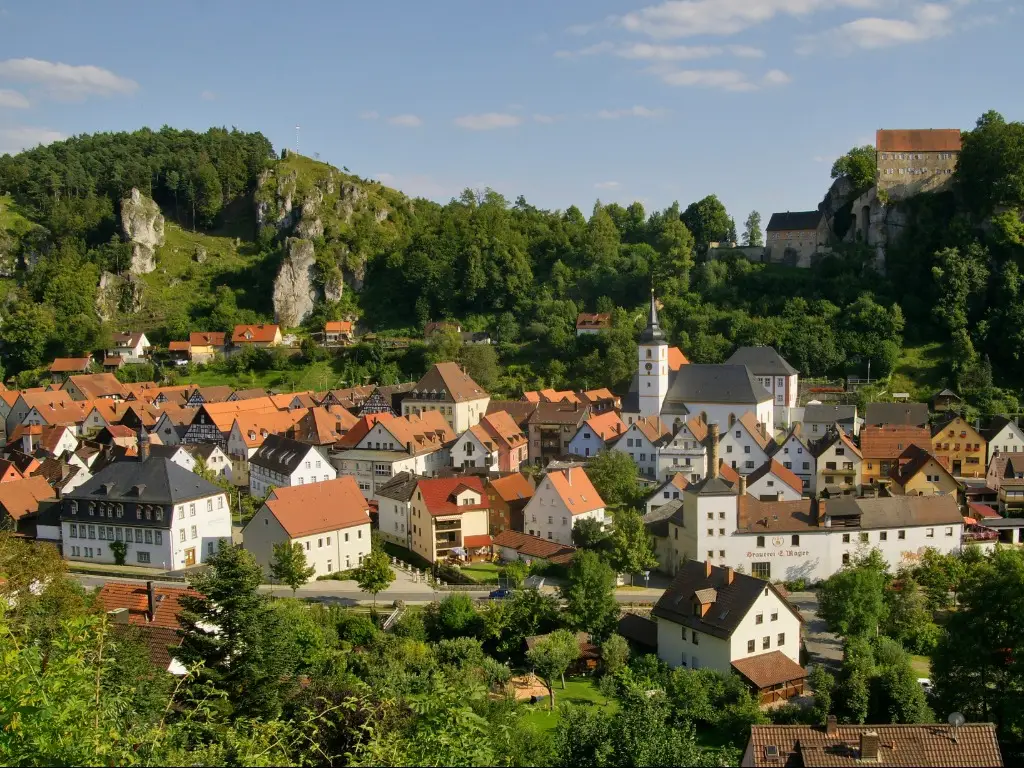
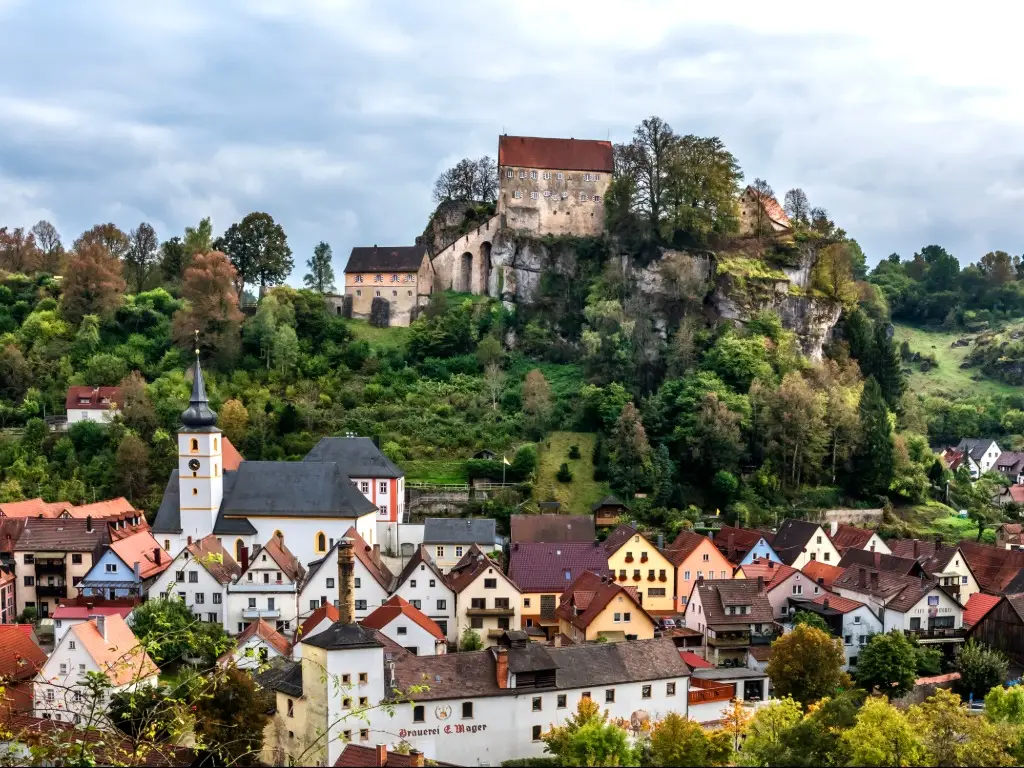
Closeby on the outskirts of Pottenstein, where Rabenstein castle is perched on a hillside overlooking the charming town, a quite literal hellish dripstone cave called the Devil’s Cave (Teufelshöhle) exists. It has long lured visitors inside with its mixture of folklore, outer worldly stalagmites and stalactites, and an original skeleton of a cave bear that roamed the area some 30,000 years ago.
It’s believed that Devil’s Cave got its name because many animals would vanish into the cave, something that locals attributed to an act of the Devil. Much later, the remains of these animals were found within the cave’s walls. Rather than the handiwork of the Devil, these livestock actually met their untimely demise by falling to their deaths.
Today, the cave is also known to have therapeutic benefits used to help treat lung ailments, but most people come to take part in a guided 45-minute tour through some of its most unique features and to view the piles of animal bones scattered throughout.
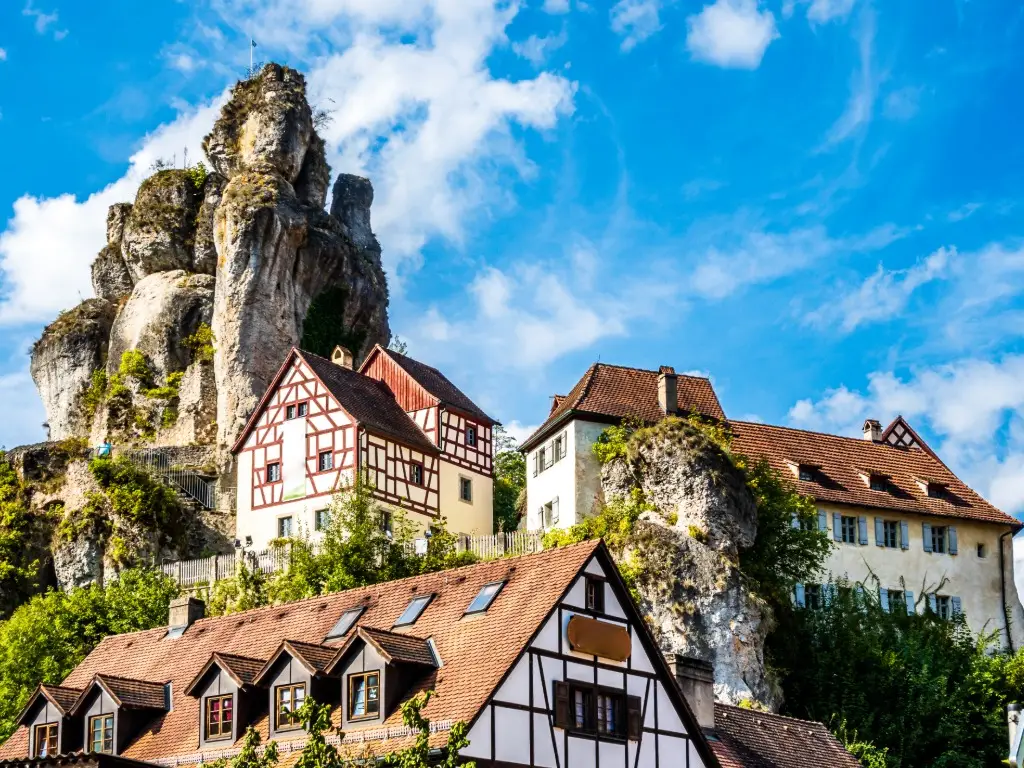
A trip to Pottenstein is often paired with a stop in the village of Tüchersfeld, where unique limestone rock formations jet out behind half-timbered houses.
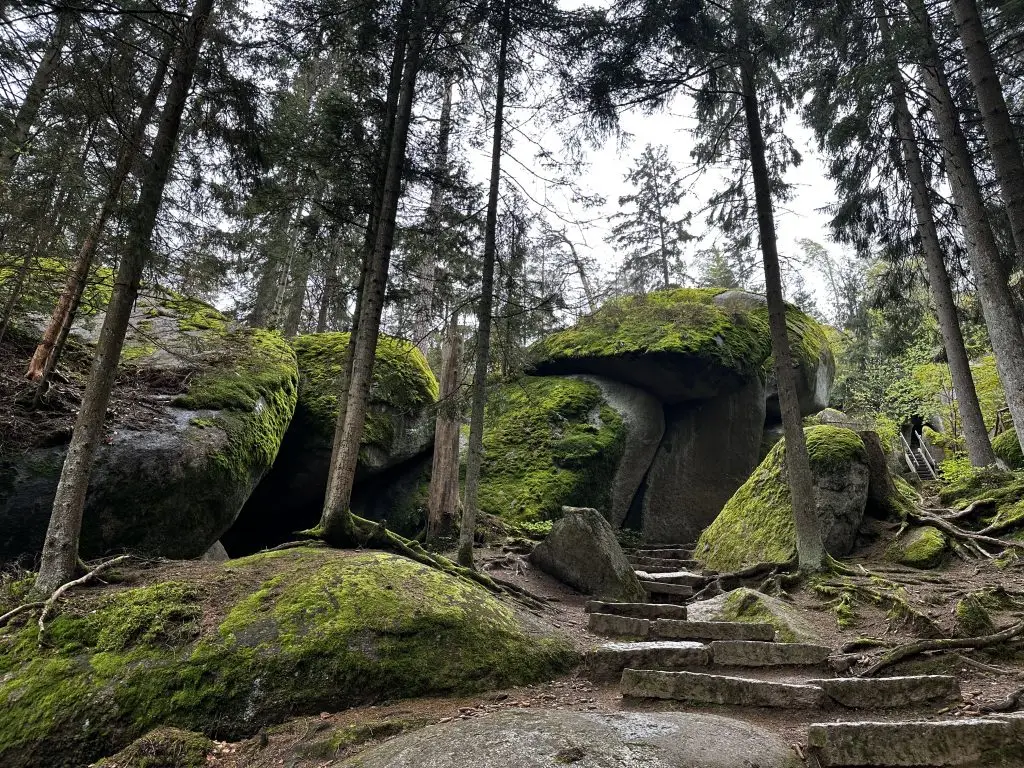
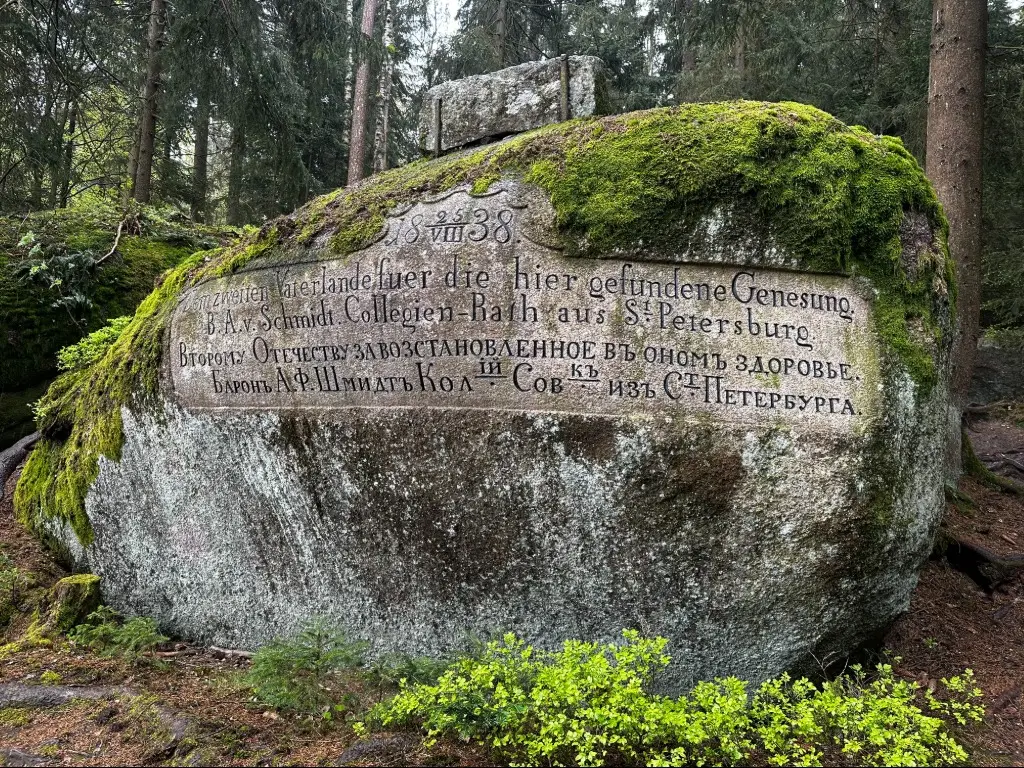
About an hour’s drive from there lies another highlight of Germany’s lesser known natural side — the largest rock labyrinth in Europe. The Luisenburg in the middle of the Fichtelgebirge mountain range offers hiking trails through, above and around granite rocks and huge boulders surrounded by caves and gorges.
With several thermal spas nearby, the area is also popular for wellness and relaxation and forest bathing experiences.
This article first appeared in the Winter 2024 issue of OFFSHORE. Click here to read the digital magazine. Click here to subscribe to the print magazine.