Tayu 1865 Is the Chilean Pinot Noir Keeping Vineyards in Mapuche Hands

A pioneering wine project in Chile’s Araucanía region is creating new opportunities for Mapuche growers while keeping the vineyards in their hands.

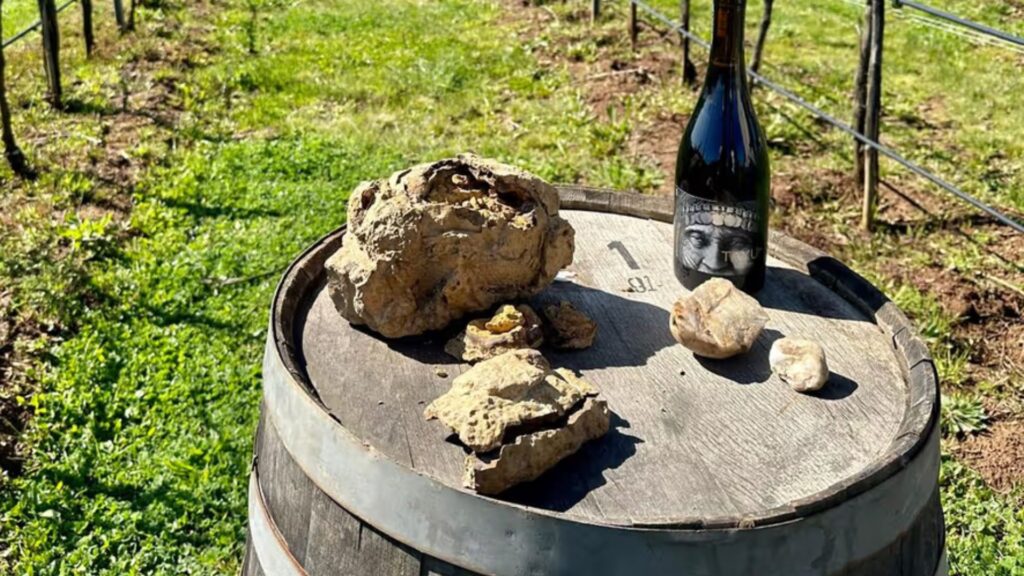
Clouds press low against the forested hills surrounding the vineyard as we step into a shallow soil pit, its rust-red walls exposing the layers beneath. Winemaker Viviana Navarrete points out flecks of quartz, explaining how the iron-rich granitic soil influences the grapes growing above us.

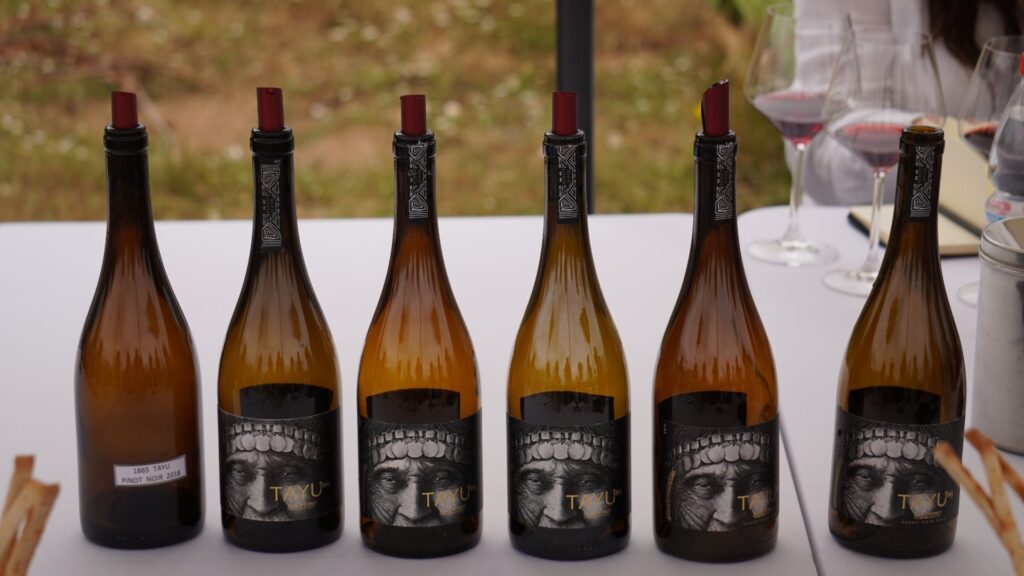
Vina San Pedro Tayu 1865 Malleco Valley Pinot Noir

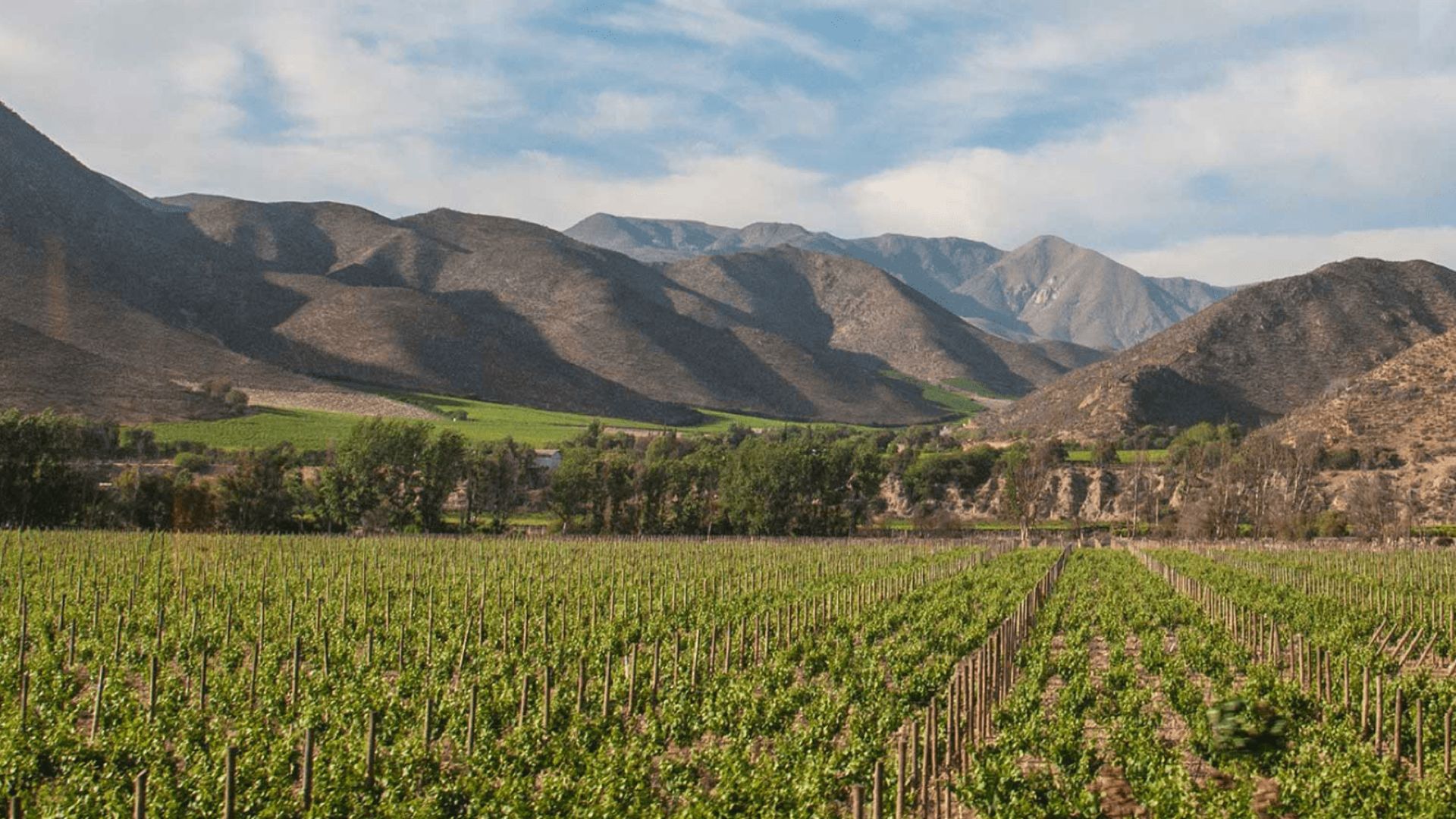
We’re in Buchahueico, a Mapuche community in the Malleco Valley, one of Chile’s southernmost and coolest wine regions, about a nine-hour drive from Santiago and 40 kilometres from the Pacific. We’ve come to learn about Tayu 1865, a wine produced through a partnership between Viña San Pedro, one of Chile’s oldest and largest wineries, and 11 Mapuche families who own and tend the surrounding vineyard plots. The wine belongs to San Pedro’s premium 1865 line, named for the year the winery was founded.

The Mapuche are Indigenous to south-central Chile and Argentina. They resisted Spanish rule for centuries but lost much of their ancestral territory during Chile’s southward expansion in the late 19th century. Buchahueico lies in the Araucanía region, where efforts to recover ancestral lands continue today.

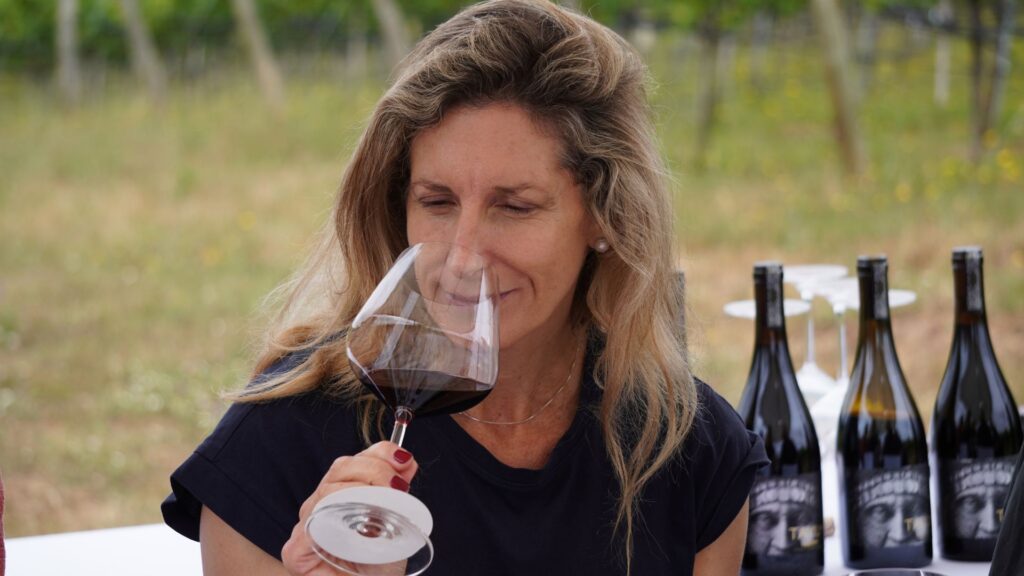
Back on level ground, we walk to a white canopy overlooking the vines and a small lake, where glasses have been set out to taste the Pinot Noir grown around us. It smells of blackberries and tastes fresh and slightly earthy. As we sip, Navarrete and agricultural consultant Pedro Izquierdo describe the lack of economic opportunities that led to Tayu’s creation.

Limited work has pushed younger generations to leave for cities such as Temuco and Concepción. “The families were splitting up, and they were losing the language,” Navarrete says. “With this project, they are able to stay here.”

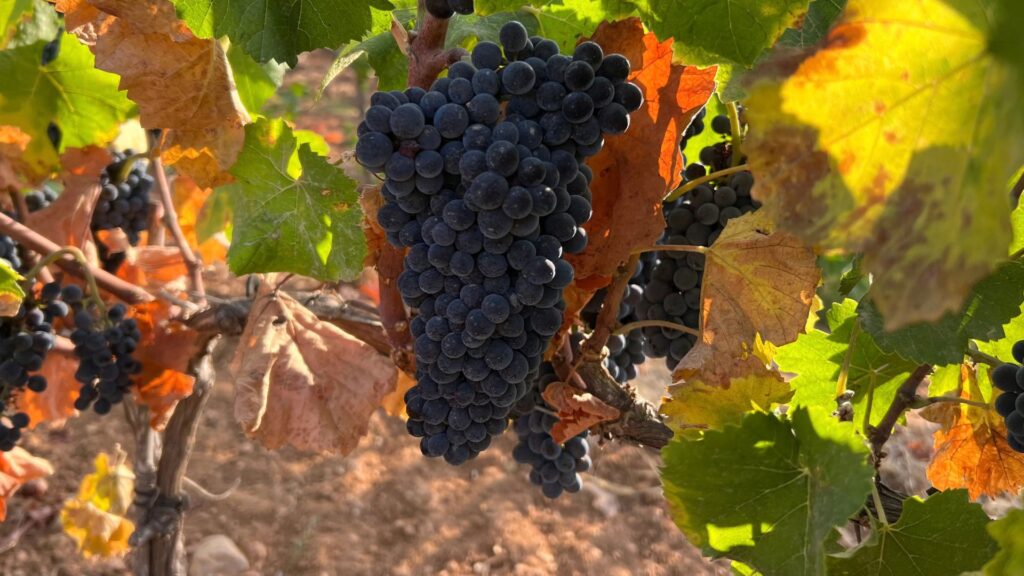
Tayu began with two families in 2015 and now includes 11 families cultivating 27.5 hectares of Pinot Noir. Before joining, the growers had produced potatoes and cereals, raised animals or worked in forestry, but viticulture was new.

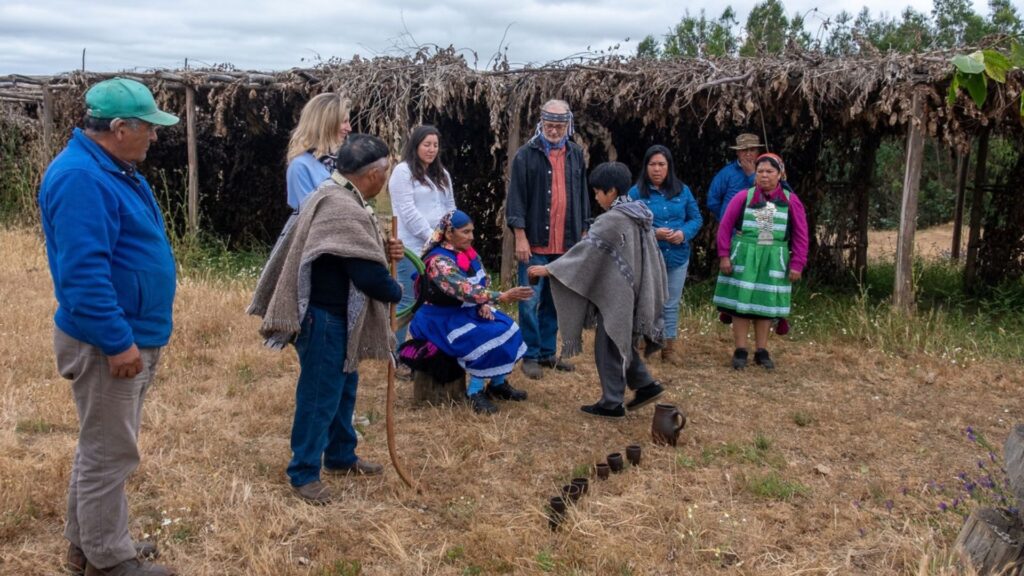
Pouring and passing the ceremonial quinoa beverage

Government funding helped cover the vines and irrigation, while Viña San Pedro financed the remaining startup costs and committed to purchasing the grapes. At harvest, the families sell their grapes to the winery, which makes and markets the wine under the Tayu 1865 label. The families retain ownership of the land and vines.

After the tasting, we drive to a ruca, a traditional Mapuche structure built from wood and plant materials. Smoke from a central fire curls toward a steep roof woven from branches and reeds.

Along one wall, a buffet holds rabbit empanadas, potato sopaipillas, corn pudding, local cheese and cured meat. Earthenware dishes contain a deep-red sauce seasoned with merkén, the Mapuche smoked-chili seasoning.

Over the meal, one of Tayu’s growers, Juan, who prefers not to use his surname, speaks through an interpreter about the practical difference the vineyards have made. “In the past, we had to leave the community to find work elsewhere,” he says. “Now, we can stay here with our families.”

What began as an effort to teach viticulture has also shown San Pedro’s team how Mapuche knowledge and traditions shape the community’s relationship with the land. Ceremonies now accompany planting and harvest, rooting the winery’s work in the community’s life. “We thought at the beginning that only San Pedro was going to share its knowledge of viticulture,” Navarrete says. “But the cultural exchange that followed was something none of us anticipated.”

As another bottle circulates around the table, I learn that Tayu translates from Mapudungun as “ours.” Ten years after the first vines went into the ground, the families still own the land beneath them. “They are the owners of the project,” Navarrete says. “We are not.”