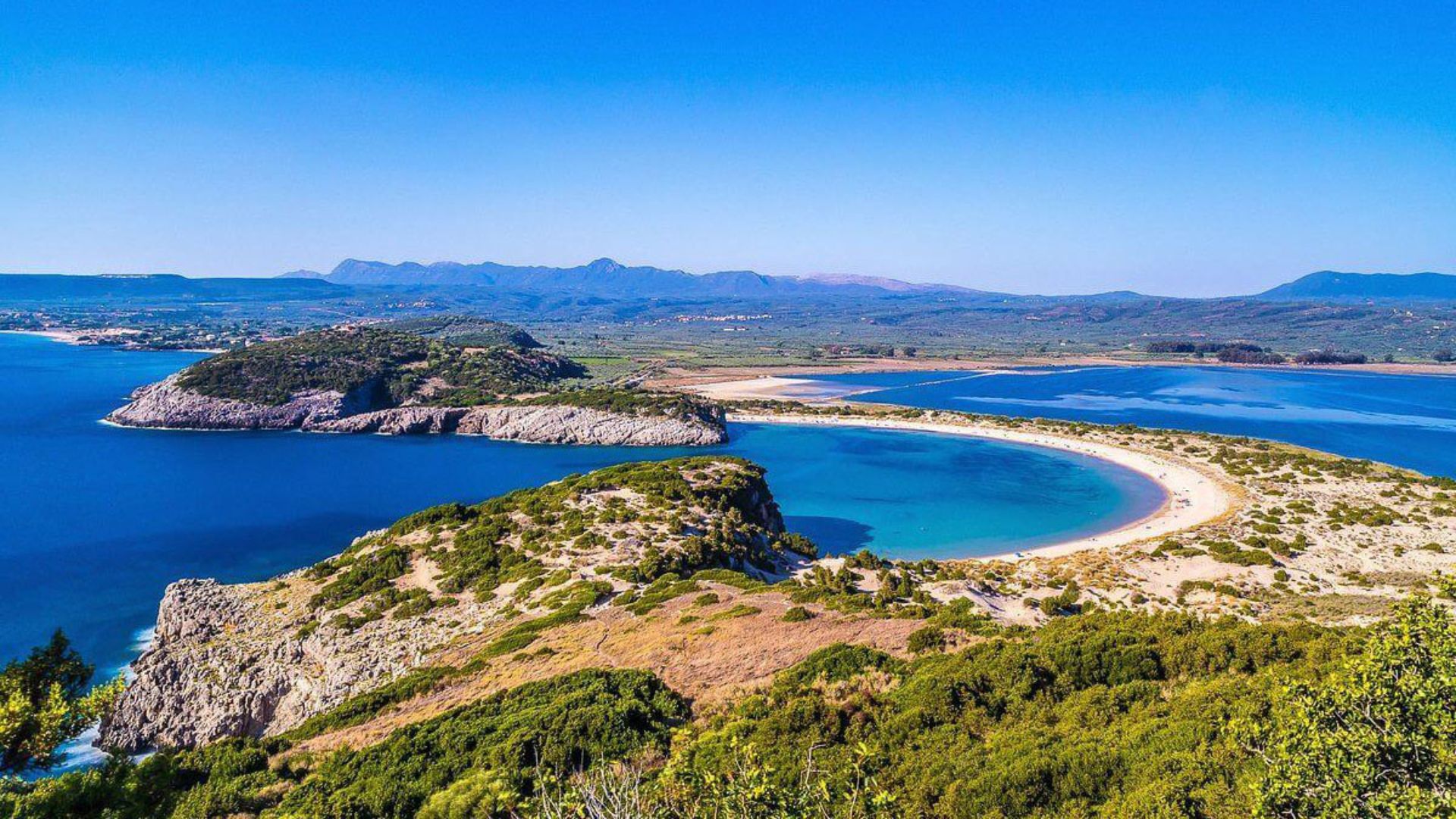
Christopher Nolan's IMAX epic sent global searches for the Peloponnese soaring, and these are the real Greek destinations worth planning a trip around.
Christopher Nolan’s The Odyssey hit IMAX screens in July, and it did something Homer never quite managed: it sent global search interest in a handful of Greek fishing villages and medieval fortresses up more than 3,000 percent within weeks of release, according to Travel And Tour World. The Peloponnese, in particular, is having a moment, and there is plenty worth booking beyond a single afternoon spent chasing film locations.
Ancient Greece
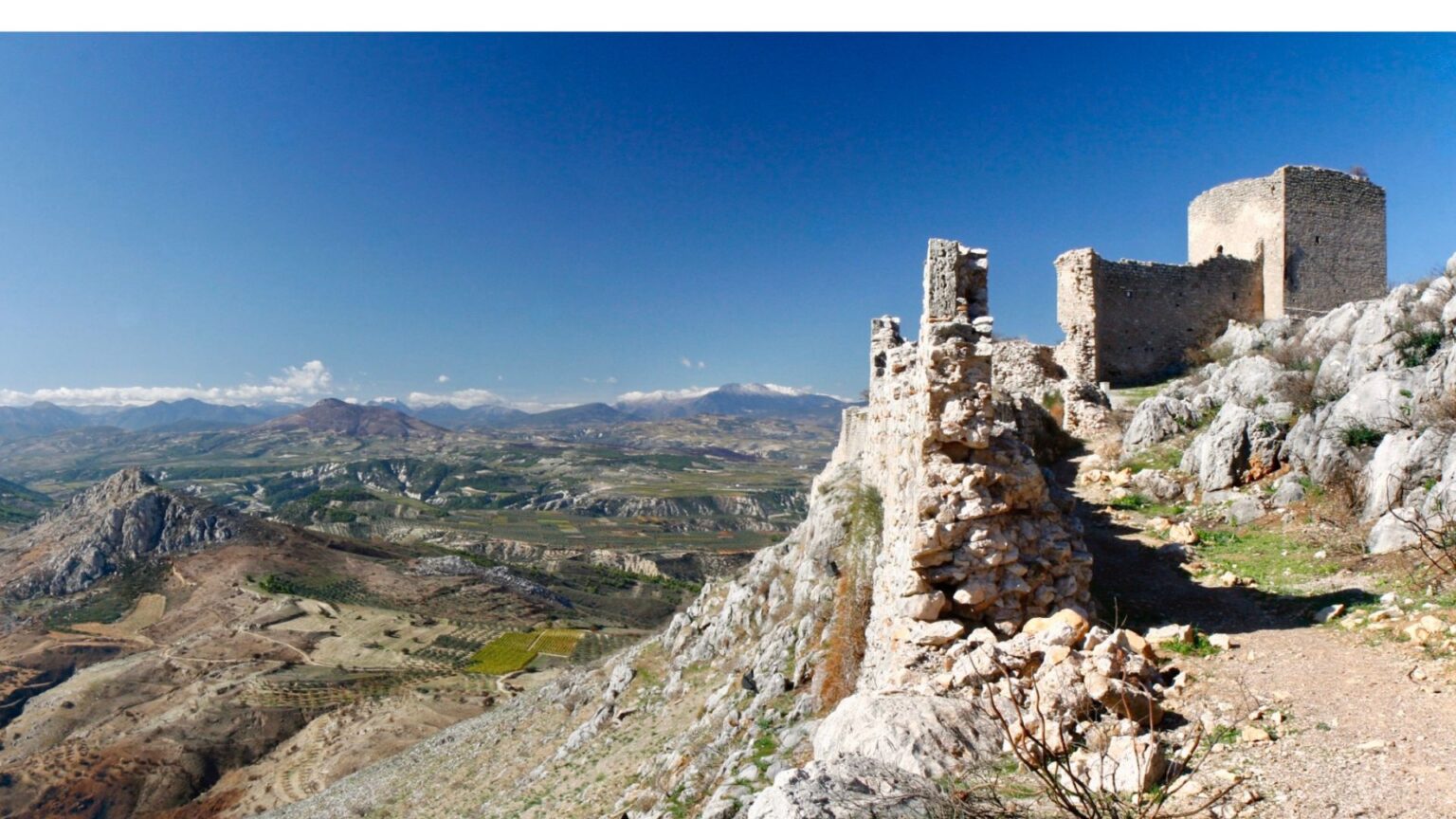
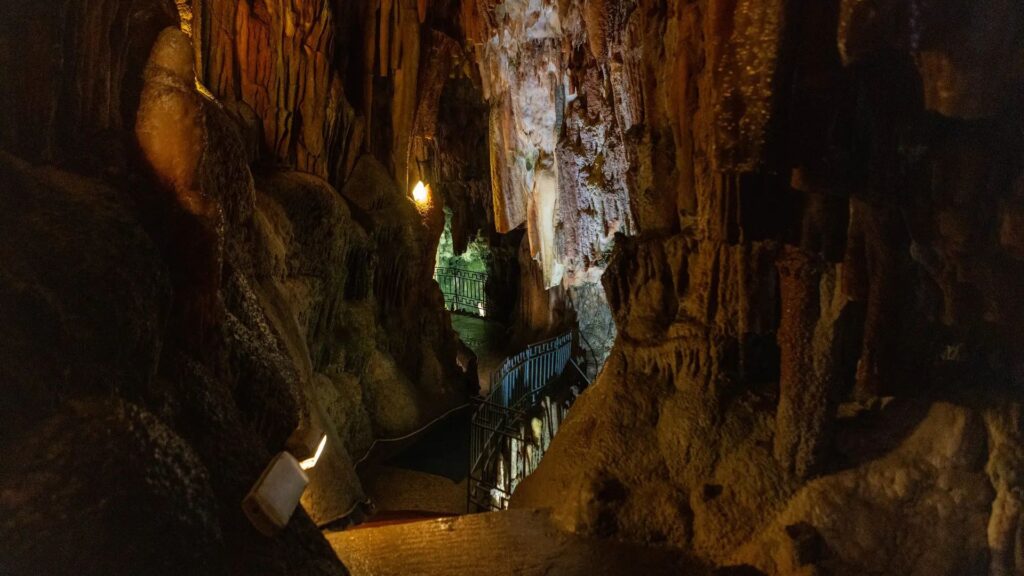
Nolan shot several of the film’s most striking sequences in Messenia, in the southwestern Peloponnese, using real caves, beaches and centuries-old walls rather than built sets. The confirmed Greek filming locations, officially listed by the Hellenic Film Commission, include Nestor’s Cave, Voidokilia Beach, Almyrolakka Beach, Methoni Castle and Acrocorinth.
Voidokilia Beach, a near-perfect crescent of sand tucked below Nestor’s Cave, doubled as the island of the Cyclopes; its shape has earned it the local nickname Omega Beach. A short drive south, the Venetian and Ottoman ramparts of Methoni Castle stand in for the palace of Menelaus and Helen, with a stone causeway leading out to the small sea fort of Bourtzi. Further north in Corinthia, the hilltop fortress of Acrocorinth, more than 500 metres above the plain of Corinth, appears in the film’s telling of Agamemnon’s homecoming to Mycenae, as detailed by Greek TravelTellers.
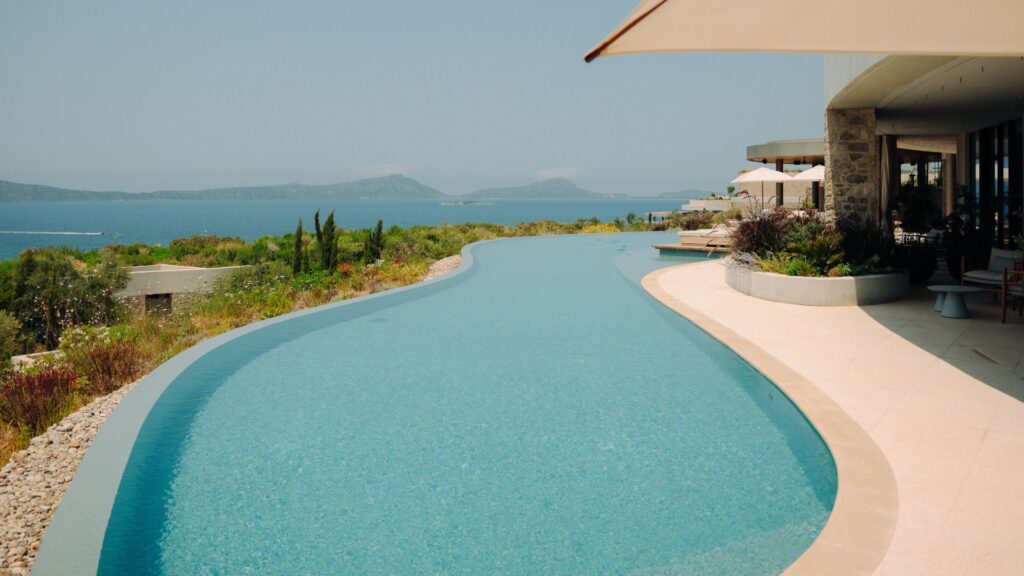
None of this is far from some of the country’s most talked-about resorts. Costa Navarino, a sustainable development built along this same stretch of Messenian coast, makes a natural base for exploring the film’s settings. Options include the double Forbes Five-Star Mandarin Oriental, Costa Navarino, the beachfront W Costa Navarino (the brand’s first property in Greece), the golf-and-spa-focused Westin Resort, Costa Navarino, and the long-running Romanos, A Luxury Collection Resort.
Five-Star Mandarin Oriental
Costa Navarino
Travellers who want the deeper story behind the film should look past the set dressing. Mycenae’s Lion Gate and Cyclopean walls are recognized by UNESCO for their ties to the Iliad and the Odyssey, while the Palace of Nestor near modern Pylos and the archaeological remains of ancient Sparta connect to the world Homer described nearly three thousand years ago, long before any camera arrived. Several of these sites, along with the film locations, can be linked into a single loop through the Peloponnese, and the Greek National Tourism Organisation is a good starting point for planning the route.
A complete itinerary means crossing the Ionian Sea to Ithaca, the island Homer names as Odysseus’s home. There is no airport on Ithaca; the nearest is on neighbouring Kefalonia, reachable by air from Athens and a handful of European cities, with a daily ferry connecting Kefalonia’s port of Sami to Ithaca’s Pisaetos, per Greeka.
Late spring and early autumn remain the most comfortable windows for exploring exposed hilltop fortresses on foot. Whether or not travellers have read a word of Homer, Greece’s blockbuster moment makes a solid case for visiting the real places that inspired it.