
Latest News
Cinnamon Bear Restaurant

The Art of the Stay

Canadian interior designer Lesley Wong on trends, travel, and crafting memorable hotel spaces.

By Erica Commisso

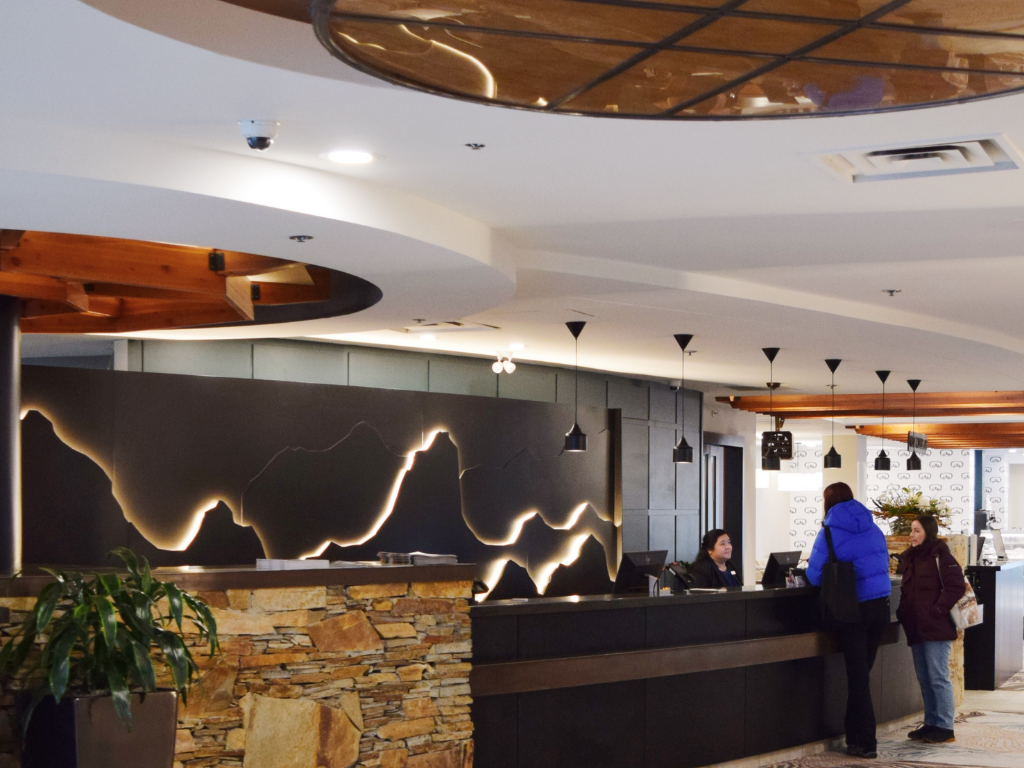
Lesley WongSince launching her eponymous studio in 2014, Lesley Wong has evolved from a one-woman operation into a full-fledged hospitality design team. With projects spanning both Canada and the United States, she’s shaped inviting spaces at properties like the Sparrowhawk Canmore and Hilton Whistler Resort.

Here, Wong shares what inspires her, the textures she’s loving now, and the magic behind creating hotels that feel both personal and transportive. 

Q: Where do you find inspiration?

A: I draw inspiration directly from the character of the surrounding area, whether that’s the landscape, the local community, or the regional architecture. By weaving these elements into our designs, we create hotels that feel deeply connected to their setting. This not only allows guests to feel fully immersed in the spirit of the destination but also ensures that each property is truly one of a kind, reflecting the distinct identity of its area.

Q: How is designing a hotel different from designing any other space?

A: Designing a hotel is uniquely complex because it must function on many levels at once. Unlike a home, which is tailored to a single lifestyle, or a store, which is focused on a specific transaction, a hotel must serve as both a personal retreat and a communal space. Guests come from all over the world with different expectations, so the design must be welcoming, intuitive, and adaptable. At the same time, it needs to express the spirit of its location and provide a sense of discovery. It’s this balance between comfort and experience, function and storytelling that makes hotel design so distinctive and rewarding.

Q: How do you hope people feel when interacting with your designs?

A: I hope people feel a sense of ease and discovery when they interact with our designs. A hotel should flow intuitively, so that guests never have to think too hard about how to move through a space. It should just feel natural. At the same time, I want them to feel a spark of inspiration, whether it’s through a surprising detail, a thoughtful material choice, or the way a space encourages connection with others. For me, it’s about creating an atmosphere that both calms and excites, leaving guests with an impression that lingers long after their stay.
Q: How did you decide you wanted to be a designer? Why for hotels specifically?

A: Design has always been a passion of mine, even from a young age. As a child, I would spend hours decorating my dollhouses, rearranging tiny rooms until they felt just right. Later, while many of my friends were going out and socializing, I found just as much joy in staying home to experiment with fabrics and create things for my own space. That love of shaping environments never really left me. When I began my career, I worked at a hotel brand, and that experience completely opened my eyes to the world of hospitality design. I was drawn to the complexity and creativity it demands. Hotels aren’t just about aesthetics; they’re about how people feel, move, and connect within a space. From that point on, I knew this was the path for me.

Q: What are some textures and design elements you’re loving right now?

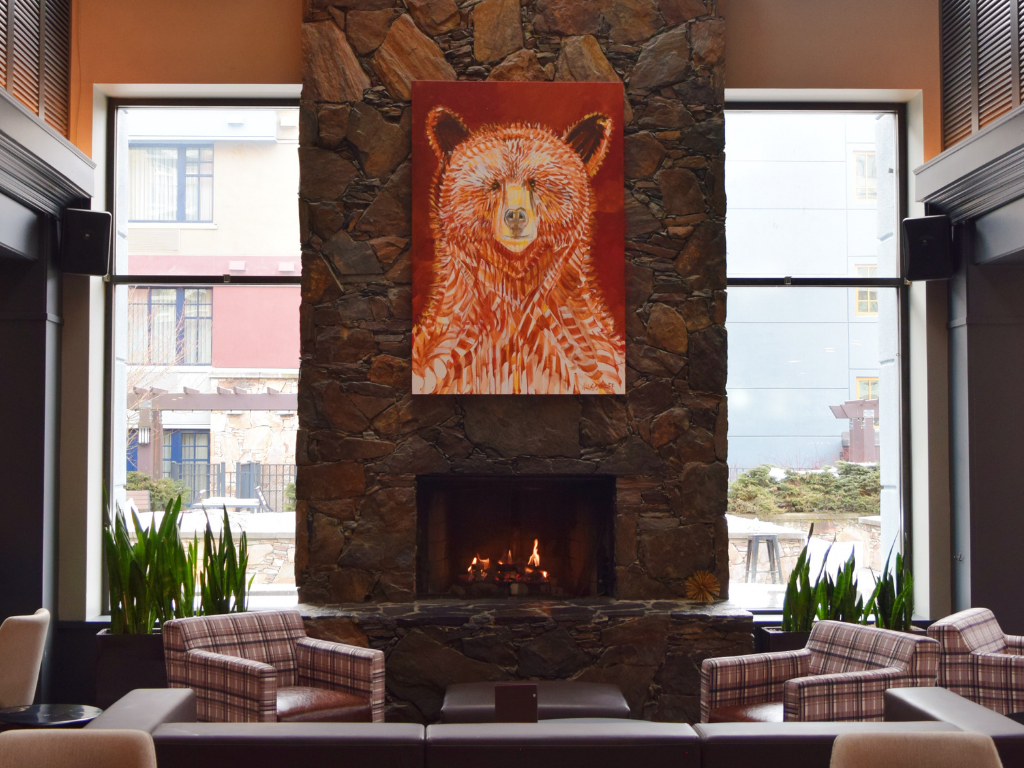
A: Lately, I’ve been inspired by biophilic design, bringing natural elements like greenery, wood, and stone into interiors to create spaces that feel calming and restorative. I love how integrating nature not only adds beauty and texture, but also enhances the overall well-being of guests, making the environment feel alive, welcoming, and deeply connected to its surroundings. 

Q: What’s one thing people would be surprised to learn about your work?

A: I love what I do so much I actually dream of hotel design—when I eventually fall asleep. Quirky, yes, but I still love it. I absorb ideas from all around me, so I think it’s my brain’s way of processing all the information and creativity.

Share:

Facebook
Twitter
LinkedIn

Latest

Vermelho Hotel

Haute Couture Hotels

From Christian Louboutin’s red-soled retreat in Portugal to Missoni’s rooftop pool takeover in Texas, fashion’s biggest names are bringing their aesthetic to the world of hospitality. By Erica Commisso Fashion’s most recognizable houses are stepping beyond boutiques and ateliers, carving out a stylish new niche in hospitality. Whether through sun-splashed rooftop pop-ups, bespoke restaurants, or full-fledged hotels, these brands are

Havana Cuba

Discover Timeless Havana with WestJet Vacations

In Cuba’s capital, colonial grandeur meets contemporary sophistication—and new direct flights from Toronto make this cultural treasure more accessible than ever. Hemingway House Havana Ernest Hemingway House With its baroque facades, vintage Cadillacs, and the infectious rhythm of salsa spilling from every doorway, Havana feels like stepping into a living museum where time moves to its own beat. This UNESCO

Hotel Playa Luxury Cayo Guillermo

Checking In: Hotel Playa Luxury Cayo Guillermo, Cuba

From overwater bungalows to beachside lobster lunches, this is Cuba done differently. By Mitch McClung Arriving in the dark might not seem ideal, but it’s actually the best way to experience Hotel Playa Luxury Cayo Guillermo. When you wake up, sunlight streams through the windows and the ocean shimmers just outside your door. The resort is only a short drive

Cinnamon Bear Restaurant

The Art of the Stay

Canadian interior designer Lesley Wong on trends, travel, and crafting memorable hotel spaces. By Erica Commisso Since launching her eponymous studio in 2014, Lesley Wong has evolved from a one-woman operation into a full-fledged hospitality design team. With projects spanning both Canada and the United States, she’s shaped inviting spaces at properties like the Sparrowhawk Canmore and Hilton Whistler Resort.