
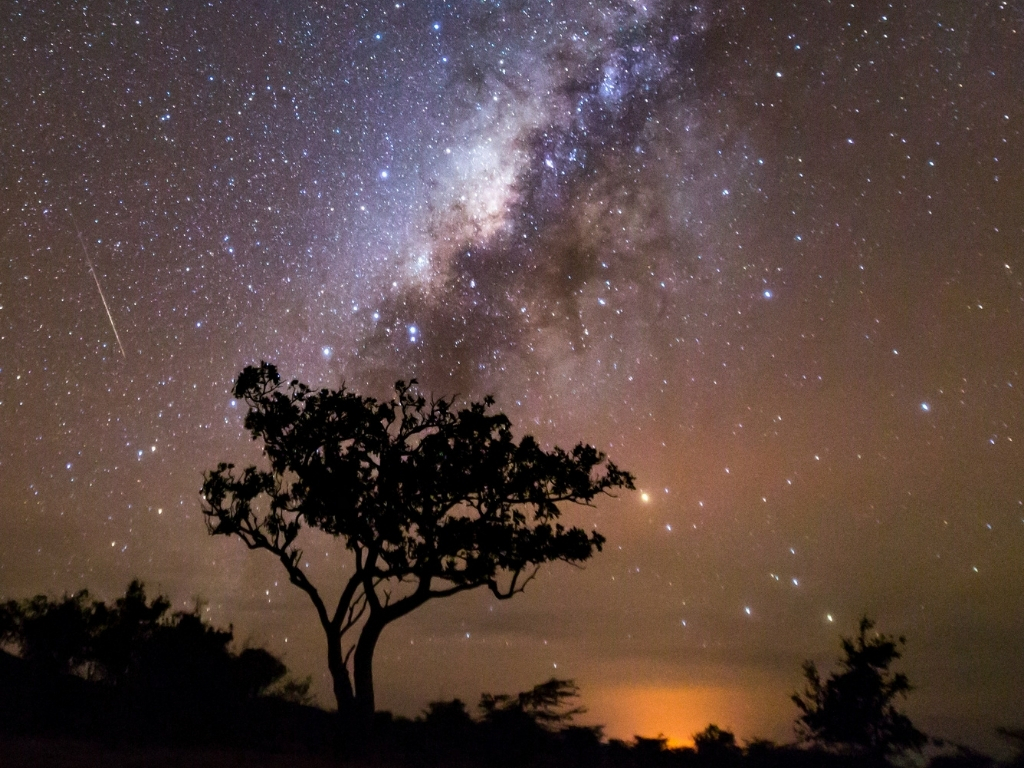
Discover why Kenya is one of the best dark sky destinations for luxury stargazing safaris.
By Mitchell McClung
Kenya has always been synonymous with spectacle. By day, the drama unfolds across golden plains where elephants move in slow procession and escarpments glow in the late afternoon light. But when the sun drops below the horizon, another kind of theatre begins.
For travellers who believe luxury is defined not only by thread counts and wine lists, but by access to rare, humbling moments, Kenya is quietly becoming one of the world’s most compelling destinations for stargazing.
Thanks to its position almost directly on the equator, the country offers a remarkable celestial vantage point. Over the course of the year, both northern and southern hemisphere constellations are visible here. Orion rises high above the savannah. The Southern Cross arcs across the sky. On especially clear nights, Saturn can appear nearly overhead, sharp and luminous.
Just as important is what isn’t here: artificial light. Large swaths of Kenya — including Samburu, Laikipia, and parts of the Maasai Mara — remain far from urban glare. These regions fall at the darkest end of the Bortle Scale, the international measure of light pollution. On moonless nights, thousands of stars emerge. The Milky Way stretches across the sky in bright, textured bands. It is not subtle.
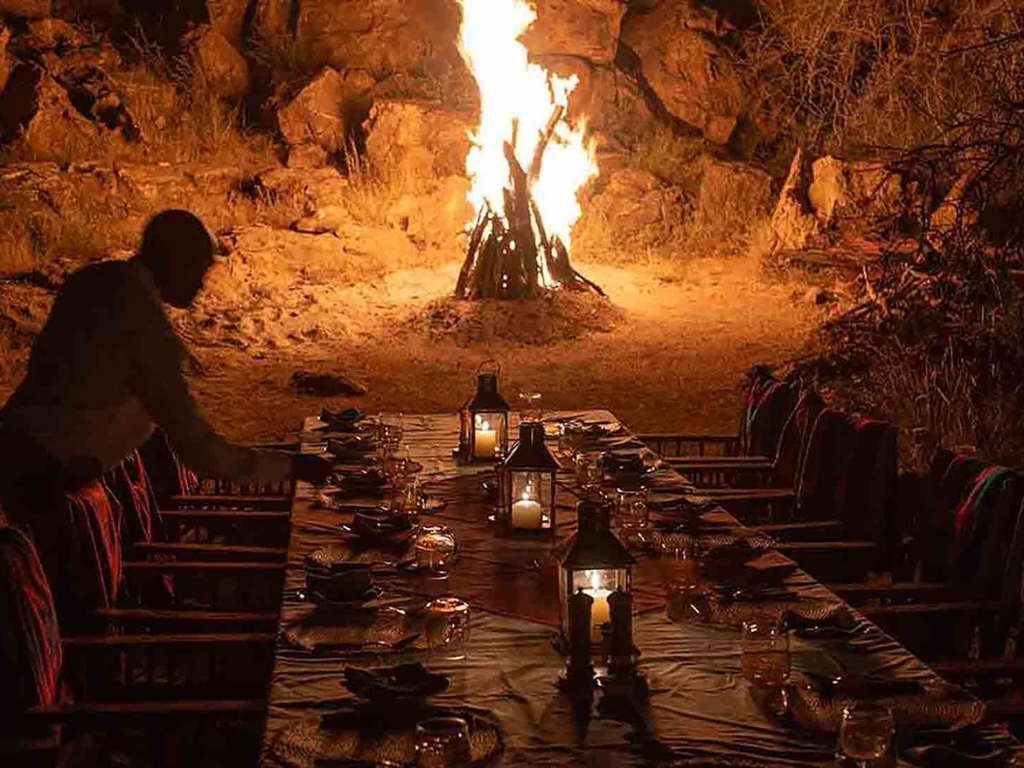
Safari camps are beginning to lean into this natural advantage. Open-air “star beds” allow guests to sleep beneath the constellations. Telescopes are set up near the fire pit after dinner. What was once simply sundowners and storytelling now often includes guided stargazing sessions, where guides point out planetary movements between the distant calls of hyenas. Some camps have even introduced astrophotography experiences, inviting guests to capture the night sky with the same reverence typically reserved for wildlife.
The movement is not only about tourism. Nairobi-based organization The Travelling Telescope, founded by Kenyan astronomer Susan Murabana Owen, has played a pivotal role in making astronomy more accessible across the country. Through mobile planetariums, laser-guided constellation tours, and community events, the organization blends science education with public engagement — often partnering with lodges to offer immersive guest experiences.
Murabana Owen’s work has earned international recognition, but its impact is perhaps best felt on a clear Kenyan night, when first-time stargazers tilt their heads back and realize just how much of the universe they have been missing. Her vision is simple and profound. The sky belongs to everyone.
In an era when light pollution dims much of the developed world, Kenya offers something increasingly rare: true darkness. The same stars that guided early navigators and pastoral communities still burn brightly above the savannah. And much like the wildlife that draws travellers here, the night sky is part of the country’s natural heritage, meant to be both experienced and carefully preserved.
Here, the safari doesn’t end at sunset. It simply continues overhead.
The List: Kenya
STAY
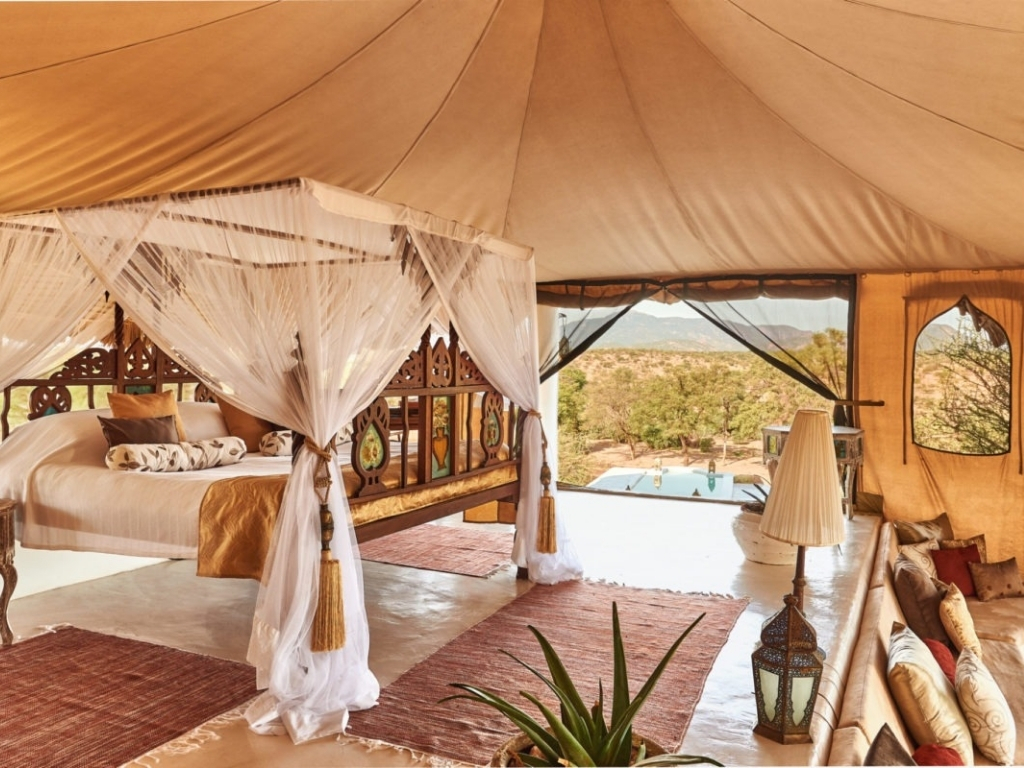
Set above the Ewaso Nyiro River in Samburu, Sasaab Lodge blends Moroccan-inspired design with wide-open Kenyan wilderness. Days unfold with guided game drives and camel treks; nights are made for lantern-lit dinners and, of course, extraordinary stargazing.
EAT
For something quintessentially Kenyan, try nyama choma – charcoal-grilled meat served with kachumbari tomato relish – a beloved staple best enjoyed communally.
DRINK
Order a dawa, Kenya’s signature cocktail of vodka, honey, lime and crushed ice. Created at Nairobi’s famed Carnivore Restaurant, its name means “medicine” in Swahili.
DO
Spend a day in Nairobi with a visit to the Sheldrick Wildlife Trust’s Nairobi Nursery, where orphaned elephants are cared for before being reintroduced to the wild.
BRING BACK
A blown-glass piece from Kitengela Glass, which also offers glassblowing workshops so you can craft your own keepsake.