
By Ann Ruppenstein
Hoʻomau: to continue, persist, renew, perpetuate and persevere.
A different Hawaiian word of the day is placed against my pillow each afternoon at the Wailea Beach Resort – Marriott, Maui, but this first card—describing Hoʻomau—resonates most. It speaks to the way Maui protects its land, culture and identity, and to the responsibility of carrying that stewardship forward for generations.
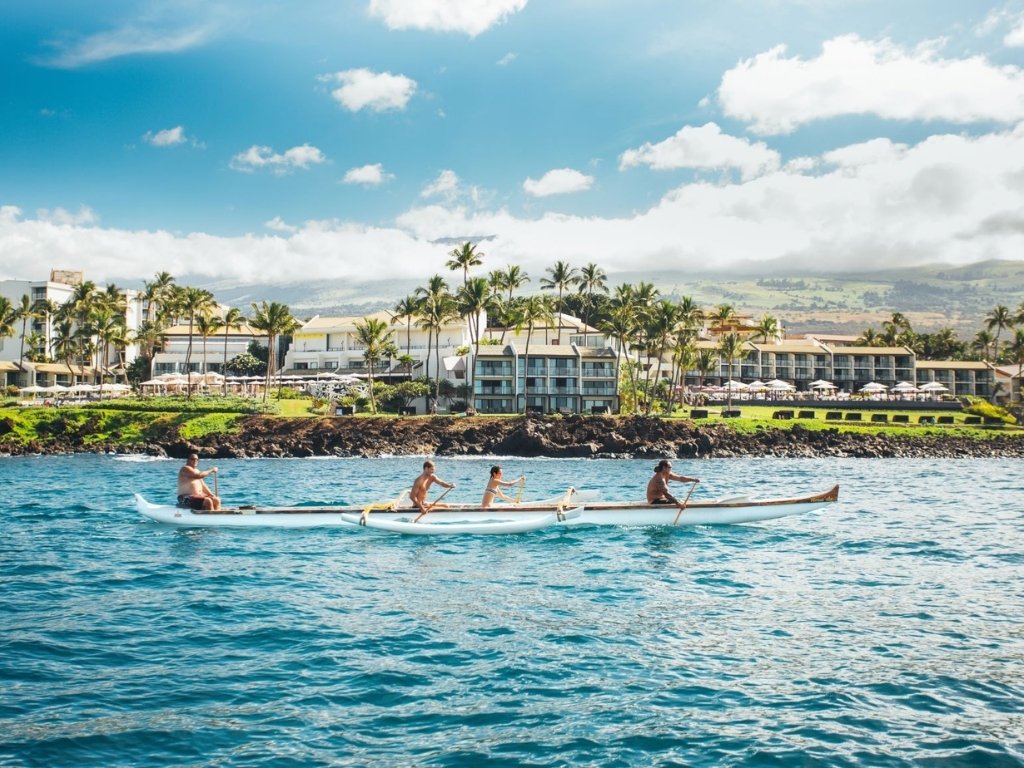
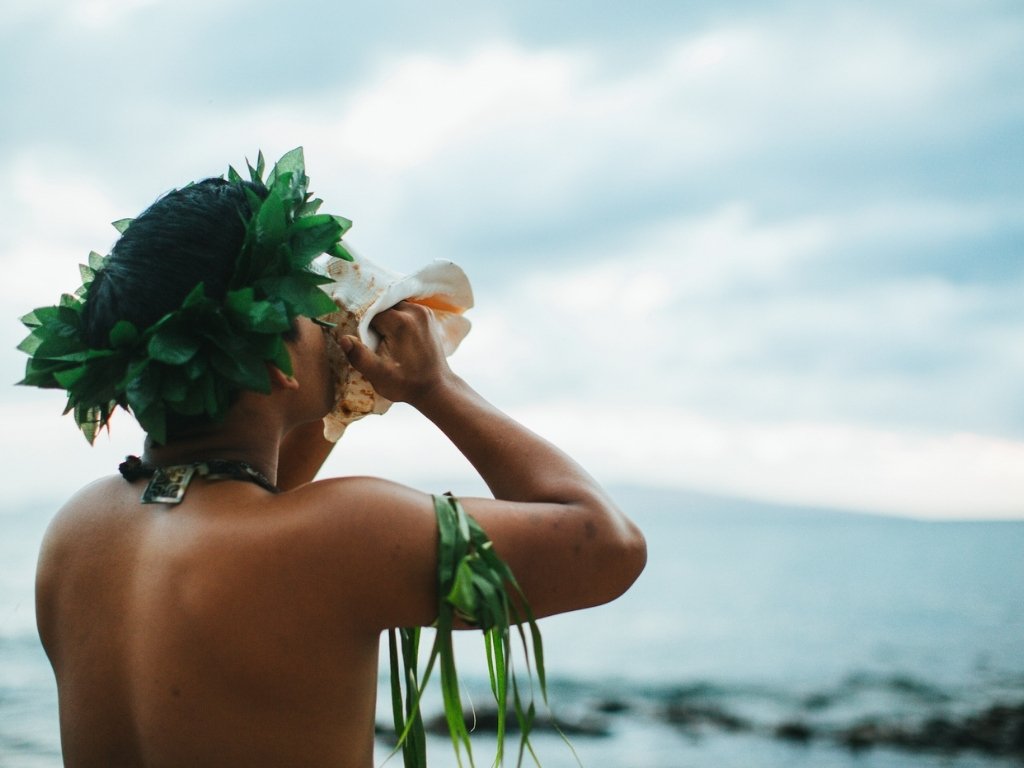
On my first morning, we begin on shore with a traditional Hawaiian chant (an oli) offered before pushing the outrigger canoe into the water. Moments later, I’m gliding across the south shore for a guided paddle (hoe waʻa), the shoreline receding behind us. Our guide shares stories of wayfinding and celestial navigation, of reading swells and stars long before GPS. Hawaiian green sea turtles and the rarer hawksbill briefly surface beside us. With each synchronized stroke—left, then right—stress loosens its grip.
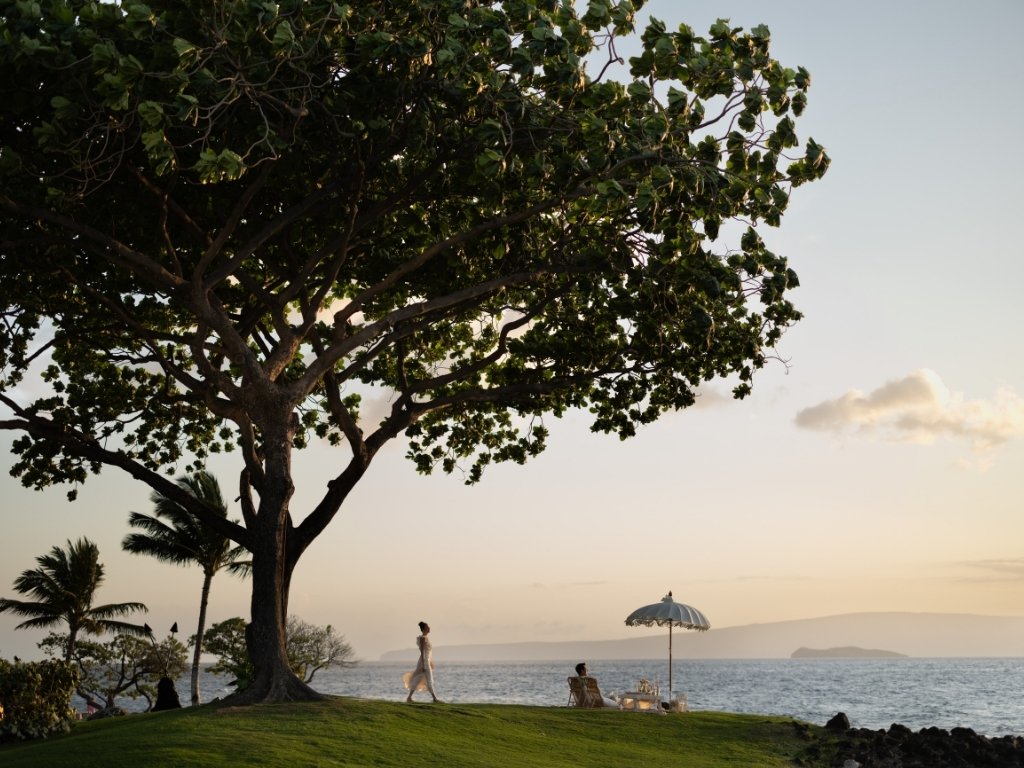
With the slopes of Haleakalā National Park rising behind us and the West Maui Mountains in the distance, palms lining the coast and mynah birds calling overhead, the scene feels impossibly cinematic. It is, in fact, just down the beach from where The White Lotus filmed its first season—though here, the drama is traded for calm.
“Responsible travel is deeply intertwined with Hawaiʻi’s values and culture, and visitors are increasingly mindful of the role they play when travelling to the islands,” says Laurie Garzon, director of sales and marketing for the resort. “In ancient times, Wailea was home to canoeing, fishing and life at the water’s edge. We’ve seen renewed interest in outrigger canoeing as travellers seek more meaningful experiences.”
Seasonal, by the Sea
As golden hour slips into soft pink, we head off-resort to Koast Maui, a relatively new addition to Wailea’s dining scene. The restaurant’s ethos is simple: honour Hawaiʻi’s natural abundance by working in lockstep with local farmers and fishermen.
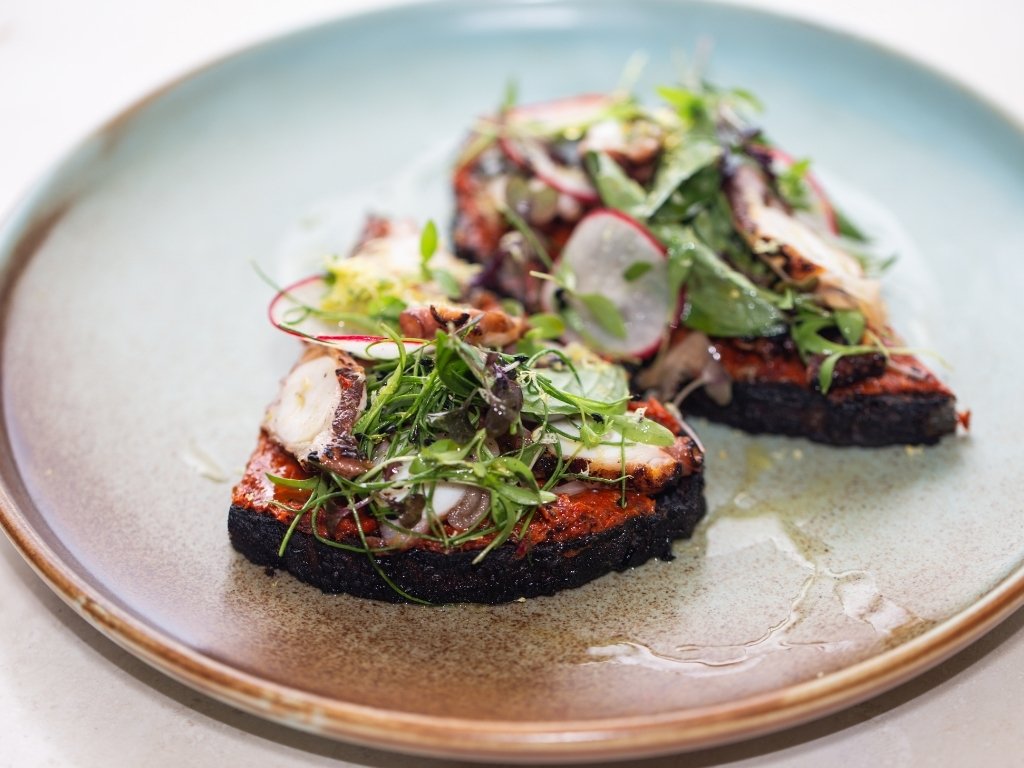
“Our goal is to be island sustainable,” says Top Chef Masters winner and James Beard Award–nominated chef Chris Cosentino, describing a dragonfruit aguachile topped with just-caught tuna from a fisherman named Chimo. “Everything is based on what we have here. We wait to see what’s coming through the back door. That’s why the menu says cut of the day, crudo of the day. We evolve quickly with what’s available.”
Dry-aged wagyu, aged with kombu seaweed, is showcased prominently at the front of the restaurant. The kelp imparts umami depth while accelerating the aging process.
“You’re sitting here looking at the ocean, so why not age your meat in beautiful sheets of kelp?” Cosentino says. “The kombu gives you the flavour profile of 48 days in about 28.”
Daily texts from fishermen dictate the night’s offerings—tuna, mahi-mahi, opakapaka, even local lobster caught by an extreme kayak fisherman known as Jon Jon. Cosentino’s nose-to-tail philosophy extends to matanza-style tuna tripe, simmered with tomato, capers and spice, a Sicilian-inspired dish that surprises with its richness.
Each course emerges like a work of art, but dessert is a showstopper: a whole, caramelized Maui Gold pineapple served with layers of coconut ice cream, lilikoi curd, and toasted Italian meringue.
Don’t Worry, Be Happy
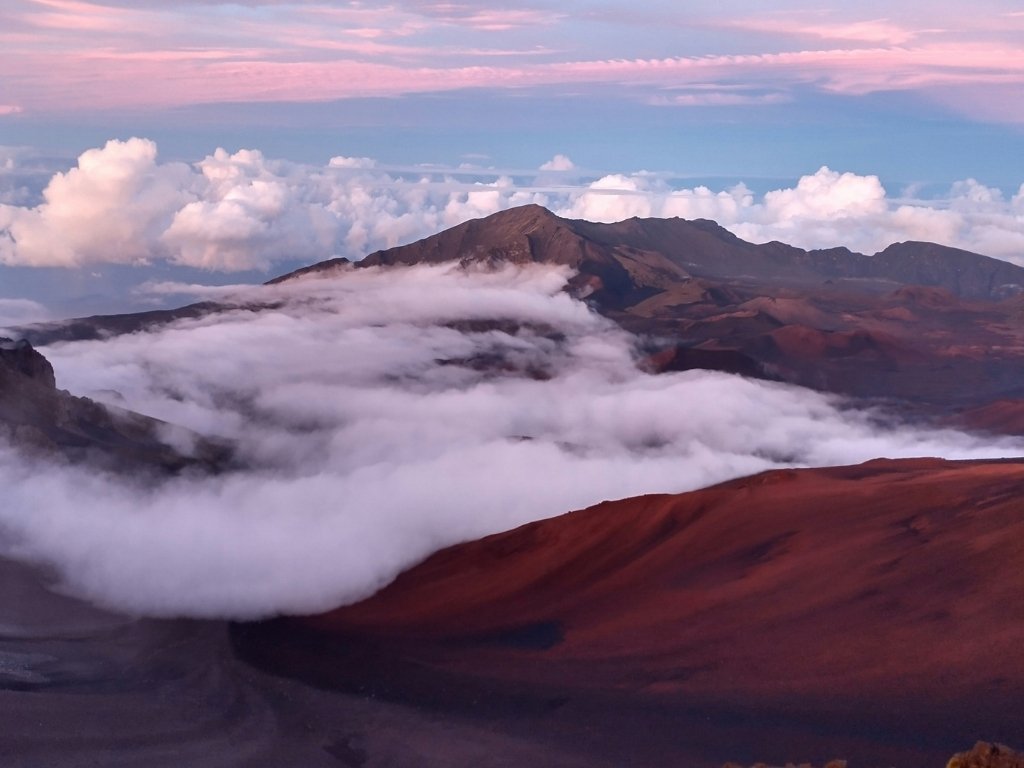
When I’m not above the clouds at Haleakalā National Park for sunset—the summit rises more than 10,000 feet above sea level and is among the best stargazing spots in the Pacific—or sailing toward the crescent-shaped Molokini Crater, home to more than 250 species of marine life and famously clear water, I surrender to stillness.
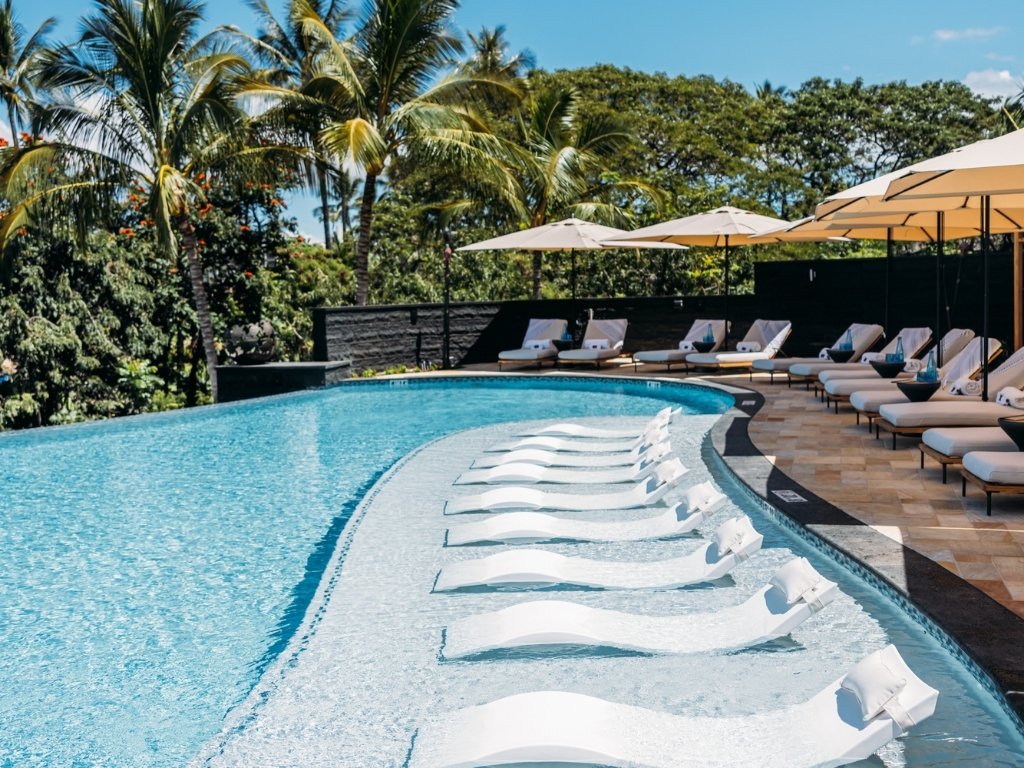
At the adults-only Olakino infinity-edge pool, wellness programming rotates daily. A mini massage melts into a sound healing session. Later, an acoustic guitarist strums softly as morning drifts into afternoon. There is a champagne sabering ritual at sunset, and suddenly the day is wrapping up. I’ve mastered the art of doing absolutely nothing.
“The experience is designed to leave guests feeling rested, restored and fully immersed in the natural rhythm of Maui,” Garzon says.
Mission accomplished.
Travel With Care
Responsible travel is not a trend in Hawaiʻi; it’s an expectation. Visitors are encouraged to honour the concept of mālama ʻāina—to care for the land. In practice, that means guidelines like staying on marked trails to protect fragile ecosystems, never touching or feeding marine life such as sea turtles and monk seals, and using reef-safe sunscreen free of oxybenzone and octinoxate to help preserve coral reefs. These small efforts add up, and are a modest ask in return for all that Hawaiʻi has to offer.
“For Canadians who are being more intentional about where they travel, Hawaiʻi stands out as a destination rooted in sustainability and harmony with the natural environment,” says Garzon. “Within a single destination, visitors can experience extraordinary natural landscapes and traditions that are still very much alive.”
The List; Maui, Hawaiʻi
STAY
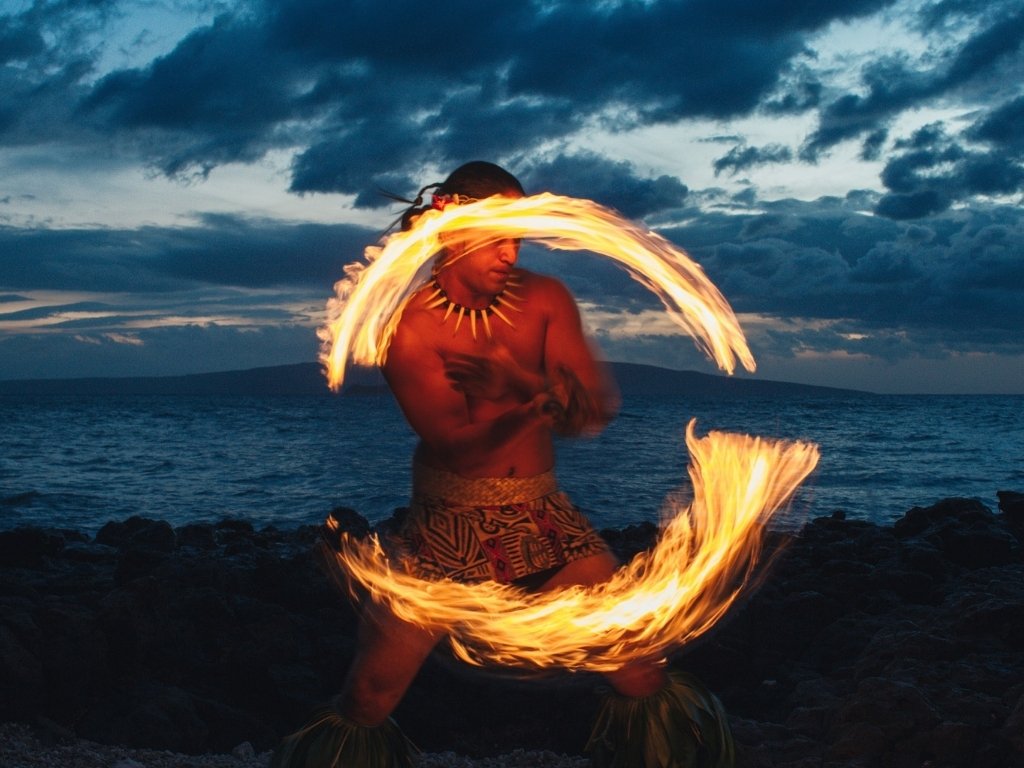
Set between two golden-sand beaches, the 22-acre oceanfront Wailea Beach Resort – Marriott, Maui makes a picturesque home base. Don’t miss the onsite Te Au Moana Luau, where storytelling, hula and fire dancing unfold against the sea. Visit between November and April to spot migrating humpback whales offshore.
EAT
The sesame- and nori-crusted ahi tuna at Humble Market Kitchin by Roy Yamaguchi is a standout. At Koast Maui, the daily catch is a must. And for a quintessential local bite, try teriyaki spam musubi from a neighbourhood convenience store—the canned meat staple took root in Hawaiʻi during World War II and remains beloved.
DO
Watch the sun dip below a sea of clouds at Haleakalā National Park, then stay for stargazing. Snorkel with a luxury outfitter such as Alii Nui Sailing Charters to Molokini Crater for vibrant reef life and exceptional visibility.
BRING BACK
A hand-picked Maui Gold pineapple, prized for its sweetness and low acidity. The Maui Pineapple Farm Tour includes a complimentary packaged pineapple with each visit.