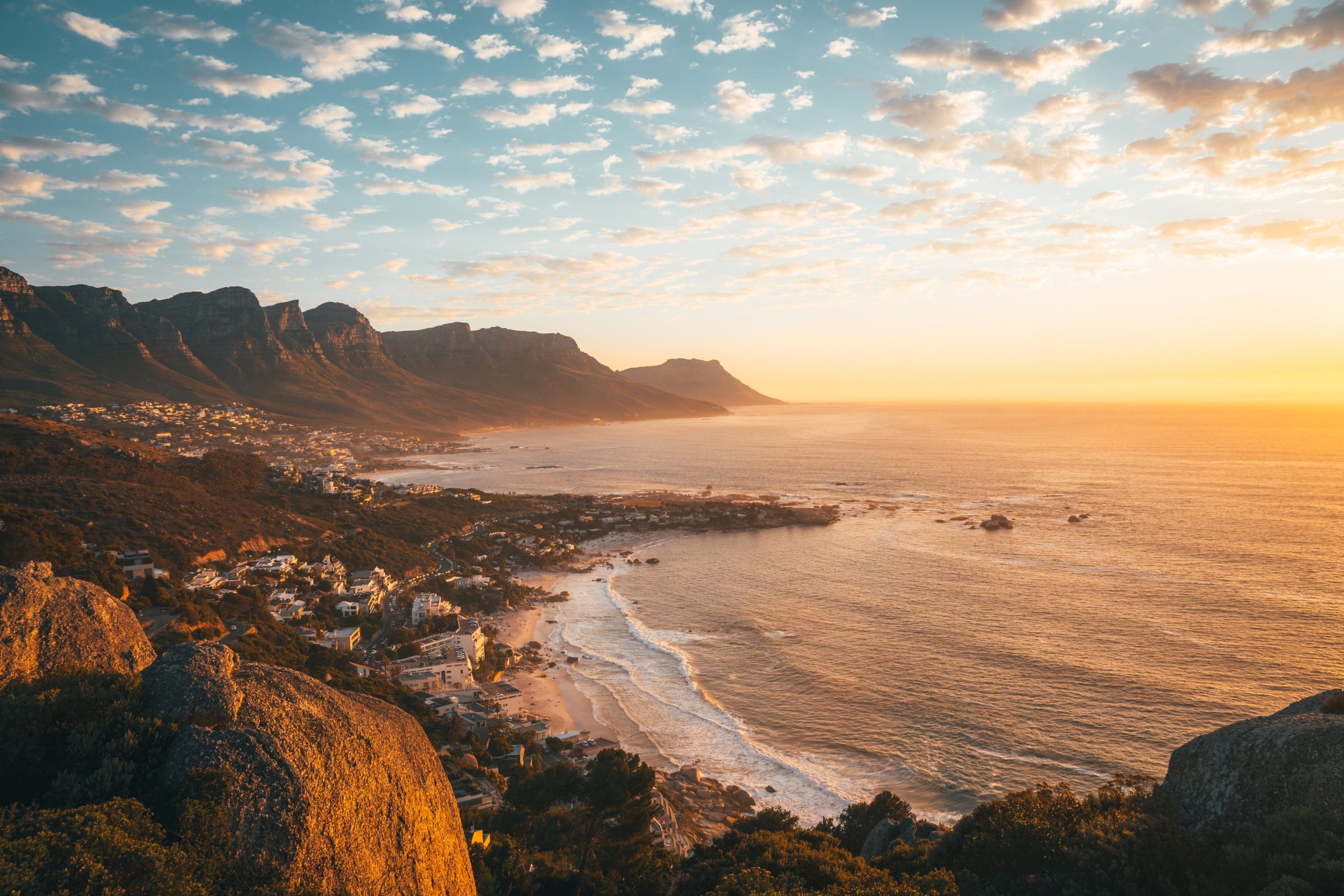
Ann Ruppenstein explores South Africa’s second largest city by helicopter, sidecar, Jeep and on foot and discovers why this captivating coastal destination — along with a little bit of wine and wellness — is good for the soul.
As our convoy of Jeep Wranglers — blood red, bright yellow and dark grey — zipped past striking views of the imposing Table Mountain range towards miles of sloped vineyards, tour guide Marzahn Botha shared that Capetonians have found the perfect antidote for those suffering from a bad case of grouchiness.
“How can you look at a penguin and still stay angry?” Botha, a driver with the all-female operated Jeep Tours Cape Town, says smiling from behind the steering wheel.
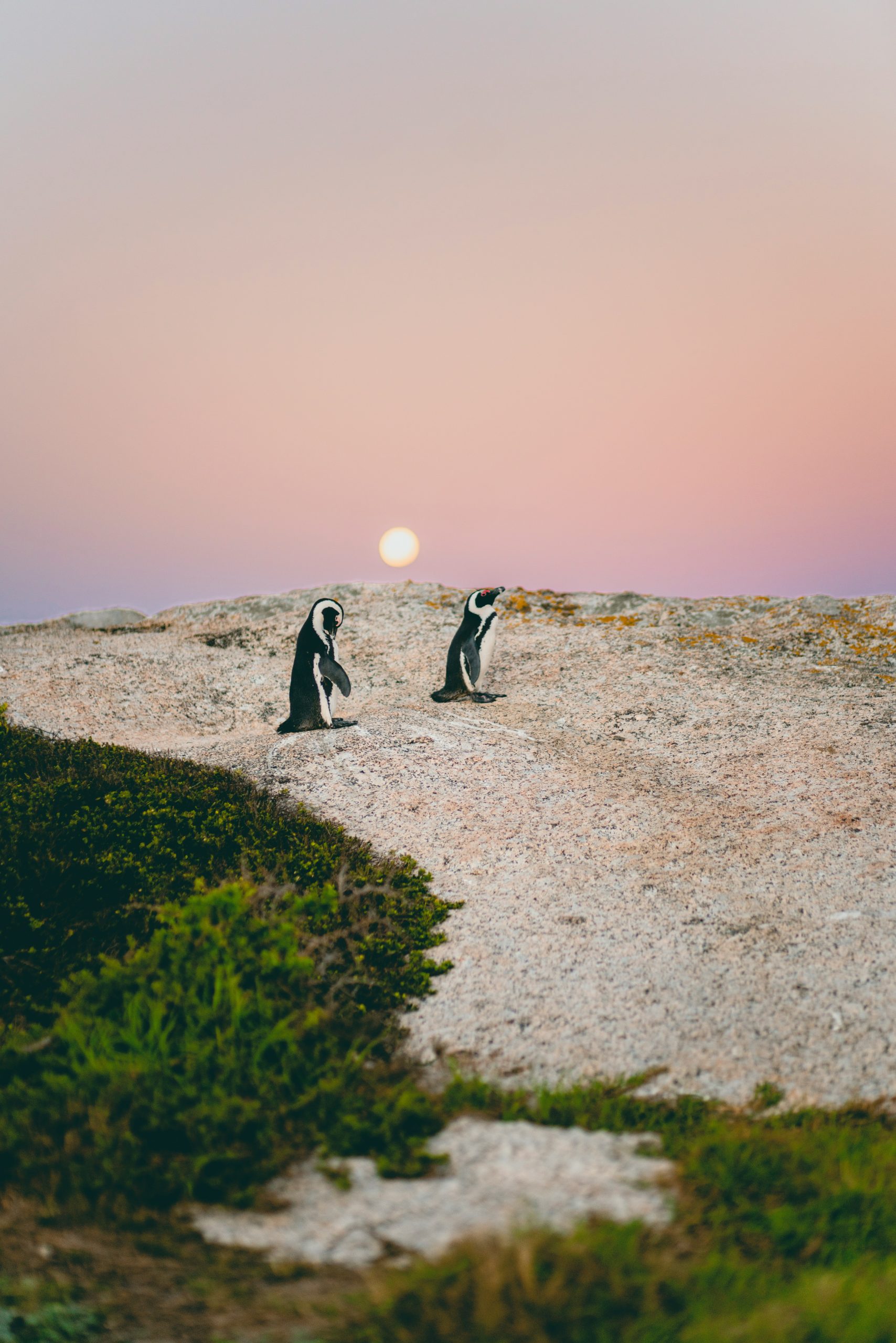
The first stop on our road trip adventure is Boulders Beach, home to a colony of African penguins that multiplied from two breeding pairs in 1982 to more than 2,000 penguins, garnering a reputation as a must-see on itineraries to South Africa’s second largest city.
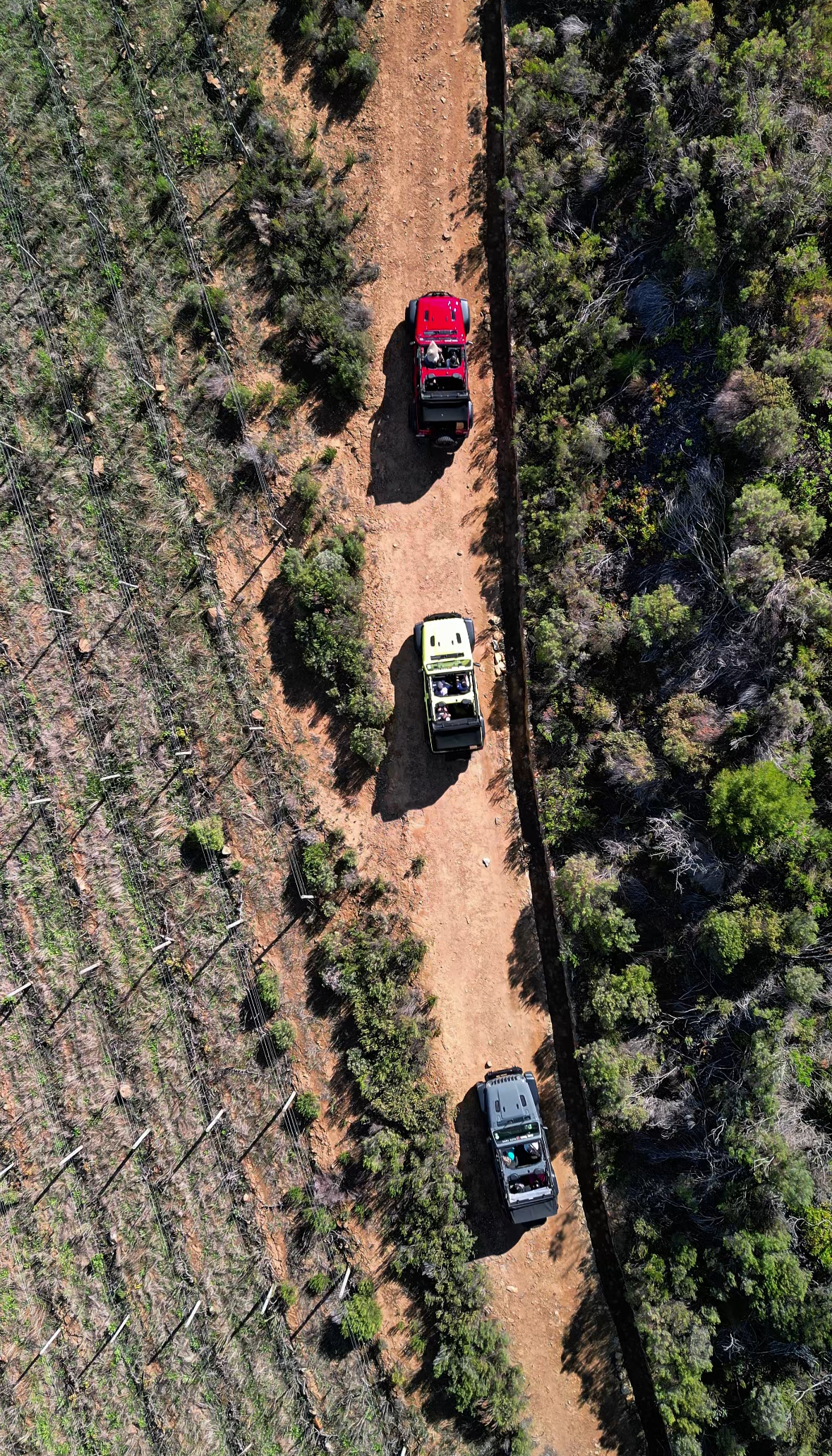
While I’m certainly not in a bad mood on arrival, as I witnessed several penguins waddle down the beach with their stubby legs to submerge into the water, I couldn’t help but feel happy. “The beach has these huge granite boulders and that’s where the name Boulders Beach comes from,” she explains.
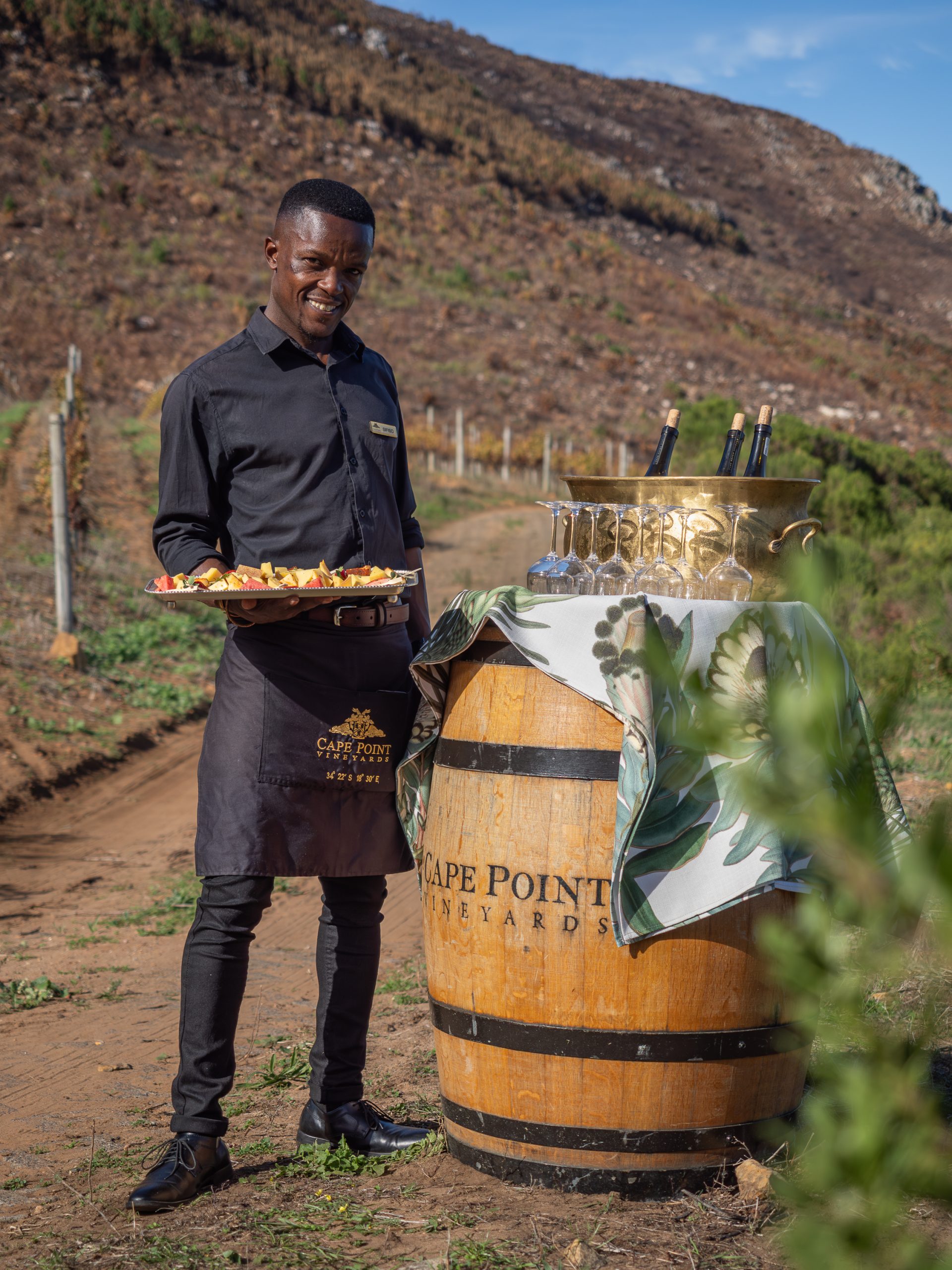
Topping penguin thrills is not an easy feat, but as we rounded the corner at the nearby Cape Point Vineyards estate a short while later and encounter sommelier Sifiso waiting on the side of the road with bottles of chilled wine ready to hold a private hillside wine tasting overlooking the Atlantic coast, I’m ready and willing to give it a shot. After a glass (or two in the name of research) of the reserve Sauvignon Blanc that’s been aged in French Oak barrels and made to “carry the characteristics of a completely different grape — chardonnay,” we head to the main building of the winery for a Braai luncheon, a local term for a social gathering of friends and family where the meat is prepared over an open fire or an outdoor grill for an experience that lives up to the name.
(PSA: it’s not only handy to have a DD so you can delve into the local wine scene while on tour, it can also be a wise idea since South Africans drive on the left side of the road, which can be a little daunting for North American travellers. Day trips are fully customizable and can include wine tastings at notable estates in Stellenbosch, Franschhoek and Constantia or thrilling rides through white sand dunes).
Back in the Jeep, stuffed, with the top down and the wind blowing in my hair, the journey continued along Chapman’s Peak Drive. Admiring the dramatic coastal views, it’s easy to see why this stretch of the road constantly gets named as one of the most scenic drives in the world.
The winding road has 114 curves and rivals the Road to Hana in Maui or the Amalfi Coast in Italy for its beauty. “I think this is one of the most beautiful places in the world,” Botha notes, approaching a section of the road that is cut into the side of a mountain scape on the edge of the water.
The colours of Bo Kaap
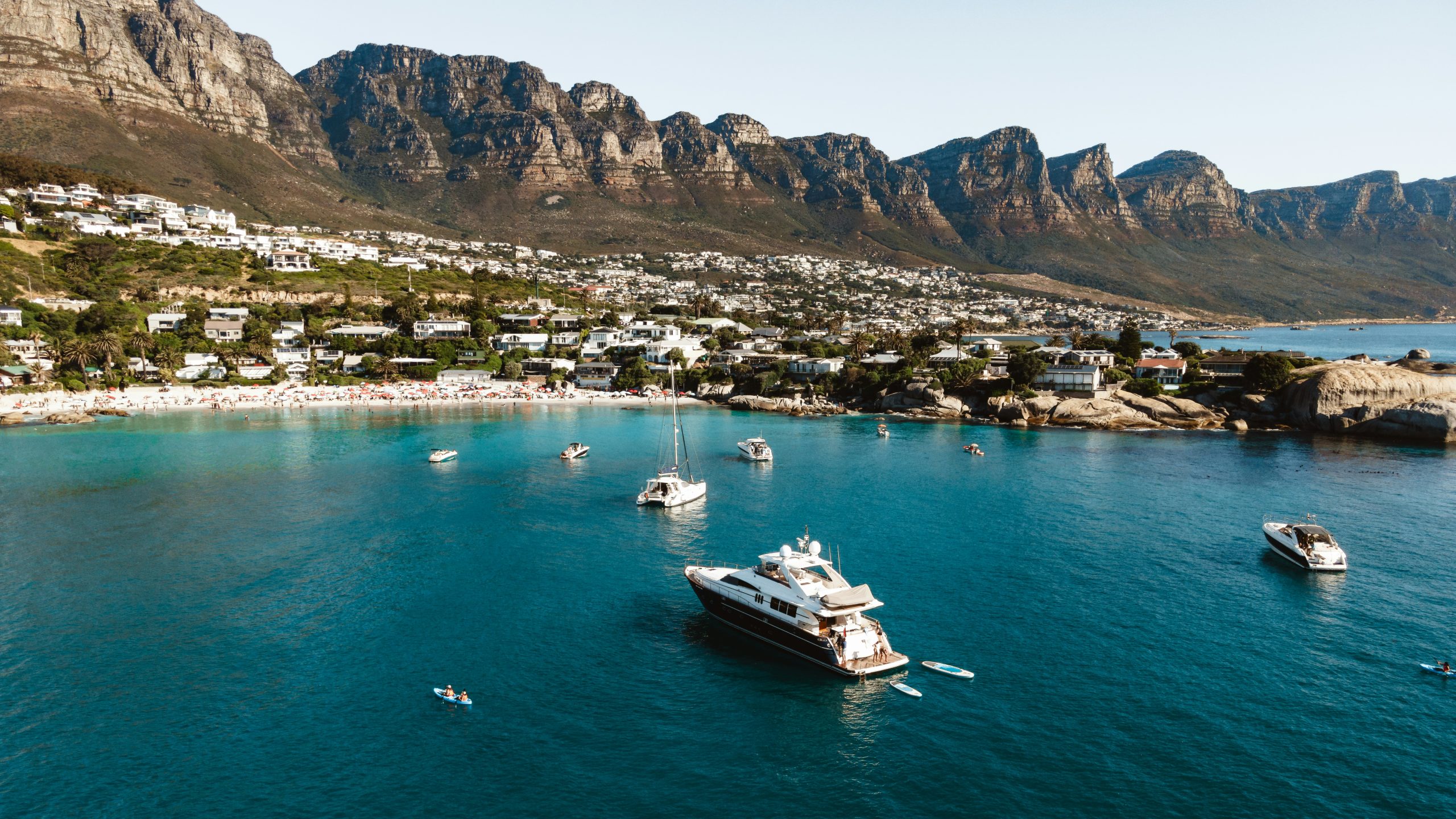
Next up, we’ve traded in our Jeeps to explore Bo-Kaap, a historic community known for its vivid and colourful houses, on foot. Along with hands-on culinary lessons, Zayed Harris of Bo-Kaap Cooking Tour provides insights into the significance of the neighbourhood that was long populated by slaves. In front of a lime green and a hot pink house, Harris explained that during the Apartheid era, people of colour were restricted from owning property in the area.
Fast forward to 1980, at the height of the political struggle of South Africa, Bo-Kaap was at the heart of the struggle in Cape Town.
For the first time, residents were able to own the homes their families had lived in for hundreds of years.
“It was a huge thing for us to finally own this piece of property,” Harris said. “So, we grabbed our savings, we bought the house and we found the cheapest paint we could find,” Harris continued.
“Like naughty kids with crayons, we went crazy with colour.”
While the pastel-painted houses still represent an expression of freedom, identity and cultural heritage, he said the colours change frequently, with the only rule being that you can’t paint your house the same colour as your neighbours’ house. “Next time you’re here and you think, now wasn’t that house green before? It probably was, the owner just got sick of it,” he notes, adding that it’s common for owners to slap on a fresh coat of paint every two to five years.
Today, Harris’ family focuses on teaching visitors how to make traditional Cape Malay dishes ranging from spicy curries to stews, roti and samosas. “Cape Malay cuisine is synonymous with Cape Town; you won’t find this anywhere else in the world,” he says. Joining his mom and sister, we try our hand at preparing a lunch feast loaded with culinary traditions. The best part, of course, is getting to taste our creations, which are delicious beyond words.
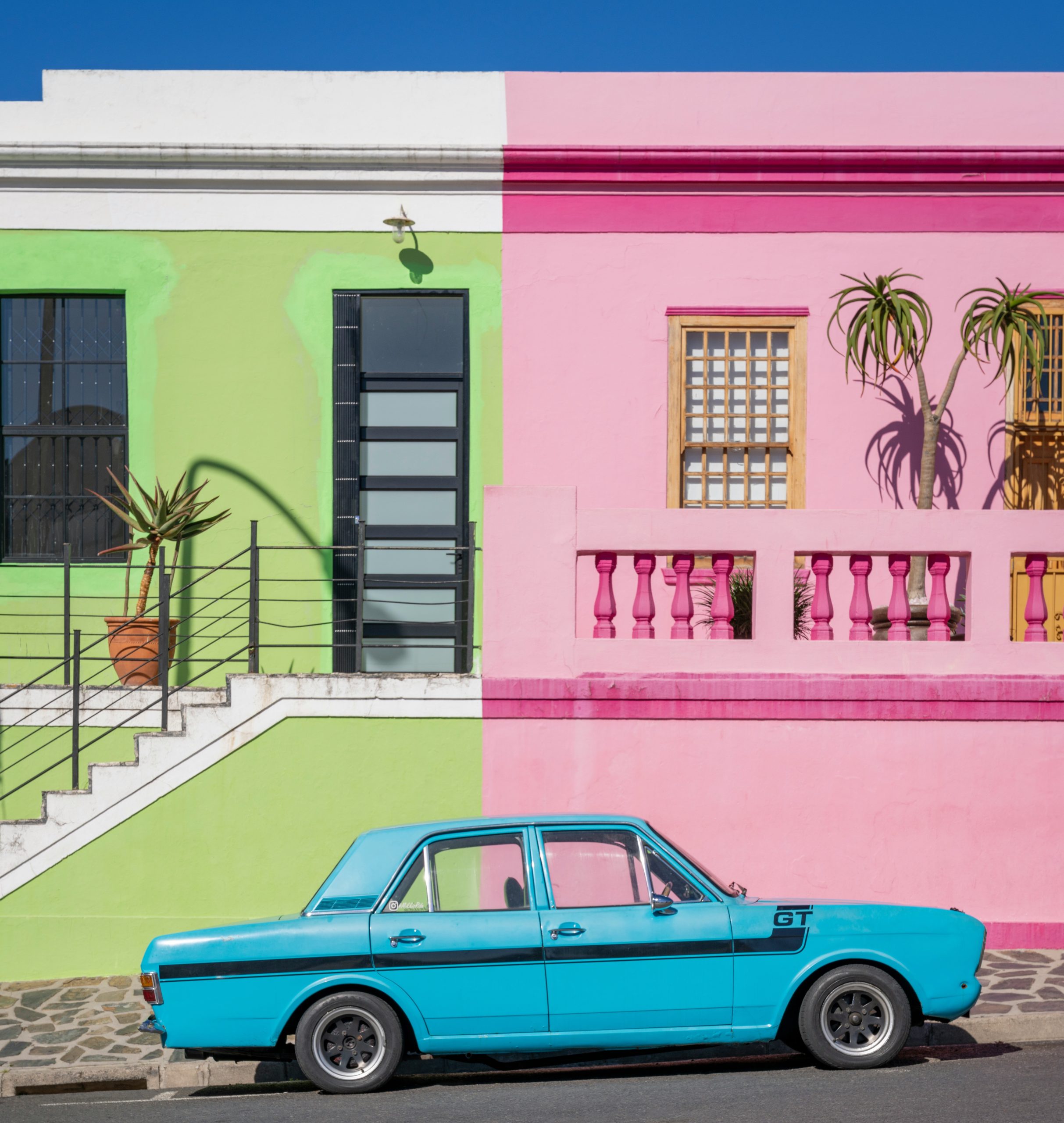
For another amazing vantage point, the coast of Cape Town is a sight to behold from above. Taking to the skies with NAC Helicopters Cape Town is another uplifting experience. Soaring over Robben Island, where Nelson Mandela spent most of his prison sentence to seeing the coastal mansions in the affluent Clifton suburb area against the backdrop of the Lion’s Head peak jetting out 669 metres in the air, the flight is nothing short of spectacular. The experience kicks off with a glass of bubbly and a walk down a red carpet to meet your pilot, setting the tone for what’s to come.
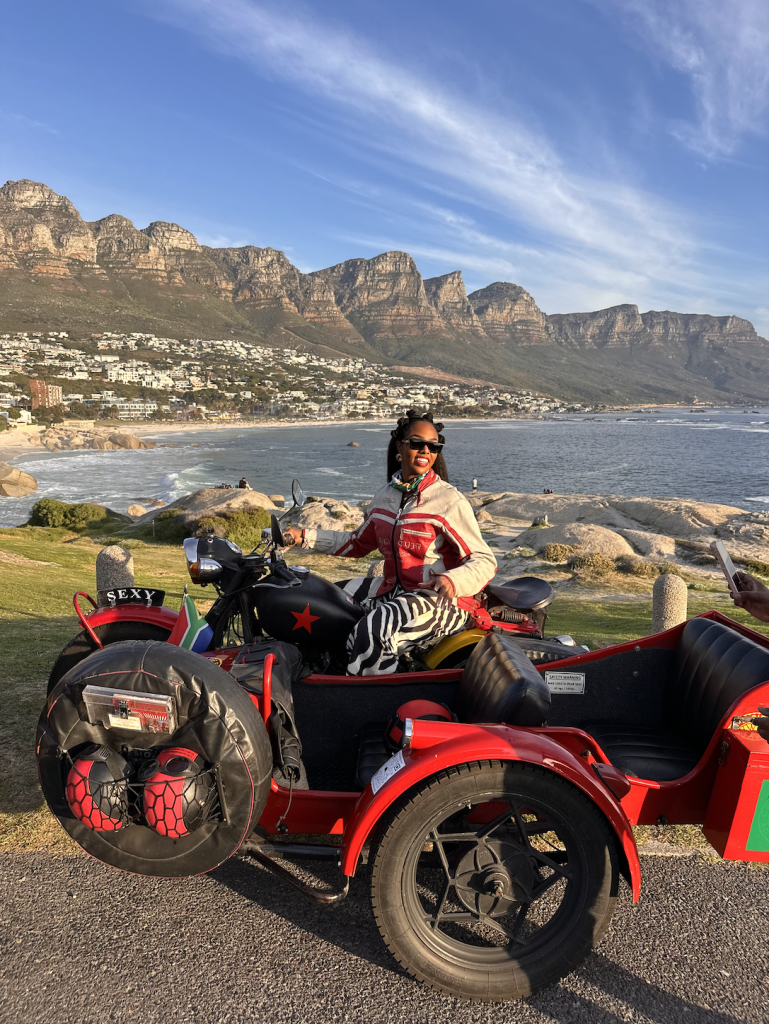
But the one experience that garnered the most envy from those back home was hitting the open road with Cape Sidecar Adventures in a sidecar attached to a vintage motorbike.
As we started passing through the city, we attracted attention from countless onlookers who smiled and waved as we zoomed by. Pulling into the 12 Apostles Mountain Range, which actually has 18 peaks, I step out of my sweet ride and stand in awe of the scenery.
Wherever your own adventure in Cape Town takes you, it’ll no doubt have some good views. And if you’re ever in doubt or in a bad mood, head to the penguins.
This story first appeared in the Summer 2025 issue of OFFSHORE. Click here to subscribe to the digital magazine.