
Palacio de Godoy Cáceres

This Spanish UNESCO City Just Got a Palace Hotel Worth Travelling For
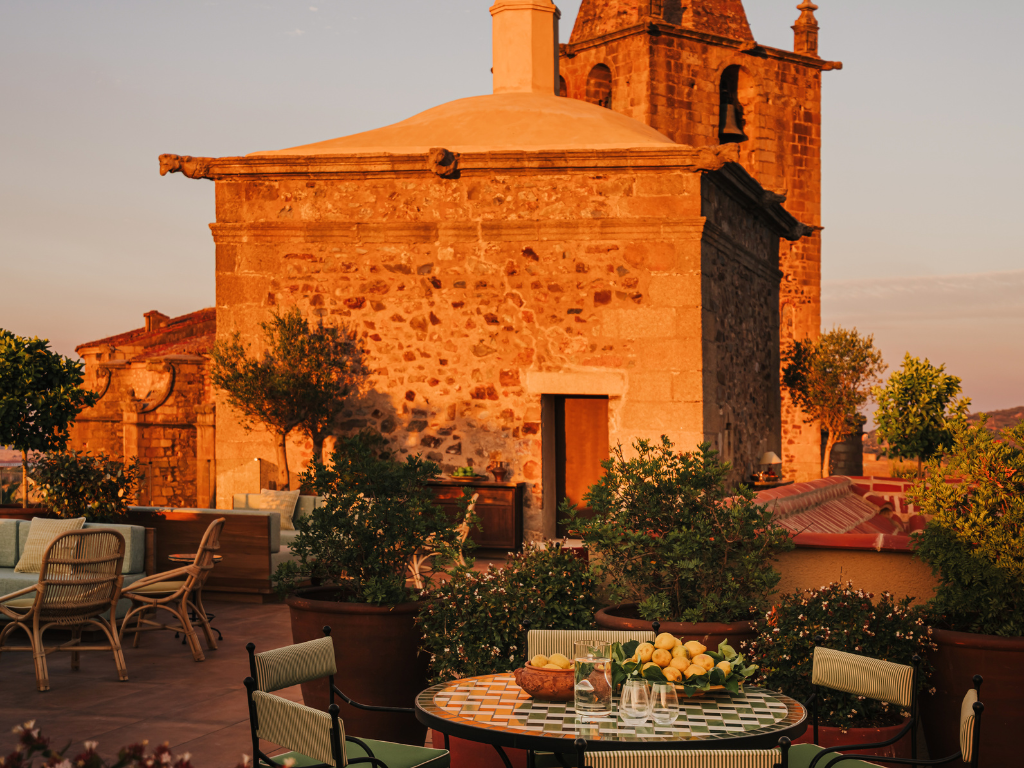
Few cities in Spain are as cinematic as Cáceres, the Extremaduran gem where cobbled streets and stone façades earned UNESCO World Heritage status in 1986. Now, the historic centre has a new jewel: the Palacio de Godoy Cáceres, Curio Collection by Hilton, which opened this September following a €14-million restoration of a 16th-century palace once home to conquistador Francisco Godoy.

The 73-room property blends heritage with contemporary flair. Interiors by BSV Arquitectos highlight original features, while gardens designed by Álvaro de la Rosa draw on native and New World plantings, irrigated by natural rock springs beneath the city. From the Bar Virú lounge to the rooftop terrace overlooking Cáceres’ medieval skyline, the hotel offers elegant spaces that invite guests to linger.

Dining is a central narrative. At Mamay Aldana, chef Antonio Manuel Céspedes Rodríguez pays tribute to the women of Extremadura, particularly Godoy’s mother, María de Aldana. Menus trace centuries of cultural exchange, blending regional traditions with the culinary influences brought back during the conquest of the Americas. The site itself once housed a maternity home, lending the concept even deeper resonance.

Palacio de Godoy Caceres

The hotel also features a spa and event spaces, positioning it as both a retreat and a gathering place. “It’s a remarkable building, intricately restored, and we’re confident guests will be amazed by its stylish interiors and relaxing outdoor spaces,” says general manager Joaquín Arimón.

Managed by Panoram Hotel Management, the project has created 60 local jobs and introduces Hilton’s lifestyle-leaning Curio Collection brand to Extremadura. For travellers in search of a less-discovered destination, Cáceres’ film-ready streets and rich cultural crossroads provide an evocative setting — now anchored by a palace reborn.

The Kensington’s Over-the-Top Marie Antoinette Stay Lets You Eat Cake
London has no shortage of royal attractions, but this autumn the spotlight falls on France’s most infamous queen. On September 20, the Victoria and Albert Museum opens its first major exhibition devoted to Marie Antoinette, on view through March 22, 2026. Sponsored by Manolo Blahnik, the show promises a lavish look at the monarch’s world through extravagant gowns, sky-high wigs, glittering jewels and decorative arts on loan from Versailles.

Just blocks away, The Kensington, a Doyle Collection property known for its townhouse style and residential feel, is rolling out a suitably regal experience: The V&A Experience: Marie Antoinette Style package. Guests booking the one-night stay will receive guaranteed tickets to the exhibition — even when sold out — along with accommodations in a room or suite with Juliet balcony or marble-clad bathroom.

Courtesy of the Doyle Collection

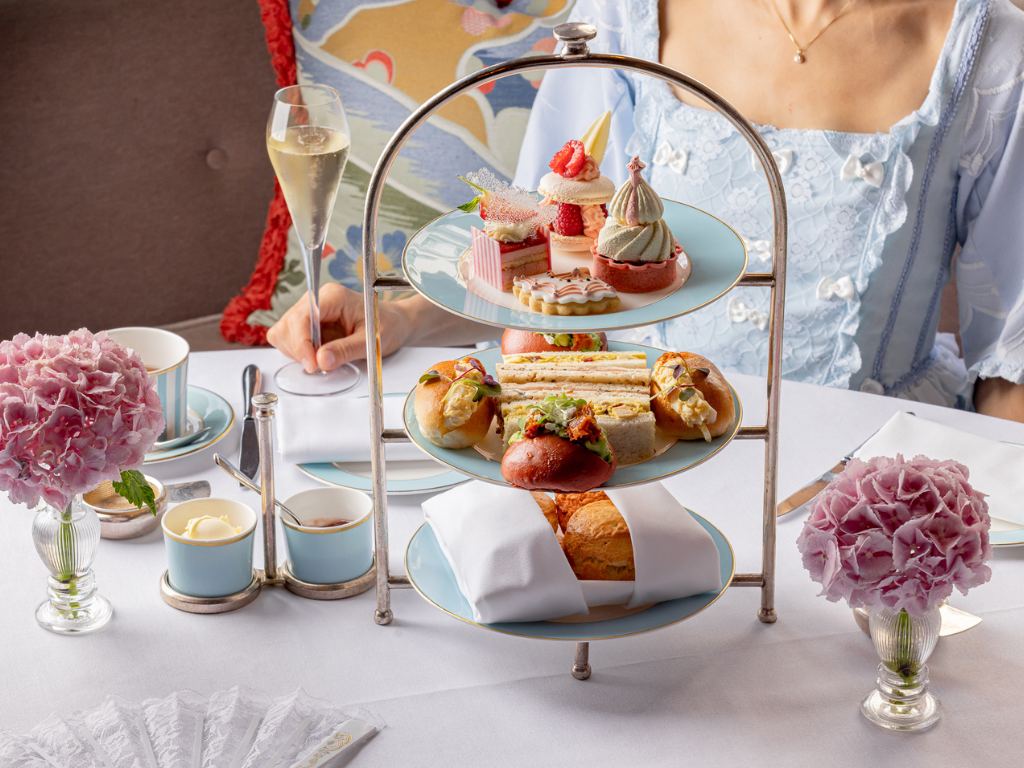
Sweet touches abound. Parisian treats inspired by the queen’s era, from Debauve & Gallais chocolate pistoles to Nina’s Versailles-blend tea, await in-room. The highlight is the hotel’s cheeky “Let Us Eat Cake” afternoon tea. Pastel-coloured pastries, lemon shortbread and savoury pink brioche sandwiches arrive on fine bone china, paired with Champagne, tea or the signature Queen’s Coupe cocktail. The ritual feels like stepping into an 18th-century salon, albeit with contemporary London polish.

For travellers who like their cultural immersion with a dash of decadence, the pairing of the V&A’s landmark show and The Kensington’s indulgent touches is a match made in Versailles heaven.

Culture, Cuisine, and Concerts: Ponant’s 2026 Cruises Are Floating Masterclasses
Luxury expedition line Ponant Explorations has long championed the idea that travel should educate as well as enchant. For 2026, the French-flagged fleet is doubling down with six new expert-led themed voyages that bring together culinary icons, art historians, geopolitical leaders and musicians for a series of journeys designed to deepen passengers’ connections to the world.

Food lovers can embark on Epicurean Delights: The Food & Wine of Sicily (April 11–19, 2026), sailing roundtrip from Valletta aboard Le Dumont d’Urville. On board, Sicilian food authority Fabrizia Lanza will lead tastings and talks, with acclaimed oenologist Laetitia Ouspointour offering wine pairings and Italian star chef Denny Imbroisi curating menus. Ashore, guests will explore how Greek, Roman, Arabic and Norman influences shaped the island’s kitchen.

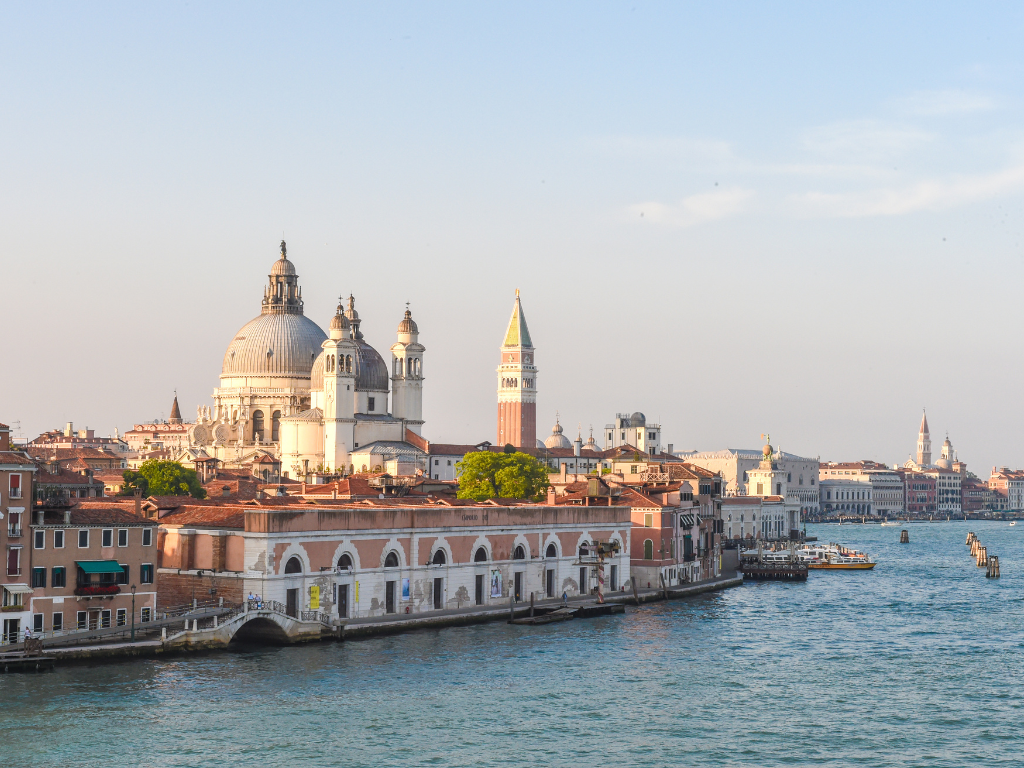
Art takes centre stage on itineraries tied to the 61st Venice Biennale. One voyage sails from Valletta to Venice (July 1–9, 2026) with private access to Pinault Collection spaces such as Palazzo Grassi, guided by Christie’s specialist Kathryn Widing. Another departs from Nice (July 10–18, 2026) to explore the French and Italian Rivieras and Corsica, with visits to homes where Renoir and Picasso once worked, and lectures by Ottavia Marchitelli and G. Max Bernheimer of Christie’s.

Culture extends into performance with Sailing the Mediterranean with the Paris Opera Ballet (July 29–August 6, 2026), which includes exclusive shows both onboard Le Boréal and ashore in Corsica and Tuscany. Music aficionados may prefer A Symphony at Sea: The Musical Traditions of Greece (October 18–25, 2026), with Boston Pops conductor Keith Lockhart and fellow musicians performing throughout the voyage.

For travellers seeking a different kind of expertise, A World Affairs Voyage (August 26–September 5, 2026) journeys from Copenhagen to London with Admiral James Stavridis, former NATO Supreme Allied Commander, leading discussions that link historic ports to current geopolitics.

“Each voyage is designed to offer meaningful engagement with the cultural fabric, historical context and contemporary significance of the places we explore,” says Samuel Chamberlain, Ponant’s CEO of the Americas. Fares begin around CAD $7,500, with all-inclusive amenities from Michelin-inspired dining to shore excursions in each port.

Toronto Harbourfront

Toronto’s Water/Fall Festival is Ready to Make a Splash
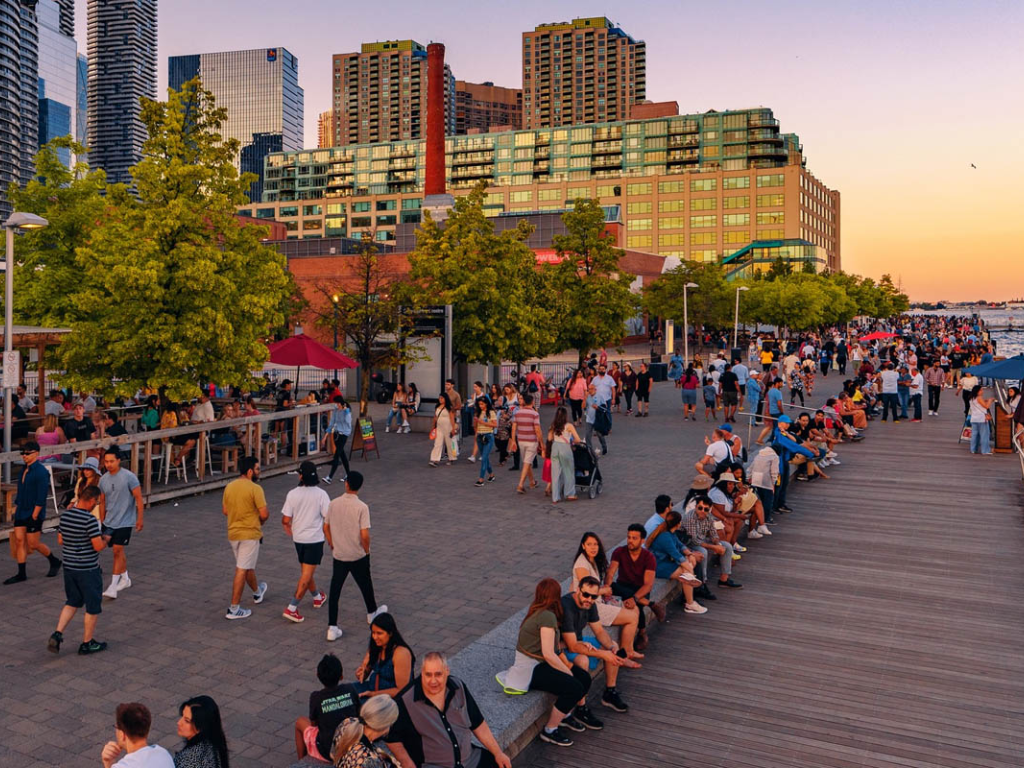
This September, Toronto will welcome a new festival that puts water centre stage. From September 20 to 28, the inaugural Water/Fall Festival will spill across the city with large-scale art installations, live performances, and thought-provoking talks exploring the beauty and urgency of our relationship with water.

Anchored at Harbourfront Centre and Ontario Place, the programming will ripple into public squares, waterfront parks and even unexpected downtown nooks. One highlight is the Urban Waterfall Project, a towering installation designed to surprise visitors with a dramatic rush of sound and spray in the heart of the city. Another is Reflections, an outdoor projection series that transforms building façades into moving canvases of glimmering water imagery after dark. Families can join hands-on workshops at Harbourfront, while Ontario Place will host multimedia experiences and concerts with water-inspired soundscapes.

A copper canopy at Toronto Harbourfront Centre

The festival isn’t just about spectacle. Curators have invited scientists, Indigenous water protectors, artists and urbanists to share ideas through panels and dialogues, including sessions on clean-water equity and the future of sustainable cities. For the playful at heart, there are interactive elements such as misting walkways and a “river soundscape” where visitors can stroll through shifting audio streams.

“Water is life, water is story, and water is play,” says artistic director Ravi Jain. “The Water/Fall Festival is a way of reminding Torontonians that water shapes our city and our future.” The nine-day celebration will culminate in a closing night performance at Ontario Place featuring a full symphonic score set to projected visuals of waterfalls from around the world.

Free to attend and spread across multiple venues, Water/Fall promises to be both a spectacle and a conversation starter — a reminder that the most ordinary element of our lives can make for some pretty extraordinary moments.

Cape Town Cool: Wine and Wellness in South Africa’s Capital
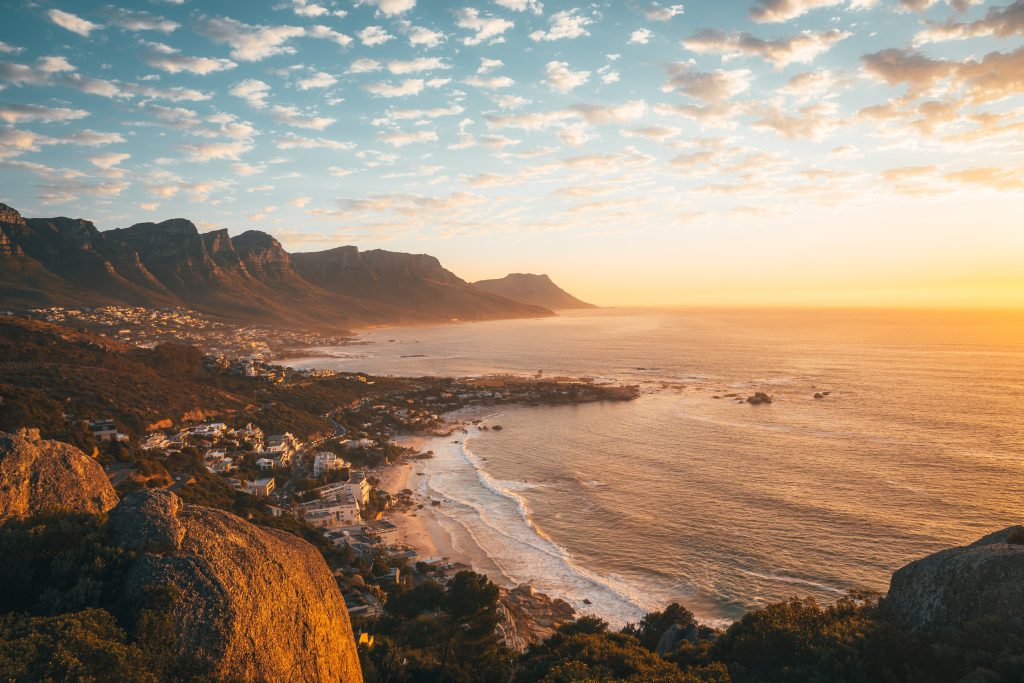
Ann Ruppenstein explores South Africa’s second largest city by helicopter, sidecar, Jeep and on foot and discovers why this captivating coastal destination — along with a little bit of wine and wellness — is good for the soul.

As our convoy of Jeep Wranglers — blood red, bright yellow and dark grey — zipped past striking views of the imposing Table Mountain range towards miles of sloped vineyards, tour guide Marzahn Botha shared that Capetonians have found the perfect antidote for those suffering from a bad case of grouchiness. 

“How can you look at a penguin and still stay angry?” Botha, a driver with the all-female operated Jeep Tours Cape Town, says smiling from behind the steering wheel.

The first stop on our road trip adventure is Boulders Beach, home to a colony of African penguins that multiplied from two breeding pairs in 1982 to more than 2,000 penguins, garnering a reputation as a must-see on itineraries to South Africa’s second largest city. 

While I’m certainly not in a bad mood on arrival, as I witnessed several penguins waddle down the beach with their stubby legs to submerge into the water, I couldn’t help but feel happy. “The beach has these huge granite boulders and that’s where the name Boulders Beach comes from,” she explains. 

Topping penguin thrills is not an easy feat, but as we rounded the corner at the nearby Cape Point Vineyards estate a short while later and encounter sommelier Sifiso waiting on the side of the road with bottles of chilled wine ready to hold a private hillside wine tasting overlooking the Atlantic coast, I’m ready and willing to give it a shot. After a glass (or two in the name of research) of the reserve Sauvignon Blanc that’s been aged in French Oak barrels and made to “carry the characteristics of a completely different grape — chardonnay,” we head to the main building of the winery for a Braai luncheon, a local term for a social gathering of friends and family where the meat is prepared over an open fire or an outdoor grill for an experience that lives up to the name.

(PSA: it’s not only handy to have a DD so you can delve into the local wine scene while on tour, it can also be a wise idea since South Africans drive on the left side of the road, which can be a little daunting for North American travellers. Day trips are fully customizable and can include wine tastings at notable estates in Stellenbosch, Franschhoek and Constantia or thrilling rides through white sand dunes).

Back in the Jeep, stuffed, with the top down and the wind blowing in my hair, the journey continued along Chapman’s Peak Drive. Admiring the dramatic coastal views, it’s easy to see why this stretch of the road constantly gets named as one of the most scenic drives in the world.

The winding road has 114 curves and rivals the Road to Hana in Maui or the Amalfi Coast in Italy for its beauty. “I think this is one of the most beautiful places in the world,” Botha notes, approaching a section of the road that is cut into the side of a mountain scape on the edge of the water.

The colours of Bo Kaap

Next up, we’ve traded in our Jeeps to explore Bo-Kaap, a historic community known for its vivid and colourful houses, on foot. Along with hands-on culinary lessons, Zayed Harris of Bo-Kaap Cooking Tour provides insights into the significance of the neighbourhood that was long populated by slaves. In front of a lime green and a hot pink house, Harris explained that during the Apartheid era, people of colour were restricted from owning property in the area.

Fast forward to 1980, at the height of the political struggle of South Africa, Bo-Kaap was at the heart of the struggle in Cape Town.

For the first time, residents were able to own the homes their families had lived in for hundreds of years. 

“It was a huge thing for us to finally own this piece of property,” Harris said. “So, we grabbed our savings, we bought the house and we found the cheapest paint we could find,” Harris continued.

“Like naughty kids with crayons, we went crazy with colour.”

While the pastel-painted houses still represent an expression of freedom, identity and cultural heritage, he said the colours change frequently, with the only rule being that you can’t paint your house the same colour as your neighbours’ house. “Next time you’re here and you think, now wasn’t that house green before? It probably was, the owner just got sick of it,” he notes, adding that it’s common for owners to slap on a fresh coat of paint every two to five years. 

Today, Harris’ family focuses on teaching visitors how to make traditional Cape Malay dishes ranging from spicy curries to stews, roti and samosas. “Cape Malay cuisine is synonymous with Cape Town; you won’t find this anywhere else in the world,” he says. Joining his mom and sister, we try our hand at preparing a lunch feast loaded with culinary traditions. The best part, of course, is getting to taste our creations, which are delicious beyond words. 

For another amazing vantage point, the coast of Cape Town is a sight to behold from above. Taking to the skies with NAC Helicopters Cape Town is another uplifting experience. Soaring over Robben Island, where Nelson Mandela spent most of his prison sentence to seeing the coastal mansions in the affluent Clifton suburb area against the backdrop of the Lion’s Head peak jetting out 669 metres in the air, the flight is nothing short of spectacular. The experience kicks off with a glass of bubbly and a walk down a red carpet to meet your pilot, setting the tone for what’s to come. 

But the one experience that garnered the most envy from those back home was hitting the open road with Cape Sidecar Adventures in a sidecar attached to a vintage motorbike.

As we started passing through the city, we attracted attention from countless onlookers who smiled and waved as we zoomed by. Pulling into the 12 Apostles Mountain Range, which actually has 18 peaks, I step out of my sweet ride and stand in awe of the scenery.

Wherever your own adventure in Cape Town takes you, it’ll no doubt have some good views. And if you’re ever in doubt or in a bad mood, head to the penguins.


This story first appeared in the Summer 2025 issue of OFFSHORE. Click here to subscribe to the digital magazine.