An all-villa and suite luxury resort is coming to Vietnam

IHG Hotels & Resorts will launch the first resort from its upper-luxury brand, Regent Hotels & Resorts in Spring 2022 in Southeast Asia.

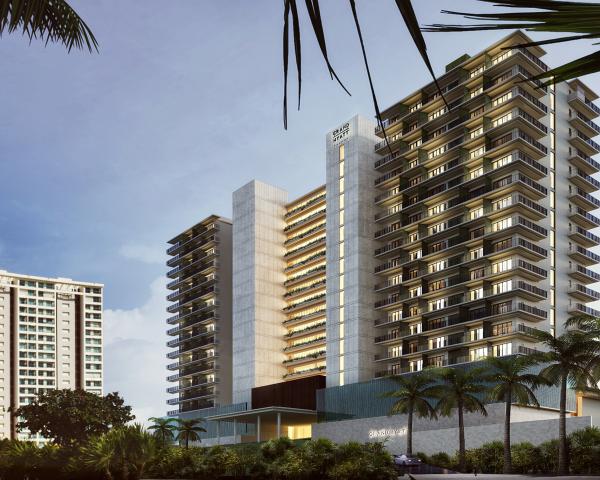
Situated off the southwest coast of Vietnam, alongside a UNESCO-designated World Biosphere Reserve and located just 15 minutes from Phu Quoc International Airport, guests will be able to immerse in Regent Phu Quoc’s spectacular 176 suites and 126 villas, set against the serene waterfront backdrop of Long Beach.

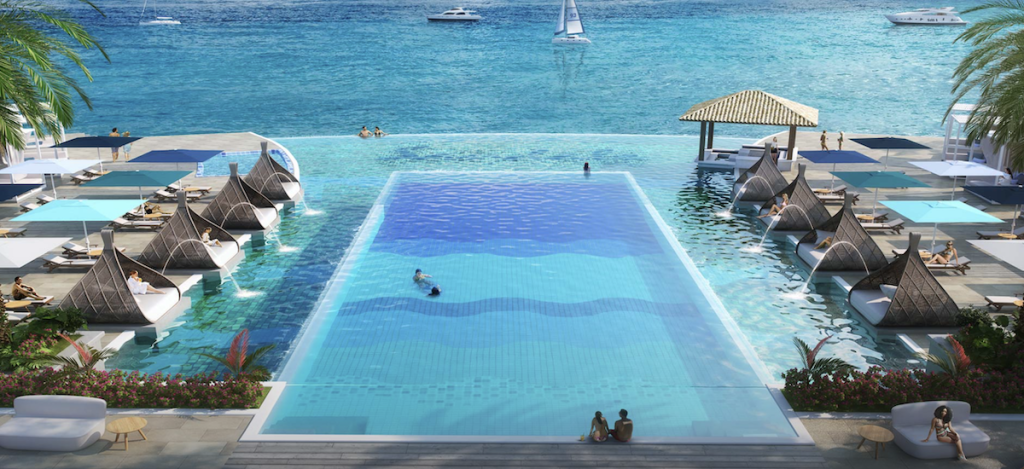
Designed by BLINK Design Group, who were inspired by the island’s tropical abundance and tranquil surrounding, the villas at Regent Phu Quoc reveal panoramic views of the pearlescent ocean and sky with a private infinity pool. The resort offers multiple accommodation options perfect for both couples and families, from one-bedroom havens to expansive seven-bedroom ultra-villas, including beach pool villas with direct access to the pristine white beach, sky pool villas situated high in the Sky Wing boasting breathtaking ocean views and lagoon pool villas which overlook the striking vista of the resort’s lagoons.

Sky Pool Villa Pool Deck

Guests will be greeted by a modern interpretation of Vietnamese roofs, and a variation of the local traditional wooden truss structural system, known as the Bovi, has been developed into subtle patterns found on screens, carpets and accessories. Another local style known as Gian Nha- comprising small pockets and courtyards within a traditional Vietnamese house- is the inspiration for the courtyards featured in villa designs. The boundaries of indoor and outdoor areas blur through intelligent zoning across the resort as an homage to Gian Nha, providing privacy within a luxurious setting in this evolution of a traditional way of living.

Main Pool

From day to night, six curated venues at Regent Phu Quoc offer multi-sensorial experiences, celebrating the world of gastronomy, creating experiences that encourage guests to immerse themselves in the moment.

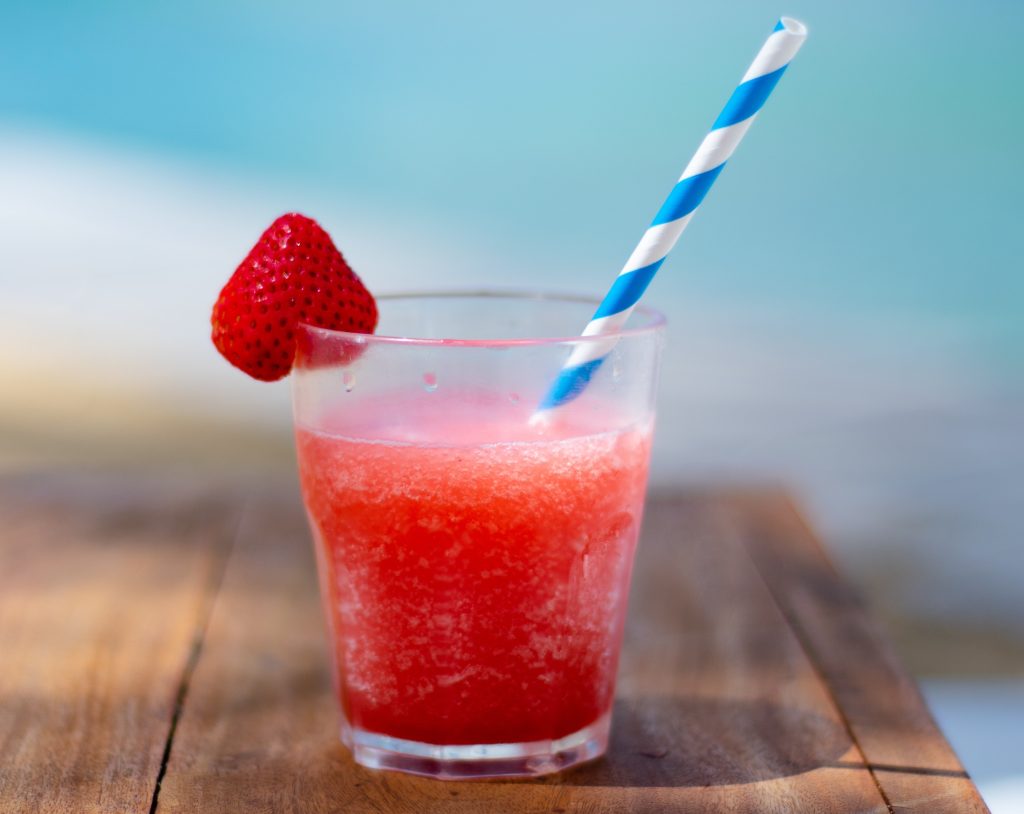
Among the six world-class restaurant and bar creations are Oku, an enchanting Franco-Japanese Salon de Boeuf serving the finest beef cuts and sushi at the Omakase counter; Rice Market, an all-day dining restaurant that takes diners on a culinary journey through Southern Vietnam and north towards the border of China; Ocean Club, a Mediterranean inspired beachfront venue that features rum-inspired cocktails and a live in-house DJ.; Lobby Lounge, a relaxing parlor offering all-day fare and beverage specialties that transform together with the time of the day; Bar Jade, a speakeasy for fine artisanal spirits and custom cocktails mixed with fresh local herbs; and Fu Bar, an exclusive sky pool terrace & bar specializing in gin-focused cocktails and inspired local bites.

Ocean Club

The Spa at Regent Phu Quoc redefines wellness experiences through innovation and design, offering a curated approach of contemporary and traditional treatments that go beyond the ordinary. Guests can experience a highly personalized wellness itinerary guided by the resident Holistic Wellness Coach. The resort’s holistic wellness programs include Acoustic/Vibrational Therapy complemented by the Welnamis System and Psammo Hot Sand Therapy on an exclusive quartz bed designed by Gharieni, one of the world’s leading spa manufacturers in addition to Biologique Recherche and the Pedi:Mani:Cure concept salon by renowned podiatrist Bastien Gonzalez. The Health Club features a fitness centre, reset meditation studio and rooftop yoga pavilions to recharge and rejuvenate.

The Spa

Nearly half of Phu Quoc island is a National Park. The northern part of the island is home to 121 square miles of lush tropical forest which has been declared as a UNESCO World Biosphere Reserve, while the southern part of the island is popular for its pristine white sand beaches. Regent Phu Quoc introduces a range of immersive destination experiences manifesting the rustic charm of an idyllic island life.

Explore the heart of Mexico with a visit to the colourful colonial city of Guanajuato

Known as the heart of Mexico, Guanajuato is home to boutique hotels, vibrant colonial cities, top notch tequila, gastronomical experiences, Instagrammable views and passionate people.

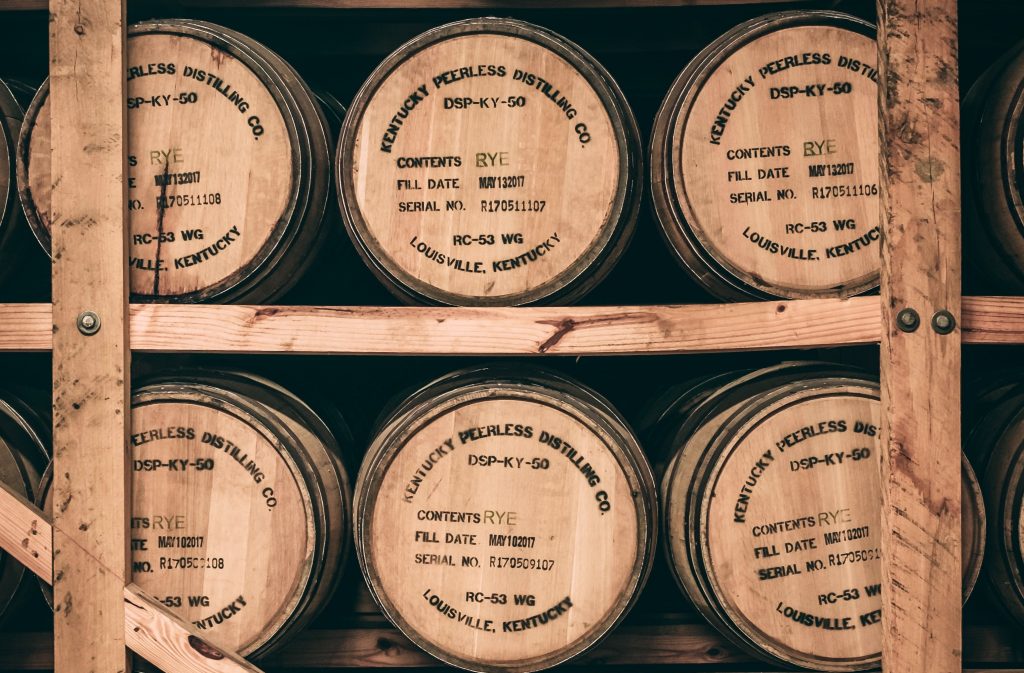
It’s hard to appreciate or understand just how much time goes into producing a bottle of tequila. That’s why one of the premium tequilas at the Tequila Corralejo distillery boasts the name 99,000 Hours to call attention to the lengthy amount of time it takes to create the añejo (old) spirit. 

“Eleven years and three months is the time of the whole process. From when the agave is planted until the harvest, it’s eight to 10 years. Then comes the process in the company [for roasting, distilling] and aging it for one year and a half,” says Nohemi Murillo, e-commerce manager and marketing executive at Tequila Corralejo. “The shape of this bottle is like a tree. It represents that we wait patiently to do something right. We are passionate and proud of the final result. We are so proud of our tequilas.”

The distillery is housed in a hacienda that’s roughly 1.5 hours from Guanajuato City and two hours from San Miguel de Allende, two colonial cities that are a must to visit in Guanajuato, which is also the name of the Mexican state. 

Here, a walking tour (free guided tours are available daily) reveals more insight into the process of making tequila, which can only be made using blue agave. Notably, you have to pass through a confessional to get to the storage area for Tequila Corralejo’s best tequilas, including 99,000 Hours.

The hacienda is open 365 days a year and produces its own bottles so along with an impressive collection of tequilas and whiskey to choose from, it’s an ideal spot to pick up glassware like vases and shot glasses. 

Murillo’s tour ends by sharing the product that’s at the heart of the business — the tequila that’s 99,000 hours in the making. With a smile on her face, she eagerly distributes a sample to everyone, passionately describing its smooth flavour profile. 

This passion winds up being a common theme across the people we encounter along the way over the next week across Guanajuato, from tour guides to restaurant owners to artists. Along with the highlights of the destinations themselves, it’s arguably the charm of the people that make the region known as The Heart of Mexico so special. 

It’s easy to see why San Miguel de Allende has become a popular spot for North American travellers. This city has a thriving culinary scene, delightful colonial Spanish architecture and photogenic boutique hotels. 

While Guanajuato City isn’t yet all well known in the Canadian market — it likely won’t be that way for long. For anyone looking for an alternative to their beach getaways or to tag on an authentic destination to a sunny stay, this UNESCO designated city offers something for everyone. With over 3,200 alleys to meander through, it’s indeed a city that’s best discovered by foot — and there’s a photo opportunity around every corner. For a stunning view of Guanajuato from above, take the funicular or steps up to Al Pipila monument. From below, the vibrant city almost appears toylike. 

Boutique luxury hotels are the norm across Guanajuato. In Guanajuato City, a great option is Casa del Rector, which has an awesome courtyard restaurant and a hard to top view of the colourful city from its rooftop bar. The boutique hotel also offers experiences like tequila and chocolate tasting with Jonathan Martinez of Xocola-T. Be prepared for chocolates with a twist — his creations have some unexpected ingredients like grasshoppers or fried pork skin, which pair surprisingly well with the chocolates. 

Another unique choice is Villa María Cristina, a member of Small Luxury Hotels of the World. The luxury villa has nineteenth-century roots and is like a labyrinth of discovery. For an Instagrammable stay near the tequila farms and plantations of Penjamo, look no further than Real de Piedra Hotel. If it looks straight out of a luxe magazine, it’s because the 20 room boutique hotel is owned by an interior decorator. For a modern hotel that’s steps away from the cobblestone street featuring one of the most iconic views of San Miguel, check into Hotel Matilda. Whether or not you spend the night, be sure to visit the rooftop Luna Rooftop Tapas Bar at Rosewood San Miguel de Allende for delicious tacos and spectacular views of the city. 

Travellers are drawn to Guanajuato for its boutique hotels, Spanish colonial architecture, gastronomical experiences and Instagrammable cities, but somewhere along the route you’ll discover it’s about so much more.  

This luxury train will take you to 14 magical destinations across Europe in style

More than 150 years ago, Georges Nagelmackers turned a dream into a reality when he launched the first luxury Orient Express train. Soon, Orient Express will head back on track to offer travellers an unforgettable journey through one of the world’s most beloved countries: Italy.

The Orient Express La Dolce Vita will welcome its first passengers in 2023. Six trains will embark through several iconic itineraries across 14 regions and beyond, including three international destinations from Rome to Paris, Istanbul and Split.

A magical stopover in Rome will feature the very first Orient Express Hotel, Minerva, scheduled to open in 2024.

The concept for the new Orient Express La Dolce Vita trains pay tribute to “La Dolce Vita”, a historical period of glamour, joie de vivre and artistic fervour in Italy during the 1960s.

With support from Accor, La Dolce Vita train’s official hospitality partner, and thanks to the partnership with Trenitalia and Fondazione FS Italiane, the journey invites passengers to travel through more than 16,000 kilometres of workable railway lines – 7,000 kilometres of which are not electrified and are vestiges of Italy’s storied history.

The Orient Express La Dolce Vita offers a new way of experiencing the country: an environmentally-friendly adventure where forgotten roads are explored, hidden treasures discovered and where architectural triumphs take centre stage.

Designed by Dimorestudio, the global architectural and design studio founded by Emiliano Salci and Britt Moran in 2003, the Orient Express La Dolce Vita train embodies the Italian art of living and all its beautiful traditions with a more contemporary spirit of travel.

The train’s sumptuous decor will adorn 12 Deluxe cabins, 18 Suites, and one Honour Suite and restaurant, all boldly celebrating the craftsmanship, design and creativity of the 1960s and 1970s.

In collaboration with renowned local and international chefs and sommeliers, travellers will experience five-star service on board, savouring the beauty and excellence of “Made in Italy” through award-winning Italian wines and exclusive haute cuisine.

Before departure at the Roma Termini station, the Orient Express executive lounge will welcome passengers offering them a selection of refreshments in a convivial and elegant space, complete with dedicated services and staff to assist them.

The itineraries have been chosen to create unique travel experiences, all capable of awakening our five senses. Most will start in Italy, revealing the wonders of the Alps, the bucolic countryside, or the paradisiacal beaches of southern Italy. In addition, three dedicated itineraries will take you through eight countries, linking Rome to Paris, Istanbul, and Split.  

This luxury hotel in Ibiza has an on-site spa devoted to anti-aging treatments

This November, Six Senses Ibiza is launching a series of longevity treatments and programs in collaboration with RoseBar, with a view to opening a one-of-a-kind longevity center in May 2022. It combines diagnostics with nutritional guidance and anti-aging treatments to achieve greater vitality, clarity of mind, and a youthful appearance at any age.

Along with its own scientific advisory board, RoseBar has teamed up with a world-class biotech company and AI specialist. Using advanced diagnostic algorithms, RoseBar explores next generation anti-aging treatments and nutraceuticals.

“Working with RoseBar, we believe longevity does not need to be served in a clinical environment,” says Anna Bjurstam, Six Senses Wellness Pioneer. “That’s why our longevity programs are a mix of science and spiritual work that can be integrated into a client’s daily life or stay at Six Senses Ibiza. Not only does this mean you’re surrounded by beautiful nature, but you can also access complementary treatments and therapies within our Six Senses Spa, or bespoke menus to amplify the benefits. It’s a holistic way to stretch your prime years and maximize your strength, energy and love of life.”

With 116 guest rooms and suites, Six Senses Ibiza combines a secluded bay setting with a comprehensive range of amenities and seasonal programming, farm-to-table dining, music, art, sustainable fashion, culture, and wellness. Each experience is inspired by the traditions and values of the island’s north to deliver an intentional destination that provokes meaningful moments of community, spirituality and celebration.

The RoseBar Essential Diagnostic starts from EUR 1,050, with multi-day programs starting from EUR 2,550.


Croatia..beautiful surprises are waiting for you

In Croatia, almost anywhere the land meets the water, rough steps carved from pure white limestone jut into the teal waters of the Adriatic Sea. The country’s impressive coastline is among the largest in the Mediterranean and has quickly gained recognition as one of Europe’s most beautiful.

Here, white sand beaches and towering palms are scarce. Instead, in July and August, when the heat from the sun is at its strongest, locals young and old can be found sprawled out on the nearest rock ledge that hangs over the sea, the rays turning their skin to a deeper shade of burnt bronze, while fishermen set up their boats and inspect their nets in preparation for a day on the water.

In 2011, 8.5 million international tourists trickled into Croatia. That year was also the same year that the first episode of what would eventually be one of HBO’s most popular television shows, Game of Thrones, aired with scenes filmed throughout the old town of the medieval city of Dubrovnik.

Now, a decade later, Croatia’s tourism numbers have more than doubled. Dubrovnik, though enchanting with its symmetrical orange clay roofs and ancient stone walls should by no means be the only city on your itinerary. As one of the five main airports in the country (Zagreb, Pula, Split, and Zadar being the others), Dubrovnik serves as the perfect jumping point for an extended Croatian holiday.

With its colourful coastal towns, balmy weather, and reputable culinary scene, Croatia is a country that can easily be explored from top to bottom.

Story & photos by CHRISTINE HOGG

HVAR

With more than 1,000 combined islands, reefs, and islets, Croatia’s archipelago is the largest in the Adriatic Sea, and the country has the second largest number of islands in the Mediterranean, second only to Greece.

The majority are inhabited, though some are home to only dense pine forests, wild boar, wolves, and bears, and secret beaches, whose crystalline waters can still be reached by boat for an exciting day trip.

Perhaps one of Croatia’s best islands, Hvar, is to Croatia what Ibiza is to Spain. Easily reached by ferry from Dubrovnik two times per day during the high season, Hvar is a destination that’s steeped in rich nightlife, making it an ideal spot to escape the larger crowds of Croatia’s landlocked regions, while still enjoying the social comforts a city can bring.

Hvar island is also home to the town of Hvar (not to be confused with the island itself ), which dates back to the 13th century. It’s the biggest settlement on the island, and where the majority of restaurants, bars, and shops are located. Hvar acts as an open-air museum to the past, with many well-preserved sites, like the Stari Grad Plains, an agricultural landscape that were constructed in the fourth century by the ancient Greeks.

One of the best ways to take in the entire island, including Stari Grad (just 25 minutes outside of Hvar town) is by renting a gaspowered scooter or a quad for the day.

From mid-June to mid-July, the island of Hvar is bathed in a sea of blooming, violet-coloured lavender fields, with the majority of the fields being on the stretch of road that connects Stari Grad back to Hvar town. When lavender is in season, the fragrant floral also makes its way onto the gelato menus all over the island, where a popular flavour combo is one scoop of lemon, and one scoop of lavender.

SPLIT

Split, Croatia's coastline from the Adriatic Sea features the towering white Cathedral of Saint Dominus

Head back to mainland Croatia for a brief visit by taking the ferry from Hvar to Split.

Arriving by water, Split’s picturesque skyline which features the towering white Cathedral of Saint Dominus, constructed in 305 AD, is the first glimpse visitors will have into the city’s thrilling past.

Split is Croatia’s second largest city and one of the country’s most popular tourist destinations, thanks to its easy link to the surrounding Adriatic islands. It’s a city whose history is as beautiful as it is complex, and in the heart of it all lies a nearly 2,000-year-old compound built for a former emperor, known as Diocletian’s Palace. Its immaculately preserved grounds form a protective rectangle around the historic city of Split, with hundreds of shops, bakeries,
and restaurants found on the grounds.

Visitors to the palace are greeted by a 3,000 year-old Egyptian sphinx made from black African granite, which is said to have been dragged all the way from Egypt to Croatia under orders from the emperor himself.

Don’t miss the massive underground market inside of Diocletian’s Palace where tourists can purchase anything from genuine coral jewellery to stuffed lavender pillows and silk ties.

ZADAR

Continue heading north along Croatia’s Dalmatian coast to the city of Zadar, unmistakable for its dazzling white limestone streets and lively waterfront. In the evenings, listen along to the strums of soft guitar music and sing along to traditional Croatian songs that eventually lead to dancing in the streets.

The city of Zadar has a striking promenade with major fashion labels and an overwhelming restaurant scene that extends well beyond North America’s traditional palette.

A country that’s famous for its creative expression, whether through the visual arts, theatre, or, perhaps most importantly, music. Zadar is also home to several modern art installations, including the Sea Organ (2005), an experimental architectural instrument that uses the waves of the Adriatic Sea to produce randomized chords of music, which occur when the water flows into a series of pipes and a cavity constructed below a set of concrete steps, and the Greeting to the Sun (2008), a large circle made up of 300 glass solar panels. In the evening, the panels emit coloured lights, and the art installation transforms into a dance floor.

PULA

At one of Croatia’s northernmost points, and directly across The Adriatic Sea from Venice, Italy, lies one of Croatia’s best-kept gastronomical secrets —Pula.

Most easily reached by plane from Zadar aboard the regional carrier, Croatian Airlines, Pula is Croatia’s eighth largest city, located in the Istrian Peninsula. Much of its tourism stems from its impeccable food and wine offerings, which are much different than the cities further to the south.

The Istrian region gained even more recognition in 2012, when the late celebrity chef Anthony Bourdain traversed through Croatia to film an episode for his series, “No Reservations”. During the episode, Bourdain hunted for rare white and black truffles that nowadays can fetch upwards of 2,500 euro for even the smallest mushroom. 

While the restaurants found along the Dalmatian coast all serve the freshest catch of the day and a series of traditional pastas, including frutti di mare (grilled squid, clams, and shrimp done in white wine garlic or tomato sauce), in Pula, the diet becomes largely influenced by the proximity of Croatia’s next door neighbour, Italy.

Here, the wine flows as freely as the olive oil, which is poured on everything from woodfired pizza crusts to hearty traditional stews and soups. Homemade olives make their way onto charcuterie boards and meat dishes are featured more prominently on the menus.

Croatia is home to more than 300 geographically-designated wine regions, with a history of winemaking that dates back 2,500 years when the Ancient Greeks inhabited the area and planted the first grapes. Istria’s rich, red soils and sub-Mediterranean climate enables the wines made here to be flavourful and full-bodied. Food and wine tourism continues to dominate the Istrian Peninsula, and many culinary tours are available for booking.

Eat Istria, led by Istrian-born Goran Zgrablić, is one such company that offers both private cooking classes and organized wine tours. Guests can try their hand at rolling out traditional Croatian pasta (fuži), or chopping vegetables and preparing meat to make a traditional žgvacet or brodet goulash.

Not to be missed in the quiet city of Pula is the Pula Arena. Constructed between 27 BC and 68 AD, this Roman amphitheatre is one of the world’s largest six surviving arenas, and the only one of its kind to have all four walls preserved. Purchasing a ticket grants entry to the ancient seating area, where gladiators and beasts once faced off for royal entertainment, as well as a museum located beneath the arena where ancient artifacts can be viewed.

With their endless historic archaeological sites, modern attractions, breathtaking beaches, and culinary delights, these four regions are among Croatia’s most popular tourist destinations, and all provide yearround entertainment, whether visitors come in the high season or the low season.

Visit offshoretravelmagazine.com for more Croatia and updated information on travel arrangements.

Europe’s most beloved Christmas markets

Christmas markets in Europe are a sensory experience. From picking up and touching artisanal products, to sifting through a heavenly assortment of homemade baked goodies; to graciously sampling chocolate or cheese, there is so much to see and do. Some of the world’s most beloved Christmas markets in years prior, after a two-year hiatus, have returned, back with measures to ensure that your experience is as safe as it is memorable.
Safety protocols in place, combined with high vaccination rates and low case counts, has earned several countries a spot on the list of Europe’s safest Christmas markets. While Germany, France, and Austria have world-famous set-ups, this year, Eastern Europe continues to enchant.

Story by Christine Hogg

Tallinn, Estonia Christmas Market lit up at dusk

Estonia’s capital city is home to an annual Christmas market that takes place from Nov. 19 to Jan. 2, 2022 at the Town Hall Square, in the centre of Tallinn Old Town. Every year since 1441, a towering Christmas tree is set up in the middle of the market and decorated in a display of dazzling lights. This year, the festivities will extend throughout the city’s Old Town. Estonia is currently open to fully vaccinated travellers with zero restrictions in place, which means this year’s Christmas market will be in full swing, with local artisans selling everything from traditional Estonian cuisine to hand-painted ornaments.

Many of the various products and goods found in Talllinn’s Christmas market can’t be found anywhere else throughout the year, including fur coats and hand-carved wooden ornaments.
(visitestonia.com/en/tallinn-christmas-market)

The Gdańsk Christmas Fair runs from Nov. 23, 2021 to Jan. 1, 2022 in Targ Węglowy, which is a square in the city centre. Don’t miss the beautiful Christmas tree next to Neptune’s Fountain at Long Market (Długi Targ), or the ferris wheel on Granary Island (Wyspa Spichrzów)., which, despite sounding like a remote spot, can be reached in five minutes by car from Gdansk’s main square. During the Christmas fair, four street names have been cleverly changed to Chocolate, Cinnamon, Angel or Christmas Eve Street. For the very first time, a five-metre-tall gate that’s decorated with Gdańsk’s largest advent calendar will open a new window every day to mark the Christmas countdown.

Santa himself will be at the fair starting Dec. 6, handing out sweets to children. Since the market is located right in the old town, there are also plenty of side streets to wander down to do some last-minute Christmas shopping at the many inviting boutiques.
(poland.travel/en/travel-inspirations/the-annual-gdansk-christmas-market)

Taking place this holiday season from Nov. 25 to Dec. 23, 2021, Basel’s Christmas market can be found in the centre of the Old Town in the cozy squares of Barfüsserplatz and Münsterplatz. With two Christmas markets on offer, visitors can expect no shortage of ways to get into the holiday spirit. At the Barfüsserplatz, market stalls with white roofs offer an assortment of handmade ornaments, gifts, and treats, including famous Swiss fondues and milk chocolates. The Christmas market at Münsterplatz is set at the base of the breathtaking Basel Minster cathedral, done in Romanesque and Gothic architecture, and dating back to the year 1019. At Christmastime, more than 180 vendors are on site, and food plays a major role, with all kinds of delicacies, sweet and savoury, available for purchase to eat on site or to take home, including the famous Swiss raclette and sizzling grilled sausages. This year, there’s plenty to see and do. Guests can enter St. Martin’s tower from Dec. 2 to Dec. 20 to take in the sea of tinkling lights across the square. The Basel Wish Book has also returned for another year, and allows visitors from around the world to write a special note to Santa Claus, or send well wishes out into the world.
(basel.com/en/events/christmas/christmas-market)

Considered the oldest Christmas market in Germany, and the oldest authentic Christmas market in the world, the Dresden Christmas market (also called the Striezelmarkt) began as a one-day event back in 1434. Now in its 587th year, the Dresden Christmas market takes place this year from Nov. 26 to Dec. 24. and is one of the best Christmas markets suited for children and families, thanks to attractions like a puppet theatre, merry-goround, and a children’s railway in recent years. A stretch of the market on the Prager Straße, known as Winterlights of Dresden, features a 15-metres high Christmas tree as well as a series of dazzling light displays. Meanwhile, the Christmas market at the Frauenkirche, one of the city’s most historical churches, includes an eight-metre tall climbable pyramid that’s covered in handcarved wooden figurines, and a series of traditional products for sale by local craftsmen.
(dresden.de/en/tourism/attractions/events/christmas-season/dresden-christmas-markets.php)

Vienna

Vienna, Austria

Whether it’s the smell of roasting chestnuts or the draw of the countless markets selling artisanal products that lures you in, Vienna is a must-see destination around the holidays. The city’s Christmas markets date back to medieval times, when in 1296, permission to host Vienna’s first-ever Christmas market was granted by the Duke of Austria, Albrecht I. Just like the age-old carol, The Twelve Days of Christmas, Vienna has a total of 12 Christmas markets and pop-ups taking place throughout the city. Not to be missed are the Christmas Village at Belvedere Palace (Nov. 19 – Dec. 26) and the Christmas Market at Schönbrunn Palace (Nov. 20, 2021 – Jan. 2, 2022). Both markets have enchanting backdrops that show off some of the city’s most famous Baroque-style architecture, and serve an assortment of tasty Austrian treats, like freshly-baked gingerbread, sugar pancakes with raisins, and mulled wine.
(austria.info/en/things-to-do/skiing-and-winter/christmasmarkets/vienna)


Zagreb, Croatia

Over the years, Croatia has emerged as a leading Eastern European travel destination, thanks to its stunning beaches, impressive culinary scene, and overall affordability. Advent Zagreb is the capital city’s take on a Christmas market. While dates are still being finalized, the Market normally begins on the Saturday before the first Sunday of Advent and runs through the first week of January. While Advent Zagreb used to be a Christmas market confined to a square, two years ago, the decision was made to expand it into an experience to be had throughout the city. From cheering on runners of the Santa Claus race, to visiting the giant tree at St. Mark’s Church, or grabbing a tasty Croatian pastry (try the savoury bureka or the poppyseed roll) from one of the many stalls set up around town, there’s no shortage of festive moments this time of year. (visitcroatia.com/christmas-markets/christmas-in-zagreb/)

Switzerland Dreaming

Insider tips from local experts

It only took one glance out across the heated infinity pool overlooking Lake Lucerne to understand why this spot lives up to  its reputation as a highly Instagrammable location. Here, the water blends into the sky, giving way to a captivating bird’s eye view of the entire scenic region below.

In its glory days the likes of Audrey Hepburn and Sophia Loren frequented this mountain-side locale. Today, it’s been reborn as Bürgenstock Resort, a destination in and of itself, home to multiple high-end resorts, mouthwatering restaurants, and the Bürgenstock Alpine Spa, an indoor and outdoor retreat featuring one-of-a-kind mountain and lake views.

More than $500 million and nine years in the making, Bürgenstock is just one example of how to soak up a memorable time in Switzerland. For anyone dreaming of visiting the European nation soon, here are some inspiring ideas, all chosen by locals. 

RAISE A TOAST FROM THE TOP OF THE WORLD

Like the name suggests, Jungfraujoch – Top of Europe – offers sweeping views of the Swiss Alps from high above — 3,454 metres above sea level to be precise. But the highest train station in Europe, which is connected by rail to the scenic villages of Grindelwald, Lauterbrunnen, and Wengenis, is also home to some ice-cold experiences. In the middle of the glacier, there’s an Ice Bar to discover, where everything, even the bar, is made of ice.

“The Ice Bar is an exclusive experience in the Swiss glacier on Jungfraujoch – Top of Europe,” says Dario Gross, Sales Manager for Jungfrau Railways. “Be sure to taste some Swiss single malt whiskey, which is stored in the glaciers!” 

Insider tip: If you’re short on time, it’s now possible to reach the Top of Europe in 15 minutes — 47 minutes faster than before — on the new Eiger Express tricable aerial cableway.


TRAVERSE AN ENTIRE COUNTRY BY FOOT

Switzerland borders Liechtenstein, one of the smallest countries in the world.the world at a mere 25 kilometres in length. Matthias Kramer, Head of Tourism & Economy, Liechtenstein Marketing, suggests those looking for a bucket-list–worthy adventure consider “crossing a whole country by foot.” Packages are available along the Liechtenstein Trail to arrange luggage transfers, overnight stays, and meals along the route. 

“The unique Principality of Liechtenstein is the sixth smallest country in the world. It is easily accessible from Switzerland, Germany, and Austria and lies about a two-hour drive from the Italian border,” he says. “It is easy to discover several experiences during your visit, since distances are close: looking at artwork by Picasso or Monet at the Museum of Fine Arts in the capitol, Vaduz, and then heading up to the mountain resort of Malbun in only 20 minutes by car, where hiking trails, and pristine Alpine nature are waiting and a chairlift brings you up to the panoramic restaurant of Sareis.”

Insider tip: Wine enthusiasts should pay a visit to the Prince of Liechtenstein Winery, where travellers can walk through the vineyards and sample excellent wines. 


TAKE YOUR GOLF GAME TO THE NEXT LEVEL

Those who have their sights set on visiting the UNESCO-recognized Jungfrau-Aletsch-Bietschhorn region, known for being the most glaciated part of the European Alps, can also play a round of golf at Europe’s highest 9-hole golf course. 

“Aletsch Arena is the home of the highest 9-hole golf course in Europe — 2,000 metres above sea level,” says Jasmine Noti, Product and Market Management, Aletsch Arena AG, home of the 14 miles-long Aletsch Glacier. “The idyllic golf course with its breathtaking panorama of the Valais peaks is a joy for beginners and experienced golfers alike.” 

Insider tip: First-time visitors should embark on a guided glacier tour of the 23-km Aletsch Glacier. “It’s a once-in-a-lifetime experience where you can feel the effects global warming will have and how it will change our world as the guides also tell fascinating facts about glaciers, the ice ages, and the flora and fauna of the Aletsch Arena,” she says. “For me, it was like walking on the moon. Something magical.”

FOLLOW IN THE FOOTSTEPS OF JULIE ANDREWS

Acting legend Julie Andrews, who notably starred in The Sound of Music, once said: “Gstaad is the last paradise in a crazy world.” 

This charming town has as many residents as it has cows — 7,000 — and is known for producing some top-quality cheese. 

“It’s true, the number of people and cows are the same in the destination Gstaad,” muses Thomas Schetty, Head of Markets and Sales at Destination Gstaad. “And we have no traffic lights in the whole destination. Furthermore, we have only chalet-style architecture, because it’s a law since the 1960s that every construction has to be made in a very strict way and form. It feels like a fairy tale!” 

Insider tip: One unique thing to do here is order a Fondue Backpack, which contains all the fixings to have a fondue in the wild, including crusty bread made fresh by local bakeries and a fondue pot to use on the go. Simply decide between a traditional thick fondue or a truffle fondue, and indulge wherever you desire. “It’s a unique and unforgettable experience out in the nature,” Schetty says. “You prepare your own fondue in summer or winter and enjoy the local sustainable products in incredible ambiance.” 

Cheese, please! 

Story by Ann Ruppenstein

The Riches of Rome

When you think of Rome, art and history come to mind, sure, but the Eternal City is a hub of glamour, fashion, refinement, and sophistication, too. Rome offers even the most demanding travellers a rich panorama of high-quality lifestyle experiences, making a trip to the Italian capital truly unforgettable. 

WHERE TO START

Start your trip at the top, Rome’s famous Terrazza del Pincio. Take in views of the city while strolling these magnificent gardens that retain much of their 16th-century appearance and character. Caffè Colbert deserves a stop among its ancient statues, coloured cushions, and wrought iron sofas. A little further on, Casina Valadier, the masterpiece designed by the neoclassical architect of the same name, houses a renowned restaurant. 

CITY CENTRE

At the foot of the Spanish Steps – between Via Condotti, Via Borgognona, and Via Frattina – is Rome’s luxury shopping destination. Here you will find a succession of elegant jewellers, ateliers, artisans, and boutiques, both Italian and international. Don’t miss Peppino Capuano jewellery or Atelier Maria Fiorello before taking a break at Caffè Greco, the second oldest Italian café and favourite meeting place of intellectuals and artists from the 18th century. Bespoke shoe brand Marini crafts each hand-made pair from personalized measurements. Find art galleries along Via Margutta before heading to Atelier Cristina Bomba with a knitwear collection designed in-house from a selection of noble natural yarns. Moving towards Via di Monserrato, you’ll find Maison Halaby, a fashion and accessories workshop, the Soledad Twombly atelier featuring mini kimono-style jackets and tunics of antique ikat, creative jewellery by Fabio Salini, and Chez Dede’s exclusive collections of accessories, fashion, and furnishings. 

ANCIENT HISTORY

Rome abounds with ancient ruins around every corner, but along the Tiber River you’ll find two of the most important monuments celebrating the great Emperor Augustus. Under his rule, Rome was enriched with numerous new and splendid buildings that transformed the city into an imperial capital that can still be admired today. The Ara Pacis celebrates the Augustan peace with scenes carved into the marble depicting sacrifices of magistrates, priests, and vestal virgins. And the Mausoleum of Augustus, having just been brought back to life by an excellent restoration, bears witness to the Emperor’s desire to bind himself to the city and its people in perpetuity.

EXCLUSIVE DINING TERRACES

Set on seven hills, Rome is a city of panoramas, and you’ll find many of the most incredible vantage points at Rome’s famed hotels and their luxurious restaurants. Lunch and dinner options abound. Enjoy a dinner of seasonal Mediterranean cuisine at La Terrazza Restaurant at Hotel Eden. Or Hotel de la Ville welcomes guests throughout the day with a variety of delicious menus and one of the most spectacular views from their Cielo Terrace. Located on a quiet street in the epicenter of Rome, the Sofitel Rome Villa Borghese is within walking distance of some of the city’s best-known monuments like the Trevi Fountain, Villa Medici, and the Spanish Steps, but the pride of this hotel is Settimo, an elegant restaurant and bar and one of the highest rooftop restaurants in the city. For dinner, try La Pergola at the Rome Cavalieri Waldorf Astoria Hotel, the only three-star restaurant in the capital or the Michelin-starred Restaurant Imago, on the sixth floor of the Hotel Hassler, which guarantees impeccable service and views. 

WHERE TO FINISH

No need to languish at the airport, instead, immerse yourself in the glossy world of famous Italian high fashion houses. The Tax Free Mall, located at International Boarding Area E of Fiumicino Airport, boasts more than 50 shops, from haute couture brands to exclusive perfumes to fine dining. For a personalized experience, let a personal shopper assist you, but be sure to book in advance. 


DID SOMEONE SAY Aperitif?

Like so many southern Europeans, after a long day of work or shopping, Italians love to indulge in an aperitif before dinner. Here are a few favourites… 

LUMEN COCKTAILS & CUISINE

is unmissable!

LUMEN COCKTAILS & CUISINE

When the St. Regis Rome Sabering ritual announces the arrival of the evening, this becomes the place to be for drinks and small snacks.

STRAVINSKIJ BAR

of the Hotel de Russie

STRAVINSKIJ BAR

is one of the most evocative meeting places in Rome for its unmistakable style and wonderful private garden located at the foot of the Terrazza del Pincio.

NH COLLECTION

NH COLLECTION ROMA PALAZZO CINQUECENTO

NH COLLECTION

offers regional cuisine surrounded by lush gardens that boast ancient ruins - a stretch of the Servian Walls dating back to the 6th century BC – or relax with a drink on the terrace while breathing in magical views of the city.
Grab an aperitif at the decadent Lumen restaurant

Day and Night in Reykjavik

Day

Night

Island2

CHECK IN  Downtown Reykjavik’s imposing Hotel Borg By Keahotels (keahotels.is/en) is an elegantly styled lodging in the centre of it all, boasting modern amenities and a relaxing spa. Or for the ultimate in luxury and spectacular views, stay at one of only eight suites at the Tower Suites Reykjavik (towersuites.is). Large groups can book the entire floor of suites for up to 27 guests.

LOBSTER SOUP  Reykjavik’s cafes may be famous for their selection of sandwiches but skip this in favour of a walk down to the Old Harbour district for a hearty bowl of lobster soup at either Sægreifinn (saegreifinn.is/en) or Verbúð 11. 

SHOP  For a taste of Iceland to bring back home, find hand-harvested salts in flavours like licorice and smoked birch, by Saltverk (saltverk.com). For something sweeter, Omnom (omnom.is) creates small-batch chocolate bars in creative flavours like sea salted almonds and coffee + milk. Both sweet and salty souvenirs can be found at shops around town. 

BLUE LAGOON  A rite of passage for any visitor, the Blue Lagoon (bluelagoon.com) offers a multitude of geothermal experiences in their milky blue waters. The ultimate in rejuvenation is the five-hour Retreat Spa package that includes access to the Blue Lagoon, eight subterranean spaces, and private Retreat Lagoon, plus skin care amenities, a ritual treatment, refreshments, and more. 

GOLDEN CIRCLE  All around the island, Iceland boasts incredible nature: waterfalls, hot pots, black sand beaches, glacier hiking, and more. It’s worth a longer stay to travel the famous Ring Road navigating the circumference of the nation. But if you’re only in town for a few days, don’t miss the Golden Circle, a trifecta of natural treasures just outside the city limits, including Thingvellir National Park, Geyser, and Gullfoss Waterfall (visiticeland.com). Join a tour or rent a car for a self-guided day trip. 

VIEW  Standing guard over the city is Hallgrimskrikja Church (en.hallgrimskirkja.is), still one of the most popular tourist attractions in the country. A visit to the church is free, but a $10 admission fee will give you access to the tower and some of the city’s most incredible views.  


DINNER  Dining options abound in Iceland’s capital. For a quiet night in, grab a pizza at Eldsmidjan (eldsmidjan.is). Try the Rustico with cream cheese, ground beef, and pepper cheese. See and be seen at the lively Tapas Barinn (tapas.is/is) serving small plates of adventurous Icelandic delicacies like puffin, lamb with wild berry sauce, minke whale, and skyr for dessert. Wash it all down with a bottle of house- made sangria. For an haute- cuisine experience, Icelandic-style, there’s no place better than Dill (dillrestaurant.is/en). The tasting menu is ever-changing and an expression of traditional and sustainable ingredients and preparations. Wine pairings highly recommended. Reservations required. 

HARPA  Reykjavik’s centrepiece, Harpa (en.harpa.is) is a glass goddess located at the foot of downtown. The facility is home to Iceland’s finest productions, concerts, theatre works, events, and more. If you’re not into live theatre, roam the beautiful building on the weekend when it hosts a market of local crafts, foods, and goods. 

AURORA  During the darkest part of night, between September and April, visitors to Iceland have a good chance of spotting the elusive beauty of the northern lights (visiticeland.com). Join a tour group with skilled excursion leaders who know how to “hunt” down the lights. 


Story by Ashley Rochefort

Land of Lore and the Midnight Sun

Here comes the sun – in a major way. The Northwest Territories is now basking in long, sunny days, with summertime hikers, paddlers, and adventurers enjoying the midnight sun and exploring the Great Outdoors. 

But take note, winter also brings advantages for outdoor  enthusiasts, including spectacular viewings of the Northern Lights, with the celestial show available on average 240 nights a year, thanks to a combination of generally clear nights, low humidity, and the Northwest Territories being ideally located for maximal Aurora activity.

And all that underscores how the Northwest Territories is a dream location for those seeking a pristine part of the planet. 

The sprawling territory is home to only 42,000 people, nearly half of whom are Indigenous. Topography includes Arctic islands, huge swaths of forest, the barrenlands, and rugged mountain ranges. The Northwest Territories has six national parks and national park reserves, including Nahanni, home to towering Virginia Falls, and Thaidene Nene, Canada’s newest national park. 

Nahanni is steeped in legend, home to the likes of Deadman Valley, so named for two brothers who set off in 1905 in hopes of gold, but were later found dead, minus their heads, fueling all kinds of speculation about their fate. Another draw is Wood Buffalo National Park, which straddles the NWT-Alberta border and is a summer home to endangered whooping cranes, bison, and other intriguing wildlife. Both Wood Buffalo and Nahanni have UNESCO World Heritage Status. 

One option for exploring the North is road tripping the Dempster Highway, a 737-kilometre-long journey that begins just outside Dawson City, Yukon Territory, and works its way over rugged mountain ranges, crossing the Yukon-Northwest Territories border and the Arctic Circle before arriving in the Arctic community of Inuvik, NWT From Inuvik, you can continue onto the Hamlet of Tuktoyaktuk where you can dip your toes in the Arctic Ocean. This road is the only highway to the top of the world and connects Canada from coast to coast to coast.

With wide-open spaces, spooky stories, the world’s best Aurora, fantastic fishing, a world of waterways, and rich Indigenous cultural experiences, the Northwest Territories is nothing short of spectacular. 

Story by Ian Stalker