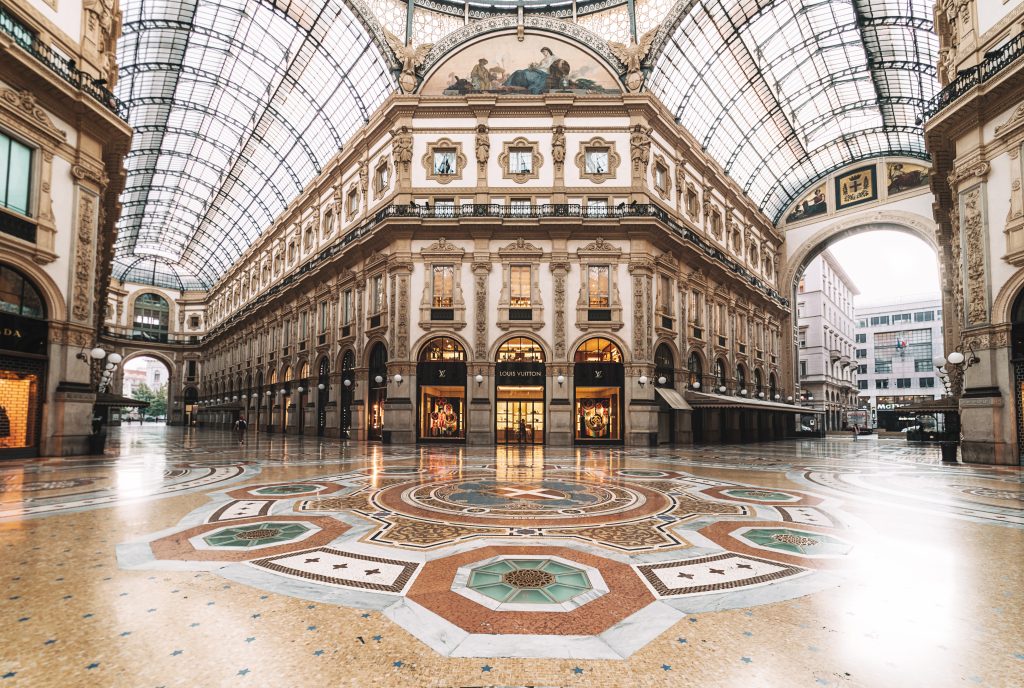
Palace Hotel Tokyo

Palace Hotel Tokyo Just Launched an Exclusive Dior Stay Package
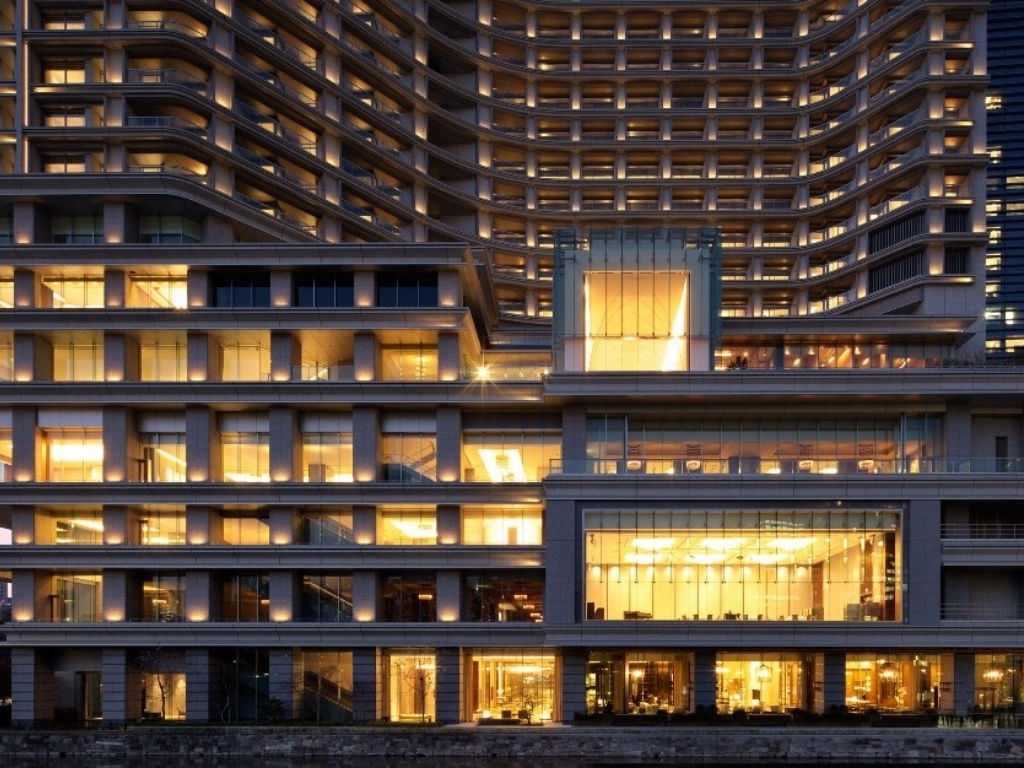
The only Japanese hotel with both Forbes Five Stars and Michelin Three Keys has partnered with Dior on a limited, one-booking-per-day luxury experience in Tokyo.

Dior Bamboo Pavilion Tokyo
Dior Bamboo Pavilion
Palace Hotel Tokyo Dior Cafe
Dior Café

If you’re heading to Tokyo in 2026 or early 2027, Palace Hotel Tokyo just gave you a strong reason to book a night.

The city’s most decorated hotel – the only property in Japan to hold both Forbes Travel Guide’s Five Stars and the Michelin Guide’s Three Keys – has launched “A Touch of Dior at Palace Hotel Tokyo,” an exclusive collaboration timed to the opening of the Dior Bamboo Pavilion in Daikanyama.

The Pavilion itself is worth the visit on its own. Located in one of Tokyo’s most stylish neighbourhoods, it’s a concept store built around Christian Dior’s lifelong love of Japan, featuring Jonathan Anderson’s latest collections and limited-edition pieces sold nowhere else. The gold aluminium façade, inspired by Japanese bamboo forests, is lit up at night. Outside, a botanical garden by landscape designer Seijun Nishihata adds another layer.

Palace Hotel Tokyo Suite

The stay package wraps around that experience with serious attention to detail. Guests receive a privately guided tour of the Pavilion with return transfer from the hotel, breakfast at the guest’s choice of venue, Club Lounge access, a Dior-inspired in-room floral arrangement, a welcome bottle of Champagne (Veuve Clicquot for Club rooms, Ruinart Blanc de Blancs for suites), a box of Les Bonbons Bouton de Christian Dior chocolates, and a Miss Dior cocktail at the hotel’s Lounge Bar Privé.

The food highlight: a meal at Café Dior by Anne-Sophie Pic, the world’s most Michelin-starred female chef, who has created a seasonal menu exclusively for the Pavilion.

The package runs through March 31, 2027, limited to one booking per day. Book your stay at en.palacehoteltokyo.com.

Six Senses Maldives Conservation Program

These Maldives Resorts are Turning Conservation Into a Guest Experience
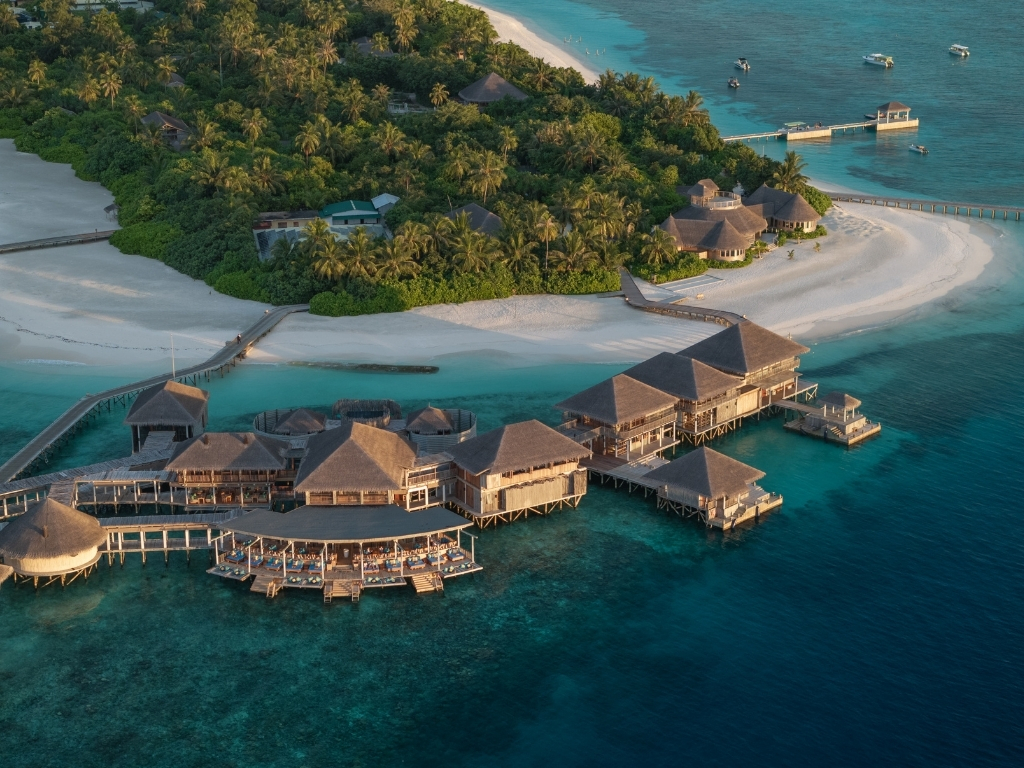
Six Senses Kanuhura and Laamu Are Running the World’s First Resort-Led 3D Reef Monitoring Program.

Six Senses Kanuhura
Six Senses Kanuhura
Six Senses Laamu
Six Senses Laamu

Two Six Senses properties in the Maldives are redefining what responsible luxury travel actually looks like – and the numbers back it up.

At Six Senses Kanuhura, the newly launched Kanuhura Coral Census is the first long-term 3D reef monitoring program ever implemented by a resort, anywhere in the world. Using advanced imaging and AI, it creates living digital replicas of coral reefs – continuously updated records of reef health, biodiversity, and resilience. The data informs a smarter, longer-view approach to reef restoration rather than reactive fixes after damage is done.

At Six Senses Laamu, the focus is education and community impact. The resort’s SHELL (Sea Hub of Environmental Learning in Laamu) is a 2,336-square-foot marine education and conservation centre that has welcomed over 6,000 guests and local community members since opening. Through the Maldives Underwater Initiative (MUI), a resident team of marine biologists works with NGO partners including Manta Trust, Blue Marine Foundation, and the Olive Ridley Project.

The outcomes so far: more than 10,000 baby corals grown across five species, over 12 million coral larvae released onto the resort’s house reef, and catalogues of 1,000-plus turtles and 140 manta rays in Laamu Atoll. The SHELL’s “Hello Haldu” education programme has reached 237 students across every school in the atoll.

For guests, that means a stay where conservation isn’t a talking point – it’s the experience. Reef dives alongside resident marine biologists, coral planting sessions, sea turtle monitoring: these are activities built into the fabric of both resorts, not optional add-ons.

Six Senses Kanuhura and Six Senses Laamu are located in the Maldives. More at sixsenses.com.

Guadeloupe Voiles Bleues Villas

Green Guadeloupe: A Travel Guide to the Caribbean’s Lesser-Known Gem
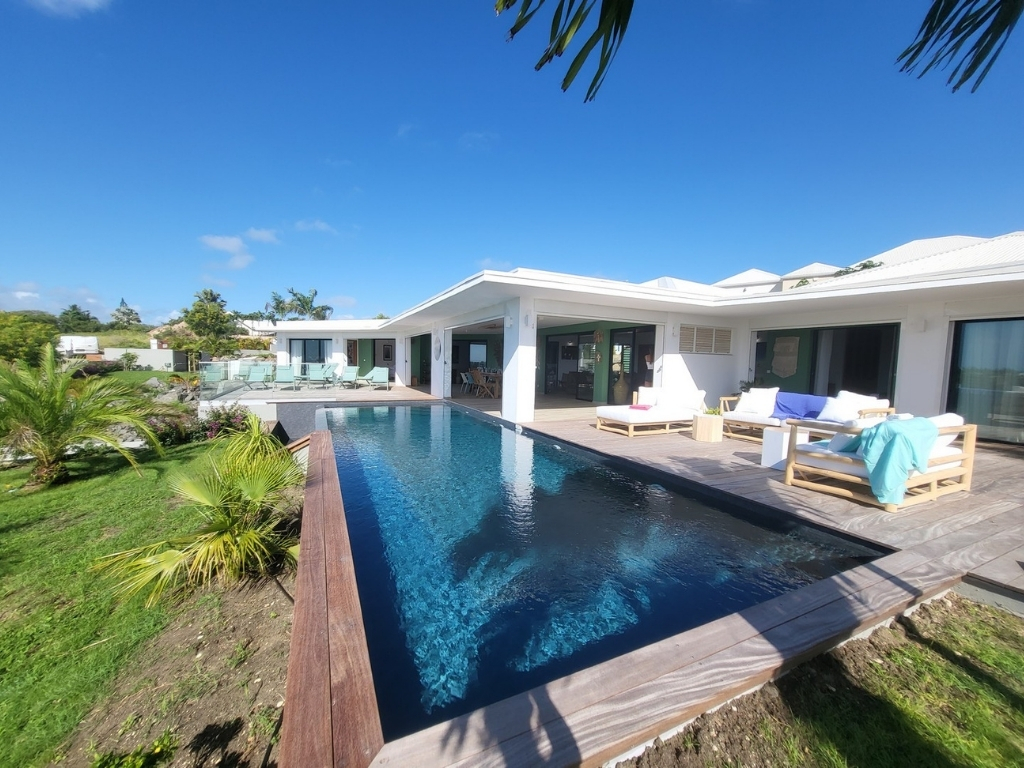
In the French Antilles, real luxury lies in natural beauty.

By Eve Thomas

For some tropical vacation destinations, the dream is to find that one perfect spot, that dream beach or green valley where reality looks as good as the brochure. In Guadeloupe, that dream becomes reality around every corner.

The French overseas territory is an archipelago with two main sections shaped like a butterfly. I start my visit on leafy, mountainous Basse-Terre, which attracts outdoorsy types who want nature hikes or exciting sports like mountain biking and diving. On our first morning, we head to Guadeloupe National Park, a tropical rainforest that’s home to myriad ferns, orchids, and several houseplants I recognise from my own home, only here they’re enormous and thriving. As we amble along the cobblestone walkway (a bit slippery in spots, but not too challenging, and notably absent of any scary fauna) we greet hikers forging further ahead, all the way up to the active volcano La Soufrière.

In search of a more lowkey experience, we head to the Deshaies Botanical Garden for lunch. With a table overlooking some wading pink flamingos, we dine on classic local delicacies: grilled mahi mahi, Indian-inspired Colombo chicken, and accras (salt cod fritters), plus some planter’s punch and an impressive French wine list. Refreshingly, all the fruit on our plates (pineapple, melon, bananas) is locally grown. Not always a given, in the Caribbean.

salt cod fritters Guadeloupe
Waterfall Guadeloupe National Park

Alongside aviaries of parrots and some mischievous miniature goats, the highlight of the garden may be the sheer number of wild hummingbirds enjoying the blossom buffet. Despite seeing dozens, each one feels special, to me and to the birders who wander by, binoculars at the ready.

After lunch, we head to the coast to experience the national park’s watery side: a marine reserve. On a boat tour of the mangroves, we learn about how essential they are to the whole ecosystem, their roots protecting young fish from predators, and the islands themselves against natural disasters. Another little paradise is revealed as we drop anchor by a sandbar, high enough for us to stand in the water, a cup of rum punch or guava juice in hand. And beneath the sea, snorkel affixed, I find an underwater paradise full of angelfish and sea turtles.

A few days later, we move to Grande-Terre island. Flat, more populated, and brimming with golden beaches, it draws tourists in search of bigger hotels and bustling nightlife. Still in search of natural beauty, we wend our way along the coast, finding oases wherever we look. All beaches are public, and parking is quite “casual,” making it easy to stop on a whim. We pause for fresh coconut water one minute, then a swim in a hidden alcove the next. An unassuming roadside gallery, Kreol West Indies, turns out to be a revelation of Guadeloupe history and modern art.

When we check into a chic Les Voiles Bleues villa, the modern design and private chef dinner set a polished tone, but it’s the nightly frog song that becomes the most memorable amenity. When we visit five-star hotel La Toubana for lunch, the lobster tagliatelle and Sisley spa may be showstoppers, but it’s the sea view beyond the infinity pool that really takes my breath away. I know by now that, in Guadeloupe, luxury doesn’t just lie in the architecture or the menu. It is all around you: in the land, in the details, in the secret spots and natural beauty. You just need to know where to look.

Guadeloupe

The List: Guadeloupe

STAY: At Les Voiles Bleues, guests settle into architect-designed villas that balance privacy and proximity to the coast, making it easy to slip between poolside calm and nearby beaches.

EAT: Sugarcane chicken and ginger-fried bream at Jangal Kafé; lobster pasta at La Toubana Hôtel & Spa; waterside accras and Planter’s punch at Le Kanaoa.

DO: Take the ferry to Terre-de-Haut and explore on foot, including historic Fort Napoléon, home to a garden full of iguanas and sweeping panoramic views.

DRINK: The best French wine list in the country at 619 Restaurant; a flight of rum against the sugarcane fields at Longueteau Distillery.

BRING BACK: A box of “Torment d’amour” pastries from Les Saintes Islands (first made by sailors’ wives to welcome them home); a piece of original art or an antique print from Kreol West Indies gallery and museum.

MSC Sandy Cay private island

Sandy Cay: MSC’s New Luxury Private Island Retreat Opens in the Bahamas in 2028
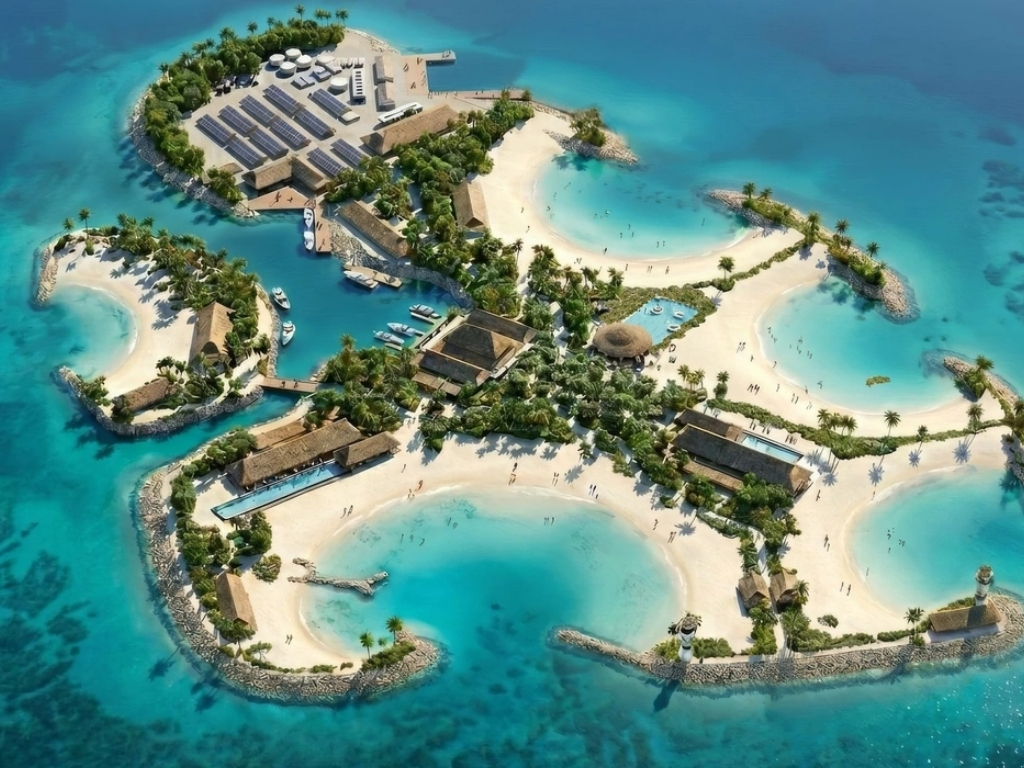
The cruise group’s second Bahamian private island promises seclusion and elevated experiences for MSC Cruises and Explora Journeys passengers.

MSC Group’s cruise division has announced Sandy Cay, a new luxury private island set to open in the Bahamas in 2028. Located adjacent to Ocean Cay MSC Marine Reserve, it will be exclusively available to MSC Cruises and Explora Journeys guests.

Where Ocean Cay delivers a full-scale resort experience, Sandy Cay is designed around seclusion. The island takes its name from its aragonite sands – among the purest and brightest in the world – and that elemental, unhurried quality defines the whole concept. Fewer people, more space, a closer connection to the natural rhythms of the Bahamian ocean.

MSC Cruises Sandy Cay private island

MSC frames Sandy Cay as a complement to Ocean Cay rather than a replacement, giving guests two distinct modes of private island experience within the same marine reserve. Both destinations are continuing to evolve. Separately, MSC has announced a round of upgrades coming to Ocean Cay: new dining venues, family and adults-only beach concepts, expanded relaxation areas, and new marine conservation experiences.

Private island stops have become one of the most coveted elements of a Caribbean cruise itinerary, and MSC is clearly investing in owning that space. Sandy Cay adds a more refined, intimate option to what’s already a strong private destination offering.

Sandy Cay opens in 2028, available exclusively to MSC Cruises and Explora Journeys passengers. More at msccruises.com.

GoWay Road Trip Itineraries

Road Trips Are Having a Moment, and Goway Now Has 80+ Ways to Do Them Right
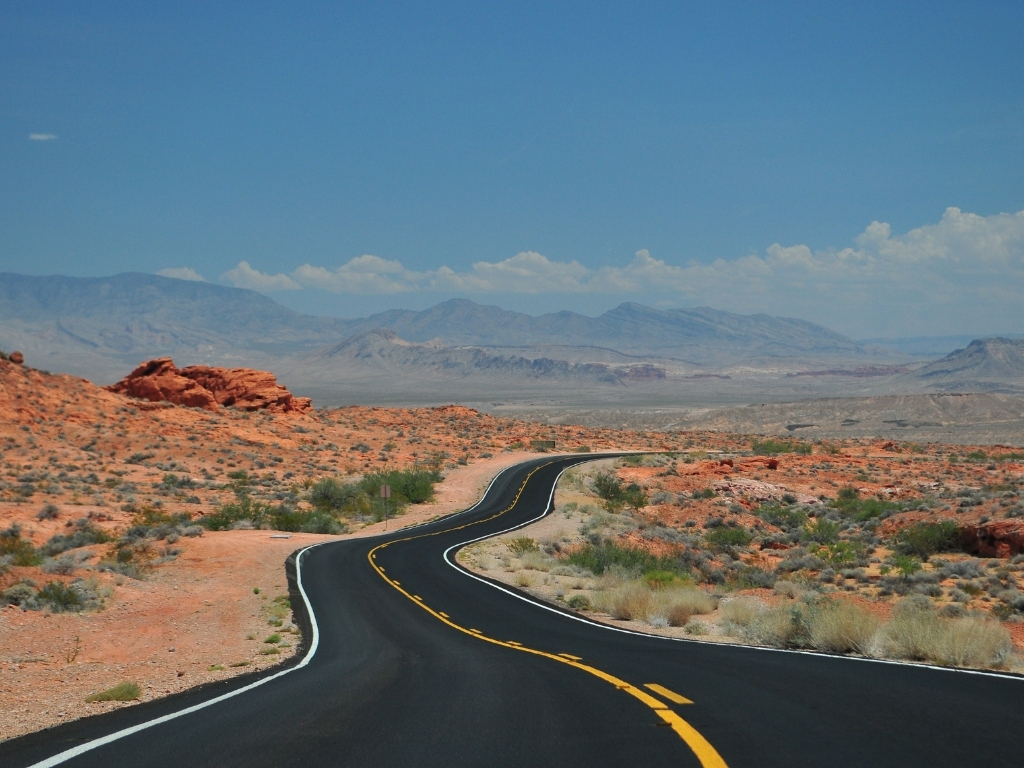
New fly-drive and guided road trip packages give travellers more structure without sacrificing the freedom that road trips are loved for.

Road trips have always promised something package tours struggle to replicate: the freedom to pull over when the view earns it, linger in places a bit longer than scheduled, and discover the parts of a destination that aren’t on the highlight reel. The catch has always been the planning – which routes are actually worth it, which roads are genuinely driveable, which detours pay off.

Goway Travel is making a case that you don’t have to figure that out alone. The Canadian tour operator has expanded its road trip product line to over 80 packages spanning 23 countries, built for independent-minded travellers who want the logistics handled and the experience left open.

GoWay Grand Canyon Road Trip Travel Itinerary
Grand Canyon, Nevada

The concept positions Goway less as a tour company and more as a travel architect. The framework – the route, the accommodation, the car – is sorted. The experience still feels personal. It’s the fly-drive model at scale, extended to destinations that range from the obvious (New Zealand, Ireland, Iceland) to the less charted. Some examples: 

The timing makes sense. Road trip travel has been gaining traction as travellers look for alternatives to group tours and resort stays. Skyscanner recently flagged the fly-drive approach as one of the best ways to cut costs while unlocking less-visited destinations – fly into a smaller regional hub, drive to where you actually want to be. For Canadian travellers, international road trips in Europe, Southern Africa, and the South Pacific have been among the fastest-growing booking categories heading into 2026.

With 80-plus options now in the portfolio, Goway’s expanded lineup gives travellers – and the advisors helping them plan – a serious set of new options for clients who want to move at their own speed.