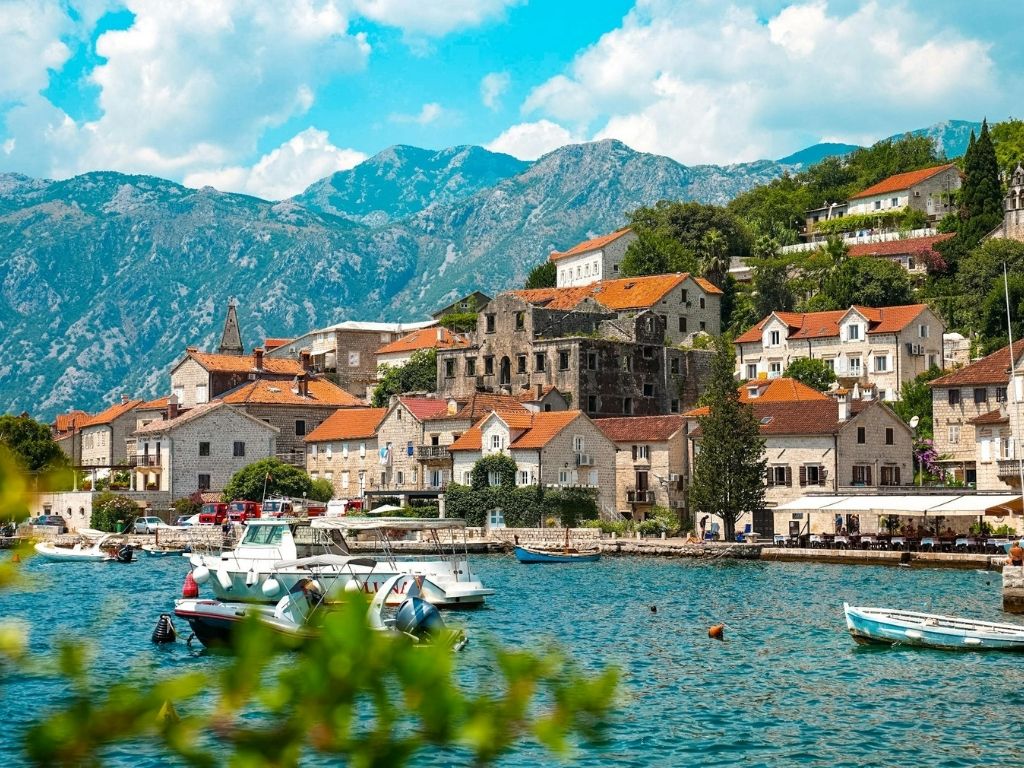
Six Senses Maldives Conservation Program

These Maldives Resorts are Turning Conservation Into a Guest Experience
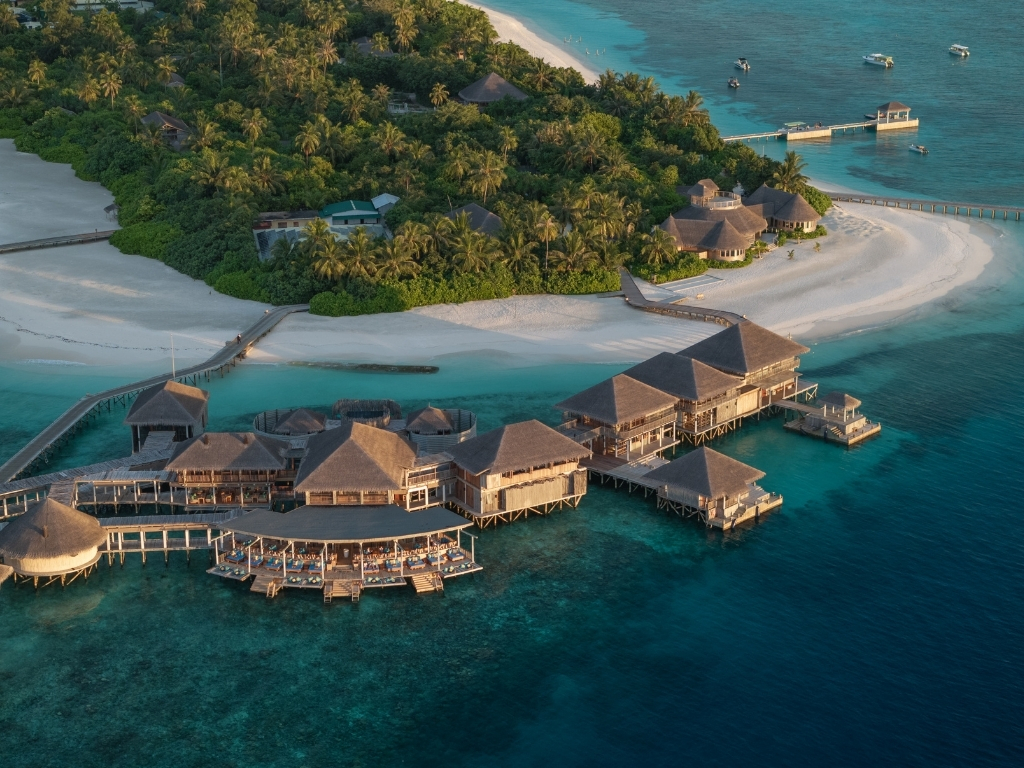
Six Senses Kanuhura and Laamu Are Running the World’s First Resort-Led 3D Reef Monitoring Program.

Six Senses Kanuhura
Six Senses Kanuhura
Six Senses Laamu
Six Senses Laamu

Two Six Senses properties in the Maldives are redefining what responsible luxury travel actually looks like – and the numbers back it up.

At Six Senses Kanuhura, the newly launched Kanuhura Coral Census is the first long-term 3D reef monitoring program ever implemented by a resort, anywhere in the world. Using advanced imaging and AI, it creates living digital replicas of coral reefs – continuously updated records of reef health, biodiversity, and resilience. The data informs a smarter, longer-view approach to reef restoration rather than reactive fixes after damage is done.

At Six Senses Laamu, the focus is education and community impact. The resort’s SHELL (Sea Hub of Environmental Learning in Laamu) is a 2,336-square-foot marine education and conservation centre that has welcomed over 6,000 guests and local community members since opening. Through the Maldives Underwater Initiative (MUI), a resident team of marine biologists works with NGO partners including Manta Trust, Blue Marine Foundation, and the Olive Ridley Project.

The outcomes so far: more than 10,000 baby corals grown across five species, over 12 million coral larvae released onto the resort’s house reef, and catalogues of 1,000-plus turtles and 140 manta rays in Laamu Atoll. The SHELL’s “Hello Haldu” education programme has reached 237 students across every school in the atoll.

For guests, that means a stay where conservation isn’t a talking point – it’s the experience. Reef dives alongside resident marine biologists, coral planting sessions, sea turtle monitoring: these are activities built into the fabric of both resorts, not optional add-ons.

Six Senses Kanuhura and Six Senses Laamu are located in the Maldives. More at sixsenses.com.

Viking Libra hydrogen-powered cruise ship

The World’s First Hydrogen-Powered Cruise Ship Takes to the Water
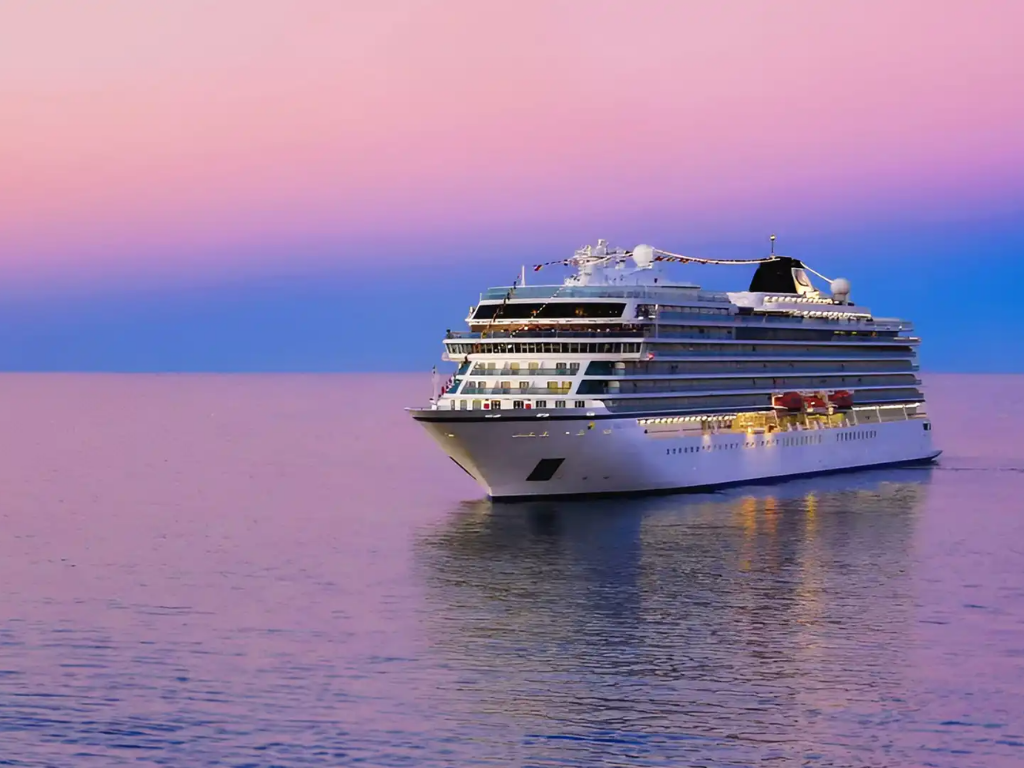
The Viking Libra has officially touched water, marking a pivotal step toward zero-emission sailing and a new era for ocean travel.

There are ship launches, and then there are shifts in the industry. The recent float out of Viking’s newest vessel falls into the latter. The Viking Libra has now entered the water for the first time, marking a key milestone in construction and bringing the world’s first hydrogen-powered cruise ship one step closer to reality.

Scheduled for delivery in late 2026, the ship will debut with itineraries across the Mediterranean and Northern Europe, but it is not the destinations that make this launch notable. It is how the ship will get there. Designed with a hybrid propulsion system that incorporates liquefied hydrogen and fuel cells, the Viking Libra is engineered to operate with zero emissions, a breakthrough that could reshape how cruise lines approach sustainability.

Viking Libra hydrogen-powered cruise ship

The float out ceremony itself, held at Fincantieri’s Ancona shipyard in Italy, marks the transition from structural build to final outfitting. Over the course of several days, water is introduced into the dry dock, allowing the ship to rise and effectively come to life. From there, it moves into the final stages of interior construction and technical installation, where the guest experience begins to take shape.

In keeping with Viking’s small-ship philosophy, the Libra will carry just under 1,000 guests across 499 staterooms, maintaining the brand’s focus on intimate, destination-driven travel. But beneath that familiar framework lies a significant technological leap. The propulsion system, capable of producing up to six megawatts of power, will allow the ship to access environmentally sensitive regions that are increasingly off-limits to traditional vessels.

The Libra is not a one-off experiment. A sister ship, the Viking Astrea, is already under construction and is expected to follow in 2027, also powered by hydrogen. Together, they signal a long-term commitment rather than a symbolic gesture, positioning Viking at the forefront of a transition that many in the industry are still only beginning to explore.

For travellers, the shift may feel subtle at first. The same serene Scandinavian design, the same culturally focused itineraries, the same emphasis on thoughtful travel. But behind the scenes, the mechanics of how those journeys happen are changing in a meaningful way.

If the Viking Libra performs as intended, it will not just be a new ship entering the fleet. It will be a proof of concept for what the next generation of cruising could look like, one where luxury and environmental responsibility are no longer at odds, but part of the same experience.