Six Senses Maldives Conservation Program

These Maldives Resorts are Turning Conservation Into a Guest Experience
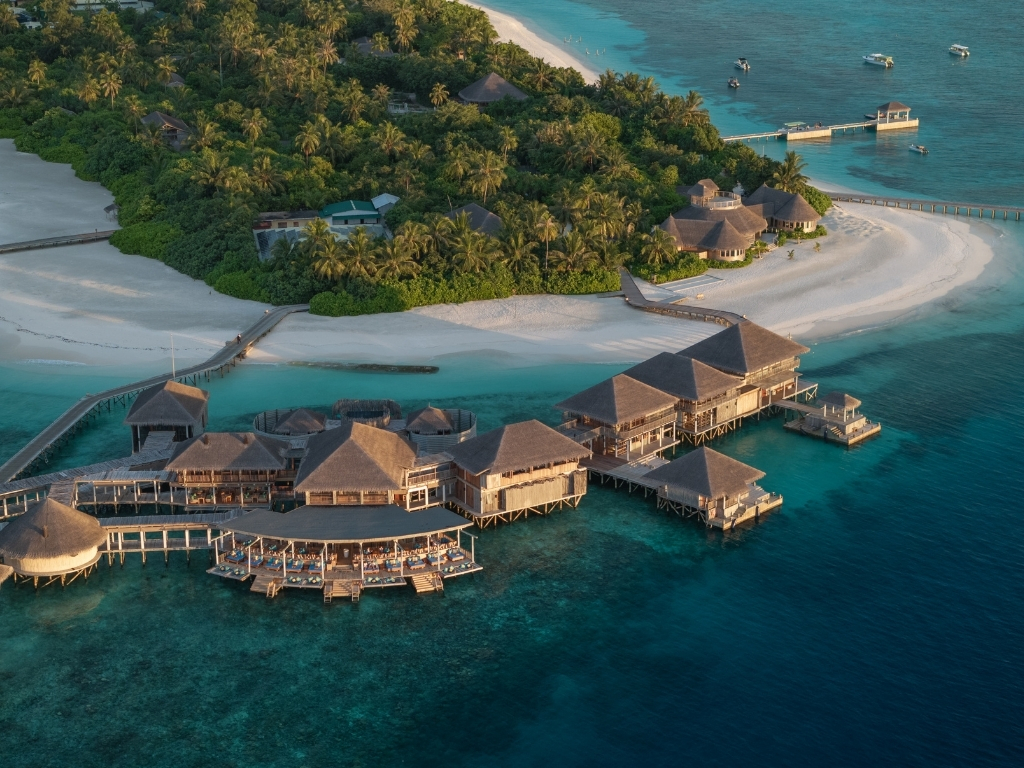
Six Senses Kanuhura and Laamu Are Running the World’s First Resort-Led 3D Reef Monitoring Program.

Six Senses Kanuhura
Six Senses Kanuhura
Six Senses Laamu
Six Senses Laamu

Two Six Senses properties in the Maldives are redefining what responsible luxury travel actually looks like – and the numbers back it up.

At Six Senses Kanuhura, the newly launched Kanuhura Coral Census is the first long-term 3D reef monitoring program ever implemented by a resort, anywhere in the world. Using advanced imaging and AI, it creates living digital replicas of coral reefs – continuously updated records of reef health, biodiversity, and resilience. The data informs a smarter, longer-view approach to reef restoration rather than reactive fixes after damage is done.

At Six Senses Laamu, the focus is education and community impact. The resort’s SHELL (Sea Hub of Environmental Learning in Laamu) is a 2,336-square-foot marine education and conservation centre that has welcomed over 6,000 guests and local community members since opening. Through the Maldives Underwater Initiative (MUI), a resident team of marine biologists works with NGO partners including Manta Trust, Blue Marine Foundation, and the Olive Ridley Project.

The outcomes so far: more than 10,000 baby corals grown across five species, over 12 million coral larvae released onto the resort’s house reef, and catalogues of 1,000-plus turtles and 140 manta rays in Laamu Atoll. The SHELL’s “Hello Haldu” education programme has reached 237 students across every school in the atoll.

For guests, that means a stay where conservation isn’t a talking point – it’s the experience. Reef dives alongside resident marine biologists, coral planting sessions, sea turtle monitoring: these are activities built into the fabric of both resorts, not optional add-ons.

Six Senses Kanuhura and Six Senses Laamu are located in the Maldives. More at sixsenses.com.

Borneo Malaysia Wildlife Travel Tour

Borneo to be Wild

A journey across Sabah, guided by wildlife and waterways.

By Steve Gillick

The Sabah Tourism Board’s slogan, Feel Sabah North Borneo, speaks to a deep-rooted connection with wilderness, wildlife, and serenity. It calls to travellers seeking a place where escape feels not just memorable, but meaningful.

The island of Borneo is shared by the Malaysian states of Sarawak and Sabah, five Indonesian provinces, and the nation of Brunei Darussalam. Our journey begins in Kota Kinabalu, on Sabah’s west coast, fronting the South China Sea. After a restful night at the Hyatt Regency, we set off for Mount Kinabalu with Mr. William, our affable guide from Amazing Borneo Tours.

Rising to 4,095 metres (13,435 feet), Mount Kinabalu is Malaysia’s highest peak and is revered locally as the resting place of the soul. Our two-hour drive unfolds through mountain forests and wildflower-strewn landscapes, with stops at the Kadamaian (Peaceful) Waterfall, the tallest in the country, and the villages of Tamparuli and Tanak Nabalu.

Photos by Steve Gillick

The purpose of the journey is threefold: to photograph Sabah’s extraordinary birdlife, to hike forest trails, and to practise shinrin-yoku, the Japanese art of forest bathing — a mindful way of slowing down, de-stressing, and reconnecting with nature. Among Sabah’s 688 recorded bird species, we spot Chestnut-hooded Laughing Thrushes, Bornean Green Magpies, and Black-sided Flowerpeckers as we explore the park’s lush trails. At Kiau Gap View, a sweeping panorama opens beside a monument honouring the spiritual bond between Mount Kinabalu and the Kadazan-Dusun, Sabah’s largest Indigenous group, as well as the park’s UNESCO World Heritage designation.

A one-hour flight east to Sandakan ushers us into a different realm of adventure. After checking in to the Sabah Hotel, we head straight to the Rainforest Discovery Center in Sepilok, where winding paths, canopy bridges, and observation towers offer intimate encounters with wildlife. Within minutes, we’re face-to-face with a striking Diard’s Trogon. Nearby, a mother orangutan and her baby forage among fruiting trees, while Thick-billed Spiderhunters probe spiky red calliandra blossoms for nectar.

At the neighbouring Sepilok Orangutan Rehabilitation Centre, daily feedings take place at 10:00 a.m. and 3:00 p.m. Rangers arrive with reed baskets brimming with fruit and vegetables, greeted by orangutans already waiting on the platform, while others swing in on ropes from the surrounding forest. Later, along the boardwalk, our focus shifts to reptiles and nocturnal curiosities: a Bornean Keeled Pit Viper, a Grey-tailed Racer, and a Flying Lemur clinging to a tree trunk. At the Nursery, young orangutans and macaques play and cuddle in lively family groups.

Just down the road, the Bornean Sun Bear Conservation Centre offers forested enclosures and elevated observation points where visitors can watch and learn about the world’s smallest bears.

Photos by Steve Gillick

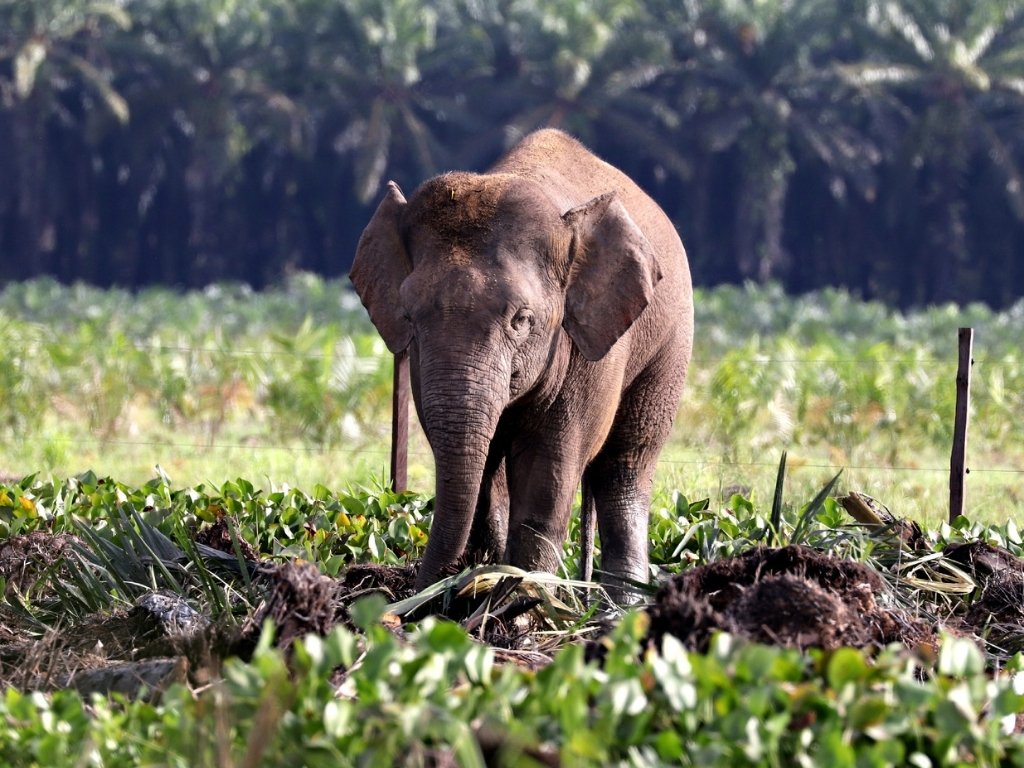
Our immersion in nature deepens further in Sukau. After spotting our first Oriental Pied Hornbill, we board a motorboat on the Kinabatangan River to reach Borneo Nature Lodge. Over two days and six river excursions — including a night cruise — we experience tropical rainstorms, blazing sun, postcard-worthy sunrises and sunsets, and remarkable wildlife sightings: Proboscis Monkeys, Long-tailed Macaques, Silver Langurs, Borneo Pygmy Elephants, crocodiles, and an astonishing array of birds, from hornbills and kingfishers to eagles, bee-eaters, herons, storks, and owls.

After a final dawn cruise, we return to Sandakan Airport carrying the afterglow of Sabah — a destination that delivers a true jolt to the senses. It’s a place where wildlife inspires, adventure sharpens awareness, and the memory of the experience lingers vividly long after the journey ends.

The List: Sabah, Malaysia

STAY
Hyatt Regency Kota Kinabalu delivers five-star Sabahan hospitality on the South China Sea waterfront. Book a seaview room for sunrise and sunset views. It’s a short walk to Wisma Merdeka, the handicrafts market and the Segama Bridge Night Market.

EAT
Near Kinabalu Park, head to Farmers Restaurant in Kundasang for the Kamppungku platter: fried fish, rice, turmeric chicken and more. In Tamparuli, Restoran Wun Chiap is known for Temparuli Mee — fried noodles with pork — best with a cold Tiger Beer.

DO
Rise at 4:30 am and head to Kota Kinabalu’s Fish Market. It’s loud, colourful and unforgettable, with puffer fish, snapper, prawns and more laid out as the city wakes.

DRINK
Caffeine-free Sabah Tea grown in the highlands, and wood-fired Tenom Coffee made with local Robusta beans.

BRING BACK
Patterned Sabah batik fabric, handwoven rattan baskets and amplang (crispy fish crackers).

iNaturalist app

Your Wildlife Travel Photos Can Support Biodiversity
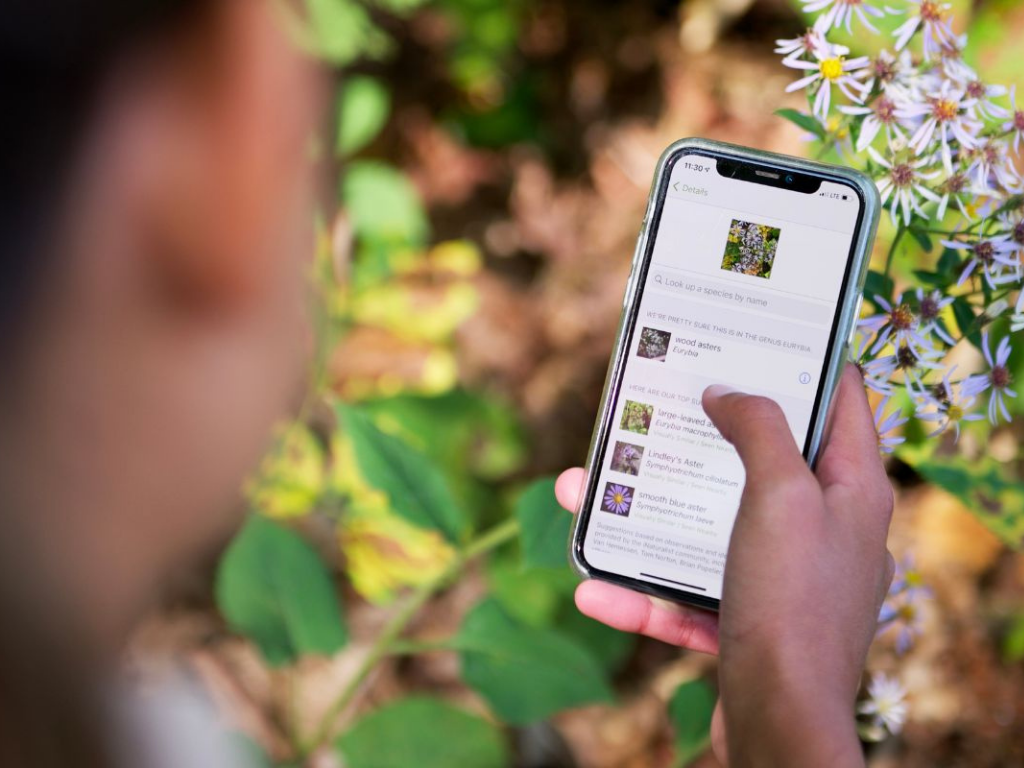
Exodus Adventure Travels just announced a partnership with iNaturalist, expanding its global citizen science program.

In the early morning light of Botswana’s Okavango Delta, before the heat settles and the birds retreat into the reeds, a traveller raises their phone—not to frame the perfect safari shot, but to log a data point. A dragonfly hovers near the water’s edge. A photograph is taken, tagged, uploaded. Somewhere else in the world, a scientist will eventually see it. This is the new frontier of adventure travel: not just witnessing the wild, but contributing to its understanding.

Exodus Adventure Travels just announced a new partnership with iNaturalist, becoming the first travel company globally to integrate one of the world’s largest citizen science platforms into guided adventures. The collaboration represents the newest phase of Exodus’ Citizen Science program, designed to engage travellers directly in biodiversity research while exploring some of the planet’s most wildlife-rich destinations.

Botswana safari Exodus Travels

As part of the partnership, travellers are encouraged to photograph and document plants, insects, fungi, and animals encountered on their journeys. These observations are then added to iNaturalist’s global biodiversity database, which is used by researchers, scientists, and conservationists worldwide to better understand ecosystems and identify how species and habitats can be protected.

The initiative prioritizes destinations where biodiversity data remains limited, often remote regions that are difficult for scientists to access regularly. By contributing wildlife observations from these locations, travellers help fill critical data gaps that can support conservation efforts on a global scale.

Wildlife tourism has traditionally focused on charismatic megafauna—the lions, elephants, and giraffes that dominate brochures and bucket lists. But biodiversity science depends just as much on documenting the overlooked: insects, fungi, plants, and lesser-known species that quietly sustain ecosystems. Some of the species travellers may help document include globally threatened plants and wildlife, rare dragonflies, elusive mammals, delicate fungi, and lesser-recorded insects. These organisms often lack sufficient data to support their protection.

“Through our new partnership with Exodus, we’re excited to help more people notice and document nature, especially in places where more observations can make a real difference for science and conservation,” says Scott Loarie, Executive Director of iNaturalist.

For travellers, participation is designed to be seamless and optional. The experience remains rooted in immersive exploration, expert guidance, and responsible wildlife encounters. The addition of citizen science simply reframes how travellers engage with what they see, encouraging closer observation and a deeper connection to place.

In this evolving model of adventure travel, a photograph is no longer just a souvenir. It becomes a small but meaningful contribution to understanding and protecting the natural world.