Borneo Malaysia Wildlife Travel Tour

Borneo to be Wild

A journey across Sabah, guided by wildlife and waterways.

By Steve Gillick

The Sabah Tourism Board’s slogan, Feel Sabah North Borneo, speaks to a deep-rooted connection with wilderness, wildlife, and serenity. It calls to travellers seeking a place where escape feels not just memorable, but meaningful.

The island of Borneo is shared by the Malaysian states of Sarawak and Sabah, five Indonesian provinces, and the nation of Brunei Darussalam. Our journey begins in Kota Kinabalu, on Sabah’s west coast, fronting the South China Sea. After a restful night at the Hyatt Regency, we set off for Mount Kinabalu with Mr. William, our affable guide from Amazing Borneo Tours.

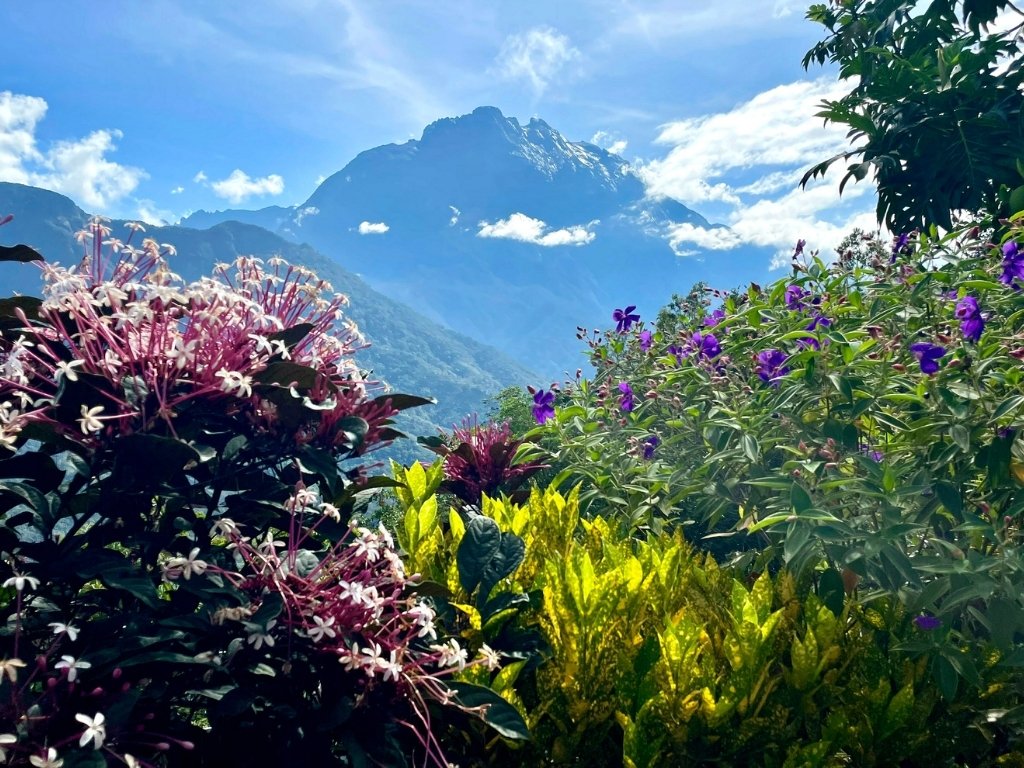
Rising to 4,095 metres (13,435 feet), Mount Kinabalu is Malaysia’s highest peak and is revered locally as the resting place of the soul. Our two-hour drive unfolds through mountain forests and wildflower-strewn landscapes, with stops at the Kadamaian (Peaceful) Waterfall, the tallest in the country, and the villages of Tamparuli and Tanak Nabalu.

Photos by Steve Gillick

The purpose of the journey is threefold: to photograph Sabah’s extraordinary birdlife, to hike forest trails, and to practise shinrin-yoku, the Japanese art of forest bathing — a mindful way of slowing down, de-stressing, and reconnecting with nature. Among Sabah’s 688 recorded bird species, we spot Chestnut-hooded Laughing Thrushes, Bornean Green Magpies, and Black-sided Flowerpeckers as we explore the park’s lush trails. At Kiau Gap View, a sweeping panorama opens beside a monument honouring the spiritual bond between Mount Kinabalu and the Kadazan-Dusun, Sabah’s largest Indigenous group, as well as the park’s UNESCO World Heritage designation.

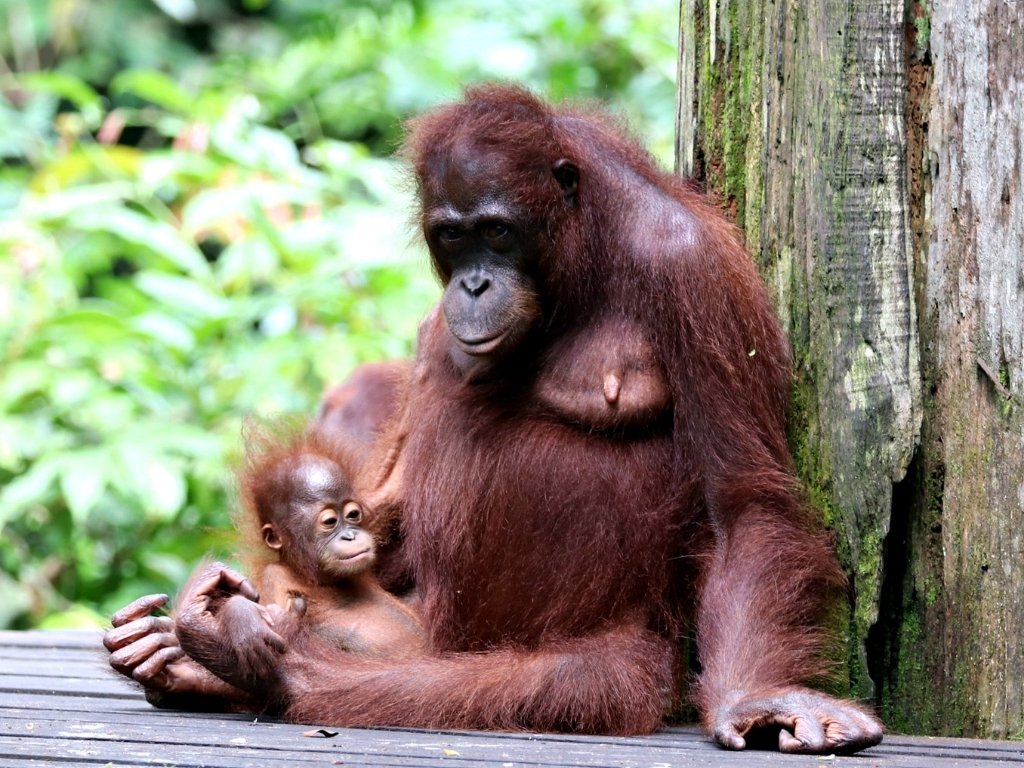
A one-hour flight east to Sandakan ushers us into a different realm of adventure. After checking in to the Sabah Hotel, we head straight to the Rainforest Discovery Center in Sepilok, where winding paths, canopy bridges, and observation towers offer intimate encounters with wildlife. Within minutes, we’re face-to-face with a striking Diard’s Trogon. Nearby, a mother orangutan and her baby forage among fruiting trees, while Thick-billed Spiderhunters probe spiky red calliandra blossoms for nectar.

At the neighbouring Sepilok Orangutan Rehabilitation Centre, daily feedings take place at 10:00 a.m. and 3:00 p.m. Rangers arrive with reed baskets brimming with fruit and vegetables, greeted by orangutans already waiting on the platform, while others swing in on ropes from the surrounding forest. Later, along the boardwalk, our focus shifts to reptiles and nocturnal curiosities: a Bornean Keeled Pit Viper, a Grey-tailed Racer, and a Flying Lemur clinging to a tree trunk. At the Nursery, young orangutans and macaques play and cuddle in lively family groups.

Just down the road, the Bornean Sun Bear Conservation Centre offers forested enclosures and elevated observation points where visitors can watch and learn about the world’s smallest bears.
Photos by Steve Gillick

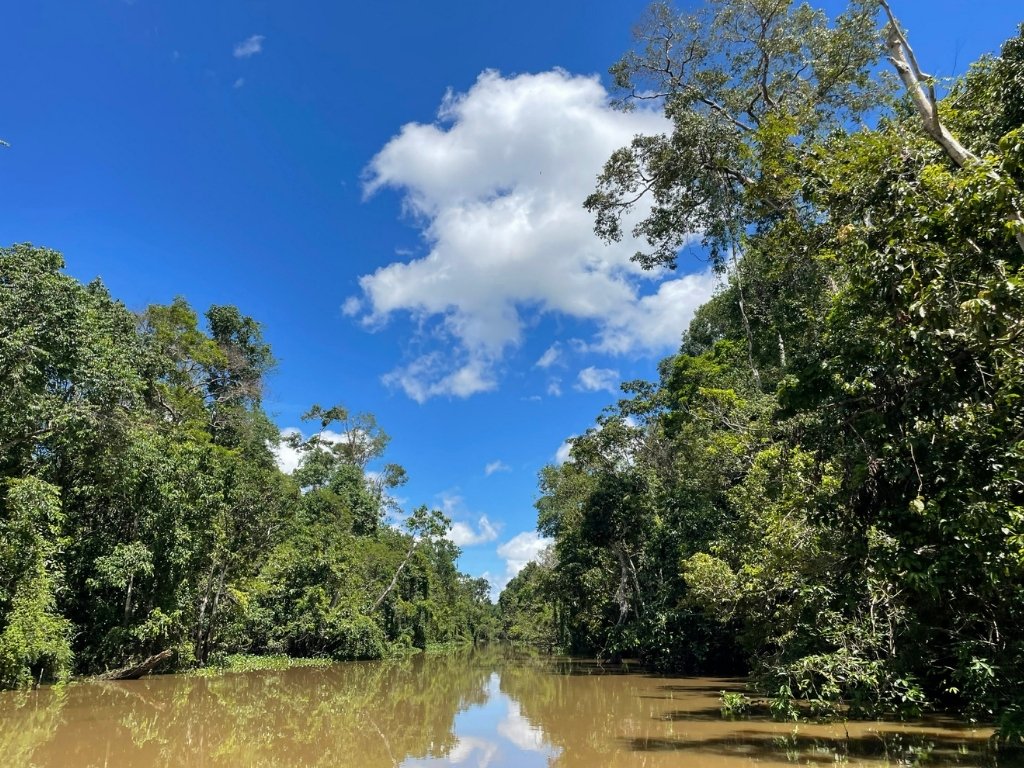
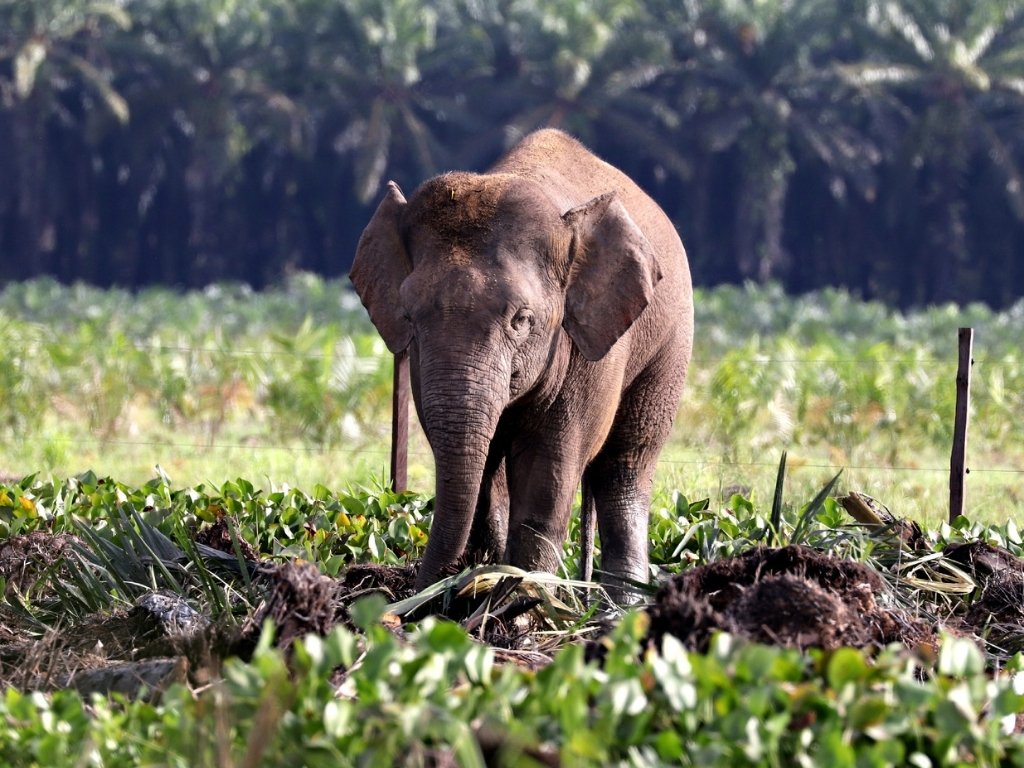
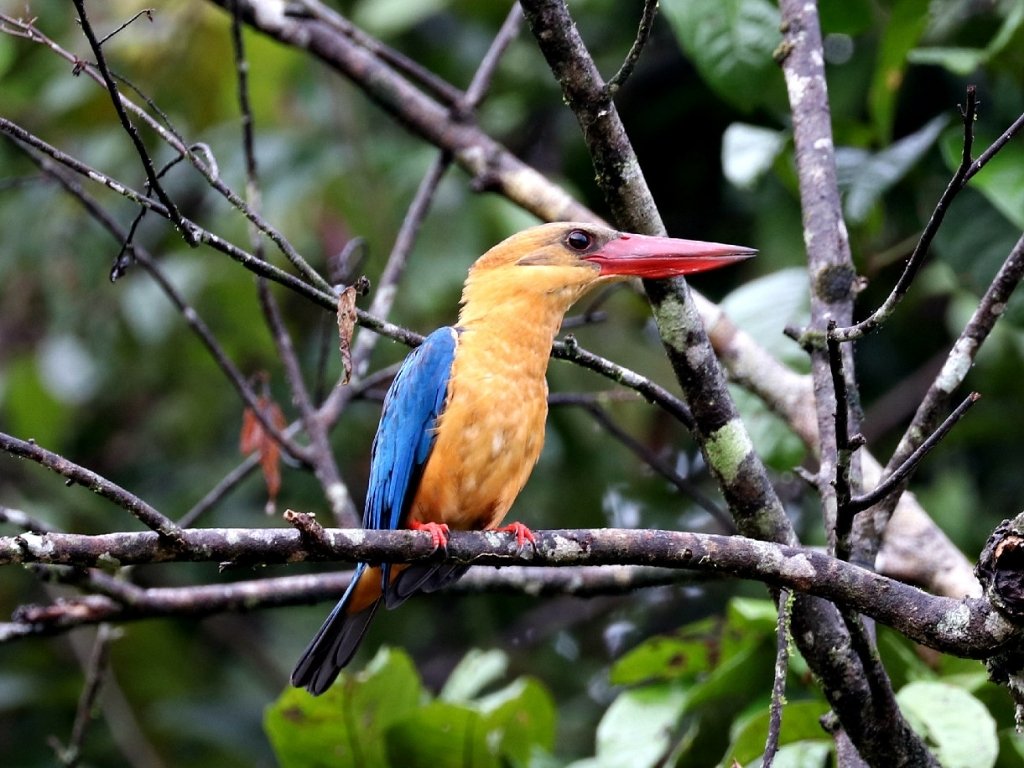
Our immersion in nature deepens further in Sukau. After spotting our first Oriental Pied Hornbill, we board a motorboat on the Kinabatangan River to reach Borneo Nature Lodge. Over two days and six river excursions — including a night cruise — we experience tropical rainstorms, blazing sun, postcard-worthy sunrises and sunsets, and remarkable wildlife sightings: Proboscis Monkeys, Long-tailed Macaques, Silver Langurs, Borneo Pygmy Elephants, crocodiles, and an astonishing array of birds, from hornbills and kingfishers to eagles, bee-eaters, herons, storks, and owls.

After a final dawn cruise, we return to Sandakan Airport carrying the afterglow of Sabah — a destination that delivers a true jolt to the senses. It’s a place where wildlife inspires, adventure sharpens awareness, and the memory of the experience lingers vividly long after the journey ends.

The List: Sabah, Malaysia

STAY
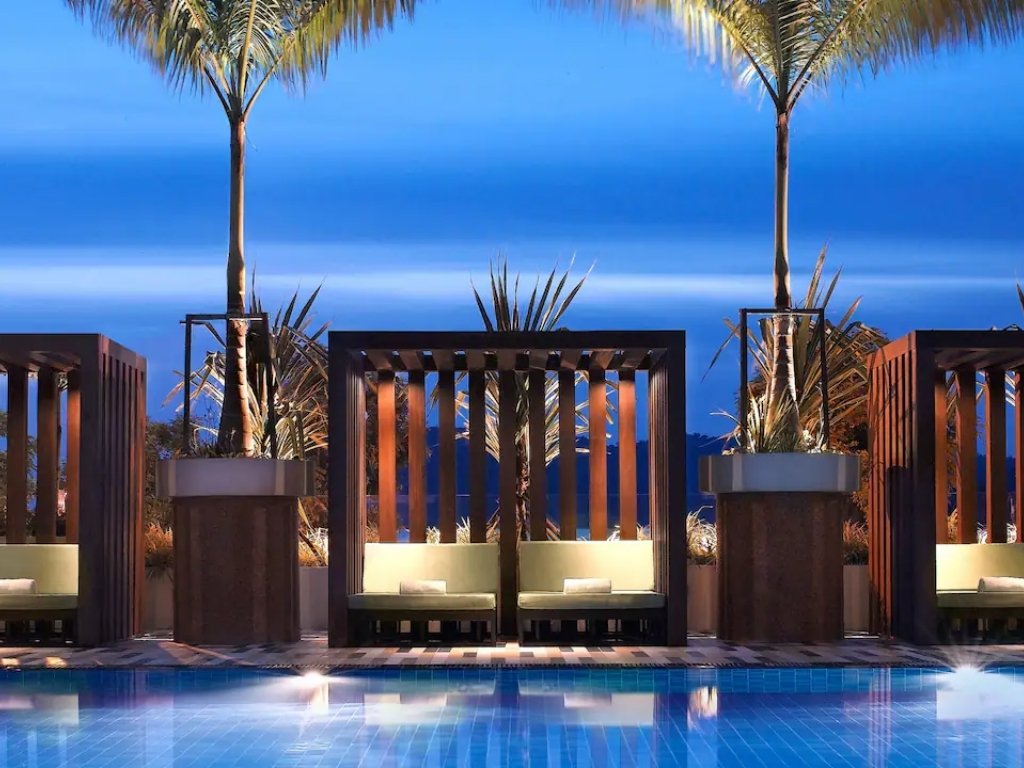
Hyatt Regency Kota Kinabalu delivers five-star Sabahan hospitality on the South China Sea waterfront. Book a seaview room for sunrise and sunset views. It’s a short walk to Wisma Merdeka, the handicrafts market and the Segama Bridge Night Market.

EAT
Near Kinabalu Park, head to Farmers Restaurant in Kundasang for the Kamppungku platter: fried fish, rice, turmeric chicken and more. In Tamparuli, Restoran Wun Chiap is known for Temparuli Mee — fried noodles with pork — best with a cold Tiger Beer.

DO
Rise at 4:30 am and head to Kota Kinabalu’s Fish Market. It’s loud, colourful and unforgettable, with puffer fish, snapper, prawns and more laid out as the city wakes.

DRINK
Caffeine-free Sabah Tea grown in the highlands, and wood-fired Tenom Coffee made with local Robusta beans.

BRING BACK
Patterned Sabah batik fabric, handwoven rattan baskets and amplang (crispy fish crackers).

Going slow in St. Vincent and the Grenadines

There’s no sign for Tree House Bush Bar, only a narrow footpath climbing through dense greenery on a hillside in Bequia. But our guide walks with ease, ducking under branches until the trail opens onto a breezy clearing, where a raised wooden structure with a bright yellow roof sits tucked into the trees. 

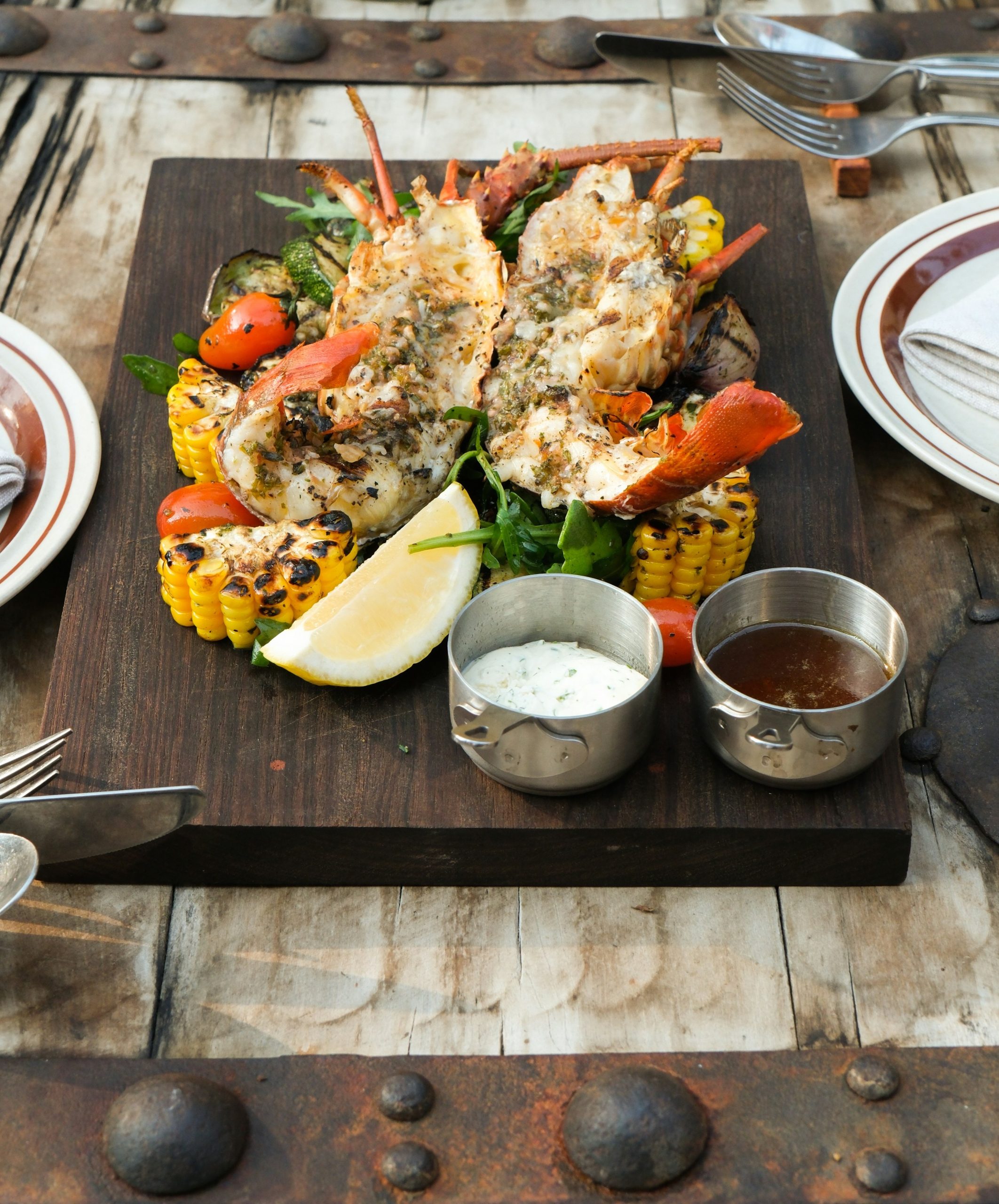
​​Inside, our chef grills fresh-caught lobster, which is currently in season, in a rustic open-air kitchen. We sip Hairoun, St. Vincent’s local beer, while taking in the sweeping, bird’s-eye view of the harbour. When the lobster arrives at our table, drenched in garlic butter, it’s every bit worth the wait. It’s a slower, more soulful kind of travel experience — unhurried, immersive and quietly unforgettable. And it captures the spirit of what travellers are finding across St. Vincent and the Grenadines.

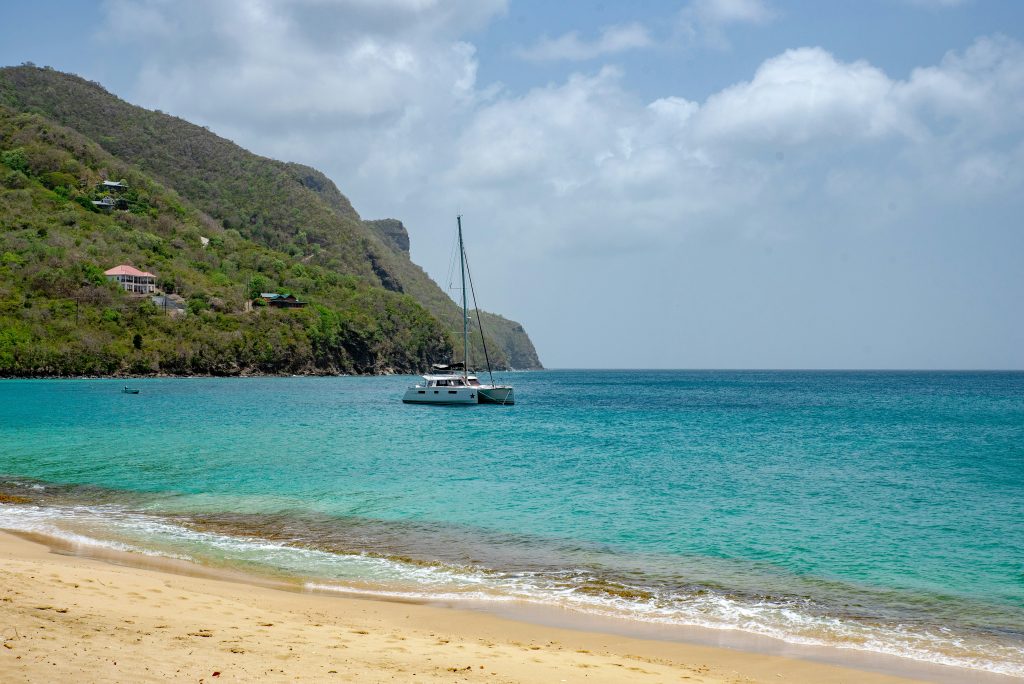
Bequia, a seven-square-mile gem in this 32-island Caribbean nation, blends intriguing seafaring history with laid-back charm. Princess Margaret Beach — named after the royal who famously swam there in the ’50s — is one of the island’s most beloved stretches of sand. Pair a swim with a boat ride to Bar One, a floating cocktail bar bobbing just offshore. Inland, the Grenadine Salt Company offers small-batch sea salt harvested from the surrounding waters — a worthy souvenir. 

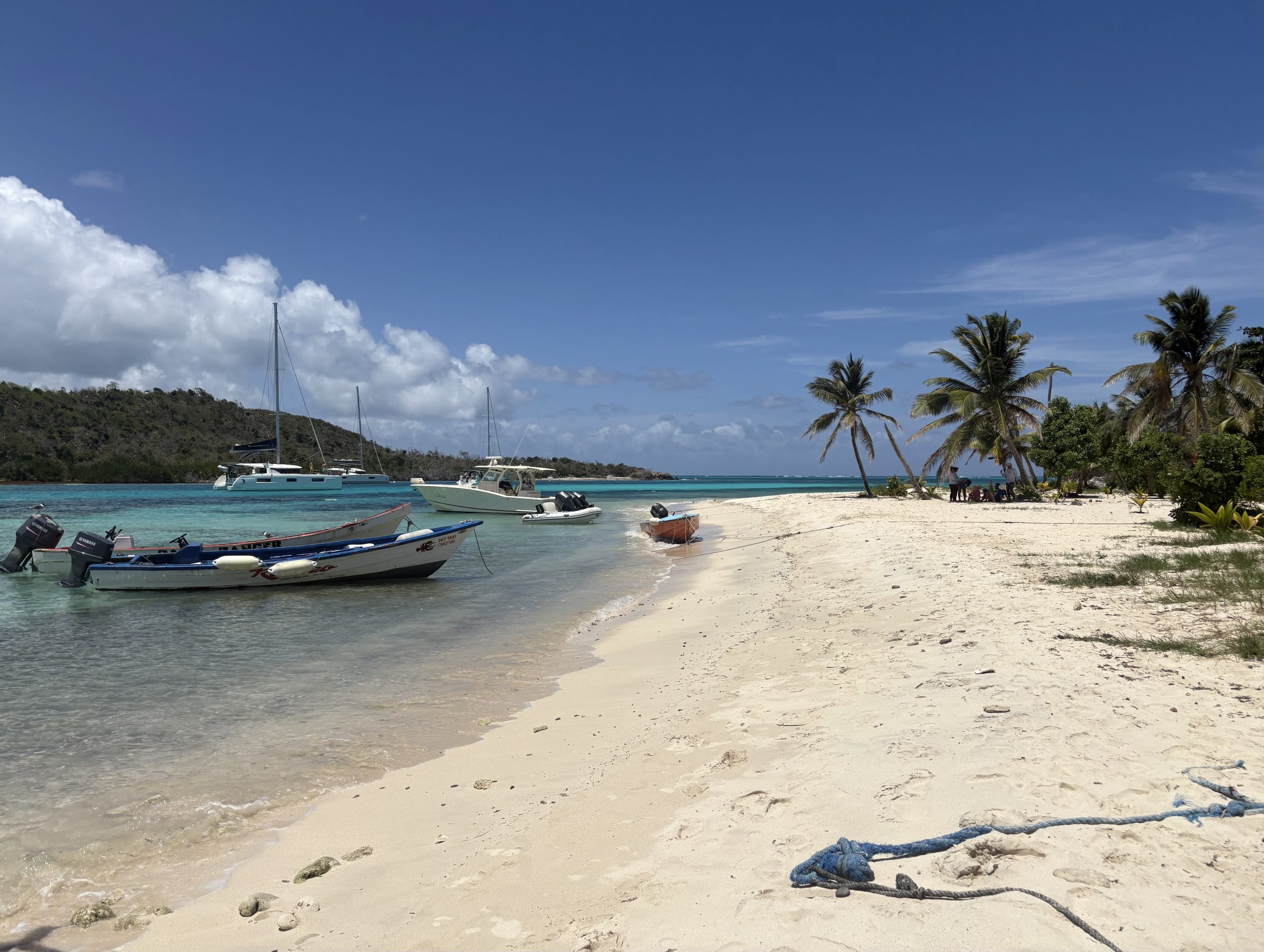
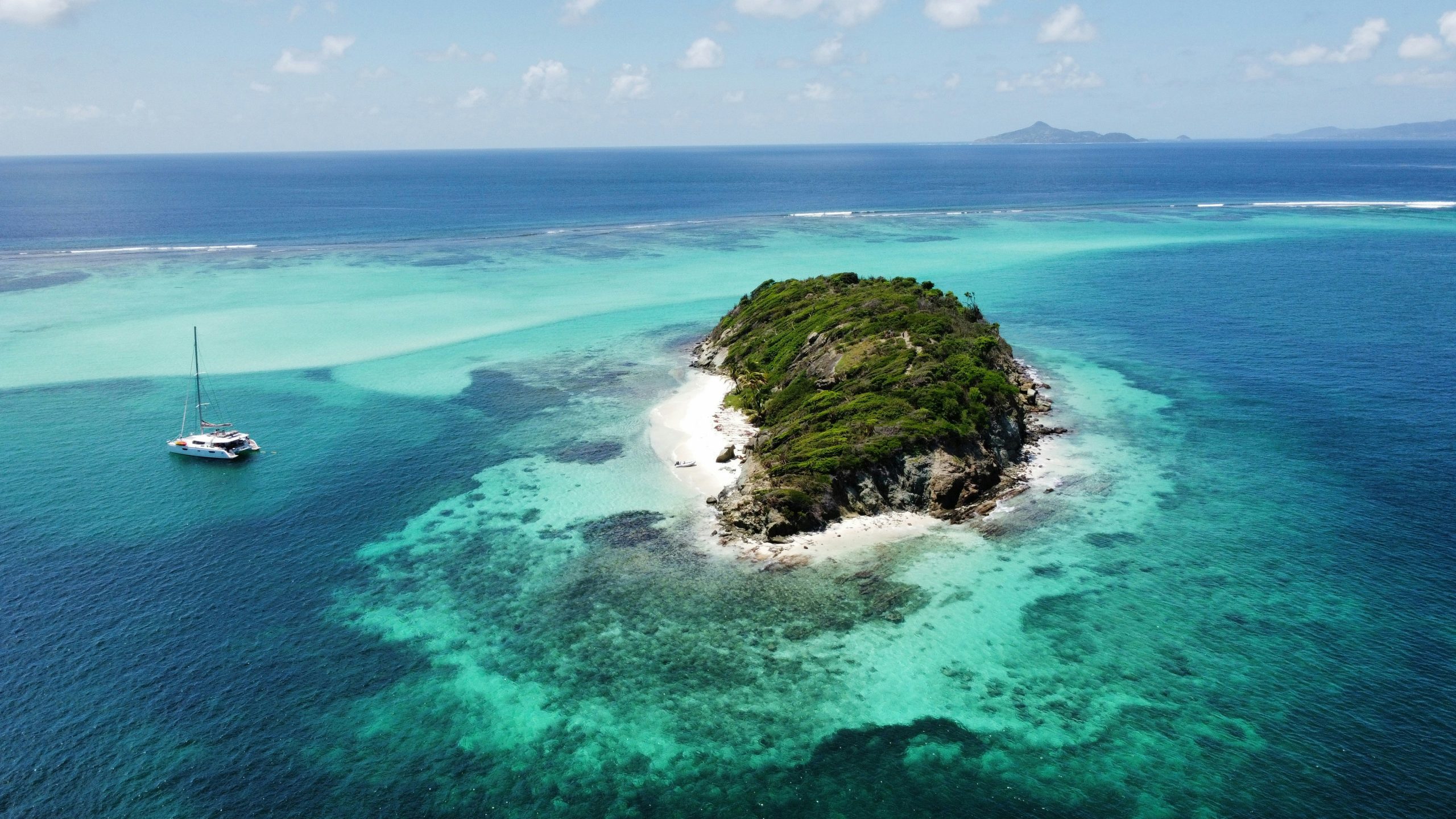
From there, it’s on to the Tobago Cays, a string of uninhabited islets surrounded by a protected marine park, which is considered to be among of the best snorkelling spots in the Caribbean.

The shallow water is clear and teeming with life: sea turtles graze on seagrass beds while colourful fish dart between coral heads. After snorkelling, head to Petit Rameau island for lunch at Alphonso’s Lobster BBQ. Meals typically include local fish, coconut rice and plantains, served at shaded picnic tables right on the beach. It’s a castaway-style lunch, minus the roughing it.

Next, we arrive in Canouan, an island known for its luxury resorts and sugar-white beaches. It’s home to Soho Beach House Canouan, the only Soho House property open to non-members, which offers stylish suites, beachview dining and the brand’s signature effortless sophistication.

Visitors can also enjoy the soft stretch of sand on Godahl Beach or book a spa treatment at the hilltop Mandarin Oriental. Just five square miles in size, Canouan delivers high-end amenities in a serene, uncrowded setting. 

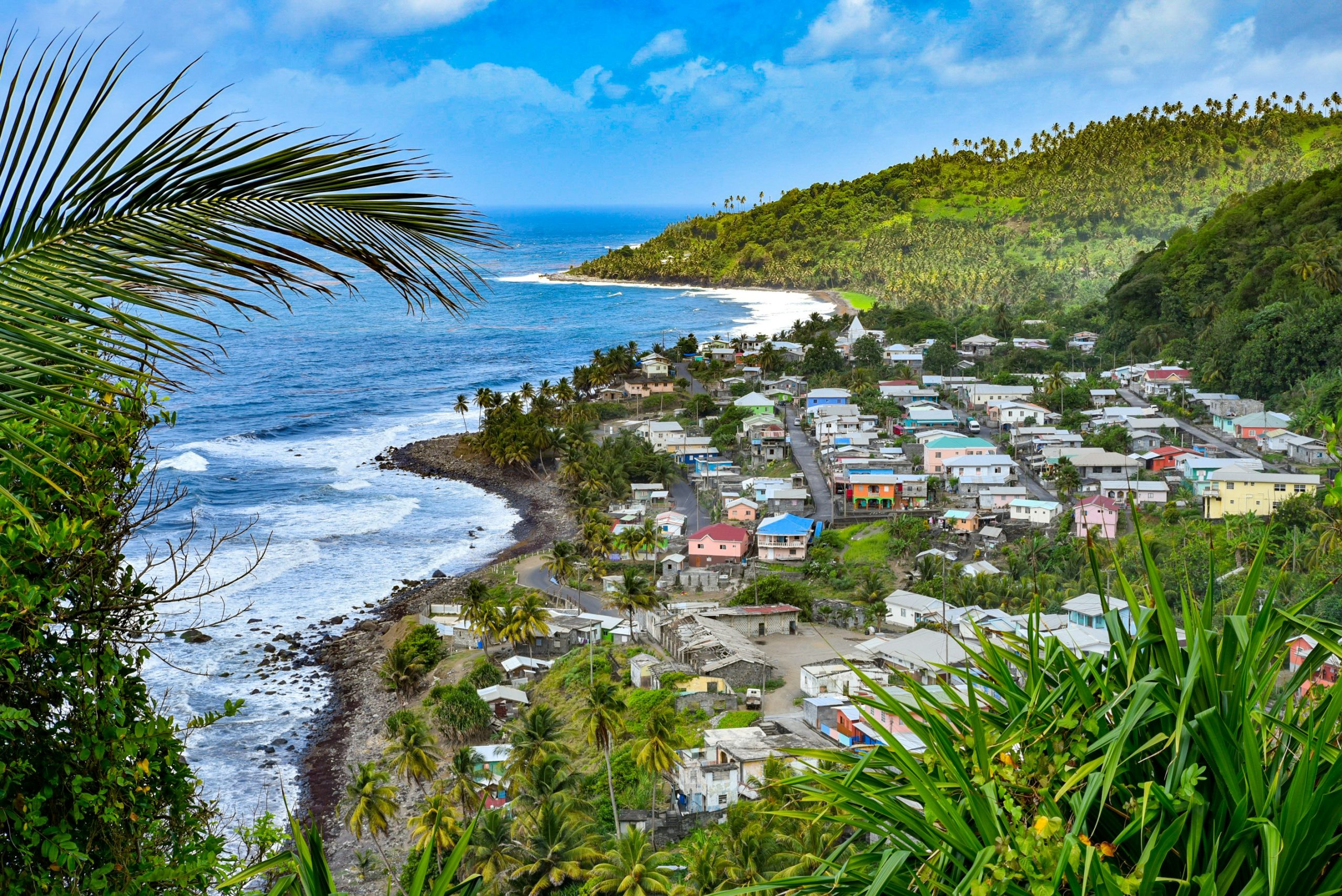
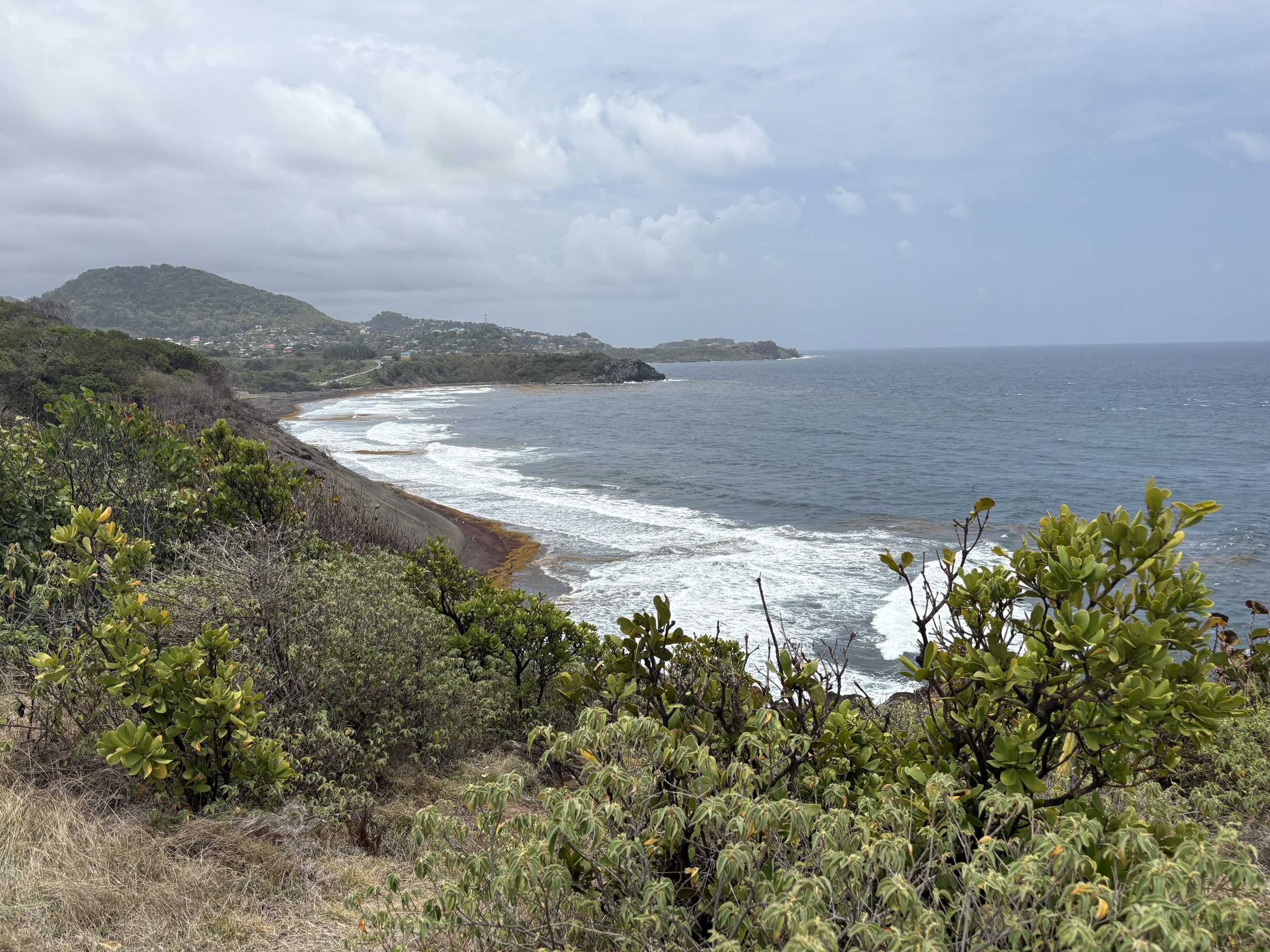
Our last day brings us to St. Vincent, the largest and most naturally dramatic of the islands. While many visitors skip it in favour of the Grenadines, those who linger find a wilder, more unexpected kind of beauty. Rainforest trails lead to rugged waterfalls, black-sand beaches line the coast and panoramic views stretch out from Fort Charlotte’s historic perch. 

The island is also evolving: the new Sandals Saint Vincent, opened in March 2024, is drawing more travellers to its shores. The trip ends with a final dinner at Buccan, the resort’s open-fire restaurant, where Vincy-grown ingredients are grilled and served family-style. 

Smoke curls into the evening air, the hearth crackles softly and each traditional dish reflects the island’s soothing rhythm. It’s a fitting end to a journey through the islands: where barefoot ease meets thoughtful indulgence, and every moment unfolds at its own pace.


This story first appeared in the Summer 2025 issue of OFFSHORE. Click here to subscribe to the digital magazine.