Maui Hawaii Travel Guide

Magical Maui: A Slow-Travel Guide to the Valley Isle
By Ann Ruppenstein

Hoʻomau: to continue, persist, renew, perpetuate and persevere.

A different Hawaiian word of the day is placed against my pillow each afternoon at the Wailea Beach Resort – Marriott, Maui, but this first card—describing Hoʻomau—resonates most. It speaks to the way Maui protects its land, culture and identity, and to the responsibility of carrying that stewardship forward for generations.

Haleakala national park maui hawaii
Haleakalā National Park
outrigger canoe maui hawaii
Outrigger Canoeing at Wailea Beach Resort - Marriott

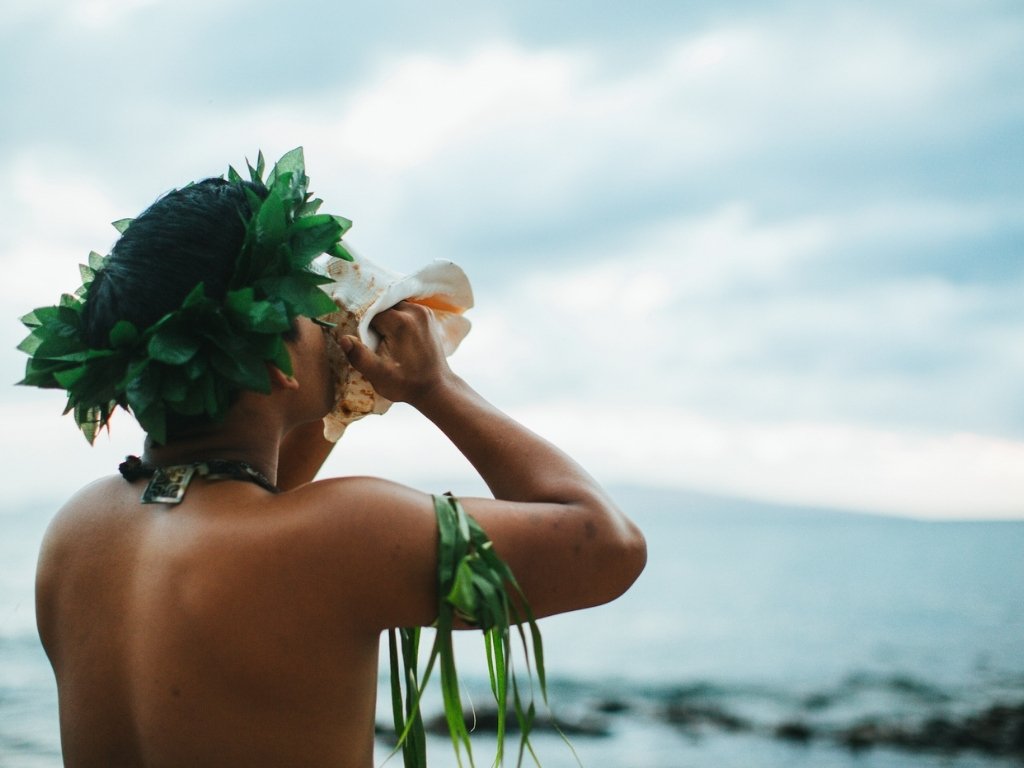
On my first morning, we begin on shore with a traditional Hawaiian chant (an oli) offered before pushing the outrigger canoe into the water. Moments later, I’m gliding across the south shore for a guided paddle (hoe waʻa), the shoreline receding behind us. Our guide shares stories of wayfinding and celestial navigation, of reading swells and stars long before GPS. Hawaiian green sea turtles and the rarer hawksbill briefly surface beside us. With each synchronized stroke—left, then right—stress loosens its grip. 

With the slopes of Haleakalā National Park rising behind us and the West Maui Mountains in the distance, palms lining the coast and mynah birds calling overhead, the scene feels impossibly cinematic. It is, in fact, just down the beach from where The White Lotus filmed its first season—though here, the drama is traded for calm.

“Responsible travel is deeply intertwined with Hawaiʻi’s values and culture, and visitors are increasingly mindful of the role they play when travelling to the islands,” says Laurie Garzon, director of sales and marketing for the resort. “In ancient times, Wailea was home to canoeing, fishing and life at the water’s edge. We’ve seen renewed interest in outrigger canoeing as travellers seek more meaningful experiences.”

Seasonal, by the Sea

As golden hour slips into soft pink, we head off-resort to Koast Maui, a relatively new addition to Wailea’s dining scene. The restaurant’s ethos is simple: honour Hawaiʻi’s natural abundance by working in lockstep with local farmers and fishermen.

Koast Maui seafood

“Our goal is to be island sustainable,” says Top Chef Masters winner and James Beard Award–nominated chef Chris Cosentino, describing a dragonfruit aguachile topped with just-caught tuna from a fisherman named Chimo. “Everything is based on what we have here. We wait to see what’s coming through the back door. That’s why the menu says cut of the day, crudo of the day. We evolve quickly with what’s available.”

Dry-aged wagyu, aged with kombu seaweed, is showcased prominently at the front of the restaurant. The kelp imparts umami depth while accelerating the aging process.

“You’re sitting here looking at the ocean, so why not age your meat in beautiful sheets of kelp?” Cosentino says. “The kombu gives you the flavour profile of 48 days in about 28.”

Daily texts from fishermen dictate the night’s offerings—tuna, mahi-mahi, opakapaka, even local lobster caught by an extreme kayak fisherman known as Jon Jon. Cosentino’s nose-to-tail philosophy extends to matanza-style tuna tripe, simmered with tomato, capers and spice, a Sicilian-inspired dish that surprises with its richness.

Each course emerges like a work of art, but dessert is a showstopper: a whole, caramelized Maui Gold pineapple served with layers of coconut ice cream, lilikoi curd, and toasted Italian meringue.

Don’t Worry, Be Happy

When I’m not above the clouds at Haleakalā National Park for sunset—the summit rises more than 10,000 feet above sea level and is among the best stargazing spots in the Pacific—or sailing toward the crescent-shaped Molokini Crater, home to more than 250 species of marine life and famously clear water, I surrender to stillness.

At the adults-only Olakino infinity-edge pool, wellness programming rotates daily. A mini massage melts into a sound healing session. Later, an acoustic guitarist strums softly as morning drifts into afternoon. There is a champagne sabering ritual at sunset, and suddenly the day is wrapping up. I’ve mastered the art of doing absolutely nothing.

“The experience is designed to leave guests feeling rested, restored and fully immersed in the natural rhythm of Maui,” Garzon says.

Mission accomplished.

Travel With Care

Responsible travel is not a trend in Hawaiʻi; it’s an expectation. Visitors are encouraged to honour the concept of mālama ʻāina—to care for the land. In practice, that means guidelines like staying on marked trails to protect fragile ecosystems, never touching or feeding marine life such as sea turtles and monk seals, and using reef-safe sunscreen free of oxybenzone and octinoxate to help preserve coral reefs. These small efforts add up, and are a modest ask in return for all that Hawaiʻi has to offer.

“For Canadians who are being more intentional about where they travel, Hawaiʻi stands out as a destination rooted in sustainability and harmony with the natural environment,” says Garzon. “Within a single destination, visitors can experience extraordinary natural landscapes and traditions that are still very much alive.”

The List; Maui, Hawaiʻi 

STAY

Set between two golden-sand beaches, the 22-acre oceanfront Wailea Beach Resort – Marriott, Maui makes a picturesque home base. Don’t miss the onsite Te Au Moana Luau, where storytelling, hula and fire dancing unfold against the sea. Visit between November and April to spot migrating humpback whales offshore.

EAT

The sesame- and nori-crusted ahi tuna at Humble Market Kitchin by Roy Yamaguchi is a standout. At Koast Maui, the daily catch is a must. And for a quintessential local bite, try teriyaki spam musubi from a neighbourhood convenience store—the canned meat staple took root in Hawaiʻi during World War II and remains beloved.

DO

Watch the sun dip below a sea of clouds at Haleakalā National Park, then stay for stargazing. Snorkel with a luxury outfitter such as Alii Nui Sailing Charters to Molokini Crater for vibrant reef life and exceptional visibility.

BRING BACK

A hand-picked Maui Gold pineapple, prized for its sweetness and low acidity. The Maui Pineapple Farm Tour includes a complimentary packaged pineapple with each visit.

A Slow-Travel Guide to Liguria, Italy

Italy’s Riviera reveals its beauty most to those willing to slow down. Here’s a designer's guide to Liguria’s architecture, cuisine and coastal rituals.

Between the French border and La Spezia, Liguria is a postcard of sun-washed villages clinging to the cliffs. Trains rattle along the edge of the Mediterranean, slipping through tunnels, while sea-salted air drifts through open windows.

“I usually over-plan trips, but Liguria calls for a loose itinerary,” says Montreal-based designer Alexandre Lafleur. “Take your time. Enjoy a late morning reading under an olive tree, have a leisurely lunch followed by multiple dips in the sea, and always catch the sunset with an aperitivo in hand.”

Below are his personal recommendations from his latest trip to the Italian Riviera.

Casa d'Artista

Alassio

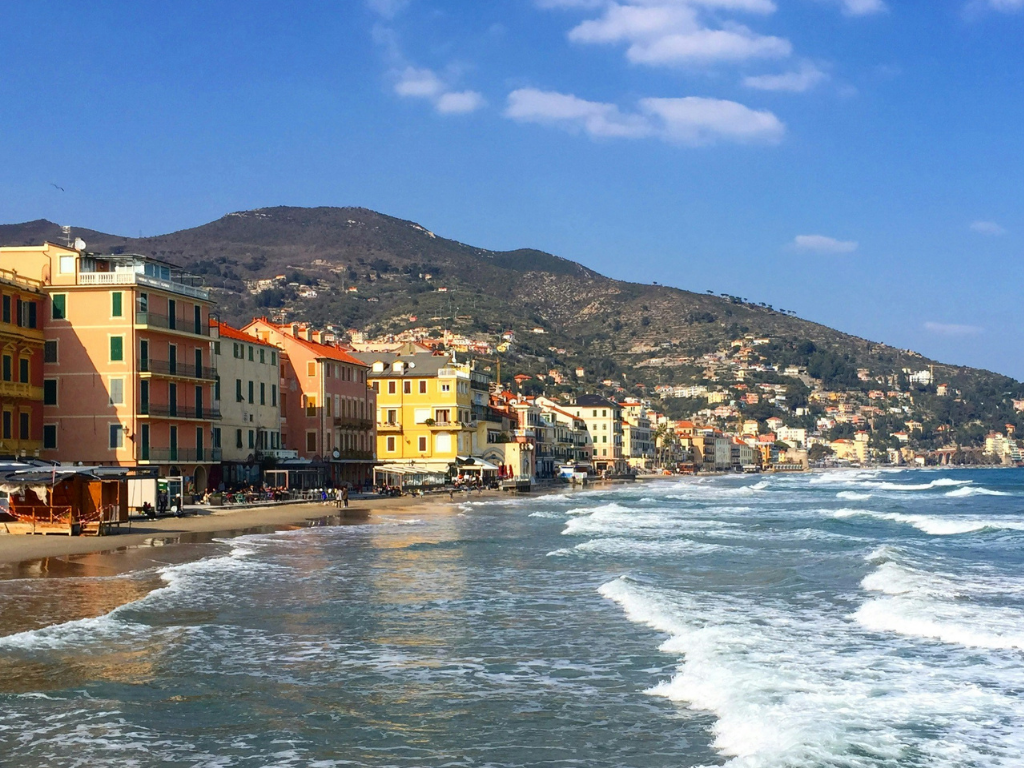
Tucked between the Ligurian hills and the water, Alassio feels timeless with its striped parasols, faded frescoes and honey-coloured villas. Stay a few steps from the promenade at Casa d’Artista, a three-room bed-and-breakfast in what was formerly a private seaside home. With frescoed walls, antique armchairs and balconies shaded by tasselled umbrellas, it captures the charm of a slower era.

“In the morning, each room gets breakfast in a picnic basket filled with pastries, fruit, and eggs to enjoy in the breakfast room or seafront balcony,” says Lafleur.

Spend the morning walking the Lungomare, then grab a pair of loungers at one of Alassio’s lidos—private beach clubs with striped cabanas, showers and lively seaside restaurants serving fried anchovies and spritzes. For a taste of old-world grandeur, visit the gardens of Villa della Pergola, where wisteria, citrus and jasmine fill the air.

End the day with a Michelin-starred dinner at Nove, the villa’s restaurant. Dishes like goat-cheese agnolotti and sourdough panzanella with green gazpacho are elegant without being fussy, and the best spot to enjoy them is from the terrace overlooking the sea.


Casa Pernice
Fresh pasta at Rezzano

Cavi & Sestri Levante

Just a short train ride east, make your home base at Casa Pernice, a lovingly restored farmhouse in Cavi di Lavagna, where owners Giorgia and Davide have created a laid-back, design-forward escape. The rooms feel effortlessly chic with linen-draped beds, vintage ceramics, and sunlight spilling across old terracotta floors. Mornings start with homemade pastries and eggs from their hens, followed by a stroll down to Bagni Mignon, their retro-chic beach club on the pebbled shore.

Cavi sits between the polished resort town of Sestri Levante and the wild beauty of Portofino National Park. Take a ferry to San Fruttuoso, a tiny monastery bay framed by forested cliffs, where the 13th-century abbey is reachable only by water or a long coastal hike. The reward is a swim in clear turquoise water and lunch at Da Laura—lasagnette verde with pesto, fritto misto and a chilled white wine under the olive trees.

Back in Sestri Levante, stop by Baia del Silenzio (Bay of Silence), and do as the locals do: Take an evening swim before heading to Rezzano or Balin for fresh seafood, pasta, and a glass of Vermentino. 

Genoa

Once a powerful maritime republic, Genoa is a city of contrasts, with Renaissance palaces beside narrow alleys and marble staircases leading to quiet courtyards.

Wander through the caruggi, Genoa’s medieval lanes where artisans still make focaccia and brass fixtures by hand. Visit the Palazzi dei Rolli, a UNESCO-listed set of 16th- and 17th-century noble homes, or stroll Via Garibaldi, lined with painted façades and ornate balconies. Pause for an espresso at an old-world café before catching the train back. 

Most of Liguria’s coastline is connected by rail, making car-free travel easy and scenic. Every town along the route, from Camogli to Laigueglia, offers its own version of seaside life—the morning markets, the scent of salt and citrus, the fresh seafood. It’s a rhythm you’ll fall into quickly, and one that’s hard to leave behind.

The List

Stay Casa d’Artista (Alassio); Casa Pernice (Cavi)

Eat Nove (Alassio); Terrazza Praié (Laigueglia); Da Laura (San Fruttuoso)

Do Ferry to San Fruttuoso; Swim at Baia del Silenzio; Explore Genoa’s Palazzi dei Rolli

Drink A Hugo Spritz at lunch; a glass of chilled Vermentino at sunset

Bring Back Ligurian olive oil, hand-painted ceramics, Genovese pesto, or a woven market bag