Kenya savanna stargazing safaris

Under Kenya’s Night Sky: The Ultimate Stargazing Safari Experience
Discover why Kenya is one of the best dark sky destinations for luxury stargazing safaris.

By Mitchell McClung

Kenya has always been synonymous with spectacle. By day, the drama unfolds across golden plains where elephants move in slow procession and escarpments glow in the late afternoon light. But when the sun drops below the horizon, another kind of theatre begins.

For travellers who believe luxury is defined not only by thread counts and wine lists, but by access to rare, humbling moments, Kenya is quietly becoming one of the world’s most compelling destinations for stargazing.

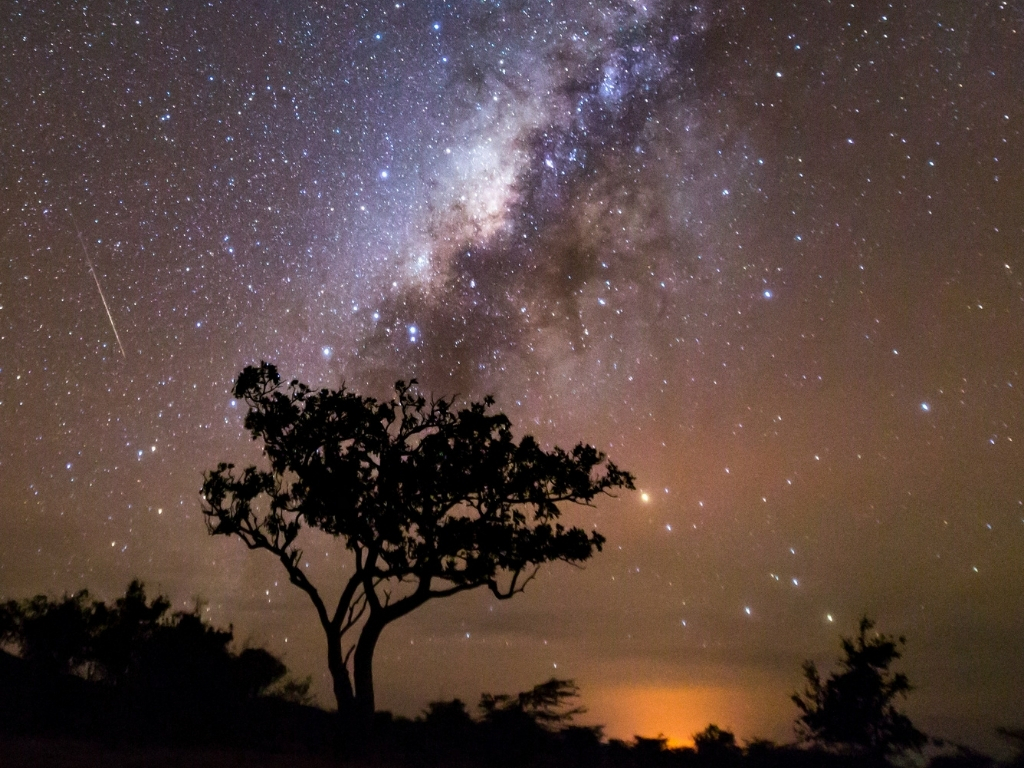
Thanks to its position almost directly on the equator, the country offers a remarkable celestial vantage point. Over the course of the year, both northern and southern hemisphere constellations are visible here. Orion rises high above the savannah. The Southern Cross arcs across the sky. On especially clear nights, Saturn can appear nearly overhead, sharp and luminous.

Just as important is what isn’t here: artificial light. Large swaths of Kenya — including Samburu, Laikipia, and parts of the Maasai Mara — remain far from urban glare. These regions fall at the darkest end of the Bortle Scale, the international measure of light pollution. On moonless nights, thousands of stars emerge. The Milky Way stretches across the sky in bright, textured bands. It is not subtle.

Sasaab Lodge Kenya
Sasaab Lodge
stargazing safaris Kenya
Sasaab Lodge

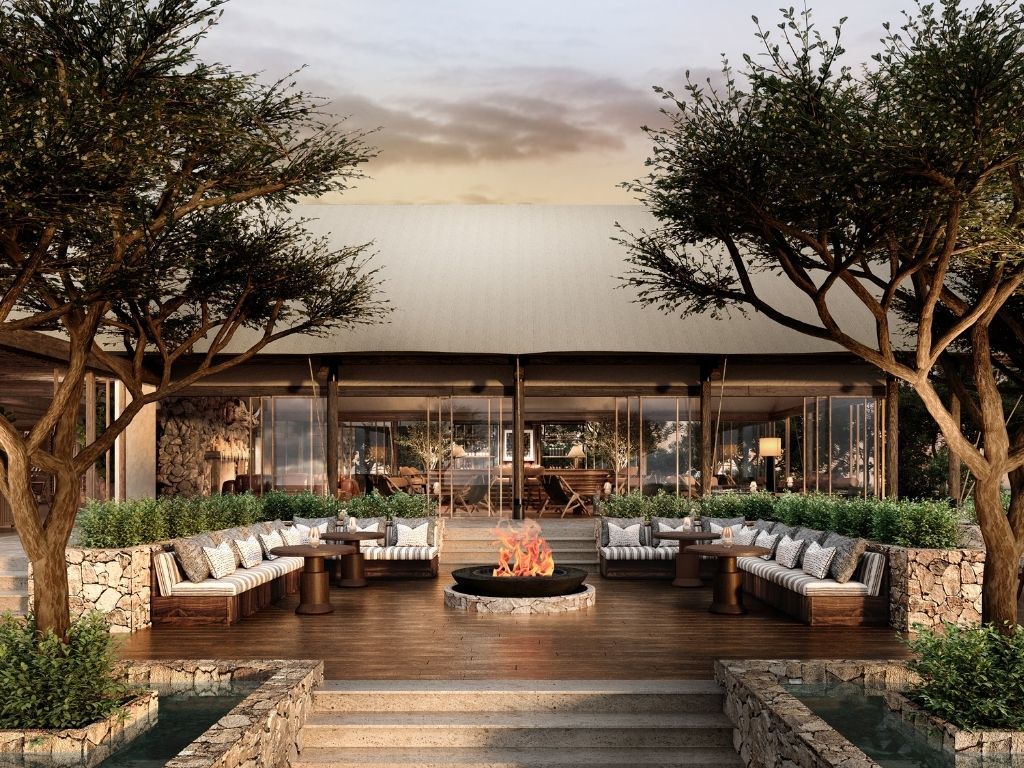
Safari camps are beginning to lean into this natural advantage. Open-air “star beds” allow guests to sleep beneath the constellations. Telescopes are set up near the fire pit after dinner. What was once simply sundowners and storytelling now often includes guided stargazing sessions, where guides point out planetary movements between the distant calls of hyenas. Some camps have even introduced astrophotography experiences, inviting guests to capture the night sky with the same reverence typically reserved for wildlife.

The movement is not only about tourism. Nairobi-based organization The Travelling Telescope, founded by Kenyan astronomer Susan Murabana Owen, has played a pivotal role in making astronomy more accessible across the country. Through mobile planetariums, laser-guided constellation tours, and community events, the organization blends science education with public engagement — often partnering with lodges to offer immersive guest experiences.

Murabana Owen’s work has earned international recognition, but its impact is perhaps best felt on a clear Kenyan night, when first-time stargazers tilt their heads back and realize just how much of the universe they have been missing. Her vision is simple and profound. The sky belongs to everyone.

In an era when light pollution dims much of the developed world, Kenya offers something increasingly rare: true darkness. The same stars that guided early navigators and pastoral communities still burn brightly above the savannah. And much like the wildlife that draws travellers here, the night sky is part of the country’s natural heritage, meant to be both experienced and carefully preserved. 

Here, the safari doesn’t end at sunset. It simply continues overhead. 

The List: Kenya

STAY
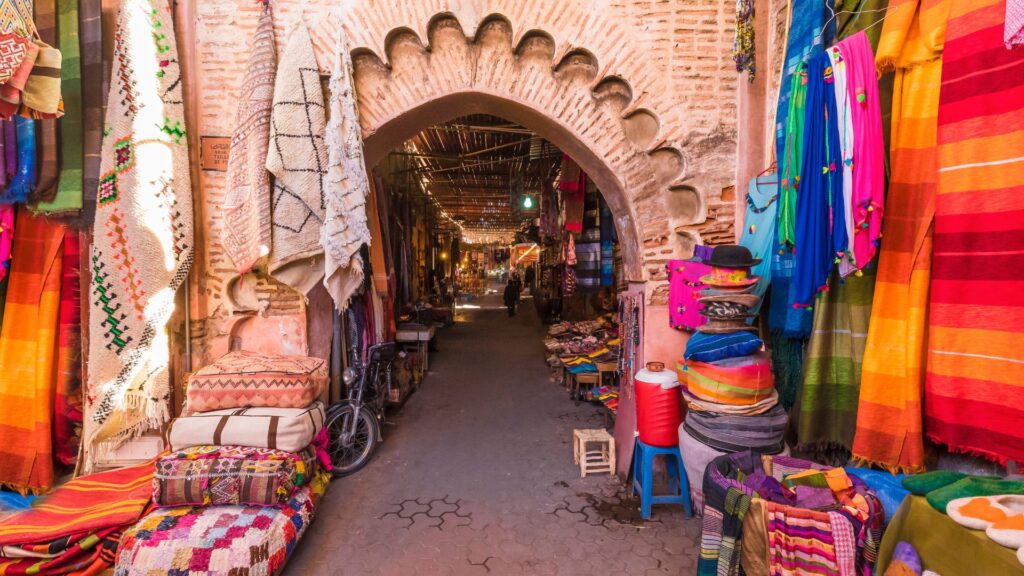
Set above the Ewaso Nyiro River in Samburu, Sasaab Lodge blends Moroccan-inspired design with wide-open Kenyan wilderness. Days unfold with guided game drives and camel treks; nights are made for lantern-lit dinners and, of course, extraordinary stargazing.

EAT
For something quintessentially Kenyan, try nyama choma – charcoal-grilled meat served with kachumbari tomato relish – a beloved staple best enjoyed communally.

DRINK
Order a dawa, Kenya’s signature cocktail of vodka, honey, lime and crushed ice. Created at Nairobi’s famed Carnivore Restaurant, its name means “medicine” in Swahili.

DO
Spend a day in Nairobi with a visit to the Sheldrick Wildlife Trust’s Nairobi Nursery, where orphaned elephants are cared for before being reintroduced to the wild.

BRING BACK
A blown-glass piece from Kitengela Glass, which also offers glassblowing workshops so you can craft your own keepsake.

Kitirua Plains Lodge

A&K Sanctuary to Open Kitirua Plains Lodge in Kenya’s Amboseli
The stunning new architectural lodge is set to open June 1, 2026.

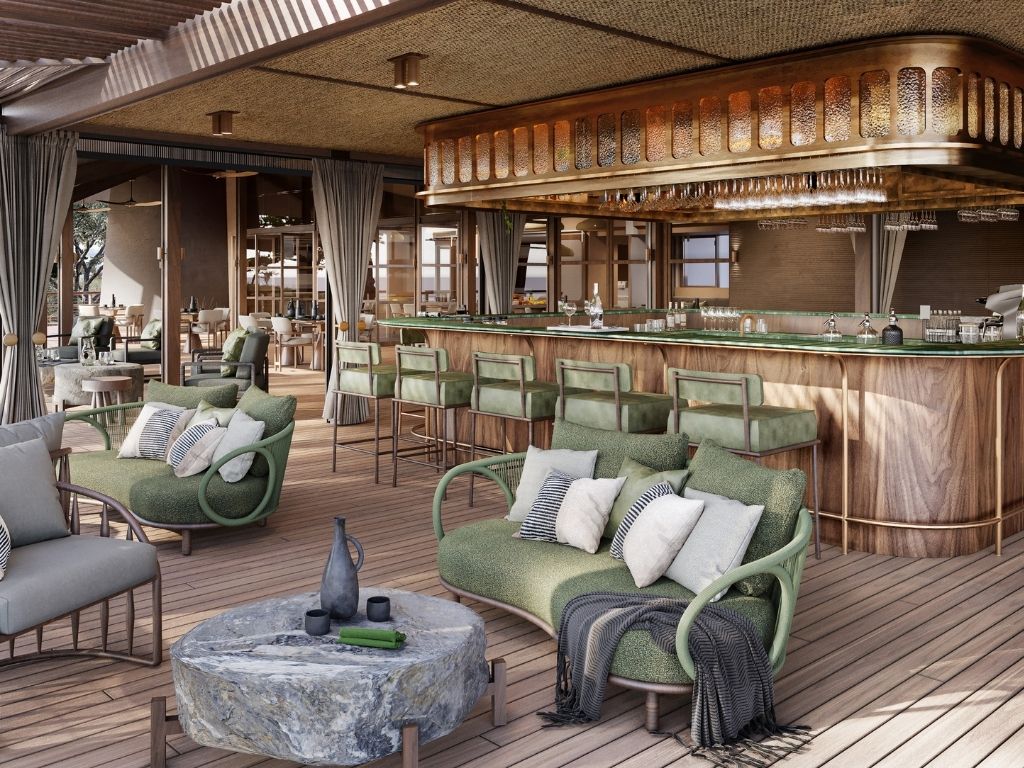
Kitirua Plains Lodge marks Abercrombie & Kent’s return to Amboseli, and a striking new vision for what safari can look like. This isn’t a standard tented camp, but a design-led retreat conceived to feel entirely shaped by its surroundings, as if it has emerged naturally from the landscape itself . Set on a private 128-acre concession bordering Amboseli National Park, the lodge will unfold across sweeping savannahs and acacia woodlands, where elephant herds roam freely and Mount Kilimanjaro anchors the horizon in the distance.

Just 13 suites — including two two-bedroom options — will be spaced across the landscape, each carefully positioned to capture uninterrupted views of Kilimanjaro. Elevated walkways will connect the main lodge to the suites, maintaining a sense of openness while offering privacy, while a viewing tower with a private dining space will take advantage of the site’s natural contours for panoramic outlooks over the plains.

Kitirua Plains Lodge

The design story runs deeper than aesthetics. Materials have been sourced locally wherever possible, with most of the furniture made in Kenya using mango wood and African teak, alongside stone quarried nearby. The colour palette will reflect the land itself, from the soft dust tones of the plains to textures inspired by local wildlife, while subtle Maasai influences will appear in the architectural forms and handcrafted details throughout.

Sustainability is integrated into every aspect of the lodge rather than layered on afterward. The property will operate entirely on solar power, use passive cooling techniques to reduce the need for air-conditioning, and recycle water for irrigation. At the same time, local artisans and workers have played a key role in bringing the project to life, ensuring the lodge remains closely tied to the surrounding community.

Kitirua Plains Lodge

Kitirua Plains Lodge signals a shift in what luxury safari travel looks like today — less about excess, and more about thoughtful design, a lighter footprint and a deeper connection to place. For travellers seeking a more contemporary, design-forward way to experience East Africa, Amboseli is firmly back in focus.

iNaturalist app

Your Wildlife Travel Photos Can Support Biodiversity
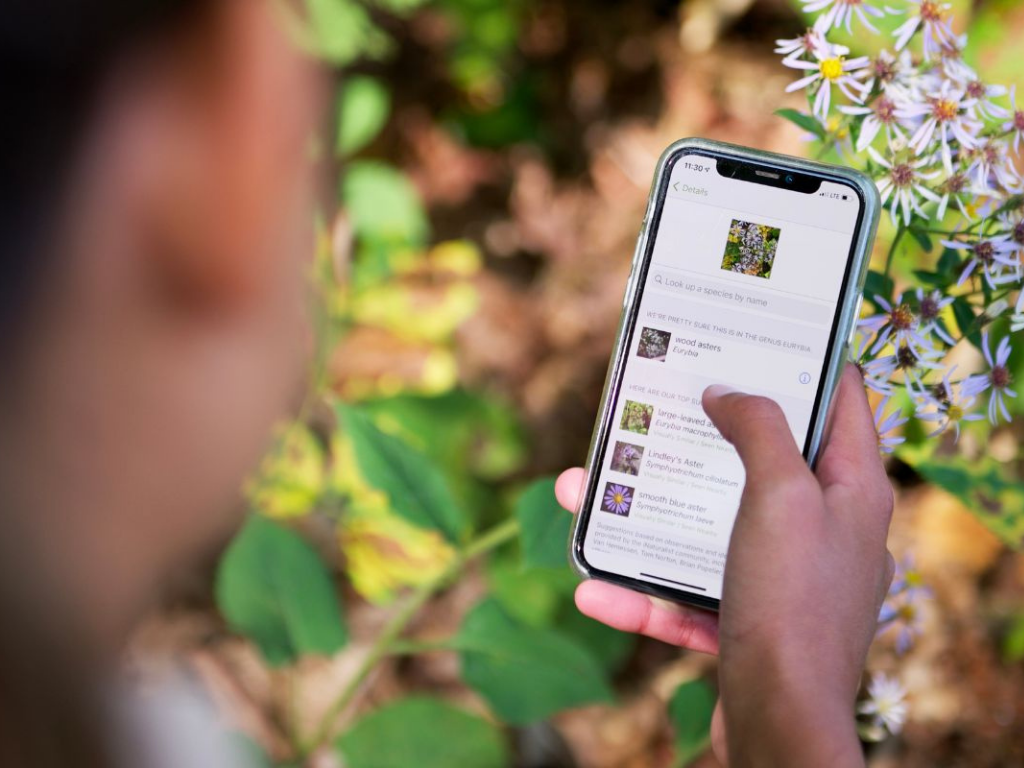
Exodus Adventure Travels just announced a partnership with iNaturalist, expanding its global citizen science program.

In the early morning light of Botswana’s Okavango Delta, before the heat settles and the birds retreat into the reeds, a traveller raises their phone—not to frame the perfect safari shot, but to log a data point. A dragonfly hovers near the water’s edge. A photograph is taken, tagged, uploaded. Somewhere else in the world, a scientist will eventually see it. This is the new frontier of adventure travel: not just witnessing the wild, but contributing to its understanding.

Exodus Adventure Travels just announced a new partnership with iNaturalist, becoming the first travel company globally to integrate one of the world’s largest citizen science platforms into guided adventures. The collaboration represents the newest phase of Exodus’ Citizen Science program, designed to engage travellers directly in biodiversity research while exploring some of the planet’s most wildlife-rich destinations.

Botswana safari Exodus Travels

As part of the partnership, travellers are encouraged to photograph and document plants, insects, fungi, and animals encountered on their journeys. These observations are then added to iNaturalist’s global biodiversity database, which is used by researchers, scientists, and conservationists worldwide to better understand ecosystems and identify how species and habitats can be protected.

The initiative prioritizes destinations where biodiversity data remains limited, often remote regions that are difficult for scientists to access regularly. By contributing wildlife observations from these locations, travellers help fill critical data gaps that can support conservation efforts on a global scale.

Wildlife tourism has traditionally focused on charismatic megafauna—the lions, elephants, and giraffes that dominate brochures and bucket lists. But biodiversity science depends just as much on documenting the overlooked: insects, fungi, plants, and lesser-known species that quietly sustain ecosystems. Some of the species travellers may help document include globally threatened plants and wildlife, rare dragonflies, elusive mammals, delicate fungi, and lesser-recorded insects. These organisms often lack sufficient data to support their protection.

“Through our new partnership with Exodus, we’re excited to help more people notice and document nature, especially in places where more observations can make a real difference for science and conservation,” says Scott Loarie, Executive Director of iNaturalist.

For travellers, participation is designed to be seamless and optional. The experience remains rooted in immersive exploration, expert guidance, and responsible wildlife encounters. The addition of citizen science simply reframes how travellers engage with what they see, encouraging closer observation and a deeper connection to place.

In this evolving model of adventure travel, a photograph is no longer just a souvenir. It becomes a small but meaningful contribution to understanding and protecting the natural world.

This Iconic Okavango Lodge Just Reopened its Doors
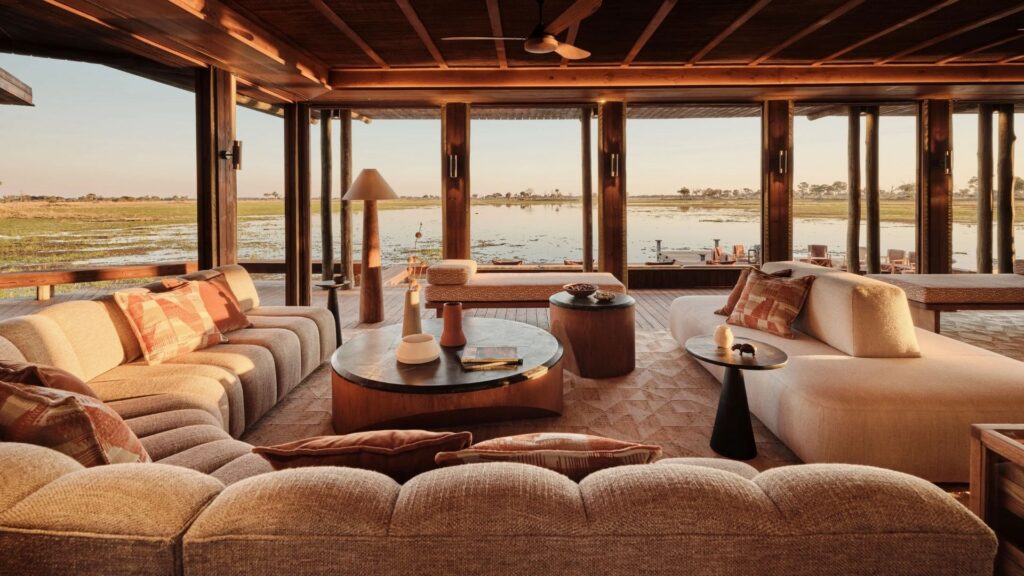
Baines’ Lodge has reopened after a complete rebuild, with just six suites and front-row access to Botswana’s most spectacular wetland.

Botswana’s Okavango Delta has no shortage of remarkable safari stays, but one of its most intimate lodges has just re-entered the scene with a striking new identity. Baines’ Lodge, an A&K Sanctuary property, has reopened following a complete rebuild, taking inspiration from 19th-century explorer and artist Thomas Baines, whose watercolours first introduced the region’s landscapes to the world.

Perched on the floodplains of the Boro River at the edge of the Moremi Game Reserve, the redesigned lodge feels like an open-air gallery. Soft greens and papyrus tones echo the reeds outside; sand-washed neutrals mirror the Delta’s islands; and rich timbers ground each space in its setting. Instead of walls, columns frame the views, so the watery landscape becomes the artwork.

With only six suites and a maximum of four guests per vehicle, the emphasis is on slow, deeply personal safari experiences. The private concession allows activities you won’t find in the main park — walking safaris, night drives, and, when water levels permit, mokoro canoe excursions through the channels. Seasonal floods transform the area from May to September, drawing elephants, lions, leopards, wild dogs, and extraordinary birdlife into the surrounding mosaic of waterways.

Thoughtful touches nod to both exploration and craftsmanship: the Explorer’s Lounge comes kitted with microscopes and maps, woven ceilings created by South African artisans mimic the patterns of termite mounds, and reclaimed timber from the original lodge has been reimagined throughout the property. Private decks feature “star baths” — open-air tubs positioned for long soaks under the night sky — making the lodge especially appealing for honeymooners and romantics. 

For travellers drawn to the Delta’s quieter corners, this rebuilt retreat offers something increasingly rare: a place where the landscapes take centre stage and the days unfold at nature’s pace.

Four Seasons Hotel Rabat opens in Morocco’s capital
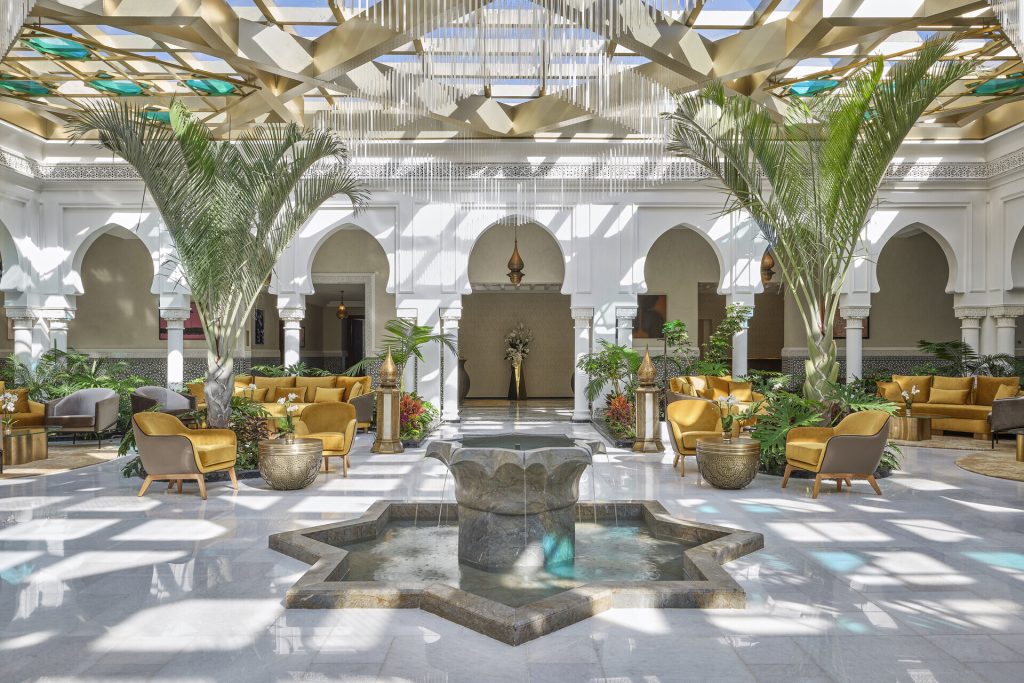
Four Seasons Hotel Rabat at Kasr Al Bahr is officially open in Rabat, Morocco.

Located in the capital city’s historic Quartier l’Océan on the shores of the Atlantic, Four Seasons Hotel Rabat is the ideal base from which to explore the city’s fascinating mix of cultures, architecture, cuisine and the arts. Much of the modern capital and historic city was named a UNESCO World Heritage Site in 2012, thanks in part to its “fertile exchange between the Arabo-Muslim past and Western modernism,” with its notable green spaces part of one of the continent’s most successful urban development plans.

From the 12th century Kasbah des Oudaias with its boutiques and bistros to the colourful shops that line the medina’s alleyways nearby, the magnificent Andalusian Gardens, and the ultra-modern Grand Theatre of Rabat designed by Zaha Hadid, the Hotel’s concierge team can plan an itinerary to suit every interest. 

The hotel’s 200 rooms and suites are spread across several modern and historic buildings featuring ocean or garden views, with most including either a furnished balcony or terrace, and some also offering a private plunge pool.

Guests are spoiled for choice among the hotel’s accommodations, with standouts including the Turquoise Ocean View Suite with its large living room, full dining suite and furnished balcony to enjoy the sweeping views from the top floor of the Hotel. The three-bedroom Moulay Slimane Presidential Suite – named for the Moroccan king who led the original construction of the “Palace by the Sea” two centuries ago – include residential-style features such as a fitness room, office, media room and kitchenette. The hotel’s crowning glory is the stunning two-storey Sultan’s Riad, offering 950 square metres (more than 10,000 square feet) of lavish living, including a rooftop ocean-view infinity pool.

For more information, visit fourseasons.com/rabat/

andBeyond Ngala tented Camp reopens after six-month closure
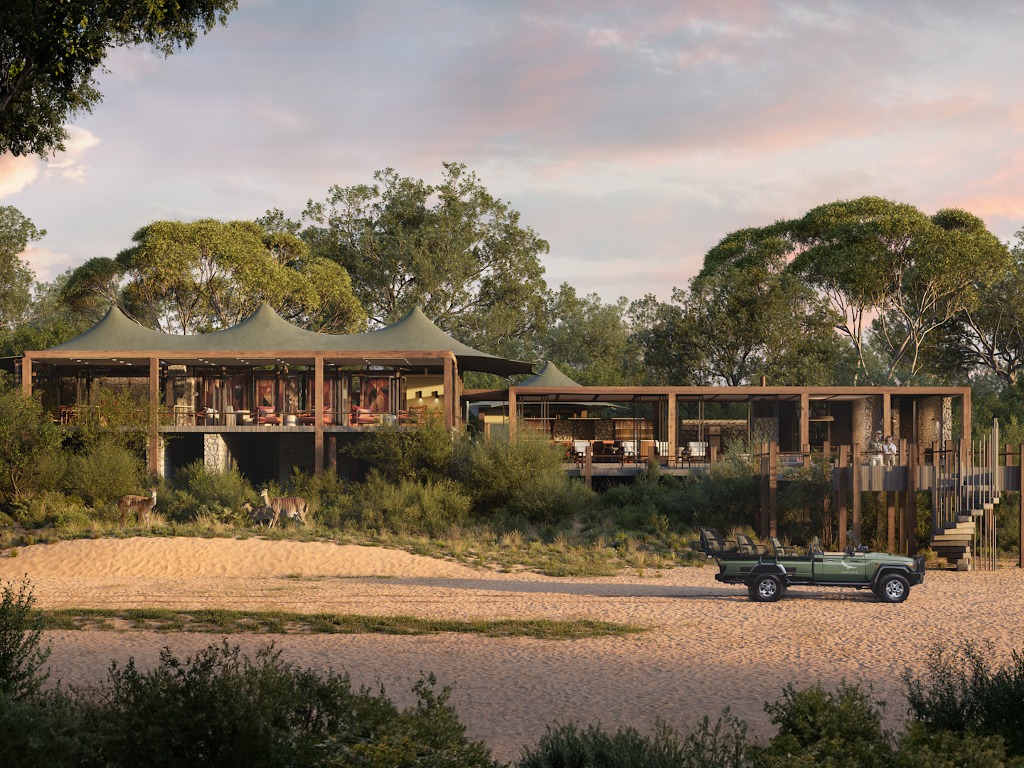
After a 6-month closure for an extensive refurbishment, andBeyond Ngala Tented Camp has now welcomed guests back to its iconic location on the banks of the Timbavati River.

During this time, the camp’s design has been reimagined; elevating the intimate and exclusive tented experience, while still retaining its classical tented feel and aura of bush romance. Known and loved for its ample wildlife experiences, which include rarities such as African wild dog and the area’s famous white lions, the camp is situated in andBeyond Ngala Private Game Reserve, which shares unfenced borders with the Kruger National Park. 

A revamped layout

A new layout and an extended outdoor deck ensure that guest tents are even more spacious and luxurious, with the addition of secluded outdoor spaces to while away the afternoon. Redesigned bathrooms will feature both an indoor and outdoor shower, in addition to an al fresco bathtub. Discrete butler hatches, outdoor screens and redirected pathways will add an extra element of tranquility and privacy.     

Similarly, the guest area underwent an extensive transformation to make the most of its spectacular setting above the riverbed, which remains dry through much of the year. Expanded decks with reticulated awnings now provide ample choice for dining options, while the lounge offers the ideal vantage point for guests wishing to spend some leisure time gazing out onto the shaded riverbed.  

Much loved by both guests and thirsty wildlife visitors, the camp’s swimming pool, as well as the surrounding deck, have been expanded. Shady guest salas provide an ideal space for sunbathing or informal poolside dining. The camp’s existing spa has been expanded, and a well-equipped gym has been built to round off the wellness offering. 

Retaining the camp’s elegant balance between traditional and contemporary, the new interiors combine local Shangaan-inspired mid-century silhouettes with regional embroidered designs and textiles, all against the backdrop of its signature granite stone and canvas. Tranquil and gracious, Ngala Tented Camp will continue to welcome children over the age of twelve, providing a romantic and private alternative to the more family-oriented Ngala Safari Lodge, situated in the north of the reserve.  

andBeyond Ngala Tented Camp officially reopened for guests in October 2024.     

This luxury tour operator just added Africa to its travel portfolio
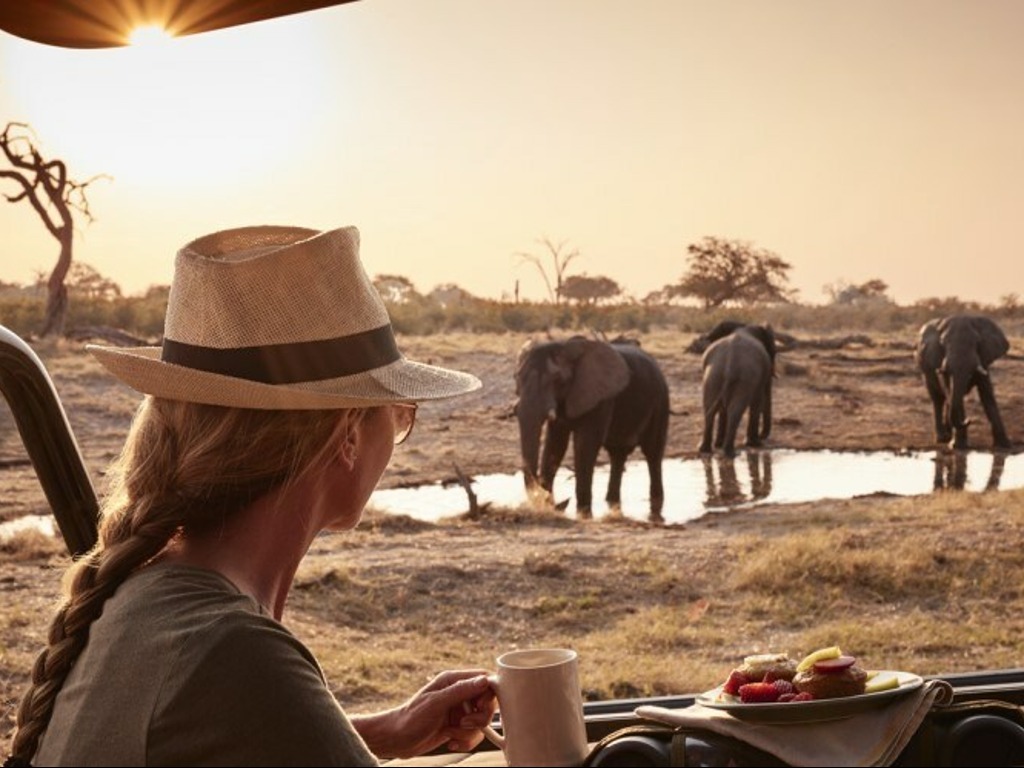
Classic Vacations, a global luxury travel company, is expanding its portfolio to include luxury offerings on a new continent: Africa.

Classic’s Africa portfolio launches with a range of carefully crafted itineraries designed to highlight southern Africa’s most iconic destinations and hidden gems. Whether travellers are seeking adventure in the wilderness, cultural immersion in vibrant cities, or just relaxation, there will be a tour to suit every taste and interest.

“Our diverse product offerings now span from city experiences in iconic destinations such as Cape TownJohannesburg, Livingstone, and Victoria Falls to unforgettable safari adventures in Kruger National Park, BotswanaZambia, and Zimbabwe. At Classic, we pride ourselves on curating exceptional experiences, and our newest additions promise to deliver even more to immerse travelers in the beauty and excitement that this magnificent region offers,” said Joelle Apilado, vice-president of product, Classic Vacations.

Africa offers a wealth of unique experiences that our customers are asking for. Add that to our preferred luxury accommodations and curated VIP service, and travelers are guaranteed to create memories that last a lifetime,” she concluded.

To learn more about Classic Vacations and its new Africa trips, visit www.classicvacations.com.

Park Hyatt has opened a luxury hotel close to Marrakech’s famed medina
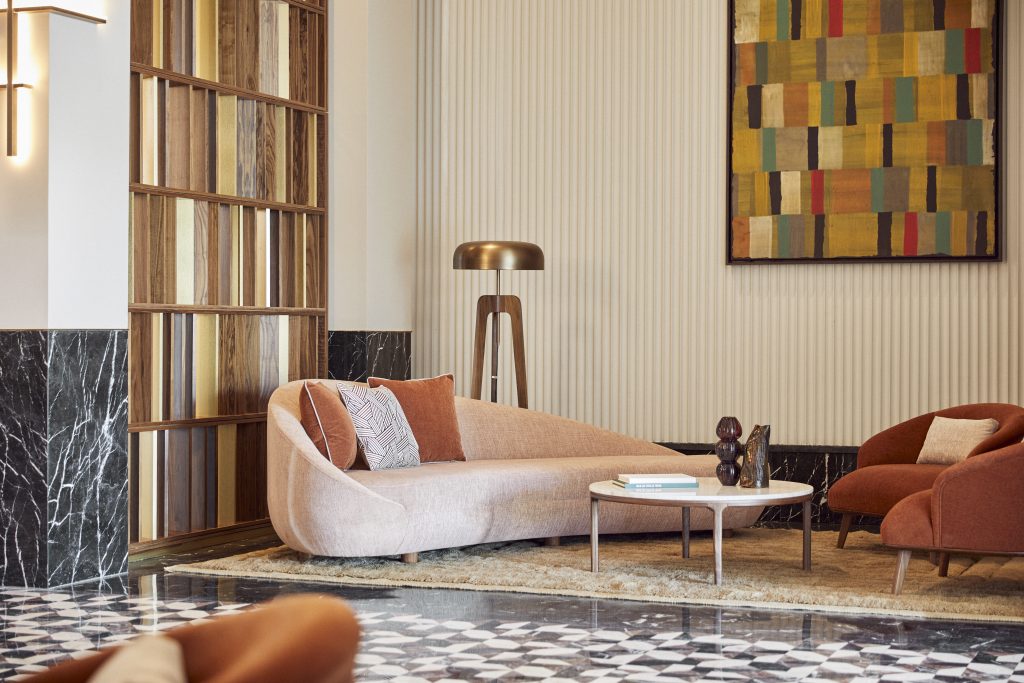
Park Hyatt Marrakech is now open, marking the debut of the Park Hyatt brand in Morocco and growing the brand’s presence in Africa, joining Park Hyatt Zanzibar and the forthcoming Park Hyatt Johannesburg, slated for 2025.

Uniquely located 15 kilometres from Marrakech’s historic Medina district, the 19-acre resort is situated in an exquisite, off-the-beaten path location at the base of the Atlas Mountains. Surrounded by palm trees, olive trees and jacaranda trees, Park Hyatt Marrakech sits adjacent to the magnificent Al Maaden Golf resort, exclusively offering guests convenient access to the 18-hole course.

.

About Park Hyatt Marrakech

Park Hyatt Marrakech stands apart from other luxury hotels in the market through a distinctly residential, modern, and stylish take on Arab-Berber heritage.

Composed of 16 pavilions arranged around a central, zeolite patio, Park Hyatt Marrakech encapsulates the personalized, understated luxury of the global brand with unexpected, hyperlocal experiences for guests – from breakfast in a hot-air balloon in the Three Atlas Valleys, to dinner in a Bedouin tent in the Agafay desert, to airport transfers in luxury electric cars, and more.

Renowned Marrakech-based architect Imaad Rahmouni drew inspiration from Arab-Berber traditions to create a luxurious contemporary design for Park Hyatt Marrakech.


The 130 residentially inspired guestrooms and suites are among the most spacious in Marrakech, and promise privacy and tranquility, with Moroccan touches throughout.

Each guestroom features traditionally woven Berber carpets in pure wool and headboards representing the Tataoui motif (a local roofing technique made of laurel branches) alongside modern works of art sourced via Ifitry Artists’ Residence.

Ammenities & more

In addition to convenient golf access, the hotel’s vast, 23,000+-square-foot spa is an ode to Morocco’s culture of hammam rituals and holistic therapies. Featuring products from Sodashi, a brand hand-crafted in Australia and Nectarome, a complete range of high-quality natural products derived from Moroccan traditions, the professional spa team can recommend personalized treatments.

Guests can stay on track of their fitness goals in the 2,153-square-foot fitness centre and yoga studio.


The expansive resort also includes an outdoor heated pool, a family-friendly outdoor pool, and an indoor heated pool beneath a vaulted ceiling, each offering unique valley and mountain vistas.

Get up close with wildlife on any of these exciting Africa trips

Africal Travel Inc., a luxury safari outfitter has launched a new 2024 brochure offering authentic wildlife and cultural encounters across 16 destinations in Africa from Cape Town to Cairo and their newest destination, Morocco.

With their continued sustainable travel efforts, African Travel Inc. is now incorporating a conscious travel experience across all of their itineraries from their newest journeys to the most popular itineraries that benefit wildlife conservation or local communities.

Each conscious travel experience is carefully chosen for the positive social or environmental impact they have for the communities ATI explores as well as for their guests who experience them. These experiences directly advance the Sustainability Development Goals set by the United Nations

New Morocco adventures

Guests are invited to discover Morocco’s cultural treasures, centuries-old traditions and culinary delights. On the new 10-day Discover Morocco  and 12-day Flavors of Morocco sensory journeys, they will enjoy a meaningful experience with a visit to the Marjana Argan Co-operative in the southwest region of the country which is owned by more than 80 local women.

Clients will learn more about the life of these Berber women who use only traditional methods of making argan oil. They will have the opportunity to purchase the women’s quality products and make a positive economic impact. In Marrakech, both itineraries offer an interactive cooking class, conducted by talented local chefs. Guests will follow the chef’s demonstration and prepare their own savoury meal using traditional cooking tools with aromatic herbs and spices.

Wildlife wonders

Adventure seekers will discover extraordinary wildlife experiences on ATI”s new 10-day Delta, Rivers and Falls safari through the heart of Botswana’s and Zambia’s staggeringly beautiful landscapes.

They will witness a stunning aerial view of the Okavango Delta as they arrive at their sustainable luxury lodge, Atzaro Okavango via a scenic helicopter flight. The camp’s knowledgeable guides offer guests unparalleled sightings of leopards, cheetahs, lions, elephants, hippos, gazelles, and buffalo. Clients will enjoy staying at camps which support conservation, education of local children and community empowerment.

In Livingstone, they will have an opportunity to tour the Maunga clinic, visit a school and participate in a lunch program serving local kids. This experience includes a donation to support the local community.


Family-friendly safari company adds exciting new trips

Extraordinary Journeys, a tour operator and safari specialist, has unveiled a diverse array of new family-forward safari experiences tailored for all age groups across its African destinations.

While Extraordinary Journeys recommends South Africa, Kenya, Zimbabwe, Tanzania, Zambia, and Botswana as wonderful family safari destinations, as of recently, Kenya and Tanzania have become more accessible to families thanks to new and improved accommodations and experiences by top safari camps and lodges that are tailored to little ones.

Extraordinary Journeys has the insider intelligence and expertise to know precisely which camps are best for the type of family adventure travellers want to experience.

Explore Tanzania & Kenya

In Tanzania and Kenya specifically, Extraordinary Journeys’ family itineraries feature new safari sites that have moved on from the old standard of tents with extra beds and now give families exclusive use of their own “camp within the camp.”

The private sites sport amenities such as private guides, dining spaces, fire pits, and a private or additional shared pool, giving families a larger area to spread out, breathe, and connect. Whether roasting marshmallows and stargazing with the kids or enjoying a drink on the deck while the kids are safely asleep nearby, these new luxury suites offer families increased options and ease.

In addition to game drives, family safaris offer many other experiences for children to enjoy including bush walks to look for tracks, horseback or camel riding, local village visits, cooking with the camp’s Chef, hanging out near a waterhole (where the wildlife comes to you!), helicopter safaris, young explorers programs, and more.

For more information and to book your own safari, visit extraordinaryjourneys.com.