Escape Winter With These New Canadian Sun Routes

New direct flights are expanding winter escape options across the Caribbean, Mexico and Central America.

As winter settles in, Canadian travellers have more reasons than ever to look south. Over the past few months — and with a few more routes launching imminently — airlines have rolled out a wave of new sun destinations from Canadian airports, expanding nonstop access to beach favourites, cultural capitals and resort regions across Mexico, the Caribbean and Central America.

This winter’s flight network that goes well beyond the usual snowbird routes, with new options departing not just from Toronto and Montreal, but from cities like Ottawa and Halifax as well.

Porter Airlines Brings Sun Flying to Ottawa and Toronto

Porter Airlines has made one of the most notable moves this season, launching a slate of new winter sun routes that significantly expand leisure travel options from Eastern Canada.

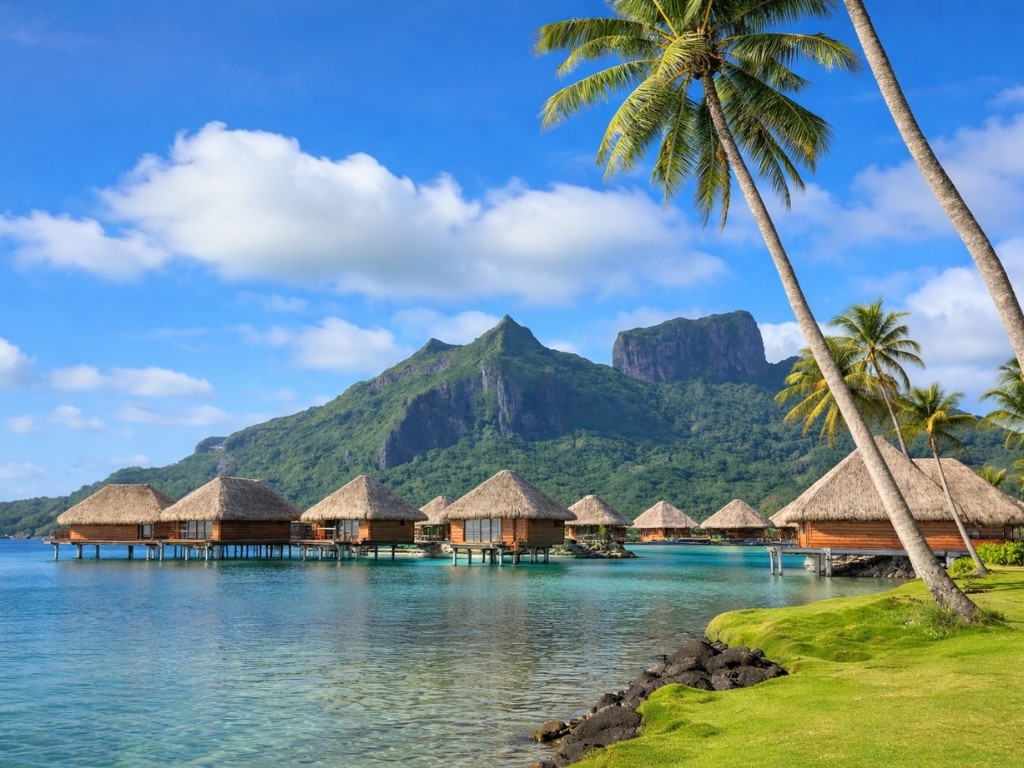
From Ottawa, travellers now have direct access to several warm-weather destinations that previously required connections. New nonstop flights link the capital to Nassau and Grand Cayman in the Caribbean, as well as Cancún and Puerto Vallarta in Mexico and Liberia in Costa Rica — a gateway to the country’s Pacific beaches and national parks.

Porter has also added similar sun routes from Toronto Pearson, offering nonstop service to the same mix of Caribbean and Mexican destinations, along with Costa Rica. For travellers accustomed to long layovers or indirect routings, these flights represent a meaningful upgrade in convenience — particularly for winter getaways and family travel.

WestJet Expands Access to the Caribbean and Beyond

WestJet is also leaning into winter sun demand with new seasonal routes that broaden access to the Caribbean and Latin America. A new nonstop flight from Toronto to Havana opens the door to Cuba’s capital, pairing culture, history and nearby beach escapes in a single destination.

Out west, WestJet has expanded its Latin American footprint with new seasonal service from Calgary to destinations in Mexico and Central America, reinforcing the city’s role as a major western gateway for sun travel. These additions complement the airline’s already extensive winter schedule and reflect continued interest in destinations that offer more than just beach time.

Air Canada Grows Its Winter Sun Network

Air Canada has rounded out the season with a broad expansion of its winter schedule, adding new and seasonal routes across the Caribbean, Mexico and Latin America. Canadian travellers now have direct access to destinations such as Martinique, Jamaica and the Bahamas from a wider range of departure cities, along with new links to South American hubs and cultural centres.

This expanded network reflects a growing appetite for longer, experience-driven winter trips — whether that means pairing beaches with food and culture, or exploring destinations that feel less familiar than the classic all-inclusive circuit.

What This Means for Your Winter Travel

These new routes signal a shift in how Canadians travel south for the winter. More nonstop flights reduce travel time and friction, while a broader mix of destinations makes it easier to tailor trips around personal interests — from surf and wellness in Costa Rica to culture-forward city breaks in the Caribbean.

Maybe most notably, travellers departing from cities beyond Canada’s largest hubs now have better access to winter sun than ever before. For anyone looking to trade snow boots for sandals this season, the options have never looked brighter.

Aire ancient baths Toronto

AIRE Ancient Baths Just Opened in Toronto

The candlelit circuit of thermal pools offers a welcome antidote to the city’s winter chill and mid-season blues.

If there’s one thing Canadian winters are good at, it’s reminding you how tense your shoulders can get. Short days, icy sidewalks, endless layers. Enter AIRE Ancient Baths, the international wellness brand that has just opened its first Canadian location in Toronto, bringing with it a deeply soothing answer to cold weather fatigue.

Long a favourite ritual in cities like New York, London and Barcelona, AIRE has built a devoted following for its atmospheric approach to thermal bathing. Its first Canadian location brings that same slow, immersive experience into a restored 1912 heritage building downtown, just as the city enters its coldest stretch of the year.

Warm stone surfaces, low lighting and hundreds of flickering candles set the tone, while a series of thermal pools at different temperatures encourages you to move slowly, warming up, cooling down and repeating as your body dictates. Unlike a traditional day spa, AIRE centres on communal thermal bathing, inspired by ancient Roman, Greek and Ottoman traditions. Silence, or near silence, is part of the experience, and time becomes pleasantly vague. Optional massage rituals take place within the bathing space itself, which keeps the experience feeling continuous rather than segmented.

The experience tends to appeal to travellers and locals who enjoy slowing down. It’s well suited to solo visits, quiet dates or post-trip decompression. This isn’t a social spa or a quick in-and-out treatment — it’s a place to linger (and warm up).

Stopover in Copenhagen: A Design-Lover’s Guide to Denmark’s Creative Capital

Where to eat, stay and explore in the UNESCO Architecture Capital of the World.

By Phil Birnbaum

From the moment you land, Copenhagen’s devotion to design is on full display. Even the airport is outfitted with iconic pieces like Hans J. Wegner’s Airport Chair and Thomas Kastholm’s Daybed. From there, a quick 20-minute train ride gets you to Kongens Nytorv, the city centre, where colourful townhouses, cafés and restaurants line the postcard-perfect Nyhavn harbour. Whether you visit during the city’s annual 3daysofdesign festival (June 10-12, 2026) or any other time of year, Copenhagen’s effortless blend of culture, cuisine and creativity makes it a destination worth lingering in.

Andersen & Maillard
Ruby Cocktail Bar

Where to Eat

Design influences every detail of Copenhagen’s dining scene, from the interiors to the plating. Start your morning at Andersen & Maillard, known for its flaky cheese buns (a staple) and expertly roasted coffee. For a stylish lunch, head to The Roe Bar at the Louise Roe Gallery, where the Danish designer’s furniture and tableware surround you as part of the experience.

For something casual but iconic, Gasoline Grill—which began in a former petrol station—serves one of the city’s best burgers across several sleek, design-forward locations. As night falls, Ruby is the place for cocktails, set inside a 19th-century townhouse on Nybrogade, blending old-world charm with new Nordic flair.

Louisiana Museum
Louisiana Museum Copenhagen
Louisiana Museum

What to Do

Just an hour north of the city, the Louisiana Museum of Modern Art is a must for art and architecture lovers, with modernist galleries and sculpture gardens overlooking the Øresund coast. Back in town, Designmuseum Danmark traces the evolution of Danish Modernism, with exhibits featuring nearly 100 classic chairs by legends like Hans J. Wegner, Nanna Ditzel, Finn Juhl and Cecilie Manz. Refuel with coffee and a pastry on the café’s garden patio

For a dose of urban innovation, rent a bike and ride to CopenHill, a waste-to-energy plant turned year-round ski slope designed by Bjarke Ingels Group. It’s a perfect expression of Copenhagen’s sustainable spirit.

Where to Shop

Begin at Louis Poulsen’s flagship store in Kuglegården to see the brand’s renowned lighting designs—the PH, Artichoke and Panthella among them—and pick up a portable Rumee Lamp by Gabriel Tan to take home. Then browse Illums Bolighus, a multi-level department store filled with Scandinavian furniture, fashion and décor, housed in a landmark 1941 building.

Before you leave, pick up a Hoptimist, Hans Gustav Ehrenreich’s cheerful spring-figure toy, available in a rainbow of colours—a playful emblem of Danish joy.

Audo House
Audo House

Where to Stay

In Nordhavn, Audo House brings together design, hospitality and community under one roof. The 10-room boutique hotel, housed in a restored heritage building, is also home to a concept shop and café by the Danish furniture brand Audo, making it a hub for design enthusiasts.

For a central stay, Hotel Petra, which opened in partnership with &Tradition, features 40 rooms furnished entirely with the brand’s contemporary pieces. The inviting Petra Bar & Restaurant off the lobby serves as both neighbourhood café and stylish gathering place for coffee, lunch or a nightcap.

Porter Airlines is Launching Five New Sun Routes

Just in time for winter getaways, the airline is adding five direct routes from Ottawa to Mexico, the Caribbean and Costa Rica.

Winter travellers departing from Ottawa now have more direct options for escaping the cold, thanks to a new slate of nonstop sun routes launching this season. Beginning mid-December, Porter Airlines is rolling out five direct flights from Ottawa International Airport to popular warm-weather destinations in Mexico, the Caribbean and Central America, eliminating the need for connections through Toronto or Montreal.

The new routes link Ottawa with Puerto Vallarta, Cancun, Nassau, Liberia (Costa Rica) and Grand Cayman, offering access to a mix of beach destinations, resort hubs and nature-focused escapes. For travellers in the National Capital Region, the expansion marks a notable shift: nonstop international leisure flights from Ottawa have historically been limited, often requiring a layover even for mainstream sun destinations.

Flights to Puerto Vallarta and Nassau begin December 13, followed by Cancun and Liberia on December 17, and Grand Cayman on December 19. Service frequencies range from weekly to daily, depending on the destination, allowing for both long-stay vacations and shorter winter breaks.

The addition of Liberia is particularly noteworthy for travellers drawn to Costa Rica’s Pacific coast, cloud forests and national parks, while Grand Cayman becomes accessible nonstop from Ottawa for the first time. Puerto Vallarta and Cancun, long-time Canadian favourites, offer a choice between laid-back coastal towns and large-scale resort infrastructure, while Nassau provides easy access to both Paradise Island resorts and the broader Out Islands.

A smoother winter travel experience

All five routes are operated using Porter’s Embraer E195-E2 aircraft, configured in a two-by-two seating layout with no middle seats. For travellers accustomed to crowded winter flights, that detail alone may be appealing. Complimentary beer and wine served in glassware, premium Canadian snacks and free Wi-Fi are also part of the onboard experience, though the real draw for most passengers will be the time saved by flying nonstop.

From a planning perspective, the new routes make Ottawa a more practical starting point for winter travel, especially for families or travellers who prefer to avoid early-morning connections or overnight airport stays. The expansion also aligns with a broader trend among Canadian airports to strengthen point-to-point international service rather than funnelling travellers exclusively through major hubs.

What this means for travellers

For residents of Ottawa and eastern Ontario — as well as parts of western Quebec — the new flights reduce travel friction at one of the busiest times of year. Instead of budgeting extra hours for connections or overnight layovers, travellers can head directly south, often arriving the same day with minimal disruption.

The routes also provide flexibility in travel style. A weeklong all-inclusive stay in Cancun or Nassau can be paired with shorter, more experience-driven trips to Costa Rica or Mexico’s Pacific coast, where eco-lodges, surf towns and boutique hotels dominate. Grand Cayman, meanwhile, appeals to travellers seeking calm beaches, excellent diving and a quieter Caribbean rhythm.

These new sun routes join Porter’s expanding winter schedule from Ottawa, which already includes nonstop service to several Florida cities. Additional destinations, including Miami and Phoenix, are expected to come online in 2026, further broadening Ottawa’s direct access to warm-weather travel during the colder months.

This Iconic Okavango Lodge Just Reopened its Doors

Baines’ Lodge has reopened after a complete rebuild, with just six suites and front-row access to Botswana’s most spectacular wetland.

Botswana’s Okavango Delta has no shortage of remarkable safari stays, but one of its most intimate lodges has just re-entered the scene with a striking new identity. Baines’ Lodge, an A&K Sanctuary property, has reopened following a complete rebuild, taking inspiration from 19th-century explorer and artist Thomas Baines, whose watercolours first introduced the region’s landscapes to the world.

Perched on the floodplains of the Boro River at the edge of the Moremi Game Reserve, the redesigned lodge feels like an open-air gallery. Soft greens and papyrus tones echo the reeds outside; sand-washed neutrals mirror the Delta’s islands; and rich timbers ground each space in its setting. Instead of walls, columns frame the views, so the watery landscape becomes the artwork.

With only six suites and a maximum of four guests per vehicle, the emphasis is on slow, deeply personal safari experiences. The private concession allows activities you won’t find in the main park — walking safaris, night drives, and, when water levels permit, mokoro canoe excursions through the channels. Seasonal floods transform the area from May to September, drawing elephants, lions, leopards, wild dogs, and extraordinary birdlife into the surrounding mosaic of waterways.

Thoughtful touches nod to both exploration and craftsmanship: the Explorer’s Lounge comes kitted with microscopes and maps, woven ceilings created by South African artisans mimic the patterns of termite mounds, and reclaimed timber from the original lodge has been reimagined throughout the property. Private decks feature “star baths” — open-air tubs positioned for long soaks under the night sky — making the lodge especially appealing for honeymooners and romantics. 

For travellers drawn to the Delta’s quieter corners, this rebuilt retreat offers something increasingly rare: a place where the landscapes take centre stage and the days unfold at nature’s pace.

Guatemala Casa Palopo

Guatemala by Design

From Antigua to Lake Atitlán, Guatemala reveals a balance of raw beauty and refined details.

By Renée Morrison

Stepping into Villa Bokéh in Antigua Guatemala feels like slipping into a secret garden. It’s just minutes from the bustling cobblestoned streets of the town centre, but past the unassuming entry gates lies a six-acre haven. With views of the twin volcanoes Agua and Fuego, manicured gardens of bamboo and birds of paradise surround a pond with three resident ducks, and a sleek pool is tucked into a lush corner. The hotel itself, designed by local Paliare Studio and featuring artwork from the private collection of owner Claudia Bosch, has 15 suites—each its own palette of colour, texture, craft—and sets the tone for a trip defined by design.

My Olive Suite pairs soft greens and white linens with woven accents, plus a private patio and fire pit. Here, the thoughtful touches extend beyond design: one night, a lavender eye mask and aromatherapy diffuser appear alongside local honey sweets; the next, a woven pouch of tiny Mayan worry dolls, said to take away your stresses if whispered to before bed.

Villa Bokeh Antigua Guatemala
Villa Bokéh
Antigua Guatemala
Antigua Guatemala

Stepping beyond Villa Bokéh’s gates, Antigua mirrors that same dialogue between past and present. Once the Spanish colonial capital, this UNESCO-listed city is famed for its barroco antigueño, a local take on Spanish Baroque adapted to withstand earthquakes. Thick adobe walls, low arches and sturdy columns meet delicate stucco façades, while Mudéjar-inspired tiles and arched windows—echoes of Arabic Spain—soften the geometry. On a walking tour, Antigua reads like a living design textbook: Mayan, Spanish and Moorish influences shaped by time and tremor.

In the bustling Parque La Unión, we stop at the Tanque, a public washbasin built in 1853 where women once aired out their laundry both literally and figuratively. A few blocks away, we step into a verdant courtyard that looks like a bohemian boutique hotel, only to find it’s a Starbucks (worth a photo, but head to Artista de Café for your caffeine fix). Nearby, Casa del Jade offers a fascinating primer on the stone’s cultural importance, a mini museum of original ceremonial artefacts, and a boutique selling contemporary jewellery.

On our final evening, back at Villa Bokéh, I climb a spiral staircase to the Honesty Bar—a tiny, unmanned gem that opens onto a rooftop terrace overlooking the gardens. We mix cocktails with local Zacapa Rum as the sun fades behind the volcanoes. Then, suddenly, the sky lights up with fireworks. They’re part of an engagement happening elsewhere on the property, doubling as a celebratory send-off. 

Casa Palopó
Casa Palopó
Kinnik Restaurant at Casa Palopó

From City to Stillness

The next morning, a two-and-a-half-hour drive through the highlands brings us to Lake Atitlán, an immense volcanic caldera lake ringed by three imposing volcanoes. The landscape is enough to rewire your sense of scale. Perched on the mountainside facing the lake, Casa Palopó is modest from its façade, but as I’ve learned, much of Guatemala’s beauty lies beyond first impressions.

Inside, the sprawling property is bold yet refined, courtesy of Guatemalan designer Katy Jay. Colour reigns: cobalt, ochre and red on the walls, terracotta floors, patterned textiles. In the restaurant, vines of fuchsia and aquamarine blossoms hang overhead as hummingbirds dart around the open terrace. My room, beside a library stacked with vintage travel and décor magazines, opens onto a claw-foot outdoor tub facing the lake—a private theatre for volcano sunsets.

But that will have to wait. When the hotel’s private three-bedroom villa isn’t booked, guests can slip into its stone-clad infinity pool that feels lifted from a Slim Aarons photograph. So I do, watching my first Lake Atitlán sunset from the hot tub as faint Spanish lounge music drifts through hidden speakers. Later, we take the funicular down to Kinnik, the lakefront restaurant in a sleek glass-and-stone pavilion. Dinner is perfectly medium-rare beef asado, gorgonzola-roasted cauliflower, grilled vegetables and fresh tortillas—hand-pressed just steps away from our table. It’s one of those meals that quietly ruins you for others.

Guatemala Shaman ritual Lago Atitlan

By day, in the neighbouring town of Santa Ca- tarina Palopó, we see how design is being used as a force for change. The Pintando Santa Ca- tarina Palopó project—an initiative led by Grupo Alta, the ownership group behind the hotel—is transforming this lakeside town of roughly 5,000 Kaqchikel Maya residents into a living canvas. With plans to paint more than 950 façades in bold geometric patterns inspired by ancestral textiles, the project revives local pride, creates jobs, and turns the town into a cultural landmark. Guests at Casa Palopó can even volunteer to help paint.

Inside By Katy Jay, the hotel designer’s boutique in Santa Catarina, shelves display artisanal pieces like wooden serving pieces, woven baskets and ceramic bowls, each representing the region’s craft traditions. I’m invited to try my hand at weaving on a miniature telar de cintura (traditional backstrap loom). My guide explains how cotton threads are dyed with natural pigments—hibiscus for purples, chipilín leaves for greens and cochineal insects for reds—before showing me how to weave them into a bracelet to take home.

Our final night brings something sacred. At sunset, we meet our Mayan shaman, Tomas, for a private fire ceremony on the hotel terrace. We sit around a circular altar of flowers, corn and candles as he takes our birth dates to reveal our nahuales—Mayan spirit companions—before guiding us through a cleansing ritual. The fire crackles as the sky shifts from coral to black, and I can’t imagine a more meaningful ending than this glimpse into living Maya culture, which has been threaded into almost every textile, turndown and tour stop of my trip.

Later, returning to my suite, I find the al fresco bath drawn with rose petals, the same hue as those in the altar. It’s a simple gesture, and one any guest can request, but in context, it feels like magic. In Guatemala, as in design, it’s all in the details.

Guatemala traditional weaving

The List

Where to Stay
Villa Bokéh (Antigua) and Casa Palopó (Lake Atitlán), which features its own heli-pad for 30-minute air transfers that can be arranged by the hotel.

What to Eat
Shrimp ceviche (Casa Cristal at Villa Bokéh); Fagottini stuffed with icha-j pá sakil (6.8 Restaurant at Casa Palopó); Beef asado (Kinnik at Casa Palopó)

What to Do
Take a 20-minute boat ride to the artisan village of San Juan La Laguna for locally made chocolate, coffee, ceramics and handwoven goods.

What to Drink
Exceptional coffee, grown in volcanic soil; a cocktail made with Zacapa rum

What to Bring Back
Salted 70% chocolate from Xocolatl (San Juan La Laguna); a woven throw or tortilla basket (Santa Catarina); a carved charm featuring your Mayan nahual from Casa del Jade (Antigua).

Ace Hotel Toronto Rooftop Chalet Winter

Toronto’s Ace Hotel is Transforming its Rooftop into a Winter Chalet

Toronto may be deep in hibernation by December, but one downtown hotel is determined to pull travellers and locals back out of it – in the best way. Ace Hotel Toronto has launched an entire season of winter happenings, anchored by the return of its rooftop Winter Chalet pop-up and, yes, actual outdoor curling overlooking the city. 

From December 2 through February 28, the hotel transforms its rooftop bar, Evangeline, into a cozy indoor-outdoor chalet experience complete with twinkling lights, warming cocktails, blankets and fire pits. The star: a brand-new Lot 40 outdoor curling rink that lets you play a match set against the Toronto skyline. Thirty-minute sessions are free and operate on a first-come, first-served basis – ideal for travellers looking for a fun, spontaneous winter activity between meals and museums. 

Those who prefer to spectate (or sip) can linger inside with seasonal drinks, curated snacks and the kind of hygge-leaning ambiance that makes you forget you’re several storeys above the city streets. Evangeline is also debuting a cocktail lineup designed for cold-weather comfort, courtesy of bar manager Aaron Hatchell. Expect aromatic flavours, mulled wine, a classic hot toddy and a “Smooth O-pear-ator,” a non-alcoholic pear-and-winter-spice cocktail. Reservations for the bar are highly recommended. 

Evangeline ACE Toronto

Fireside Workshops, Design Collabs, and a Festive DJ Series

Within the hotel, Ace has programmed a full slate of festive events:

Wreath-Making With Philia Flora

December 16, 6–8 p.m.
Create your own wreath using seasonal botanicals at this hands-on workshop led by Toronto floral designer Philia Flora. Tickets will be available via the Ace website. 

Jingle Bell Hop Holiday Takeover

December 20, 10 p.m.
A one-night holiday bash with festive cocktails, cosy beats and a playful, over-the-top holiday aesthetic — think DJs, dancing and winter-themed indulgence. Tickets ($10) are now on sale. 

Cool Intentions: A New Year’s Eve Party at The Lobby

December 31, 10 p.m.–2 a.m.
Ace Hotel’s NYE celebration takes over the Lobby bar for a night of music, cocktails and a low-key-cool atmosphere. Early bird tickets ($25, then $40) are now available. 

Alpine Noir: NYE at Evangeline

December 31, 10 p.m.–3 a.m.
For a more elevated option, Evangeline hosts Alpine Noir, a high-altitude celebration with DJ sets, photobooths, dance-party energy and a fashionable dress code. Tickets include bubbles at midnight plus access to the new DJ booth overlooking Toronto’s skyline. Early bird tickets start at $120.

Vienna Christmas Market at Rathausplatz

European Holiday Markets Worth Travelling For

Twinkling squares, centuries-old traditions and the scent of mulled wine in the air — if you’re craving a festive getaway, these are the holiday markets worth travelling for in 2025.

Vienna Christmas Market at Rathausplatz — Vienna, Austria

Dates: 14 November – 26 December 2025
Few cities do nostalgia quite like Vienna in December. At Rathausplatz (featured in our header image), strings of lights droop from towering trees, children swirl around the ice rink, and vendors hand out warm punsch in ceramic mugs. Come for the atmosphere — stay for the vanilla-scented pastries and beautifully crafted ornaments.

Old Town Square Christmas Market — Prague, Czech Republic

Dates: 29 November 2025 – 6 January 2026
Prague feels made for Christmas. In the shadow of its Gothic towers, the Old Town Square fills with carollers, wooden stalls and the glow of one of Europe’s most impressive holiday trees. Don’t miss a warm trdelník, rolled in cinnamon sugar and served piping hot.

Vörösmarty Square Christmas Market — Budapest, Hungary

Dates: 8 November 2025 – 1 January 2026
Budapest’s most beloved market blends old-world charm with festive creativity. Browse handmade ceramics, sip spicy mulled wine and tuck into hearty favourites like goulash served in a bread bowl. As the sun sets, the surrounding buildings light up with cascading illuminations.

Cologne Cathedral Christmas Market — Cologne, Germany

Dates: 17 November – 23 December 2025
Set beneath the dramatic spires of Cologne Cathedral, this market delivers pure holiday spectacle. More than a hundred red-roofed stalls sell everything from artisanal woodwork to gingerbread hearts, while the city’s giant Christmas tree anchors the scene.

Winter Wonders — Brussels, Belgium

Dates: 28 November 2025 – 4 January 2026
Brussels stretches its celebrations across the city centre, creating a lively trail of more than 250 chalets, light projections and a charming Ferris wheel. It’s also the perfect place to sample seasonal Belgian treats: think warm waffles, speculoos and rich hot chocolate.

Christkindelsmärik — Strasbourg, France

Dates: 26 November – 24 December 2025
Often called the Capital of Christmas, Strasbourg’s centuries-old market unfolds across the city’s half-timbered old town. Expect glowing lanterns, Alsatian specialties and some of the most beautifully decorated streets in Europe.

Amsterdam Christmas Markets — Amsterdam, Netherlands

Dates: 15 November 2025 – 3 January 2026
With ice rinks, cosy pop-up markets and canals draped in fairy lights, Amsterdam turns into a winter postcard. The city’s neighbourhood markets are especially charming — smaller, more local, and perfect for browsing with a warm stroopwafel in hand.

Tallinn Christmas Market — Tallinn, Estonia

Dates: 22 November – 27 December 2025
Tallinn’s UNESCO-listed Old Town becomes a storybook come to life each winter. Expect a traditional village square, twinkling lights against medieval stone walls, and steaming mugs of glögi (Nordic mulled wine). Rumour has it, this was home to Europe’s first public Christmas tree.

Toulouse Air Canada

Fall in Toulouse is a Timeless Treasure

While cozying up indoors has its appeal in autumn, exploring the timeless charm of Toulouse is a journey worth taking.

Nestled in the heart of southwestern France, “La Ville Rose” offers an autumn experience that’s rich in colour, culture, and culinary delight. With Air Canada’s year-round flights departing up to five times weekly from Montréal, getting there is as smooth as a sip of French wine.

GOLDEN EVENINGS IN BUZZING BISTROS

As the air turns crisp and leaves fall, Toulouse’s bistros and wine bars glow with warmth and energy. Locals linger over long meals and visitors are always invited to join the conversation. Whether it’s with a robust red from nearby Gaillac or a seasonal dish by candlelight, the city’s spirit is irresistible. 

AUTUMN FLAVOURS, À LA FRANÇAISE

Fall in Toulouse is a feast for the senses. Travellers can indulge in the region’s signature cassoulet or try garbure, a rustic soup brimming with garden vegetables and cured meats. From flaky pastries to earthy cheeses, every bite reflects the bounty of the season and the soul of southern French tradition.

Toulouse
Toulouse France

HISTORY IN EVERY STONE

With roots stretching back to Roman times, Toulouse is a city where history whispers from every corner. Travellers take time out to stroll through the medieval streets of the Old Quarter, admire the grandeur of the Capitole de Toulouse, or visit the Basilica of Saint-Sernin, one of Europe’s largest Romanesque churches.

ON THE MOVE IN TOULOUSE

For active travellers eager to explore beyond the ordinary, Toulouse offers an invigorating escape. With its proximity to the Pyrenees mountain range, the city serves as a gateway to scenic hiking trails that wind through lush valleys and rugged peaks, while the Canal du Midi invites cyclists to cruise along its tranquil, tree-lined paths.

MORE COMFORT, MORE CHOICE

Escaping happens in total comfort with three cabin classes for travellers to choose from: 

  • Economy Class, featuring endless in-seat entertainment, along with complimentary wines, spirits and meals.
  • Premium Economy, offering extra legroom, enhanced meal service and elevated comfort.
  • Air Canada Signature Class, the highest level of luxury, featuring lie-flat seats, a premium dining experience and exclusive access to our Maple Leaf Lounge, so travellers can arrive rested and ready to explore.

Toulouse in the fall is an invitation to slow down and savour every moment. And with convenient flights from Montréal, the city’s charm is just a journey away.

Learn more and book your fall getaway to Toulouse at aircanada.com.

hokkaido

Japan’s Coolest Island Escape

The island of Hokkaido is a wonderland of snow-dusted landscapes, crystal-clear lakes and rich traditions.

Hokkaido feels like a seasonal snow globe. In the warmer months, brightly coloured flowers blanket rolling hills, while autumn’s rich tones sweep across mountain towns. Come winter, snow glistens on the water, casting a magic that’s hard to replicate.

The country’s northernmost island is also its least developed — though far from barren. Sapporo, home to the beer of the same name, is Hokkaido’s most famous city, where visitors can explore the brewery’s free museum and learn about Japan’s beer-making history dating back to 1876. It’s also the ancestral home of the Indigenous Ainu people, whose culture centres on living in harmony with the land. The result is a natural retreat, highlighted by the deep-blue, crystalline waters of Lake Shikotsu, among the clearest in Japan. Enjoy it warmed or chilled — either way, it’s a perfect après-soak indulgence.

lake Shikotsu Ice Festival
Lake Shikotsu Ice Festival

In winter, the lake — tucked inside Shikotsu-Toya National Park — is ringed by towering ice sculptures, formed by spraying and freezing its own waters. The annual Lake Shikotsu Ice Festival, usually held in February, features an ice slide, skating (in boots or skates), horse rides for children, and dips in traditional Japanese onsen (hot springs). 

Outdoor enthusiasts will find plenty to explore. Hokkaido offers an impressive network of hiking trails, from mountain loops to snowshoe-friendly paths. Shiretoko National Park, Akan-Mashu National Park, and Daisetsuzan National Park reward visitors with sweeping wildlife and wilderness views. In Sapporo, the Olympic Museum — a legacy of the 1972 Winter Games — invites guests to trek up the ski hill for panoramic city vistas. Curated itineraries from companies like Remote Lands combine skiing in the Japanese Alps, onsen tours in Noboribetsu, historic streets in Hakodate (one of Hokkaido’s oldest cities), stargazing under clear night skies, and more experiences that evoke a profound sense of peace.

For a stay that mirrors the snow globe effect, Lake Shikotsu Tsuruga Besso Ao no Za hotel pairs traditional Japanese hospitality with sweeping lake views. The hotel offers a kaiseki dining experience — multiple chef-driven courses showcasing locally sourced, artistically plated dishes — and a teppanyaki restaurant serving rice, vegetables, meat and abundant seafood. Hokkaido’s scallops and salmon are highlights, alongside crab and prawns. Don’t miss the wagyu beef, paired perfectly with local sake.

Japan has no shortage of postcard-perfect views, but few match the stillness of Hokkaido under a winter sky. And with the island just 90 minutes by flight from Tokyo, its wild beauty is closer than you think.

Lake Shikotsu Tsuruga Besso Ao no Za hotel

3 WAYS TO WARM UP IN HOKKAIDO

Soak in an onsen
Slip into restorative hot springs in Noboribetsu — famous for its varied, mineral-rich waters born from volcanic hell-valley — or in scenic Jōzankei nestled in Shikotsu-Toya National Park.

Tuck into a bowl of Sapporo miso ramen
Hokkaido’s signature miso ramen delivers rich, savoury broth with hearty toppings like butter, corn, chashu pork, bean sprouts — and sometimes local seafood — for the ultimate winter comfort.

Sip local sake
Hokkaido’s sake breweries craft crisp and pure pours using mountain spring water, from the Daisetsuzan range to local rivers.