
Vermelho Hotel

Haute Couture Hotels

From Christian Louboutin’s red-soled retreat in Portugal to Missoni’s rooftop pool takeover in Texas, fashion’s biggest names are bringing their aesthetic to the world of hospitality.

By Erica Commisso

Fashion’s most recognizable houses are stepping beyond boutiques and ateliers, carving out a stylish new niche in hospitality. Whether through sun-splashed rooftop pop-ups, bespoke restaurants, or full-fledged hotels, these brands are crafting experiences as exclusive as their runway designs.

Armani may have been among the first to blur the line between haute couture and high hospitality—opening its namesake hotels in Dubai in 2010 and Milan a year later—but a new wave of labels is following suit, each putting its own spin on the idea of living the brand.

DG Taormina
DG Resort
Cavallino

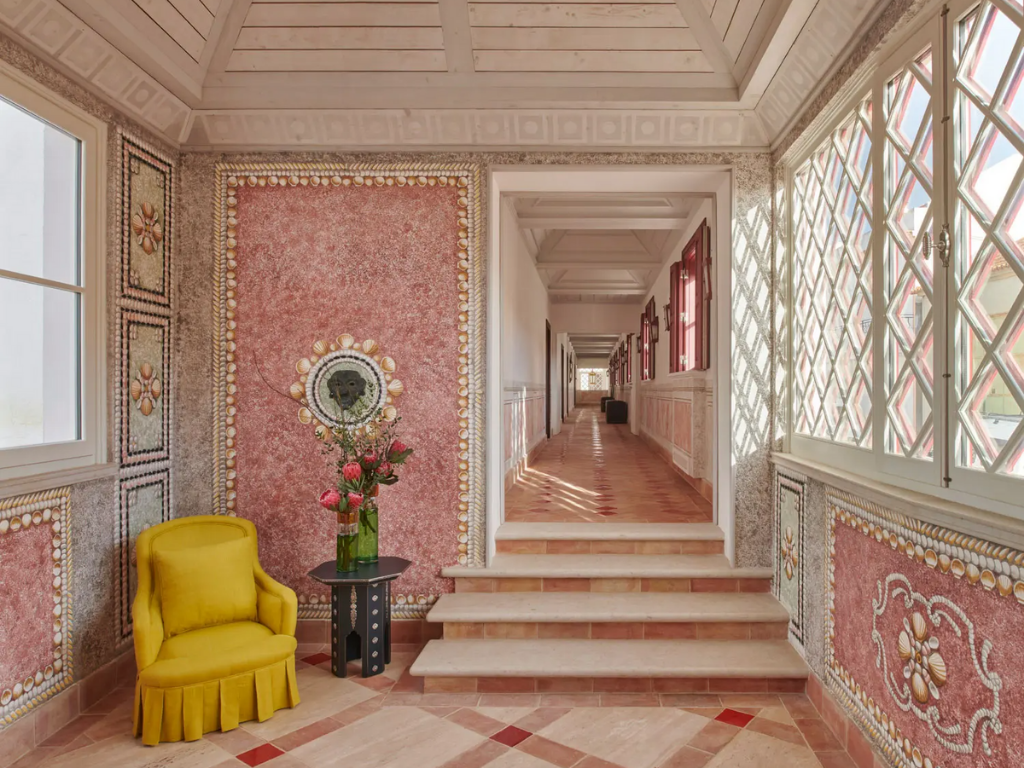
Take Christian Louboutin, whose first hotel, Vermelho (featured above), debuted in the quiet Portuguese village of Melides, just south of Lisbon. The 13-room property is an exuberant reflection of the designer’s signature flair: the iconic red heel reimagined through tiles, beams, and upholstery. Yet, for all its glamour, the space remains grounded in local culture, blending artisanal Portuguese craftsmanship with Louboutin’s playful sensibility—a European counterpart to Yves Saint Laurent’s legendary Marrakech oasis.

Meanwhile, Ferrari is channeling its racing-red prestige into fine dining. At Cavallino restaurant in Maranello, steps from the factory and Gestione Sportiva racing department, acclaimed chef Massimo Bottura’s Italian classics are served up with the precision of a Formula 1 pit crew. The tasting menu celebrates regional icons like Parmigiano Reggiano and Emilia Romagna wines, a far cry from the humble company canteen Enzo Ferrari opened in 1950. Since its 2021 redesign, Cavallino has become a destination in its own right for culinary-minded car enthusiasts.

This past year also brought a flurry of beach clubs and poolside collaborations. Longchamp landed in Forte dei Marmi, Italy, with a seaside outpost that captures the breezy elegance of the French Riviera. In Dallas, Missoni partnered with Hôtel Swexan to create a rooftop escape awash in the brand’s iconic zigzag prints. Guests sip Malfy Gin Spritzes poolside, enjoy curated in-suite gifts, and bask in the kind of effortless glamour usually reserved for the Mediterranean. “This partnership is the perfect fit since both Missoni and Hôtel Swexan are family-owned, devoted to craftsmanship and timeless sophistication,” says Hôtel Swexan general manager Julian Payne. 

Elsewhere, designers made their mark from the Hamptons to Ibiza. Michael Kors and Chanel hosted posh summer activations in New York’s chicest coastal enclave. Dolce & Gabbana’s DG Resort returned to Taormina and Saint-Tropez, Jacquemus took over Monte-Carlo Beach, and Louis Vuitton debuted a Saint-Tropez culinary pop-up with Michelin-starred chefs Arnaud Donckele and Maxime Frédéric. Lacoste also entered the scene, opening a café in Monte Carlo that brings its preppy-sporty heritage to life, right down to the crocodile-green details.

As the lines between fashion, travel, and lifestyle continue to blur, one thing is clear: luxury today is about more than what you wear. It’s about where you stay, what you taste, and how you can live inside the brand’s world—even just for a night.

10 Trends Shaping Luxury Travel in 2026, According to the Virtuoso Luxe Trend Report
From crowd-free itineraries to multigenerational adventures, the 2026 Virtuoso Luxe Trend Report reveals how high-end travel is becoming more personal, purposeful, and experience-driven.

In an era where luxury means more than fine hotels and first-class flights, the newly released 2026 Virtuoso Luxe Trend Report offers a window into how affluent travellers are planning to explore the world in the year ahead. Drawing on insights from more than 2,400 travel advisors across 58 countries within the Virtuoso network, the report looks beyond destinations alone, focusing instead on how people want to travel.

The big takeaway from the 2026 report is that luxury travel is becoming more personal and more intentional. Travellers are still willing to invest, but they want those investments to translate into experiences that feel meaningful, restorative, and genuinely memorable — not just impressive on paper.

Top Travel Trends to Watch

According to the report, ten key motivations are shaping how luxury travellers plan their journeys in the year ahead:

  • Family and Multigenerational Travel
    Trips are increasingly designed to be shared, with families travelling together across generations to create lasting memories.

  • Active and Adventure Travel
    From remote hikes to wildlife encounters, adventure remains central — especially when paired with comfort, expertise, and thoughtful pacing.

  • Cultural Immersion and Authenticity
    Travellers are prioritizing experiences that offer real insight into local traditions, food, and communities.

  • Cruising and Expedition Voyages
    Ocean, river, and expedition cruising continue to grow, with a stronger focus on meaningful time ashore.

  • Gastronomy and Spirits Travel
    Food and drink are no longer just part of the journey — they’re often the reason for choosing a destination in the first place.

Together, these trends point to a larger shift: luxury travel is moving away from checklist tourism and toward experiences that feel story-worthy and deeply personal.

Where Travellers Are Heading in 2026

Italy, Japan, Greece, France, and Croatia continue to lead as the most-requested destinations, offering a mix of culture, cuisine, history, and scenery that appeals across traveller types. Canada also makes the top 10, reflecting growing interest in wide-open landscapes paired with vibrant urban culture.

At the same time, emerging destinations are gaining ground. Places like Iceland, Antarctica, and Morocco are attracting travellers looking for experiences that feel fresh, uncrowded, and emotionally resonant.

How Travellers Have Changed

Beyond destinations, the report highlights several mindset shifts shaping luxury travel today:

Crowd Control Is the New Luxury
Avoiding peak crowds has become a priority, with travellers opting for shoulder seasons, alternative routes, and quieter regions to preserve a sense of calm.

Experience Drives Inspiration
Film, television, and social media continue to influence where people want to go, sparking interest in destinations seen on screen and shared online.

All-Inclusive, Reimagined
Today’s all-inclusive experience is about freedom, not limitation — with private transfers, elevated dining, and bespoke excursions replacing the one-size-fits-all model.

Wellness Is Now Core to Travel
Wellness is no longer a niche category. From spa-focused escapes to nature-led retreats, restorative travel experiences are increasingly central, particularly for solo travellers and couples.

What ultimately emerges from the 2026 Virtuoso Luxe Trend Report isn’t a checklist of places to visit, but a broader philosophy. Luxury travel in 2026 is less about how many destinations you can fit into a year, and more about how deeply you experience each one. 

Virtuoso identifies seven of the most popular luxury travel trends

Virtuoso has partnered with travel trend forecasting agency, Globetrender, to unveil the Luxury Travel Trend Watch: 2025.

Working with global data from Virtuoso’s 2024 Brand & Travel Tracker Survey – a global survey of its high-net-worth/ultra-high-net-worth clientele – Globetrender and Virtuoso have identified seven trends shaping the luxury travel landscape for 2025.

Silver bullet wellness

Wellness tourism, projected to grow 16.6 percent annually and reach $2.1 trillion by 2027 (Global Wellness Institute), is seeing the rise of “Silver Bullet Wellness,” which provides personalized health habits and longevity plans. Luxury travellers are now seeking treatments for issues like insomnia, cognitive decline and disease prevention, moving beyond traditional pampering treatments to life-extension programs.

Switzerland, Spain, Germany and Thailand are among the countries leading the charge, with high-net-worth travellers increasingly favouring retreats offering intensive, tailored mind-body transformations. With one in eight Virtuoso clients traveling for wellness, demand for specialized treatments is soaring.

F**k it lists

The term “bucket list” has long dominated the travel landscape, but now, the focus has shifted to spontaneous, short-term experiences, reflecting a “carpe diem” mindset. In 2025 and beyond, travellers are embracing “F**k-It Lists” – spontaneous, fun and liberating adventures that prioritise living in the moment.

As the affluent continue to favour experiences over luxury goods, this trend is fuelling splurges on more extravagant modes of travel like yacht charters, first-class flights and private jets. “F**k-It Lists” also serve to push travellers out of their comfort zones, focusing on personal fulfilment rather than conventional tourist spots.

Moodboarding

When planning a trip, most people think of the destinations and activities, often overlooking how they want to feel. Many seek relaxation but find themselves still thinking about work by the pool. In reality, an itinerary involving physical activities like hiking may better help disconnect from professional stress. As travel designers ask the right questions to tap into clients’ true motivations, they can address deeper emotional needs, giving rise to the “Mood Boarding” trend in pre-trip consultations.

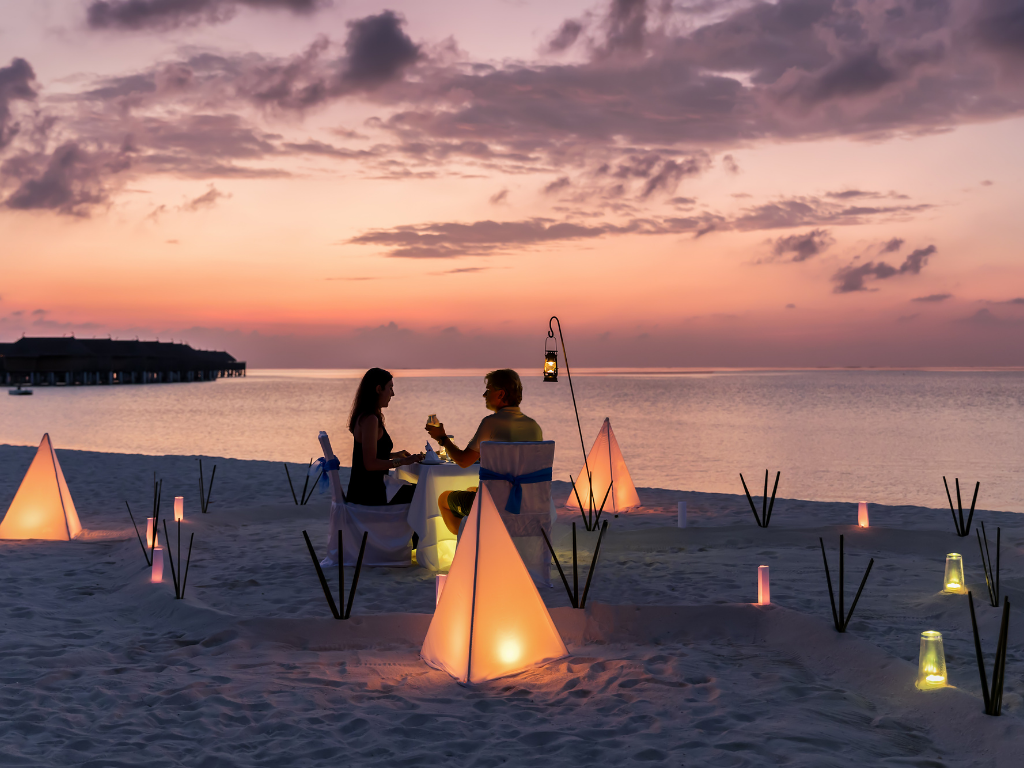
Virtuoso believes luxury travel advisors should help clients distinguish between “wants” and “needs,” curating experiences that offer emotional nourishment. For instance, a candlelit beach dinner may be less about the event itself and more about fostering connection or forgiveness between partners.

XZ beta travel

By 2025, seven generations will be travelling together for the first time in history, as “Beta Babies” are born to Gen Z parents (aged 16-30). This includes Generation Alpha (aged 1-15 in 2025), Millennials, Gen X, Boomers and the Matures. A key trend, “XZ Beta Travel,” will see young Gen Z parents traveling with their children and Gen X grandparents, who often finance the trips.

Gen Z, with 2 billion people and expected to represent 27 percent of the global workforce by 2025, is a growing and aspirational consumer group. McKinsey reports that 35 percent of the luxury travel market consists of “aspiring” travellers with net worths between $100,000 and $1 million, typically under 40 and increasingly from Asia.

This demographic drives over a third of the $239 billion luxury travel market. The challenge is catering to this new group of young parents, who often find inspiration on TikTok (60 percent of users are Gen Z). While many Gen Zs are delaying or opting out of parenthood, even a small percentage having children will still amount to millions, and hotels are adapting.

Wander women

The rise of independent travel among women is set to grow in 2025 and beyond, with more women of all ages opting for solo, adventurous trips. Travel providers are responding by offering tailored experiences to cater to this trend, dubbed “Wander Women.” According to Virtuoso, 71 per cent of its solo travellers are women, with 47 percent of them divorced, separated or widowed, highlighting a surge in post-partner or family-raising travel.

AmaWaterways removed single supplements for solo travelers on select European river cruises in 2024, while Swiss travel network A Small World launched the Solo Cruise Company, targeting women 55+. In small group travel, Intrepid Travel will debut its first women-only trips to Saudi Arabia in November 2024, in partnership with a local female-owned operator. Experiences include visiting Saudi women’s homes and female-only beaches.

Meanwhile, startups like Mom’z offer “babymoons” in Spain for pregnant women, and the Amilla Maldives hosted a “mid-life wellbeing” retreat for perimenopausal and menopausal women in 2024. Luxury providers are finding niches in solo female travel, focusing on personal connections, unique experiences and women’s specific needs.

Memoirs in motion

The trend “Memoirs in Motion” involves luxury travellers hiring professional film crews to document their travels, turning holidays into cinematic experiences and personal legacies.

Unlike the “Set-Jetting” trend, which focuses on visiting movie locations, this new trend lets clients star in their own documentaries, reflecting the growing demand for personalised storytelling and memory preservation.

Racketeering

The trend of “Racketeering,” coined by Globetrender, reflects the growing popularity of racket sports like tennis, pickleball and padel during vacations, spurred by the 2024 film “Challengers.”

Companies like Pickleball in Paradise now organise racket sport-themed vacations. Resorts worldwide are capitalising on this trend by adding state-of-the-art courts, clinics and tournaments. Notable destinations include Marbella Club, the birthplace of padel in Europe, and Necker Island, where Richard Branson hosts the exclusive Necker Cup tennis tournament. His Moskito Island estate also offers tennis facilities.

Luxury resorts like Hotel du Cap-Eden-Roc in France, in partnership with Lacoste, have embraced this trend with branded tennis courts and a limited-edition tennis apparel collection. Meanwhile, the Maldives’ Soneva Fushi and Soneva Jani resorts added padel courts, hosting pro players through the “Soneva Stars” program.  Other destinations like One&Only Aesthesis in Greece, Bürgenstock Resort in Switzerland, and Le Grand Bellevue Switzerland have also embraced racket sports. Even cruise lines, such as Crystal Cruises, now offer onboard pickleball and padel courts on their ships.

To view the entire report, please click here.