Fusion Resorts Debuts Wellness Retreats Across Vietnam

Fusion Resorts has announced a trio of immersive retreats launching this fall at select Vietnam resorts. Designed to blend traditional healing practices with contemporary comforts, the properties aim to transform ordinary getaways into restorative journeys.

At Fusion Resort & Villas Da Nang, opening Dec. 31, 2025, the spotlight falls on the “Healing Retreat,” a four-day program led by newly appointed wellness master Sanjay Rawat. Drawing on more than a decade of experience in yoga, pranayama, meditation and Ayurveda, Rawat introduces travellers to a holistic reset. Guests move from chakra balancing and re-energizing meditation to sound baths and daily yoga, punctuated by plant-based cuisine that nourishes body and spirit.
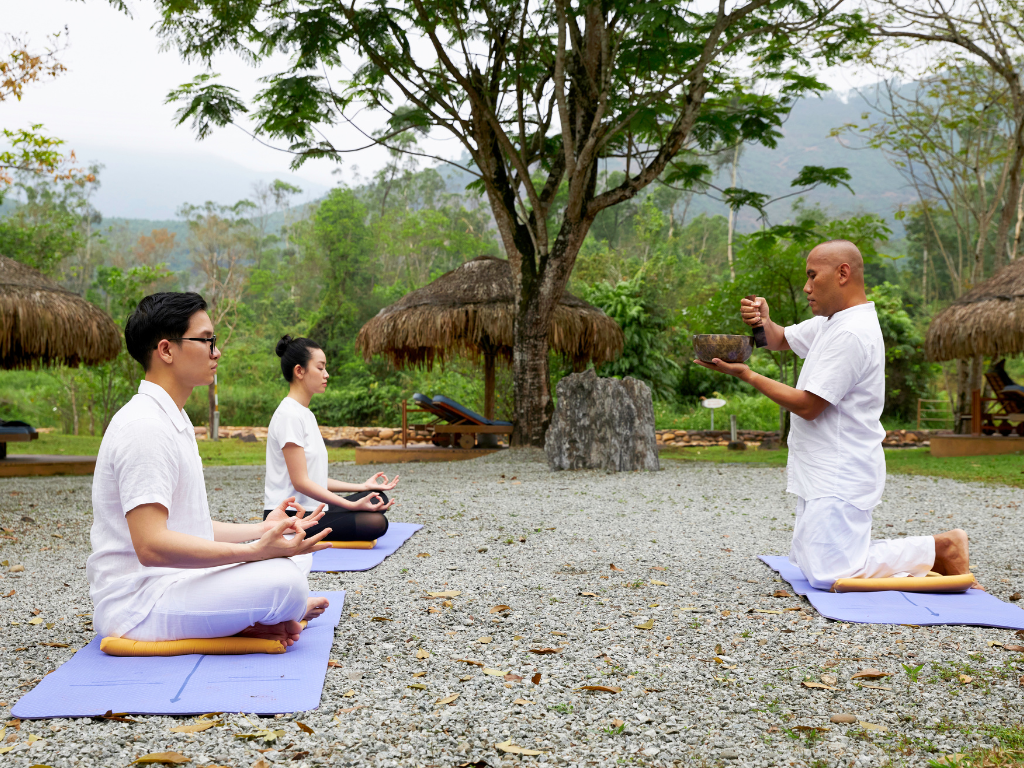
Alba Wellness Valley by Fusion

Further south, the Alba Wellness Valley by Fusion near Hue builds its practice around the soothing Phong Mai hot springs. The five-day “Pancharakarma Retreat,” available Sept. 7 to 13, 2025, draws from Ayurveda’s ancient detoxifying therapies, combining yoga, meditation and personalized consultations. Treatments such as synchronized full-body massages, Shirodhara warm-oil therapy and Swedana herbal steam are designed to reduce stress, restore inner balance and improve sleep quality.

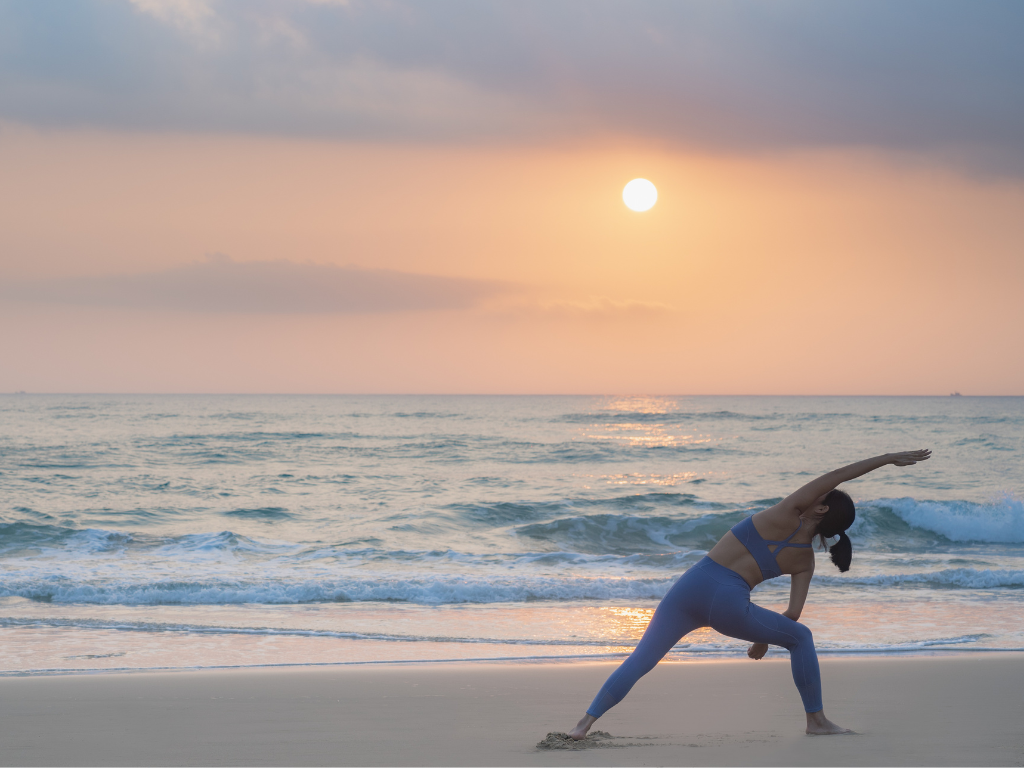
Rounding out the collection, Maia Resort Quy Nhon will launch the “Full Moon Retreat” on Oct. 31, 2025. Set against the lunar glow of Vietnam’s central coast, the program blends meditation, mindful painting and chakra healing with kayak excursions and sunset yoga. Guests will also sample local cuisine, including nourishing plant-based meals, before winding down at the resort’s beachfront signature restaurant Vị Quê.

Fusion, which operates more than 25 properties across Vietnam and Thailand, is renowned for introducing wellness programming at every level of the guest experience. These new retreats underscore a commitment to helping travellers rediscover balance — whether that means floating in a thermal pool, finding focus through breathwork or simply soaking up the idyllic natural landscapes.
Intrepid’s 2026 Not Hot List Reveals 10 Under-the-Radar Destinations

In a world where 80 per cent of travellers visit just 10 per cent of destinations, Intrepid Travel is steering adventurers elsewhere. The company’s 2026 Not Hot List, developed with trend forecasters Globetrender, spotlights 10 places often overlooked but poised to welcome visitors—from Central Asia’s vast mountain ranges to North America’s least-visited national park.

Among the highlights is Tiwai Island in Sierra Leone, newly inscribed as a UNESCO World Heritage site in 2025. Here, travellers can overnight in rainforest lodges and embark on river cruises while supporting local communities that reinvest tourism revenues into conservation and development.

In Kyrgyzstan’s Tien Shan Mountains, the Kyrgyz Nomad Trail—a grassroots trekking network expanded to 2,000 km—opens up alpine valleys and glacial lakes. Trekkers stay in yurts and share meals with nomadic families, offering a rare glimpse into a way of life largely unchanged for generations.

Closer to home, Great Basin National Park in Nevada remains one of the United States’ quietest parks, drawing just over 150,000 visitors in 2024. With expanded campgrounds and new programming planned, a visit here is both a retreat into solitude and a statement of support for preserving fragile landscapes.
Other destinations on the list include:

  • Sierra Norte, Mexico, where Zapotec villages operate under a pioneering community-led tourism model.

  • Vis Island, Croatia, an antidote to overtourism with no airports or cruise stops.

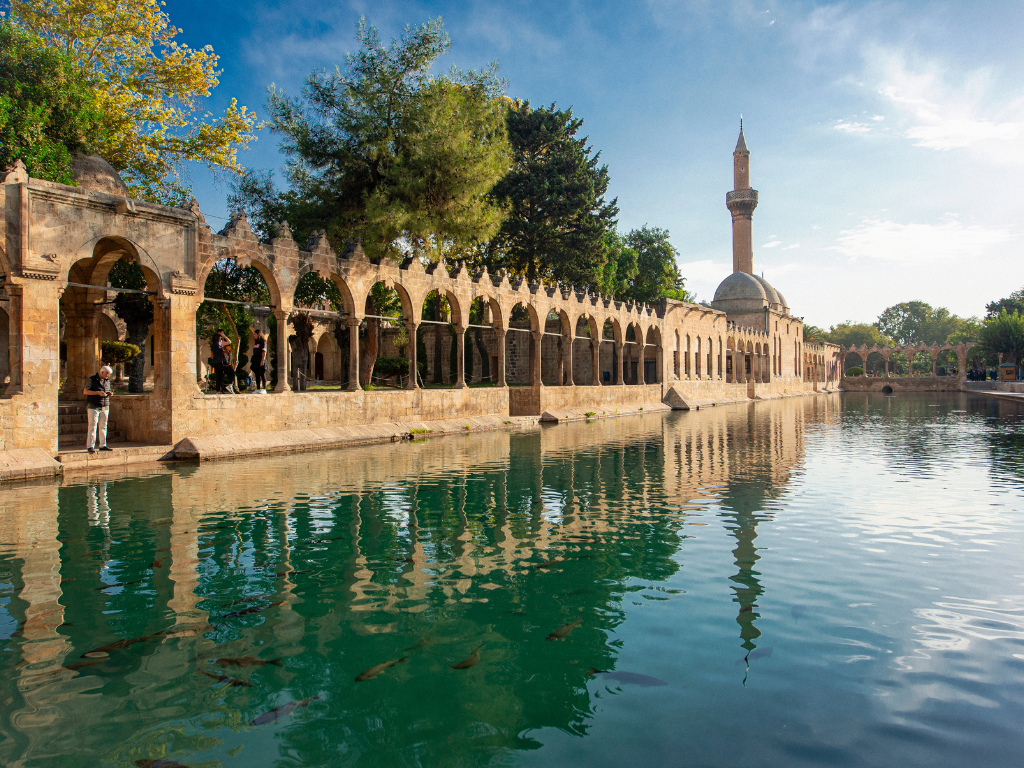
  • Southeastern Anatolia (pictured in feature image), Türkiye, home to UNESCO sites and renowned culinary traditions.

  • Arunachal Pradesh, India, celebrating its first Sunrise Festival in 2026.

  • Via Transilvanica, Romania, a 1,400 km trail dubbed the “Camino of the East.”

  • Ruta de las Flores, El Salvador, a highland route famed for coffee and culture.

  • Oulu, Finland, the European Capital of Culture 2026, merging Arctic gastronomy with bold climate programming.

“While some places receive millions of visitors each year, many others go virtually unnoticed,” said Erica Kritikides, Intrepid’s General Manager of Experiences. “Our Not Hot List reflects an approach to tourism we’ve long championed: better tourism, not less tourism.”

For the curious and conscientious, the 2026 Not Hot List is an invitation to take the road less travelled—and to leave a positive impact along the way.

Stay: The Algonquin Resort

A fresh look at an iconic hotel in St. Andrews by-the-Sea, New Brunswick.

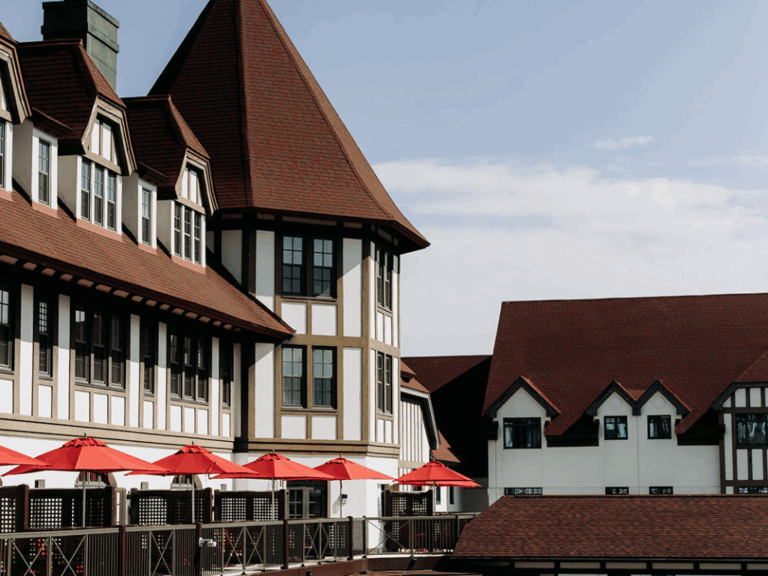
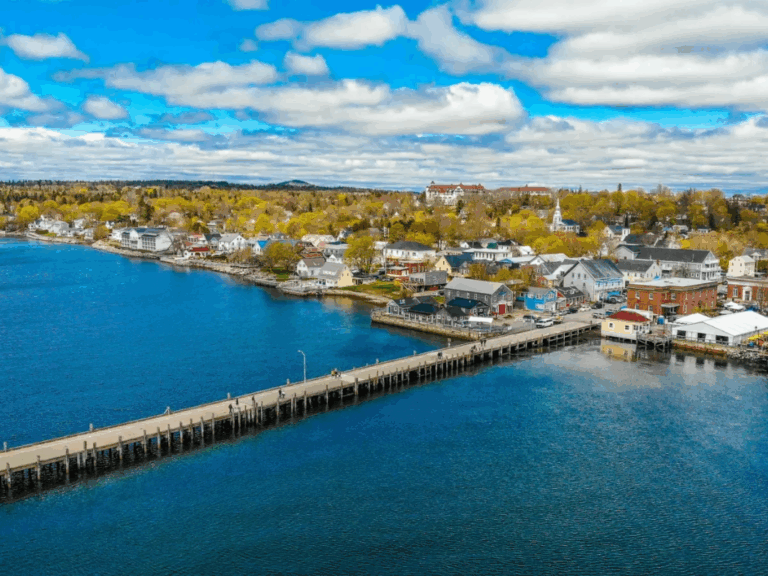
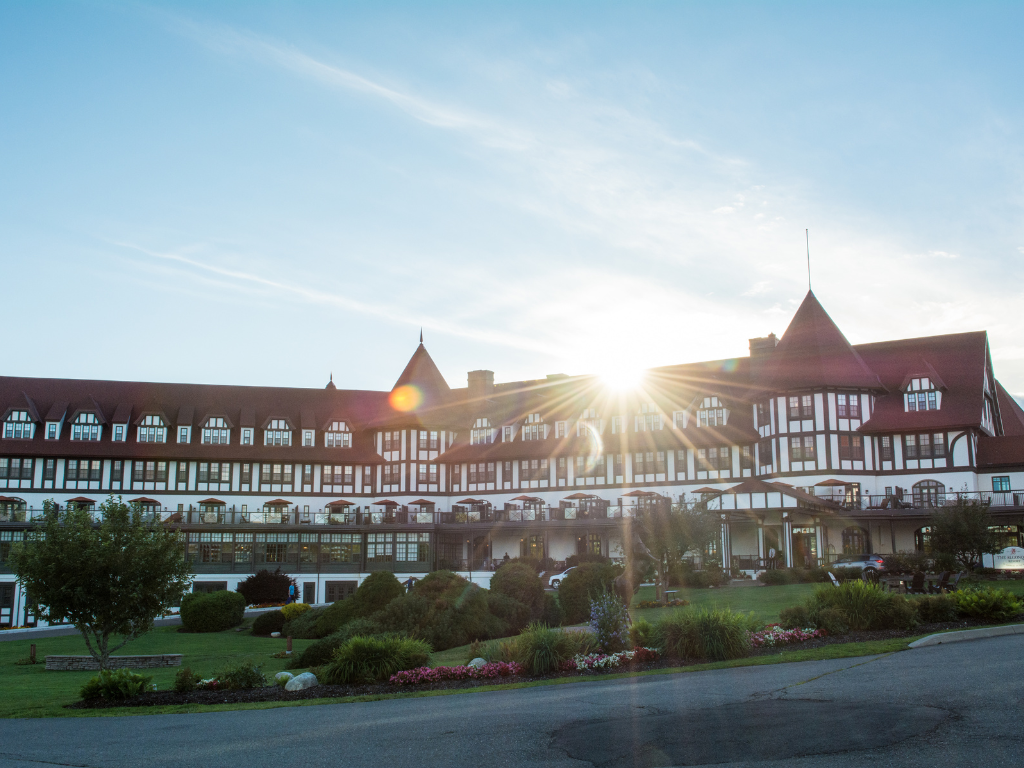
When The Algonquin first opened in 1889 on the shores of New Brunswick’s Passamaquoddy Bay, it was a grand hotel stop on the Canadian Pacific cross-country railway. The town of St. Andrews by-the-Sea, where the hotel sits on a hill, was a place people visited from Quebec and northeast United States to breathe in the restorative sea air and slow down from busy city life.

More than 130 years later, in some ways, not much has changed. An afternoon spent on the resort’s wraparound porch, watching piebald deer wander across manicured lawns, feels as blissfully unhurried today as it did in the 19th century. But in other ways, The Algonquin is entering a new era.

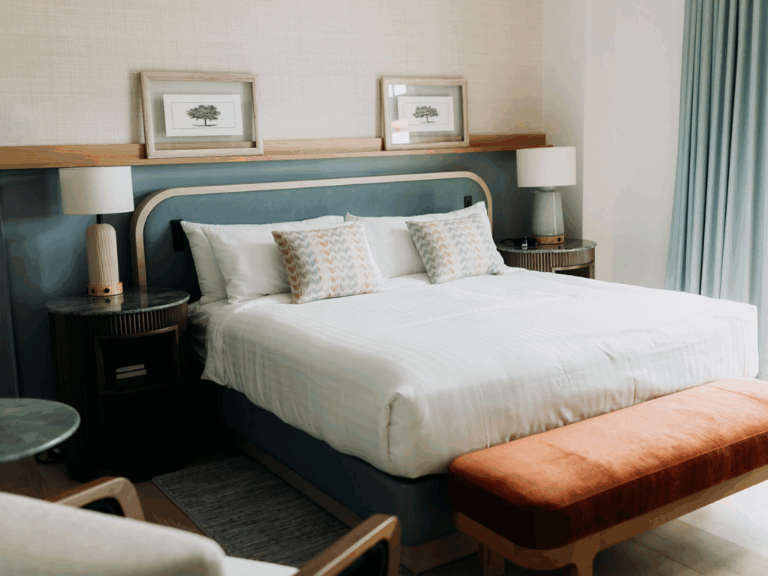
While the hotel’s exterior exudes its historic importance, inside, rooms have been given a modern makeover. With seafoam green and cadet blue decor and wide-panel wooden floors, it’s like stepping into a private maritime cottage; open the window and you’ll have the breeze off the bay drifting in. Grab a complimentary bike or e-scooter from just outside reception and explore town, around the harbour or through the trails in the spruce forest of Pagan Point Nature Preserve. Or schedule a late afternoon game at the hotel’s award-winning golf course, where holes offer incredible views of the water, and catch the sunset while you’re there. 

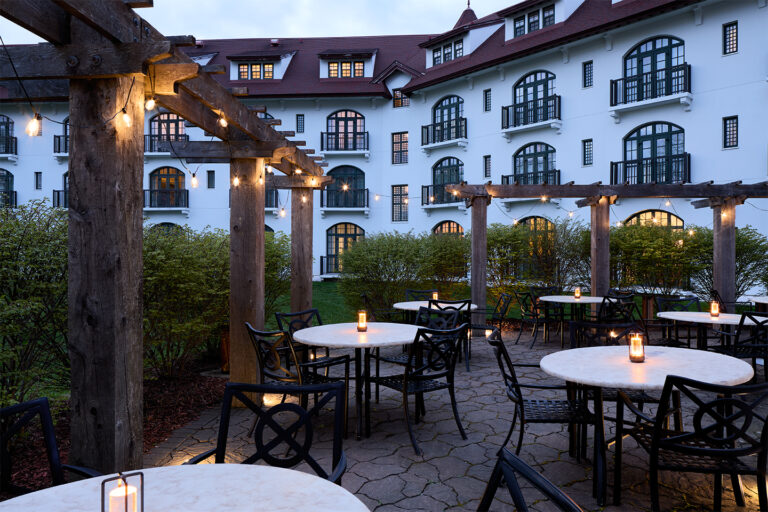
Come evening time, the hotel’s nightly ghost tours lead brave travellers underground through tunnels that connect different parts of the resort. Stories echo off the walls of a former night watchman whose jangling keys can still be heard, lights mysteriously dimming while staff are cleaning and dishes found on the floor of the dining room after tables were set the evening before. And while weather permits, the hotel lights bonfires and sets out blankets on Adirondack chairs, inviting guests to cozy up for a night of stargazing and making s’mores.

Next year, The Algonquin will unveil a two-storey Nordic spa, opening a new chapter in the story of this beloved seaside retreat. The past is rich, but the future looks especially inviting.

What to Do in St. Andrews by-the-Sea

Slip into a flotation suit then take a seat on one of Fundy Tide Runners’ zodiacs for whale watching. The season runs June to October, and while sightings aren’t 100% guaranteed, there’s a high chance you’ll spot a minke whale or two, plus porpoises and harbour seals. For retail therapy, head to Water Street to visit The Nautical Shop for coastal-chic homewares, art and accessories, and Marmalade for Canadian culinary treats, accessories and books. 

On the Menu

The Algonquin-Style Classic Gin Martini served at Braxton’s Restaurant and Bar uses gin from First Light, a local small-batch distiller that forages botanicals to capture the essence of the region in its bottles. Paired with the cocktail is a freshly shucked oyster accompanied by dry vermouth mignonette. 

It’s in the Details

Accent pieces in the hotel suites tell the stories of the Bay of Fundy’s fishing heritage. The warm glass globe table lamps were inspired by handblown glass fishing floats that help keep nets afloat. The standing lamps, designed by Canadian firm mackaywong, pay homage to the lighthouses that dot the province’s shorelines, with the base inspired by the breaching whale sculpture by artist Ryan Moyes found at Market Wharf.

Louise Penny’s Guide to Quebec’s Eastern Townships

Where the bestselling mystery author finds inspiration, connection, and really good cheese.

Louise Penny (photo by Ben McAuley)

When we caught up with Louise Penny, she had just returned from London, England — not to promote a book or attend a literary gala, but to retreat. “Oddly enough, I go to London to be quiet,” she says with a laugh. “This little village can be quite hectic.”

The village she’s referring to is Knowlton, Quebec, where she resides for most of the year. It’s also the real-life setting that inspired Three Pines, the fictional home of Chief Inspector Armand Gamache in her bestselling mystery novel series.

From lakeside trails and butter tarts to monastic cheeses and her own newly opened Three Pines Café, here are the spots she recommends to friends and family visiting the Eastern Townships.

Buzz Café, Knowlton

“First, you have to sleep in,” Penny says with a smile, when asked where she takes visiting friends. “Then we go to Buzz, which has fabulous coffee.”

This cozy Knowlton café is where she starts most mornings — especially when their homemade butter tarts are on offer. Penny praises the café’s owners for their support in helping her launch her own nearby spot, Three Pines Café. “The guys at Buzz were so helpful in getting the café up. They acted really as the midwives to the café, which was incredibly generous of someone who could consider the new café to be a competitor — but we’re not.”

Three Pines Café & Brome Lake Books, Knowlton

In 2024, Penny opened Three Pines Café, located beneath Knowlton’s independent bookstore, Bromelake Books. “The entire building came up for sale, and I was afraid that someone who bought it might want to convert it into apartments or something else and get rid of Brome Lake Books, which I couldn’t allow to happen.”

She set to work turning the lower floor into a café that reflects the fictional bistro from her novels, complete with fieldstone fireplaces, cushy armchairs, and a welcoming, homey feel. “I want people to bring your laptops, sit at one of the tables, and work all day if you want to — just make yourself at home,” she says.

The café is open to the public six days a week, but Mondays are reserved for a cause close to Penny’s heart. “It’s reserved for a local dementia support group. They do activities, have lunch, and spend time in a setting that feels like home. Or a club. Not something institutional.”

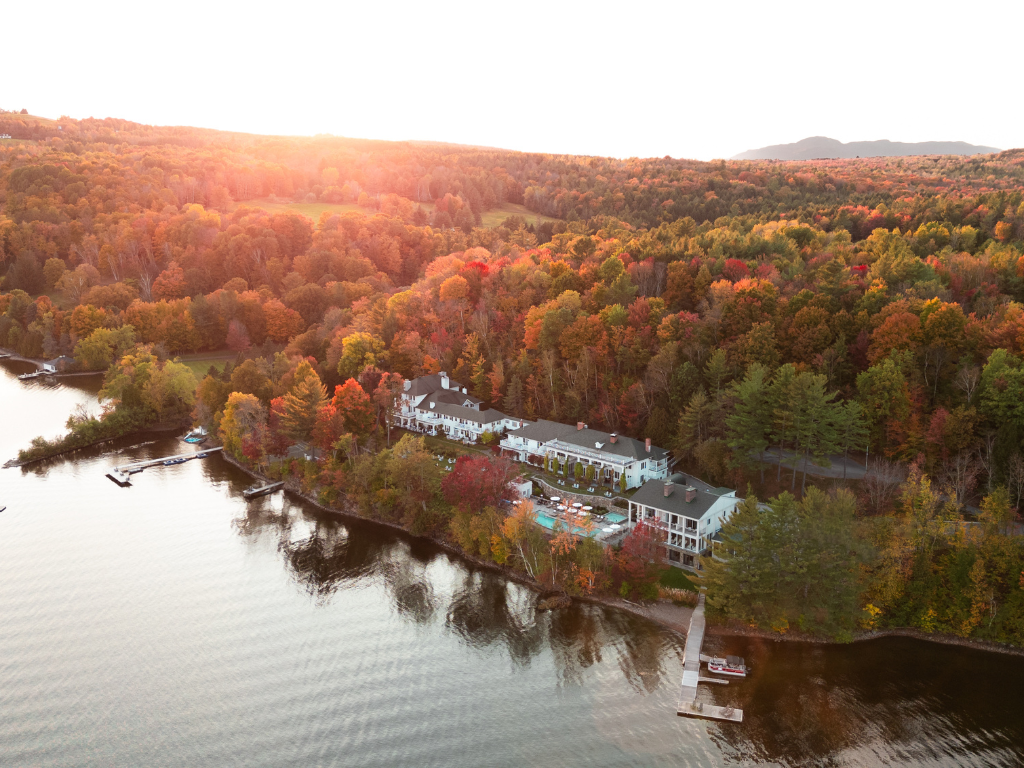
Manoir Hovey, North Hatley

“This hotel is one of my favourite spots in the region,” Penny says of the lakefront Relais & Châteaux property. “My husband and I were married here — well, our ceremony was at the little church overlooking North Hatley, and then our reception was at Manoir Hovey.”

She returns regularly for lunch on the terrace or a massage at the spa. “I always book the same thing: just a good 90-minute massage,” she says. “I love going to spas. I really think I’d like to die on a spa massage table,” she jokes. “What better way to go?”

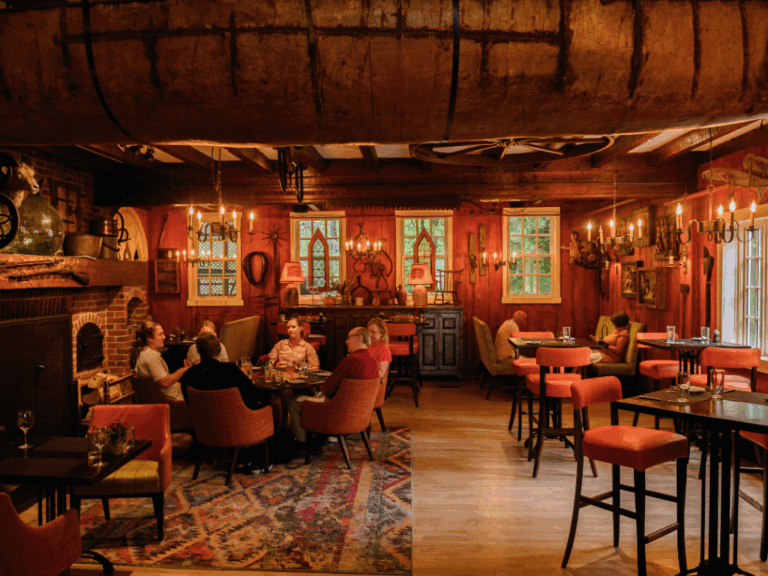
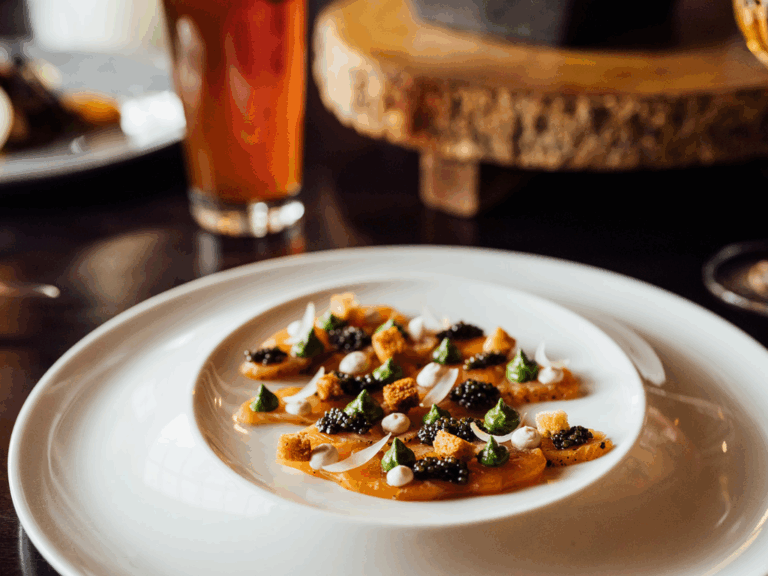
Built in 1900 as a private summer home inspired by George Washington’s Mount Vernon estate, the manor is now one of Canada’s most charming boutique hotels — known for its top-rated restaurant, Le Hatley, a tranquil lakeside spa and pristine outdoor pool.

North Hatley General Store

Penny insists that this century-old store is worth a stop. “It inspired the general store in my books,” she says. “You can find everything there. Where else can you buy steaks and fresh produce, but also a hammer, rain boots — and even a coffin? You can buy a coffin there!”

From local maple syrup to hand tools and hardware, the shop remains a reliable (and delightfully quirky) community fixture. Stepping inside is like walking into a bygone era, so it’s no surprise it sparked a fictional counterpart in Three Pines.

La Rumeur Affamée

La Rumeur Affamée, Sutton

This beloved épicerie and bakery in Sutton is a go-to for Penny. “There are pastries and breads of all kinds, sandwiches. It’s good for breakfast,” she says of the neighbourhood fixture, housed in a historic brick building. “This one inspired the bakery in my books. I really mined the entire area for inspiration.”

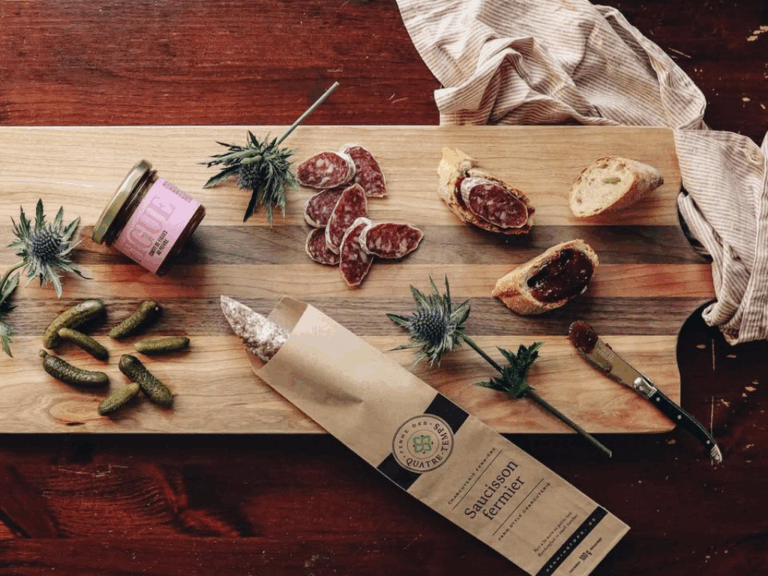
Head to La Rumeur Affamée for buttery croissants, crusty sourdough, and shelves stocked with Quebec cheeses and artisanal jams — perfect for assembling a picnic or cozy breakfast spread.

Coldbrook Path

Back home in Knowlton, Penny often walks her two golden retrievers, Muggins and Charlie, along the lake. “As the leaves turn, it’s just the most spectacular place to be.”

She’s referring to the Coldbrook Path, a scenic trail that winds past creeks, bridges, and wooded stretches before hugging the edge of Brome Lake. The 3.3-kilometre route is flat and peaceful, with benches and lookout points along the way. A longer network of trails connects to Foster and the Quilliams-Durrell Nature Reserve, offering even more quiet corners to explore year-round by foot, bike, snowshoe or ski.

The Best Places to See North America’s Spectacular Fall Foliage

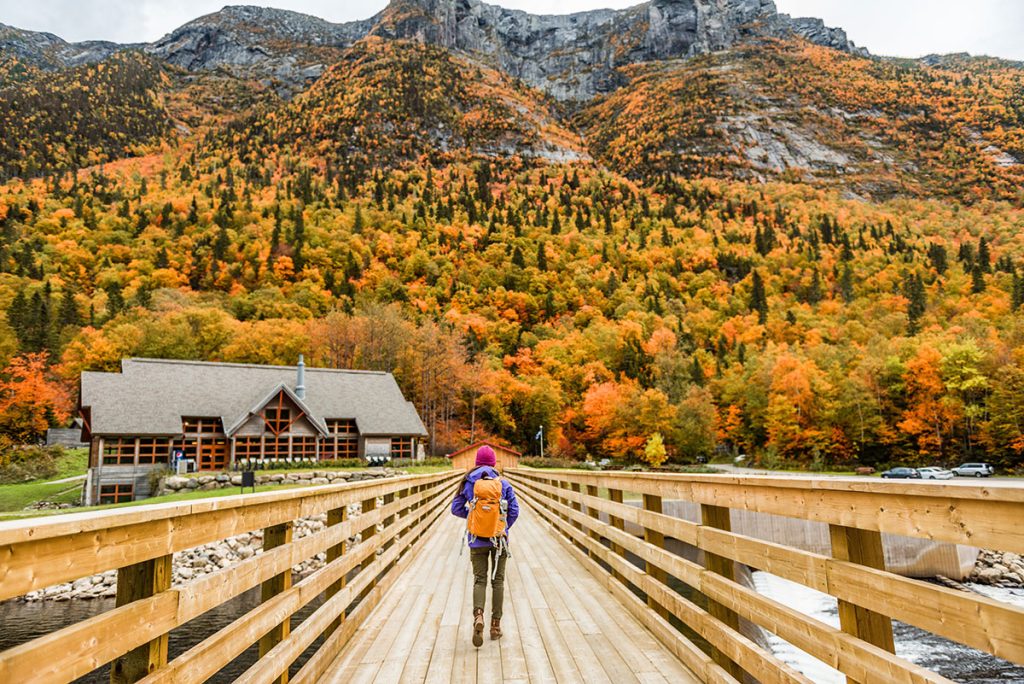
Come mid-September, Canadians everywhere recognize the telltale signs of the autumn season. Cooler nights call for cosy knits, a dockside Caesar gets swapped for a glass of Cabernet Sauvignon, and in bustling cities and quiet towns alike, tree leaves begin to change colour, and eventually fall. 

An abundance of external influences like warmer or cooler temperatures make “peak” autumn colour viewing times nearly impossible to predict, but generally, shades of deep burgundy, fiery orange, golden yellow and scarlet red spread across North America’s foliage from mid-September to late October, though sometimes, the changing of the leaves can start as early as September, and end as late as November, depending on location. 

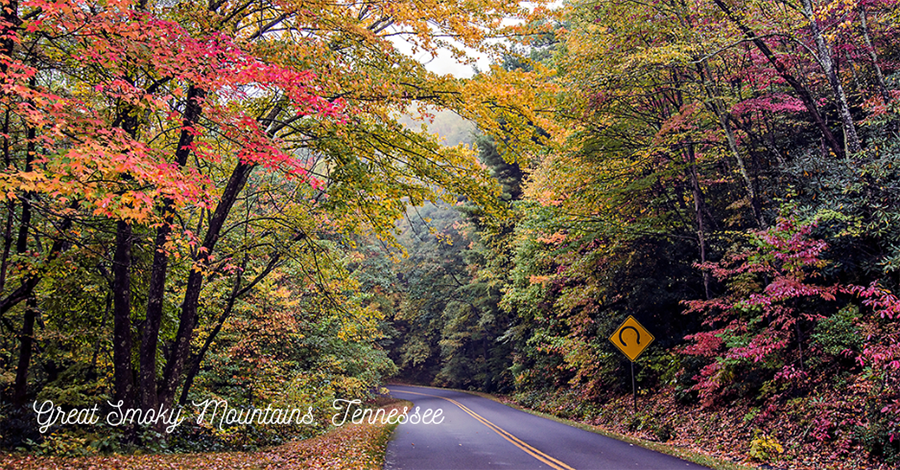
The thousands of trees that dot the slopes of Tennessee’s Great Smoky Mountains are responsible for the lingering, mysterious, foggy effect, and starting mid-September, brilliant shades of gold on the yellow birch are visible below the haze. Running along the Tennessee and North Carolina border, here, elevation greatly affects the speed of the foliage turnover, with the highest points of elevation changing first. By mid-October, bright red leaves take over the sugar maples, red maples, and scarlet oaks. Part of the Appalachian Mountain chain and spanning more than 187,000 acres, the Great Smoky Mountains are one of the United States’ most-visited national parks and one of the oldest mountain ranges. There are approximately 100 species of trees in the park, which attract mass crowds, especially during mid-October when the foliage nears its peak. As one of the most popular U.S. parks, it’s best to plan ahead for fall colours tourism, as many nearby accommodations quickly fill up! 

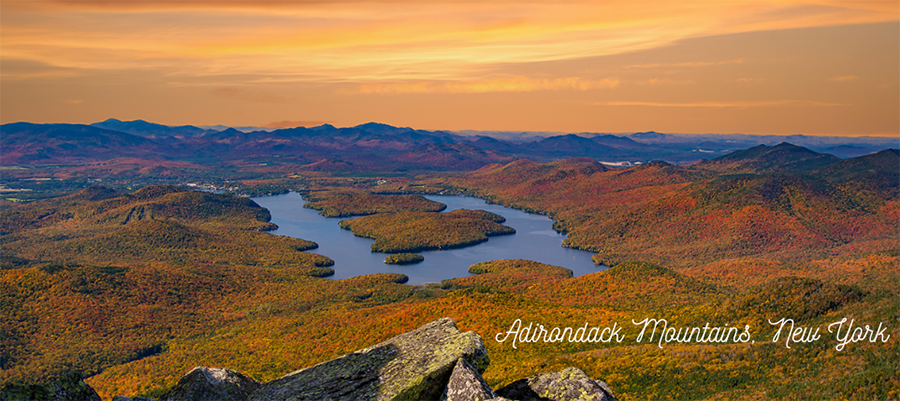
A road trip through Upstate New York in late September to early October presents one of the best opportunities to marvel at the fall leaves. The Adirondack Region spans a whopping 48,438 square kilometres and is famous for having one of the longest fall foliage seasons in the U.S. The Lake Placid area in particular presents plenty of fall foliage observation. Plan a hike to Whiteface Mountain, the fifth highest peak in all of New York, or Mount Haystack, one of the most challenging but rewarding hikes of the Adirondack High Peaks. From way up high, visitors can take in the breathtaking colours of fall foliage that stretches as far as the neighbouring state of Vermont. Scenic drives and even hot air balloon rides over the Lake George Region are just a handful of some of the other ways to take in the breathtaking colours of autumn. During the fall months, the local tourism board, Visit Adirondacks, creates a fall foliage metre that depicts the percentage of colourful leaves present in each of the ten regions of the Adirondacks. A bustling summer tourist destination, the autumn months in the Adirondacks are slightly quieter, but offer just as much opportunity for guests. Visitors can enjoy ciders and local wine tours, harvest festivals and more, while staying at cosy accommodations that range from log cabins to luxury lakefront resorts.

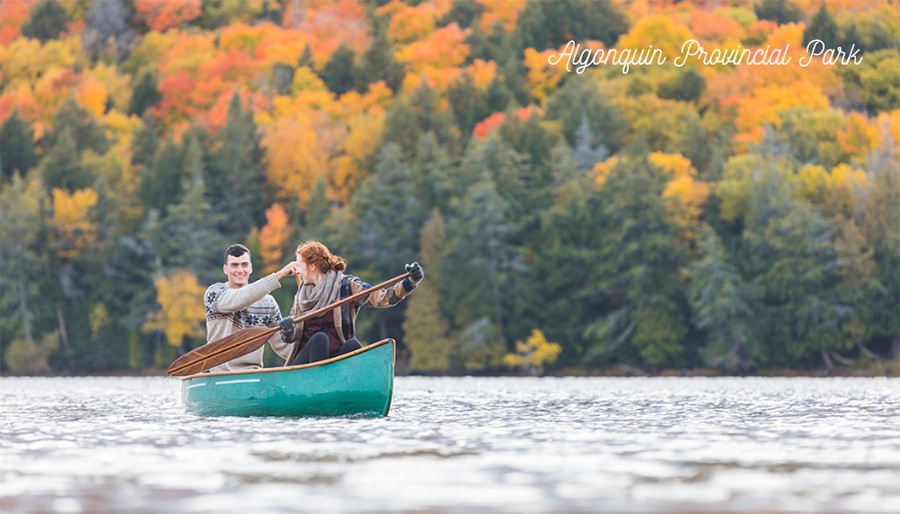
Composed of 7,635 square kilometres made up of rushing rivers, wetlands, lakes and deciduous and coniferous forests brimming with trails, Algonquin Provincial Park is one of Canada’s most famous viewpoints for fall foliage. Starting in September, Algonquin Park officials release their fall colour change reports, which provide a daily track record via live camera stream on the park’s 34 native tree species. Data from last year’s fall colours timeline shows that the sugar and red maple trees began turning red by the second week of September, and that the sugar maple canopy reached its “peak” by Oct. 2. However, rain, wind, cooling temperatures and moisture levels can all affect the timeline, pushing it earlier or later in the season. The park’s camera is a great way to plan a visit, as potential visitors can keep an eye on the trees daily. Ideally, the best time to visit Algonquin Provincial Park is between mid-September and mid-October, as unexpected snowfall or windstorms could spontaneously cause fragile leaves to be knocked off prematurely. Of course, the drive leading into the park is equally spectacular, with popular routes like Highway 60 and Highway 11 boasting endless kilometres of beautiful foliage.

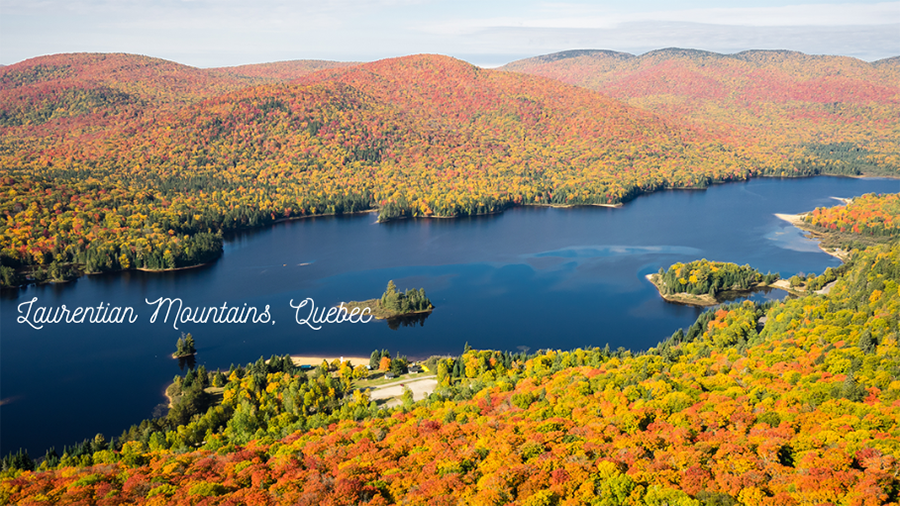
A gorgeous destination year round, the Laurentian Mountains are one of the best places to watch Canada’s leaves change. Their proximity to Montreal (roughly 100 kilometres) make the Laurentians a popular option for daytrippers, or as a quick weekend getaway for visitors from Ontario who may be eager to explore beyond the Kawartha and Muskoka regions. Unlike Algonquin Provincial Park, which has just three lodges to provide accommodation to visitors, there are many different options available for visitors to the Laurentians. Those interested in overnight accommodation can opt for hotels, bed-and-breakfasts, cottages or campsites, which are a popular choice for outdoor enthusiasts. Every September, Croisières Alouette resumes its special fall colours sailing on Lac des Sables, where guests can enjoy a full-service bar and music as they take in the spectacular beauty of the Laurentians from the water’s edge.

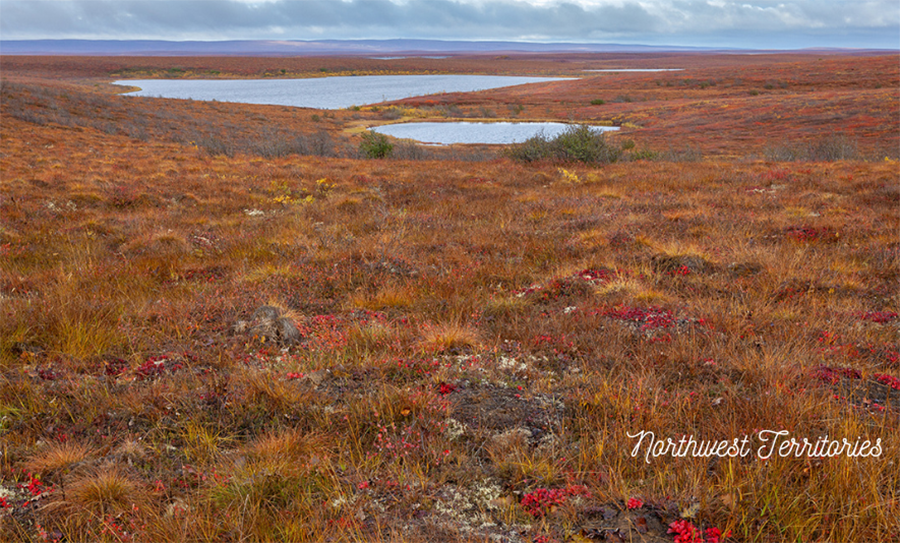
While summer in the land of the Midnight Sun presents plenty of opportunities for active and adventure tourism, autumn in the north is truly an enchanting time to visit. Not only are the mountains and tundra decked out in autumn colours, but after months of endless daylight, darkness returns to the skies, and the Aurora Borealis once again paints the sky in shades of neon green, inky indigo, and deep plum. Autumn colours come to the Northwest Territories slightly earlier than the rest of Canada, with the tundra turning into brilliant shades of red as early as August. One of the best places to see this transformation take place is in the Barrenlands, a large territory residing in mainland Nunavut that extends into the Northwest Territories. Decorated with ancient sand and rock ridges and carpeted in soft moss and plants, by fall, blooms of yellow and green are replaced by deep burgundy and burnt orange. The fall months also present an excellent opportunity to camp in the Northwest Territories, as the summer crowds have all but left, and visitors have a wide selection of campsites to spend a few days or weeks watching the foliage change. During the autumn months, just as Canada geese begin their southern migration, herds of caribou begin their descent south, often sweeping through the Barrenlands, so visitors to the region can enjoy their share of wildlife watching, too.

Palacio de Godoy Cáceres

This Spanish UNESCO City Just Got a Palace Hotel Worth Travelling For

Few cities in Spain are as cinematic as Cáceres, the Extremaduran gem where cobbled streets and stone façades earned UNESCO World Heritage status in 1986. Now, the historic centre has a new jewel: the Palacio de Godoy Cáceres, Curio Collection by Hilton, which opened this September following a €14-million restoration of a 16th-century palace once home to conquistador Francisco Godoy.

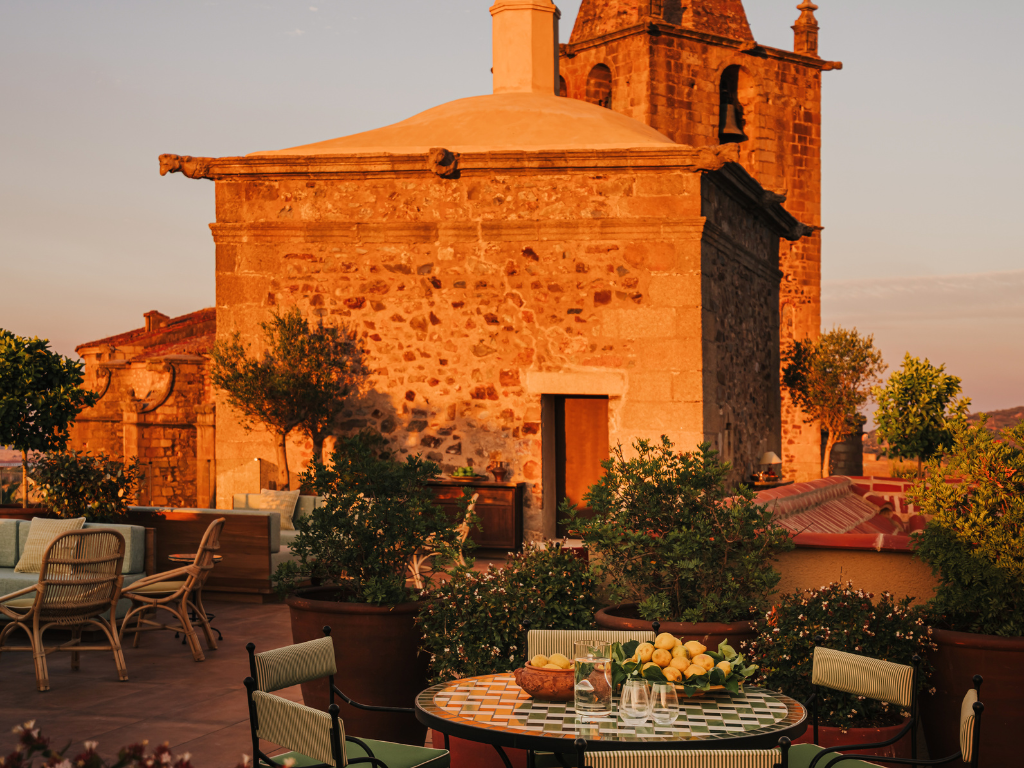
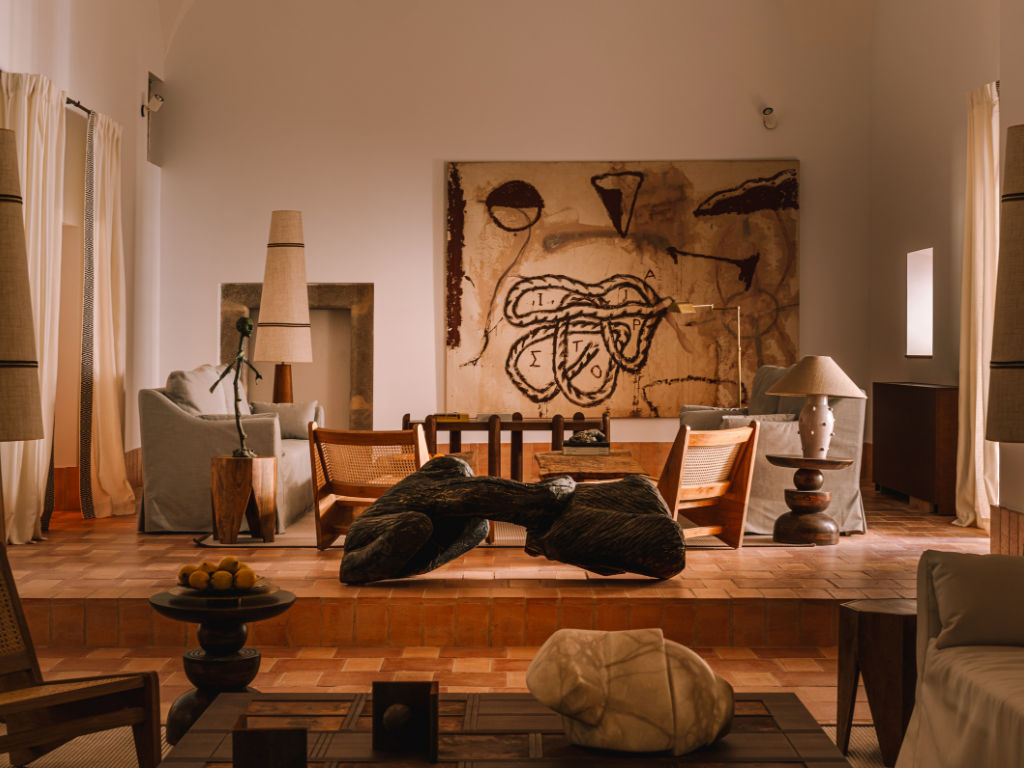
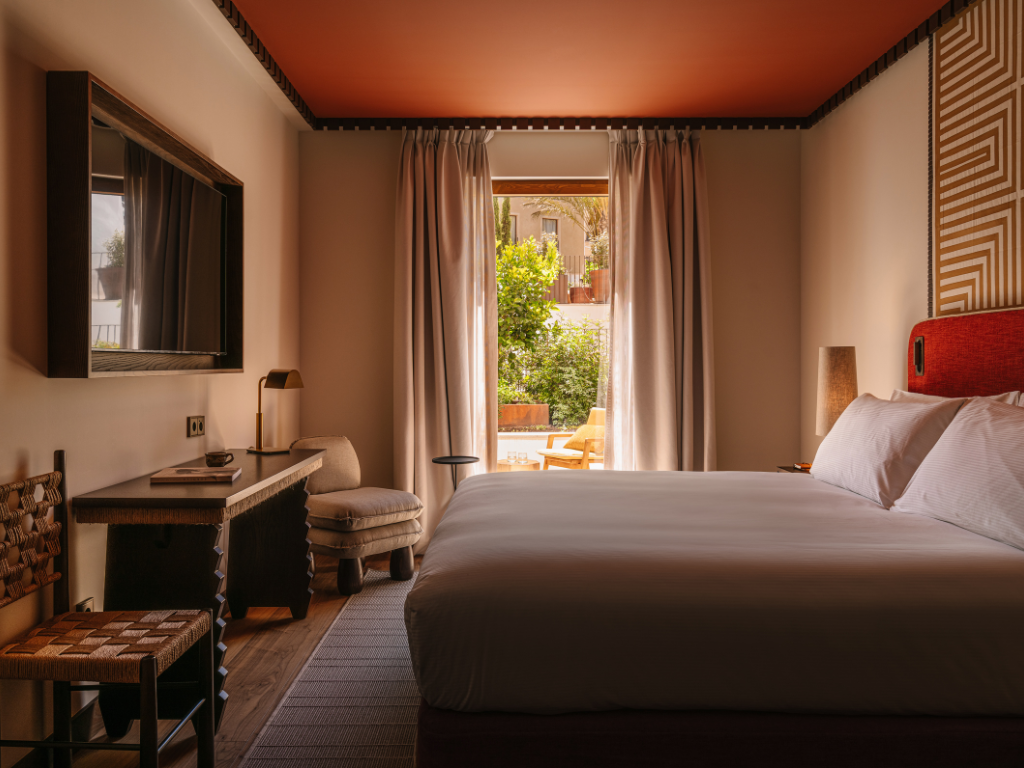
The 73-room property blends heritage with contemporary flair. Interiors by BSV Arquitectos highlight original features, while gardens designed by Álvaro de la Rosa draw on native and New World plantings, irrigated by natural rock springs beneath the city. From the Bar Virú lounge to the rooftop terrace overlooking Cáceres’ medieval skyline, the hotel offers elegant spaces that invite guests to linger.

Dining is a central narrative. At Mamay Aldana, chef Antonio Manuel Céspedes Rodríguez pays tribute to the women of Extremadura, particularly Godoy’s mother, María de Aldana. Menus trace centuries of cultural exchange, blending regional traditions with the culinary influences brought back during the conquest of the Americas. The site itself once housed a maternity home, lending the concept even deeper resonance.

Palacio de Godoy Caceres

The hotel also features a spa and event spaces, positioning it as both a retreat and a gathering place. “It’s a remarkable building, intricately restored, and we’re confident guests will be amazed by its stylish interiors and relaxing outdoor spaces,” says general manager Joaquín Arimón.

Managed by Panoram Hotel Management, the project has created 60 local jobs and introduces Hilton’s lifestyle-leaning Curio Collection brand to Extremadura. For travellers in search of a less-discovered destination, Cáceres’ film-ready streets and rich cultural crossroads provide an evocative setting — now anchored by a palace reborn.

The Kensington’s Over-the-Top Marie Antoinette Stay Lets You Eat Cake

London has no shortage of royal attractions, but this autumn the spotlight falls on France’s most infamous queen. On September 20, the Victoria and Albert Museum opens its first major exhibition devoted to Marie Antoinette, on view through March 22, 2026. Sponsored by Manolo Blahnik, the show promises a lavish look at the monarch’s world through extravagant gowns, sky-high wigs, glittering jewels and decorative arts on loan from Versailles.

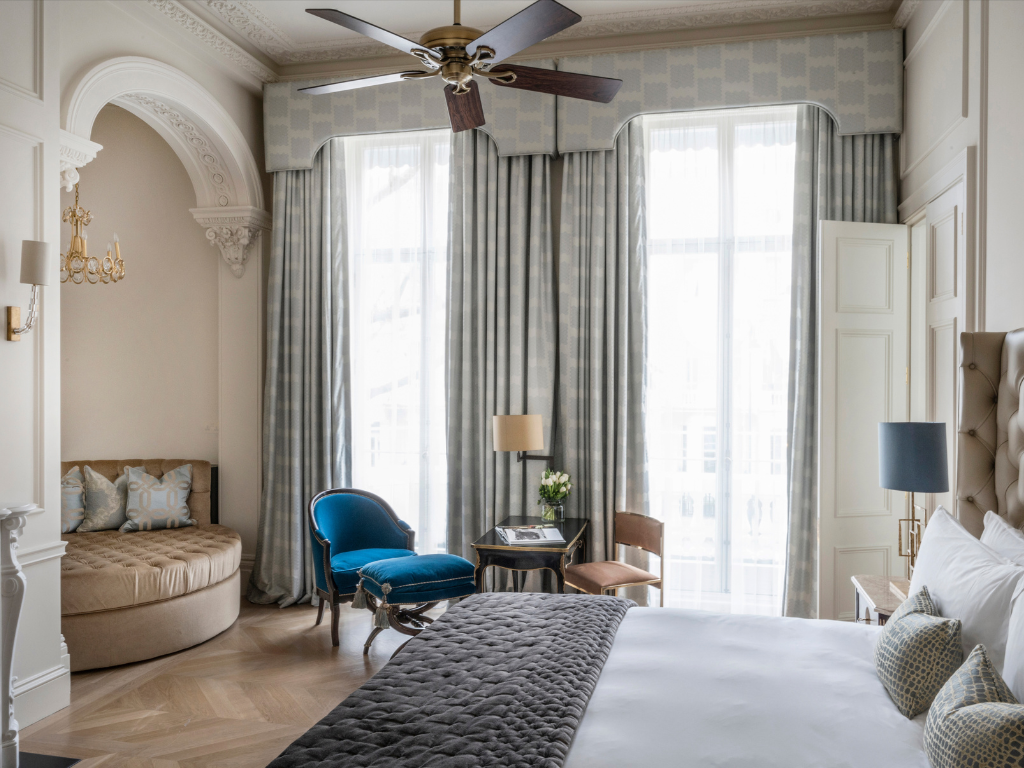
Just blocks away, The Kensington, a Doyle Collection property known for its townhouse style and residential feel, is rolling out a suitably regal experience: The V&A Experience: Marie Antoinette Style package. Guests booking the one-night stay will receive guaranteed tickets to the exhibition — even when sold out — along with accommodations in a room or suite with Juliet balcony or marble-clad bathroom.

Courtesy of the Doyle Collection

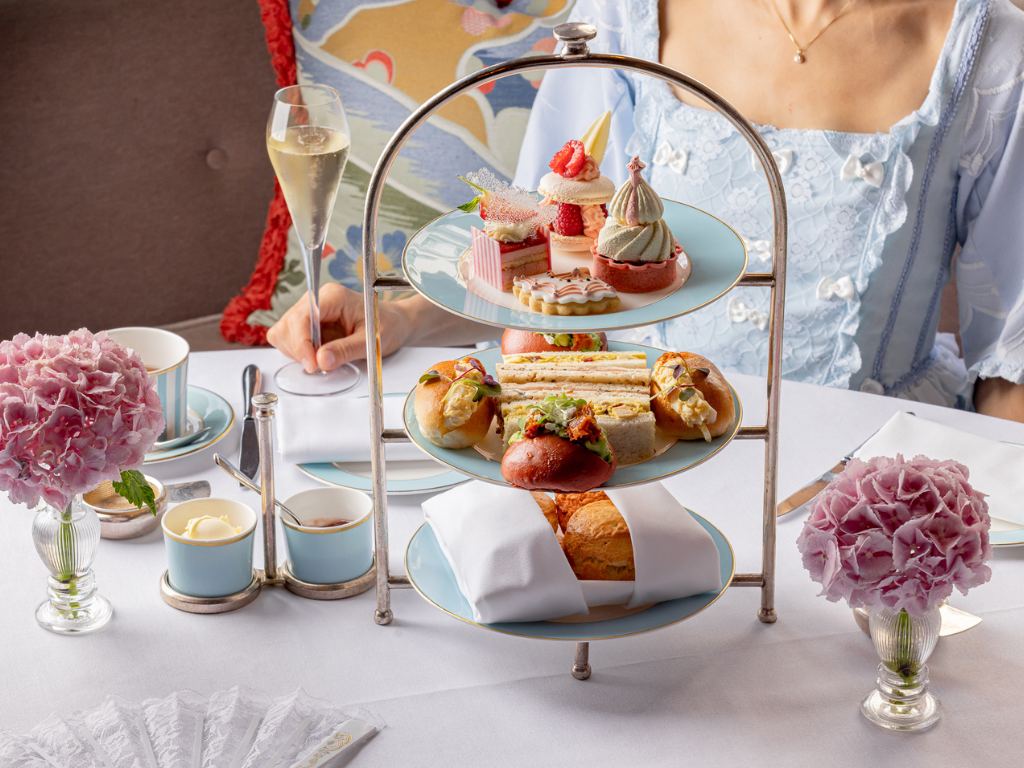
Sweet touches abound. Parisian treats inspired by the queen’s era, from Debauve & Gallais chocolate pistoles to Nina’s Versailles-blend tea, await in-room. The highlight is the hotel’s cheeky “Let Us Eat Cake” afternoon tea. Pastel-coloured pastries, lemon shortbread and savoury pink brioche sandwiches arrive on fine bone china, paired with Champagne, tea or the signature Queen’s Coupe cocktail. The ritual feels like stepping into an 18th-century salon, albeit with contemporary London polish.

For travellers who like their cultural immersion with a dash of decadence, the pairing of the V&A’s landmark show and The Kensington’s indulgent touches is a match made in Versailles heaven.

Culture, Cuisine, and Concerts: Ponant’s 2026 Cruises Are Floating Masterclasses

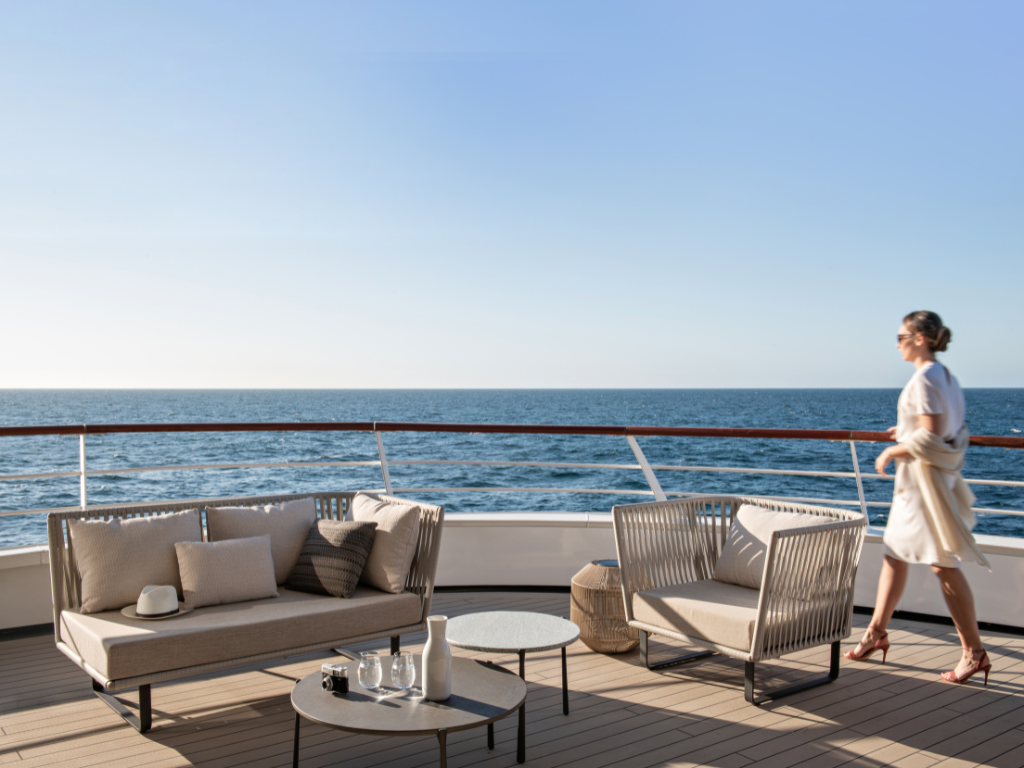
Luxury expedition line Ponant Explorations has long championed the idea that travel should educate as well as enchant. For 2026, the French-flagged fleet is doubling down with six new expert-led themed voyages that bring together culinary icons, art historians, geopolitical leaders and musicians for a series of journeys designed to deepen passengers’ connections to the world.

Food lovers can embark on Epicurean Delights: The Food & Wine of Sicily (April 11–19, 2026), sailing roundtrip from Valletta aboard Le Dumont d’Urville. On board, Sicilian food authority Fabrizia Lanza will lead tastings and talks, with acclaimed oenologist Laetitia Ouspointour offering wine pairings and Italian star chef Denny Imbroisi curating menus. Ashore, guests will explore how Greek, Roman, Arabic and Norman influences shaped the island’s kitchen.

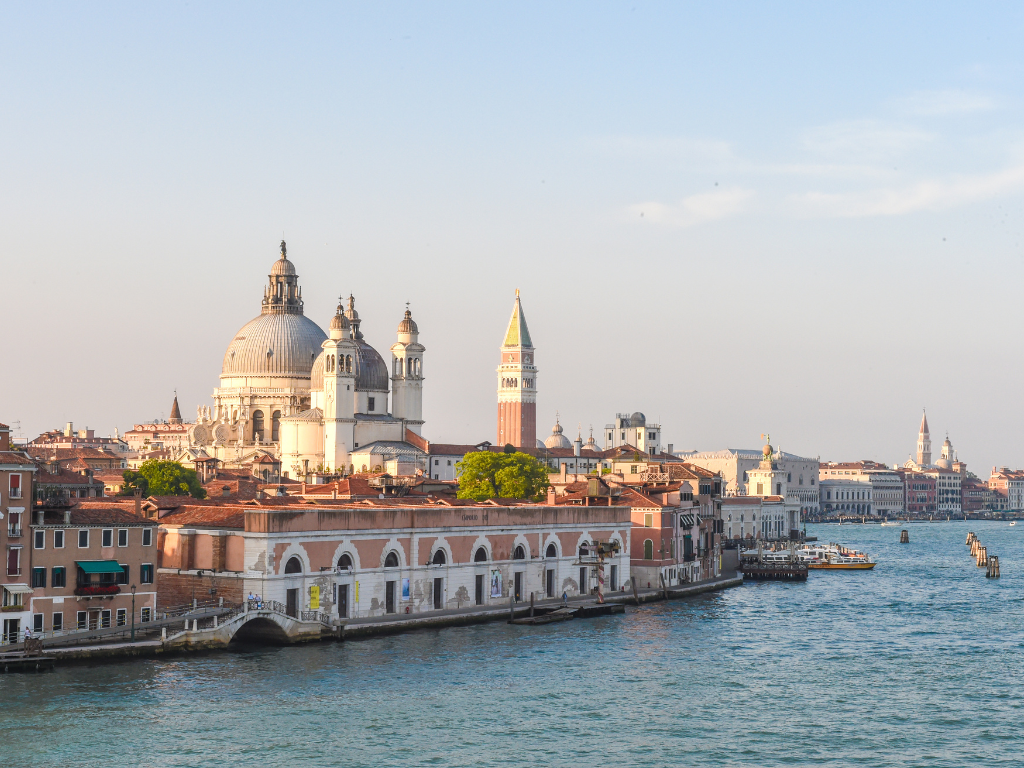
Art takes centre stage on itineraries tied to the 61st Venice Biennale. One voyage sails from Valletta to Venice (July 1–9, 2026) with private access to Pinault Collection spaces such as Palazzo Grassi, guided by Christie’s specialist Kathryn Widing. Another departs from Nice (July 10–18, 2026) to explore the French and Italian Rivieras and Corsica, with visits to homes where Renoir and Picasso once worked, and lectures by Ottavia Marchitelli and G. Max Bernheimer of Christie’s.

Culture extends into performance with Sailing the Mediterranean with the Paris Opera Ballet (July 29–August 6, 2026), which includes exclusive shows both onboard Le Boréal and ashore in Corsica and Tuscany. Music aficionados may prefer A Symphony at Sea: The Musical Traditions of Greece (October 18–25, 2026), with Boston Pops conductor Keith Lockhart and fellow musicians performing throughout the voyage.

For travellers seeking a different kind of expertise, A World Affairs Voyage (August 26–September 5, 2026) journeys from Copenhagen to London with Admiral James Stavridis, former NATO Supreme Allied Commander, leading discussions that link historic ports to current geopolitics.

“Each voyage is designed to offer meaningful engagement with the cultural fabric, historical context and contemporary significance of the places we explore,” says Samuel Chamberlain, Ponant’s CEO of the Americas. Fares begin around CAD $7,500, with all-inclusive amenities from Michelin-inspired dining to shore excursions in each port.

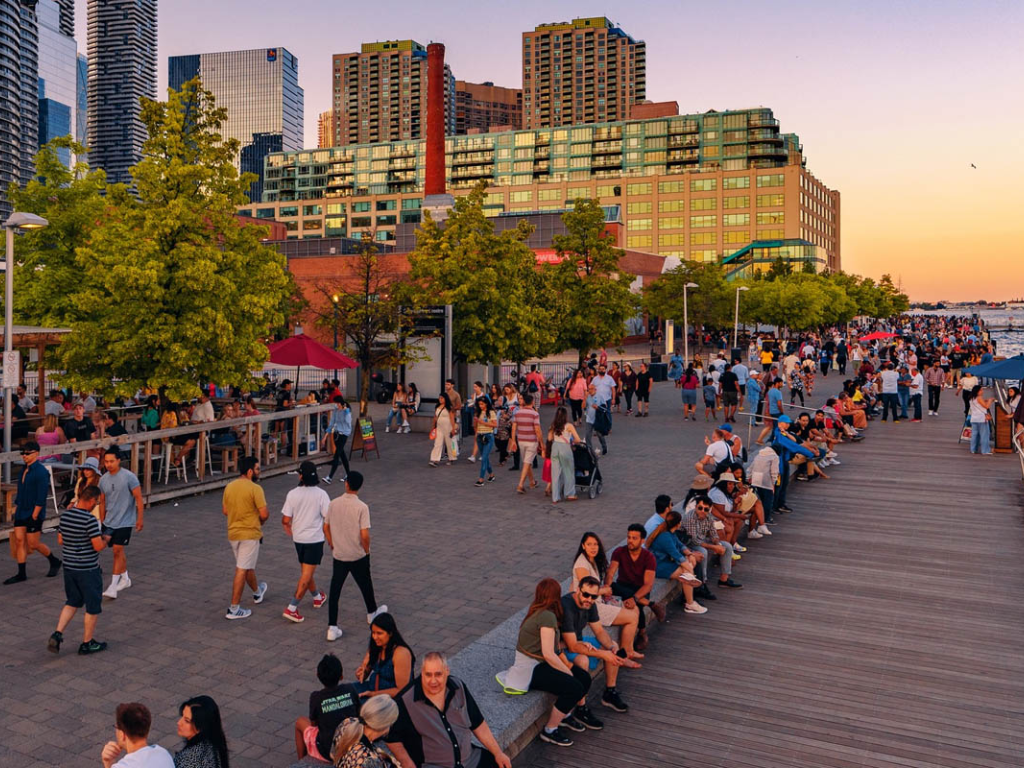
Toronto Harbourfront

Toronto’s Water/Fall Festival is Ready to Make a Splash

This September, Toronto will welcome a new festival that puts water centre stage. From September 20 to 28, the inaugural Water/Fall Festival will spill across the city with large-scale art installations, live performances, and thought-provoking talks exploring the beauty and urgency of our relationship with water.

Anchored at Harbourfront Centre and Ontario Place, the programming will ripple into public squares, waterfront parks and even unexpected downtown nooks. One highlight is the Urban Waterfall Project, a towering installation designed to surprise visitors with a dramatic rush of sound and spray in the heart of the city. Another is Reflections, an outdoor projection series that transforms building façades into moving canvases of glimmering water imagery after dark. Families can join hands-on workshops at Harbourfront, while Ontario Place will host multimedia experiences and concerts with water-inspired soundscapes.
A copper canopy at Toronto Harbourfront Centre

The festival isn’t just about spectacle. Curators have invited scientists, Indigenous water protectors, artists and urbanists to share ideas through panels and dialogues, including sessions on clean-water equity and the future of sustainable cities. For the playful at heart, there are interactive elements such as misting walkways and a “river soundscape” where visitors can stroll through shifting audio streams.

“Water is life, water is story, and water is play,” says artistic director Ravi Jain. “The Water/Fall Festival is a way of reminding Torontonians that water shapes our city and our future.” The nine-day celebration will culminate in a closing night performance at Ontario Place featuring a full symphonic score set to projected visuals of waterfalls from around the world.

Free to attend and spread across multiple venues, Water/Fall promises to be both a spectacle and a conversation starter — a reminder that the most ordinary element of our lives can make for some pretty extraordinary moments.

Cape Town Cool: Wine and Wellness in South Africa’s Capital

Ann Ruppenstein explores South Africa’s second largest city by helicopter, sidecar, Jeep and on foot and discovers why this captivating coastal destination — along with a little bit of wine and wellness — is good for the soul.

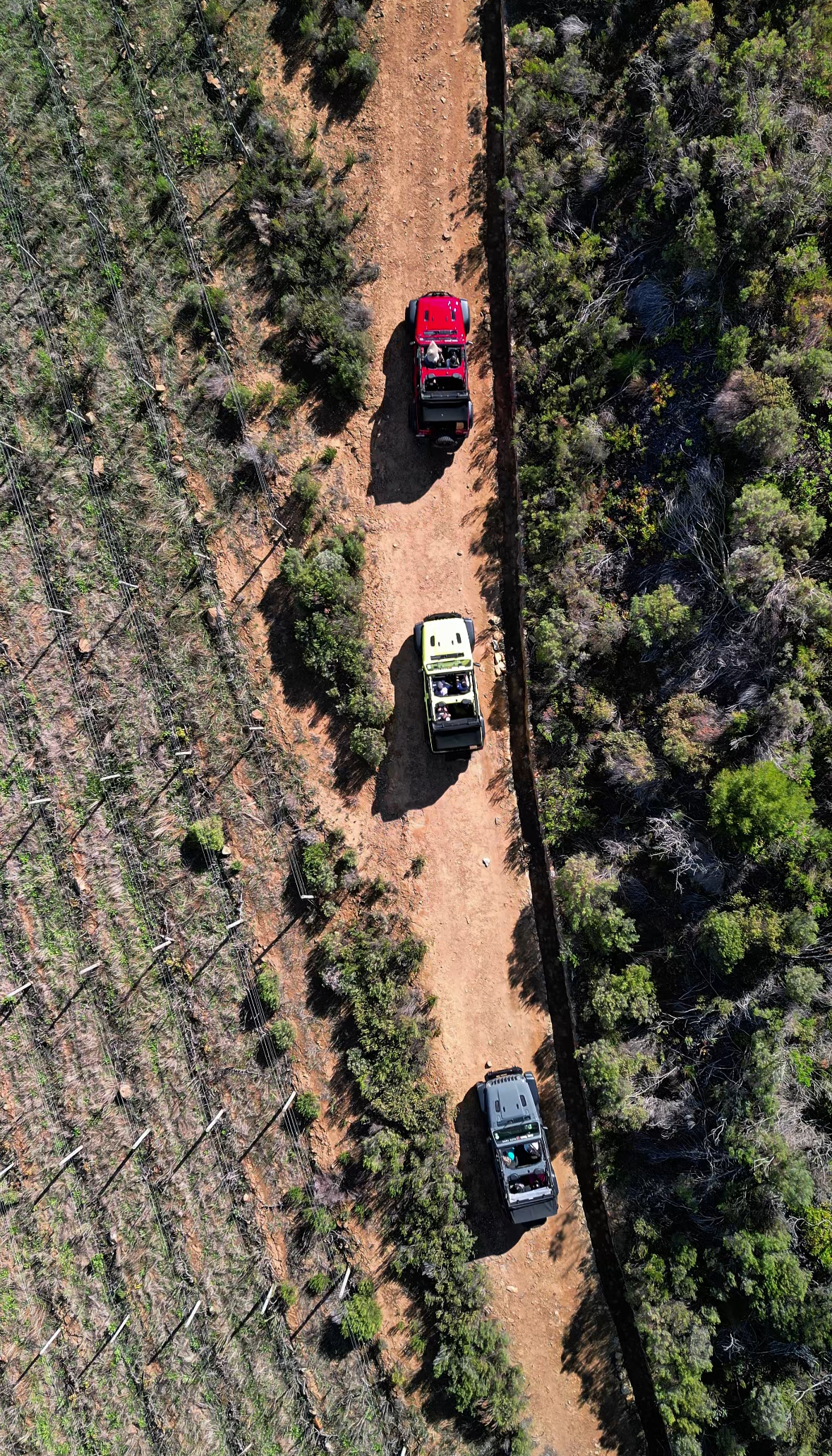
As our convoy of Jeep Wranglers — blood red, bright yellow and dark grey — zipped past striking views of the imposing Table Mountain range towards miles of sloped vineyards, tour guide Marzahn Botha shared that Capetonians have found the perfect antidote for those suffering from a bad case of grouchiness. 

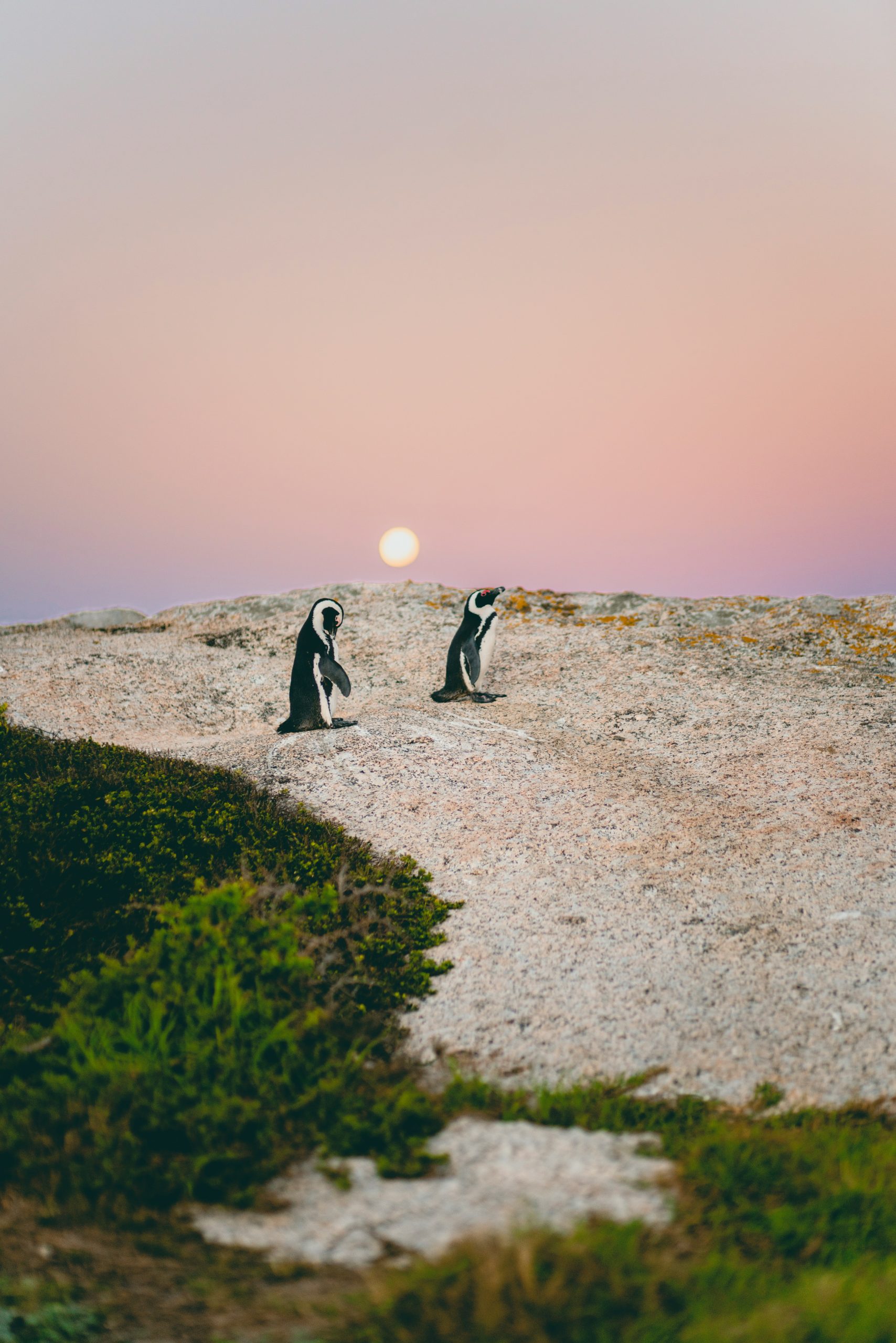
“How can you look at a penguin and still stay angry?” Botha, a driver with the all-female operated Jeep Tours Cape Town, says smiling from behind the steering wheel.

The first stop on our road trip adventure is Boulders Beach, home to a colony of African penguins that multiplied from two breeding pairs in 1982 to more than 2,000 penguins, garnering a reputation as a must-see on itineraries to South Africa’s second largest city. 

While I’m certainly not in a bad mood on arrival, as I witnessed several penguins waddle down the beach with their stubby legs to submerge into the water, I couldn’t help but feel happy. “The beach has these huge granite boulders and that’s where the name Boulders Beach comes from,” she explains. 

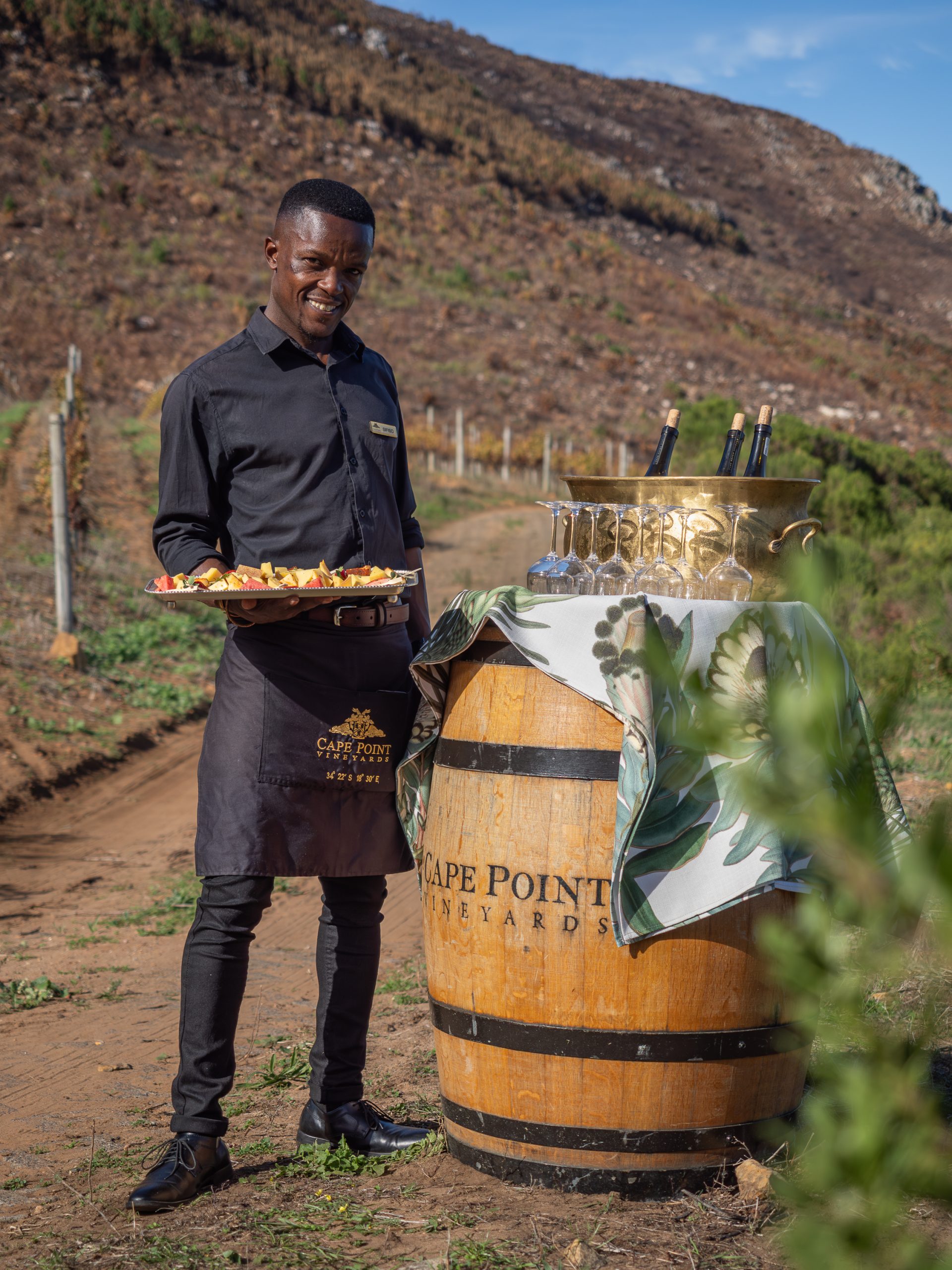
Topping penguin thrills is not an easy feat, but as we rounded the corner at the nearby Cape Point Vineyards estate a short while later and encounter sommelier Sifiso waiting on the side of the road with bottles of chilled wine ready to hold a private hillside wine tasting overlooking the Atlantic coast, I’m ready and willing to give it a shot. After a glass (or two in the name of research) of the reserve Sauvignon Blanc that’s been aged in French Oak barrels and made to “carry the characteristics of a completely different grape — chardonnay,” we head to the main building of the winery for a Braai luncheon, a local term for a social gathering of friends and family where the meat is prepared over an open fire or an outdoor grill for an experience that lives up to the name.

(PSA: it’s not only handy to have a DD so you can delve into the local wine scene while on tour, it can also be a wise idea since South Africans drive on the left side of the road, which can be a little daunting for North American travellers. Day trips are fully customizable and can include wine tastings at notable estates in Stellenbosch, Franschhoek and Constantia or thrilling rides through white sand dunes).

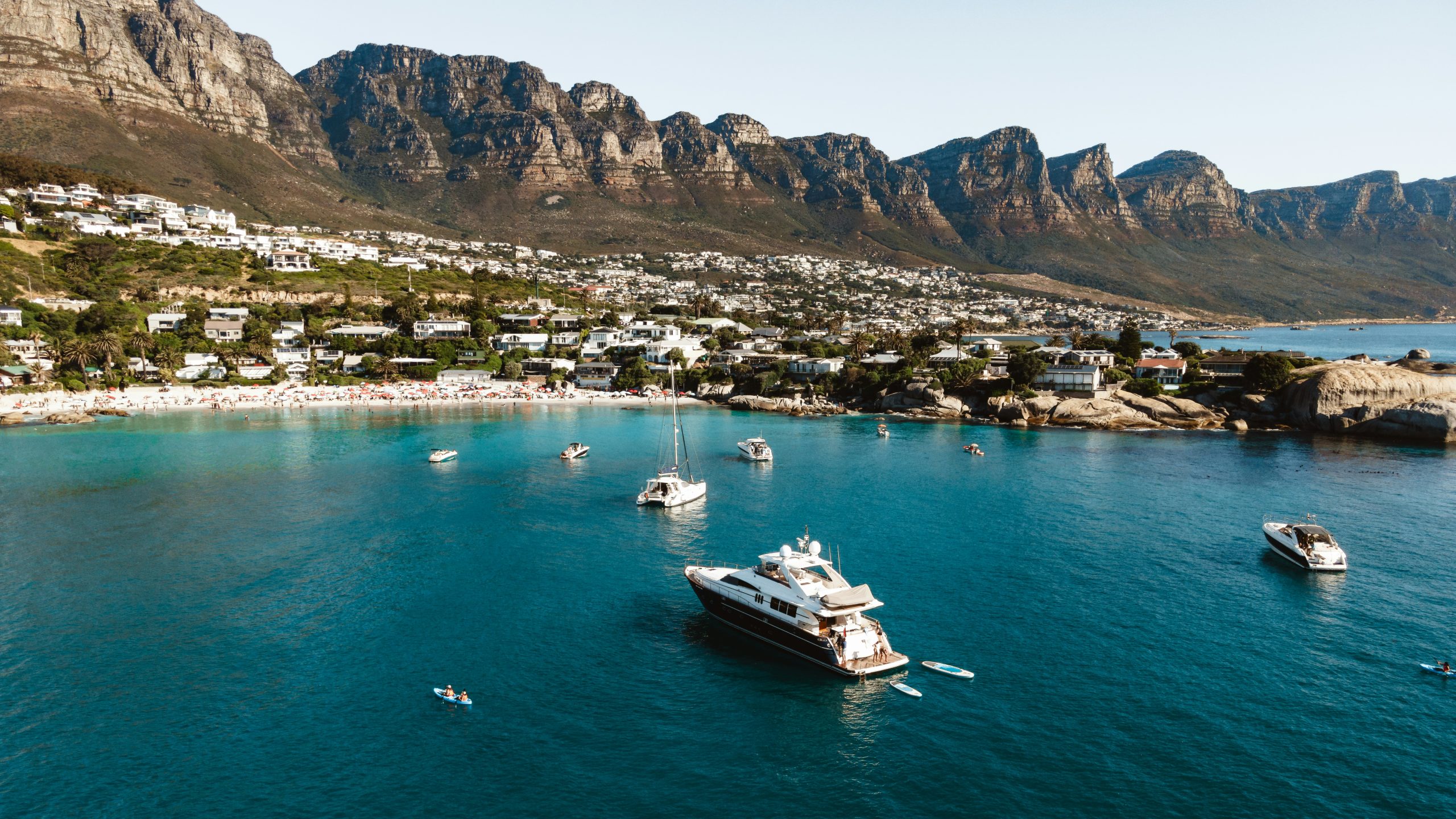
Back in the Jeep, stuffed, with the top down and the wind blowing in my hair, the journey continued along Chapman’s Peak Drive. Admiring the dramatic coastal views, it’s easy to see why this stretch of the road constantly gets named as one of the most scenic drives in the world.

The winding road has 114 curves and rivals the Road to Hana in Maui or the Amalfi Coast in Italy for its beauty. “I think this is one of the most beautiful places in the world,” Botha notes, approaching a section of the road that is cut into the side of a mountain scape on the edge of the water.

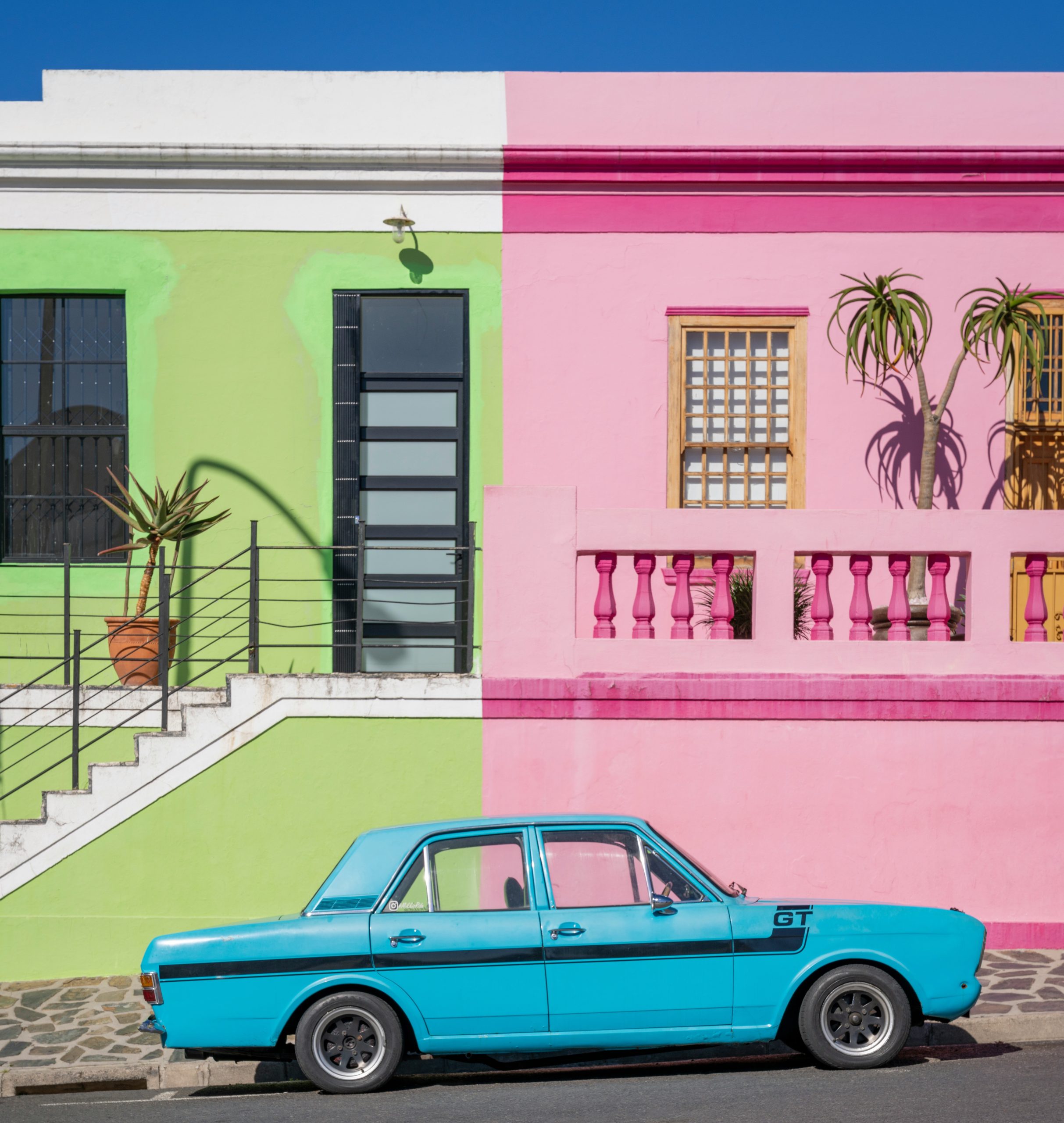
The colours of Bo Kaap

Next up, we’ve traded in our Jeeps to explore Bo-Kaap, a historic community known for its vivid and colourful houses, on foot. Along with hands-on culinary lessons, Zayed Harris of Bo-Kaap Cooking Tour provides insights into the significance of the neighbourhood that was long populated by slaves. In front of a lime green and a hot pink house, Harris explained that during the Apartheid era, people of colour were restricted from owning property in the area.

Fast forward to 1980, at the height of the political struggle of South Africa, Bo-Kaap was at the heart of the struggle in Cape Town.

For the first time, residents were able to own the homes their families had lived in for hundreds of years. 

“It was a huge thing for us to finally own this piece of property,” Harris said. “So, we grabbed our savings, we bought the house and we found the cheapest paint we could find,” Harris continued.

“Like naughty kids with crayons, we went crazy with colour.”

While the pastel-painted houses still represent an expression of freedom, identity and cultural heritage, he said the colours change frequently, with the only rule being that you can’t paint your house the same colour as your neighbours’ house. “Next time you’re here and you think, now wasn’t that house green before? It probably was, the owner just got sick of it,” he notes, adding that it’s common for owners to slap on a fresh coat of paint every two to five years. 

Today, Harris’ family focuses on teaching visitors how to make traditional Cape Malay dishes ranging from spicy curries to stews, roti and samosas. “Cape Malay cuisine is synonymous with Cape Town; you won’t find this anywhere else in the world,” he says. Joining his mom and sister, we try our hand at preparing a lunch feast loaded with culinary traditions. The best part, of course, is getting to taste our creations, which are delicious beyond words. 

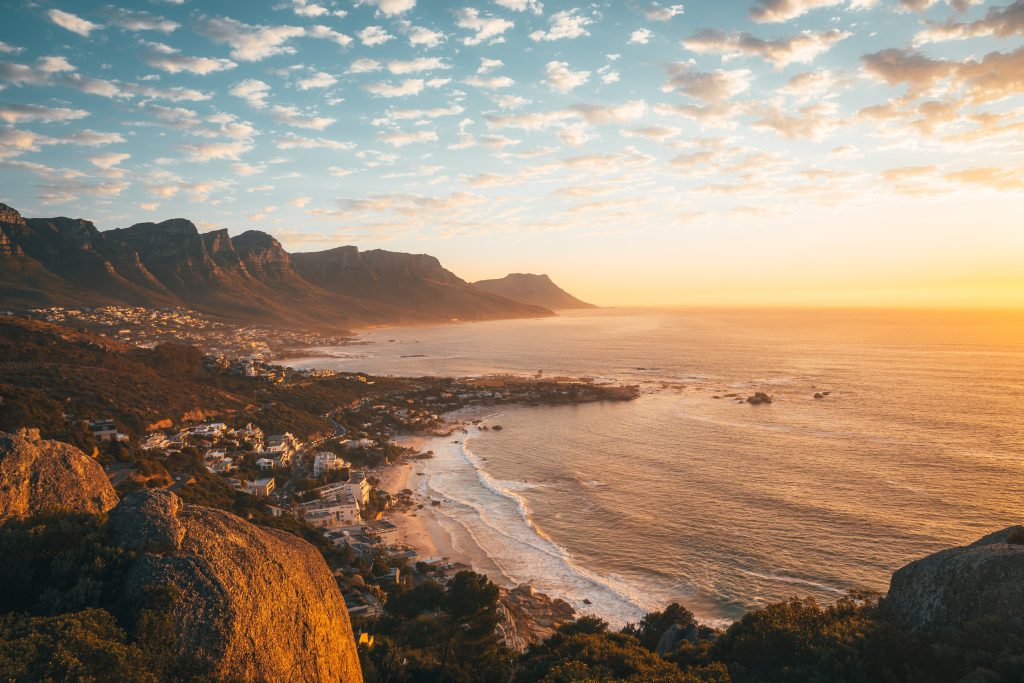
For another amazing vantage point, the coast of Cape Town is a sight to behold from above. Taking to the skies with NAC Helicopters Cape Town is another uplifting experience. Soaring over Robben Island, where Nelson Mandela spent most of his prison sentence to seeing the coastal mansions in the affluent Clifton suburb area against the backdrop of the Lion’s Head peak jetting out 669 metres in the air, the flight is nothing short of spectacular. The experience kicks off with a glass of bubbly and a walk down a red carpet to meet your pilot, setting the tone for what’s to come. 

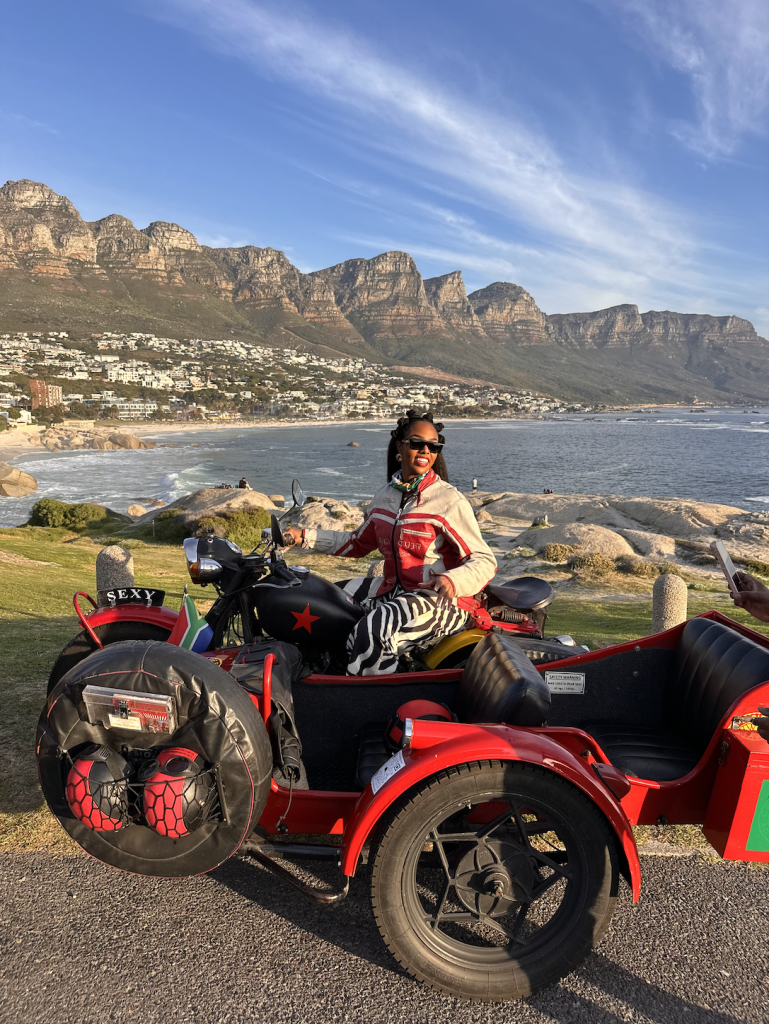
But the one experience that garnered the most envy from those back home was hitting the open road with Cape Sidecar Adventures in a sidecar attached to a vintage motorbike.

As we started passing through the city, we attracted attention from countless onlookers who smiled and waved as we zoomed by. Pulling into the 12 Apostles Mountain Range, which actually has 18 peaks, I step out of my sweet ride and stand in awe of the scenery.

Wherever your own adventure in Cape Town takes you, it’ll no doubt have some good views. And if you’re ever in doubt or in a bad mood, head to the penguins.


This story first appeared in the Summer 2025 issue of OFFSHORE. Click here to subscribe to the digital magazine.