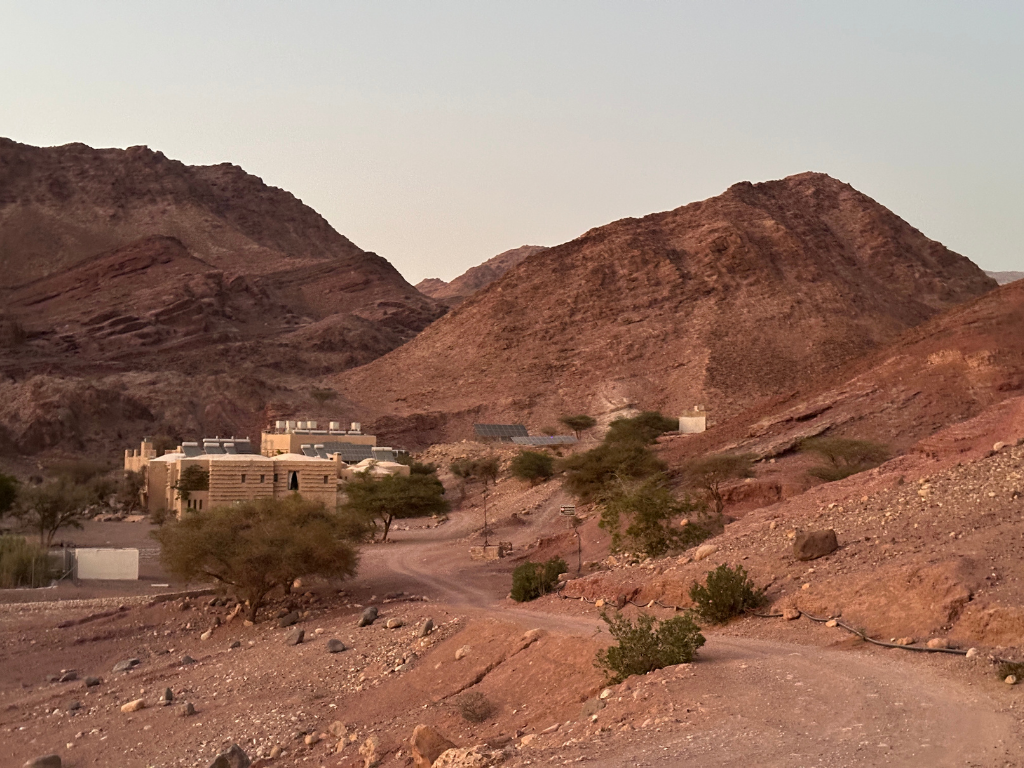
Feynan EcoLodge in Dana Biosphere Reserve, Jordan

The Road Less Travelled in Jordan

This candle-lit ecolodge on the edge of the Dana Biosphere Reserve is designed with purpose.

By Ann Ruppenstein

There are two main ways to reach Feynan Ecolodge—the easy way and the challenging way—and, to borrow from Frost, I stood contemplating the road not taken. After traversing uneven terrain, scrambling over boulders, wading through a stream, and even using my guide’s foot as a stepping stone to navigate steep slopes, somewhere along the 17-km Wadi Ghuweir Trail I began to wonder what it might have been like to take one of the 4×4 shuttles to the off-the-grid lodge instead of relying on my own two feet.

But as the scenery shifted dramatically, from a narrow slot canyon framed by tall red-rock walls to an open oasis lush with greenery and palms, and finally to hillsides dotted with hundreds of grazing goats, I knew I wouldn’t trade these spectacular views for the easy way out. After a brief rest, my Bedouin guide Ameen Saraheen brewed fresh tea over a cliffside fire, and we refuelled with flatbread, tuna, and hummus before continuing on.

Unlike a typical hotel check-in, I felt a true sense of accomplishment when I finally reached the front desk at Feynan Ecolodge and was greeted with warm smiles and a tray of the most refreshing homemade lemonade. The journey had been longer, but far more rewarding.
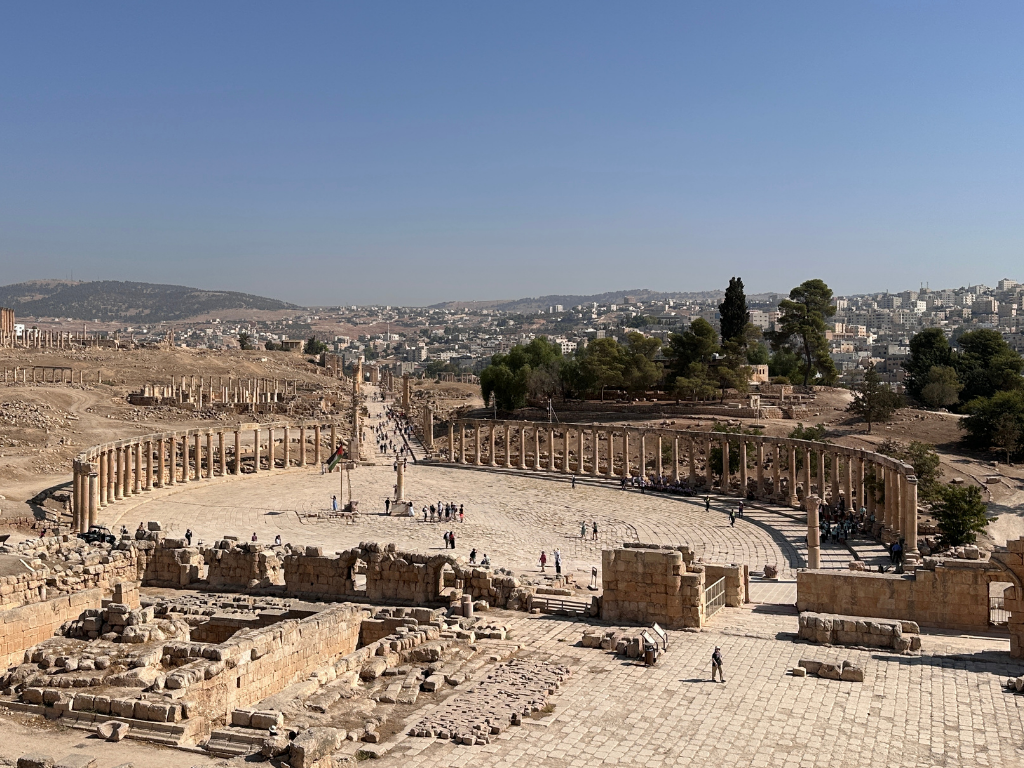
Jordan Ruins
Ruins in Jordan
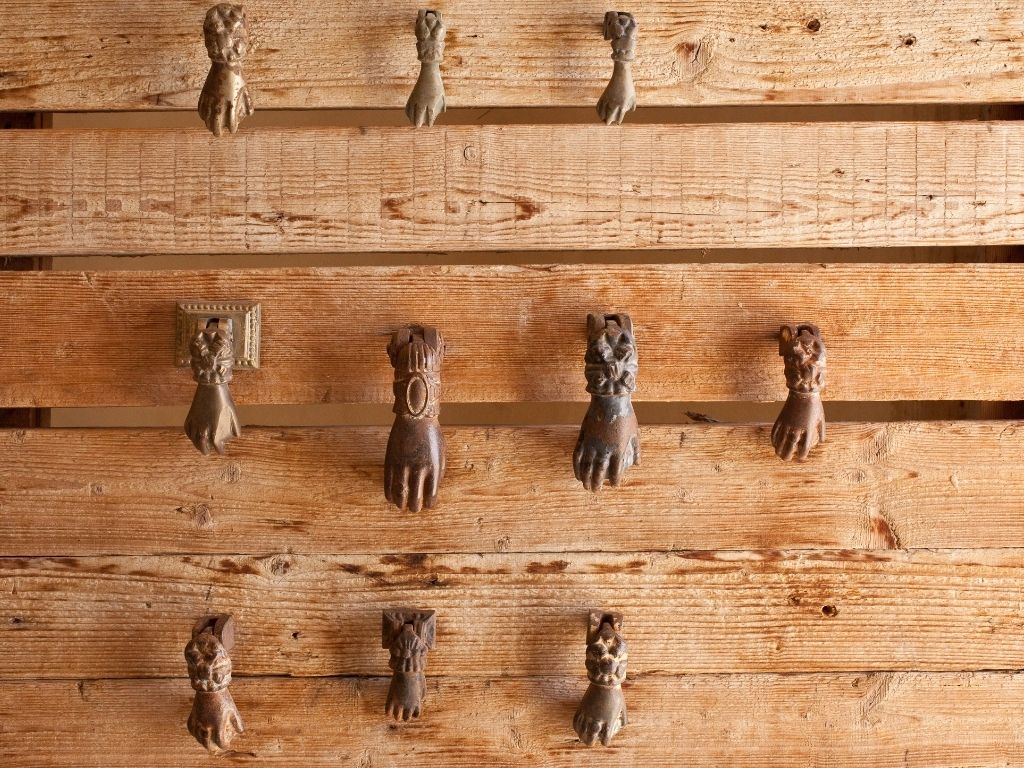
Feynan EcoLodge Jordan hands on door
Design details at Feynan Ecolodge

Located on the southwestern edge of the Dana Biosphere Reserve, Jordan’s largest nature reserve, the 26-room lodge was designed by architect Ammar Khammash and developed by the Royal Society for the Conservation of Nature.

“The idea was to build something modern in sustainability—having the least possible impact on the environment—while benefiting one of the poorest communities in Jordan,” explains Nabil Tarazi, founder and CEO of EcoHotels, which manages the property. “It became one of the first sites in Jordan to implement solar power. Instead of electric lighting throughout, candles are used in most areas—and those candles are produced onsite by local Bedouin women.”

Beyond generating most of its energy from the sun, the ecolodge was founded on supporting the Bedouin families in the surrounding area. For example, all of the bread served at the lodge is made by a local woman, Um Khalid, providing her family’s main source of income.

“She makes our bread three times a day, and we actually pay almost double what you’d pay for a loaf in Amman,” says Tarazi. “The idea is to help her run her own business.”

Meaningful connections with nearby families are a big part of staying here. The lodge links guests with Bedouin guides for treks of varying lengths, from sunrise and sunset hikes to full-day adventures like mine. Even non-guests can arrange excursions, as the Wadi Ghuweir Trail is one of the most scenic stretches of the Jordan Trail, a 675-km route from Um Qais in the north to Aqaba in the south that takes roughly 40 days to complete—a Middle Eastern rival to the Camino de Santiago. For me, one day was enough to capture its essence.

“It’s a whole experience, not just a place to stay,” notes Abeer Tannous, marketing and business development executive for EcoHotels.
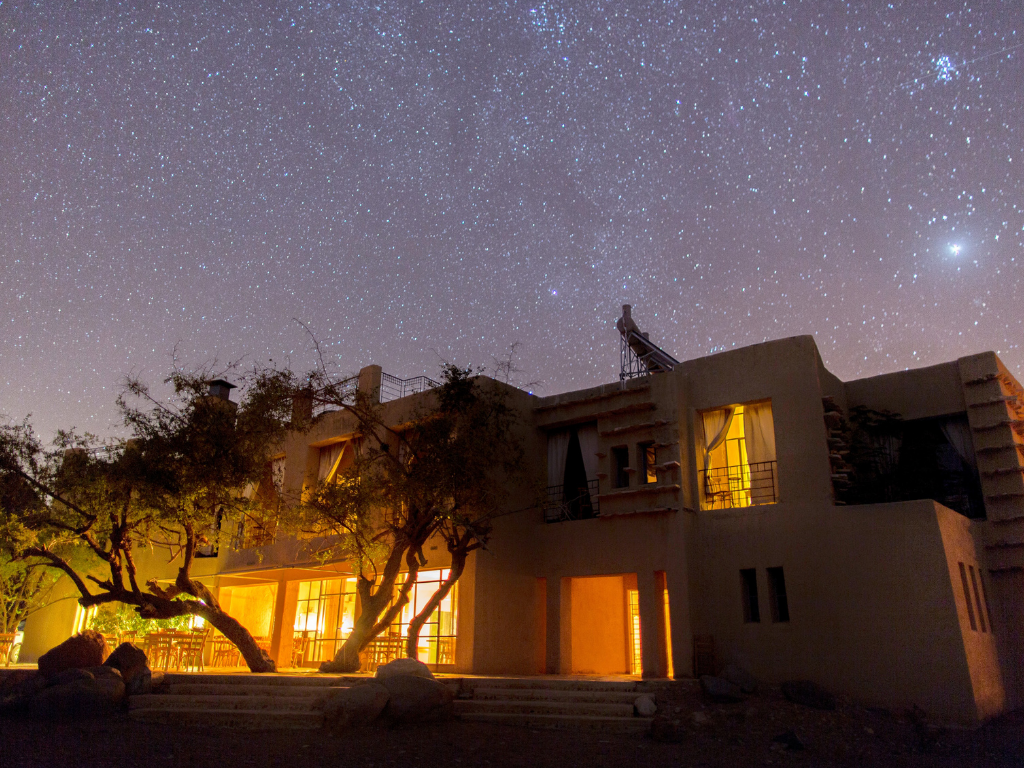
Stars visible above Feynan EcoLoge in the dark sky Dana Biosphere reserve
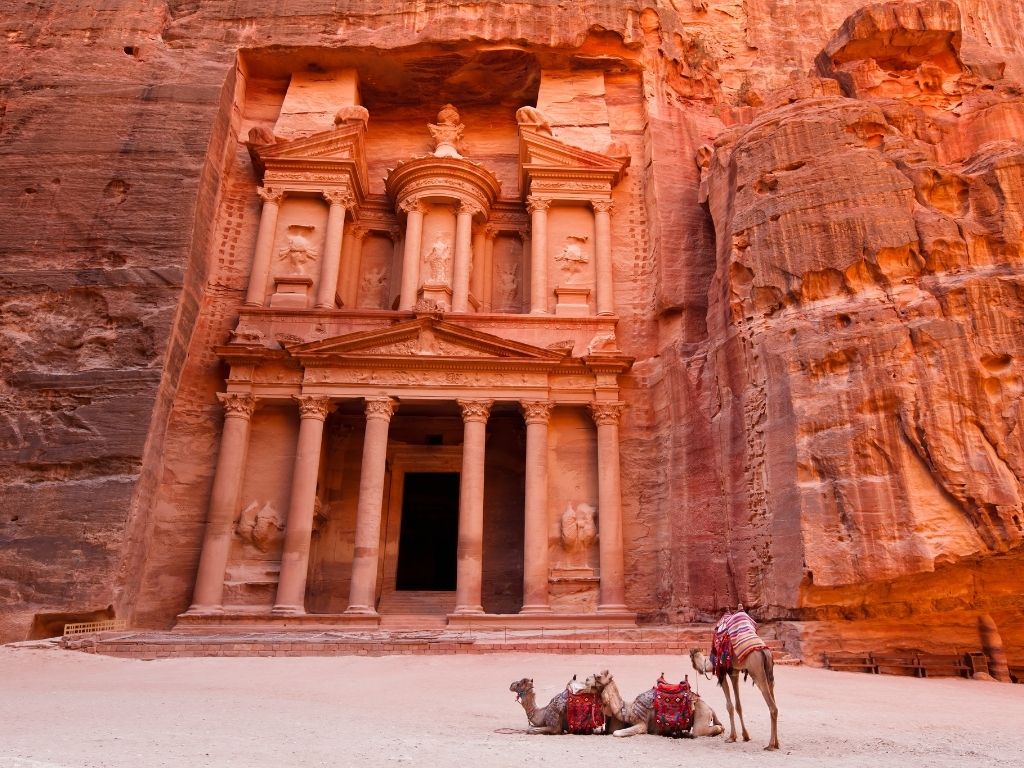
The Treasury, Jordan
The Treasury

After watching the sunset from a nearby hilltop, I returned to find Feynan transformed by the glow of 200 candles. With no light pollution, the night sky was ablaze with stars. On the rooftop, strewn with comfortable mattresses, I was shown the constellations and learned how Bedouins once relied on the stars to navigate the desert and track the seasons. Through the telescope, Saturn’s rings were crystal clear.

“There’s zero light pollution anywhere on the horizon, which is why the sky comes alive,” says Tarazi. “If you come in August, you can see about 60 meteors an hour during the Perseid shower. We blend technology, like the telescope, with traditional storytelling from the community, whose ancestors lived by the stars. These experiences aren’t scripted; they come from people who know this land best.”

That night, I fell asleep to the soft flicker of candlelight and woke refreshed, ready to explore the lodge’s community experiences. While most excursions are included, certain activities come with a small fee that goes directly to local families.

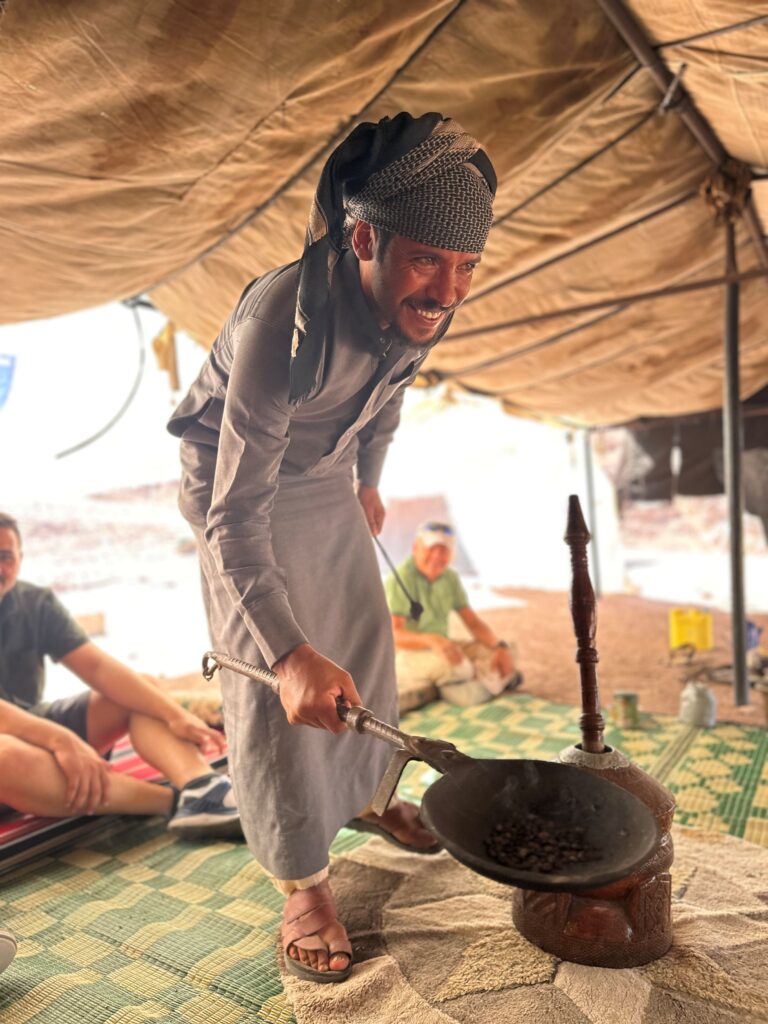
A short walk brought me to the tented home of Suleiman Hasaseen, made from woven goat hair. There, he taught our small group about the Bedouin tradition of serving Arabic coffee. Joined by his mother, we made Arbood bread—simply flour, salt, and water—baked in hot ashes and served warm with olive oil. Despite its humble preparation, the bread emerged clean and delicious.

When it was time to leave, I opted for a local transfer rather than another long hike. The 8-km unpaved road from the reception centre to the lodge requires a high-clearance vehicle, and Feynan relies on community members to provide transport in their own cars.

“We consciously chose not to pave the road so that locals could continue offering the transfers,” says Tarazi. “Guests are warned they’ll ride in beat-up vehicles, but every dinar goes directly to the driver. Around 45 families benefit from this system—it’s a significant source of income.”

Depending on the season, the lodge supports between 80 and 100 families in the region.

“Aside from having a fabulous, unique experience, we hope guests leave inspired to seek out other places like Feynan—properties that take community and environment seriously, minimize their impact, and give back,” Tarazi says.

Arabic coffee at Feynan Ecolodge Travel for Good

Feynan Ecolodge is featured on the Meaningful Travel Map of Jordan, an initiative by the Jordan Tourism Board North America and the non-profit Tourism Cares. The map highlights sustainable social enterprises and cultural experiences that help travellers support local communities, preserve heritage, and promote environmental conservation. 

Tourism is vital to Jordan’s economy, yet the current Gaza conflict has sharply reduced visitor numbers. Petra, for instance, has dropped from 5,000 daily visitors to just a few hundred.

“The impact has been tremendous, not only from a business standpoint but on the community,” says Tarazi. “Many livelihoods depend on tourism. And Jordan remains extremely safe. Now is actually one of the best times to visit since there aren’t too many tourists.”
Indigenous Tourism in Canada with Intrepid Tours

A New Chapter for Indigenous Tourism in Canada

A five-year partnership between Intrepid Travel and the Indigenous Tourism Association of Canada signals a shift toward more meaningful, Indigenous-led travel experiences nationwide.

Travel is changing. More travellers are looking beyond scenery and sightseeing, seeking experiences that offer cultural depth, context, and genuine connection. In Canada, that shift is helping Indigenous tourism move into a new phase — one defined by greater visibility, investment, and long-term opportunity for Indigenous communities.

This winter, Intrepid Travel committed CA$500,000 over five years to support Indigenous tourism development and promotion through a landmark partnership with the Indigenous Tourism Association of Canada (ITAC). The agreement aims to integrate Indigenous-led experiences more fully into Canadian travel itineraries — not as optional add-ons, but as essential ways of understanding the country.

At the heart of the partnership is a clear goal: by the end of 2026, 75 percent of Intrepid’s Canadian tours will include at least one Indigenous-led experience, with a longer-term ambition of reaching full inclusion across all itineraries. Rather than developing products in isolation, Intrepid will work through ITAC’s national network of accredited Indigenous tourism businesses, ensuring experiences are community-led, culturally grounded, and designed to benefit the people who host them.

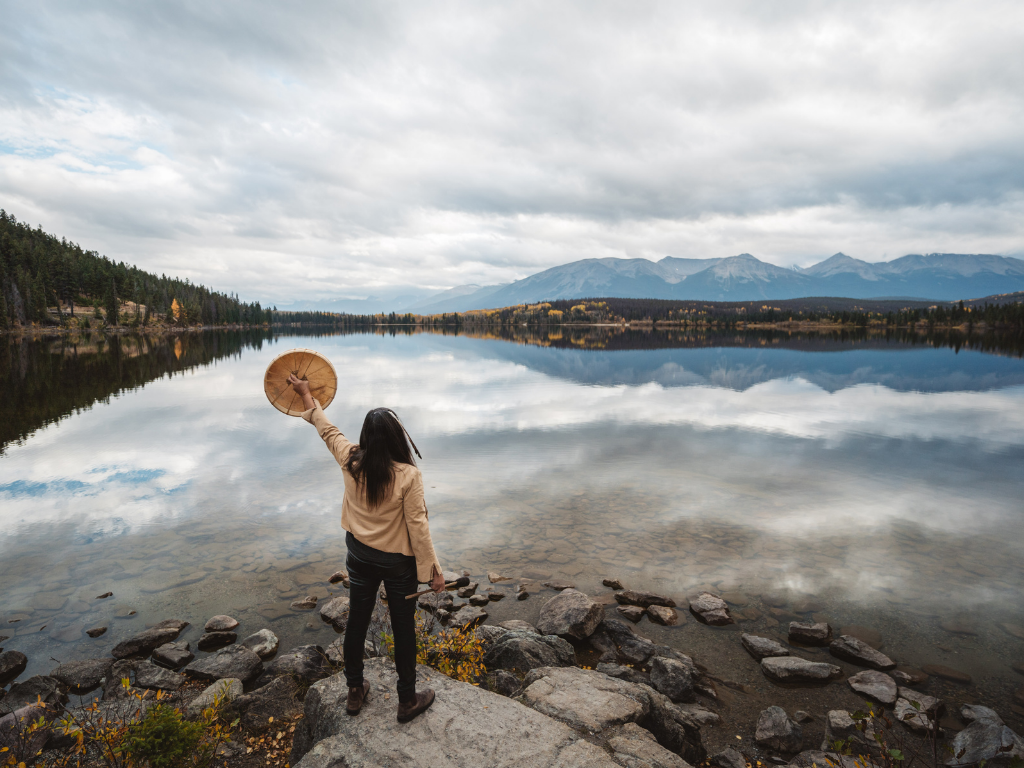
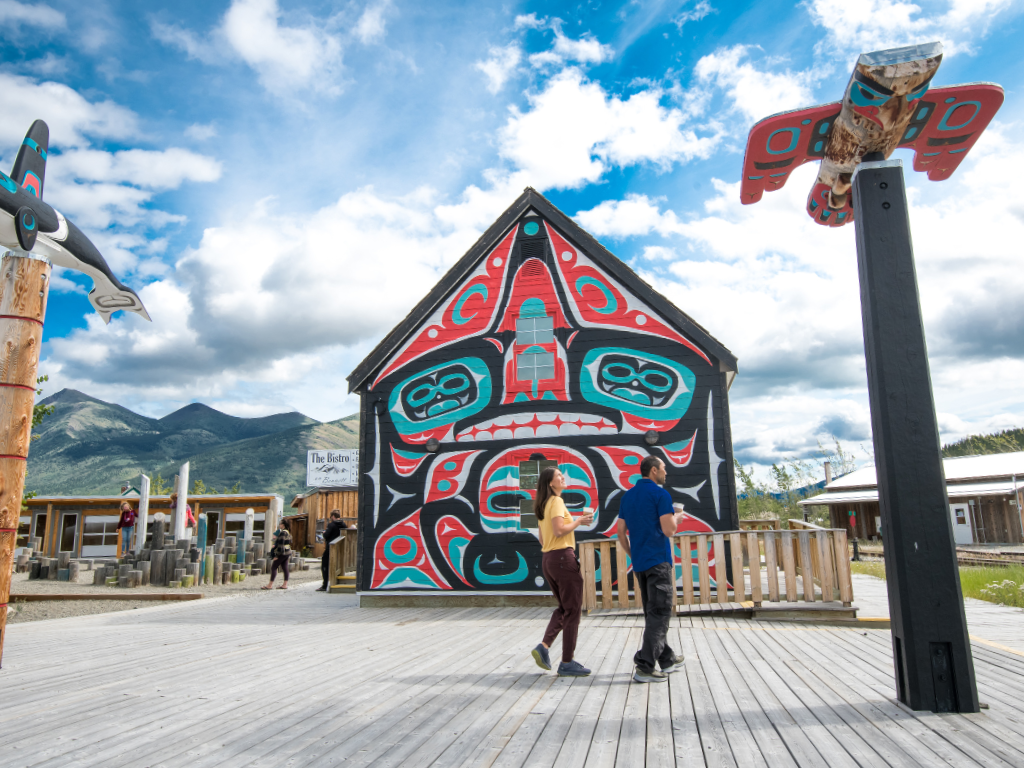
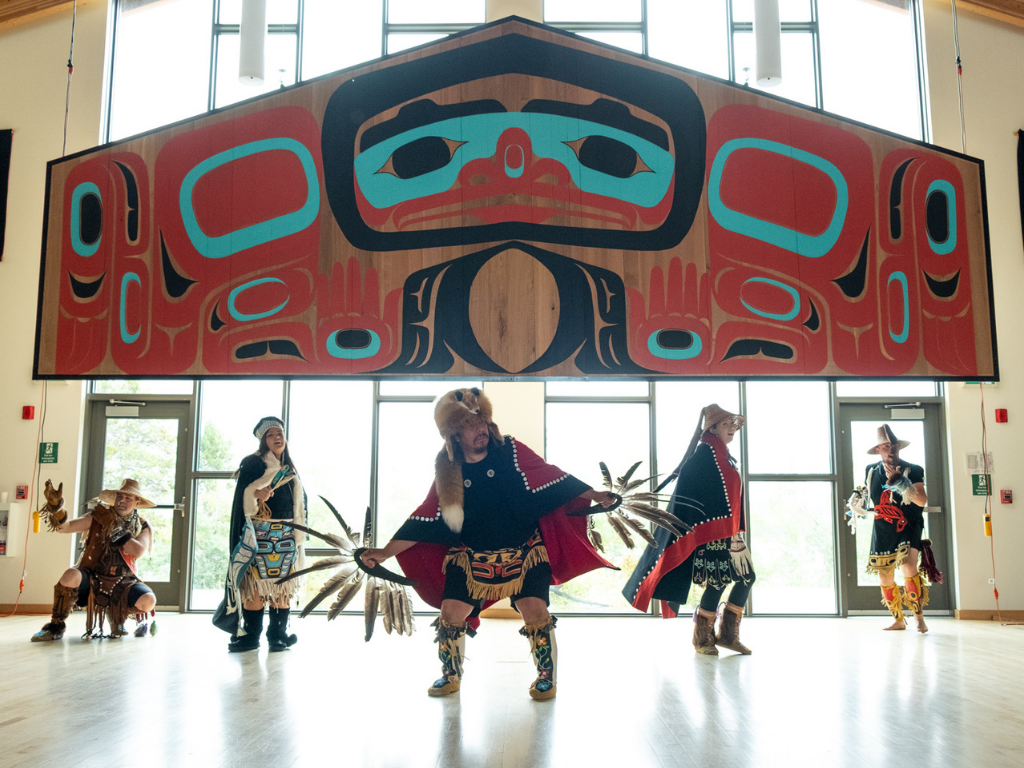
ITAC Indigenous Tours in Canada
Images courtesy of ITAC
ITAC Indigenous Tours in Canada

Interest in Indigenous tourism has been steadily rising, driven by travellers who want to engage more thoughtfully with the places they visit. Recent national tourism research shows that more than 60 percent of highly engaged travellers are actively seeking Indigenous-led experiences.

Despite that demand, many Indigenous tourism operators continue to face challenges related to funding, infrastructure, and visibility, particularly in rural and remote regions. ITAC has spent years working alongside First Nations, Inuit, and Métis businesses to help close those gaps and build sustainable, community-driven tourism economies.

This partnership connects that groundwork to global reach. Over the next five years, Intrepid will invest $50,000 annually into ITAC’s Destination Fund to support the development of Indigenous-led tourism businesses across Canada. An additional minimum of $50,000 per year will go toward promoting Indigenous tourism through media initiatives and marketing efforts, developed in consultation with ITAC to ensure respectful representation and long-term impact.

For travellers, the shift may feel subtle but significant. Indigenous experiences might include guided cultural encounters, storytelling, land-based activities, or community visits that provide insight into both tradition and contemporary Indigenous life. The emphasis is on authenticity and exchange, rather than performance.

Crucially, these experiences are designed to generate meaningful economic benefits for host communities while safeguarding cultural integrity. The aim is not simply to showcase Indigenous culture, but to support self-determined growth through tourism.

Shangi-La Toronto Suite

The Shangri-La Toronto has the Perfect Valentine’s Day Package

It's been a long winter. Here's your sign to treat yourself (and a loved one) to a candlelit Italian dinner and an indulgent overnight stay at Shangri-La Toronto.

This year, Shangri-La Toronto is offering a polished but unfussy way to celebrate Valentine’s Day right in the city. The hotel’s curated experiences are designed to feel intimate and unrushed — ideal for couples who want something memorable without overdoing it.

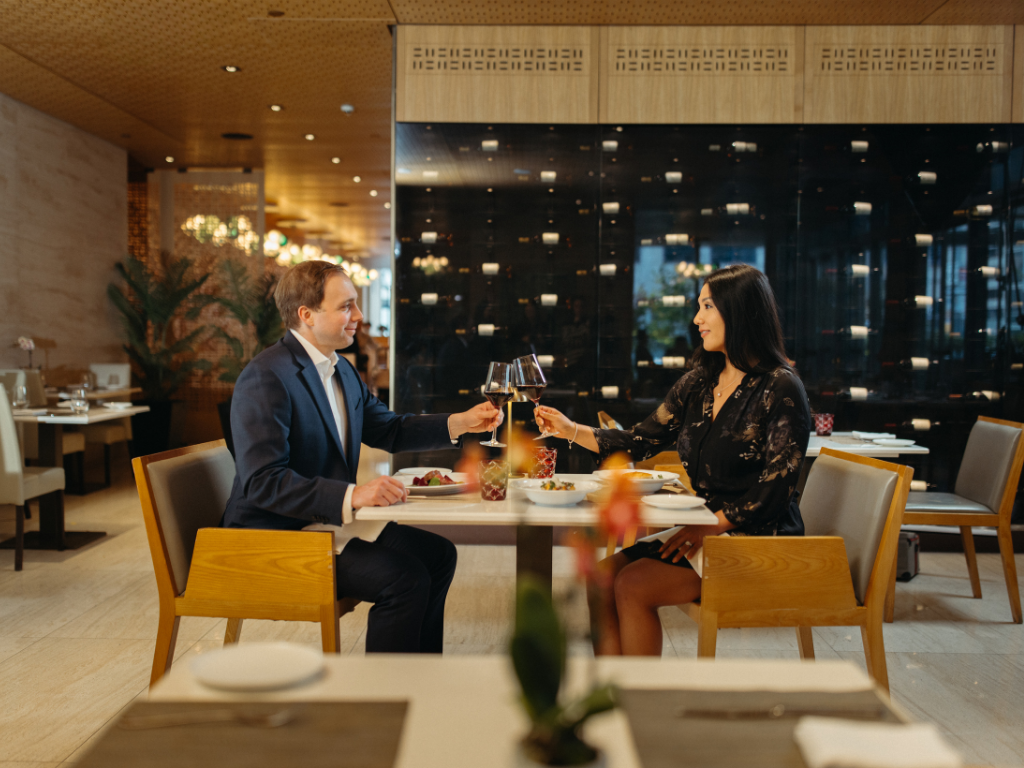
At the centre of the celebration is Valentine’s Rendezvous at bosk, the hotel’s Northern Italian restaurant. Offered on February 14 from 6 p.m. to 10 p.m., the four-course dinner is meant to unfold at an easy pace, with live violin music setting the tone, a Valentine’s cocktail to start the evening, and hand-dipped chocolate strawberries to finish.

The menu highlights seasonal Canadian ingredients with Italian flair. Courses include red wine–marinated venison carpaccio with Koziak’s Triple Crunch mustard, beet root spaghetti with goat’s milk fonduta and B.C. spot prawns, and dry-aged striploin served with celeriac purée. Desserts lean elegant rather than heavy, with options like dark chocolate merveilleux with hazelnut praline or a raspberry-and-rose creation finished with rosewater ganache.

Valentine’s Rendezvous dinner at bosk, Shangri-La

Make it a Staycation

For couples who want to turn dinner into a true escape, Shangri-La Toronto’s A Suite Valentine’s Day experience removes the need to head home at all. Guests are welcomed with a bottle of Veuve Clicquot Champagne and a decadent cake, followed by an overnight stay in one of the hotel’s suites.

A CAD $250 dining credit per night encourages lingering meals or room service, while breakfast for two the following morning keeps things feeling relaxed. Small details make a difference here: fresh florals on arrival, an evening turndown featuring the hotel’s signature tea set and Bathorium bath salts, and flexible check-in and check-out times (subject to availability).

Parking is included as well — a small but appreciated touch for anyone who’s ever hesitated over a downtown stay.

Whether you opt for the dinner, the overnight stay, or both, this is Valentine’s Day done with just enough luxury to make it feel like a real occasion.

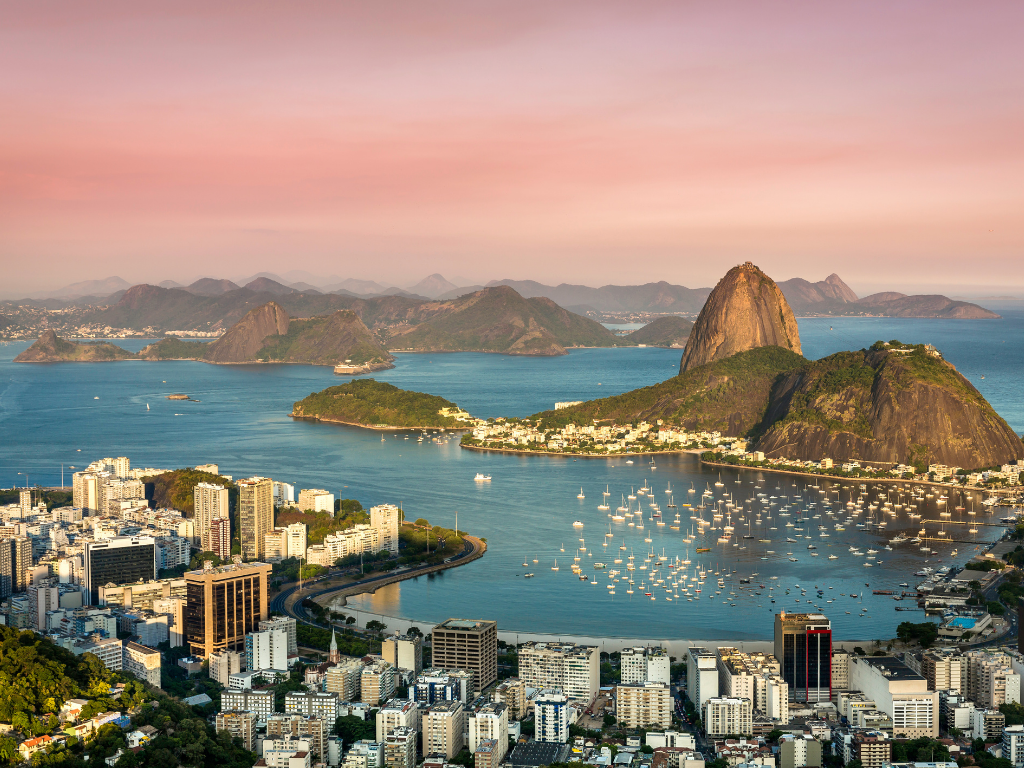
Rio de Janeiro, Brazil

Brazil Just Launched a New Multi-City Air Pass for International Travellers

The new Azul Brazil Air Pass allows visitors to explore multiple regions of the country under a single fare, making complex itineraries far easier to plan.

Brazil’s size has always been part of its allure — and its challenge. With rainforests, beaches, wetlands, and megacities spread across a continent-sized country, travellers have often had to choose just one slice of the experience. A newly launched air pass is aiming to change that.

Introduced this January, the Azul Brazil Air Pass allows international travellers to combine multiple domestic flights within Brazil under a single, fixed price. The pass is designed for visitors arriving from abroad who want to explore more than one region without booking separate tickets for each leg of their journey.

Depending on the option selected, travellers can include up to eight destinations in a single itinerary, with stays ranging from 14 to 30 days. Prices start at USD $479 for trips covering up to four destinations, rising to USD $599 for longer itineraries flown entirely on Azul. Options that include segments operated by other airlines range from USD $599 to $799.

The pass is valid for travellers entering Brazil on Azul flights as well as those arriving on other international carriers, making it accessible regardless of how visitors reach the country. It is sold exclusively outside Brazil, primarily through international travel agencies and Azul’s international call centre.

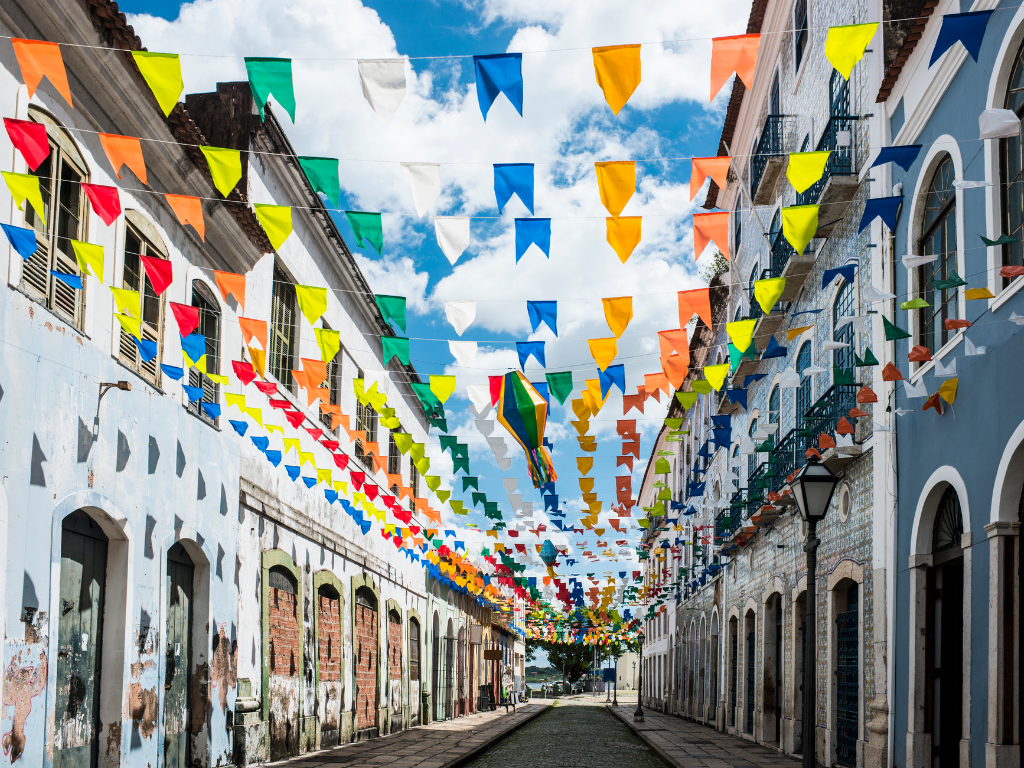
The Historic city of Sao Luis, Maranhao State, Brazil
The historic city of Sao Luis, Maranhao State, Brazil
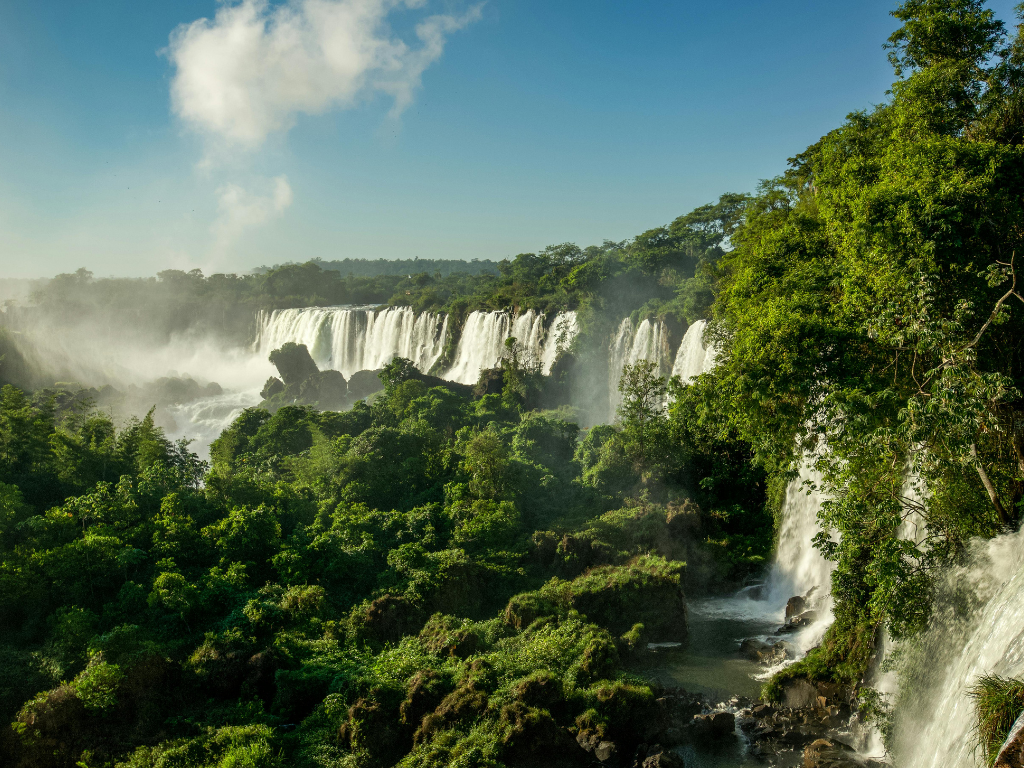
Iguaçu Falls
Iguaçu Falls in Paraná, Brazil

The launch comes as Brazil sees a surge in international interest. In 2025, the country welcomed approximately 9.3 million foreign visitors — a 37 percent increase over the previous year — underscoring growing demand for longer, more immersive travel experiences.

For travellers, the appeal is practical as much as aspirational: simpler booking, predictable pricing, and the freedom to move between Brazil’s vastly different regions in one continuous trip. Boa viagem!

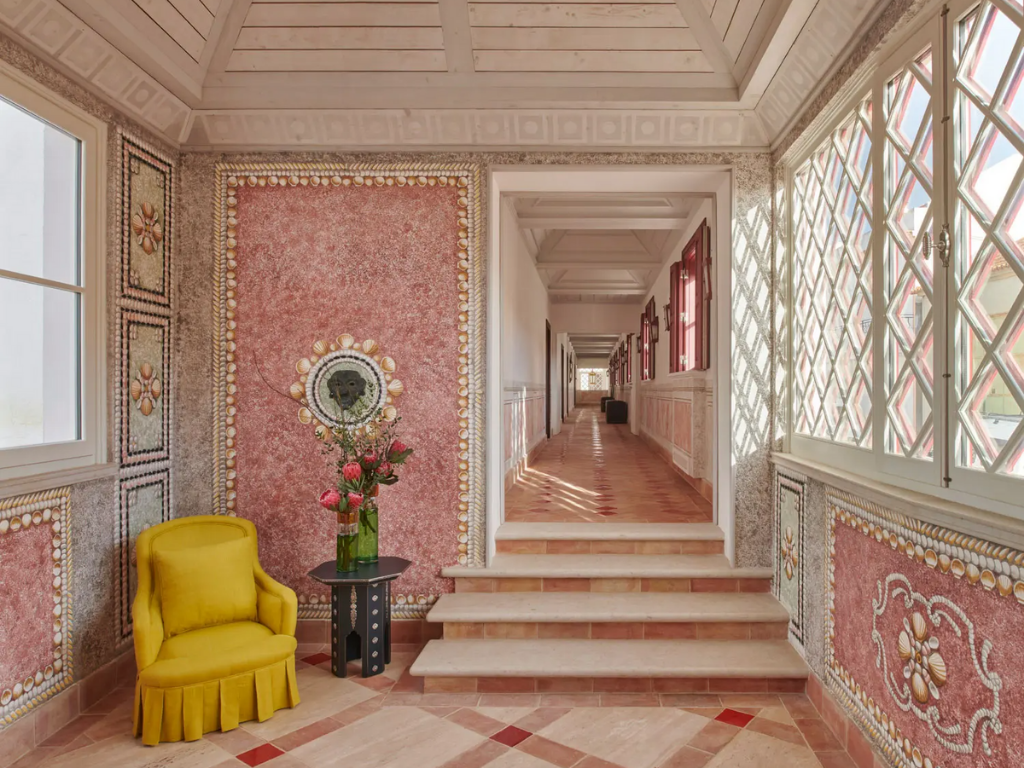
Vermelho Hotel

Haute Couture Hotels

From Christian Louboutin’s red-soled retreat in Portugal to Missoni’s rooftop pool takeover in Texas, fashion’s biggest names are bringing their aesthetic to the world of hospitality.

By Erica Commisso

Fashion’s most recognizable houses are stepping beyond boutiques and ateliers, carving out a stylish new niche in hospitality. Whether through sun-splashed rooftop pop-ups, bespoke restaurants, or full-fledged hotels, these brands are crafting experiences as exclusive as their runway designs.

Armani may have been among the first to blur the line between haute couture and high hospitality—opening its namesake hotels in Dubai in 2010 and Milan a year later—but a new wave of labels is following suit, each putting its own spin on the idea of living the brand.

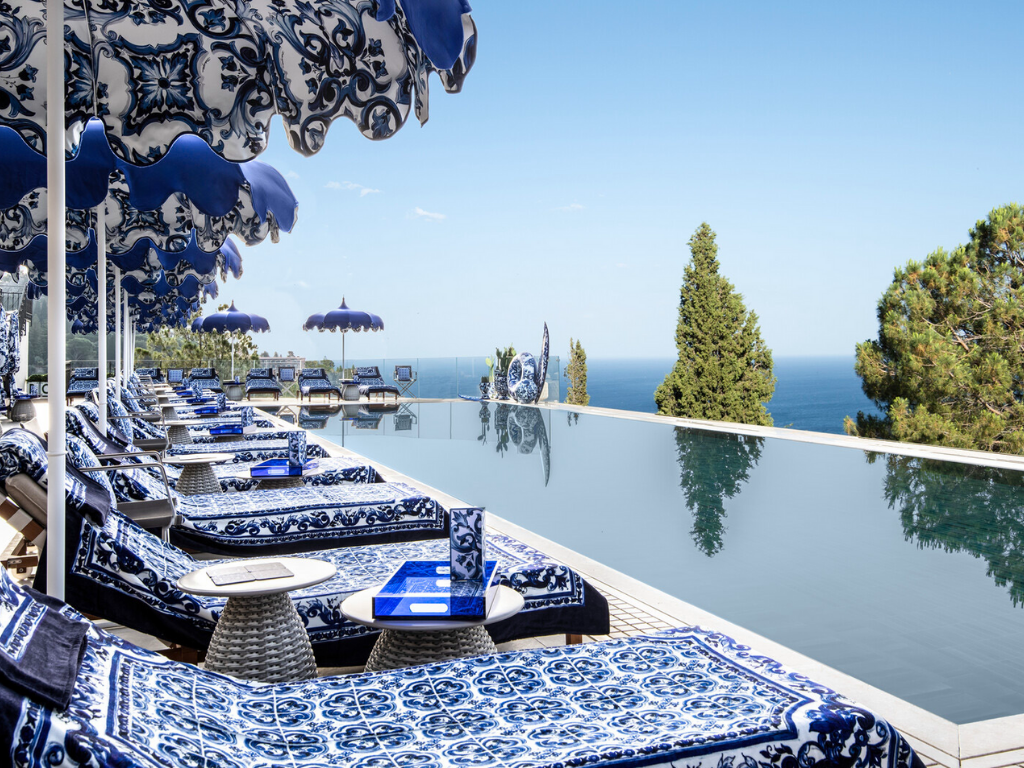
DG Taormina
DG Resort
Cavallino

Take Christian Louboutin, whose first hotel, Vermelho (featured above), debuted in the quiet Portuguese village of Melides, just south of Lisbon. The 13-room property is an exuberant reflection of the designer’s signature flair: the iconic red heel reimagined through tiles, beams, and upholstery. Yet, for all its glamour, the space remains grounded in local culture, blending artisanal Portuguese craftsmanship with Louboutin’s playful sensibility—a European counterpart to Yves Saint Laurent’s legendary Marrakech oasis.

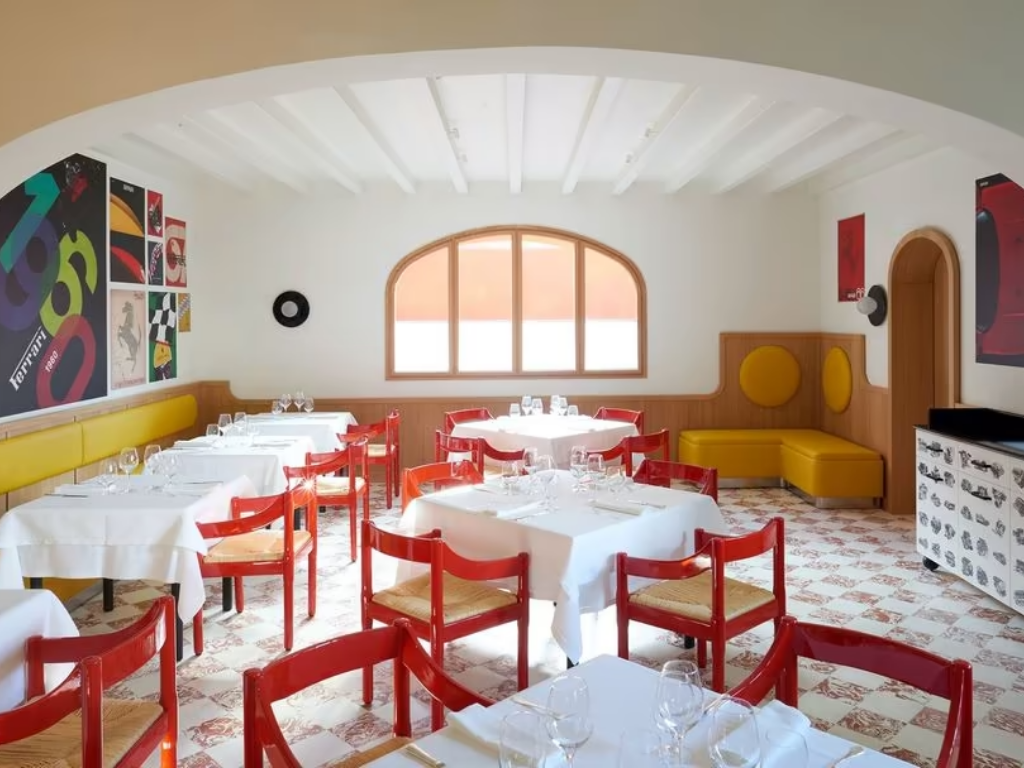
Meanwhile, Ferrari is channeling its racing-red prestige into fine dining. At Cavallino restaurant in Maranello, steps from the factory and Gestione Sportiva racing department, acclaimed chef Massimo Bottura’s Italian classics are served up with the precision of a Formula 1 pit crew. The tasting menu celebrates regional icons like Parmigiano Reggiano and Emilia Romagna wines, a far cry from the humble company canteen Enzo Ferrari opened in 1950. Since its 2021 redesign, Cavallino has become a destination in its own right for culinary-minded car enthusiasts.

This past year also brought a flurry of beach clubs and poolside collaborations. Longchamp landed in Forte dei Marmi, Italy, with a seaside outpost that captures the breezy elegance of the French Riviera. In Dallas, Missoni partnered with Hôtel Swexan to create a rooftop escape awash in the brand’s iconic zigzag prints. Guests sip Malfy Gin Spritzes poolside, enjoy curated in-suite gifts, and bask in the kind of effortless glamour usually reserved for the Mediterranean. “This partnership is the perfect fit since both Missoni and Hôtel Swexan are family-owned, devoted to craftsmanship and timeless sophistication,” says Hôtel Swexan general manager Julian Payne. 

Elsewhere, designers made their mark from the Hamptons to Ibiza. Michael Kors and Chanel hosted posh summer activations in New York’s chicest coastal enclave. Dolce & Gabbana’s DG Resort returned to Taormina and Saint-Tropez, Jacquemus took over Monte-Carlo Beach, and Louis Vuitton debuted a Saint-Tropez culinary pop-up with Michelin-starred chefs Arnaud Donckele and Maxime Frédéric. Lacoste also entered the scene, opening a café in Monte Carlo that brings its preppy-sporty heritage to life, right down to the crocodile-green details.

As the lines between fashion, travel, and lifestyle continue to blur, one thing is clear: luxury today is about more than what you wear. It’s about where you stay, what you taste, and how you can live inside the brand’s world—even just for a night.

Havana Cuba

Discover Timeless Havana with WestJet Vacations

In Cuba's capital, colonial grandeur meets contemporary sophistication—and new direct flights from Toronto make this cultural treasure more accessible than ever.

Royalton hotel Havana
Hemingway House Havana
Ernest Hemingway House

With its baroque facades, vintage Cadillacs, and the infectious rhythm of salsa spilling from every doorway, Havana feels like stepping into a living museum where time moves to its own beat. This UNESCO World Heritage city offers an intoxicating blend of revolutionary history, architectural splendour, and refined experiences that few Caribbean destinations can match.

This season, WestJet Vacations makes Cuba’s crown jewel more convenient to reach with new direct flights from Toronto, opening the door to one of the Caribbean’s most culturally rich destinations.

Where Time Stands Beautifully Still

Havana’s magnetism lies in its remarkable preservation of five centuries of architectural evolution. In Old Havana, cobblestone streets wind past restored colonial palaces, now housing boutique hotels and world-class restaurants. The Gran Teatro de La Habana hosts world-renowned ballet performances, while the newly renovated Capitolio building stands as testament to the city’s renewed commitment to preserving its cultural heritage.

Sophisticated Comfort Redefined

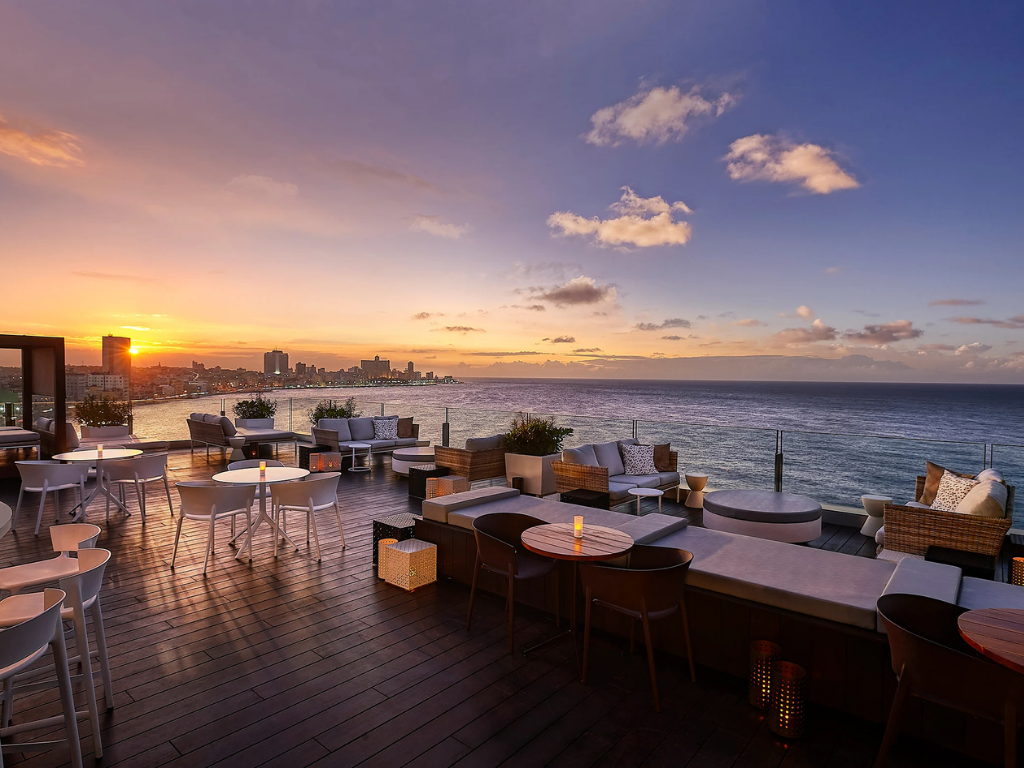
Cuba’s hospitality landscape has evolved dramatically, with historic properties now offering convenient modern-day amenities. Boutique hotels occupy colonial mansions, like the Mystique Habana by Royalton, a UNESCO World Heritage Site that offers impressive views in the city’s historic center. For a more modern experience in the historic city centre, stay at Royalton Habana, featuring five on-site restaurants and an infinity pool overlooking the sea.

Authentic Encounters Await

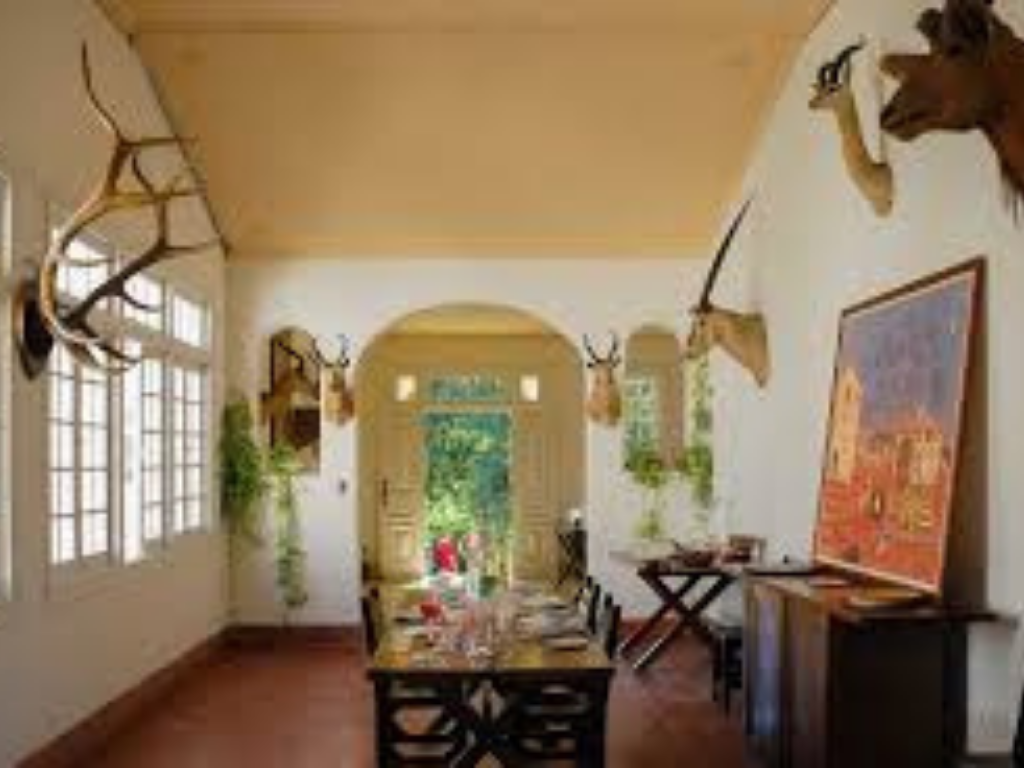
For sophisticated travellers seeking authentic cultural engagement, Havana delivers experiences that go far beyond typical tourist attractions. Private tours of Ernest Hemingway’s preserved estate offer insights into the Nobel laureate’s Cuban years, while exclusive access to recording studios provides encounters with musicians carrying forward Cuba’s legendary musical traditions.

The Perfect Escape

What sets Havana apart isn’t just its undeniable charm or its cultural richness, but the way refinement and authenticity intertwine seamlessly. Here, mornings might begin with expertly crafted café cubano on a private terrace overlooking the harbour, followed by guided explorations of architectural gems, and evenings that flow naturally from sophisticated dining to impromptu salsa sessions in atmospheric jazz clubs.

In Havana, premium experiences aren’t about opulence—they’re about access to moments that money can’t typically buy, delivered with the warmth and artistry that defines Cuban hospitality.

Discover this remarkable destination with a flight and hotel package from WestJet Vacations.

Hotel Playa Luxury Cayo Guillermo

Checking In: Hotel Playa Luxury Cayo Guillermo, Cuba

From overwater bungalows to beachside lobster lunches, this is Cuba done differently.

By Mitch McClung

Arriving in the dark might not seem ideal, but it’s actually the best way to experience Hotel Playa Luxury Cayo Guillermo. When you wake up, sunlight streams through the windows and the ocean shimmers just outside your door. The resort is only a short drive from the airport, yet it feels tucked away from the rest of Cuba—quieter, calmer, and intentionally different. Instead of the usual resort soundtrack of mariachis and cocktails by the dozen, guests are greeted by the sound of a grand piano in the lobby.

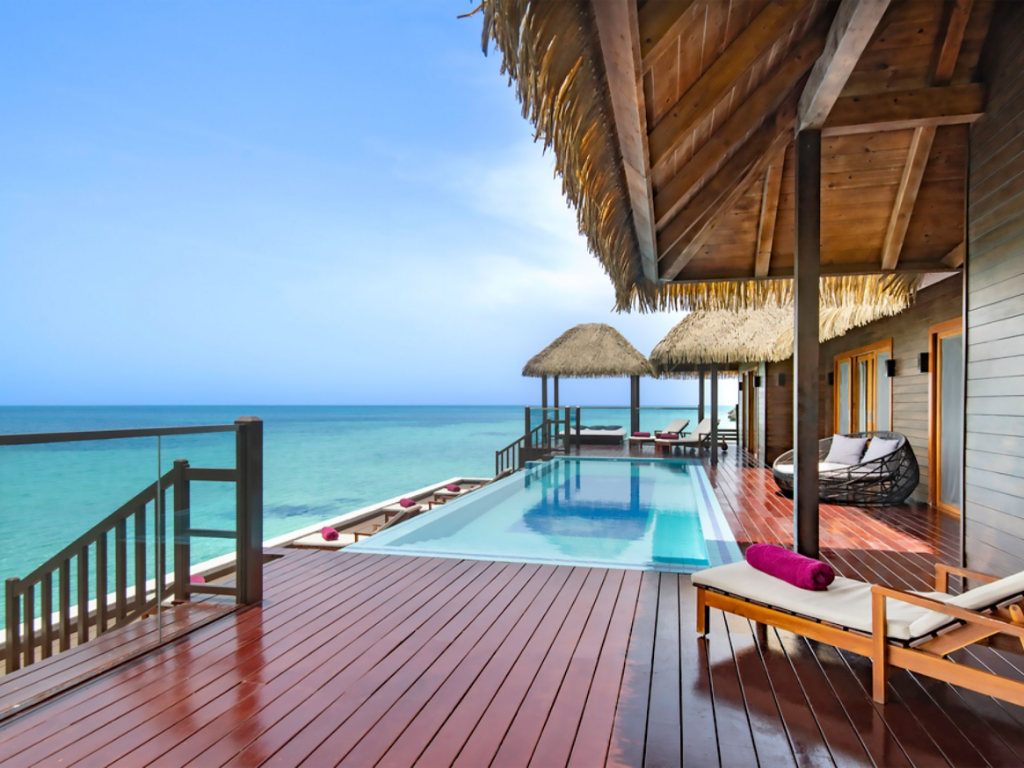
Playa Luxury aims to redefine what a high-end Cuban stay can be. Its six over-water bungalows are among the only ones in the country, surrounded by nothing but sea and sky. Floor-to-ceiling windows fill the space with light while keeping it private from the curious boardwalk passersby. Inside, the design is simple and soothing: natural wood tones, linen bedding, and a spa-like bathroom with a soaking tub overlooking the ocean. Sunset baths quickly become part of the routine.

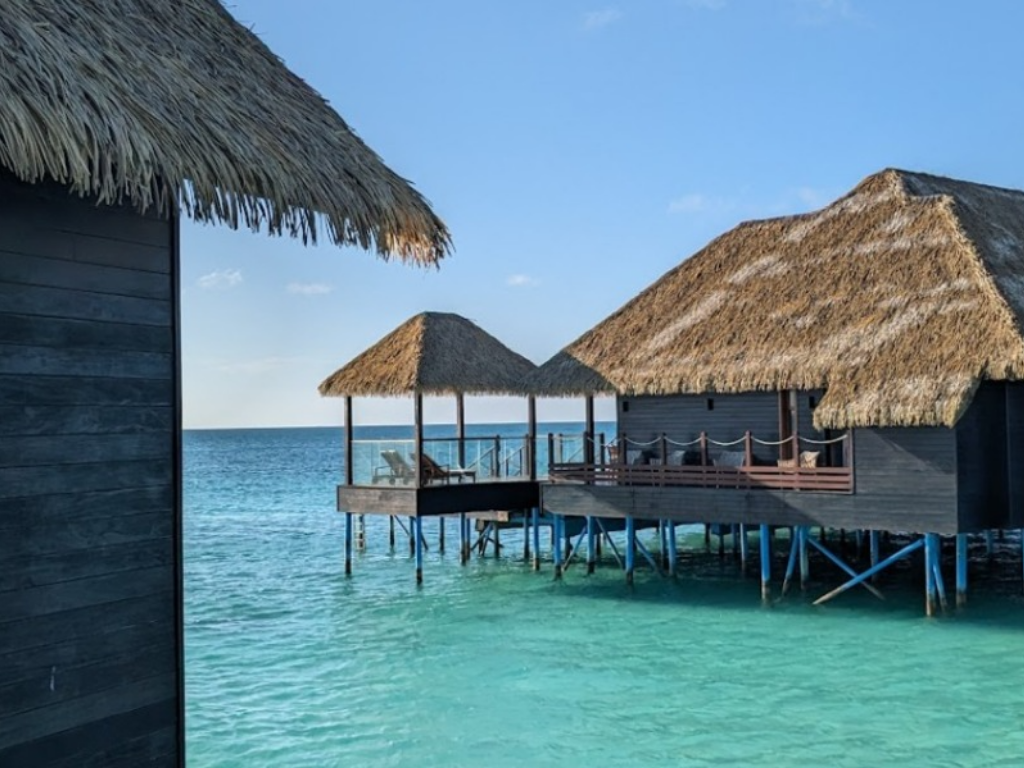
Hotel Playa Luxury Cayo Guillermo

Each bungalow opens onto a private deck with an infinity pool, lounge chairs and a shaded cabana. It’s easy to spend the day there, swimming, reading, or just watching the waves. But it’s worth following the winding wooden walkway to Playa Pica Beach, a stretch of white sand framed by volcanic rock and gentle surf. It’s one of the most beautiful beaches in the Caribbean, and proof that Cuba still has plenty of surprises.

Dining is another highlight. Lunch might be lobster grilled over coals and served with fresh fruit, or a casual burger and fries with a beach view. The four restaurants focus on fresh ingredients and flavourful simplicity, showcasing Cuba’s produce in a modern way.

Guests can (and should) explore beyond the resort. Take a jeep ride through the jungle, sail along the coast to snorkel with tropical fish, or stop at a sandbar for drinks in the shallow water. If you’d rather stay dry, the ocean is clear enough to watch from the deck.

On departure day, sip a final coffee on your terrace while your luggage makes its way to the lobby. Playa Luxury’s private airport transfer arrives right on time, but the feeling of serenity lasts long after you leave.

It’s in the Details: Bath salts, bamboo robes and refillable carafes of coconut water make each bungalow feel like a private spa suite.

On the Menu: Don’t miss the lobster grilled over coals and served with tropical fruit salsa and a cold mojito by the beach.

Room to Book: One of the six over-water bungalows with a soaking tub, private infinity pool and panoramic ocean views.

What to Do Nearby: Book a catamaran trip to snorkel the reef and stop at a sandbar for a drink in the shallow water.


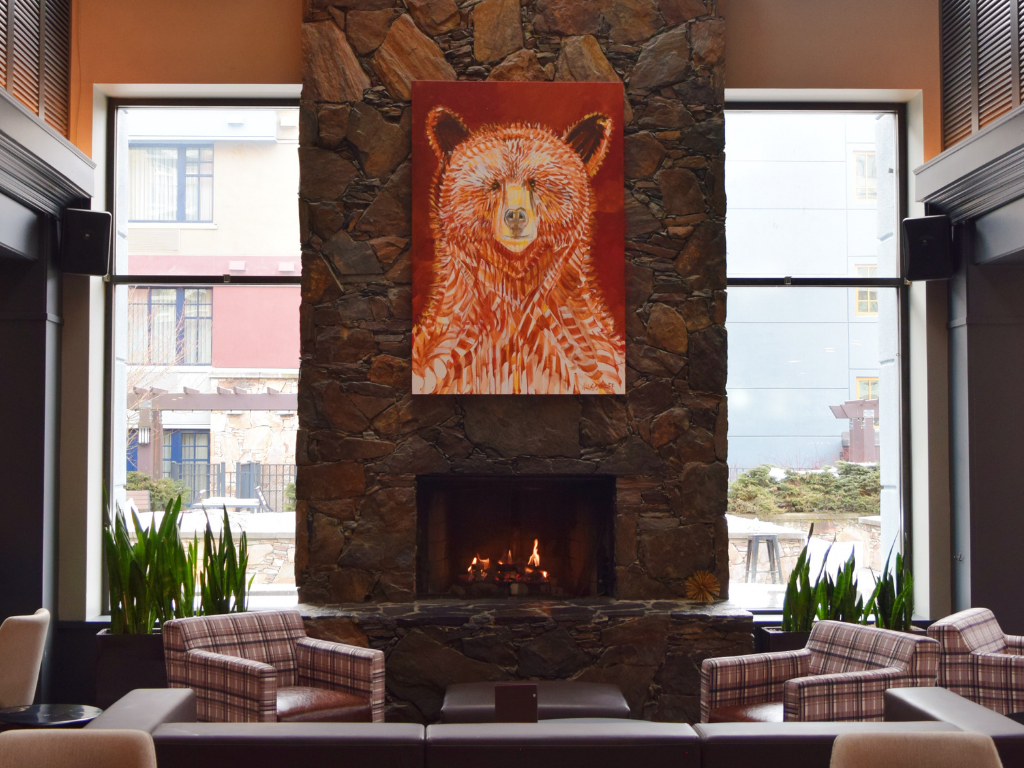
Cinnamon Bear Restaurant

The Art of the Stay

Canadian interior designer Lesley Wong on trends, travel, and crafting memorable hotel spaces.

By Erica Commisso

Lesley WongSince launching her eponymous studio in 2014, Lesley Wong has evolved from a one-woman operation into a full-fledged hospitality design team. With projects spanning both Canada and the United States, she’s shaped inviting spaces at properties like the Sparrowhawk Canmore and Hilton Whistler Resort.

Here, Wong shares what inspires her, the textures she’s loving now, and the magic behind creating hotels that feel both personal and transportive. 

Q: Where do you find inspiration?

A: I draw inspiration directly from the character of the surrounding area, whether that’s the landscape, the local community, or the regional architecture. By weaving these elements into our designs, we create hotels that feel deeply connected to their setting. This not only allows guests to feel fully immersed in the spirit of the destination but also ensures that each property is truly one of a kind, reflecting the distinct identity of its area.

Q: How is designing a hotel different from designing any other space?

A: Designing a hotel is uniquely complex because it must function on many levels at once. Unlike a home, which is tailored to a single lifestyle, or a store, which is focused on a specific transaction, a hotel must serve as both a personal retreat and a communal space. Guests come from all over the world with different expectations, so the design must be welcoming, intuitive, and adaptable. At the same time, it needs to express the spirit of its location and provide a sense of discovery. It’s this balance between comfort and experience, function and storytelling that makes hotel design so distinctive and rewarding.

Q: How do you hope people feel when interacting with your designs?

A: I hope people feel a sense of ease and discovery when they interact with our designs. A hotel should flow intuitively, so that guests never have to think too hard about how to move through a space. It should just feel natural. At the same time, I want them to feel a spark of inspiration, whether it’s through a surprising detail, a thoughtful material choice, or the way a space encourages connection with others. For me, it’s about creating an atmosphere that both calms and excites, leaving guests with an impression that lingers long after their stay.

Q: How did you decide you wanted to be a designer? Why for hotels specifically?

A: Design has always been a passion of mine, even from a young age. As a child, I would spend hours decorating my dollhouses, rearranging tiny rooms until they felt just right. Later, while many of my friends were going out and socializing, I found just as much joy in staying home to experiment with fabrics and create things for my own space. That love of shaping environments never really left me. When I began my career, I worked at a hotel brand, and that experience completely opened my eyes to the world of hospitality design. I was drawn to the complexity and creativity it demands. Hotels aren’t just about aesthetics; they’re about how people feel, move, and connect within a space. From that point on, I knew this was the path for me.

Q: What are some textures and design elements you’re loving right now?

A: Lately, I’ve been inspired by biophilic design, bringing natural elements like greenery, wood, and stone into interiors to create spaces that feel calming and restorative. I love how integrating nature not only adds beauty and texture, but also enhances the overall well-being of guests, making the environment feel alive, welcoming, and deeply connected to its surroundings. 

Q: What’s one thing people would be surprised to learn about your work?

A: I love what I do so much I actually dream of hotel design—when I eventually fall asleep. Quirky, yes, but I still love it. I absorb ideas from all around me, so I think it’s my brain’s way of processing all the information and creativity.

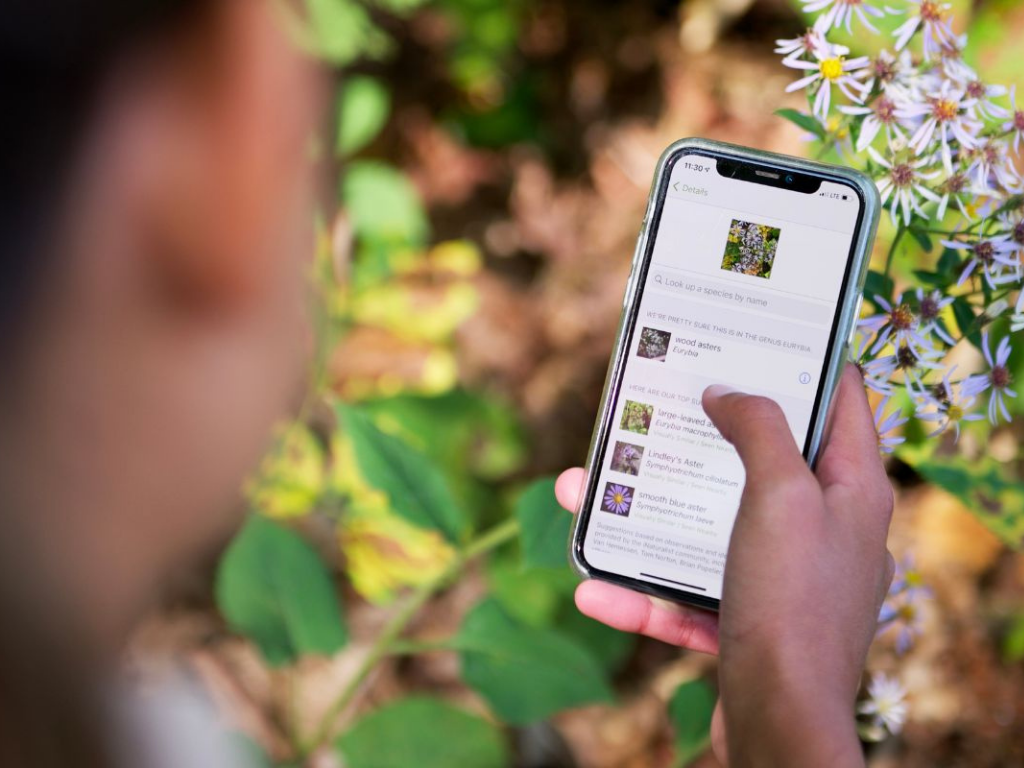
iNaturalist app

Your Wildlife Travel Photos Can Support Biodiversity

Exodus Adventure Travels just announced a partnership with iNaturalist, expanding its global citizen science program.

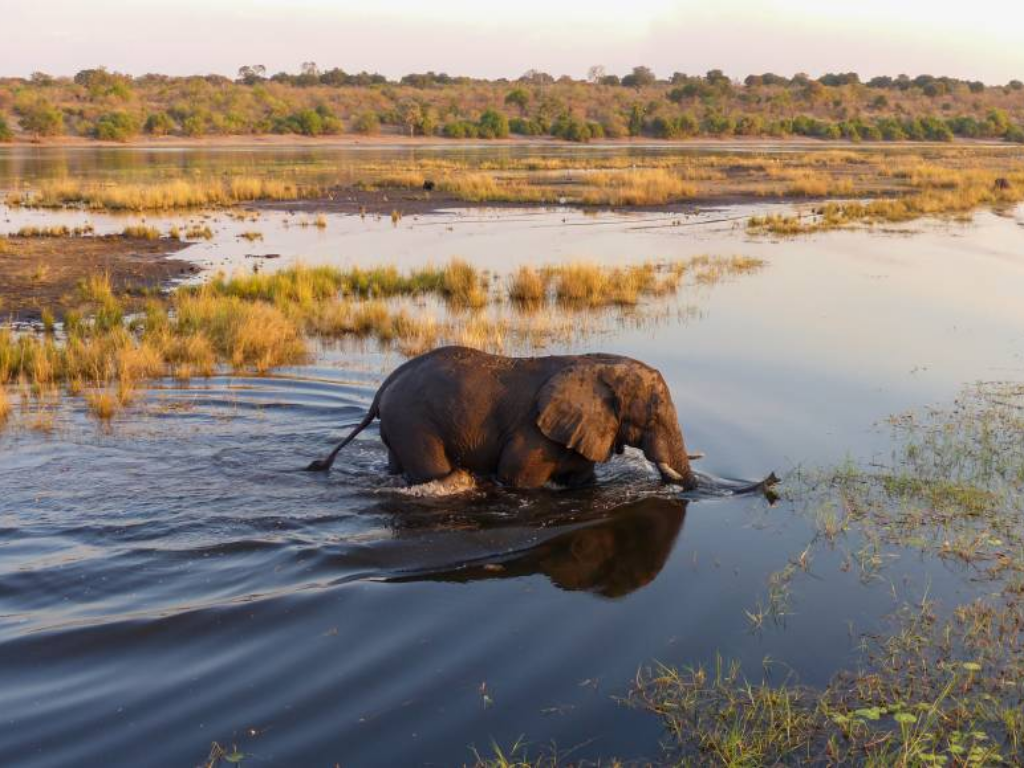
In the early morning light of Botswana’s Okavango Delta, before the heat settles and the birds retreat into the reeds, a traveller raises their phone—not to frame the perfect safari shot, but to log a data point. A dragonfly hovers near the water’s edge. A photograph is taken, tagged, uploaded. Somewhere else in the world, a scientist will eventually see it. This is the new frontier of adventure travel: not just witnessing the wild, but contributing to its understanding.

Exodus Adventure Travels just announced a new partnership with iNaturalist, becoming the first travel company globally to integrate one of the world’s largest citizen science platforms into guided adventures. The collaboration represents the newest phase of Exodus’ Citizen Science program, designed to engage travellers directly in biodiversity research while exploring some of the planet’s most wildlife-rich destinations.

Botswana safari Exodus Travels

As part of the partnership, travellers are encouraged to photograph and document plants, insects, fungi, and animals encountered on their journeys. These observations are then added to iNaturalist’s global biodiversity database, which is used by researchers, scientists, and conservationists worldwide to better understand ecosystems and identify how species and habitats can be protected.

The initiative prioritizes destinations where biodiversity data remains limited, often remote regions that are difficult for scientists to access regularly. By contributing wildlife observations from these locations, travellers help fill critical data gaps that can support conservation efforts on a global scale.

Wildlife tourism has traditionally focused on charismatic megafauna—the lions, elephants, and giraffes that dominate brochures and bucket lists. But biodiversity science depends just as much on documenting the overlooked: insects, fungi, plants, and lesser-known species that quietly sustain ecosystems. Some of the species travellers may help document include globally threatened plants and wildlife, rare dragonflies, elusive mammals, delicate fungi, and lesser-recorded insects. These organisms often lack sufficient data to support their protection.

“Through our new partnership with Exodus, we’re excited to help more people notice and document nature, especially in places where more observations can make a real difference for science and conservation,” says Scott Loarie, Executive Director of iNaturalist.

For travellers, participation is designed to be seamless and optional. The experience remains rooted in immersive exploration, expert guidance, and responsible wildlife encounters. The addition of citizen science simply reframes how travellers engage with what they see, encouraging closer observation and a deeper connection to place.

In this evolving model of adventure travel, a photograph is no longer just a souvenir. It becomes a small but meaningful contribution to understanding and protecting the natural world.