A Slow-Travel Guide to Liguria, Italy

Italy’s Riviera reveals its beauty most to those willing to slow down. Here’s a designer's guide to Liguria’s architecture, cuisine and coastal rituals.

Between the French border and La Spezia, Liguria is a postcard of sun-washed villages clinging to the cliffs. Trains rattle along the edge of the Mediterranean, slipping through tunnels, while sea-salted air drifts through open windows.

“I usually over-plan trips, but Liguria calls for a loose itinerary,” says Montreal-based designer Alexandre Lafleur. “Take your time. Enjoy a late morning reading under an olive tree, have a leisurely lunch followed by multiple dips in the sea, and always catch the sunset with an aperitivo in hand.”

Below are his personal recommendations from his latest trip to the Italian Riviera.

Casa d'Artista

Alassio

Tucked between the Ligurian hills and the water, Alassio feels timeless with its striped parasols, faded frescoes and honey-coloured villas. Stay a few steps from the promenade at Casa d’Artista, a three-room bed-and-breakfast in what was formerly a private seaside home. With frescoed walls, antique armchairs and balconies shaded by tasselled umbrellas, it captures the charm of a slower era.

“In the morning, each room gets breakfast in a picnic basket filled with pastries, fruit, and eggs to enjoy in the breakfast room or seafront balcony,” says Lafleur.

Spend the morning walking the Lungomare, then grab a pair of loungers at one of Alassio’s lidos—private beach clubs with striped cabanas, showers and lively seaside restaurants serving fried anchovies and spritzes. For a taste of old-world grandeur, visit the gardens of Villa della Pergola, where wisteria, citrus and jasmine fill the air.

End the day with a Michelin-starred dinner at Nove, the villa’s restaurant. Dishes like goat-cheese agnolotti and sourdough panzanella with green gazpacho are elegant without being fussy, and the best spot to enjoy them is from the terrace overlooking the sea.


Casa Pernice
Fresh pasta at Rezzano

Cavi & Sestri Levante

Just a short train ride east, make your home base at Casa Pernice, a lovingly restored farmhouse in Cavi di Lavagna, where owners Giorgia and Davide have created a laid-back, design-forward escape. The rooms feel effortlessly chic with linen-draped beds, vintage ceramics, and sunlight spilling across old terracotta floors. Mornings start with homemade pastries and eggs from their hens, followed by a stroll down to Bagni Mignon, their retro-chic beach club on the pebbled shore.

Cavi sits between the polished resort town of Sestri Levante and the wild beauty of Portofino National Park. Take a ferry to San Fruttuoso, a tiny monastery bay framed by forested cliffs, where the 13th-century abbey is reachable only by water or a long coastal hike. The reward is a swim in clear turquoise water and lunch at Da Laura—lasagnette verde with pesto, fritto misto and a chilled white wine under the olive trees.

Back in Sestri Levante, stop by Baia del Silenzio (Bay of Silence), and do as the locals do: Take an evening swim before heading to Rezzano or Balin for fresh seafood, pasta, and a glass of Vermentino. 

Genoa

Once a powerful maritime republic, Genoa is a city of contrasts, with Renaissance palaces beside narrow alleys and marble staircases leading to quiet courtyards.

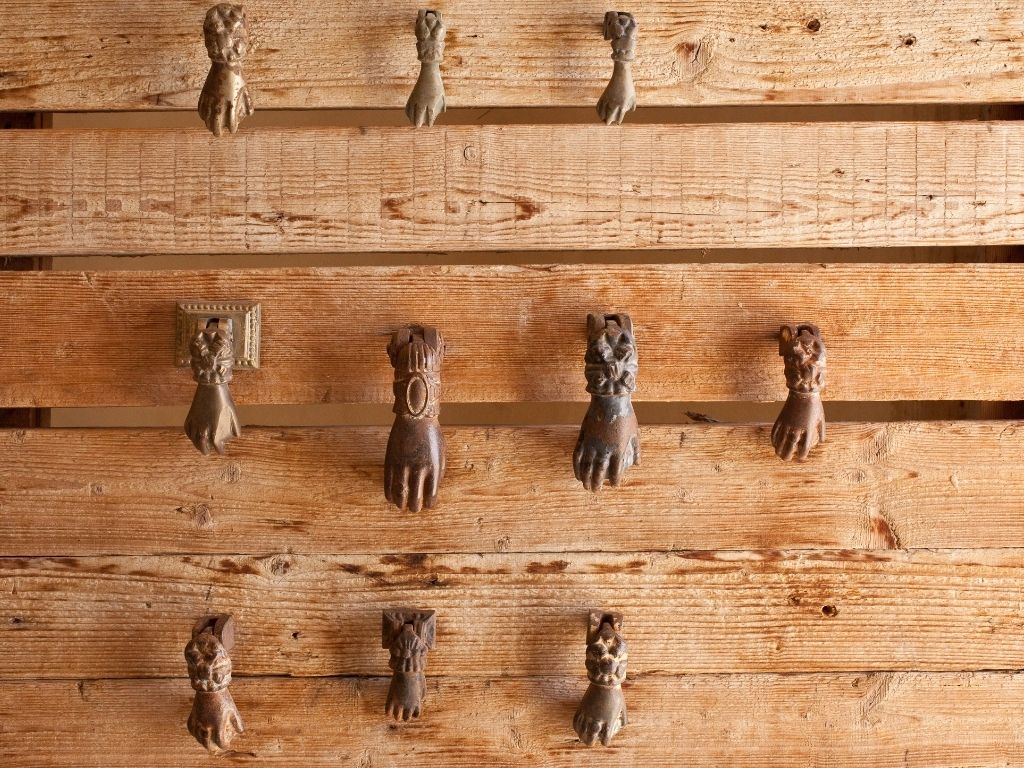
Wander through the caruggi, Genoa’s medieval lanes where artisans still make focaccia and brass fixtures by hand. Visit the Palazzi dei Rolli, a UNESCO-listed set of 16th- and 17th-century noble homes, or stroll Via Garibaldi, lined with painted façades and ornate balconies. Pause for an espresso at an old-world café before catching the train back. 

Most of Liguria’s coastline is connected by rail, making car-free travel easy and scenic. Every town along the route, from Camogli to Laigueglia, offers its own version of seaside life—the morning markets, the scent of salt and citrus, the fresh seafood. It’s a rhythm you’ll fall into quickly, and one that’s hard to leave behind.

The List

Stay Casa d’Artista (Alassio); Casa Pernice (Cavi)

Eat Nove (Alassio); Terrazza Praié (Laigueglia); Da Laura (San Fruttuoso)

Do Ferry to San Fruttuoso; Swim at Baia del Silenzio; Explore Genoa’s Palazzi dei Rolli

Drink A Hugo Spritz at lunch; a glass of chilled Vermentino at sunset

Bring Back Ligurian olive oil, hand-painted ceramics, Genovese pesto, or a woven market bag

Thinking of the Trip of a Lifetime? Think Thailand 

With Air Canada’s year-round service from Vancouver to Bangkok, the journey to the Land of Smiles is as seamless and enjoyable as ever.

When the days are short and the air is crisp, few places feel more enticing than Thailand. A land where golden temples meet turquoise waters, where every meal is a revelation, and where the warmth of the people mirrors the climate itself. Yet Thailand’s appeal extends well beyond the winter months. From the vibrant energy of Bangkok to the quiet beaches of Krabi and the misty hills of Chiang Mai, this is a destination that shines in every season.

Now, travellers can experience it all with ease thanks to Air Canada’s year-round service between Vancouver and Bangkok, operating three times weekly. Originally introduced for the winter travel season, this route has quickly become a gateway for Canadians seeking authentic luxury, cultural discovery and the promise of sunshine when they need it most.

For discerning travellers and the advisors who guide them, that year-round availability opens a world of opportunity. Winter brings perfect weather for island escapes and cultural exploration, while spring and summer reward those who prefer fewer crowds, lush landscapes and exceptional value. With the ability to plan bespoke itineraries at any time of year, tailored experiences suit the pace of life and not the pages of a calendar.

Whenever they choose to take off, travellers can count on Air Canada’s hallmark comfort and attention to detail from the moment they depart. The experience begins on board with a choice of three cabin classes—Economy Class, Premium Economy and Air Canada Signature Class—each designed to enhance the journey in its own way.

In Economy Class, thoughtful touches such as complimentary meals and beverages, ergonomic seating and hundreds of hours of in-flight entertainment make the long-haul flight as enjoyable as the destination itself. Premium Economy offers additional space, upgraded dining and attentive service for travellers who value both practicality and comfort.

For those looking to arrive fully refreshed, Air Canada Signature Class delivers an unmatched combination of privacy, comfort and service. Lie-flat pods offer direct aisle access and restful sleep. Menus inspired by international flavours are paired with sommelier-curated wine selections, and exclusive amenities provide the finishing touches to an elevated experience. On the ground, Maple Leaf Lounge access, Priority Airport Services and streamlined connections ensure a seamless journey from check-in to arrival.

Upon landing, Bangkok greets visitors with its trademark blend of energy and elegance. A choice of curated itineraries balances urban vibrancy with restorative calm: Michelin-starred dining and riverside night markets, wellness retreats and island-hopping adventures, sacred temples and contemporary design hotels. The options are endless, and with Air Canada’s extensive network and interline partnerships, travellers can extend their journeys beyond Thailand to nearby must-see Asian destinations such as Cambodia, Vietnam and Singapore, each offering its own blend of history, culture and contemporary allure.

Thailand also offers endless opportunities for discovery for travellers seeking a more bespoke experience, whether that’s a private boat gliding across the limestone cliffs of Phang Nga Bay, a stay at a boutique hideaway in Chiang Rai surrounded by teak forests, or a spa weekend overlooking rice paddies where every detail is designed for renewal. From curated culinary tours to secluded wellness retreats, Thailand invites travellers to connect deeply with both place and self.

With Air Canada now operating year-round Vancouver to Bangkok flights, experiences that invite connection, curiosity and lasting memory are never out of reach. Whether escaping the chill of a Canadian winter or embracing Thailand’s quieter summer rhythm, travellers can count on reliable service, world-class comfort and the assurance of flying with Canada’s leading provider of international service: a trusted partner in crafting journeys as seamless as they are unforgettable.

Learn more and book your trip of a lifetime to Thailand at AirCanada.com.

10 Trends Shaping Luxury Travel in 2026, According to the Virtuoso Luxe Trend Report

From crowd-free itineraries to multigenerational adventures, the 2026 Virtuoso Luxe Trend Report reveals how high-end travel is becoming more personal, purposeful, and experience-driven.

In an era where luxury means more than fine hotels and first-class flights, the newly released 2026 Virtuoso Luxe Trend Report offers a window into how affluent travellers are planning to explore the world in the year ahead. Drawing on insights from more than 2,400 travel advisors across 58 countries within the Virtuoso network, the report looks beyond destinations alone, focusing instead on how people want to travel.

The big takeaway from the 2026 report is that luxury travel is becoming more personal and more intentional. Travellers are still willing to invest, but they want those investments to translate into experiences that feel meaningful, restorative, and genuinely memorable — not just impressive on paper.

Top Travel Trends to Watch

According to the report, ten key motivations are shaping how luxury travellers plan their journeys in the year ahead:

  • Family and Multigenerational Travel
    Trips are increasingly designed to be shared, with families travelling together across generations to create lasting memories.

  • Active and Adventure Travel
    From remote hikes to wildlife encounters, adventure remains central — especially when paired with comfort, expertise, and thoughtful pacing.

  • Cultural Immersion and Authenticity
    Travellers are prioritizing experiences that offer real insight into local traditions, food, and communities.

  • Cruising and Expedition Voyages
    Ocean, river, and expedition cruising continue to grow, with a stronger focus on meaningful time ashore.

  • Gastronomy and Spirits Travel
    Food and drink are no longer just part of the journey — they’re often the reason for choosing a destination in the first place.

Together, these trends point to a larger shift: luxury travel is moving away from checklist tourism and toward experiences that feel story-worthy and deeply personal.

Where Travellers Are Heading in 2026

Italy, Japan, Greece, France, and Croatia continue to lead as the most-requested destinations, offering a mix of culture, cuisine, history, and scenery that appeals across traveller types. Canada also makes the top 10, reflecting growing interest in wide-open landscapes paired with vibrant urban culture.

At the same time, emerging destinations are gaining ground. Places like Iceland, Antarctica, and Morocco are attracting travellers looking for experiences that feel fresh, uncrowded, and emotionally resonant.

How Travellers Have Changed

Beyond destinations, the report highlights several mindset shifts shaping luxury travel today:

Crowd Control Is the New Luxury
Avoiding peak crowds has become a priority, with travellers opting for shoulder seasons, alternative routes, and quieter regions to preserve a sense of calm.

Experience Drives Inspiration
Film, television, and social media continue to influence where people want to go, sparking interest in destinations seen on screen and shared online.

All-Inclusive, Reimagined
Today’s all-inclusive experience is about freedom, not limitation — with private transfers, elevated dining, and bespoke excursions replacing the one-size-fits-all model.

Wellness Is Now Core to Travel
Wellness is no longer a niche category. From spa-focused escapes to nature-led retreats, restorative travel experiences are increasingly central, particularly for solo travellers and couples.

What ultimately emerges from the 2026 Virtuoso Luxe Trend Report isn’t a checklist of places to visit, but a broader philosophy. Luxury travel in 2026 is less about how many destinations you can fit into a year, and more about how deeply you experience each one. 

Kensington’s Top Luxury Travel Destinations for 2026

Ancient civilizations, wild frontiers, and quietly compelling cities are rising to the top as luxury travellers rethink where they want to go in 2026.

Kensington has released its list of top trending destinations for 2026, drawing on internal booking data and insights from its global team of destination experts. Here’s a look at the destinations rising to the top – and why they matter right now.

Egypt (pictured above) is leading the list, with demand up more than 400 percent. The opening of the Grand Egyptian Museum has reignited interest, but the real draw is the depth of experience. Travellers are exploring the pyramids, Luxor, and Karnak alongside private Egyptologists who bring ancient history to life through stories rather than statistics. Add in private food tours and cooking classes, and Egypt becomes as sensory as it is monumental.

Kenya continues to be one of the most emotionally powerful trips travellers can take. Demand is up more than 60 percent year over year, driven by the timeless appeal of safari. From families to retirees, travellers are drawn to the Masai Mara and surrounding regions for close encounters with wildlife and vast, cinematic landscapes. Kensington is also seeing strong interest in pairing Kenya with Egypt – a single journey that spans millennia of history and wildly different worlds.

Bhutan remains one of the most transformative destinations on the planet, and interest is growing through Kensington Expeditions. These journeys focus on sustainability, cultural immersion, and personal enrichment. Days might include meditation, forest bathing, cycling through mountain valleys, or receiving a private blessing from local monks. It’s slow, intentional travel that leaves a lasting imprint.

Across Norway and the Nordic region, travellers are leaning into nature-forward experiences with private access. Think exploring dramatic fjords by Zodiac, diving into Copenhagen’s design and Viking history, or joining an Arctic expedition timed to witness a solar eclipse. These trips balance raw landscapes with thoughtful, expert-led planning.

In Asia, Vietnam is gaining serious momentum, with growth nearing 70 percent. Travellers are drawn to its energy – the food, the markets, the history, and the warmth of daily life. Vietnam offers cultural immersion that feels immediate and genuine, especially when experienced alongside knowledgeable local guides.

China is also seeing renewed interest, helped by new visa-free options for Canadian travellers. Demand is rising as travellers rediscover the country’s mix of ancient landmarks and modern cities, from Beijing and Xi’an to Shanghai, all made more accessible through expert-led itineraries.

Costa Rica, long loved for its biodiversity, is being rediscovered from the water. Private yacht journeys allow travellers to reach secluded beaches and marine-rich areas inaccessible by land. The yacht becomes a floating home base, with each day tailored to the guest – swimming, snorkelling, wildlife watching, or simply slowing down.

Costa Rica
Peru

Peru continues to stand out as a “complete” destination. With demand doubling in the past year, it appeals thanks to direct flights, manageable travel times, and an incredible range of experiences – from Machu Picchu and Cusco to Lima’s world-class dining scene and the Amazon. It’s a destination that offers depth without complexity.

Closer to home, Toronto is stepping onto the global stage as a World Cup host city. Beyond the matches, Kensington is curating VIP experiences that showcase the city’s personality – private stadium transfers, helicopter flights over Lake Ontario, behind-the-scenes neighbourhood tours, and hard-to-get restaurant reservations.

Alaska, explored by luxury cruise, is also surging, with bookings up 125 percent. Sailing the Inside Passage offers an intimate way to experience glaciers, wildlife, and remote landscapes, often paired with pre- or post-cruise experiences in Western Canada like glacier flights or wine tours in British Columbia.

Finally, Croatia continues its rise as one of Europe’s most sought-after destinations. Whether explored by private yacht or on land, travellers are drawn to its island-hopping ease, historic cities like Dubrovnik, and vineyard-rich regions along the Dalmatian Coast – all without the crowds of Western Europe.

With travellers continuing to value authenticity, access, and ease, 2026 is shaping up to be a standout year for journeys that are not just beautiful, but deeply meaningful.

Escape Winter With These New Canadian Sun Routes

New direct flights are expanding winter escape options across the Caribbean, Mexico and Central America.

As winter settles in, Canadian travellers have more reasons than ever to look south. Over the past few months — and with a few more routes launching imminently — airlines have rolled out a wave of new sun destinations from Canadian airports, expanding nonstop access to beach favourites, cultural capitals and resort regions across Mexico, the Caribbean and Central America.

This winter’s flight network that goes well beyond the usual snowbird routes, with new options departing not just from Toronto and Montreal, but from cities like Ottawa and Halifax as well.

Porter Airlines Brings Sun Flying to Ottawa and Toronto

Porter Airlines has made one of the most notable moves this season, launching a slate of new winter sun routes that significantly expand leisure travel options from Eastern Canada.

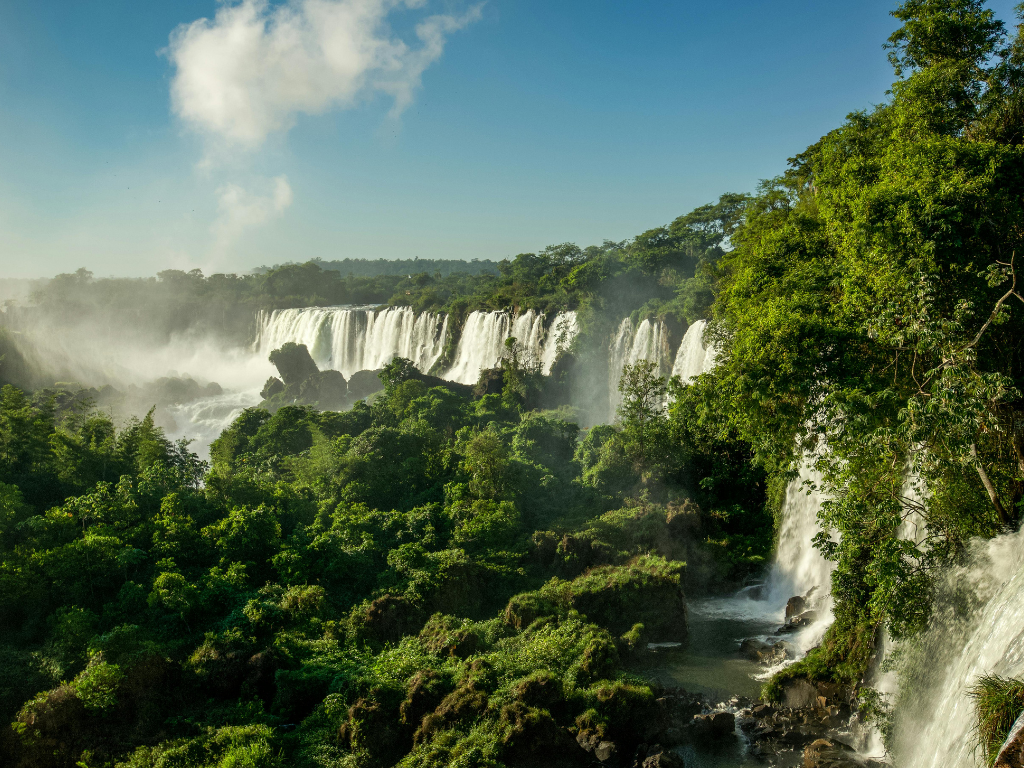
From Ottawa, travellers now have direct access to several warm-weather destinations that previously required connections. New nonstop flights link the capital to Nassau and Grand Cayman in the Caribbean, as well as Cancún and Puerto Vallarta in Mexico and Liberia in Costa Rica — a gateway to the country’s Pacific beaches and national parks.

Porter has also added similar sun routes from Toronto Pearson, offering nonstop service to the same mix of Caribbean and Mexican destinations, along with Costa Rica. For travellers accustomed to long layovers or indirect routings, these flights represent a meaningful upgrade in convenience — particularly for winter getaways and family travel.

WestJet Expands Access to the Caribbean and Beyond

WestJet is also leaning into winter sun demand with new seasonal routes that broaden access to the Caribbean and Latin America. A new nonstop flight from Toronto to Havana opens the door to Cuba’s capital, pairing culture, history and nearby beach escapes in a single destination.
Out west, WestJet has expanded its Latin American footprint with new seasonal service from Calgary to destinations in Mexico and Central America, reinforcing the city’s role as a major western gateway for sun travel. These additions complement the airline’s already extensive winter schedule and reflect continued interest in destinations that offer more than just beach time.

Air Canada Grows Its Winter Sun Network

Air Canada has rounded out the season with a broad expansion of its winter schedule, adding new and seasonal routes across the Caribbean, Mexico and Latin America. Canadian travellers now have direct access to destinations such as Martinique, Jamaica and the Bahamas from a wider range of departure cities, along with new links to South American hubs and cultural centres.

This expanded network reflects a growing appetite for longer, experience-driven winter trips — whether that means pairing beaches with food and culture, or exploring destinations that feel less familiar than the classic all-inclusive circuit.

What This Means for Your Winter Travel

These new routes signal a shift in how Canadians travel south for the winter. More nonstop flights reduce travel time and friction, while a broader mix of destinations makes it easier to tailor trips around personal interests — from surf and wellness in Costa Rica to culture-forward city breaks in the Caribbean.

Maybe most notably, travellers departing from cities beyond Canada’s largest hubs now have better access to winter sun than ever before. For anyone looking to trade snow boots for sandals this season, the options have never looked brighter.

Aire ancient baths Toronto

AIRE Ancient Baths Just Opened in Toronto

The candlelit circuit of thermal pools offers a welcome antidote to the city’s winter chill and mid-season blues.

If there’s one thing Canadian winters are good at, it’s reminding you how tense your shoulders can get. Short days, icy sidewalks, endless layers. Enter AIRE Ancient Baths, the international wellness brand that has just opened its first Canadian location in Toronto, bringing with it a deeply soothing answer to cold weather fatigue.

Long a favourite ritual in cities like New York, London and Barcelona, AIRE has built a devoted following for its atmospheric approach to thermal bathing. Its first Canadian location brings that same slow, immersive experience into a restored 1912 heritage building downtown, just as the city enters its coldest stretch of the year.

Warm stone surfaces, low lighting and hundreds of flickering candles set the tone, while a series of thermal pools at different temperatures encourages you to move slowly, warming up, cooling down and repeating as your body dictates. Unlike a traditional day spa, AIRE centres on communal thermal bathing, inspired by ancient Roman, Greek and Ottoman traditions. Silence, or near silence, is part of the experience, and time becomes pleasantly vague. Optional massage rituals take place within the bathing space itself, which keeps the experience feeling continuous rather than segmented.

The experience tends to appeal to travellers and locals who enjoy slowing down. It’s well suited to solo visits, quiet dates or post-trip decompression. This isn’t a social spa or a quick in-and-out treatment — it’s a place to linger (and warm up).

Stopover in Copenhagen: A Design-Lover’s Guide to Denmark’s Creative Capital

Where to eat, stay and explore in the UNESCO Architecture Capital of the World.

By Phil Birnbaum

From the moment you land, Copenhagen’s devotion to design is on full display. Even the airport is outfitted with iconic pieces like Hans J. Wegner’s Airport Chair and Thomas Kastholm’s Daybed. From there, a quick 20-minute train ride gets you to Kongens Nytorv, the city centre, where colourful townhouses, cafés and restaurants line the postcard-perfect Nyhavn harbour. Whether you visit during the city’s annual 3daysofdesign festival (June 10-12, 2026) or any other time of year, Copenhagen’s effortless blend of culture, cuisine and creativity makes it a destination worth lingering in.

Andersen & Maillard
Ruby Cocktail Bar

Where to Eat

Design influences every detail of Copenhagen’s dining scene, from the interiors to the plating. Start your morning at Andersen & Maillard, known for its flaky cheese buns (a staple) and expertly roasted coffee. For a stylish lunch, head to The Roe Bar at the Louise Roe Gallery, where the Danish designer’s furniture and tableware surround you as part of the experience.

For something casual but iconic, Gasoline Grill—which began in a former petrol station—serves one of the city’s best burgers across several sleek, design-forward locations. As night falls, Ruby is the place for cocktails, set inside a 19th-century townhouse on Nybrogade, blending old-world charm with new Nordic flair.

Louisiana Museum
Louisiana Museum Copenhagen
Louisiana Museum

What to Do

Just an hour north of the city, the Louisiana Museum of Modern Art is a must for art and architecture lovers, with modernist galleries and sculpture gardens overlooking the Øresund coast. Back in town, Designmuseum Danmark traces the evolution of Danish Modernism, with exhibits featuring nearly 100 classic chairs by legends like Hans J. Wegner, Nanna Ditzel, Finn Juhl and Cecilie Manz. Refuel with coffee and a pastry on the café’s garden patio

For a dose of urban innovation, rent a bike and ride to CopenHill, a waste-to-energy plant turned year-round ski slope designed by Bjarke Ingels Group. It’s a perfect expression of Copenhagen’s sustainable spirit.

Where to Shop

Begin at Louis Poulsen’s flagship store in Kuglegården to see the brand’s renowned lighting designs—the PH, Artichoke and Panthella among them—and pick up a portable Rumee Lamp by Gabriel Tan to take home. Then browse Illums Bolighus, a multi-level department store filled with Scandinavian furniture, fashion and décor, housed in a landmark 1941 building.

Before you leave, pick up a Hoptimist, Hans Gustav Ehrenreich’s cheerful spring-figure toy, available in a rainbow of colours—a playful emblem of Danish joy.

Audo House
Audo House

Where to Stay

In Nordhavn, Audo House brings together design, hospitality and community under one roof. The 10-room boutique hotel, housed in a restored heritage building, is also home to a concept shop and café by the Danish furniture brand Audo, making it a hub for design enthusiasts.

For a central stay, Hotel Petra, which opened in partnership with &Tradition, features 40 rooms furnished entirely with the brand’s contemporary pieces. The inviting Petra Bar & Restaurant off the lobby serves as both neighbourhood café and stylish gathering place for coffee, lunch or a nightcap.

Porter Airlines is Launching Five New Sun Routes

Just in time for winter getaways, the airline is adding five direct routes from Ottawa to Mexico, the Caribbean and Costa Rica.

Winter travellers departing from Ottawa now have more direct options for escaping the cold, thanks to a new slate of nonstop sun routes launching this season. Beginning mid-December, Porter Airlines is rolling out five direct flights from Ottawa International Airport to popular warm-weather destinations in Mexico, the Caribbean and Central America, eliminating the need for connections through Toronto or Montreal.

The new routes link Ottawa with Puerto Vallarta, Cancun, Nassau, Liberia (Costa Rica) and Grand Cayman, offering access to a mix of beach destinations, resort hubs and nature-focused escapes. For travellers in the National Capital Region, the expansion marks a notable shift: nonstop international leisure flights from Ottawa have historically been limited, often requiring a layover even for mainstream sun destinations.

Flights to Puerto Vallarta and Nassau begin December 13, followed by Cancun and Liberia on December 17, and Grand Cayman on December 19. Service frequencies range from weekly to daily, depending on the destination, allowing for both long-stay vacations and shorter winter breaks.

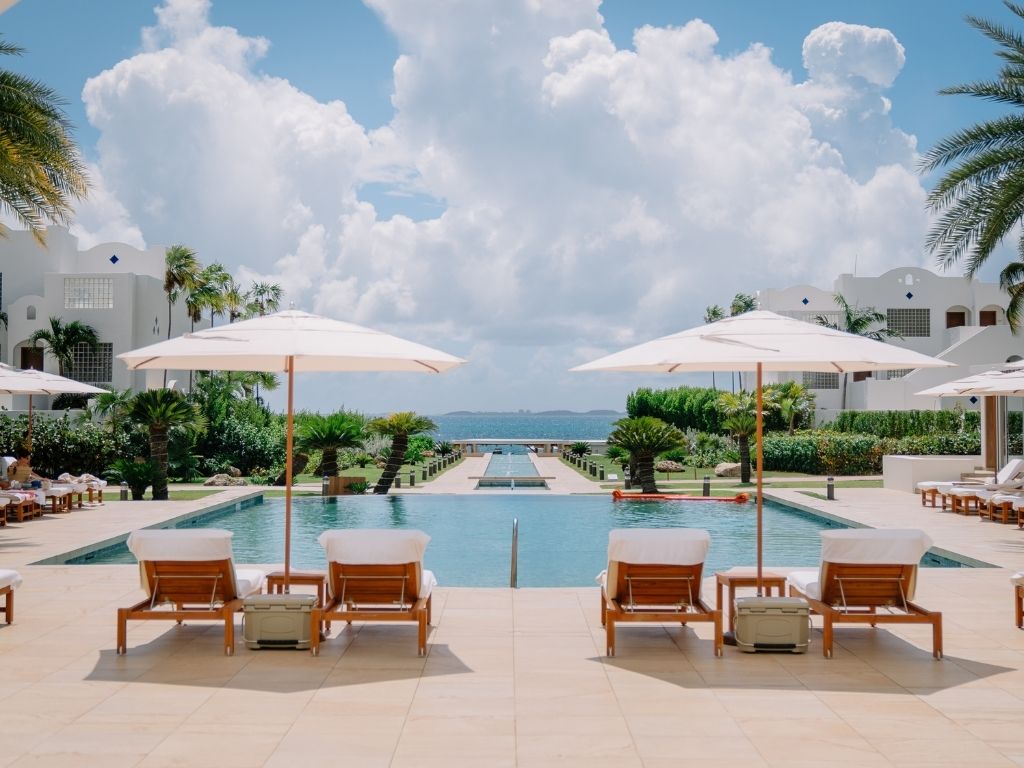
The addition of Liberia is particularly noteworthy for travellers drawn to Costa Rica’s Pacific coast, cloud forests and national parks, while Grand Cayman becomes accessible nonstop from Ottawa for the first time. Puerto Vallarta and Cancun, long-time Canadian favourites, offer a choice between laid-back coastal towns and large-scale resort infrastructure, while Nassau provides easy access to both Paradise Island resorts and the broader Out Islands.

A smoother winter travel experience

All five routes are operated using Porter’s Embraer E195-E2 aircraft, configured in a two-by-two seating layout with no middle seats. For travellers accustomed to crowded winter flights, that detail alone may be appealing. Complimentary beer and wine served in glassware, premium Canadian snacks and free Wi-Fi are also part of the onboard experience, though the real draw for most passengers will be the time saved by flying nonstop.

From a planning perspective, the new routes make Ottawa a more practical starting point for winter travel, especially for families or travellers who prefer to avoid early-morning connections or overnight airport stays. The expansion also aligns with a broader trend among Canadian airports to strengthen point-to-point international service rather than funnelling travellers exclusively through major hubs.

What this means for travellers

For residents of Ottawa and eastern Ontario — as well as parts of western Quebec — the new flights reduce travel friction at one of the busiest times of year. Instead of budgeting extra hours for connections or overnight layovers, travellers can head directly south, often arriving the same day with minimal disruption.
The routes also provide flexibility in travel style. A weeklong all-inclusive stay in Cancun or Nassau can be paired with shorter, more experience-driven trips to Costa Rica or Mexico’s Pacific coast, where eco-lodges, surf towns and boutique hotels dominate. Grand Cayman, meanwhile, appeals to travellers seeking calm beaches, excellent diving and a quieter Caribbean rhythm.

These new sun routes join Porter’s expanding winter schedule from Ottawa, which already includes nonstop service to several Florida cities. Additional destinations, including Miami and Phoenix, are expected to come online in 2026, further broadening Ottawa’s direct access to warm-weather travel during the colder months.

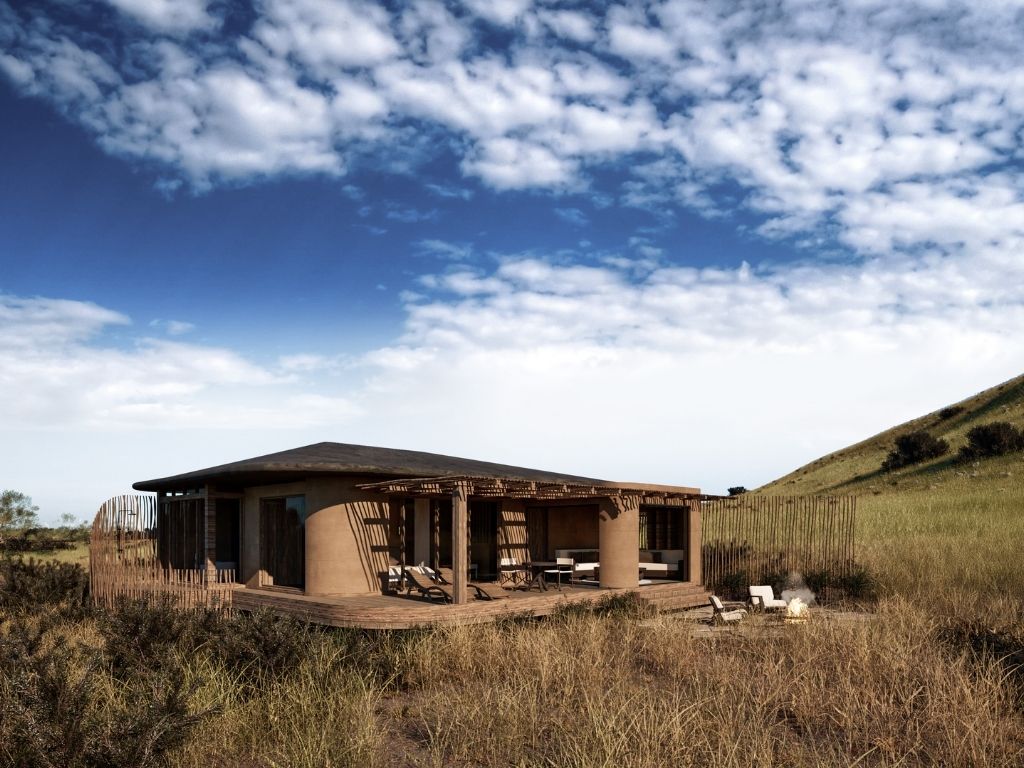
This Iconic Okavango Lodge Just Reopened its Doors

Baines’ Lodge has reopened after a complete rebuild, with just six suites and front-row access to Botswana’s most spectacular wetland.

Botswana’s Okavango Delta has no shortage of remarkable safari stays, but one of its most intimate lodges has just re-entered the scene with a striking new identity. Baines’ Lodge, an A&K Sanctuary property, has reopened following a complete rebuild, taking inspiration from 19th-century explorer and artist Thomas Baines, whose watercolours first introduced the region’s landscapes to the world.

Perched on the floodplains of the Boro River at the edge of the Moremi Game Reserve, the redesigned lodge feels like an open-air gallery. Soft greens and papyrus tones echo the reeds outside; sand-washed neutrals mirror the Delta’s islands; and rich timbers ground each space in its setting. Instead of walls, columns frame the views, so the watery landscape becomes the artwork.

With only six suites and a maximum of four guests per vehicle, the emphasis is on slow, deeply personal safari experiences. The private concession allows activities you won’t find in the main park — walking safaris, night drives, and, when water levels permit, mokoro canoe excursions through the channels. Seasonal floods transform the area from May to September, drawing elephants, lions, leopards, wild dogs, and extraordinary birdlife into the surrounding mosaic of waterways.

Thoughtful touches nod to both exploration and craftsmanship: the Explorer’s Lounge comes kitted with microscopes and maps, woven ceilings created by South African artisans mimic the patterns of termite mounds, and reclaimed timber from the original lodge has been reimagined throughout the property. Private decks feature “star baths” — open-air tubs positioned for long soaks under the night sky — making the lodge especially appealing for honeymooners and romantics. 

For travellers drawn to the Delta’s quieter corners, this rebuilt retreat offers something increasingly rare: a place where the landscapes take centre stage and the days unfold at nature’s pace.

Guatemala Casa Palopo

Guatemala by Design

From Antigua to Lake Atitlán, Guatemala reveals a balance of raw beauty and refined details.

By Renée Morrison

Stepping into Villa Bokéh in Antigua Guatemala feels like slipping into a secret garden. It’s just minutes from the bustling cobblestoned streets of the town centre, but past the unassuming entry gates lies a six-acre haven. With views of the twin volcanoes Agua and Fuego, manicured gardens of bamboo and birds of paradise surround a pond with three resident ducks, and a sleek pool is tucked into a lush corner. The hotel itself, designed by local Paliare Studio and featuring artwork from the private collection of owner Claudia Bosch, has 15 suites—each its own palette of colour, texture, craft—and sets the tone for a trip defined by design.

My Olive Suite pairs soft greens and white linens with woven accents, plus a private patio and fire pit. Here, the thoughtful touches extend beyond design: one night, a lavender eye mask and aromatherapy diffuser appear alongside local honey sweets; the next, a woven pouch of tiny Mayan worry dolls, said to take away your stresses if whispered to before bed.

Villa Bokeh Antigua Guatemala
Villa Bokéh
Antigua Guatemala
Antigua Guatemala

Stepping beyond Villa Bokéh’s gates, Antigua mirrors that same dialogue between past and present. Once the Spanish colonial capital, this UNESCO-listed city is famed for its barroco antigueño, a local take on Spanish Baroque adapted to withstand earthquakes. Thick adobe walls, low arches and sturdy columns meet delicate stucco façades, while Mudéjar-inspired tiles and arched windows—echoes of Arabic Spain—soften the geometry. On a walking tour, Antigua reads like a living design textbook: Mayan, Spanish and Moorish influences shaped by time and tremor.

In the bustling Parque La Unión, we stop at the Tanque, a public washbasin built in 1853 where women once aired out their laundry both literally and figuratively. A few blocks away, we step into a verdant courtyard that looks like a bohemian boutique hotel, only to find it’s a Starbucks (worth a photo, but head to Artista de Café for your caffeine fix). Nearby, Casa del Jade offers a fascinating primer on the stone’s cultural importance, a mini museum of original ceremonial artefacts, and a boutique selling contemporary jewellery.

On our final evening, back at Villa Bokéh, I climb a spiral staircase to the Honesty Bar—a tiny, unmanned gem that opens onto a rooftop terrace overlooking the gardens. We mix cocktails with local Zacapa Rum as the sun fades behind the volcanoes. Then, suddenly, the sky lights up with fireworks. They’re part of an engagement happening elsewhere on the property, doubling as a celebratory send-off. 

Casa Palopó
Casa Palopó
Kinnik Restaurant at Casa Palopó

From City to Stillness

The next morning, a two-and-a-half-hour drive through the highlands brings us to Lake Atitlán, an immense volcanic caldera lake ringed by three imposing volcanoes. The landscape is enough to rewire your sense of scale. Perched on the mountainside facing the lake, Casa Palopó is modest from its façade, but as I’ve learned, much of Guatemala’s beauty lies beyond first impressions.

Inside, the sprawling property is bold yet refined, courtesy of Guatemalan designer Katy Jay. Colour reigns: cobalt, ochre and red on the walls, terracotta floors, patterned textiles. In the restaurant, vines of fuchsia and aquamarine blossoms hang overhead as hummingbirds dart around the open terrace. My room, beside a library stacked with vintage travel and décor magazines, opens onto a claw-foot outdoor tub facing the lake—a private theatre for volcano sunsets.

But that will have to wait. When the hotel’s private three-bedroom villa isn’t booked, guests can slip into its stone-clad infinity pool that feels lifted from a Slim Aarons photograph. So I do, watching my first Lake Atitlán sunset from the hot tub as faint Spanish lounge music drifts through hidden speakers. Later, we take the funicular down to Kinnik, the lakefront restaurant in a sleek glass-and-stone pavilion. Dinner is perfectly medium-rare beef asado, gorgonzola-roasted cauliflower, grilled vegetables and fresh tortillas—hand-pressed just steps away from our table. It’s one of those meals that quietly ruins you for others.
Guatemala Shaman ritual Lago Atitlan

By day, in the neighbouring town of Santa Ca- tarina Palopó, we see how design is being used as a force for change. The Pintando Santa Ca- tarina Palopó project—an initiative led by Grupo Alta, the ownership group behind the hotel—is transforming this lakeside town of roughly 5,000 Kaqchikel Maya residents into a living canvas. With plans to paint more than 950 façades in bold geometric patterns inspired by ancestral textiles, the project revives local pride, creates jobs, and turns the town into a cultural landmark. Guests at Casa Palopó can even volunteer to help paint.

Inside By Katy Jay, the hotel designer’s boutique in Santa Catarina, shelves display artisanal pieces like wooden serving pieces, woven baskets and ceramic bowls, each representing the region’s craft traditions. I’m invited to try my hand at weaving on a miniature telar de cintura (traditional backstrap loom). My guide explains how cotton threads are dyed with natural pigments—hibiscus for purples, chipilín leaves for greens and cochineal insects for reds—before showing me how to weave them into a bracelet to take home.

Our final night brings something sacred. At sunset, we meet our Mayan shaman, Tomas, for a private fire ceremony on the hotel terrace. We sit around a circular altar of flowers, corn and candles as he takes our birth dates to reveal our nahuales—Mayan spirit companions—before guiding us through a cleansing ritual. The fire crackles as the sky shifts from coral to black, and I can’t imagine a more meaningful ending than this glimpse into living Maya culture, which has been threaded into almost every textile, turndown and tour stop of my trip.

Later, returning to my suite, I find the al fresco bath drawn with rose petals, the same hue as those in the altar. It’s a simple gesture, and one any guest can request, but in context, it feels like magic. In Guatemala, as in design, it’s all in the details.

Guatemala traditional weaving

The List

Where to Stay
Villa Bokéh (Antigua) and Casa Palopó (Lake Atitlán), which features its own heli-pad for 30-minute air transfers that can be arranged by the hotel.

What to Eat
Shrimp ceviche (Casa Cristal at Villa Bokéh); Fagottini stuffed with icha-j pá sakil (6.8 Restaurant at Casa Palopó); Beef asado (Kinnik at Casa Palopó)

What to Do
Take a 20-minute boat ride to the artisan village of San Juan La Laguna for locally made chocolate, coffee, ceramics and handwoven goods.

What to Drink
Exceptional coffee, grown in volcanic soil; a cocktail made with Zacapa rum

What to Bring Back
Salted 70% chocolate from Xocolatl (San Juan La Laguna); a woven throw or tortilla basket (Santa Catarina); a carved charm featuring your Mayan nahual from Casa del Jade (Antigua).