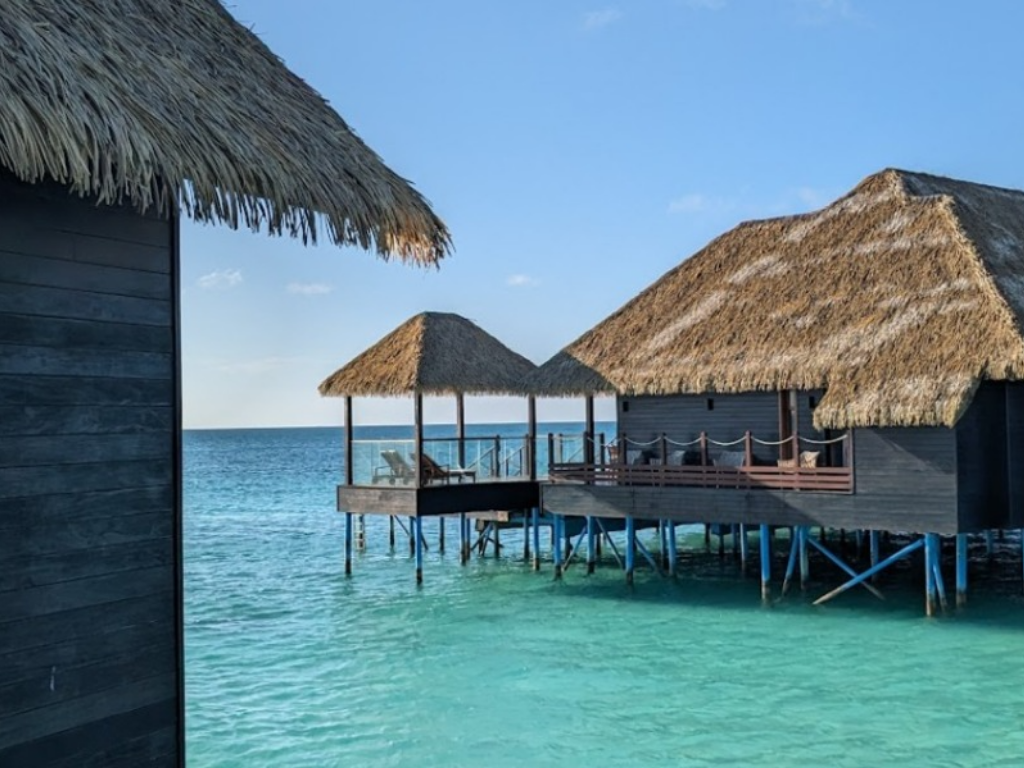
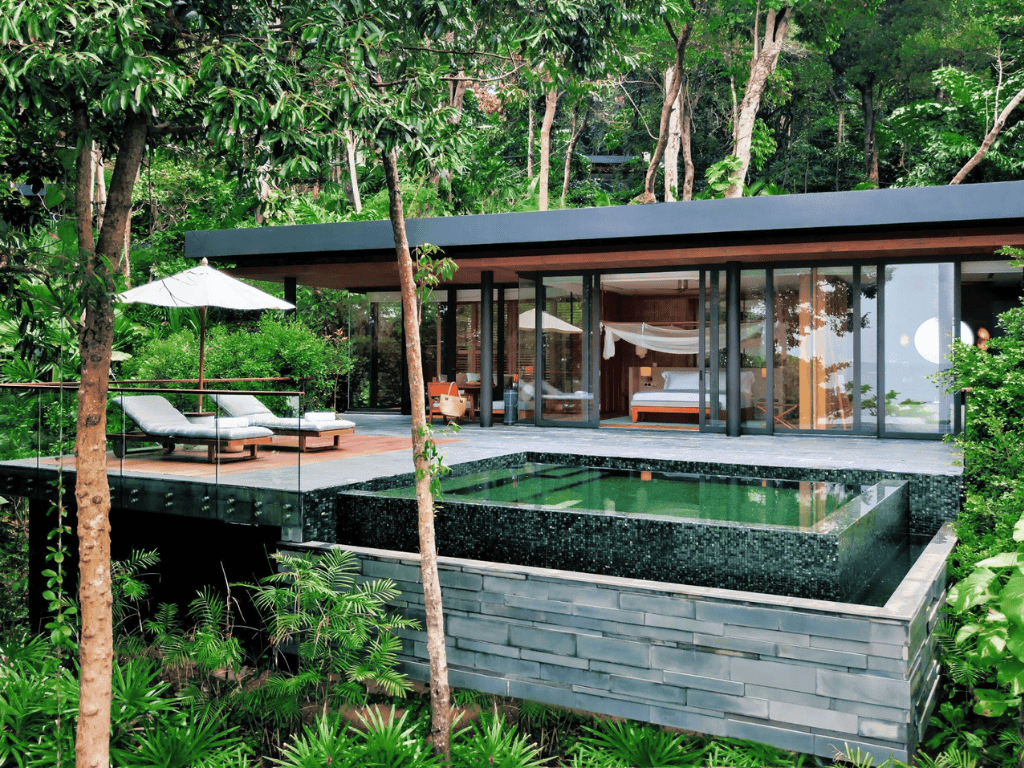
Six Senses Krabey Island Journey Into The Elements Wellness Retreat

Six Senses Krabey Island’s New Ayurveda Retreat Is a Complete Reset

Six Senses Krabey Island’s new five- to seven-day Ayurveda retreat is designed to restore rhythm, clarity and balance on a private island off Cambodia’s southern coast.

Launching in 2026 at Six Senses Krabey Island, Journey Into the Elements is the resort’s most immersive wellness experience to date. Set on a secluded 30-acre private island off the coast of Cambodia, the retreat blends Ayurveda, mindfulness and nature-led therapies into a carefully paced program focused on lasting restoration — not quick fixes.

Rather than filling each day with back-to-back treatments, the experience is intentionally spacious. Silent mornings, guided meditation and elemental practices establish a slower rhythm, encouraging guests to disconnect from constant stimulation and tune back into their physical and mental cues. The tone is immersive without being intense — structured, but unforced.
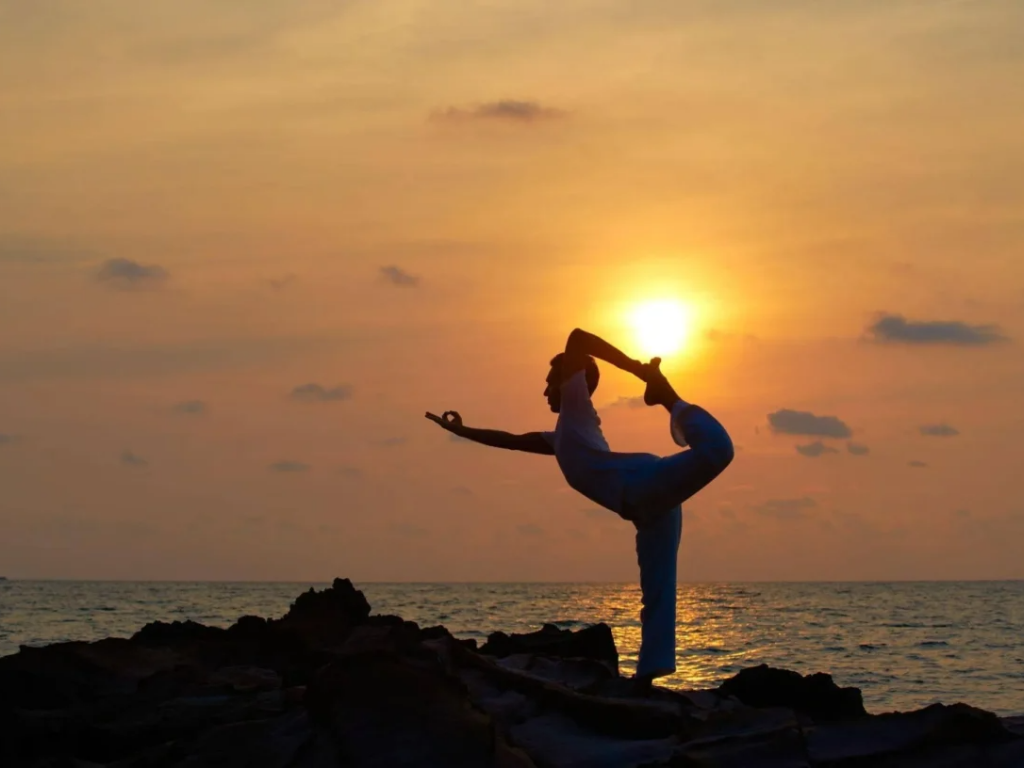
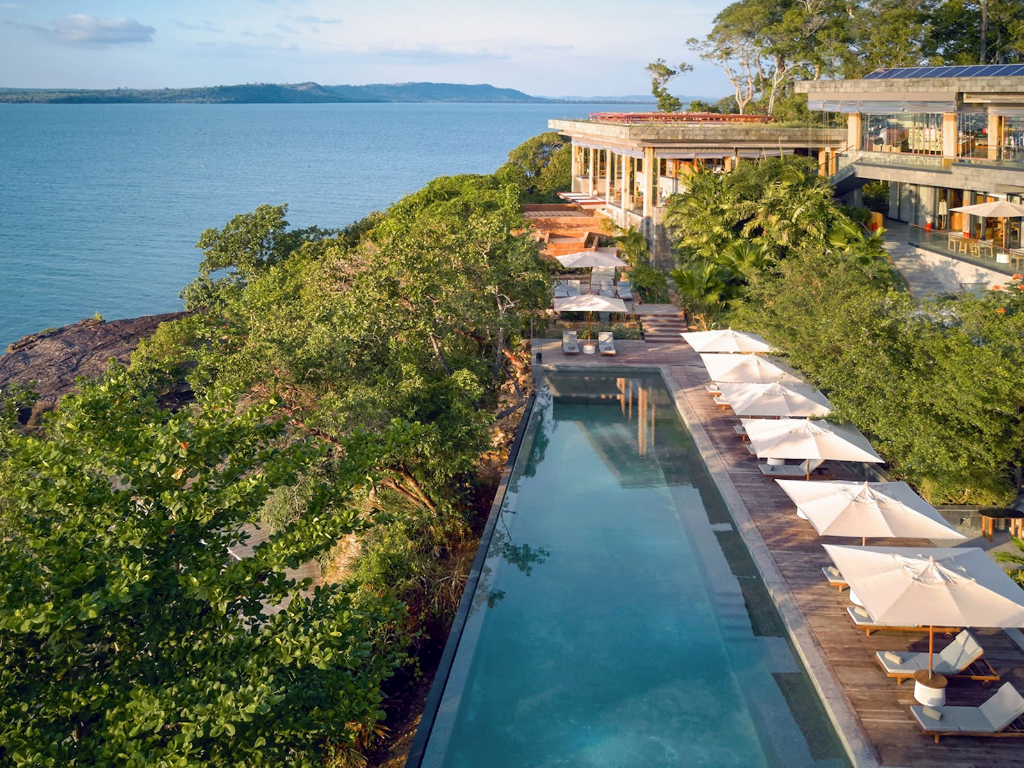
Six Senses Krabey Island Journey Into The Elements Wellness Retreat

Ayurveda underpins the retreat, but it’s presented in a way that feels accessible rather than prescriptive. Each guest begins with a personalized consultation combining traditional Ayurvedic pulse reading with modern bio-assessment tools such as heart-rate variability and sleep mapping. The aim is insight, not diagnosis — a clearer understanding of how the body is functioning and where balance may be needed.

From there, the program adapts to individual priorities, whether that’s digestion, inflammation, joint mobility, sleep quality or mental clarity. The focus stays on sustainable habits and daily rhythm, making the experience feel relevant well beyond the retreat itself.

Programming is shaped around the five elements — Earth, Water, Fire, Air and Ether — which inform yoga, breathwork, meditation and therapeutic bodywork. Movement practices are gentle and grounding, designed to build strength and mobility without strain. Sound healing and ocean-based meditation draw directly from the island’s natural setting, reinforcing the connection between place and practice.

Targeted inflammation-care therapies include warm oil massage, herbal poultice treatments and mobility-focused yoga designed to support digestion, reduce inflammation and promote long-term joint health. The approach is subtle but cumulative, favouring consistency over intensity.

A highlight of the retreat takes place at the Island Alchemy Bar, where guests craft balancing elixirs using local botanicals such as moringa, tulsi, turmeric and lemongrass. The workshop offers a tactile, grounded way to engage with Ayurvedic principles.

Nutrition follows the same mindset. Plant-forward menus are designed to support digestion and minimize toxins, paired with Ayurvedic cooking workshops that explain how ingredients work together. Meals feel nourishing and satisfying — intended as inspiration, not restriction.

What to Know Before You Go

Journey Into the Elements is offered as a five- or seven-day retreat, with programming tailored through personalized consultations, movement practices, meditation and nature-led therapies. Retreat elements include Ayurvedic pulse diagnostics, modern bio-assessments, inflammation-care treatments, elemental yoga and meditation sessions, botanical workshops and plant-forward meals.

Five-night retreat packages start at $1,100 per night, excluding accommodations. Pricing includes the full wellness program, therapies and workshops, with accommodations booked separately. The retreat launches in 2026, with limited availability to maintain its intimate scale. Bookings can be made by emailing [email protected].
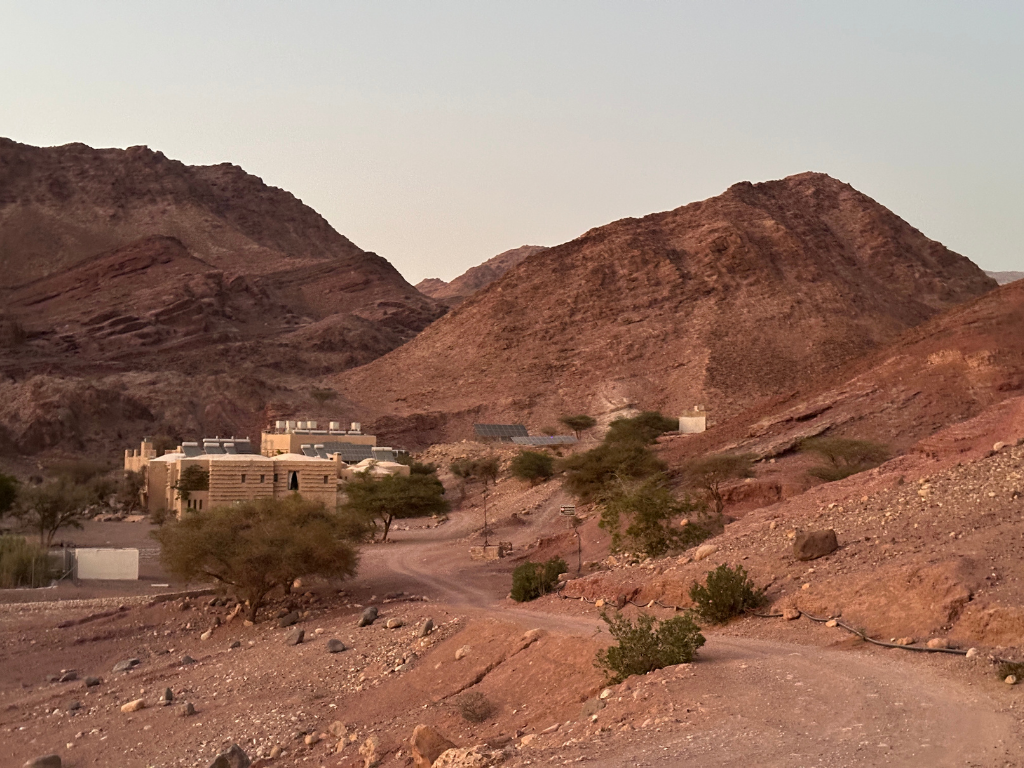
Feynan EcoLodge in Dana Biosphere Reserve, Jordan

The Road Less Travelled in Jordan

This candle-lit ecolodge on the edge of the Dana Biosphere Reserve is designed with purpose.
By Ann Ruppenstein

There are two main ways to reach Feynan Ecolodge—the easy way and the challenging way—and, to borrow from Frost, I stood contemplating the road not taken. After traversing uneven terrain, scrambling over boulders, wading through a stream, and even using my guide’s foot as a stepping stone to navigate steep slopes, somewhere along the 17-km Wadi Ghuweir Trail I began to wonder what it might have been like to take one of the 4×4 shuttles to the off-the-grid lodge instead of relying on my own two feet.

But as the scenery shifted dramatically, from a narrow slot canyon framed by tall red-rock walls to an open oasis lush with greenery and palms, and finally to hillsides dotted with hundreds of grazing goats, I knew I wouldn’t trade these spectacular views for the easy way out. After a brief rest, my Bedouin guide Ameen Saraheen brewed fresh tea over a cliffside fire, and we refuelled with flatbread, tuna, and hummus before continuing on.

Unlike a typical hotel check-in, I felt a true sense of accomplishment when I finally reached the front desk at Feynan Ecolodge and was greeted with warm smiles and a tray of the most refreshing homemade lemonade. The journey had been longer, but far more rewarding.

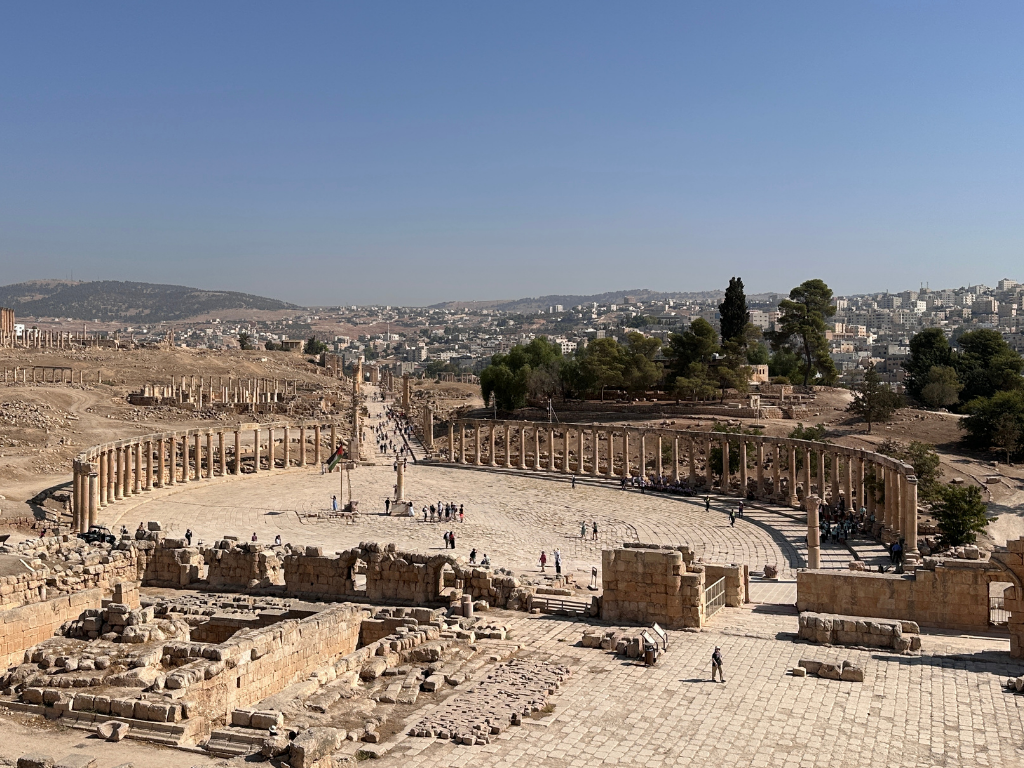
Jordan Ruins
Ruins in Jordan
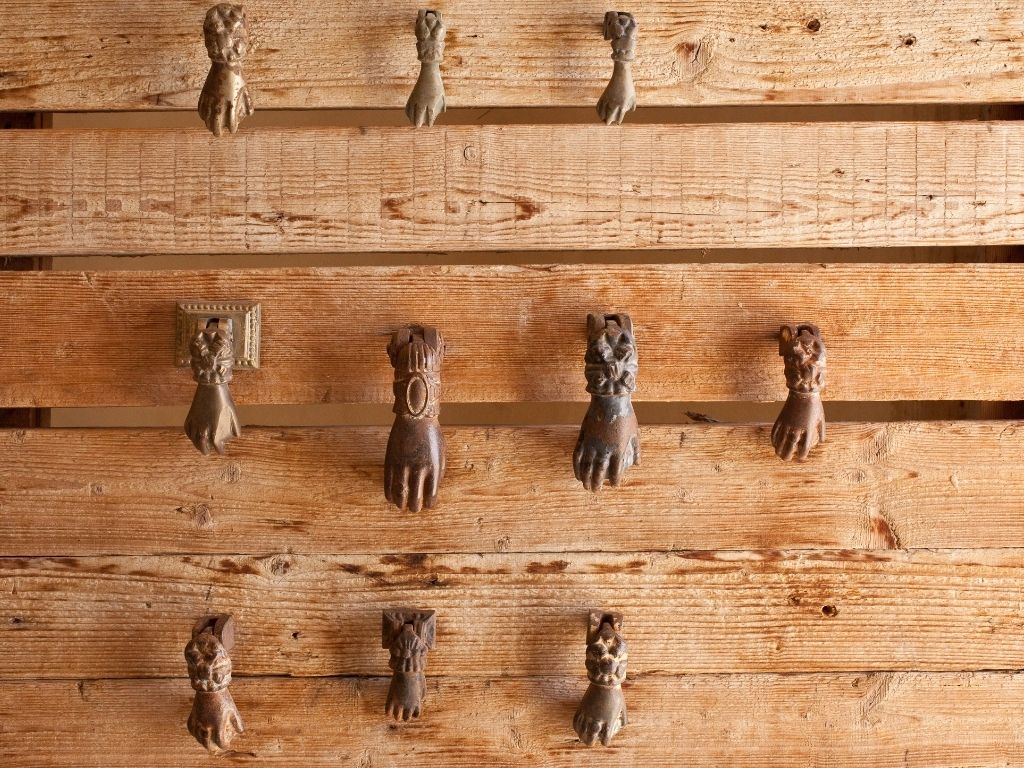
Feynan EcoLodge Jordan hands on door
Design details at Feynan Ecolodge

Located on the southwestern edge of the Dana Biosphere Reserve, Jordan’s largest nature reserve, the 26-room lodge was designed by architect Ammar Khammash and developed by the Royal Society for the Conservation of Nature.

“The idea was to build something modern in sustainability—having the least possible impact on the environment—while benefiting one of the poorest communities in Jordan,” explains Nabil Tarazi, founder and CEO of EcoHotels, which manages the property. “It became one of the first sites in Jordan to implement solar power. Instead of electric lighting throughout, candles are used in most areas—and those candles are produced onsite by local Bedouin women.”

Beyond generating most of its energy from the sun, the ecolodge was founded on supporting the Bedouin families in the surrounding area. For example, all of the bread served at the lodge is made by a local woman, Um Khalid, providing her family’s main source of income.

“She makes our bread three times a day, and we actually pay almost double what you’d pay for a loaf in Amman,” says Tarazi. “The idea is to help her run her own business.”

Meaningful connections with nearby families are a big part of staying here. The lodge links guests with Bedouin guides for treks of varying lengths, from sunrise and sunset hikes to full-day adventures like mine. Even non-guests can arrange excursions, as the Wadi Ghuweir Trail is one of the most scenic stretches of the Jordan Trail, a 675-km route from Um Qais in the north to Aqaba in the south that takes roughly 40 days to complete—a Middle Eastern rival to the Camino de Santiago. For me, one day was enough to capture its essence.

“It’s a whole experience, not just a place to stay,” notes Abeer Tannous, marketing and business development executive for EcoHotels.

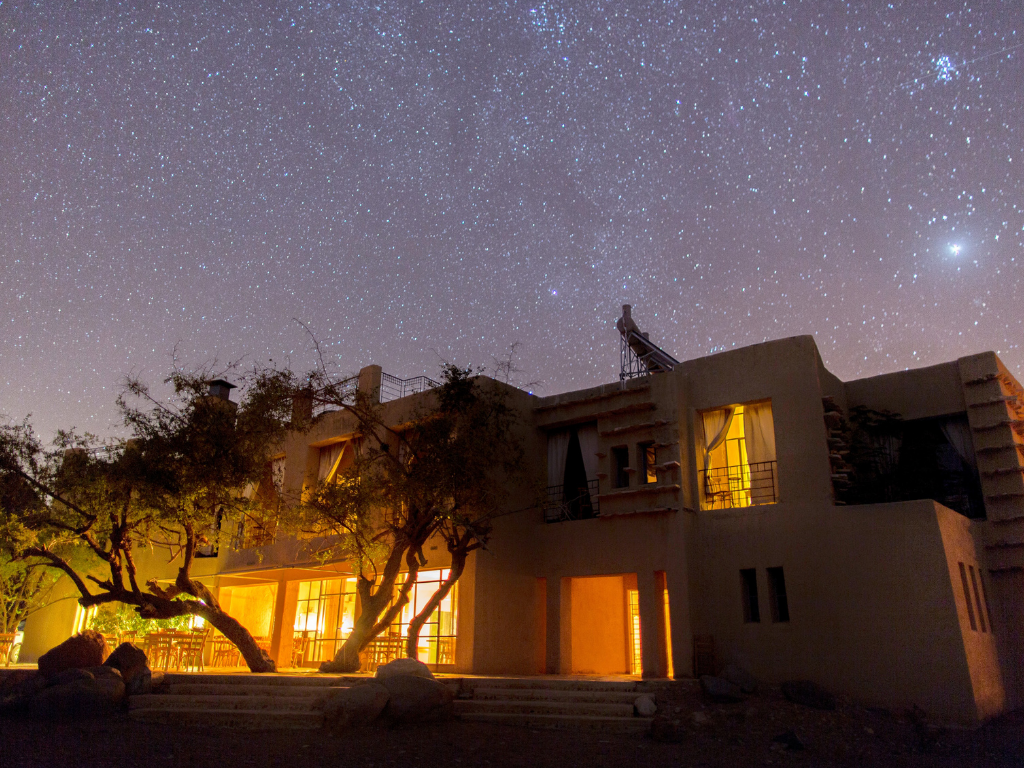
Stars visible above Feynan EcoLoge in the dark sky Dana Biosphere reserve
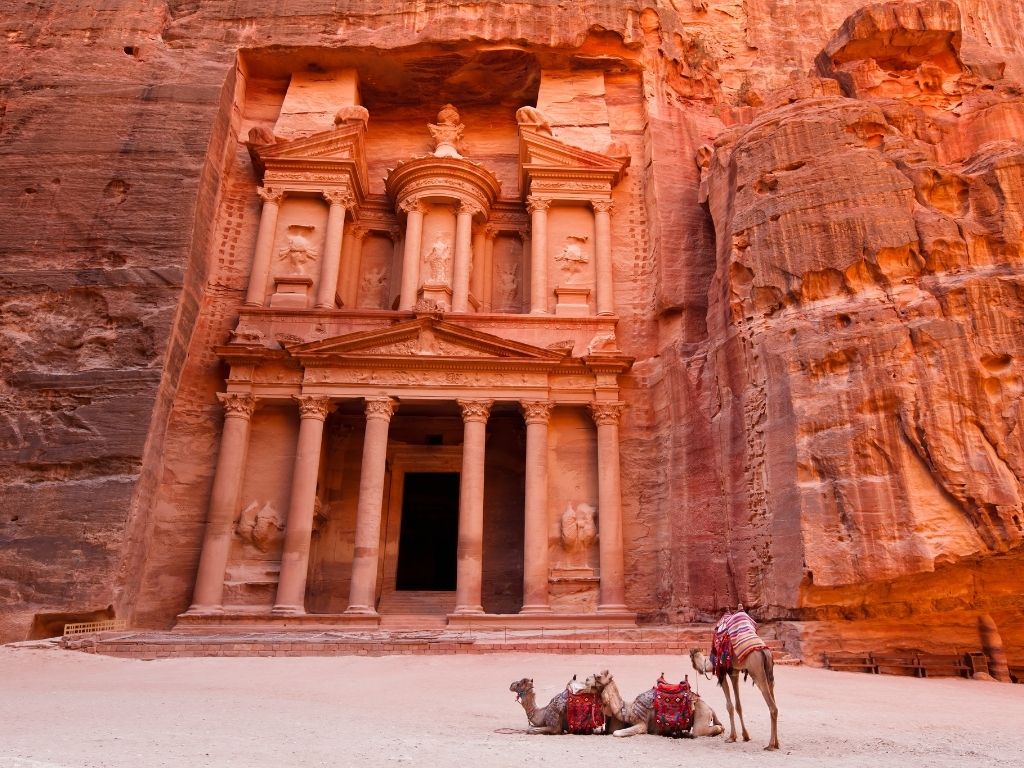
The Treasury, Jordan
The Treasury

After watching the sunset from a nearby hilltop, I returned to find Feynan transformed by the glow of 200 candles. With no light pollution, the night sky was ablaze with stars. On the rooftop, strewn with comfortable mattresses, I was shown the constellations and learned how Bedouins once relied on the stars to navigate the desert and track the seasons. Through the telescope, Saturn’s rings were crystal clear.

“There’s zero light pollution anywhere on the horizon, which is why the sky comes alive,” says Tarazi. “If you come in August, you can see about 60 meteors an hour during the Perseid shower. We blend technology, like the telescope, with traditional storytelling from the community, whose ancestors lived by the stars. These experiences aren’t scripted; they come from people who know this land best.”

That night, I fell asleep to the soft flicker of candlelight and woke refreshed, ready to explore the lodge’s community experiences. While most excursions are included, certain activities come with a small fee that goes directly to local families.

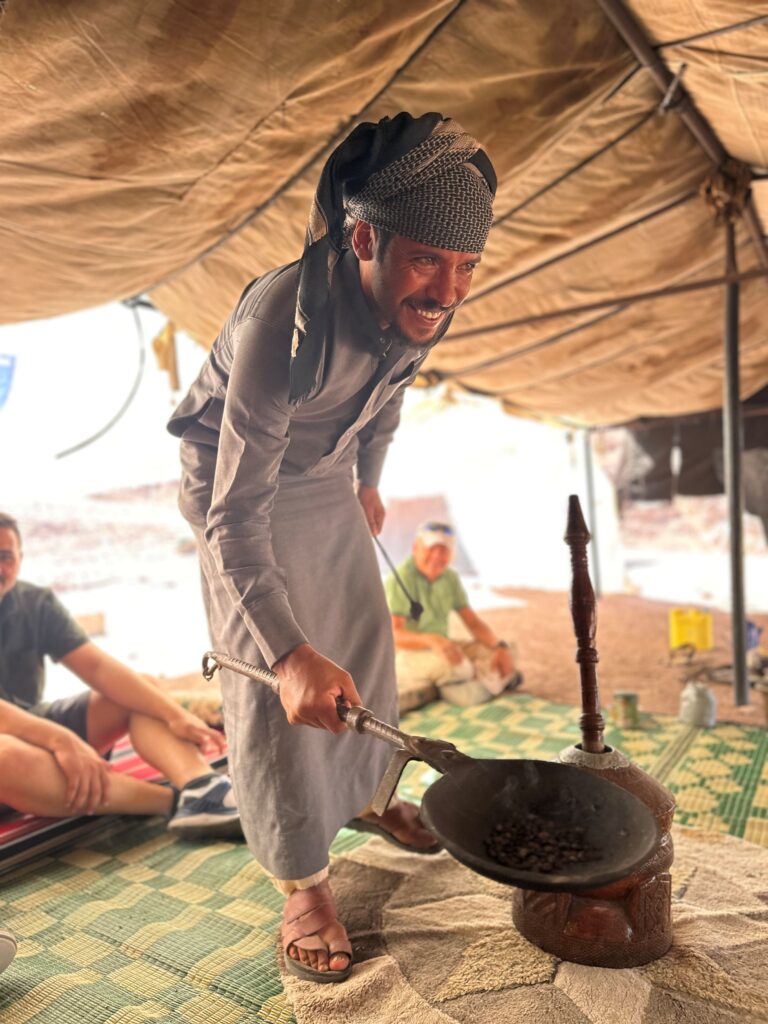
A short walk brought me to the tented home of Suleiman Hasaseen, made from woven goat hair. There, he taught our small group about the Bedouin tradition of serving Arabic coffee. Joined by his mother, we made Arbood bread—simply flour, salt, and water—baked in hot ashes and served warm with olive oil. Despite its humble preparation, the bread emerged clean and delicious.

When it was time to leave, I opted for a local transfer rather than another long hike. The 8-km unpaved road from the reception centre to the lodge requires a high-clearance vehicle, and Feynan relies on community members to provide transport in their own cars.

“We consciously chose not to pave the road so that locals could continue offering the transfers,” says Tarazi. “Guests are warned they’ll ride in beat-up vehicles, but every dinar goes directly to the driver. Around 45 families benefit from this system—it’s a significant source of income.”

Depending on the season, the lodge supports between 80 and 100 families in the region.

“Aside from having a fabulous, unique experience, we hope guests leave inspired to seek out other places like Feynan—properties that take community and environment seriously, minimize their impact, and give back,” Tarazi says.

Travel for Good

Feynan Ecolodge is featured on the Meaningful Travel Map of Jordan, an initiative by the Jordan Tourism Board North America and the non-profit Tourism Cares. The map highlights sustainable social enterprises and cultural experiences that help travellers support local communities, preserve heritage, and promote environmental conservation. 

Tourism is vital to Jordan’s economy, yet the current Gaza conflict has sharply reduced visitor numbers. Petra, for instance, has dropped from 5,000 daily visitors to just a few hundred.

“The impact has been tremendous, not only from a business standpoint but on the community,” says Tarazi. “Many livelihoods depend on tourism. And Jordan remains extremely safe. Now is actually one of the best times to visit since there aren’t too many tourists.”

Arabic coffee at Feynan Ecolodge
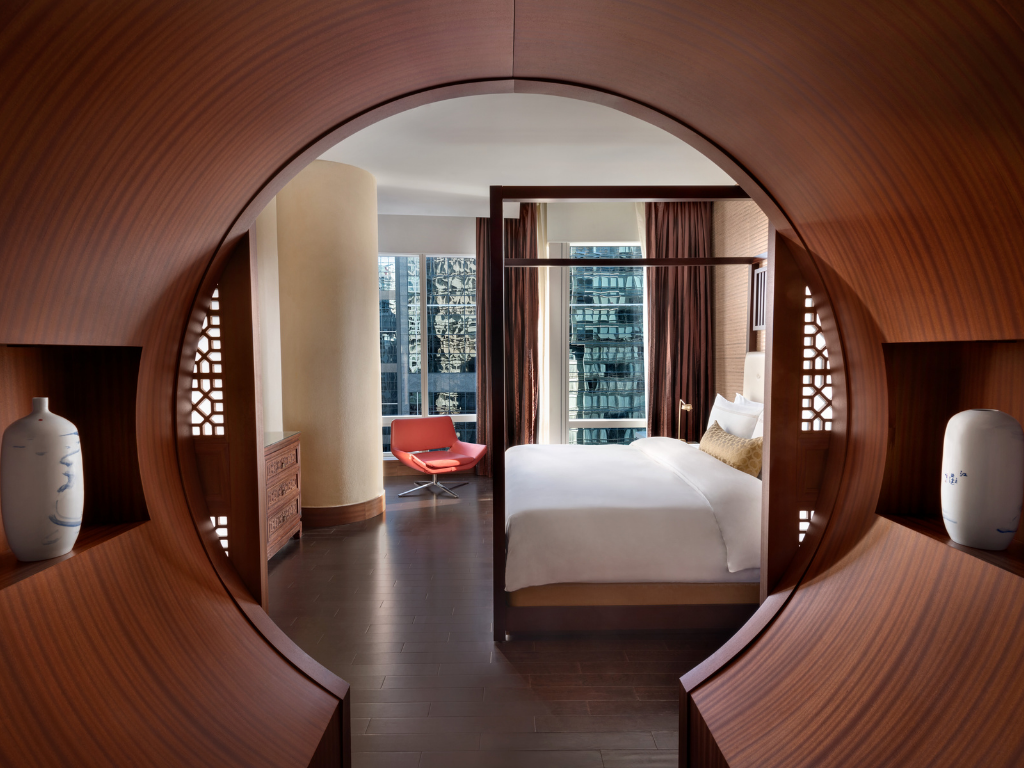
Shangi-La Toronto Suite

The Shangri-La Toronto has the Perfect Valentine’s Day Package

It's been a long winter. Here's your sign to treat yourself (and a loved one) to a candlelit Italian dinner and an indulgent overnight stay at Shangri-La Toronto.

This year, Shangri-La Toronto is offering a polished but unfussy way to celebrate Valentine’s Day right in the city. The hotel’s curated experiences are designed to feel intimate and unrushed — ideal for couples who want something memorable without overdoing it.

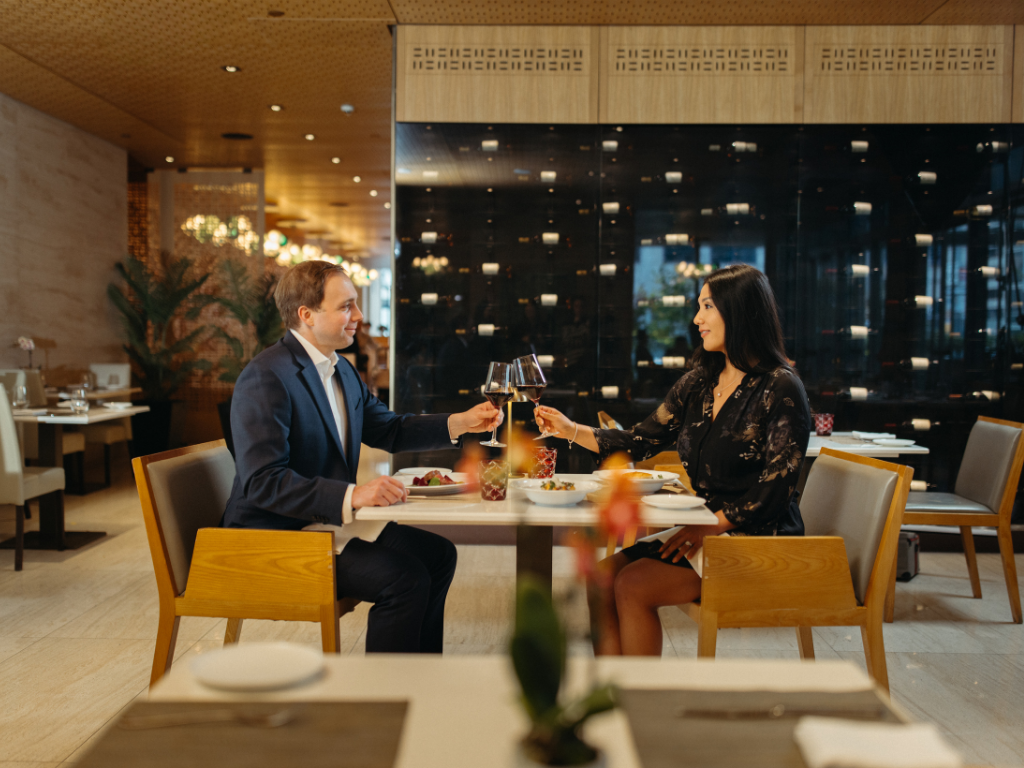
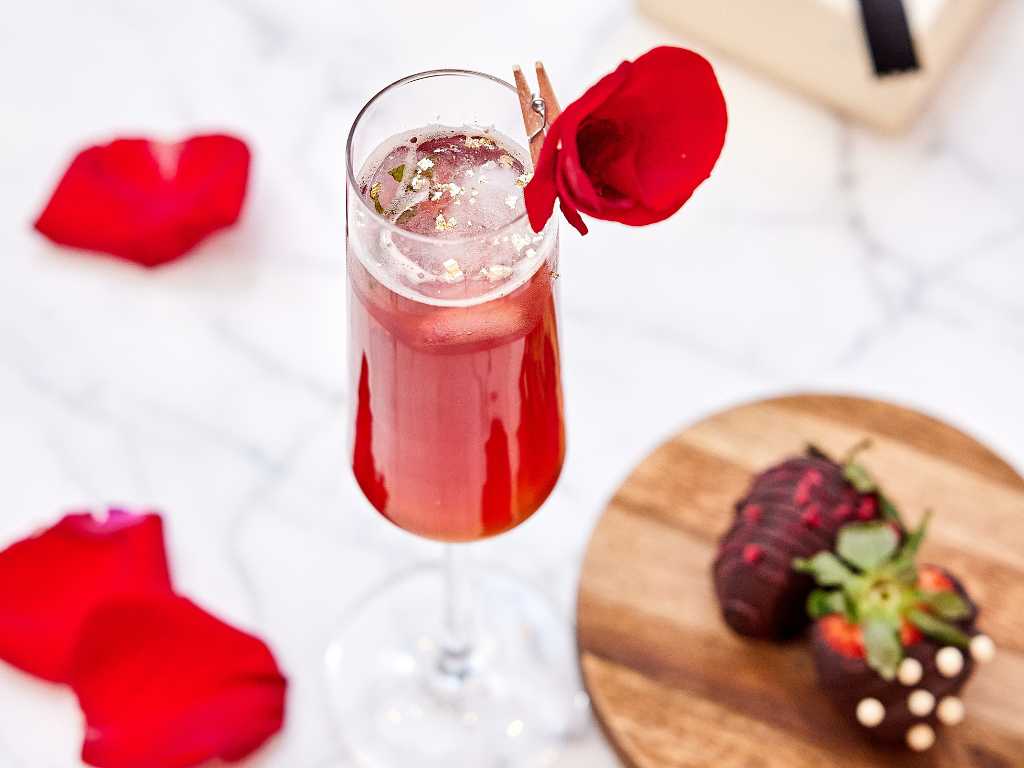
At the centre of the celebration is Valentine’s Rendezvous at bosk, the hotel’s Northern Italian restaurant. Offered on February 14 from 6 p.m. to 10 p.m., the four-course dinner is meant to unfold at an easy pace, with live violin music setting the tone, a Valentine’s cocktail to start the evening, and hand-dipped chocolate strawberries to finish.

The menu highlights seasonal Canadian ingredients with Italian flair. Courses include red wine–marinated venison carpaccio with Koziak’s Triple Crunch mustard, beet root spaghetti with goat’s milk fonduta and B.C. spot prawns, and dry-aged striploin served with celeriac purée. Desserts lean elegant rather than heavy, with options like dark chocolate merveilleux with hazelnut praline or a raspberry-and-rose creation finished with rosewater ganache.

Valentine’s Rendezvous dinner at bosk, Shangri-La

Make it a Staycation

For couples who want to turn dinner into a true escape, Shangri-La Toronto’s A Suite Valentine’s Day experience removes the need to head home at all. Guests are welcomed with a bottle of Veuve Clicquot Champagne and a decadent cake, followed by an overnight stay in one of the hotel’s suites.

A CAD $250 dining credit per night encourages lingering meals or room service, while breakfast for two the following morning keeps things feeling relaxed. Small details make a difference here: fresh florals on arrival, an evening turndown featuring the hotel’s signature tea set and Bathorium bath salts, and flexible check-in and check-out times (subject to availability).

Parking is included as well — a small but appreciated touch for anyone who’s ever hesitated over a downtown stay.

Whether you opt for the dinner, the overnight stay, or both, this is Valentine’s Day done with just enough luxury to make it feel like a real occasion.

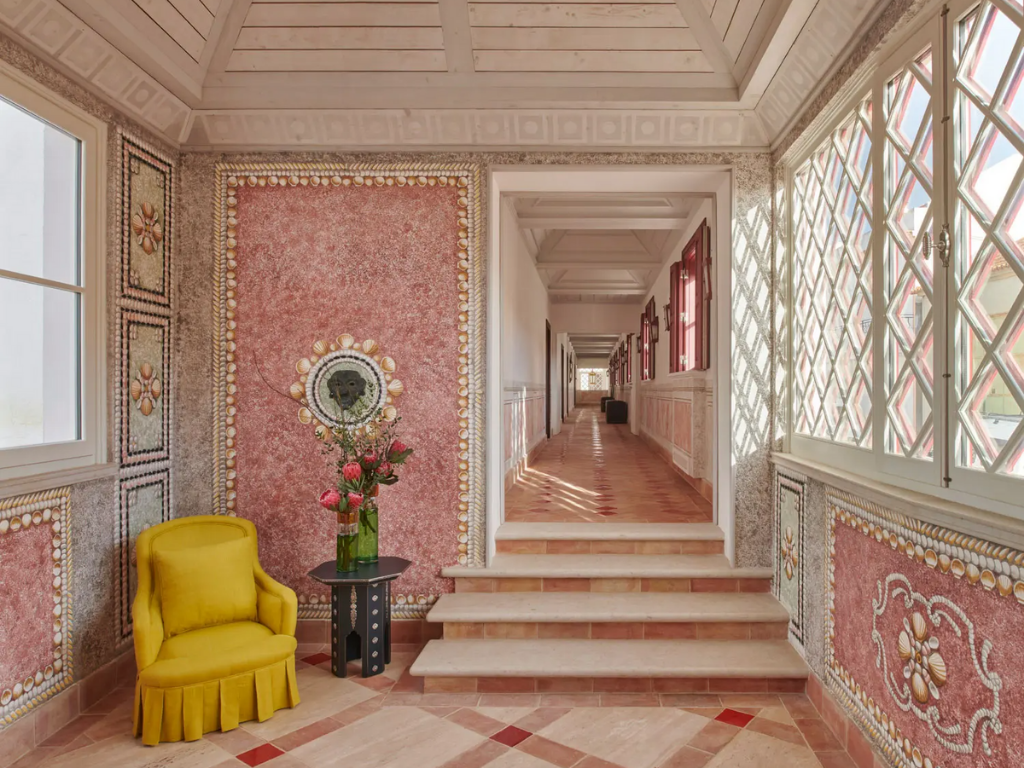
Vermelho Hotel

Haute Couture Hotels

From Christian Louboutin’s red-soled retreat in Portugal to Missoni’s rooftop pool takeover in Texas, fashion’s biggest names are bringing their aesthetic to the world of hospitality.

By Erica Commisso

Fashion’s most recognizable houses are stepping beyond boutiques and ateliers, carving out a stylish new niche in hospitality. Whether through sun-splashed rooftop pop-ups, bespoke restaurants, or full-fledged hotels, these brands are crafting experiences as exclusive as their runway designs.

Armani may have been among the first to blur the line between haute couture and high hospitality—opening its namesake hotels in Dubai in 2010 and Milan a year later—but a new wave of labels is following suit, each putting its own spin on the idea of living the brand.

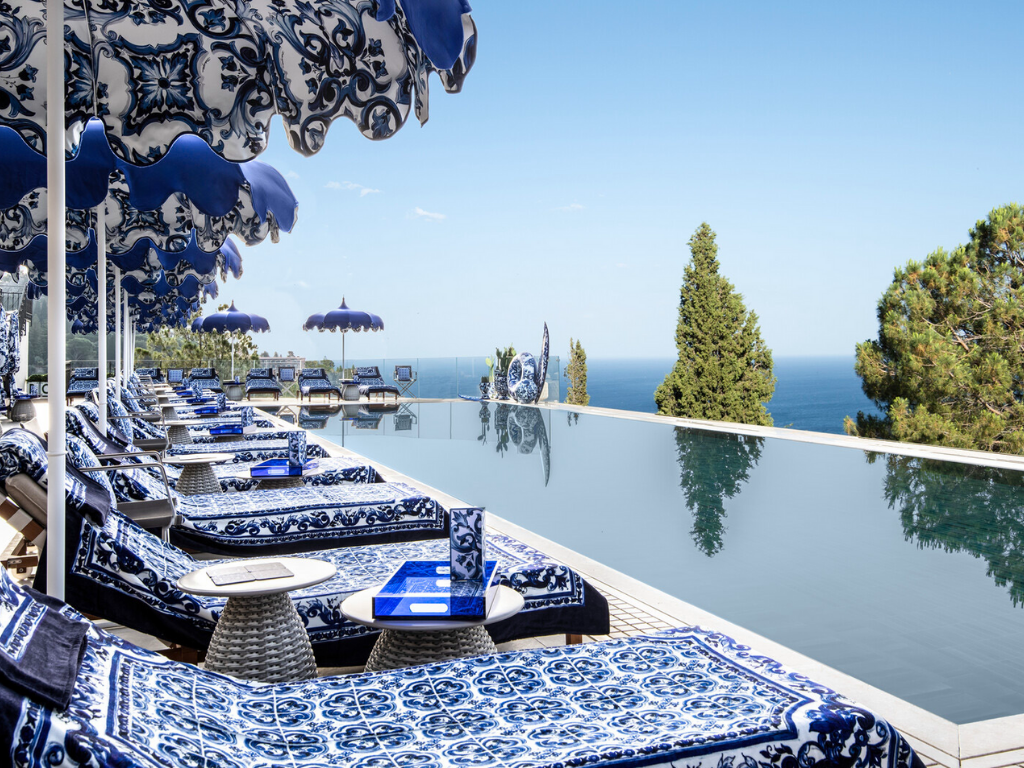
DG Taormina
DG Resort
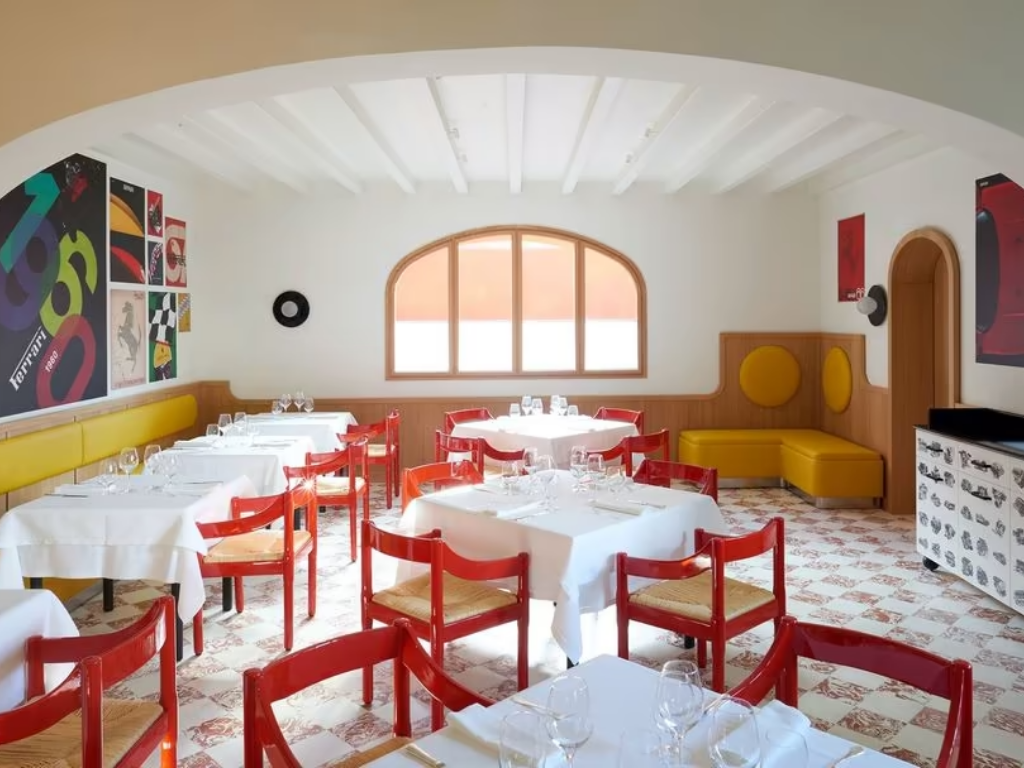
Cavallino

Take Christian Louboutin, whose first hotel, Vermelho (featured above), debuted in the quiet Portuguese village of Melides, just south of Lisbon. The 13-room property is an exuberant reflection of the designer’s signature flair: the iconic red heel reimagined through tiles, beams, and upholstery. Yet, for all its glamour, the space remains grounded in local culture, blending artisanal Portuguese craftsmanship with Louboutin’s playful sensibility—a European counterpart to Yves Saint Laurent’s legendary Marrakech oasis.

Meanwhile, Ferrari is channeling its racing-red prestige into fine dining. At Cavallino restaurant in Maranello, steps from the factory and Gestione Sportiva racing department, acclaimed chef Massimo Bottura’s Italian classics are served up with the precision of a Formula 1 pit crew. The tasting menu celebrates regional icons like Parmigiano Reggiano and Emilia Romagna wines, a far cry from the humble company canteen Enzo Ferrari opened in 1950. Since its 2021 redesign, Cavallino has become a destination in its own right for culinary-minded car enthusiasts.

This past year also brought a flurry of beach clubs and poolside collaborations. Longchamp landed in Forte dei Marmi, Italy, with a seaside outpost that captures the breezy elegance of the French Riviera. In Dallas, Missoni partnered with Hôtel Swexan to create a rooftop escape awash in the brand’s iconic zigzag prints. Guests sip Malfy Gin Spritzes poolside, enjoy curated in-suite gifts, and bask in the kind of effortless glamour usually reserved for the Mediterranean. “This partnership is the perfect fit since both Missoni and Hôtel Swexan are family-owned, devoted to craftsmanship and timeless sophistication,” says Hôtel Swexan general manager Julian Payne. 

Elsewhere, designers made their mark from the Hamptons to Ibiza. Michael Kors and Chanel hosted posh summer activations in New York’s chicest coastal enclave. Dolce & Gabbana’s DG Resort returned to Taormina and Saint-Tropez, Jacquemus took over Monte-Carlo Beach, and Louis Vuitton debuted a Saint-Tropez culinary pop-up with Michelin-starred chefs Arnaud Donckele and Maxime Frédéric. Lacoste also entered the scene, opening a café in Monte Carlo that brings its preppy-sporty heritage to life, right down to the crocodile-green details.

As the lines between fashion, travel, and lifestyle continue to blur, one thing is clear: luxury today is about more than what you wear. It’s about where you stay, what you taste, and how you can live inside the brand’s world—even just for a night.

Hotel Playa Luxury Cayo Guillermo

Checking In: Hotel Playa Luxury Cayo Guillermo, Cuba

From overwater bungalows to beachside lobster lunches, this is Cuba done differently.

By Mitch McClung

Arriving in the dark might not seem ideal, but it’s actually the best way to experience Hotel Playa Luxury Cayo Guillermo. When you wake up, sunlight streams through the windows and the ocean shimmers just outside your door. The resort is only a short drive from the airport, yet it feels tucked away from the rest of Cuba—quieter, calmer, and intentionally different. Instead of the usual resort soundtrack of mariachis and cocktails by the dozen, guests are greeted by the sound of a grand piano in the lobby.

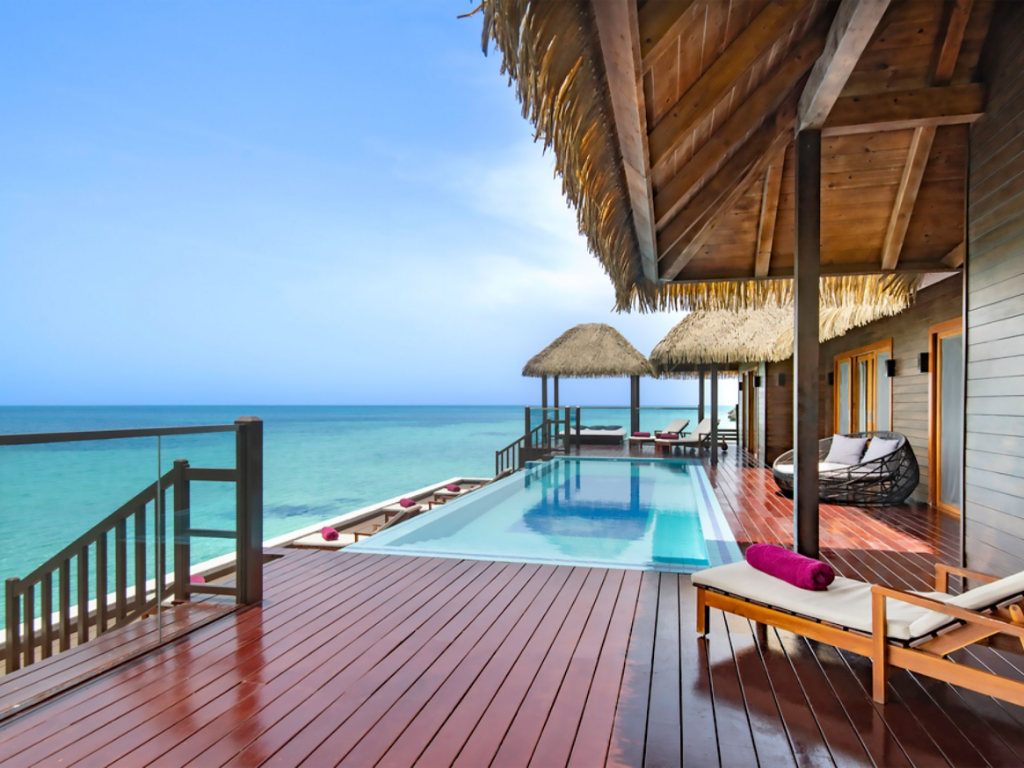
Playa Luxury aims to redefine what a high-end Cuban stay can be. Its six over-water bungalows are among the only ones in the country, surrounded by nothing but sea and sky. Floor-to-ceiling windows fill the space with light while keeping it private from the curious boardwalk passersby. Inside, the design is simple and soothing: natural wood tones, linen bedding, and a spa-like bathroom with a soaking tub overlooking the ocean. Sunset baths quickly become part of the routine.

Hotel Playa Luxury Cayo Guillermo

Each bungalow opens onto a private deck with an infinity pool, lounge chairs and a shaded cabana. It’s easy to spend the day there, swimming, reading, or just watching the waves. But it’s worth following the winding wooden walkway to Playa Pica Beach, a stretch of white sand framed by volcanic rock and gentle surf. It’s one of the most beautiful beaches in the Caribbean, and proof that Cuba still has plenty of surprises.

Dining is another highlight. Lunch might be lobster grilled over coals and served with fresh fruit, or a casual burger and fries with a beach view. The four restaurants focus on fresh ingredients and flavourful simplicity, showcasing Cuba’s produce in a modern way.

Guests can (and should) explore beyond the resort. Take a jeep ride through the jungle, sail along the coast to snorkel with tropical fish, or stop at a sandbar for drinks in the shallow water. If you’d rather stay dry, the ocean is clear enough to watch from the deck.

On departure day, sip a final coffee on your terrace while your luggage makes its way to the lobby. Playa Luxury’s private airport transfer arrives right on time, but the feeling of serenity lasts long after you leave.

It’s in the Details: Bath salts, bamboo robes and refillable carafes of coconut water make each bungalow feel like a private spa suite.

On the Menu: Don’t miss the lobster grilled over coals and served with tropical fruit salsa and a cold mojito by the beach.

Room to Book: One of the six over-water bungalows with a soaking tub, private infinity pool and panoramic ocean views.

What to Do Nearby: Book a catamaran trip to snorkel the reef and stop at a sandbar for a drink in the shallow water.


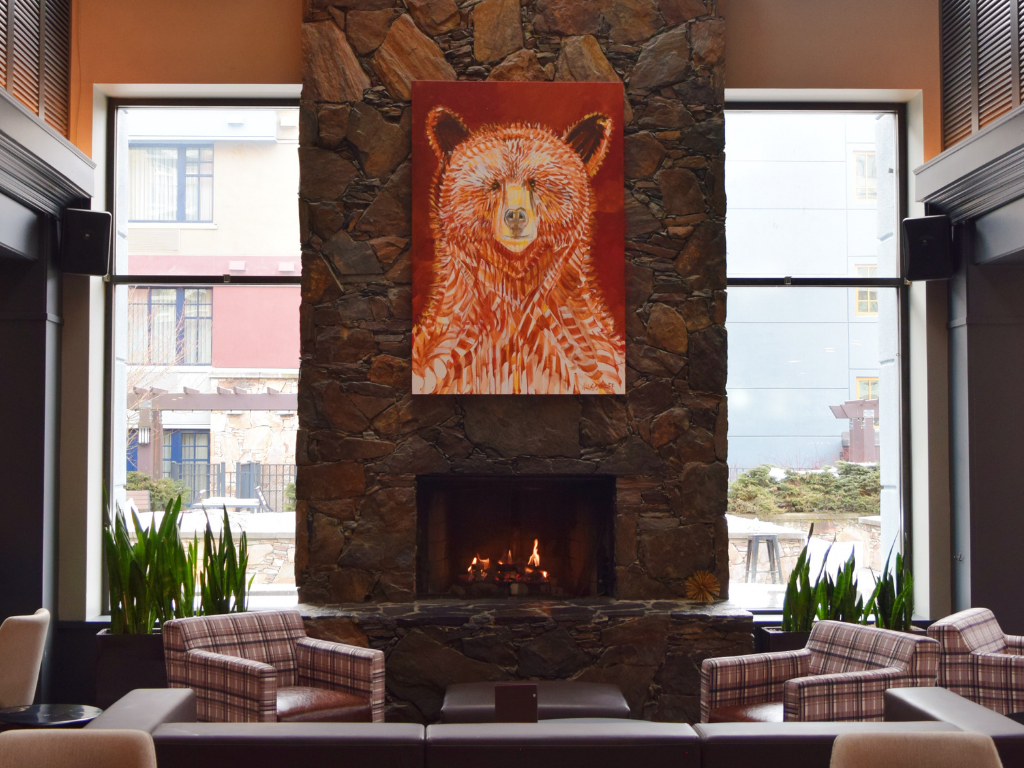
Cinnamon Bear Restaurant

The Art of the Stay

Canadian interior designer Lesley Wong on trends, travel, and crafting memorable hotel spaces.

By Erica Commisso

Lesley WongSince launching her eponymous studio in 2014, Lesley Wong has evolved from a one-woman operation into a full-fledged hospitality design team. With projects spanning both Canada and the United States, she’s shaped inviting spaces at properties like the Sparrowhawk Canmore and Hilton Whistler Resort.

Here, Wong shares what inspires her, the textures she’s loving now, and the magic behind creating hotels that feel both personal and transportive. 

Q: Where do you find inspiration?

A: I draw inspiration directly from the character of the surrounding area, whether that’s the landscape, the local community, or the regional architecture. By weaving these elements into our designs, we create hotels that feel deeply connected to their setting. This not only allows guests to feel fully immersed in the spirit of the destination but also ensures that each property is truly one of a kind, reflecting the distinct identity of its area.

Q: How is designing a hotel different from designing any other space?

A: Designing a hotel is uniquely complex because it must function on many levels at once. Unlike a home, which is tailored to a single lifestyle, or a store, which is focused on a specific transaction, a hotel must serve as both a personal retreat and a communal space. Guests come from all over the world with different expectations, so the design must be welcoming, intuitive, and adaptable. At the same time, it needs to express the spirit of its location and provide a sense of discovery. It’s this balance between comfort and experience, function and storytelling that makes hotel design so distinctive and rewarding.

Q: How do you hope people feel when interacting with your designs?

A: I hope people feel a sense of ease and discovery when they interact with our designs. A hotel should flow intuitively, so that guests never have to think too hard about how to move through a space. It should just feel natural. At the same time, I want them to feel a spark of inspiration, whether it’s through a surprising detail, a thoughtful material choice, or the way a space encourages connection with others. For me, it’s about creating an atmosphere that both calms and excites, leaving guests with an impression that lingers long after their stay.

Q: How did you decide you wanted to be a designer? Why for hotels specifically?

A: Design has always been a passion of mine, even from a young age. As a child, I would spend hours decorating my dollhouses, rearranging tiny rooms until they felt just right. Later, while many of my friends were going out and socializing, I found just as much joy in staying home to experiment with fabrics and create things for my own space. That love of shaping environments never really left me. When I began my career, I worked at a hotel brand, and that experience completely opened my eyes to the world of hospitality design. I was drawn to the complexity and creativity it demands. Hotels aren’t just about aesthetics; they’re about how people feel, move, and connect within a space. From that point on, I knew this was the path for me.

Q: What are some textures and design elements you’re loving right now?

A: Lately, I’ve been inspired by biophilic design, bringing natural elements like greenery, wood, and stone into interiors to create spaces that feel calming and restorative. I love how integrating nature not only adds beauty and texture, but also enhances the overall well-being of guests, making the environment feel alive, welcoming, and deeply connected to its surroundings. 

Q: What’s one thing people would be surprised to learn about your work?

A: I love what I do so much I actually dream of hotel design—when I eventually fall asleep. Quirky, yes, but I still love it. I absorb ideas from all around me, so I think it’s my brain’s way of processing all the information and creativity.

Found: The Perfect Gift for Travellers

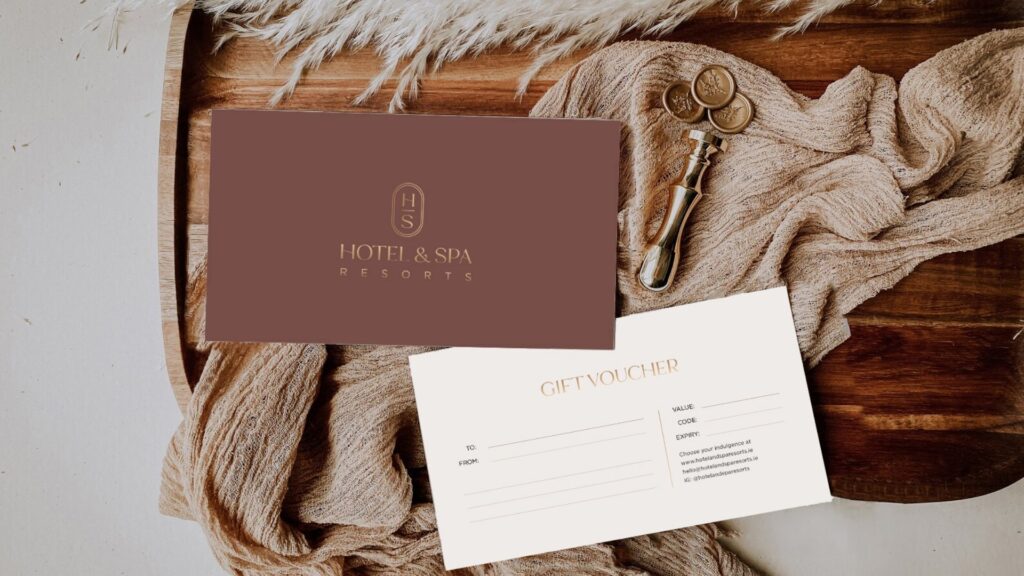
A new flexible hotel voucher is making the case for giving experiences over things.

If you’ve ever tried to buy a gift for someone who already owns everything they want — or insists they don’t want anything at all — you know the struggle. This year, one idea is quietly gaining traction among frequent travellers and minimalists alike: a single hotel gift card that can be redeemed at a huge range of luxury properties around the world.

Unlike traditional “one brand only” gift certificates, the new Hotel & Spa Resorts voucher works across thousands of hotels, from big-city towers to remote spa resorts. The appeal is obvious. Instead of guessing where someone might want to go, you give them the freedom to decide — whether that’s a quick weekend escape or a long-dreamed-of trip they finally have a reason to book. 

It also taps into a broader shift toward gifting experiences instead of physical items. In an era where people are trying to declutter, travel feels like a splurge that doesn’t add more stuff to their lives. And for last-minute gifters (we see you), this kind of present is instant, elegant, and doesn’t require knowing someone’s clothing size or décor preferences.

Most importantly, it’s the rare gift that becomes a memory: a sunrise somewhere new, a pool they didn’t want to leave, a hotel bathrobe they definitely considered taking home. And on that note, if you’re set on wrapping something, we love the idea of tucking the gift voucher into a plush new robe. Happy gifting!

This Iconic Okavango Lodge Just Reopened its Doors

Baines’ Lodge has reopened after a complete rebuild, with just six suites and front-row access to Botswana’s most spectacular wetland.

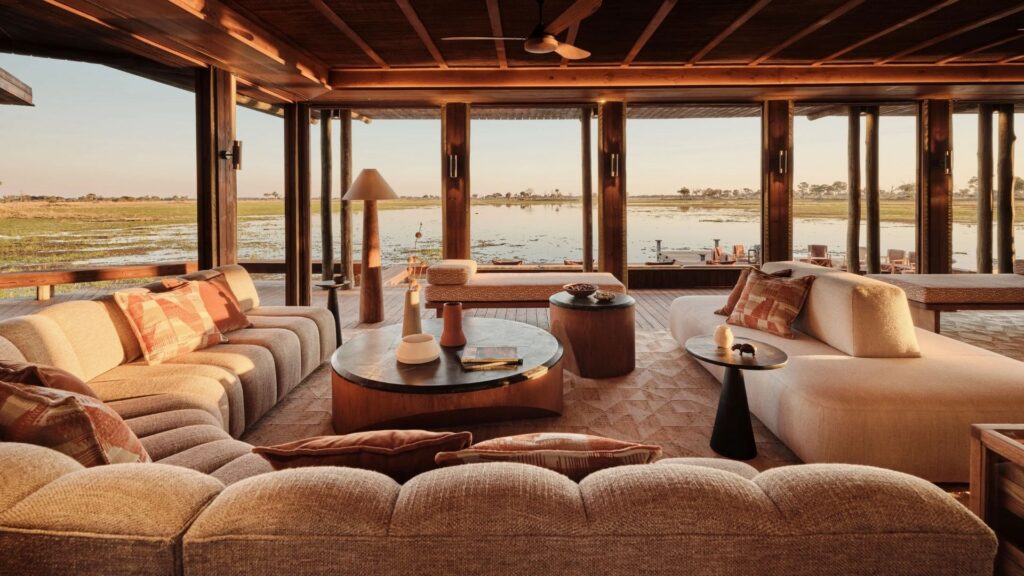
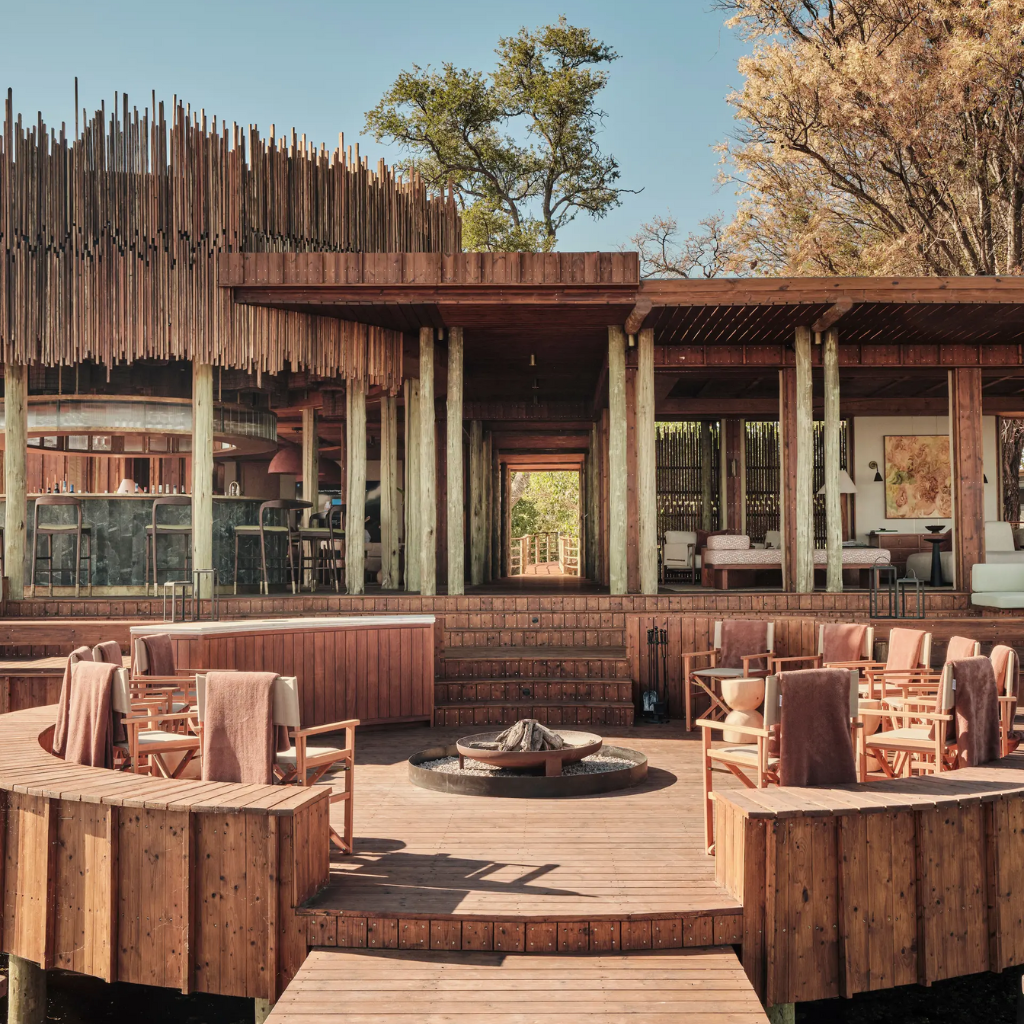
Botswana’s Okavango Delta has no shortage of remarkable safari stays, but one of its most intimate lodges has just re-entered the scene with a striking new identity. Baines’ Lodge, an A&K Sanctuary property, has reopened following a complete rebuild, taking inspiration from 19th-century explorer and artist Thomas Baines, whose watercolours first introduced the region’s landscapes to the world.

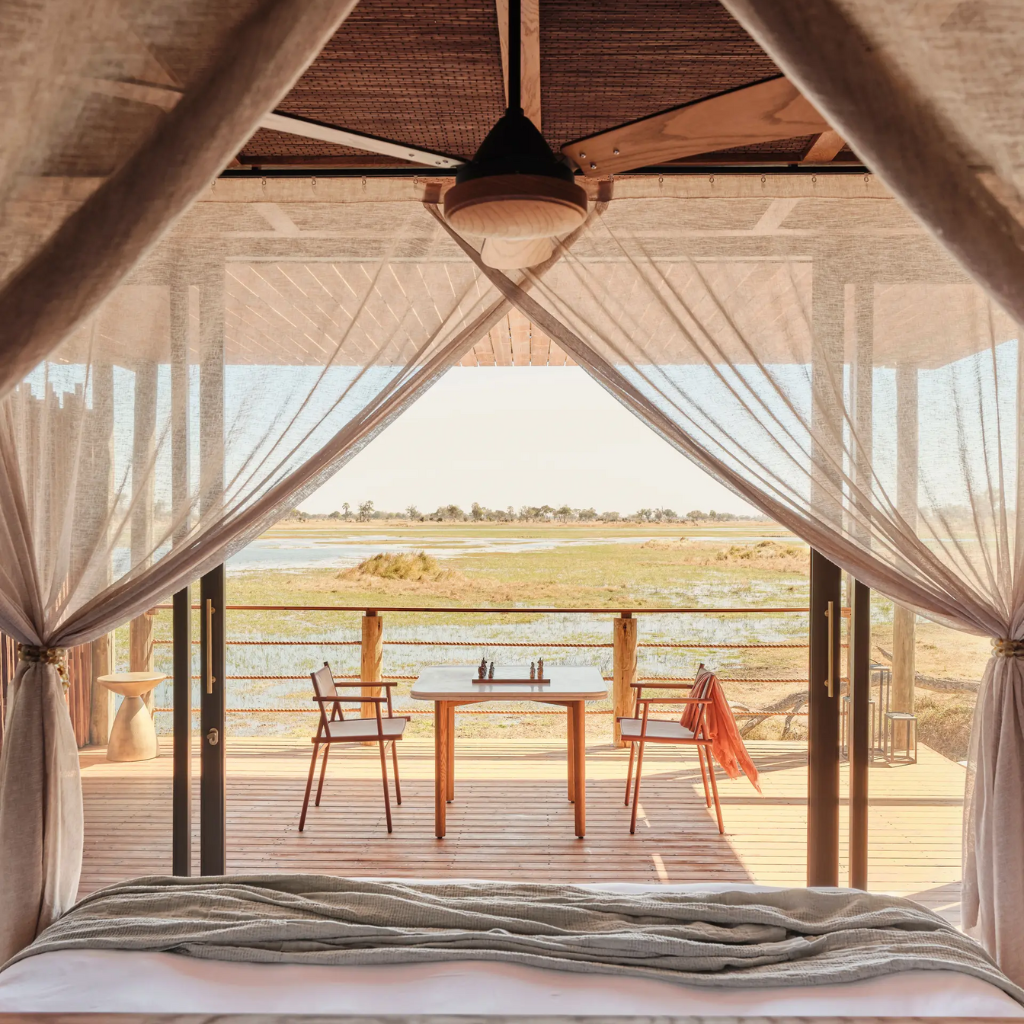
Perched on the floodplains of the Boro River at the edge of the Moremi Game Reserve, the redesigned lodge feels like an open-air gallery. Soft greens and papyrus tones echo the reeds outside; sand-washed neutrals mirror the Delta’s islands; and rich timbers ground each space in its setting. Instead of walls, columns frame the views, so the watery landscape becomes the artwork.

With only six suites and a maximum of four guests per vehicle, the emphasis is on slow, deeply personal safari experiences. The private concession allows activities you won’t find in the main park — walking safaris, night drives, and, when water levels permit, mokoro canoe excursions through the channels. Seasonal floods transform the area from May to September, drawing elephants, lions, leopards, wild dogs, and extraordinary birdlife into the surrounding mosaic of waterways.

Thoughtful touches nod to both exploration and craftsmanship: the Explorer’s Lounge comes kitted with microscopes and maps, woven ceilings created by South African artisans mimic the patterns of termite mounds, and reclaimed timber from the original lodge has been reimagined throughout the property. Private decks feature “star baths” — open-air tubs positioned for long soaks under the night sky — making the lodge especially appealing for honeymooners and romantics. 

For travellers drawn to the Delta’s quieter corners, this rebuilt retreat offers something increasingly rare: a place where the landscapes take centre stage and the days unfold at nature’s pace.

The Best Hotels for a Christmas Escape

Whether you want a tree waiting in your suite, a Christmas morning spent snorkelling with sea turtles, or a fireside feast in Bavaria, there’s a perfect December escape calling your name.

For some, the perfect Christmas morning smells like pine trees and cinnamon rolls. For others, it smells like sunscreen and a piña colada. If the idea of swapping snow boots for sandals feels more your style — or you just can’t imagine hosting another extended family dinner — a December escape might be the best gift you can give yourself. If you’re ready to skip the tradition and hit the airport, here are six hotels around the world offering festive packages to get in the holiday spirit from abroad.

1. Hyatt Regency Maui Resort & Spa — Maui, Hawai‘i

For: Sun, snorkelling, and a Santa who arrives by outrigger canoe.
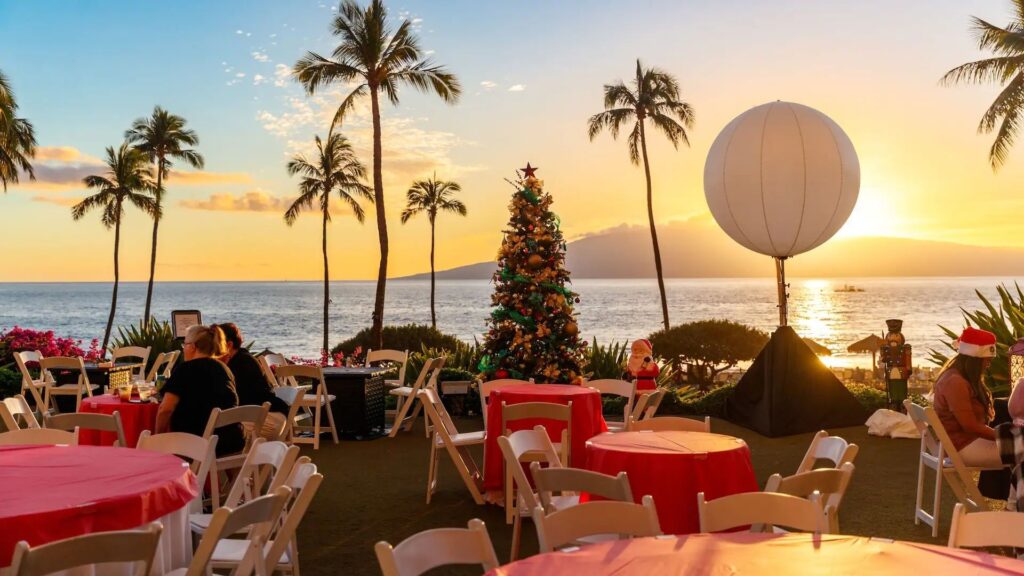
Maui doesn’t do a subtle Christmas, and the Hyatt Regency’s Mele Kalikimaka Celebration in Paradise package embraces that energy. Guests can book a six-night stay in an ocean-facing room and get airport transfers, nightly turndown surprises, private cabana access, and a dedicated Christmas tree waiting in their room. Add in festive luaus, holiday cocktails, and prime stargazing — Maui has one of the clearest skies in North America — and this becomes the ultimate destination for Christmas in paradise.

Christmas lights at Fairmont Scottsdale Princess

2. Fairmont Scottsdale Princess — Scottsdale, Arizona

For: A full-throttle desert Christmas with ice skating, 6 million lights and nightly snowfall.
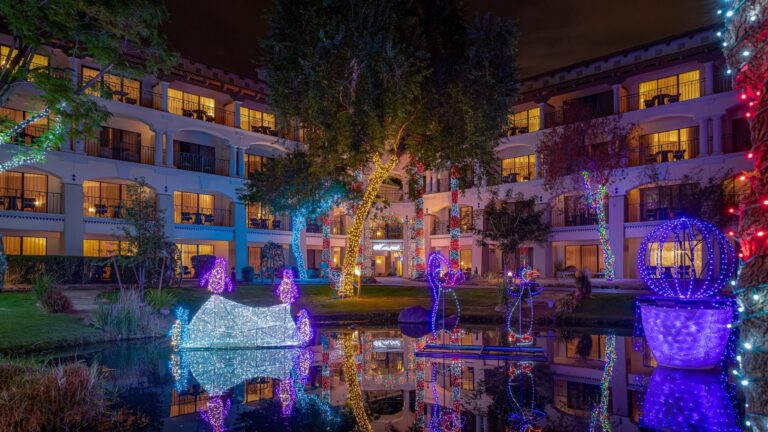
The Fairmont Scottsdale Princess goes all out for the holidays. As in, “North Pole meets Arizona desert”. Their annual Christmas at the Princess festival turns the resort into a massive light-filled playground: fire pits for s’mores, a 95-foot tree, Ferris wheel, tubing slides, plus an actual ice rink and nightly “snowfalls” (yes, in the desert). Add festive dining pop-ups, kid-friendly activities (like cookies with Mrs. Claus), golf rounds, and spa days for adults who need a holiday exhale, and it’s one of the most delightfully over-the-top places to spend Christmas in the U.S.

Schloss Elmau

3. Schloss Elmau — Bavaria, Germany

For: A storybook European Christmas with actual alpine magic.
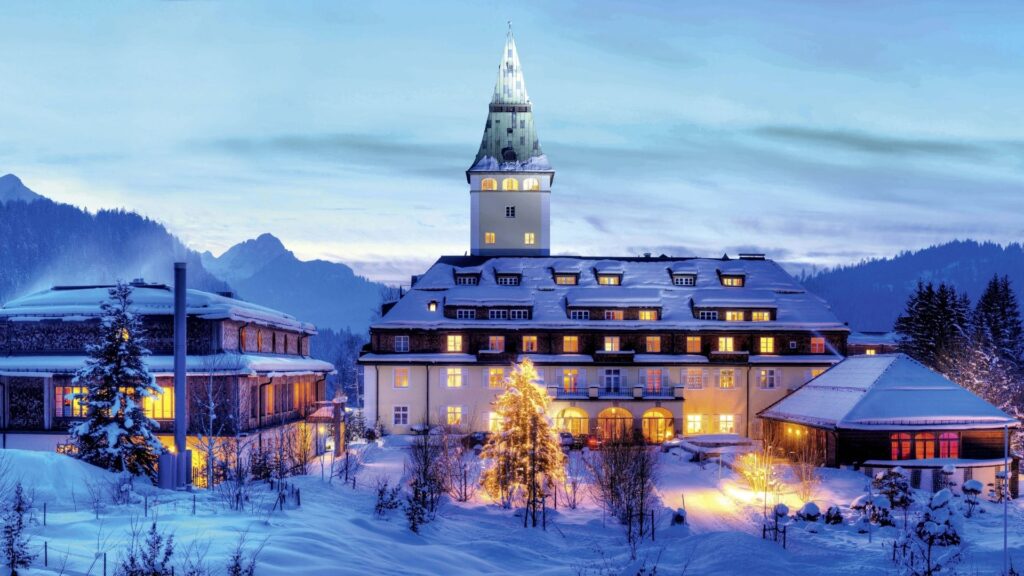
If your inner child longs still dreams about Narnia, Schloss Elmau delivers: grand halls, live classical concerts, snow-dusted forests and nightly feasts that feel plucked from a fairytale. Their holiday programming usually includes curling, skiing, yoga, dog sledding, and enough culture to make the entire week feel gently enriching. There’s also a family-friendly spa and ultra-cozy suites for post-feast naps.

Four Seasons Chiang Mai

4. Four Seasons Resort Chiang Mai — Thailand

For: Festive season meets rice paddies and slow living. 
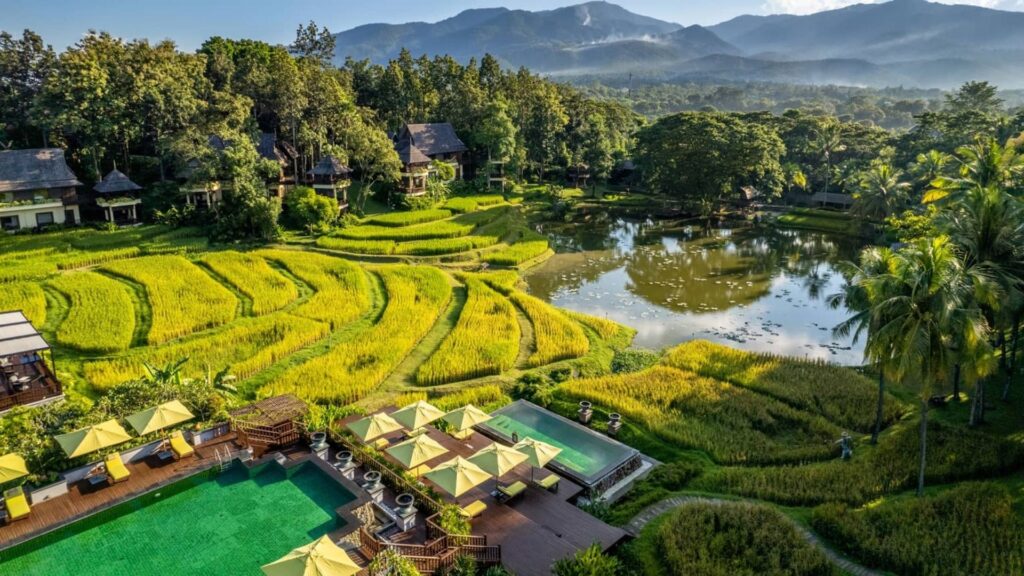
A dreamy option for travellers who crave something atmospheric but not overtly “holiday.” At the Four Seasons Chiang Mai, December brings lantern-lit nights, cooking classes with local chefs, spa rituals infused with Thai botanicals, and a Christmas dinner served overlooking rice fields. It’s warm, serene, and wonderfully grounding — an antidote to consumer season.

The Plaza Hotel
Rockafeller Square

5. The Plaza — New York City, USA

For: A classic, over-the-top, movie-moment Christmas in Manhattan.
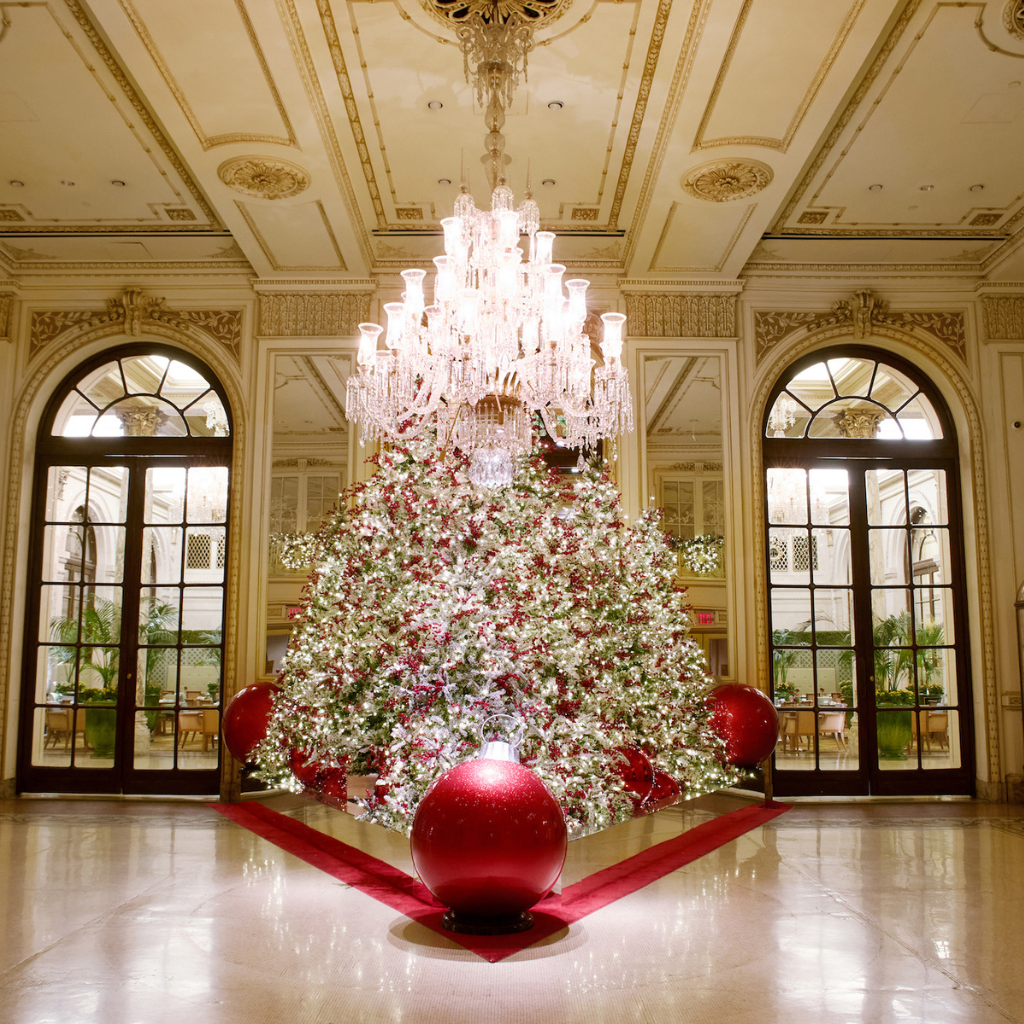
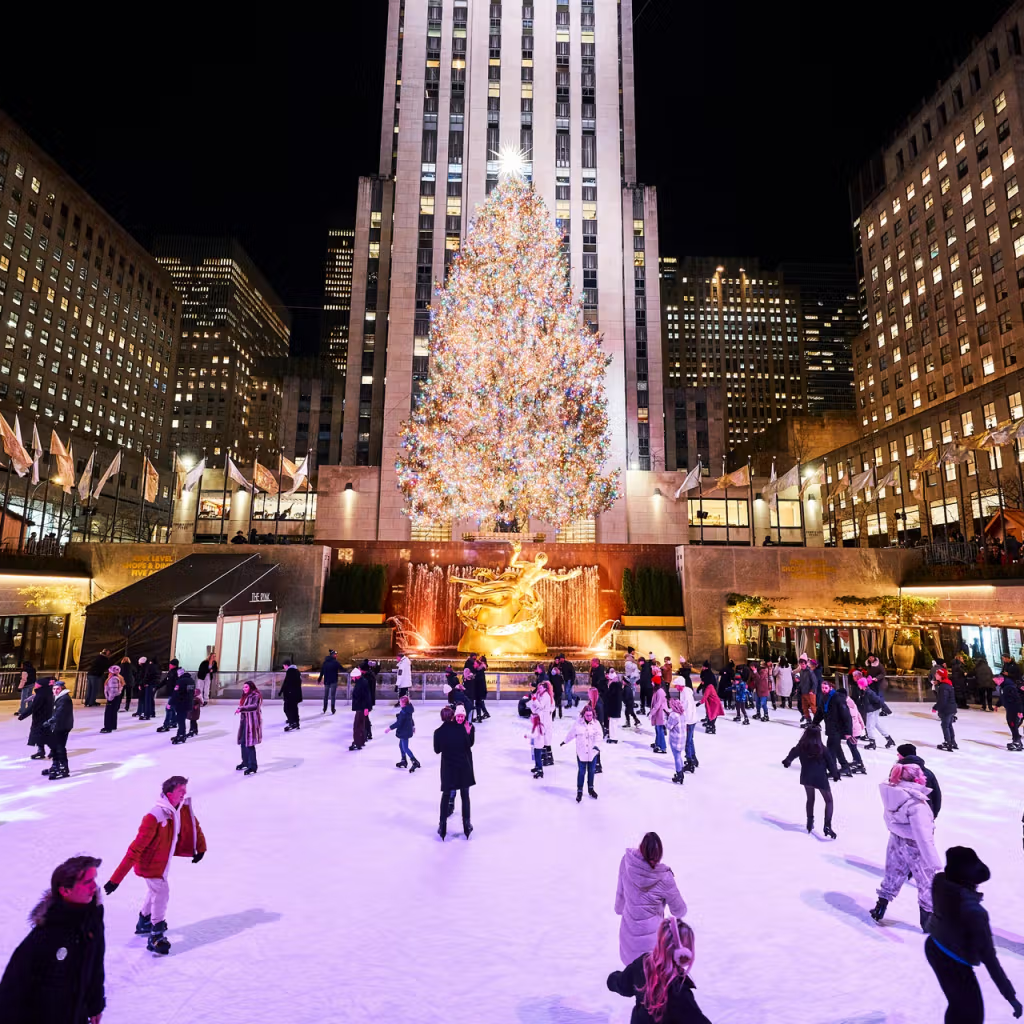
If your ideal Christmas looks like a scene from a golden-age holiday film, The Plaza does it better than almost anywhere. Each December, the hotel transforms its Fifth Avenue lobby into a glittering spectacle that includes a towering tree, garlands draped along marble balconies, and enough sparkle to make even lifelong New Yorkers stop and stare. Festivities centre around the hotel’s famed Holiday Afternoon Tea in The Palm Court, complete with tiered trays of pastries, champagne and live piano. Step outside and the whole city becomes part of the celebration: Central Park dusted in snow, the Rockefeller Center tree, Fifth Avenue’s iconic window displays and ice-skating rinks all within a short walk.

Monaco Christmas Market

6. Hôtel Hermitage Monte-Carlo — Monaco

For: A Riviera Christmas with Champagne, caviar, and twinkling lights.
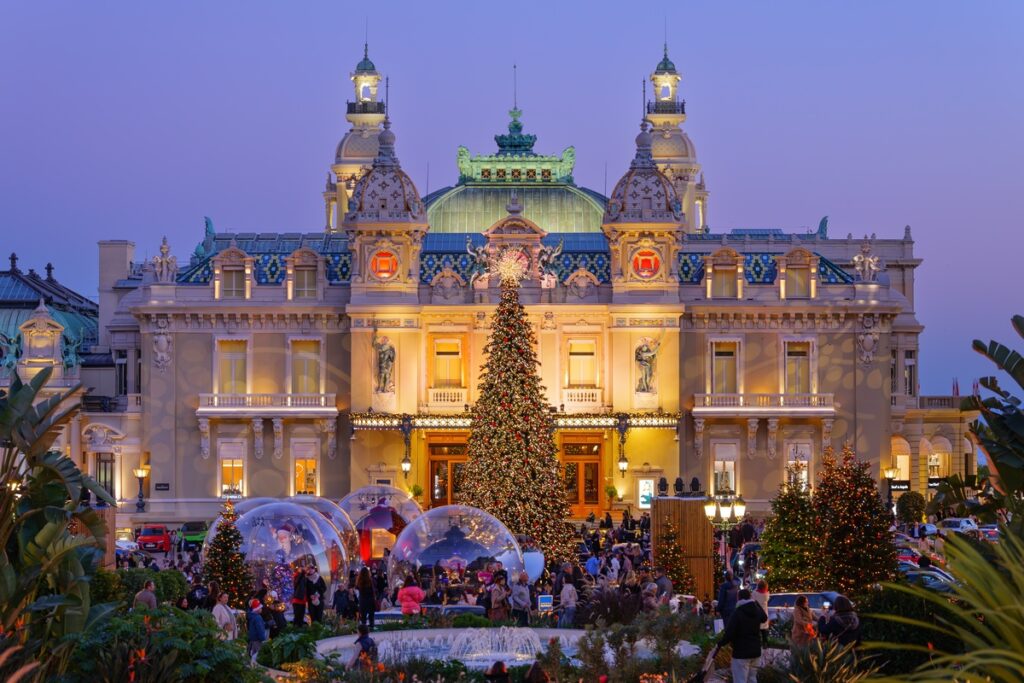
Monaco in December is magical, with mild Mediterranean weather, glittering harbour markets, and Belle Époque buildings dressed in holiday lights. At the chic Hôtel Hermitage, the season comes alive through a series of festive traditions: a lavish Christmas Afternoon Tea in the hotel’s ornate Belle Époque salon, complete with pastries, kid-friendly workshops and a visit from Santa; holiday menus at Michelin-starred Pavyllon Monte-Carlo by Yannick Alléno; and Christmas Day buffets served under sparkling chandeliers. Step outside and you’re moments from Monaco’s seafront Christmas village, complete with stalls, decorations and seaside lights.

Guatemala Casa Palopo

Guatemala by Design

From Antigua to Lake Atitlán, Guatemala reveals a balance of raw beauty and refined details.

By Renée Morrison

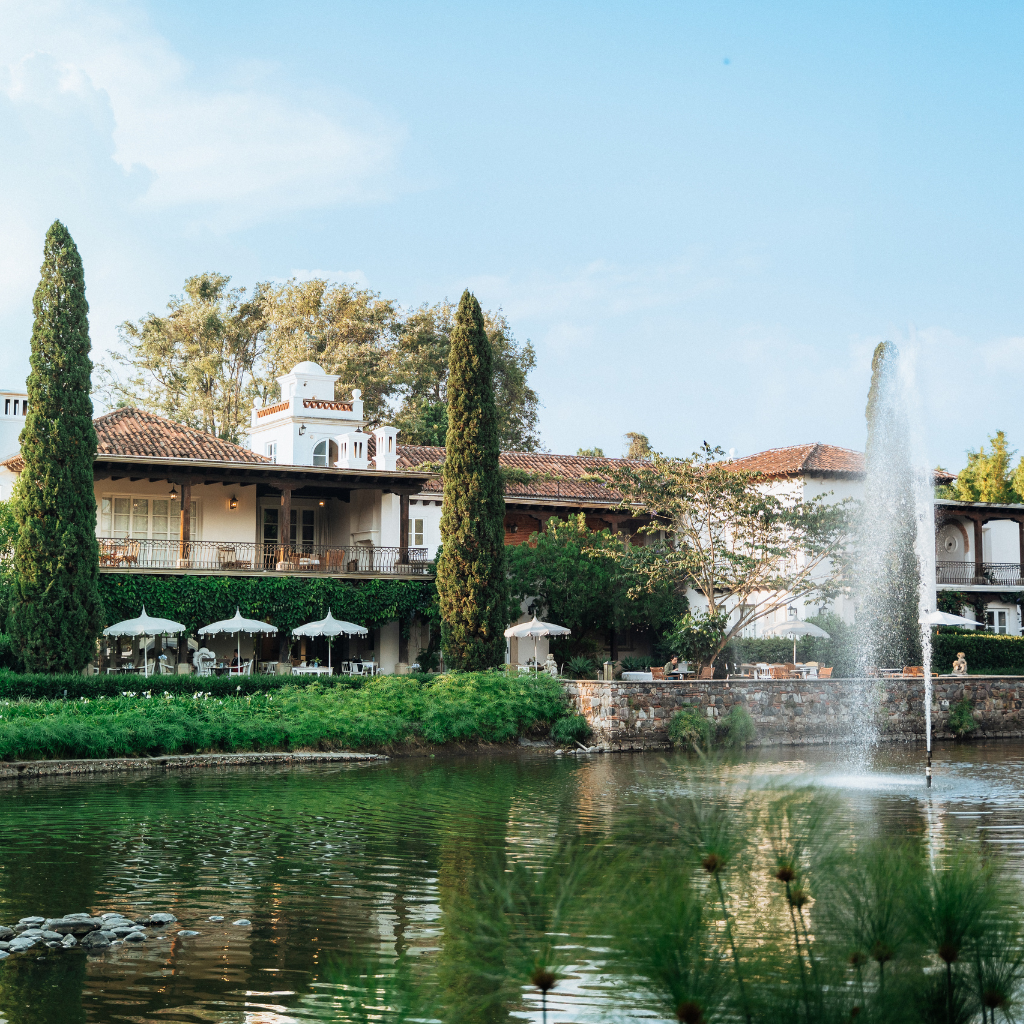
Stepping into Villa Bokéh in Antigua Guatemala feels like slipping into a secret garden. It’s just minutes from the bustling cobblestoned streets of the town centre, but past the unassuming entry gates lies a six-acre haven. With views of the twin volcanoes Agua and Fuego, manicured gardens of bamboo and birds of paradise surround a pond with three resident ducks, and a sleek pool is tucked into a lush corner. The hotel itself, designed by local Paliare Studio and featuring artwork from the private collection of owner Claudia Bosch, has 15 suites—each its own palette of colour, texture, craft—and sets the tone for a trip defined by design.

My Olive Suite pairs soft greens and white linens with woven accents, plus a private patio and fire pit. Here, the thoughtful touches extend beyond design: one night, a lavender eye mask and aromatherapy diffuser appear alongside local honey sweets; the next, a woven pouch of tiny Mayan worry dolls, said to take away your stresses if whispered to before bed.

Villa Bokeh Antigua Guatemala
Villa Bokéh
Antigua Guatemala
Antigua Guatemala

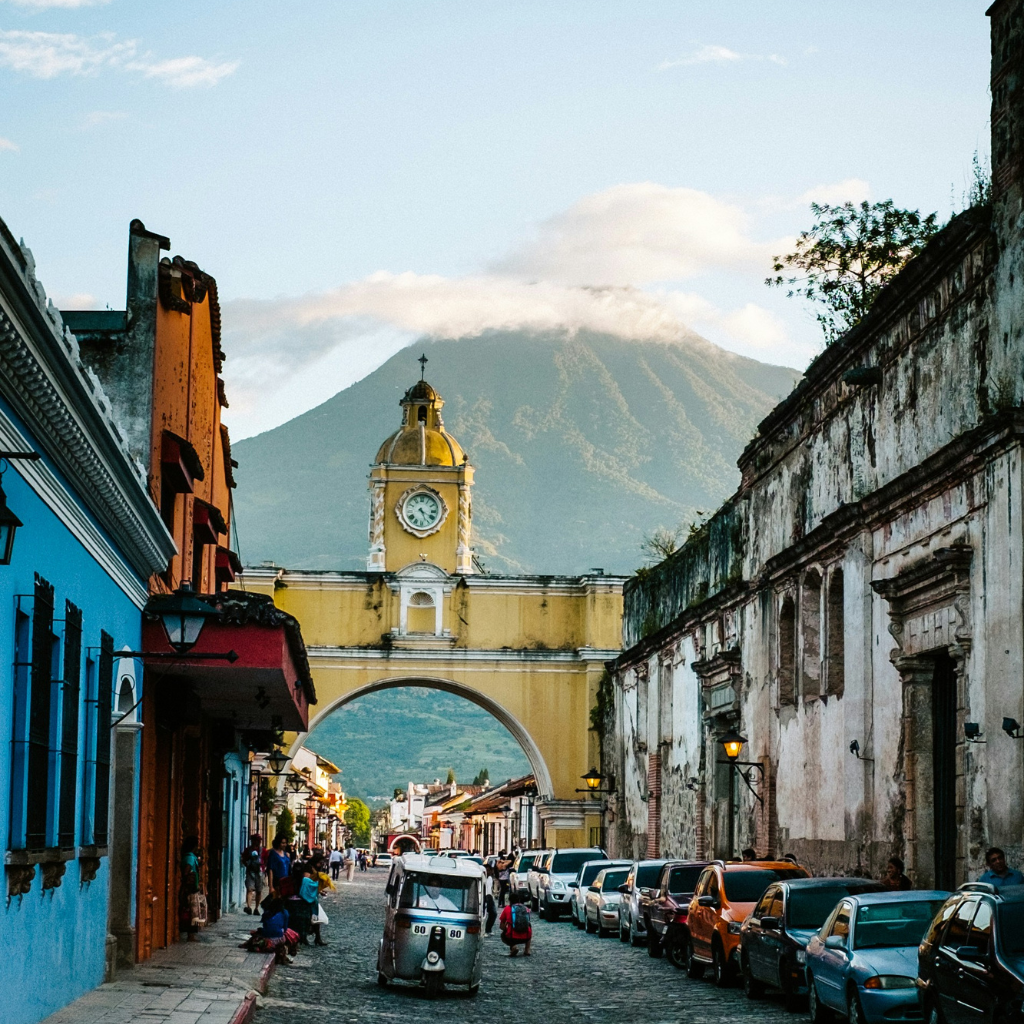
Stepping beyond Villa Bokéh’s gates, Antigua mirrors that same dialogue between past and present. Once the Spanish colonial capital, this UNESCO-listed city is famed for its barroco antigueño, a local take on Spanish Baroque adapted to withstand earthquakes. Thick adobe walls, low arches and sturdy columns meet delicate stucco façades, while Mudéjar-inspired tiles and arched windows—echoes of Arabic Spain—soften the geometry. On a walking tour, Antigua reads like a living design textbook: Mayan, Spanish and Moorish influences shaped by time and tremor.

In the bustling Parque La Unión, we stop at the Tanque, a public washbasin built in 1853 where women once aired out their laundry both literally and figuratively. A few blocks away, we step into a verdant courtyard that looks like a bohemian boutique hotel, only to find it’s a Starbucks (worth a photo, but head to Artista de Café for your caffeine fix). Nearby, Casa del Jade offers a fascinating primer on the stone’s cultural importance, a mini museum of original ceremonial artefacts, and a boutique selling contemporary jewellery.

On our final evening, back at Villa Bokéh, I climb a spiral staircase to the Honesty Bar—a tiny, unmanned gem that opens onto a rooftop terrace overlooking the gardens. We mix cocktails with local Zacapa Rum as the sun fades behind the volcanoes. Then, suddenly, the sky lights up with fireworks. They’re part of an engagement happening elsewhere on the property, doubling as a celebratory send-off. 

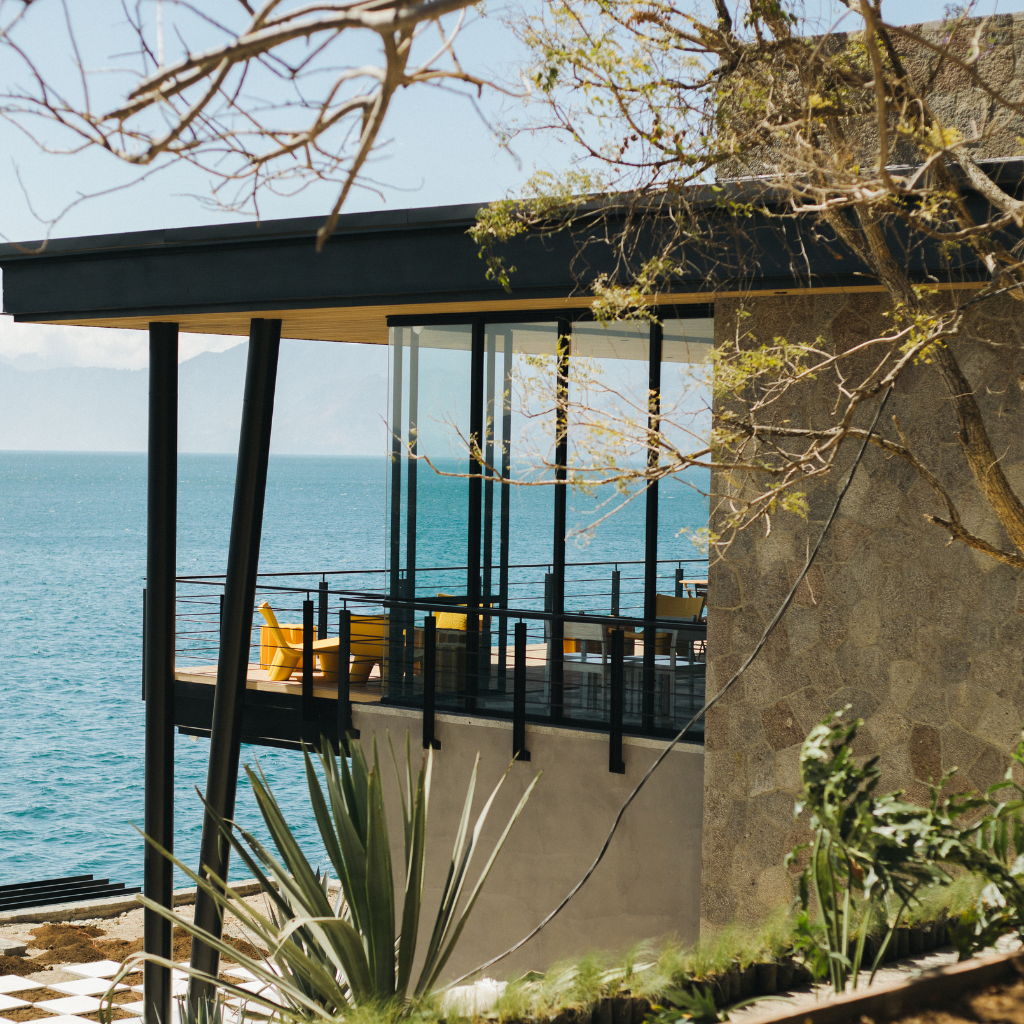
Casa Palopó
Casa Palopó
Kinnik Restaurant at Casa Palopó

From City to Stillness

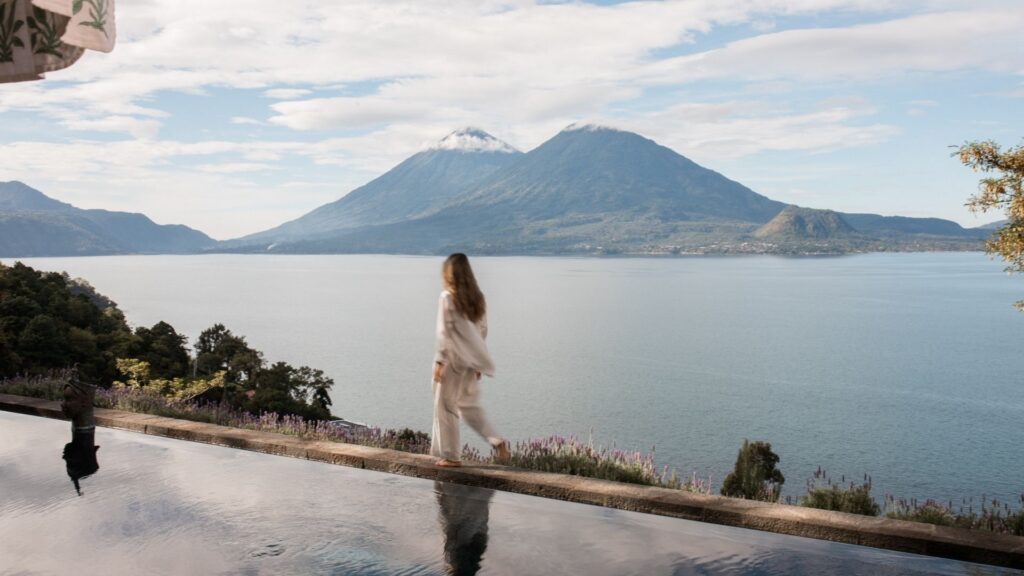
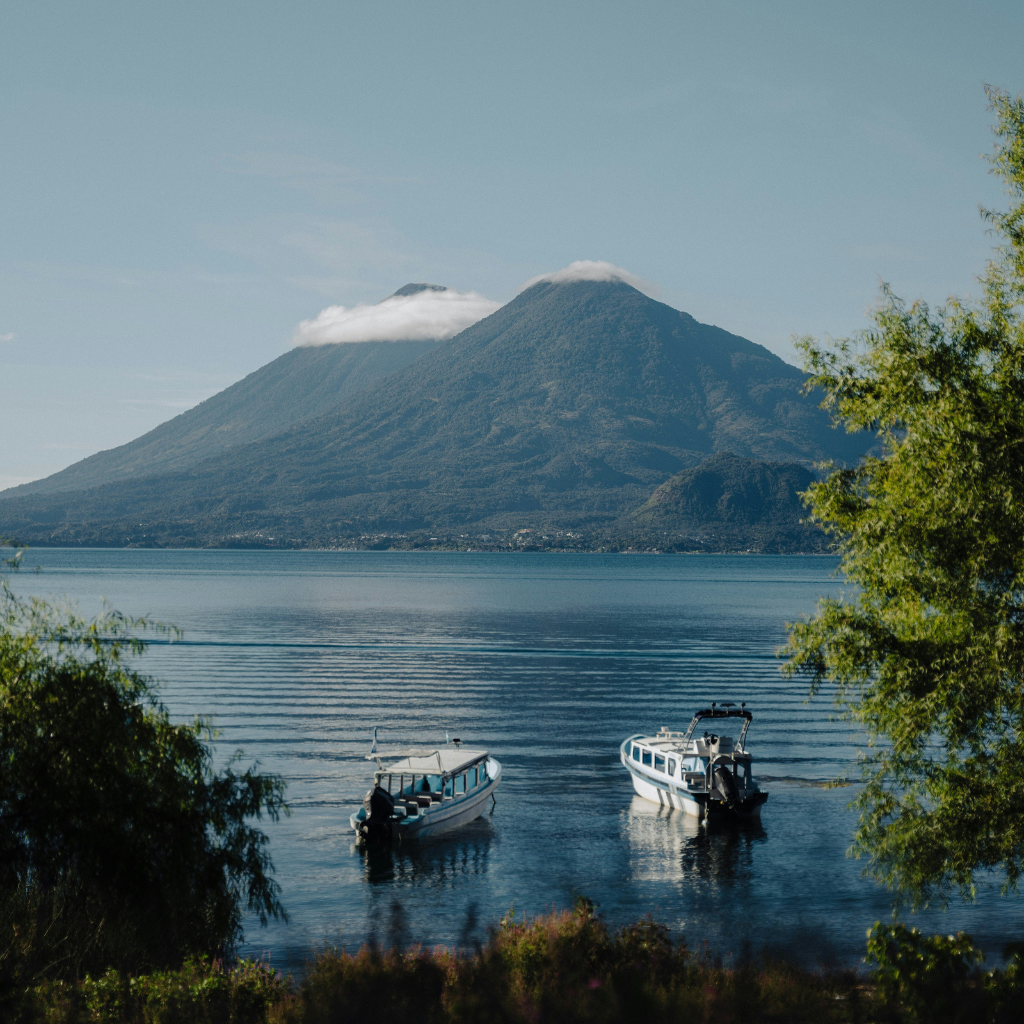
The next morning, a two-and-a-half-hour drive through the highlands brings us to Lake Atitlán, an immense volcanic caldera lake ringed by three imposing volcanoes. The landscape is enough to rewire your sense of scale. Perched on the mountainside facing the lake, Casa Palopó is modest from its façade, but as I’ve learned, much of Guatemala’s beauty lies beyond first impressions.

Inside, the sprawling property is bold yet refined, courtesy of Guatemalan designer Katy Jay. Colour reigns: cobalt, ochre and red on the walls, terracotta floors, patterned textiles. In the restaurant, vines of fuchsia and aquamarine blossoms hang overhead as hummingbirds dart around the open terrace. My room, beside a library stacked with vintage travel and décor magazines, opens onto a claw-foot outdoor tub facing the lake—a private theatre for volcano sunsets.

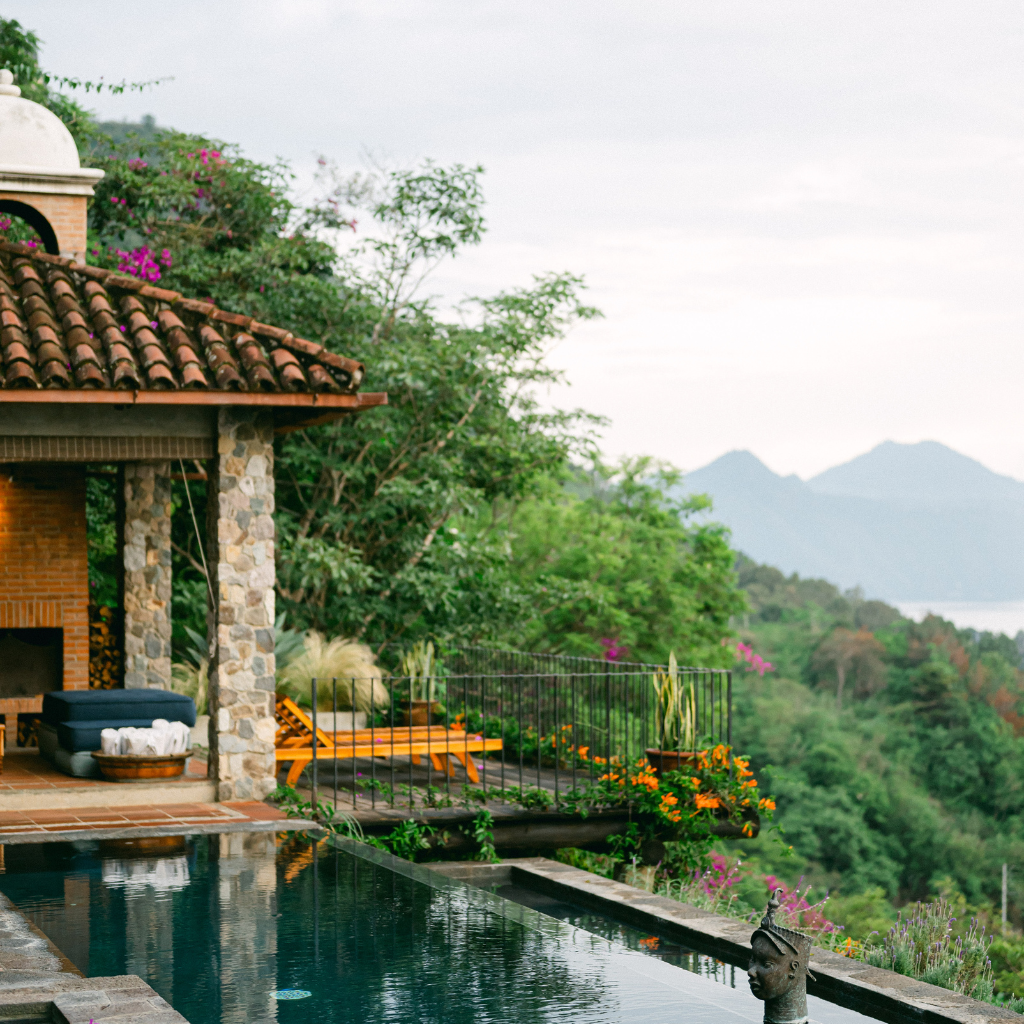
But that will have to wait. When the hotel’s private three-bedroom villa isn’t booked, guests can slip into its stone-clad infinity pool that feels lifted from a Slim Aarons photograph. So I do, watching my first Lake Atitlán sunset from the hot tub as faint Spanish lounge music drifts through hidden speakers. Later, we take the funicular down to Kinnik, the lakefront restaurant in a sleek glass-and-stone pavilion. Dinner is perfectly medium-rare beef asado, gorgonzola-roasted cauliflower, grilled vegetables and fresh tortillas—hand-pressed just steps away from our table. It’s one of those meals that quietly ruins you for others.

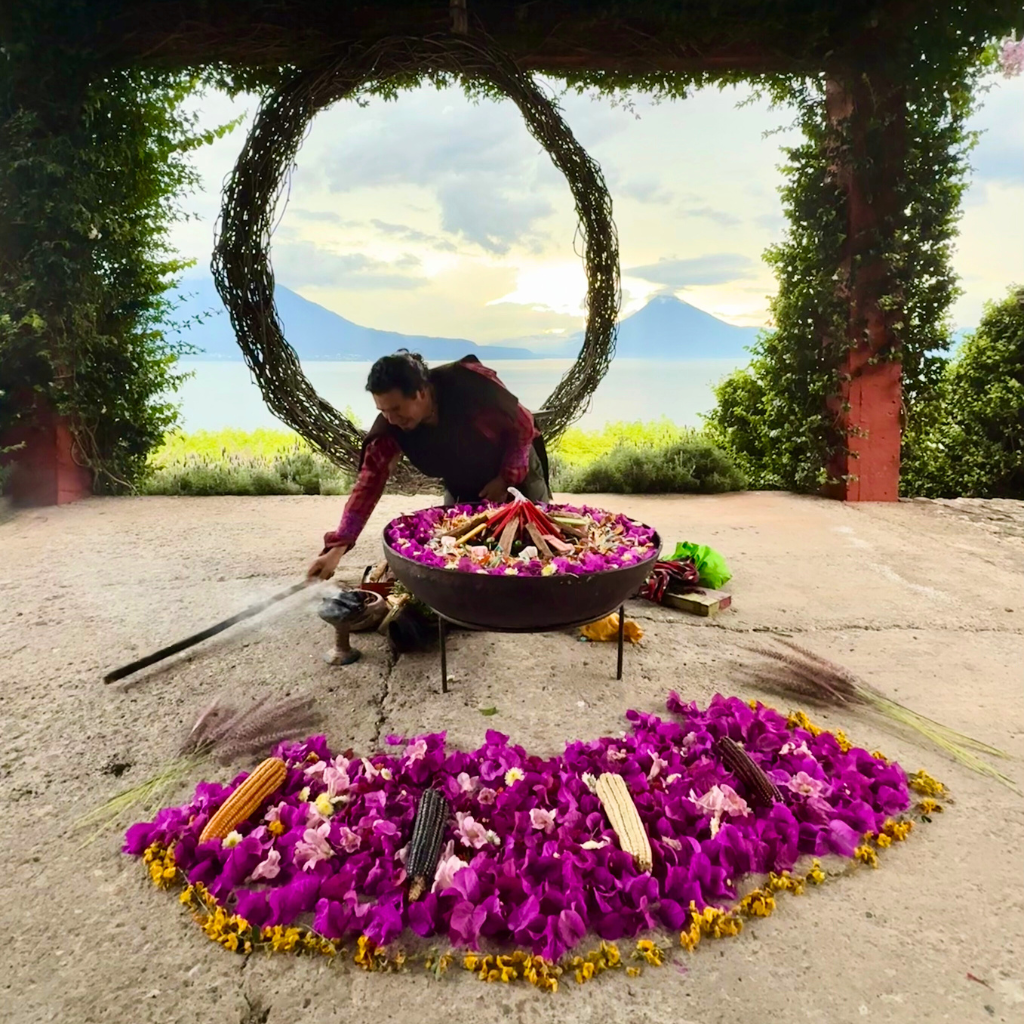
Guatemala Shaman ritual Lago Atitlan

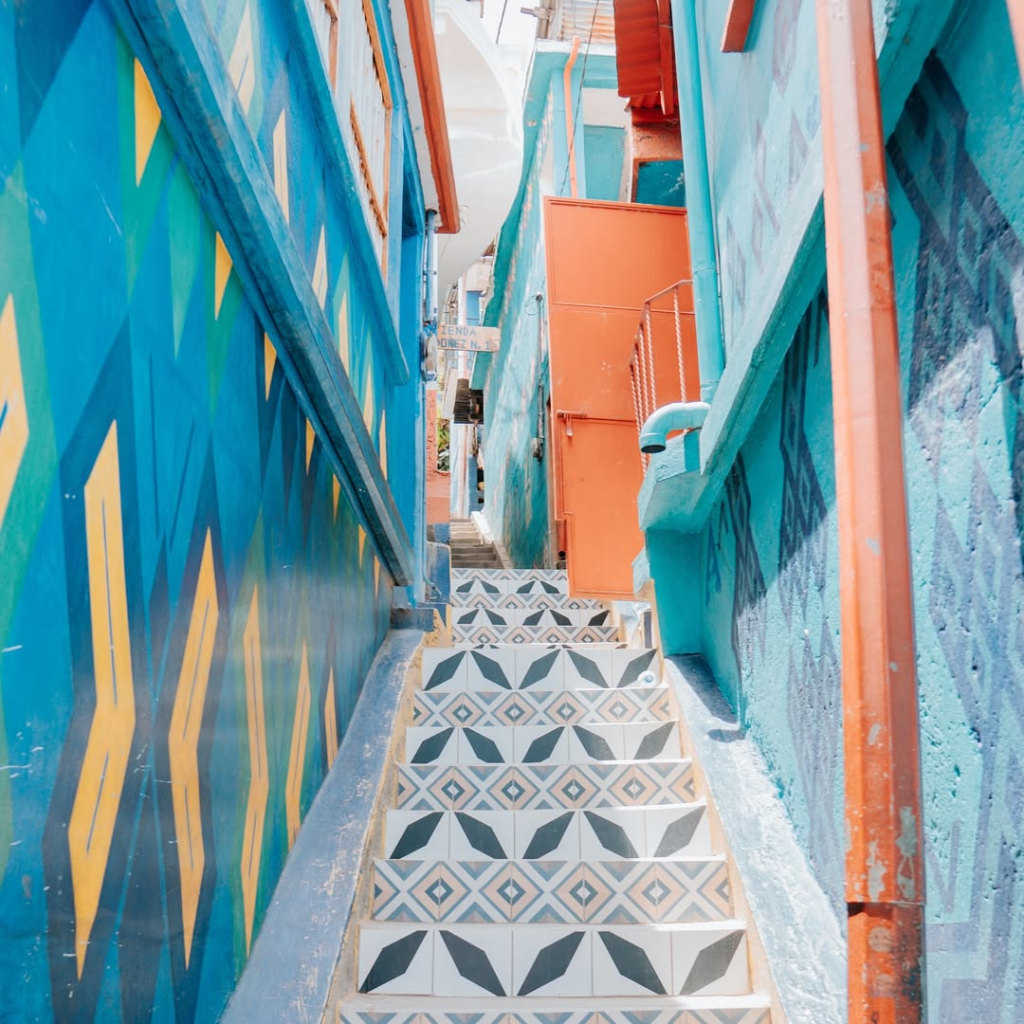
By day, in the neighbouring town of Santa Ca- tarina Palopó, we see how design is being used as a force for change. The Pintando Santa Ca- tarina Palopó project—an initiative led by Grupo Alta, the ownership group behind the hotel—is transforming this lakeside town of roughly 5,000 Kaqchikel Maya residents into a living canvas. With plans to paint more than 950 façades in bold geometric patterns inspired by ancestral textiles, the project revives local pride, creates jobs, and turns the town into a cultural landmark. Guests at Casa Palopó can even volunteer to help paint.

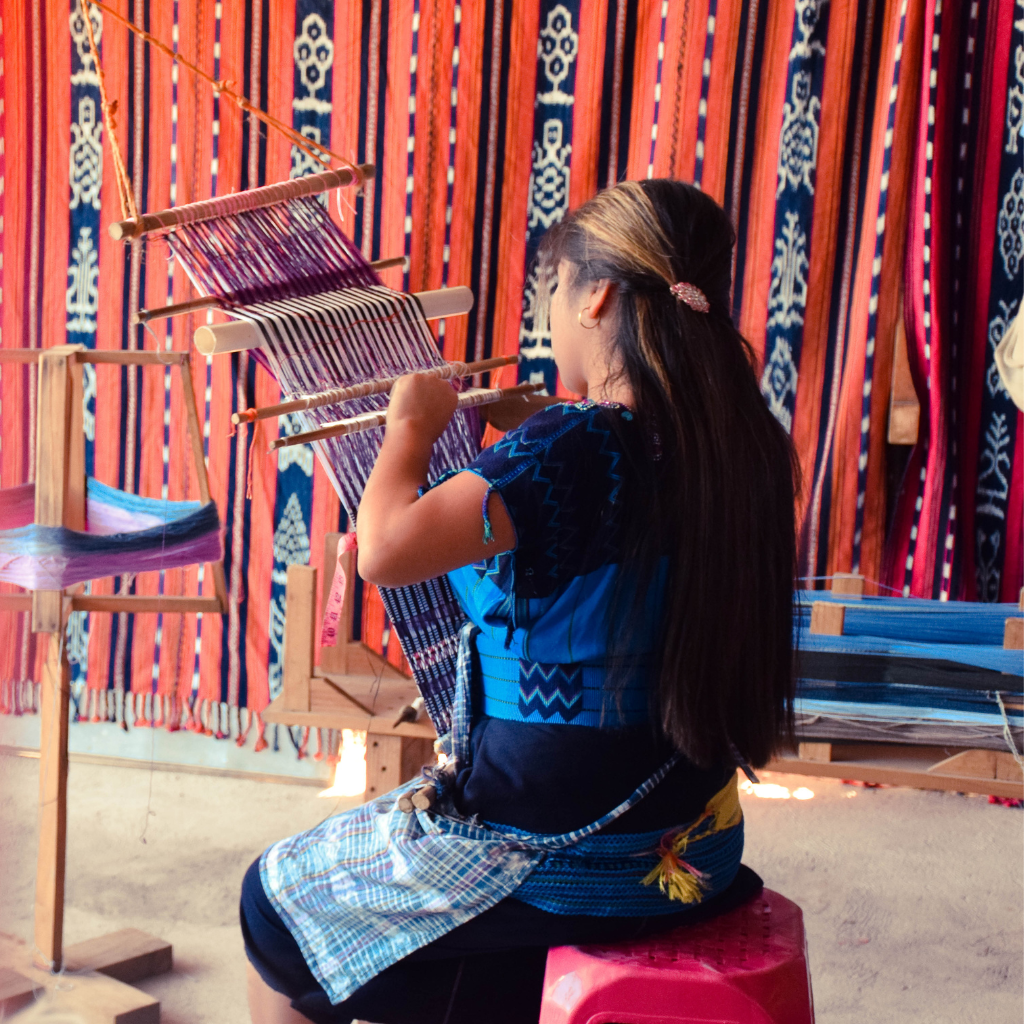
Inside By Katy Jay, the hotel designer’s boutique in Santa Catarina, shelves display artisanal pieces like wooden serving pieces, woven baskets and ceramic bowls, each representing the region’s craft traditions. I’m invited to try my hand at weaving on a miniature telar de cintura (traditional backstrap loom). My guide explains how cotton threads are dyed with natural pigments—hibiscus for purples, chipilín leaves for greens and cochineal insects for reds—before showing me how to weave them into a bracelet to take home.

Our final night brings something sacred. At sunset, we meet our Mayan shaman, Tomas, for a private fire ceremony on the hotel terrace. We sit around a circular altar of flowers, corn and candles as he takes our birth dates to reveal our nahuales—Mayan spirit companions—before guiding us through a cleansing ritual. The fire crackles as the sky shifts from coral to black, and I can’t imagine a more meaningful ending than this glimpse into living Maya culture, which has been threaded into almost every textile, turndown and tour stop of my trip.

Later, returning to my suite, I find the al fresco bath drawn with rose petals, the same hue as those in the altar. It’s a simple gesture, and one any guest can request, but in context, it feels like magic. In Guatemala, as in design, it’s all in the details.

Guatemala traditional weaving

The List

Where to Stay
Villa Bokéh (Antigua) and Casa Palopó (Lake Atitlán), which features its own heli-pad for 30-minute air transfers that can be arranged by the hotel.

What to Eat
Shrimp ceviche (Casa Cristal at Villa Bokéh); Fagottini stuffed with icha-j pá sakil (6.8 Restaurant at Casa Palopó); Beef asado (Kinnik at Casa Palopó)

What to Do
Take a 20-minute boat ride to the artisan village of San Juan La Laguna for locally made chocolate, coffee, ceramics and handwoven goods.

What to Drink
Exceptional coffee, grown in volcanic soil; a cocktail made with Zacapa rum

What to Bring Back
Salted 70% chocolate from Xocolatl (San Juan La Laguna); a woven throw or tortilla basket (Santa Catarina); a carved charm featuring your Mayan nahual from Casa del Jade (Antigua).