hokkaido

Japan’s Coolest Island Escape

The island of Hokkaido is a wonderland of snow-dusted landscapes, crystal-clear lakes and rich traditions.

Hokkaido feels like a seasonal snow globe. In the warmer months, brightly coloured flowers blanket rolling hills, while autumn’s rich tones sweep across mountain towns. Come winter, snow glistens on the water, casting a magic that’s hard to replicate.

The country’s northernmost island is also its least developed — though far from barren. Sapporo, home to the beer of the same name, is Hokkaido’s most famous city, where visitors can explore the brewery’s free museum and learn about Japan’s beer-making history dating back to 1876. It’s also the ancestral home of the Indigenous Ainu people, whose culture centres on living in harmony with the land. The result is a natural retreat, highlighted by the deep-blue, crystalline waters of Lake Shikotsu, among the clearest in Japan. Enjoy it warmed or chilled — either way, it’s a perfect après-soak indulgence.
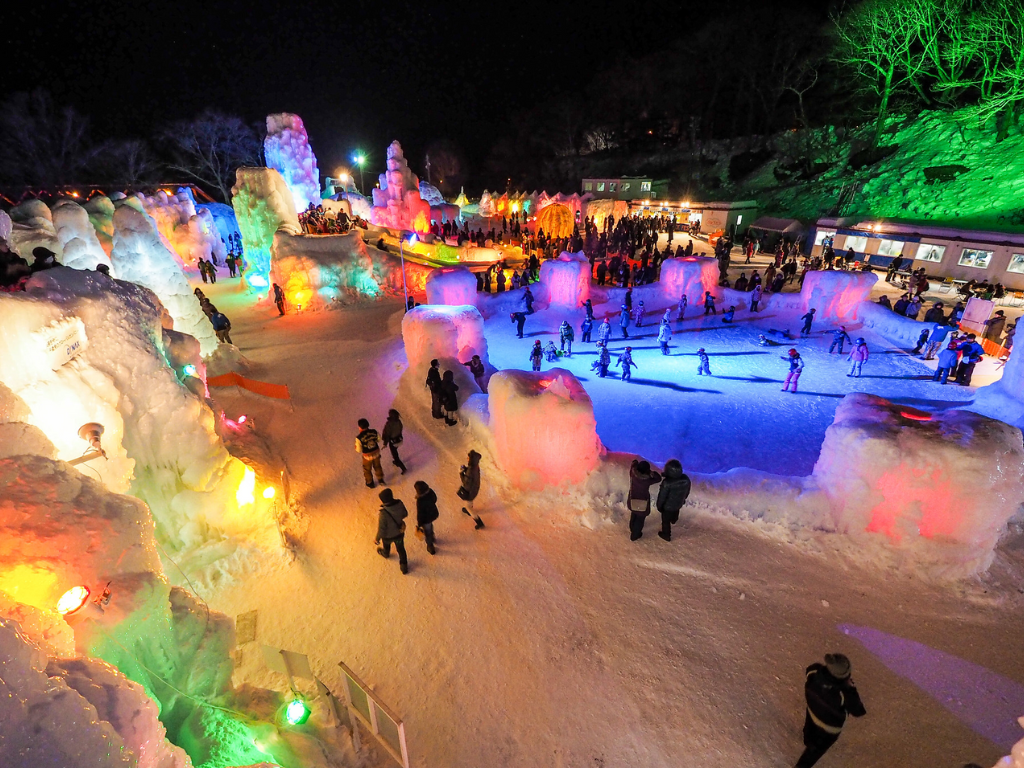
lake Shikotsu Ice Festival
Lake Shikotsu Ice Festival

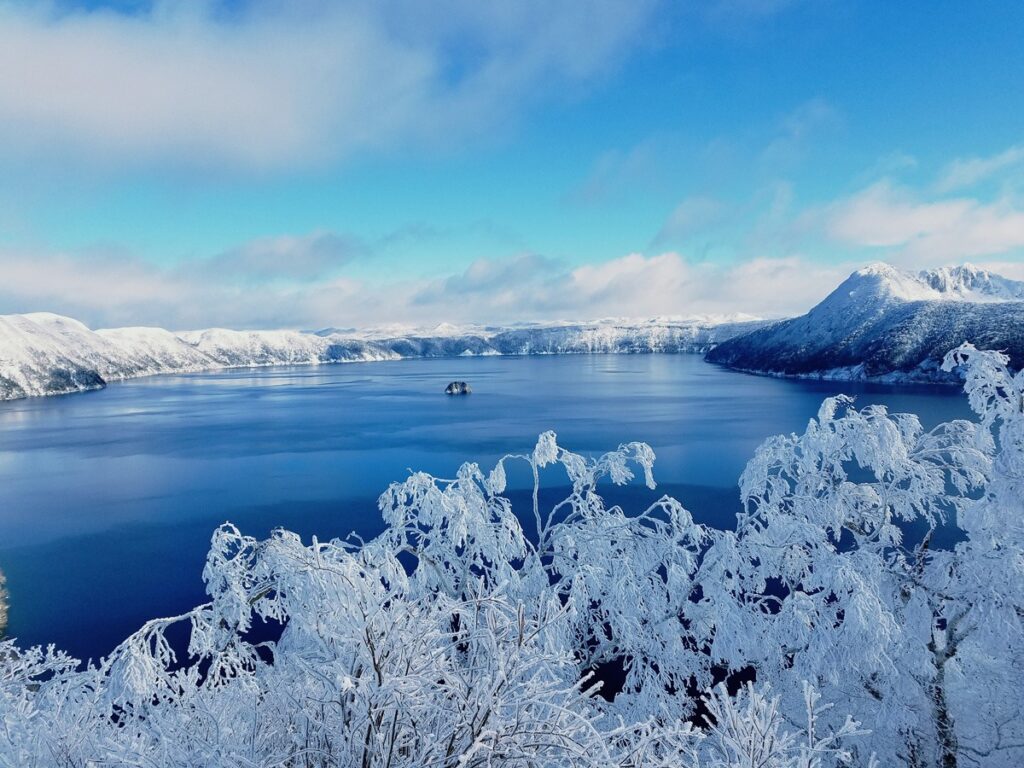
In winter, the lake — tucked inside Shikotsu-Toya National Park — is ringed by towering ice sculptures, formed by spraying and freezing its own waters. The annual Lake Shikotsu Ice Festival, usually held in February, features an ice slide, skating (in boots or skates), horse rides for children, and dips in traditional Japanese onsen (hot springs). 

Outdoor enthusiasts will find plenty to explore. Hokkaido offers an impressive network of hiking trails, from mountain loops to snowshoe-friendly paths. Shiretoko National Park, Akan-Mashu National Park, and Daisetsuzan National Park reward visitors with sweeping wildlife and wilderness views. In Sapporo, the Olympic Museum — a legacy of the 1972 Winter Games — invites guests to trek up the ski hill for panoramic city vistas. Curated itineraries from companies like Remote Lands combine skiing in the Japanese Alps, onsen tours in Noboribetsu, historic streets in Hakodate (one of Hokkaido’s oldest cities), stargazing under clear night skies, and more experiences that evoke a profound sense of peace.

For a stay that mirrors the snow globe effect, Lake Shikotsu Tsuruga Besso Ao no Za hotel pairs traditional Japanese hospitality with sweeping lake views. The hotel offers a kaiseki dining experience — multiple chef-driven courses showcasing locally sourced, artistically plated dishes — and a teppanyaki restaurant serving rice, vegetables, meat and abundant seafood. Hokkaido’s scallops and salmon are highlights, alongside crab and prawns. Don’t miss the wagyu beef, paired perfectly with local sake.

Japan has no shortage of postcard-perfect views, but few match the stillness of Hokkaido under a winter sky. And with the island just 90 minutes by flight from Tokyo, its wild beauty is closer than you think.
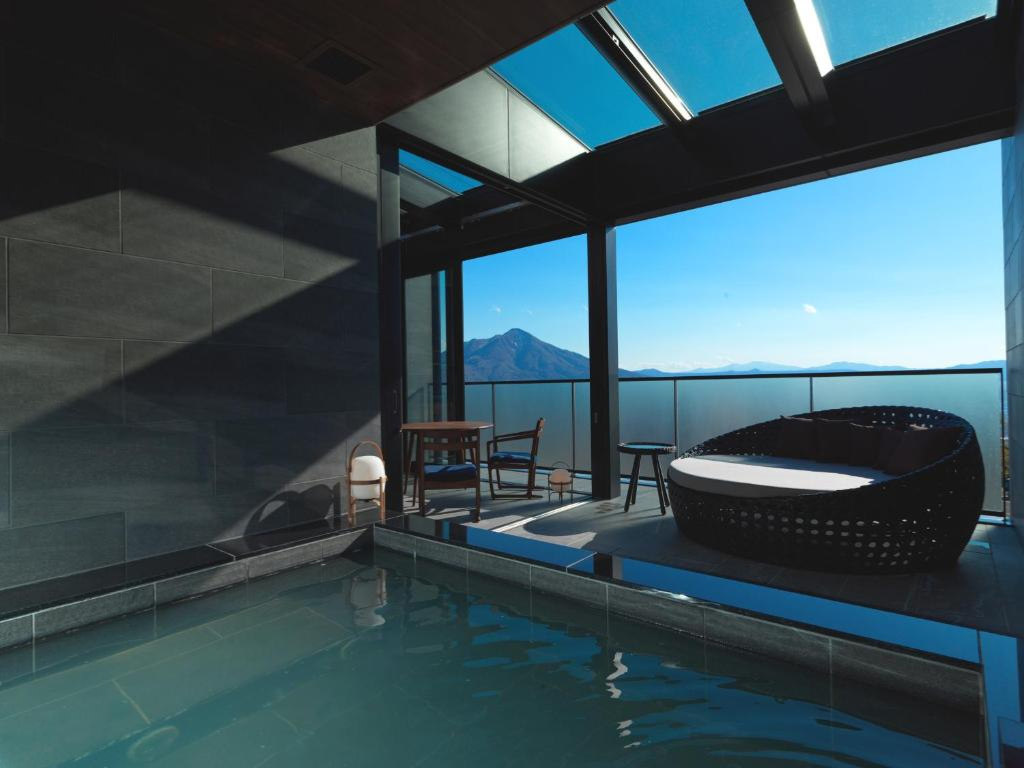
Lake Shikotsu Tsuruga Besso Ao no Za hotel

3 WAYS TO WARM UP IN HOKKAIDO

Soak in an onsen
Slip into restorative hot springs in Noboribetsu — famous for its varied, mineral-rich waters born from volcanic hell-valley — or in scenic Jōzankei nestled in Shikotsu-Toya National Park.

Tuck into a bowl of Sapporo miso ramen
Hokkaido’s signature miso ramen delivers rich, savoury broth with hearty toppings like butter, corn, chashu pork, bean sprouts — and sometimes local seafood — for the ultimate winter comfort.

Sip local sake
Hokkaido’s sake breweries craft crisp and pure pours using mountain spring water, from the Daisetsuzan range to local rivers.
Queenstown

Six Adrenaline Fixes in New Zealand’s Adventure Capital

On New Zealand’s South Island, Queenstown proudly calls itself the Adventure Capital of the World — and with good reason. This scenic lakeside town has a knack for coaxing even the most sensible travellers into trying things they’d never attempt anywhere else. From carving a jet boat through a narrow canyon to plunging headfirst off a bridge, here’s a taste of Queenstown’s adrenaline buffet.

Bungy Jumping

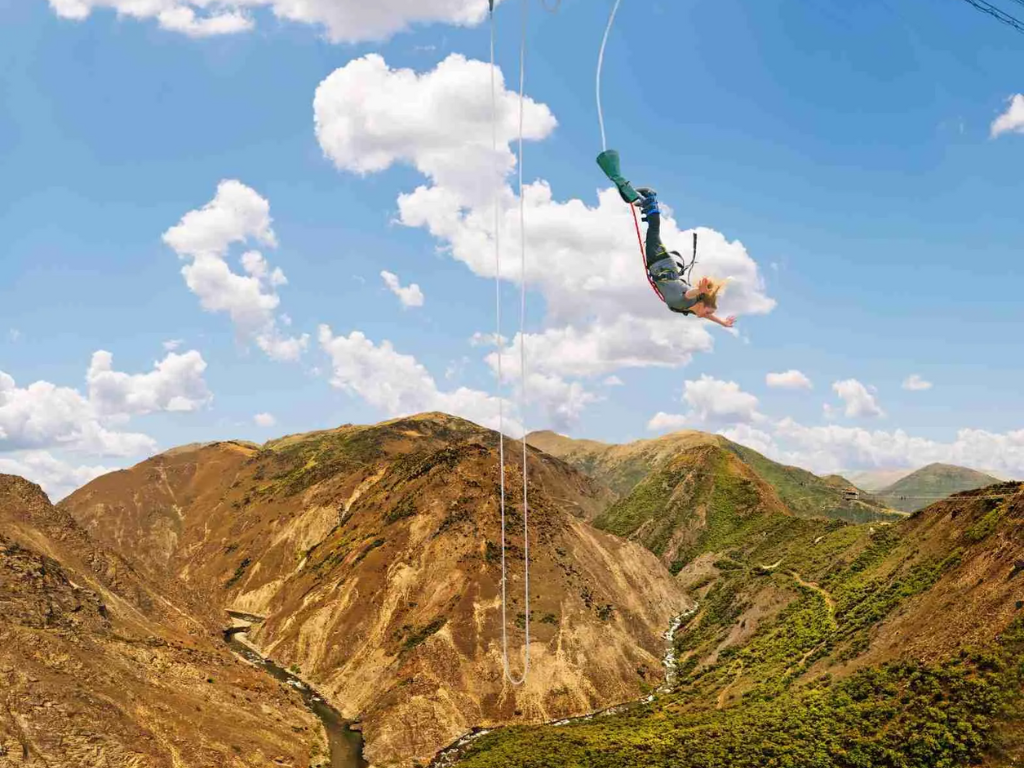
Inspired by the land divers of Vanuatu’s Pentecost Island, bungy jumping was invented in New Zealand, and Queenstown offered the world’s first commercial jump in 1988. Today, the 134-metre-high Nevis Bungy holds the record as the country’s highest jump, but the 43-metre-high Kawarau Bridge remains the most popular. For extra bragging rights, ask to dip your head into the river below.

Canyon Swinging

Home to the world’s first canyon swing, Queenstown invites you to leap off a cliff, freefall for 60 metres, and then swoop into a 200-metre arc at speeds up to 150 km/h. The Shotover Canyon Swing, just ten minutes from town, offers an à la carte menu of jump styles — from solo or tandem leaps to backwards, seated, or the nerve-shredding “cutaway.”

bungy jumping queensland
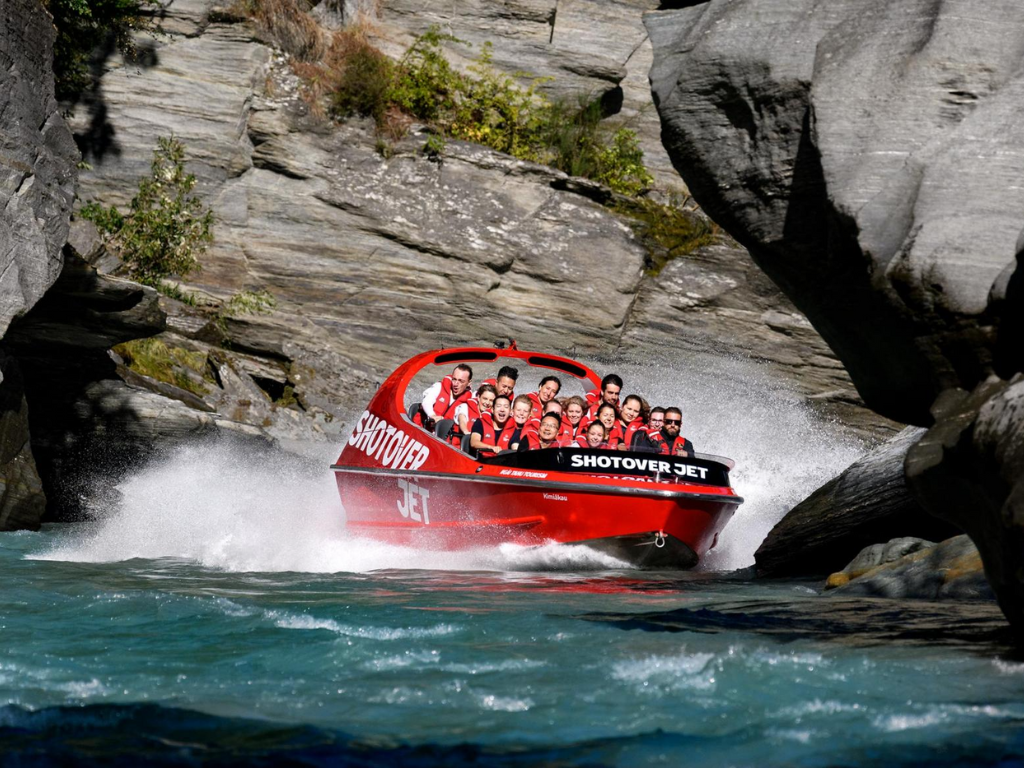
jet boating tours queensland nz

Jet Boating

The Shotover Jetboat is a Queenstown institution, inviting passengers to skim over as little as 10 cm of water at 85 km/h through the narrow Shotover Canyon. Invented by Kiwi Bill Hamilton to navigate the country’s shallow rivers, the jet boat’s speed and manoeuvrability are extraordinary. The signature Hamilton Turn — a full 360° spin — sends spray flying, which is why complimentary waterproof ponchos are more than a courtesy.

Paragliding

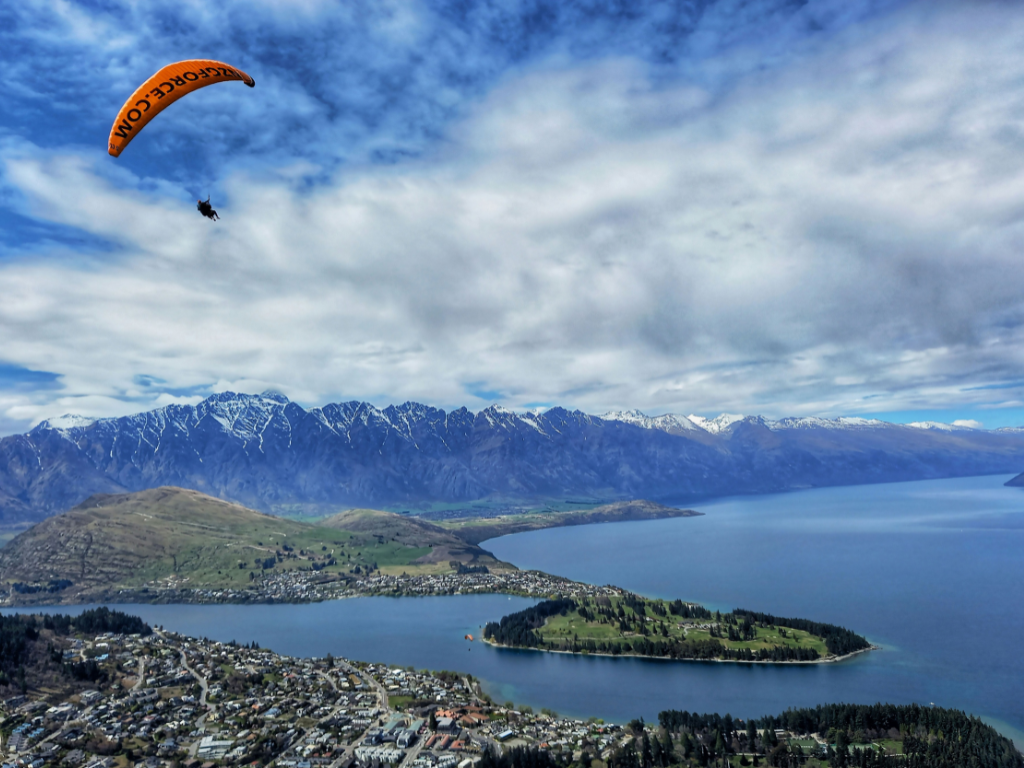
From a launch area atop the Skyline Gondola, it’s clear why Bob’s Peak is regarded as one of the world’s most spectacular places to go paragliding. Snow-frosted mountains, the glimmering Lake Wakatipu, and views of Queenstown provide a stunning backdrop to this gentle ride of a lifetime. Tandem pilots do all the work, warm thermal air keeps you afloat, and the soft landing below is surprisingly easy on the nerves.

Skydiving

Few thrills match the rush of freefalling at terminal velocity. NZone, one of the busiest and most experienced skydive operators in the world, is known for helping nervous first-timers embrace the plunge. With the Southern Alps framing the horizon, even the scenic flight up is a thrill. Then the door opens, your tandem instructor signals it’s time, and you’re out in the open sky.

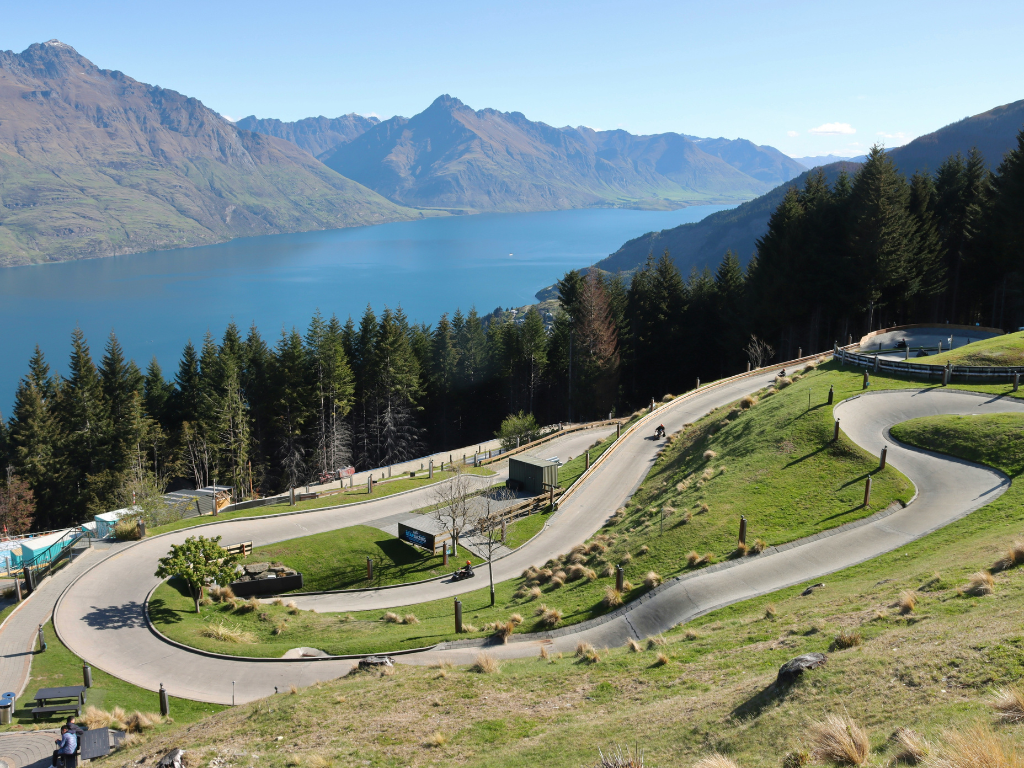
Skyline Luge Queensland NZ

Skyline Lugeing

Another New Zealand first, the luge is a three-wheeled cart with a low centre of gravity and simple steering and braking controls. Push back on the handles to slow down or let gravity take over and race the track as fast as your nerves allow. A modified ski lift whisks you and your luge back to the start. The course is accessed via the Skyline Gondola, which climbs 450 metres above Queenstown — the steepest cable car in the Southern Hemisphere.

Stay: The Algonquin Resort

A fresh look at an iconic hotel in St. Andrews by-the-Sea, New Brunswick.

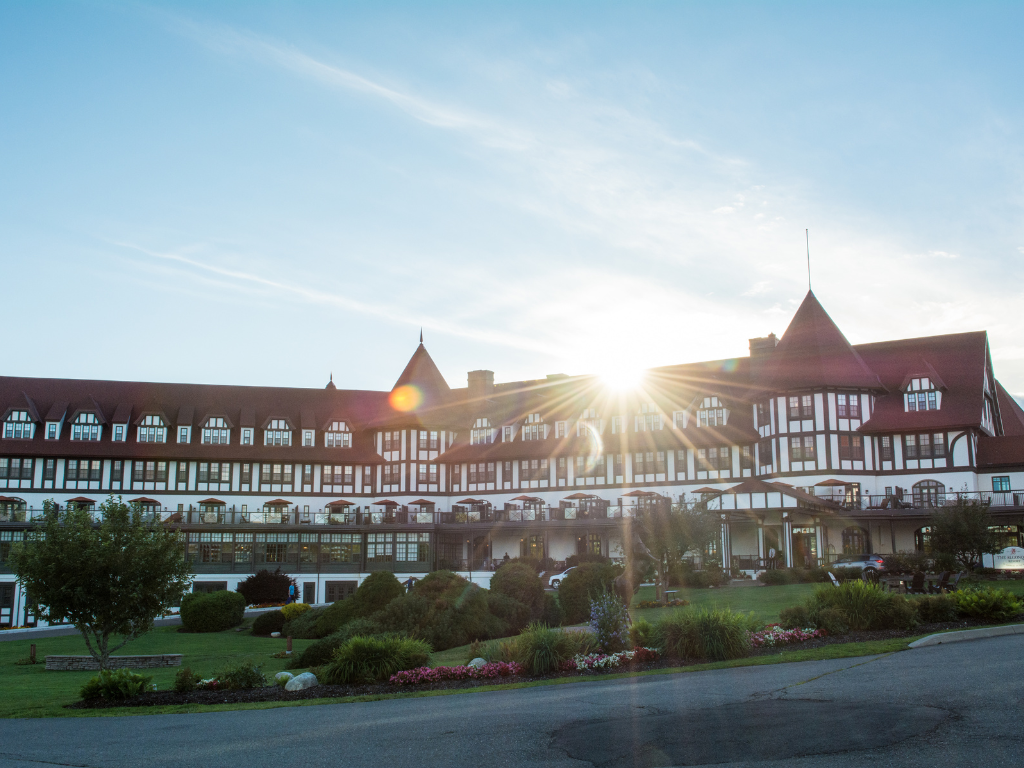
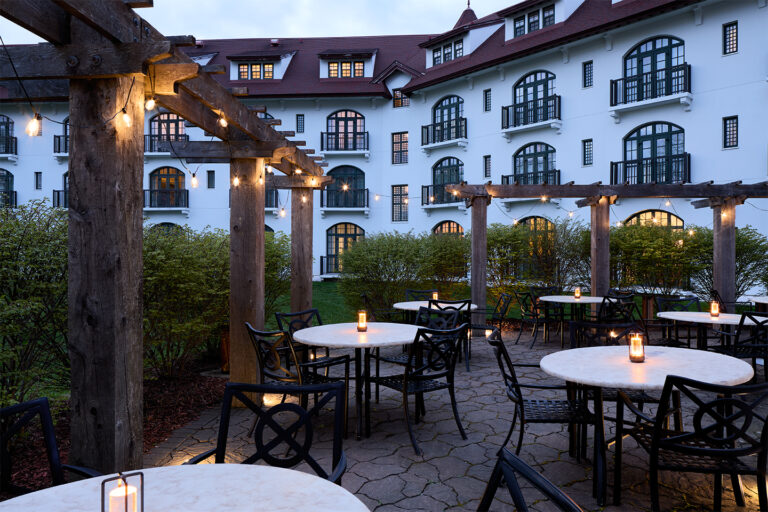
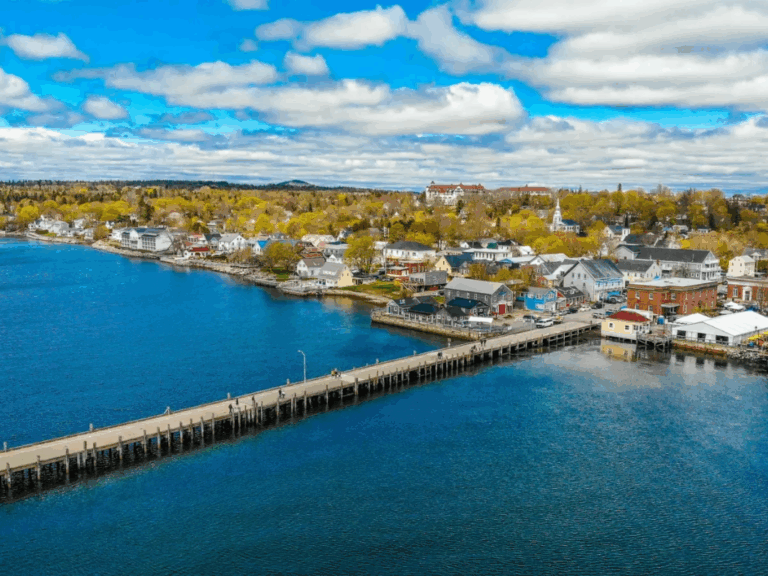
When The Algonquin first opened in 1889 on the shores of New Brunswick’s Passamaquoddy Bay, it was a grand hotel stop on the Canadian Pacific cross-country railway. The town of St. Andrews by-the-Sea, where the hotel sits on a hill, was a place people visited from Quebec and northeast United States to breathe in the restorative sea air and slow down from busy city life.

More than 130 years later, in some ways, not much has changed. An afternoon spent on the resort’s wraparound porch, watching piebald deer wander across manicured lawns, feels as blissfully unhurried today as it did in the 19th century. But in other ways, The Algonquin is entering a new era.

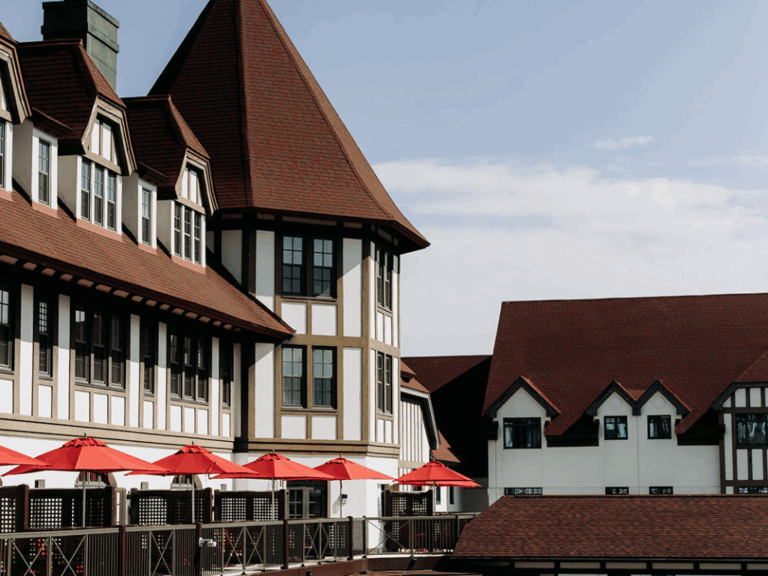
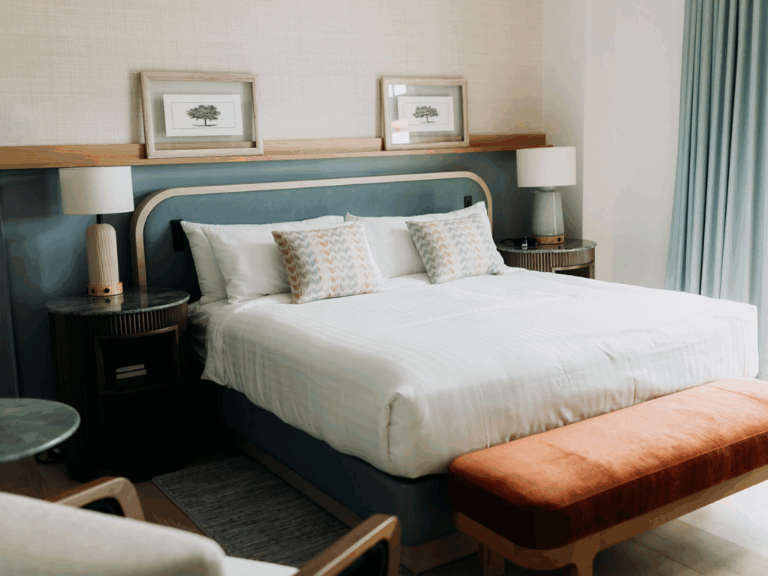
While the hotel’s exterior exudes its historic importance, inside, rooms have been given a modern makeover. With seafoam green and cadet blue decor and wide-panel wooden floors, it’s like stepping into a private maritime cottage; open the window and you’ll have the breeze off the bay drifting in. Grab a complimentary bike or e-scooter from just outside reception and explore town, around the harbour or through the trails in the spruce forest of Pagan Point Nature Preserve. Or schedule a late afternoon game at the hotel’s award-winning golf course, where holes offer incredible views of the water, and catch the sunset while you’re there. 

Come evening time, the hotel’s nightly ghost tours lead brave travellers underground through tunnels that connect different parts of the resort. Stories echo off the walls of a former night watchman whose jangling keys can still be heard, lights mysteriously dimming while staff are cleaning and dishes found on the floor of the dining room after tables were set the evening before. And while weather permits, the hotel lights bonfires and sets out blankets on Adirondack chairs, inviting guests to cozy up for a night of stargazing and making s’mores.

Next year, The Algonquin will unveil a two-storey Nordic spa, opening a new chapter in the story of this beloved seaside retreat. The past is rich, but the future looks especially inviting.

What to Do in St. Andrews by-the-Sea

Slip into a flotation suit then take a seat on one of Fundy Tide Runners’ zodiacs for whale watching. The season runs June to October, and while sightings aren’t 100% guaranteed, there’s a high chance you’ll spot a minke whale or two, plus porpoises and harbour seals. For retail therapy, head to Water Street to visit The Nautical Shop for coastal-chic homewares, art and accessories, and Marmalade for Canadian culinary treats, accessories and books. 

On the Menu

The Algonquin-Style Classic Gin Martini served at Braxton’s Restaurant and Bar uses gin from First Light, a local small-batch distiller that forages botanicals to capture the essence of the region in its bottles. Paired with the cocktail is a freshly shucked oyster accompanied by dry vermouth mignonette. 

It’s in the Details

Accent pieces in the hotel suites tell the stories of the Bay of Fundy’s fishing heritage. The warm glass globe table lamps were inspired by handblown glass fishing floats that help keep nets afloat. The standing lamps, designed by Canadian firm mackaywong, pay homage to the lighthouses that dot the province’s shorelines, with the base inspired by the breaching whale sculpture by artist Ryan Moyes found at Market Wharf.