Virtuoso reveals new luxury trends, from hot destinations to coolcations

Virtuoso has drawn upon its extensive network of travel advisors, preferred partners and high-net-worth/ultra-high-net-worth clientele to determine what’s new and next in luxury travel, while also revealing the data and insights that prove it.

Respected as the leading “Voice of Luxury” and industry trend forecaster, Virtuoso has based its findings on a data warehouse of (US) $80 billion in transactions and an ongoing series of surveys.

The results of the extensive research were shared at the 366h annual Virtuoso Travel Week, taking place Aug. 10-16, in Las Vegas at Bellagio Resort & Casino, ARIA Resort & Casino, The Cosmopolitan of Las Vegas and Vdara Hotel & Spa.

The key takeaway is that travel remains robust, even against a backdrop of global challenges. Year-to-date sales have surpassed those of 2023 for the same January-June timeframe by 14 per cent and skyrocketed 211 per cent over 2019, with future 2025-2026 sales already up 38 per cent over last year. The demand for travel advisors remains high, with a 76 percent increase in consumers seeking out travel advisors so far this year via the network’s site, virtuoso.com.

Adventures far and wide

While domestic travel dominates in fall 2024, travellers are venturing afar in record numbers, with Italy, France, Mexico, the United Kingdom, Spain, Saint Barthelemy, Portugal, Canada and Japan topping the list.

The largest growth areas year-over-year are Canada (+168 per cent), Japan (+160 per cent) and Saint Barthelemy (+155 per cent).

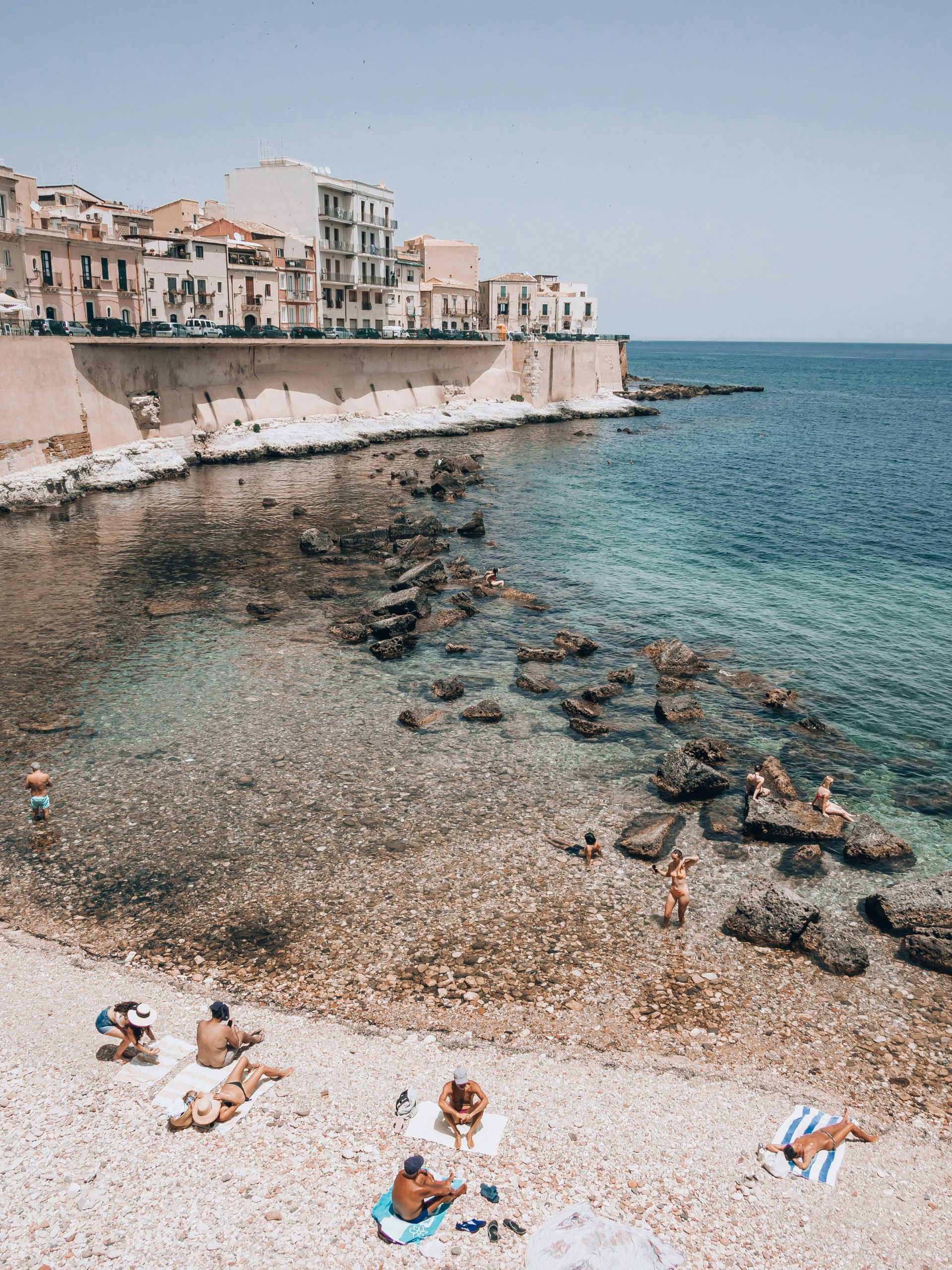
Major cities like Paris, London, New York, Rome and Tokyo are showing significant increases compared to 2023, while destinations such as Taormina (Sicily), Napa and Amsterdam are seeing rate declines, making this fall a great time to visit.

For the festive season, Mexico, Hawaii, Anguilla, Costa Rica and Saint Barthelemy are the most sought-after destinations, with Saint Lucia, the Dominican Republic and Grenada coming on strong with double- and triple-digit percentage increases.

Notably, Maui is up 66 percent for the holidays compared to last year. Fall and festive season bookings are expected to be strong, with fall bookings up 23 per cent and festive season bookings up 32 per cent compared to 2023. Additionally, Virtuoso’s preferred hotels are seeing rate increases of 46 per cent in the Caribbean and eight percent in Mexico.

Exclusive experiences remain hot

When it comes to the hottest travel trends, Virtuoso advisors have noted continued demand for exclusive-use experiences such as VIP transportation, luxury yachts and private residences, along with itineraries that incorporate next-level stimulation and engagement.

Requests for these exceptionally high-end experiences have increased for 89 per cent of Virtuoso advisors.

Leading trends in ultraluxe travel include expedition cruises, exotic destinations (such as Fiji, the Maldives and Thailand) and African safaris. Top motivations for ultraluxe travel are celebrations, passion-point experiences (like sports, arts, culture, concerts and festivals) and once-in-a-lifetime trips.

A focus on feelings

Of particular interest is a notable shift from focusing on a trip to-do list to an emphasis on how one feels during travel.

Virtuoso’s research has identified that travellers prioritize curiosity and exploration (77 per cent), joy and happiness (65 per cent) and awe and wonder of nature (57 percent) as the top emotional drivers for luxury travellers. The intangibles of a travel experience are more compelling than checking off bucket list items.

"Coolcations" heat up

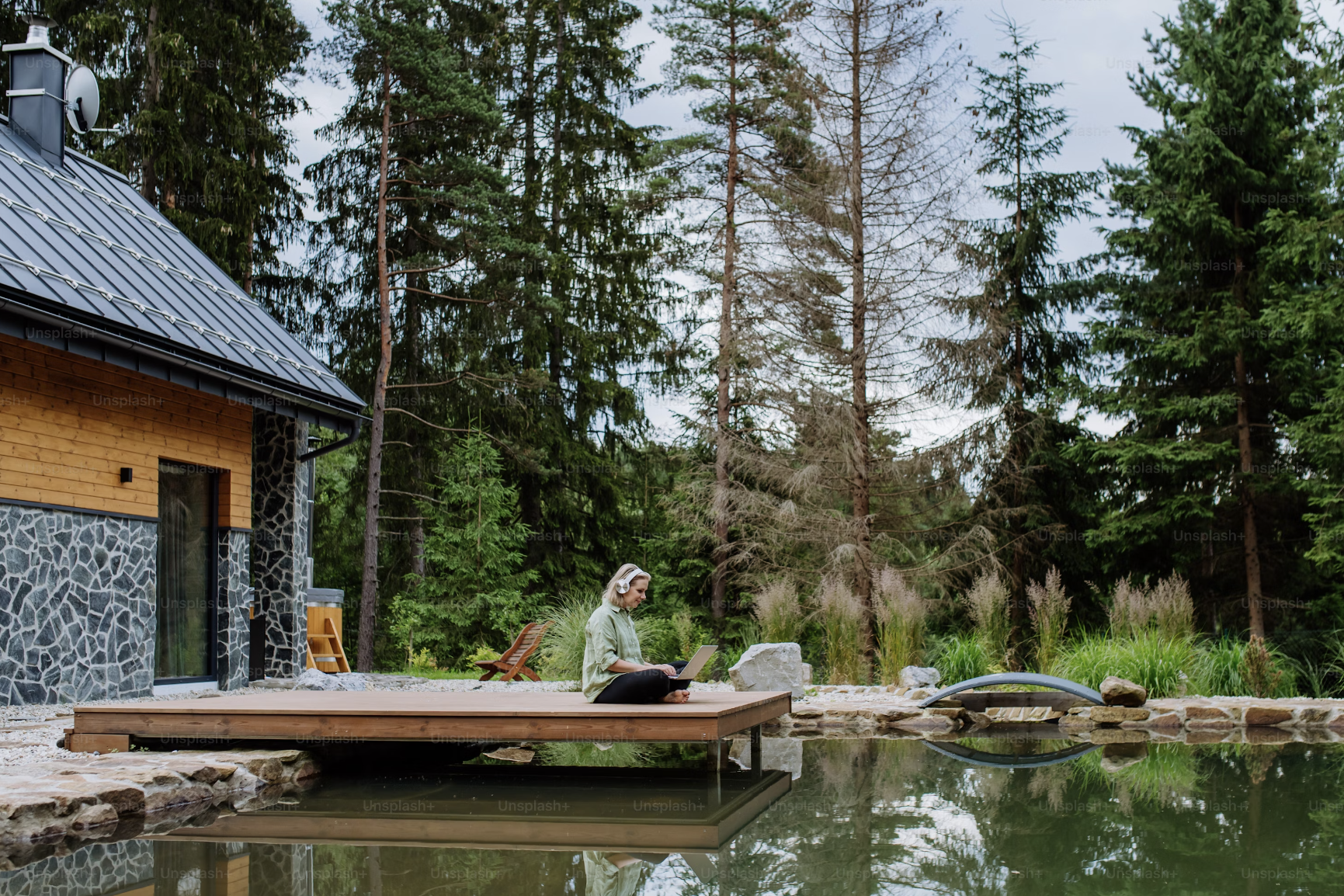
Other trends include a rise in travel to cooler climates, or “Coolcations,” to destinations in northern Europe and Canada, which are up 44 percent this summer, while visits to warmer spots, including Italy, Greece and France, have decreased by .5 per cent.

Wellness travel is also expected to be a major trend this year and into the next, with a focus on “Silver Bullet” wellness – a sub-trend coined by Globetrender in a forthcoming co-authored report with Virtuoso – highlighting hyper-specific, targeted “cures” tailored to individual wellness needs.

A survey revealed that 70 per cent of travellers are seeking relaxation and disconnection through wellness travel, while half are interested in hyper-personalized experiences and mental resets.

Other key trends

Solo female travel, dubbed as “Wander Women” by Virtuoso and Globetrender, has also seen significant growth, with women making up 71 percent of solo travellers.

Additionally, as Gen Z begins having children in 2025 (Beta babies), the industry for the first time will see seven generations traveling simultaneously. Legacy travel, or the act of bringing all these generations together to celebrate milestones or to seek nostalgia and reconnection (24 percent according to the 2024 Virtuoso Brand & Travel Tracker study) is becoming increasingly popular. And Virtuoso shared that when surveyed, 32 percent of Gen Zs were planning to travel with children over the next year, with 42 per cent of them planning to do so under the guidance of a travel advisor.

Travel to off-the-beaten-path destinations and at off-peak times is growing in popularity, aligning with the trend toward more responsible and sustainable travel as a response to overtourism.

Please access complete findings here.

Photo: Four Seasons Hotel The Westcliff Johannesburg 

New report highlights the changing face of luxury travel in Asia Pacific

As the Asia Pacific region continues to be the growth engine for luxury travel, a new comprehensive report from the Luxury Group by Marriott International has identified new expectations and travel preferences among high-net-worth (HNW) travellers in Asia Pacific.

Across the region, 68 per cent are planning to spend more on travel over the next 12 months – 89 per cent among Indians – with 74 per cent planning to travel within Asia Pacific and 88 per cent prioritizing gastronomy as the reason to travel. One in four of all holidays planned (25 per cent) are celebrations.

Three distinct new groups of luxury traveler have emerged – the ‘Venture Travelist’ who seeks business opportunities when traveling, ‘Experience Connoisseur’ Millennials who are traveling for enrichment and ‘Timeless Adventurer’, over 65s who are building their own itineraries and exploring places before they become popular.

Longer holidays on the rise

The research among HNW travelers in AustraliaSingaporeSouth KoreaJapanIndonesia and India reveals they are traveling frequently with longer holidays especially across the Asia Pacific region. An average of six leisure trips is planned within the next 12 months while 33% of respondents are planning at least seven holidays this year. On average, a short stay comprises three nights while a long stay is two-and-a-half weeks. For many, the kinship and connection within a group enhances the richness of the travel experience, with over 70% choosing to travel with family or friends.

Australia is the destination of choice (46 per cent, above Japan (42 per cent) and Hong Kong, China (27 per cent). Sixty-nine per cent of India’s HNW tourists are planning a trip to Australia and it is the top destination of choice for Indonesian, Japanese and Singaporean travellers.

Travel trends revealed

Increasing demand in India

The most active and engaged travel market, 89 per cent of Indian HNW say they are planning to spend more on travel.

Families and friends are touring together to mark key milestones, attend a private function or event, with 38 per cent planning a trip with friends and 33 per cent making theirs a celebratory trip.

A Fascination for Food

A whopping 88 per cent are picking their holiday destination based on discovering a new food or culinary experience. Acutely aware of dining trends, almost half of the respondents (49 per cent) describe a fine dining experience as an ideal night out.

Reinforcing this point, 83 per cent will choose a destination to visit an award-winning restaurant and 35 per cent agreed they would spend more on unique culinary experiences. When choosing a hotel, 81 per cent of HNW travellers make their selection based on fine dining options and 83 per cent choose a destination so they can visit a celebrated restaurant.


New traveller personas emerge

With more disposable income for holidays and a growing population of ageing travellers, the research has identified three new categories of affluent travellers. These include:

i) The ‘Venture Travelist’
The next-generation Bleisure tourist, the Venture Travelist prioritizes holiday destinations that will generate business opportunities. While they enjoy their vacation with their family and loved ones, they are always on the lookout to secure a deal. Entrepreneurs at heart, they explore a location, shopping for local products and antiques, and looking to forge business connections with members from the local community.

ii) The ‘Experience Connoisseur’
Predominantly millennials, Experience Connoisseurs plan their leisure travel as an opportunity for personal enrichment. They travel extensively and see the experience as an investment in their mental and physical wellbeing. They want to deeply explore a destination, they value personalization and actively seek exclusive one-of-a-kind experiences.

iii) The ‘Timeless Adventurer’
Debunking every stereotype of the over-65 ‘silver set travelers’, Timeless Adventurers are keen explorers who want to immerse themselves in a destination. They’re less interested in tourist attractions and more drawn to what gives the destination a sense of place, what makes it unique and memorable.

The full report is available to download.

Most Canadian families are spending $2,700 on their summer vacations

Allianz Global Assistance (Allianz), a leading Canadian travel insurance provider, released the results of its Summer Vacation Confidence Study, which gauges travellers’ sentiments, confidence and intentions regarding their summer vacation plans.

This year’s survey, conducted in partnership with Ipsos, reveals insightful trends and preferences as impacts like inflation and pandemic recovery continue to influence consumer mindsets and travel patterns.

Allianz’s Summer Vacation Confidence Study found that summer vacation confidence is on the rise with 61 per cent of Canadians planning to take a trip this summer. Summer travel intentions are highest among those aged 18-34 (72 per cent confident) and families with kids (73 per cent confident).

The study also revealed that the average vacationing family intends to spend $2,728 on a summer vacation this year – which equates to roughly $24.9 billion collectively.

Key study highlights

More of Allianz’s Summer Vacation Confidence Study results:

  • Almost all Canadians who intend to travel (89 per cent) plan to obtain travel insurance (Allianz Vacation Confidence Study, November 2023)
  • Families with kids plan on spending an average of $3,519 on summer vacations this year
  • Most Canadians are travelling this summer for a leisure vacation to rest and relax (65 per cent) or to visit family and friends (46 per cent)
  • One quarter of those who say summer vacations are important are not confident they will be taking a summer vacation
  • 47 per cent of Canadians planned to travel this past winter (Allianz Vacation Confidence Study, November 2023)

For more information, visit allianz-assistance.ca.

According to this survey, Canadians are spending large this summer

Sky-high costs and ongoing economic pressures aren’t dampening the mood this summer season.

According to the 2024 summer travel outlook: Canadian destinations in the spotlight, Canadians are eagerly making travel plans and are ready to get away and make up for missed travel time.

Overall, consumers plan to spend an average of $2,405 on transportation and lodging costs for their major summer trip, with three in four (74 per cent) planning to stay in the country and experience the very best it has to offer.

Canadian travel trends revealed

The report explores the travel trends of Canadians as they prepare for the summer travel season, and their impact on the tourism sector in Canada. Some of the key findings include:

  • Travellers from Central Canada (Ontario and Quebec) will spend more than those from the rest of the country ($2,459 on average).
  • Around three in four Canadians (74%) plan to stay in the country for their big summer vacation—and most plan to stay within their home region rather than make long treks.
  • The ‘shop small and local’ trend continues to shape tourism across Canada: Canadians want to support local, independent, and family-owned businesses (79%) rather than chains, multinationals, big box retailers, and large corporations (21%).
  • Prince Edward Island is expected to see the largest share of visitors from outside its region, with 78 per cent of its visitors coming from Central or Western/Northern Canada.

Canadians crave Indigenous (First Nations, Métis, and Inuit) travel experiences, such as cultural workshops and traditional lodgings. The report shows Indigenous-owned and -operated tourism is gaining traction, driving opportunities for Indigenous tourism businesses and communities.

Fifty-seven per cent of Canadians are likely to take part in those experiences in the future, Gen Zs (75%) and Millennials (68%) being the most eager to participate. Indigenous tourism organizations would benefit from partnering with national and provincial governments to raise further awareness and offer new experiences to travellers.

Gen Z spending the least on trips

While Gen Xs plan to spend the most on travel this year ($2,671), Gen Zs intend to spend the least ($2,100). The report also shows Gen Zs and Millennials are the biggest fans of sustainable and regenerative tourism, saying it’s important that their travel destinations and experiences demonstrate environmental sustainability in some form, such as low carbon footprints, renewable energy sources, and EV charging stations.

They are the most willing to participate in such travel experiences, and the most willing to pay for them.

“The demand for sustainable and regenerative travel is gaining momentum, but not all Canadians are willing to pay the price to help leave a place better than they found it,” adds Leslie Peterson. “Tourism businesses that can overcome greenwashing-related skepticism and explain the lasting value of sustainable travel by backing up claims with facts will foster trust in eco-friendly tourism offerings and position themselves at the leading edge of this burgeoning trend.”

Learn more about the 2024 Canadian Summer Travel Outlook here.

61% of Canadians crave meaningful travel experiences

If 2023 was the year for “revenge travel,” then 2024 is shaping up to be the year for intentional exploration.
 
A recent Flight Centre Travel Group (FCTG) survey conducted by YouGov reveals that 61 per cent of Canadians are planning to pack their bags within the next year—but this time with a purpose.
 
Canadians are trading impulsive getaways for mindful travel choices, seeking meaningful experiences that align with their values, aspirations—and tighter budgets. The same study reveals that 82% of respondents are opting to adapt their vacations in response to soaring costs rather than abandoning their travel plans altogether.
 

Survey highlights

Surveyed Canadians are adopting a strategic approach to their travel choices:

  • 86 per cent prioritize cost savings and exclusive deals
  • 74 per cent seek destination variety and uniqueness
  • 57 per cent value personalization and customization
    This mindset has resulted in a 35% uptick in tour bookings for 2023 over previous years, indicating the growing preference for value-centric travel experiences, with tours typically offering savings of up to 20% compared to independently booking the same itinerary.
  For more information, visit flightcentre.ca.

Stats say Canadians are ready to spend big on their next vacation

American Express Travel released its 2024 Global Travel Trends Report, highlighting the inspiration and trends driving global travel bookings this year.

The report reveals that Canadians rank as the second highest global market for anticipated average trip spend and are prioritizing spontaneous, bucket list, and once-in-a-lifetime vacations.

A summary of the Canadian findings from the American Express Travel 2024 Global Travel Trends Report are as follows:

  • Extended, bucket-list trips are on the rise: Canadians are looking to take longer trips compared to the global average, visiting multiple countries in a region or taking expedition/remote trips.
  • Canadians are willing to spend, unless a travel hack can help them save: Travellers are willing to foot the bill to get the most out of their trip but lean on travel hacks for cost savings and upgrades.
  • Spontaneity, solo travel and self-love drive travel desires: Canadians are leaving room for spontaneous exploration, exploring for self-fulfillment, and look to escape the chaos of daily life with solo trips.

What Canadian travellers want

One-in-three (33 per cent) Canadians planning on taking a trip in 2024 plan to travel for a major trip (e.g., bucket list trip, dream vacation) this year.

The most common types of trips Canadians consider to be a ‘dream vacation’ or major trip include multi-country tour within a region (66 per cent), expedition cruises (32 per cent), adventure travel (29 per cent), wellness retreats (23 per cent).

Among Canadians planning to take a trip to visit multiple countries in a region, 70 per cent plan on visiting Europe.

Canadians planning on taking a trip in 2024 are making the most of vacation time, with  one to two-week trips (45 per cent) and week-long trips (44 per cent) being most common, compared to week-long (47 per cent) and weekend trips (41 per cent) being most popular among global responses.


Canadians love savings

More than one third (36 per cent) of Canadians plan to spend more on travel compared to last year.

Globally, Canada ranks the second highest market for anticipated highest average spend for leisure trips at an average of $8,824 per trip.

Increased spend is balanced with a range of ‘travel hacks’ to save money on travel:

  • 44 per cent will travel during off-peak seasons.
  • 41 per cent will use credit card points to pay for flights/hotels.
  • 20 per cent will book through companies that offer complimentary hotel benefits (e.g. room upgrades, hotel credits)

Additionally, 85 per cent of Canadian adults agree that they are interested in finding flight deals so they can spend more on accommodations or upgrades.

The full American Express Travel 2024 Global Travel Trends Report can be downloaded here.

Almost half of young Canadians are taking “bizcations”

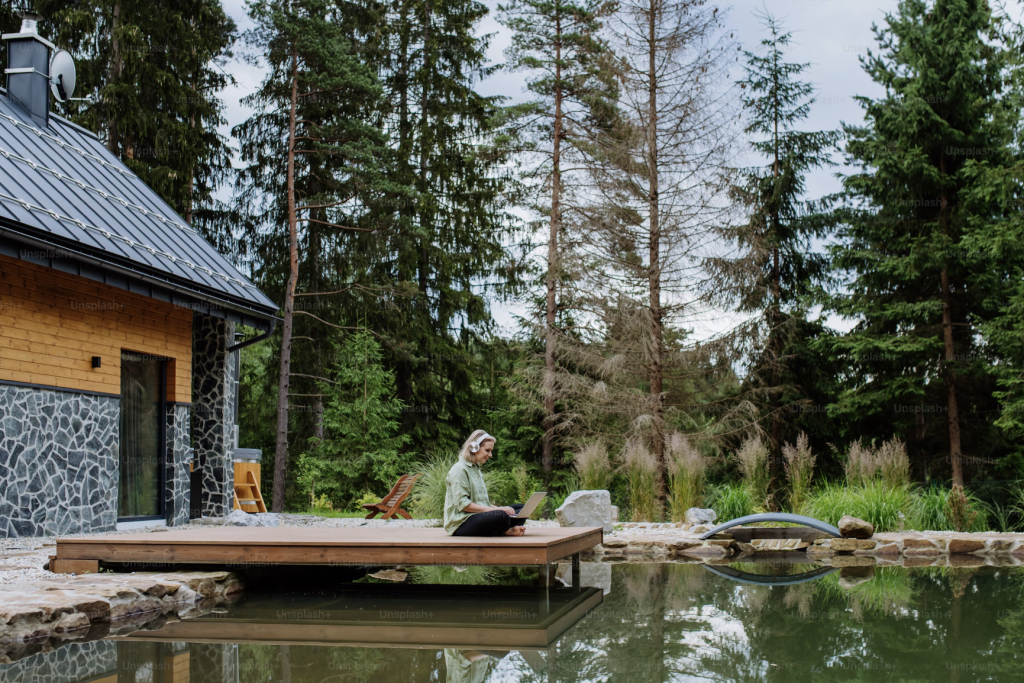
In its Vacation Confidence Study, Allianz Global Assistance reports that Canadian professionals aged 18-34, are leading the rise in the bizcation trend with a growing desire to blend remote work and vacations.

The study revealed that almost half (47 per cent) of young professionals plan to work remotely while travelling in 2024.

Bizcations are an emerging trend in the workplace, where employees can work and travel simultaneously without taking time off. It can also include tacking on a few days before or after a business trip.

The increasing prevalence of remote work options has empowered young professionals to work virtually anywhere. Allianz’s Vacation Confidence Study found that 17 per cent of Canadians aged 18-34 say that the stress and time of planning to take time off work is a considerable barrier to them planning a vacation this year. This demographic’s enthusiasm for bizcations represents a paradigm shift in how work and travel are integrated, opening up new opportunities to enjoy a healthier work-life balance.

Work life balance

The bizcation phenomenon has reshaped the way individuals approach work and travel. Allianz’s Study found that roughly a third of those taking a bizcation this year plan to be away for a considerable amount of time – about three weeks or longer.

Popular takeaways from Allianz’s Vacation Confidence Study include:

  • Many Canadians will tie-in a vacation with work responsibilities either by working remotely from a vacation destination (30%) or by adding vacation time to a business trip (24 per cent)
  • Canadians with children (43 per cent) are also likely to blend work and vacation in the same trip
  • There has been a shift in Canadians’ destination preferences – beyond Canada, Mexico/Caribbean (24 per cent) and the US (21 per cent) are the most popular vacation destinations this year


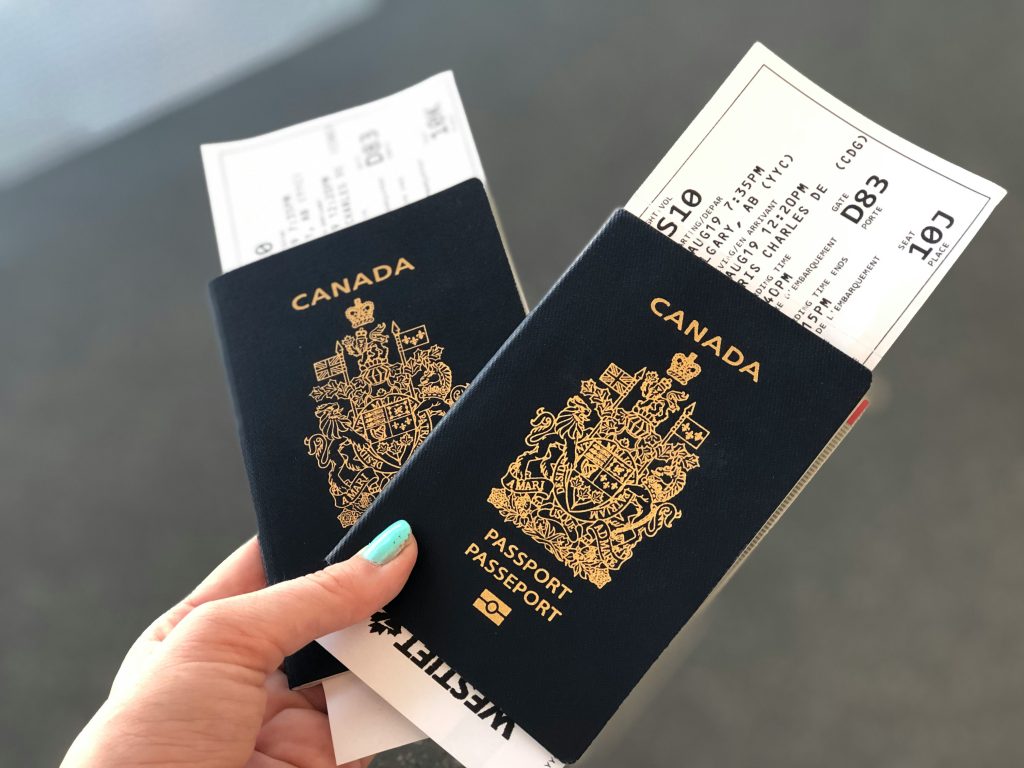
Here’s why getting a Canadian passport might take a little longer

In the winter months, Service Canada has traditionally experienced spikes in demand for passport services.

As Canadians plan for March break travel or other winter getaways, they may be experiencing longer queues for in-person service at passport offices.

“Passport offices are often busy at this time of the year as people consider warm and sunny getaways, which can sometimes lead to line-ups at passport offices. Service Canada offers several flexible options for people wanting to apply for their passport, including by mail, at a passport office, or a Service Canada Centre,” said minister of citizens’ services, Terry Beech. “We are making government services more convenient and accessible, which is what Canadians expect.”

How to get a Canadian passport

Canadians are reminded of the range of options available for passport service, in addition to passport offices, that can help them avoid lineups:

  • They can apply in-person at one of more than 300 Service Canada centres and scheduled outreach sites located throughout the country. The processing time is within 20 business days.
  • Applicants can also apply by mail, and it will be processed within 20 business days.
  • A select number of Service Canada centres offer service in 10 business days instead of 20 business days.
  • For passports needed in less than 10 business days, Canadians must visit a passport office that offers urgent or express pick-up services.

Canadians can also take advantage of the online Passport Application Status Checker, to find out where their application stands in real time. The status of the application submitted in person will be available after five business days, and 10 business days for those submitted by mail.

Quick facts about Canadian passports

  • The service standard for applications submitted at passport offices and Service Canada Centres offering 10-day passport service is 10 business days.
  • The service standard for applications submitted at regular Service Canada Centres, scheduled outreach sites and by mail is 20 business days.
  • The performance target for application processing is for at least 90% of complete applications to be processed within these service standards.
  • For 2023-2024, the total forecast volume is between 4.5 million and 4.7 million.
  • Passport program statistics are published online, and all data is updated monthly.

For all the details on passport offices, Service Canada centres, and scheduled outreach sites, including the estimated wait times at passport offices, visit the Find a Service Canada Office webpage.

Travel to Europe is almost at pre-pandemic levels

Towards the end of 2023, European tourism continued its robust recovery, nearing pre-pandemic levels despite inflationary pressures.

Across reporting destinations, foreign tourist arrivals stand at 1.6 per cent below 2019 figures, with nights 0.6 per cent below, showcasing a resilient travel demand across the continent – a trend which is expected to continue into 2024.

This is according to the latest edition of the ‘European Tourism Trends & Prospects’ quarterly report released today by the European Travel Commission (ETC), which looks at the region’s tourism performance and economic indicators over the last months of 2023.

Long-haul arrivals recovering nicely

The recovery is fuelled by strong intra-European travel, primarily from Germany, France, and the Netherlands. Long-haul arrivals are also bouncing back, but at a slower pace and showing significant variations between regions such as the Asia-Pacific and North America.

“The high travel demand seen in 2023 provided a significant boost to European economies and will help improve the balance sheets of tourism companies, which were hard hit by travel restrictions,” said Miguel Sanz, ETC’s president. “However, the return to pre-pandemic levels will also put pressure to accelerate the sustainable transition of the travel industry.”

Value for money in demand

European travel remained resilient in the last months of 2023, with two-thirds of destinations reporting either a full recovery or recording arrivals and/or overnights within 10 per cent of pre-pandemic levels.

Among these, Southern European destinations continue to be the frontrunners, boosted by favourable weather extending into the shoulder season.

Serbia saw the largest surge in arrivals (+15%), alongside Portugal (+11%), Montenegro (+10%), Türkiye (+9%), and Malta (+8%). They are also popular destinations for all-inclusive holidays and more affordable travel costs, which has been key to attracting price-conscious travellers.

Other countries also achieved a significant rebound compared to 2019: Iceland saw a 12 per cent increase in arrivals even amidst volcanic eruptions, while the Netherlands grew tourist nights by 16 per cent despite a smaller two per cent rise in arrivals, indicating longer stays.

In contrast, Eastern European destinations bordering Russia experienced a slower rebound, with countries like Lithuania (-32%), Latvia (-29%), Estonia (-27%), and Finland (-24%) lagging behind.

For the full report, click here.

Seeing the Northern Lights is dream trip for most travellers

Northern Lights tourism is on the rise, spurred by reports that the astronomical phenomenon will be extraordinarily visible in 2024.

According to a survey commissioned by Expedia, almost three-quarters of Canadians (71 per cent) aspire to see the Northern Lights in their lifetime but haven’t yet crossed the item off their bucket-list. Travelling to see the Aurora Borealis is more in-demand than going on an African Safari (44 per cent), exploring Japan during cherry blossom season (43 per cent), or visiting Machu Picchu in Peru (38 per cent).

Expedia searches are skyrocketing for winter trips to Northern Lights “capitals” like Lapland in FinlandChurchill, Manitoba, and Alta in Norway.

To help travellers plan, Expedia has released a Northern Lights Insider Guide packed with insights on trending destinations, booking hacks, photography tips and ideal itineraries.

Best places to see the Northern Lights

Here are the most popular places to chase the aurora borealis this year, based on Expedia traveller data:

Finland

For Canadian aurora hunters, Finland is an extremely popular destination with hotel searches increasing 197% in 2023 versus 2022. The Finnish Lapland region is most popular (+328%), home to popular Northern Lights locales Rovaniemi (+313%) and Levi (+128%), among others.

Canada

Top Canadian destinations for Northern Lights tourism included Churchill, Manitoba boasting a 173% increase in hotel searches in 2023 compared to 2022. WhitehorseYukon (+20%) and Yellowknife, Northwest Territories (+18%) also saw increases.

Norway

Norway’s Northern Lights season stretches from fall to spring, but statistically the best times to see the lights are in March/April and September/October. Top destinations included Kirkenes (+189%), Tromsø (+109%) and Alta,the second northern-most city in the world (+115%).

U.S.

America’s largest state, Alaska, saw an increase of 104% with Fairbanks being the most popular destination (128%). Visit in late August through mid-April for the best chance of spotting the Northern Lights.

When to travel in 2024

Based on average daily hotel rates (ADRs) in 2023, these are the anticipated most cost-effective destinations for Northern Lights trips in the coming year:

  • February: Faroe Island, with ADRs around $162, more than $100 cheaper per night compared to the most expensive month, September.
  • MarchAberdeen, Scotland (ADRs $114), nearly 15% cheaper than ADRs in September.
  • April: Tromsø, Norway, with ADRs around $201, a $107 difference compared to February.
  • SeptemberFinland (ADRs around $181), roughly $121 cheaper than December.
  • October: Lapland, Finland (ADRs around $141), less than half the cost of December, January, and February.
  • NovemberYellowknife, Canada (ADRs around $188), around 10% cheaper than January.
  • DecemberGreenland, ADRs at $148, less than half the cost during March.

More more information and insider tips on how to plan your Northern Lights escape, ncluding the best times to travel in 2024 and how to take epic photography, visit www.expedia.ca.