
Your Wildlife Travel Photos Can Support Biodiversity
Exodus Adventure Travels just announced a partnership with iNaturalist, expanding its global citizen science program.
In the early morning light of Botswana’s Okavango Delta, before the heat settles and the birds retreat into the reeds, a traveller raises their phone—not to frame the perfect safari shot, but to log a data point. A dragonfly hovers near the water’s edge. A photograph is taken, tagged, uploaded. Somewhere else in the world, a scientist will eventually see it. This is the new frontier of adventure travel: not just witnessing the wild, but contributing to its understanding.
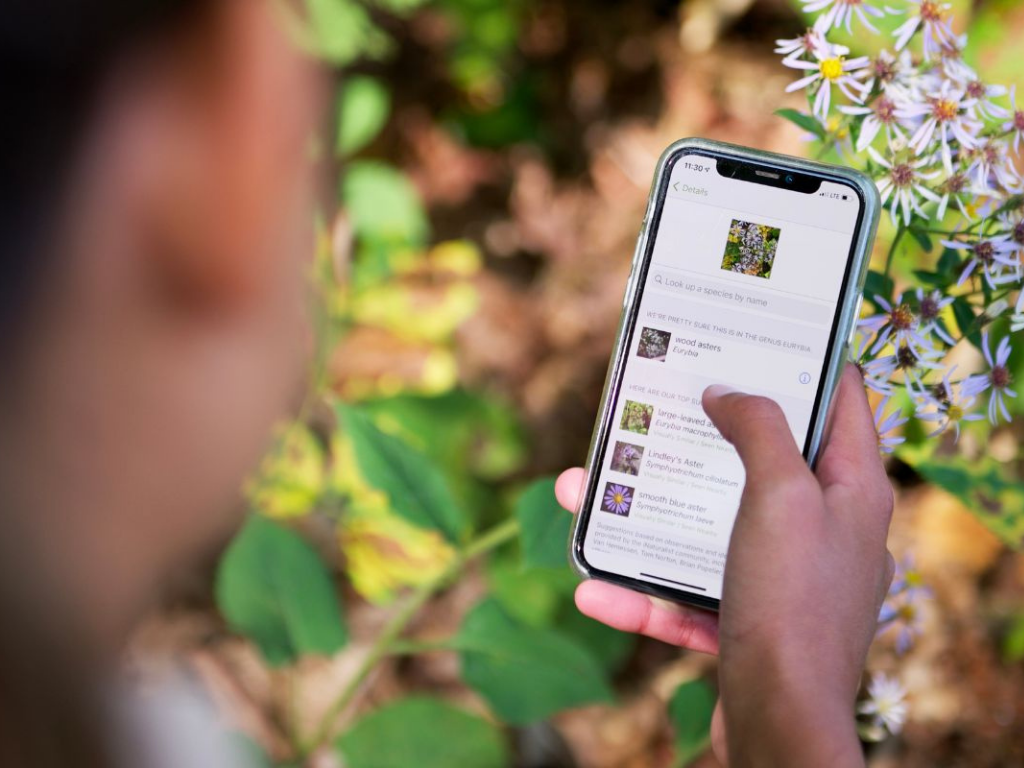
Exodus Adventure Travels just announced a new partnership with iNaturalist, becoming the first travel company globally to integrate one of the world’s largest citizen science platforms into guided adventures. The collaboration represents the newest phase of Exodus’ Citizen Science program, designed to engage travellers directly in biodiversity research while exploring some of the planet’s most wildlife-rich destinations.
As part of the partnership, travellers are encouraged to photograph and document plants, insects, fungi, and animals encountered on their journeys. These observations are then added to iNaturalist’s global biodiversity database, which is used by researchers, scientists, and conservationists worldwide to better understand ecosystems and identify how species and habitats can be protected.
The initiative prioritizes destinations where biodiversity data remains limited, often remote regions that are difficult for scientists to access regularly. By contributing wildlife observations from these locations, travellers help fill critical data gaps that can support conservation efforts on a global scale.
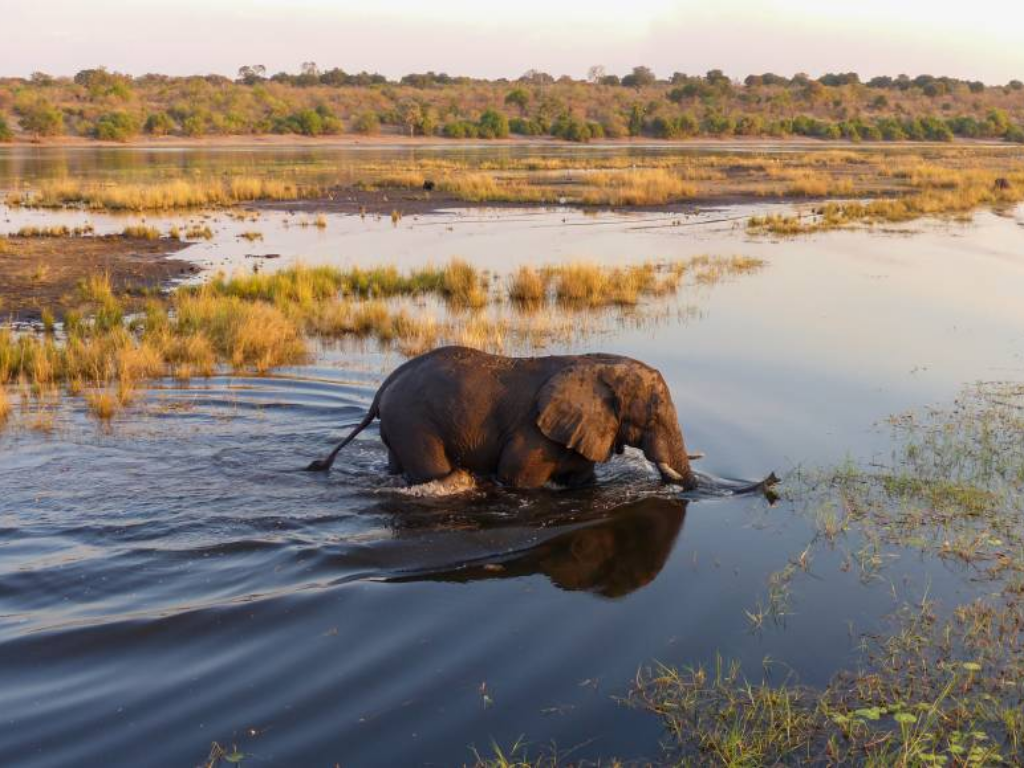
Wildlife tourism has traditionally focused on charismatic megafauna—the lions, elephants, and giraffes that dominate brochures and bucket lists. But biodiversity science depends just as much on documenting the overlooked: insects, fungi, plants, and lesser-known species that quietly sustain ecosystems. Some of the species travellers may help document include globally threatened plants and wildlife, rare dragonflies, elusive mammals, delicate fungi, and lesser-recorded insects. These organisms often lack sufficient data to support their protection.
“Through our new partnership with Exodus, we’re excited to help more people notice and document nature, especially in places where more observations can make a real difference for science and conservation,” says Scott Loarie, Executive Director of iNaturalist.
For travellers, participation is designed to be seamless and optional. The experience remains rooted in immersive exploration, expert guidance, and responsible wildlife encounters. The addition of citizen science simply reframes how travellers engage with what they see, encouraging closer observation and a deeper connection to place.
In this evolving model of adventure travel, a photograph is no longer just a souvenir. It becomes a small but meaningful contribution to understanding and protecting the natural world.