Stay: The Pearle Hotel & Spa

By Rafeena Baksh

A Restorative Stay by the Lake in Burlington, Ontario.

Staycations have become increasingly popular, especially for women trying to balance work and home life. While some involve a short drive for a change of scenery, mine lately have been spent at home — reorganizing kitchen cupboards, folding laundry, and tackling a running list of chores. The result? A Marie Kondo–level tidy home that somehow leaves me more exhausted than before.

In a world where caring for others has become second nature, I’ve realized how easy it is to forget what it feels like to be cared for — or to truly care for myself. So, I decided to ditch the guilt of leaving that overstuffed utensil drawer unorganized and treat myself to a weekend at The Pearle Hotel & Spa. As I drove down Elizabeth Street, glimpses of Lake Ontario’s calm waters set the tone for a tranquil escape. The hotel’s white stucco exterior gleamed in the sunlight, standing out against the deep blue of the lake.

At the front entrance, the valet attendants greeted me with a smile, unloaded my bags, and whisked them away — no juggling luggage through check-in or circling for parking. It was a small but meaningful touch that immediately signalled the start of something different.

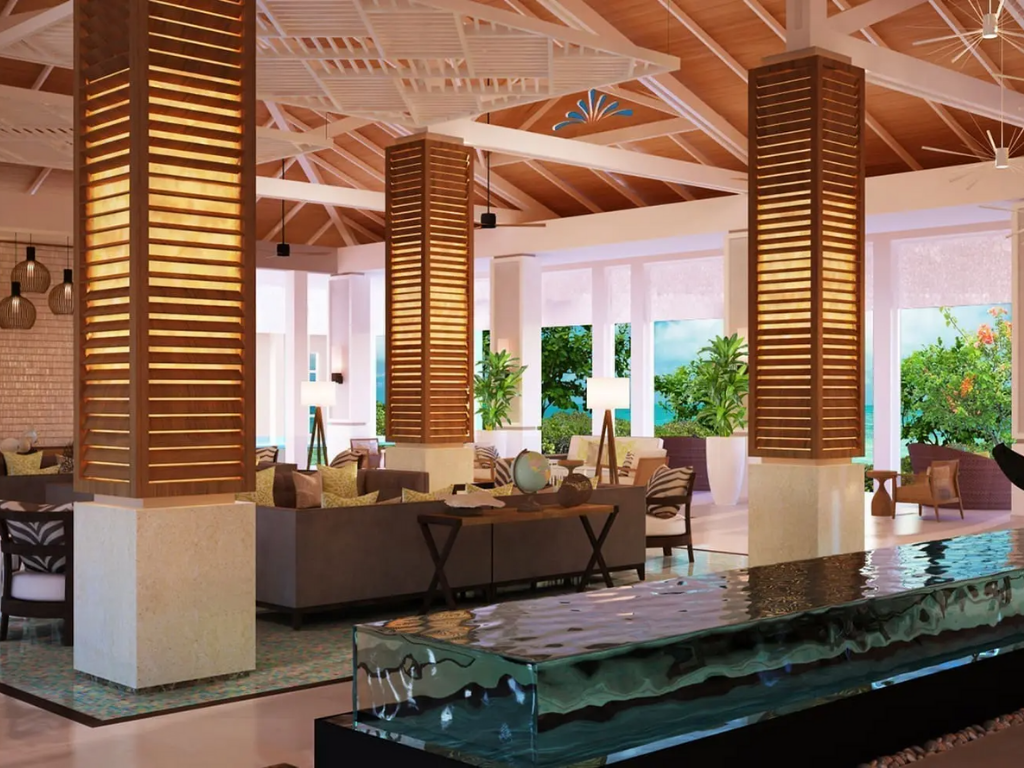
Inside, the lobby welcomed me with soft light and a calming scent. Curious, I asked about the fragrance during check-in, and the concierge slid a small square of paper across the counter with a knowing smile: White Tea and Thyme by ScentAir. The aroma was so soothing that I almost missed the architectural showstopper — a spiral staircase that seemed to rise in gentle concentric circles, leaving me feeling perfectly grounded at its centre.

In the corridors, a display dedicated to the hotel’s namesake, Pearle, caught my attention: vintage photographs, a white-stained writing desk, a typewriter, and blue floral wallpaper. The vignette felt like a love letter to balance — a reminder that work and rest can coexist, and that taking time for yourself isn’t indulgent, it’s necessary.

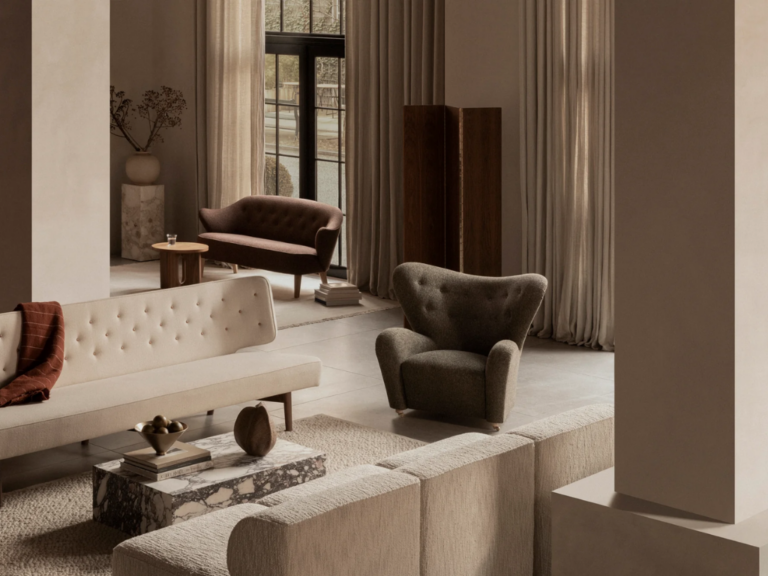
Stepping into my room, I immediately felt the tension of daily life start to fade. The design was serene and modern, with natural white oak and cedar panelling, soft blue hues that mirrored the lake, and a spacious bathroom stocked with green tea, rosemary, and bergamot–scented toiletries. I threw open the curtains and watched a sailboat drift by, the sunlight glinting off the water. It was hard to believe that this calm oasis was less than an hour’s drive from home in Toronto.

Later that afternoon, I picked up a latte and almond croissant from Pearle’s Café, where a softly lit sign on the wall read, Have you eaten today? It struck me — that’s something I ask my family all the time, but rarely hear directed at me. With coffee in hand, I wandered the lakefront path, trading the sound of traffic for the hush of lapping waves. For those who find calm through movement, the hotel’s 24-hour gym is stocked with cardio and weight equipment, ready to fit any routine.

When I returned to my room, I found a handwritten note and a chocolate dessert waiting on the desk. The note, written on a Pearle postcard, was such a thoughtful gesture that it made me smile — and reminded me that I could send that same kind of care to someone else.

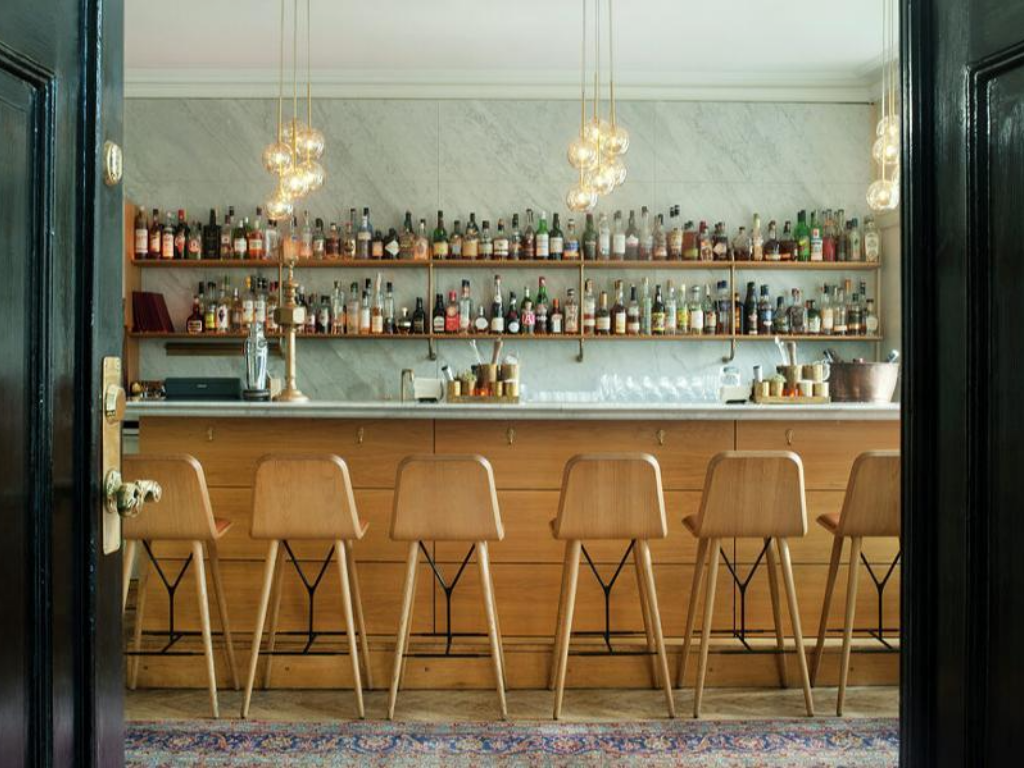
Dinner at Isabelle restaurant was a highlight. I arrived early for a cocktail and settled in as the room filled with laughter and conversation. The floor-to-ceiling windows offered an unobstructed lake view, and as the sun began to set, the whole restaurant seemed to glow. Every dish was fresh and beautifully plated, but the chocolate cake at the end stole the show — a generous slice I told myself I’d save for later (I didn’t).

After a long shower, I wrapped myself in the plush robe, poured a nightcap, and sank into bed for one of the best sleeps I’ve had in months. The next morning, instead of rushing into my usual routine, I ordered breakfast to the room and sat by the window as the morning sun filtered through the curtains. The teas arrived in individual silver pots, turning an ordinary breakfast into something that felt like high tea.

Check-out was effortless, and as I pulled away from the property, I caught a glimpse of the lake in the rearview mirror, the sunlight bouncing off its surface. Then I adjusted the mirror and caught a glimpse of myself — rested, restored, and ready to return home.

Now, when the scent of white tea and thyme lingers in my hallway, it brings me right back to The Pearle’s calm embrace. Luckily, Burlington is less than an hour away — and I’m already planning my return.

Fusion Resorts Debuts Wellness Retreats Across Vietnam

Fusion Resorts has announced a trio of immersive retreats launching this fall at select Vietnam resorts. Designed to blend traditional healing practices with contemporary comforts, the properties aim to transform ordinary getaways into restorative journeys.

At Fusion Resort & Villas Da Nang, opening Dec. 31, 2025, the spotlight falls on the “Healing Retreat,” a four-day program led by newly appointed wellness master Sanjay Rawat. Drawing on more than a decade of experience in yoga, pranayama, meditation and Ayurveda, Rawat introduces travellers to a holistic reset. Guests move from chakra balancing and re-energizing meditation to sound baths and daily yoga, punctuated by plant-based cuisine that nourishes body and spirit.

Alba Wellness Valley by Fusion

Further south, the Alba Wellness Valley by Fusion near Hue builds its practice around the soothing Phong Mai hot springs. The five-day “Pancharakarma Retreat,” available Sept. 7 to 13, 2025, draws from Ayurveda’s ancient detoxifying therapies, combining yoga, meditation and personalized consultations. Treatments such as synchronized full-body massages, Shirodhara warm-oil therapy and Swedana herbal steam are designed to reduce stress, restore inner balance and improve sleep quality.

Rounding out the collection, Maia Resort Quy Nhon will launch the “Full Moon Retreat” on Oct. 31, 2025. Set against the lunar glow of Vietnam’s central coast, the program blends meditation, mindful painting and chakra healing with kayak excursions and sunset yoga. Guests will also sample local cuisine, including nourishing plant-based meals, before winding down at the resort’s beachfront signature restaurant Vị Quê.

Fusion, which operates more than 25 properties across Vietnam and Thailand, is renowned for introducing wellness programming at every level of the guest experience. These new retreats underscore a commitment to helping travellers rediscover balance — whether that means floating in a thermal pool, finding focus through breathwork or simply soaking up the idyllic natural landscapes.

Intrepid’s 2026 Not Hot List Reveals 10 Under-the-Radar Destinations

In a world where 80 per cent of travellers visit just 10 per cent of destinations, Intrepid Travel is steering adventurers elsewhere. The company’s 2026 Not Hot List, developed with trend forecasters Globetrender, spotlights 10 places often overlooked but poised to welcome visitors—from Central Asia’s vast mountain ranges to North America’s least-visited national park.

Among the highlights is Tiwai Island in Sierra Leone, newly inscribed as a UNESCO World Heritage site in 2025. Here, travellers can overnight in rainforest lodges and embark on river cruises while supporting local communities that reinvest tourism revenues into conservation and development.

In Kyrgyzstan’s Tien Shan Mountains, the Kyrgyz Nomad Trail—a grassroots trekking network expanded to 2,000 km—opens up alpine valleys and glacial lakes. Trekkers stay in yurts and share meals with nomadic families, offering a rare glimpse into a way of life largely unchanged for generations.

Closer to home, Great Basin National Park in Nevada remains one of the United States’ quietest parks, drawing just over 150,000 visitors in 2024. With expanded campgrounds and new programming planned, a visit here is both a retreat into solitude and a statement of support for preserving fragile landscapes.

Other destinations on the list include:

  • Sierra Norte, Mexico, where Zapotec villages operate under a pioneering community-led tourism model.

  • Vis Island, Croatia, an antidote to overtourism with no airports or cruise stops.

  • Southeastern Anatolia (pictured in feature image), Türkiye, home to UNESCO sites and renowned culinary traditions.

  • Arunachal Pradesh, India, celebrating its first Sunrise Festival in 2026.

  • Via Transilvanica, Romania, a 1,400 km trail dubbed the “Camino of the East.”

  • Ruta de las Flores, El Salvador, a highland route famed for coffee and culture.

  • Oulu, Finland, the European Capital of Culture 2026, merging Arctic gastronomy with bold climate programming.

“While some places receive millions of visitors each year, many others go virtually unnoticed,” said Erica Kritikides, Intrepid’s General Manager of Experiences. “Our Not Hot List reflects an approach to tourism we’ve long championed: better tourism, not less tourism.”

For the curious and conscientious, the 2026 Not Hot List is an invitation to take the road less travelled—and to leave a positive impact along the way.

Louise Penny’s Guide to Quebec’s Eastern Townships

Where the bestselling mystery author finds inspiration, connection, and really good cheese.

Louise Penny (photo by Ben McAuley)

When we caught up with Louise Penny, she had just returned from London, England — not to promote a book or attend a literary gala, but to retreat. “Oddly enough, I go to London to be quiet,” she says with a laugh. “This little village can be quite hectic.”

The village she’s referring to is Knowlton, Quebec, where she resides for most of the year. It’s also the real-life setting that inspired Three Pines, the fictional home of Chief Inspector Armand Gamache in her bestselling mystery novel series.

From lakeside trails and butter tarts to monastic cheeses and her own newly opened Three Pines Café, here are the spots she recommends to friends and family visiting the Eastern Townships.

Buzz Café, Knowlton

“First, you have to sleep in,” Penny says with a smile, when asked where she takes visiting friends. “Then we go to Buzz, which has fabulous coffee.”

This cozy Knowlton café is where she starts most mornings — especially when their homemade butter tarts are on offer. Penny praises the café’s owners for their support in helping her launch her own nearby spot, Three Pines Café. “The guys at Buzz were so helpful in getting the café up. They acted really as the midwives to the café, which was incredibly generous of someone who could consider the new café to be a competitor — but we’re not.”

Three Pines Café & Brome Lake Books, Knowlton

In 2024, Penny opened Three Pines Café, located beneath Knowlton’s independent bookstore, Bromelake Books. “The entire building came up for sale, and I was afraid that someone who bought it might want to convert it into apartments or something else and get rid of Brome Lake Books, which I couldn’t allow to happen.”

She set to work turning the lower floor into a café that reflects the fictional bistro from her novels, complete with fieldstone fireplaces, cushy armchairs, and a welcoming, homey feel. “I want people to bring your laptops, sit at one of the tables, and work all day if you want to — just make yourself at home,” she says.

The café is open to the public six days a week, but Mondays are reserved for a cause close to Penny’s heart. “It’s reserved for a local dementia support group. They do activities, have lunch, and spend time in a setting that feels like home. Or a club. Not something institutional.”

Manoir Hovey, North Hatley

“This hotel is one of my favourite spots in the region,” Penny says of the lakefront Relais & Châteaux property. “My husband and I were married here — well, our ceremony was at the little church overlooking North Hatley, and then our reception was at Manoir Hovey.”

She returns regularly for lunch on the terrace or a massage at the spa. “I always book the same thing: just a good 90-minute massage,” she says. “I love going to spas. I really think I’d like to die on a spa massage table,” she jokes. “What better way to go?”

Built in 1900 as a private summer home inspired by George Washington’s Mount Vernon estate, the manor is now one of Canada’s most charming boutique hotels — known for its top-rated restaurant, Le Hatley, a tranquil lakeside spa and pristine outdoor pool.

North Hatley General Store

Penny insists that this century-old store is worth a stop. “It inspired the general store in my books,” she says. “You can find everything there. Where else can you buy steaks and fresh produce, but also a hammer, rain boots — and even a coffin? You can buy a coffin there!”

From local maple syrup to hand tools and hardware, the shop remains a reliable (and delightfully quirky) community fixture. Stepping inside is like walking into a bygone era, so it’s no surprise it sparked a fictional counterpart in Three Pines.

La Rumeur Affamée

La Rumeur Affamée, Sutton

This beloved épicerie and bakery in Sutton is a go-to for Penny. “There are pastries and breads of all kinds, sandwiches. It’s good for breakfast,” she says of the neighbourhood fixture, housed in a historic brick building. “This one inspired the bakery in my books. I really mined the entire area for inspiration.”

Head to La Rumeur Affamée for buttery croissants, crusty sourdough, and shelves stocked with Quebec cheeses and artisanal jams — perfect for assembling a picnic or cozy breakfast spread.

Coldbrook Path

Back home in Knowlton, Penny often walks her two golden retrievers, Muggins and Charlie, along the lake. “As the leaves turn, it’s just the most spectacular place to be.”

She’s referring to the Coldbrook Path, a scenic trail that winds past creeks, bridges, and wooded stretches before hugging the edge of Brome Lake. The 3.3-kilometre route is flat and peaceful, with benches and lookout points along the way. A longer network of trails connects to Foster and the Quilliams-Durrell Nature Reserve, offering even more quiet corners to explore year-round by foot, bike, snowshoe or ski.

The Best Places to See North America’s Spectacular Fall Foliage

Come mid-September, Canadians everywhere recognize the telltale signs of the autumn season. Cooler nights call for cosy knits, a dockside Caesar gets swapped for a glass of Cabernet Sauvignon, and in bustling cities and quiet towns alike, tree leaves begin to change colour, and eventually fall. 

An abundance of external influences like warmer or cooler temperatures make “peak” autumn colour viewing times nearly impossible to predict, but generally, shades of deep burgundy, fiery orange, golden yellow and scarlet red spread across North America’s foliage from mid-September to late October, though sometimes, the changing of the leaves can start as early as September, and end as late as November, depending on location. 

The thousands of trees that dot the slopes of Tennessee’s Great Smoky Mountains are responsible for the lingering, mysterious, foggy effect, and starting mid-September, brilliant shades of gold on the yellow birch are visible below the haze. Running along the Tennessee and North Carolina border, here, elevation greatly affects the speed of the foliage turnover, with the highest points of elevation changing first. By mid-October, bright red leaves take over the sugar maples, red maples, and scarlet oaks. Part of the Appalachian Mountain chain and spanning more than 187,000 acres, the Great Smoky Mountains are one of the United States’ most-visited national parks and one of the oldest mountain ranges. There are approximately 100 species of trees in the park, which attract mass crowds, especially during mid-October when the foliage nears its peak. As one of the most popular U.S. parks, it’s best to plan ahead for fall colours tourism, as many nearby accommodations quickly fill up! 

A road trip through Upstate New York in late September to early October presents one of the best opportunities to marvel at the fall leaves. The Adirondack Region spans a whopping 48,438 square kilometres and is famous for having one of the longest fall foliage seasons in the U.S. The Lake Placid area in particular presents plenty of fall foliage observation. Plan a hike to Whiteface Mountain, the fifth highest peak in all of New York, or Mount Haystack, one of the most challenging but rewarding hikes of the Adirondack High Peaks. From way up high, visitors can take in the breathtaking colours of fall foliage that stretches as far as the neighbouring state of Vermont. Scenic drives and even hot air balloon rides over the Lake George Region are just a handful of some of the other ways to take in the breathtaking colours of autumn. During the fall months, the local tourism board, Visit Adirondacks, creates a fall foliage metre that depicts the percentage of colourful leaves present in each of the ten regions of the Adirondacks. A bustling summer tourist destination, the autumn months in the Adirondacks are slightly quieter, but offer just as much opportunity for guests. Visitors can enjoy ciders and local wine tours, harvest festivals and more, while staying at cosy accommodations that range from log cabins to luxury lakefront resorts.

Composed of 7,635 square kilometres made up of rushing rivers, wetlands, lakes and deciduous and coniferous forests brimming with trails, Algonquin Provincial Park is one of Canada’s most famous viewpoints for fall foliage. Starting in September, Algonquin Park officials release their fall colour change reports, which provide a daily track record via live camera stream on the park’s 34 native tree species. Data from last year’s fall colours timeline shows that the sugar and red maple trees began turning red by the second week of September, and that the sugar maple canopy reached its “peak” by Oct. 2. However, rain, wind, cooling temperatures and moisture levels can all affect the timeline, pushing it earlier or later in the season. The park’s camera is a great way to plan a visit, as potential visitors can keep an eye on the trees daily. Ideally, the best time to visit Algonquin Provincial Park is between mid-September and mid-October, as unexpected snowfall or windstorms could spontaneously cause fragile leaves to be knocked off prematurely. Of course, the drive leading into the park is equally spectacular, with popular routes like Highway 60 and Highway 11 boasting endless kilometres of beautiful foliage.

A gorgeous destination year round, the Laurentian Mountains are one of the best places to watch Canada’s leaves change. Their proximity to Montreal (roughly 100 kilometres) make the Laurentians a popular option for daytrippers, or as a quick weekend getaway for visitors from Ontario who may be eager to explore beyond the Kawartha and Muskoka regions. Unlike Algonquin Provincial Park, which has just three lodges to provide accommodation to visitors, there are many different options available for visitors to the Laurentians. Those interested in overnight accommodation can opt for hotels, bed-and-breakfasts, cottages or campsites, which are a popular choice for outdoor enthusiasts. Every September, Croisières Alouette resumes its special fall colours sailing on Lac des Sables, where guests can enjoy a full-service bar and music as they take in the spectacular beauty of the Laurentians from the water’s edge.

While summer in the land of the Midnight Sun presents plenty of opportunities for active and adventure tourism, autumn in the north is truly an enchanting time to visit. Not only are the mountains and tundra decked out in autumn colours, but after months of endless daylight, darkness returns to the skies, and the Aurora Borealis once again paints the sky in shades of neon green, inky indigo, and deep plum. Autumn colours come to the Northwest Territories slightly earlier than the rest of Canada, with the tundra turning into brilliant shades of red as early as August. One of the best places to see this transformation take place is in the Barrenlands, a large territory residing in mainland Nunavut that extends into the Northwest Territories. Decorated with ancient sand and rock ridges and carpeted in soft moss and plants, by fall, blooms of yellow and green are replaced by deep burgundy and burnt orange. The fall months also present an excellent opportunity to camp in the Northwest Territories, as the summer crowds have all but left, and visitors have a wide selection of campsites to spend a few days or weeks watching the foliage change. During the autumn months, just as Canada geese begin their southern migration, herds of caribou begin their descent south, often sweeping through the Barrenlands, so visitors to the region can enjoy their share of wildlife watching, too.

Palacio de Godoy Cáceres

This Spanish UNESCO City Just Got a Palace Hotel Worth Travelling For

Few cities in Spain are as cinematic as Cáceres, the Extremaduran gem where cobbled streets and stone façades earned UNESCO World Heritage status in 1986. Now, the historic centre has a new jewel: the Palacio de Godoy Cáceres, Curio Collection by Hilton, which opened this September following a €14-million restoration of a 16th-century palace once home to conquistador Francisco Godoy.

The 73-room property blends heritage with contemporary flair. Interiors by BSV Arquitectos highlight original features, while gardens designed by Álvaro de la Rosa draw on native and New World plantings, irrigated by natural rock springs beneath the city. From the Bar Virú lounge to the rooftop terrace overlooking Cáceres’ medieval skyline, the hotel offers elegant spaces that invite guests to linger.

Dining is a central narrative. At Mamay Aldana, chef Antonio Manuel Céspedes Rodríguez pays tribute to the women of Extremadura, particularly Godoy’s mother, María de Aldana. Menus trace centuries of cultural exchange, blending regional traditions with the culinary influences brought back during the conquest of the Americas. The site itself once housed a maternity home, lending the concept even deeper resonance.

Palacio de Godoy Caceres

The hotel also features a spa and event spaces, positioning it as both a retreat and a gathering place. “It’s a remarkable building, intricately restored, and we’re confident guests will be amazed by its stylish interiors and relaxing outdoor spaces,” says general manager Joaquín Arimón.

Managed by Panoram Hotel Management, the project has created 60 local jobs and introduces Hilton’s lifestyle-leaning Curio Collection brand to Extremadura. For travellers in search of a less-discovered destination, Cáceres’ film-ready streets and rich cultural crossroads provide an evocative setting — now anchored by a palace reborn.

The Kensington’s Over-the-Top Marie Antoinette Stay Lets You Eat Cake

London has no shortage of royal attractions, but this autumn the spotlight falls on France’s most infamous queen. On September 20, the Victoria and Albert Museum opens its first major exhibition devoted to Marie Antoinette, on view through March 22, 2026. Sponsored by Manolo Blahnik, the show promises a lavish look at the monarch’s world through extravagant gowns, sky-high wigs, glittering jewels and decorative arts on loan from Versailles.

Just blocks away, The Kensington, a Doyle Collection property known for its townhouse style and residential feel, is rolling out a suitably regal experience: The V&A Experience: Marie Antoinette Style package. Guests booking the one-night stay will receive guaranteed tickets to the exhibition — even when sold out — along with accommodations in a room or suite with Juliet balcony or marble-clad bathroom.

Courtesy of the Doyle Collection

Sweet touches abound. Parisian treats inspired by the queen’s era, from Debauve & Gallais chocolate pistoles to Nina’s Versailles-blend tea, await in-room. The highlight is the hotel’s cheeky “Let Us Eat Cake” afternoon tea. Pastel-coloured pastries, lemon shortbread and savoury pink brioche sandwiches arrive on fine bone china, paired with Champagne, tea or the signature Queen’s Coupe cocktail. The ritual feels like stepping into an 18th-century salon, albeit with contemporary London polish.

For travellers who like their cultural immersion with a dash of decadence, the pairing of the V&A’s landmark show and The Kensington’s indulgent touches is a match made in Versailles heaven.

Toronto Harbourfront

Toronto’s Water/Fall Festival is Ready to Make a Splash

This September, Toronto will welcome a new festival that puts water centre stage. From September 20 to 28, the inaugural Water/Fall Festival will spill across the city with large-scale art installations, live performances, and thought-provoking talks exploring the beauty and urgency of our relationship with water.

Anchored at Harbourfront Centre and Ontario Place, the programming will ripple into public squares, waterfront parks and even unexpected downtown nooks. One highlight is the Urban Waterfall Project, a towering installation designed to surprise visitors with a dramatic rush of sound and spray in the heart of the city. Another is Reflections, an outdoor projection series that transforms building façades into moving canvases of glimmering water imagery after dark. Families can join hands-on workshops at Harbourfront, while Ontario Place will host multimedia experiences and concerts with water-inspired soundscapes.

A copper canopy at Toronto Harbourfront Centre

The festival isn’t just about spectacle. Curators have invited scientists, Indigenous water protectors, artists and urbanists to share ideas through panels and dialogues, including sessions on clean-water equity and the future of sustainable cities. For the playful at heart, there are interactive elements such as misting walkways and a “river soundscape” where visitors can stroll through shifting audio streams.

“Water is life, water is story, and water is play,” says artistic director Ravi Jain. “The Water/Fall Festival is a way of reminding Torontonians that water shapes our city and our future.” The nine-day celebration will culminate in a closing night performance at Ontario Place featuring a full symphonic score set to projected visuals of waterfalls from around the world.

Free to attend and spread across multiple venues, Water/Fall promises to be both a spectacle and a conversation starter — a reminder that the most ordinary element of our lives can make for some pretty extraordinary moments.

Discover the Heart of Southeast Asia on This 20-Day Trip

To mark its 20th anniversary, luxury tour operator Remote Lands has unveiled a new itinerary that reads more like a cultural pilgrimage than a vacation. Listen Closely: A Journey Through Southeast Asia is a 20-day exploration across Vietnam, Laos, Cambodia, and Thailand, designed to spotlight connection, cultural depth, and responsible travel — the very principles the company was founded on two decades ago.

Instead of racing through temples and ticking boxes, this trip slows the pace and leans into presence. Travellers are invited to look past the postcard-perfect scenery and immerse themselves in the people, stories, and traditions that define the region today. The focus is on experiences that feel intimate and transformative — the kind of moments that lodge themselves in memory long after the journey ends.

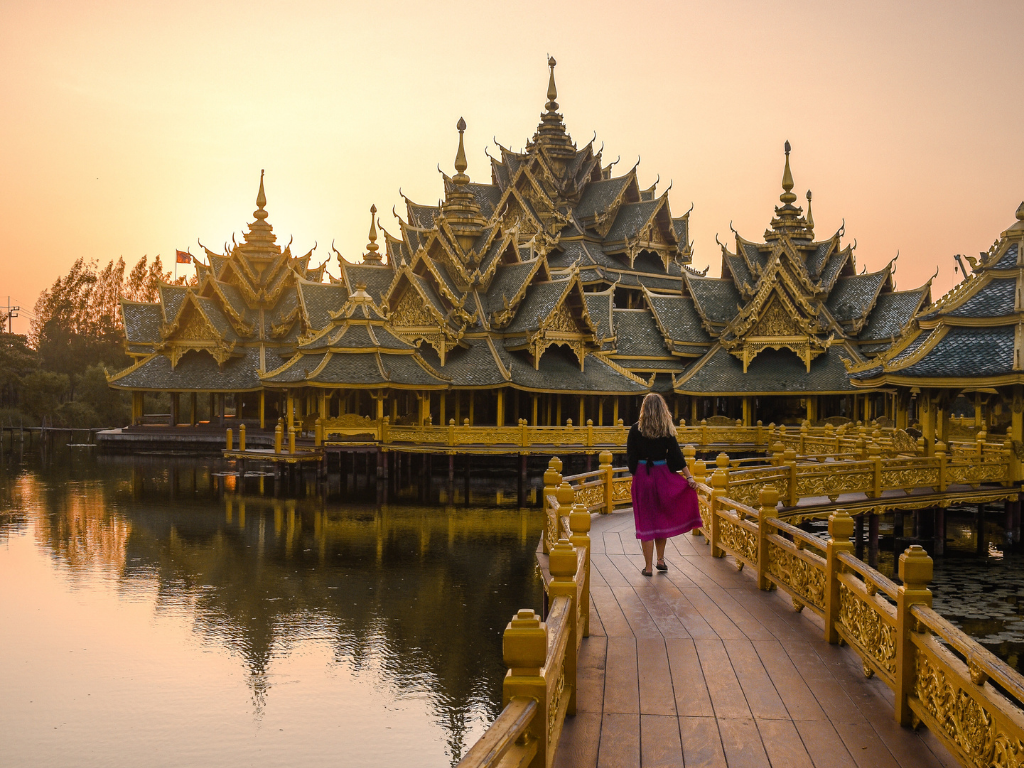
Imagine receiving a private blessing from the head monk at Wat Mai in Luang Prabang, then rising at dawn to witness the centuries-old alms procession in silence. Or sailing along Bangkok’s Chao Phraya River after a twilight tour of Wat Pho, when the reclining Buddha seems even more otherworldly without the crowds. In Cambodia, guests meet Khmer Rouge survivors, war veterans, and social entrepreneurs whose voices give shape to the country’s complex history and its forward-looking resilience.

Unforgettable Encounters

Some of the most powerful encounters unfold in unexpected places. In Bangkok’s Klong Toei neighbourhood, a cooking class doubles as a social enterprise, where preparing a meal becomes a lesson in hope. In Hanoi and Siem Reap, artisans who are deaf or working with repurposed bullet casings show how creativity can transform lives — and futures.

Travellers also head into rural Cambodia, where they meet families whose daily lives have been transformed by access to clean water, supported by sustainable aid programs. And yes, there’s even a chance to meet Cambodia’s famous landmine-detecting rats — unlikely but heroic creatures that continue to save countless lives.

More Than a Milestone

Remote Lands conceived this anniversary journey as a celebration not just of its past but of the future of meaningful travel. By weaving in social enterprises, spiritual traditions, and personal storytelling, Listen Closely underscores how luxury travel can be about far more than indulgence.

For travellers craving a trip that pairs style with substance — and adventure with responsibility — this 20-day Southeast Asia journey offers an invitation to do more than just see the world. It’s a chance to listen closely, connect deeply, and step inside the soul of a region that rewards curiosity at every turn.

A Fresh Peak: Aman Debuts Rosa Alpina in Alpine Splendour

Tucked into the storybook village of San Cassiano in Italy’s South Tyrol, Rosa Alpina has long been a cherished retreat for those in the know — a place where alpine charm meets refined hospitality. Now, under the Aman banner, this iconic property reopens after a transformative renovation, offering a new chapter in Dolomite luxury.

The relaunch blends Aman’s signature serenity and sleek design sensibility with Rosa Alpina’s deep-rooted ties to the region. Interiors by architect Luigi Vietti and designer Bambi Sloane have been subtly refreshed, honouring the building’s heritage while adding a contemporary Alpine polish. Think warm timber, natural stone, and plush textures, all framed by sweeping mountain views.

Aman Rosa Alpina‘s 52 rooms and suites — including newly reimagined accommodations in the main lodge and adjacent chalets — are havens of understated elegance. For a more private escape, the property’s standalone three-bedroom Chalet Zeno offers the ultimate hideaway, complete with its own spa area.

Epicurean experiences remain a star attraction. The hotel is home to St. Hubertus, the three-Michelin-starred restaurant helmed by Chef Norbert Niederkofler, famed for his “Cook the Mountain” philosophy that champions hyper-local, seasonal ingredients. Guests can also dine more casually at the Wine Bar & Grill or savour traditional Ladin dishes in the intimate Fondue Stube.

Wellness is equally central to the experience. The newly enhanced spa features a pool, hammam, and saunas, alongside Aman’s holistic treatments designed to soothe and revitalise after a day on the slopes or hiking trails.

With direct access to the UNESCO-listed Dolomites, the property offers year-round adventures, from skiing and snowshoeing in winter to mountain biking and alpine wildflower walks in summer. And after days spent in the crisp mountain air, evenings unfold in a world of candlelight, fine wine, and fireside relaxation.

By combining Rosa Alpina’s timeless soul with Aman’s meticulous eye for detail, Aman Rosa Alpina sets a new standard for European mountain escapes — one where authenticity and indulgence go hand in hand.